
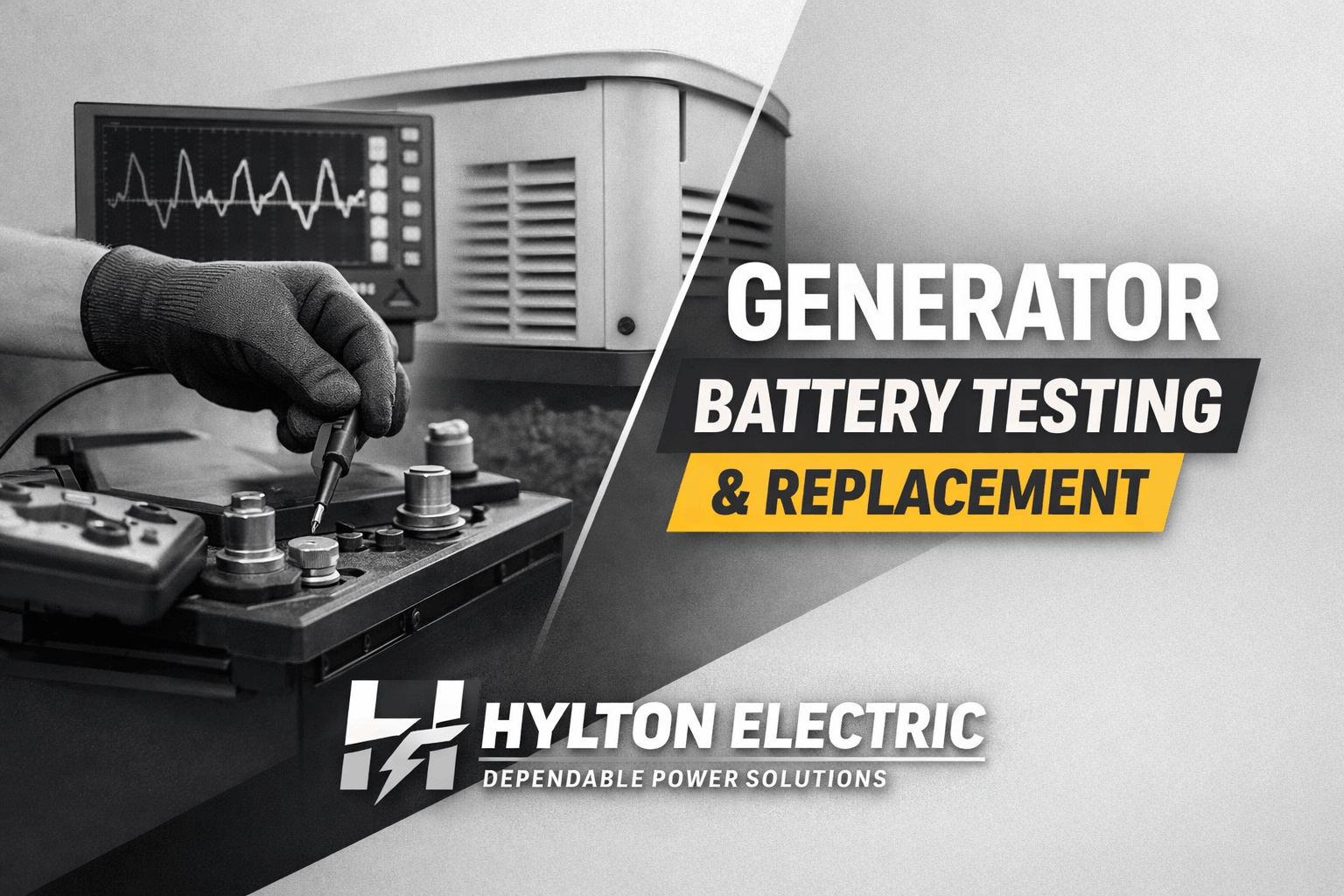
Backup generators are common in Lakeland, Florida. Strong storms, lightning, and heavy rain can cause sudden power outages. When the power goes out, a standby generator helps keep your home running. Lights stay on, refrigerators keep food cold, and important devices continue working.
However, every standby generator depends on one small but critical part: the battery. The generator battery supplies the power needed to start the engine during an outage. If the battery fails, the generator may not start at all. Even a well-maintained generator will not run without a working battery.
Because of this, generator battery testing and replacement in Lakeland is an important part of routine generator care. Many generator problems happen because the battery becomes weak over time. Without regular testing, this issue may go unnoticed until the moment the generator is needed most.
Routine inspections help prevent this situation. A technician can check the battery voltage, inspect the terminals, and test the charging system. These simple checks reveal early signs of battery wear. If the battery is close to failure, replacing it early keeps the generator dependable.
Lakeland homeowners often rely on generators during hurricane season and summer storms. When severe weather hits, there may be little warning. A healthy battery ensures the generator starts quickly and restores power within seconds.
In this guide, we will explain how generator batteries work and why they matter. We will also discuss battery lifespan, warning signs of failure, and the value of regular testing. With proper maintenance, your generator will stay ready whenever the power goes out.
Table of Contents
ToggleWhy Generator Batteries Are Critical for Backup Power Systems
Standby generators are designed to start automatically. When the power from the utility company stops, the generator senses the outage. Within seconds, the system begins the startup process.
At this moment, the generator battery becomes essential.
The battery sends power to the starter motor. The starter motor then turns the engine and begins the startup cycle. Once the engine is running, the generator produces electricity for the home. At the same time, the generator’s charging system begins to recharge the battery.
Because of this process, the battery plays a key role in generator reliability. If the battery is weak, the engine may struggle to start. If the battery is dead, the generator will not start at all.
Many homeowners assume their standby generator will always work during an outage. However, battery failure is one of the most common causes of generator problems. Batteries slowly lose strength over time. This process is natural, but it often goes unnoticed without testing.
Regular battery testing helps identify problems early. During a service visit, a technician may perform several checks, such as:
• Inspecting the battery terminals for corrosion
• Measuring battery voltage levels
• Testing the battery under electrical load
• Checking the generator’s charging system
These tests help determine whether the battery is still reliable. If the battery shows signs of weakness, replacement may be recommended before failure occurs.
This preventive step is especially important in Lakeland. Severe weather can arrive quickly, and power outages may last for hours or even days. A dependable generator battery ensures the system starts immediately when the power goes out.
Typical Lifespan of Generator Batteries
Generator batteries do not last forever. Like car batteries, they gradually wear down with time. Most standby generator batteries last between three and five years under normal conditions.
After this period, the battery may begin to lose its ability to hold a strong charge. When this happens, the generator may struggle to start or fail to start altogether.
Several factors affect how long a generator battery will last.
• Temperature – High heat can shorten battery life.
• Usage – Frequent generator operation increases wear.
• Charging system health – Poor charging can weaken the battery.
• Battery quality – Higher-quality batteries often last longer.
• Maintenance habits – Regular inspections help prevent early failure.
In Florida, temperature plays a major role in battery life. Lakeland experiences warm weather for much of the year. Heat speeds up chemical reactions inside the battery. Over time, this process reduces the battery’s ability to store energy.
Humidity can also create problems. Moist air may cause corrosion on battery terminals. Corrosion interferes with electrical connections and can make starting more difficult.
Because of these conditions, generator professionals often recommend annual battery testing. This test quickly reveals whether the battery is still strong. If the battery shows signs of decline, replacement may be the safest option.
Replacing a battery during routine service is simple and predictable. In contrast, battery failure during a power outage can leave a home without backup electricity.
For Lakeland homeowners who depend on standby generators, keeping the battery in good condition is one of the easiest ways to ensure reliable backup power. Regular testing and timely replacement help keep the generator ready whenever the next outage occurs.
Signs Your Generator Battery Needs Testing or Replacement
Generator batteries often fail without much warning. In many cases, the generator works normally during weekly tests but struggles when a real outage occurs. Because of this, it is important to recognize early signs of battery trouble.
When a battery begins to weaken, the generator may still start. However, the startup process may become slower or less reliable. Paying attention to these warning signs can help prevent sudden generator failure.
Difficulty Starting the Generator
One of the first signs of a weak battery is slow startup. Normally, a standby generator should start within a few seconds after the power goes out. If the engine turns slowly or takes longer than usual to start, the battery may be losing strength.
You might notice symptoms such as:
-
The generator cranking slowly during startup
-
The engine taking multiple attempts to start
-
A delay before the generator begins running
These issues often point to low battery voltage.
Battery Warning Lights or Error Messages
Modern standby generators include control panels that monitor system health. If the battery voltage drops too low, the generator may display a warning.
Common alerts may include:
-
Low battery voltage warnings
-
Battery charger alerts
-
Maintenance reminders
-
Error codes related to startup failure
These warnings should never be ignored. They usually indicate that the battery needs testing or replacement.
Corrosion Around Battery Terminals
Another common issue is corrosion on the battery terminals. Over time, moisture and chemical reactions can cause a white or bluish buildup around the terminals.
Corrosion can create several problems:
-
Poor electrical connection
-
Reduced battery performance
-
Difficulty starting the generator
If corrosion becomes severe, the battery may no longer deliver enough power to start the engine.
Visible Battery Damage
Physical damage is another sign that replacement may be necessary. Batteries should always appear clean and secure inside the generator enclosure.
Warning signs include:
-
Cracked or swollen battery casing
-
Fluid leaks around the battery
-
Loose cables or damaged wires
Any of these issues should be inspected by a generator technician.
Battery Age Beyond Its Expected Lifespan
Sometimes the battery may look fine, but still be near failure. Most standby generator batteries last about three to five years. After that point, the risk of sudden failure increases.
Because of this, many service technicians recommend replacing the battery before it reaches the end of its lifespan. Preventive replacement reduces the chance of generator problems during storms or power outages.
Regular inspections make it easier to detect these issues early. With proper testing and maintenance, homeowners in Lakeland can keep their standby generators reliable when they are needed most.
How Generator Battery Testing Works
Battery testing is a routine part of generator maintenance. The goal is to confirm that the battery can deliver enough power to start the generator during an outage.
Professional testing involves several steps. Each step helps technicians understand the battery’s condition and detect hidden problems.
Visual Inspection
The first step is a simple visual inspection. This allows the technician to check for obvious signs of wear or damage.
During this inspection, technicians typically look for:
-
Corrosion on battery terminals
-
Loose cables or connections
-
Dirt or debris around the battery
-
Signs of leaking fluid
Even small issues can affect battery performance. Cleaning or tightening connections may sometimes solve the problem.
Voltage Testing
Next, the technician measures the battery’s voltage using a digital meter. Voltage testing shows whether the battery is holding a proper charge.
A healthy generator battery should maintain a stable voltage level while connected to the charging system. If the voltage reading is too low, the battery may be weak or nearing the end of its life.
Voltage testing also helps verify that the generator’s charging system is working correctly.
Load Testing
Load testing provides a more accurate picture of battery health. During this test, the technician places a temporary electrical load on the battery. This process simulates the demand created when the generator starts.
While the load is applied, the technician monitors how the battery responds. If the voltage drops too quickly, the battery may not have enough power to start the engine during a real outage.
Load testing is one of the best ways to detect failing batteries before they stop working completely.
Checking the Charging System
Finally, technicians inspect the generator’s charging system. This system keeps the battery charged between generator runs. If the charging system fails, the battery may slowly lose power. Over time, this can lead to unexpected startup problems.
During this step, technicians verify:
-
Proper charger operation
-
Correct wiring connections
-
Stable charging voltage
By completing these checks, technicians can determine whether the battery needs replacement or if another issue is affecting performance.
Regular battery testing helps ensure that standby generators remain dependable. For homeowners in Lakeland, this simple maintenance step can make the difference between a smooth power backup and a frustrating outage.
Step-by-Step Generator Battery Replacement Process
When a generator battery becomes weak or damaged, replacement is usually the best solution. A new battery restores reliable starting power and reduces the risk of generator failure during an outage.
Although battery replacement is a straightforward task, it should always be done carefully. Generators contain electrical components, and proper safety steps must be followed.
Below is a general overview of how technicians perform generator battery replacement.
Safety Preparations
Before replacing the battery, the generator must be safely shut down. This prevents electrical accidents and protects the equipment.
Technicians typically begin with these steps:
-
Turn off the generator using the control panel
-
Disconnect the generator from its power source
-
Allow the engine to cool before working inside the unit
-
Wear protective gloves and safety equipment
These precautions help ensure the replacement process is safe and controlled.
Removing the Old Battery
Once the generator is safely shut down, the technician removes the old battery. The process must follow the correct order to avoid electrical issues.
The usual steps include:
-
Disconnect the negative battery terminal first.
-
Disconnect the positive terminal next.
-
Remove any battery hold-down brackets.
-
Carefully lift the battery out of the generator compartment.
Because generator batteries can be heavy, they should be handled carefully during removal.
Installing the New Battery
After the old battery is removed, the new battery can be installed. It must match the generator’s specifications and voltage requirements.
The installation process usually includes:
-
Placing the new battery securely in the battery tray
-
Connecting the positive terminal first
-
Connecting the negative terminal second
-
Tightening all cable connections firmly
Proper connections are important. Loose cables can cause poor electrical flow and starting problems.
Testing the Generator After Replacement
After installation, the generator should always be tested. This ensures the new battery is working properly and the generator starts without issues.
Technicians usually perform the following checks:
-
Start the generator manually
-
Confirm that the engine starts quickly
-
Check battery voltage during operation
-
Verify the charging system is working
If everything looks normal, the generator is ready to return to standby mode.
Replacing a generator battery before it fails helps avoid unexpected outages. In Lakeland, where storms can arrive quickly, a reliable battery ensures the generator starts exactly when it is needed.
Types of Batteries Used in Standby Generators
Standby generators use specific types of batteries designed to deliver strong starting power. Choosing the correct battery helps ensure reliable performance and longer service life.
While several battery types exist, most residential generators use either traditional lead-acid batteries or sealed AGM batteries.
Lead-Acid Generator Batteries
Lead-acid batteries are the most common option used in standby generators. They are reliable, widely available, and relatively affordable. These batteries work by using chemical reactions between lead plates and sulfuric acid to produce electrical energy.
Key features include:
-
Strong starting power for generator engines
-
Widely available replacement options
-
Lower upfront cost compared to other battery types
However, lead-acid batteries may require occasional inspection. Over time, corrosion can appear on the terminals, and battery fluid levels may need checking.
AGM (Absorbent Glass Mat) Batteries
AGM batteries are another option used in many modern standby generators. These batteries are sealed and designed for maintenance-free operation. Instead of a liquid electrolyte, AGM batteries use a special fiberglass mat that absorbs the battery fluid.
Advantages of AGM batteries include:
-
Sealed design with no fluid leaks
-
Better resistance to vibration
-
Longer service life in many cases
-
Minimal maintenance requirements
Because of these benefits, many homeowners choose AGM batteries when replacing their generator battery.
Choosing the Right Generator Battery
Selecting the correct battery is important for generator reliability. Not every battery is compatible with every generator model. When choosing a replacement battery, technicians consider several factors:
-
Generator brand and model
-
Required voltage and capacity
-
Manufacturer recommendations
-
Local climate conditions
Using the wrong battery can lead to poor performance or charging problems. For this reason, professional generator service providers often recommend batteries specifically designed for standby generators.
A properly matched battery helps ensure smooth generator startup and dependable backup power.
How Often Generator Batteries Should Be Tested
Regular testing helps ensure the generator battery remains dependable. Because batteries slowly weaken over time, routine inspections help detect problems before failure occurs.
Most generator manufacturers recommend checking the battery at least once per year. However, some homeowners choose more frequent inspections for added peace of mind.
Monthly Visual Inspections
Homeowners can perform simple visual checks between professional service visits. These inspections take only a few minutes but can reveal early warning signs.
During a quick inspection, look for:
-
Corrosion around the battery terminals
-
Loose battery cables
-
Dirt or debris near the battery
-
Signs of a leaking battery fluid
If any of these issues appear, the generator should be inspected by a technician.
Annual Professional Battery Testing
A yearly generator service visit usually includes full battery testing. This type of inspection provides a more accurate assessment of battery health.
Professional testing often includes:
-
Measuring battery voltage
-
Performing a load test
-
Checking the charging system
-
Inspecting electrical connections
These tests help determine whether the battery is still reliable or approaching the end of its life.
Preventive Battery Replacement Schedule
Even when a battery appears to work normally, preventive replacement is often recommended. Most standby generator batteries last between three and five years. Replacing the battery before it fails can prevent generator startup problems during storms or power outages.
For homeowners in Lakeland, regular testing and timely battery replacement are simple ways to maintain dependable backup power. A well-maintained battery helps ensure the generator responds quickly whenever the power goes out.
Benefits of Professional Generator Battery Service in Lakeland
Generator batteries may seem simple, but they are an important part of the entire backup power system. A weak or failing battery can prevent the generator from starting during an outage. Because of this, many homeowners choose professional generator battery service instead of handling the issue themselves.
Professional technicians have the tools and experience needed to test and replace generator batteries correctly. They also inspect other parts of the generator to make sure the system works properly.
Regular service helps keep the generator reliable, especially during Florida’s storm season.
Accurate Battery Diagnostics
Professional generator technicians use specialized tools to test battery performance. These tools provide more accurate results than basic voltage checks.
During a professional inspection, technicians may perform several tests, including:
-
Measuring battery voltage levels
-
Performing a load test to check the starting capacity
-
Inspecting cables and electrical connections
-
Testing the generator charging system
These tests help identify hidden problems that might not appear during a simple inspection.
Preventive Maintenance
Battery service is often included in routine generator maintenance. Preventive maintenance keeps the entire system in good condition and helps avoid unexpected breakdowns.
Benefits of regular maintenance include:
-
Lower risk of generator startup failure
-
Longer generator lifespan
-
Improved system performance
-
Early detection of electrical issues
Regular service visits also allow technicians to check other components, such as filters, spark plugs, and oil levels.
Compliance With Manufacturer Recommendations
Most generator manufacturers recommend routine maintenance to keep the system operating properly. Following these guidelines helps ensure reliable performance.
Professional service also helps protect the generator warranty. Many warranties require regular maintenance from qualified technicians. Skipping maintenance may lead to warranty issues later.
For Lakeland homeowners who rely on standby generators, professional battery service provides peace of mind. Knowing that the generator is properly maintained makes power outages far less stressful.
Generator Maintenance Services That Include Battery Testing
Battery testing is only one part of proper generator maintenance. During a full-service visit, technicians inspect several parts of the generator to ensure everything is working correctly. Regular generator maintenance keeps the system ready to operate at any time.
A typical maintenance service may include:
-
Battery voltage testing
-
Load testing of the battery
-
Oil and filter replacement
-
Air filter inspection or replacement
-
Spark plug inspection
-
Fuel system inspection
-
Electrical connection checks
-
Transfer switch testing
These checks help identify small issues before they become major repairs.
Routine maintenance also helps ensure the generator runs smoothly during extended outages. When storms affect Lakeland and nearby areas, a properly maintained generator can operate for long periods without problems.
Most generator experts recommend annual maintenance for residential standby generators. Some systems that operate frequently may benefit from more frequent inspections.
Keeping up with routine service helps homeowners avoid sudden generator problems when they need backup power the most.
Cost of Generator Battery Testing and Replacement in Lakeland
The cost of generator battery testing and replacement can vary depending on several factors. While battery replacement is usually not expensive compared to other generator repairs, prices may differ based on the type of generator and battery used.
Understanding these factors can help homeowners plan for routine maintenance.
Factors That Affect Battery Replacement Cost
Several elements influence the total cost of generator battery service.
Common factors include:
-
The type of battery required for the generator
-
Generator brand and model
-
Labor costs for installation
-
Emergency or after-hours service
-
Additional maintenance performed during the visit
Some generators require larger batteries, which may cost more than standard models.
Average Generator Battery Replacement Cost
For most residential standby generators, the battery itself typically ranges from $80 to $200, depending on the type and brand. Professional installation and testing may add additional service costs.
In many cases, homeowners choose to replace the battery during a scheduled maintenance visit. Combining services can often reduce the overall cost.
Although the battery replacement cost is relatively small, it plays a major role in generator reliability. A fresh battery ensures the system starts quickly during power outages.
Tips to Extend Generator Battery Life
While generator batteries eventually need replacement, proper care can help extend their lifespan. Simple maintenance habits can reduce wear and keep the battery performing well. These small steps can make a noticeable difference over time.
Keep Battery Terminals Clean
Corrosion around battery terminals can interfere with electrical flow. If corrosion appears, the terminals should be cleaned to maintain a strong connection. Clean terminals help the battery deliver full starting power.
Run the Generator Regularly
Most standby generators perform automatic weekly test runs. These exercise cycles help maintain engine performance and keep the battery charged. If the generator has been inactive for long periods, manual testing may help ensure everything is working properly.
Schedule Annual Generator Maintenance
Regular generator service is one of the best ways to protect the battery. During maintenance visits, technicians test the battery and confirm the charging system is working correctly.
Early detection of battery problems can prevent unexpected failure. For homeowners in Lakeland, these simple steps can help keep the generator ready for the next storm or power outage.
Why Lakeland Homeowners Should Schedule Regular Generator Battery Service
Lakeland experiences frequent thunderstorms, especially during the summer months. Hurricanes and tropical storms can also affect the region and cause extended power outages.
Because of this, many homeowners install standby generators to protect their homes. However, the generator is only reliable if every component is working correctly.
The battery plays a critical role in this process. Without a strong battery, the generator cannot start when the power goes out.
Regular battery testing and replacement help ensure the generator is always ready to operate. Professional service technicians can detect battery problems early and recommend replacement before failure occurs.
For homeowners who depend on backup power, routine battery maintenance provides peace of mind. When the next outage happens, the generator will start quickly and restore power to the home.
Professional Generator Battery Testing and Replacement in Lakeland, Florida
Professional generator service helps keep standby systems dependable year-round. Experienced technicians understand the electrical systems used in modern generators and can perform accurate battery testing.
During a service visit, technicians inspect the battery, test the charging system, and replace the battery if needed. These steps help prevent startup problems and keep the generator operating smoothly.
Reliable generator battery service ensures that backup power is available whenever it is needed. For homes and businesses in Lakeland, regular testing and timely battery replacement are essential parts of generator maintenance.
Conclusion: Keep Your Generator Ready for the Next Power Outage
Generator batteries may be small, but they play a major role in backup power reliability. Without a healthy battery, even the best standby generator cannot start during a power outage.
Most generator batteries last between three and five years. However, heat, humidity, and regular use can shorten their lifespan. Because of this, regular testing is important.
Routine battery inspections help identify problems early. If the battery begins to weaken, replacement can prevent unexpected generator failure.
For Lakeland homeowners, dependable backup power is especially important during storm season. Regular generator maintenance, including battery testing and replacement, helps ensure the system is always ready.
With proper care, a standby generator can provide reliable power whenever the grid goes down.
If you need generator battery testing and replacement in Lakeland, Florida, the team at Hylton Electric is here to help. Our experienced electricians can inspect your generator, test the battery, and replace it if needed to keep your backup power system ready.
Give us a call today at +1 863-624-7000 to schedule a generator battery inspection. You can also reach us by email at ray@hylton-electric.com.
We’re always happy to help you keep your generator reliable and your home protected when the power goes out.
FAQs: Generator Battery Testing and Replacement
How often should a generator battery be tested?
Generator batteries should be tested at least once a year during routine generator maintenance. However, many experts recommend checking the battery every six months in areas with extreme weather, such as Florida. Regular testing ensures the battery can still provide enough power to start the generator during an outage.
A typical battery test may include:
-
Checking voltage levels
-
Inspecting terminals for corrosion
-
Performing a load test
These checks help detect weak batteries before they fail.
How long does a standby generator battery last?
Most standby generator batteries last between three and five years under normal conditions. However, several factors can affect battery lifespan, including climate, generator usage, and maintenance practices.
In warmer regions like Lakeland, heat can shorten battery life. High temperatures speed up internal chemical reactions, which can wear out the battery faster. Regular inspections and preventive replacement help ensure the generator remains reliable during power outages.
What are the signs that a generator battery is failing?
A failing generator battery usually shows warning signs before it stops working completely. Recognizing these symptoms early can prevent generator startup problems during an outage.
Common signs include:
-
Slow or delayed generator startup
-
Battery warning lights on the control panel
-
Corrosion around battery terminals
-
Visible battery swelling or leaks
If you notice any of these issues, it is best to schedule a battery inspection as soon as possible.
Can a generator run with a weak battery?
A generator may still start with a weak battery, but it is not reliable. Weak batteries often struggle to supply enough power to the starter motor. This can lead to slow startup or multiple starting attempts.
During a real power outage, the generator might fail to start completely. Because of this risk, technicians usually recommend replacing a weak battery before it stops working entirely.
What type of battery is used in standby generators?
Most standby generators use 12-volt lead-acid batteries designed for high starting power. Some modern systems also use AGM (Absorbent Glass Mat) batteries, which are sealed and maintenance-free.
These batteries provide the strong electrical surge needed to start the generator engine. The correct battery type depends on the generator model and manufacturer recommendations.
Why do generator batteries fail?
Generator batteries can fail for several reasons. Over time, internal battery components naturally degrade, reducing their ability to hold a charge. Environmental factors can also accelerate wear.
Common causes include:
-
Age and normal wear
-
High temperatures
-
Corrosion on battery terminals
-
Charging system problems
-
Long periods without maintenance
Regular testing helps identify these issues early.
Should a generator battery be replaced before it fails?
Yes, preventive battery replacement is usually recommended. Waiting until the battery fails can leave your generator unable to start during a power outage.
Most generator professionals recommend replacing the battery once it approaches three to five years of use, even if it still appears to work. This approach reduces the risk of unexpected generator failure during storms or emergencies.
Can homeowners test a generator battery themselves?
Homeowners can perform simple visual checks, but full battery testing is usually best handled by a professional technician.
Basic homeowner checks may include:
-
Looking for corrosion around battery terminals
-
Ensuring battery cables are tight
-
Checking for leaks or physical damage
Professional testing uses specialized tools to measure voltage and perform load testing, which provides a more accurate assessment of battery health.
What happens if a generator battery dies during a power outage?
If the generator battery dies during an outage, the generator will not start automatically. The starter motor requires battery power to begin the engine cycle.
Without a working battery, the generator remains off, and the home or building will not receive backup electricity. This is why regular battery testing and timely replacement are essential for dependable generator operation.
How much does generator battery replacement usually cost?
Generator battery replacement costs vary depending on the battery type and generator model. For most residential standby generators, the battery itself typically costs between $80 and $200.
Additional service costs may include:
-
Professional installation
-
Battery testing
-
Maintenance inspections
Many homeowners choose to replace the battery during scheduled generator maintenance visits.
What causes corrosion on generator battery terminals?
Corrosion occurs when battery chemicals react with moisture and air. This reaction can create a white or bluish buildup around battery terminals.
Corrosion may lead to several problems, such as:
-
Poor electrical connection
-
Reduced battery performance
-
Difficulty starting the generator
Cleaning terminals regularly and keeping the generator enclosure dry can help prevent corrosion.
Does the generator charge its own battery?
Yes, most standby generators include a built-in charging system. When the generator runs or performs automatic test cycles, the charging system helps maintain battery power.
This system works similarly to a vehicle alternator. It keeps the battery charged so the generator can start quickly when the utility power fails.
How does Florida’s climate affect generator batteries?
Florida’s warm climate can shorten generator battery life. High temperatures increase the rate of chemical reactions inside the battery, which gradually reduces its capacity.
Humidity may also cause corrosion on electrical connections. Because of these conditions, generator batteries in Florida may require more frequent inspection and earlier replacement compared to cooler regions.
What is load testing for generator batteries?
Load testing is a professional diagnostic method used to evaluate battery strength. During this test, a technician applies an electrical load to the battery while measuring voltage performance.
This process simulates the power demand that occurs when the generator starts. If the battery voltage drops too quickly during the test, the battery may not have enough capacity to start the generator reliably.
Can a generator battery be charged instead of replaced?
In some cases, a battery with low voltage can be recharged. However, if the battery is old or damaged, charging may only provide temporary improvement.
When batteries reach the end of their lifespan, they often lose their ability to hold a charge. At that point, replacement is usually the safest and most reliable option.
Do standby generators perform automatic battery checks?
Many modern generators include automatic self-testing features. These systems run weekly or bi-weekly exercise cycles to confirm the generator can start and operate properly.
However, automatic tests may not always detect battery deterioration early. Professional inspections provide a more detailed evaluation of battery health.
What maintenance helps extend generator battery life?
Several maintenance steps can help extend battery life and improve generator reliability.
Helpful practices include:
-
Cleaning battery terminals regularly
-
Keeping connections tight and secure
-
Scheduling annual generator maintenance
-
Replacing aging batteries before failure
These simple steps can reduce wear and help ensure the generator starts when needed.
Is generator battery testing included in regular generator maintenance?
Yes, battery testing is typically part of routine generator maintenance services. During a maintenance visit, technicians inspect the battery and perform several diagnostic checks.
These checks may include voltage testing, load testing, and inspection of battery cables and connections. Including battery testing in routine maintenance helps prevent unexpected generator startup problems.
Why is generator battery maintenance important in Lakeland?
Lakeland experiences frequent thunderstorms and seasonal hurricanes that can cause power outages. During these events, standby generators provide essential backup power for homes and businesses.
Because the battery is responsible for starting the generator, maintaining it properly is critical. Regular battery testing ensures the generator is ready to operate whenever the power grid fails.
Who should perform generator battery testing and replacement?
Generator battery testing and replacement should ideally be performed by a qualified electrician or generator technician. Professionals have the tools and experience needed to test battery performance accurately.
They can also inspect the charging system, electrical connections, and other generator components. Professional service ensures the generator remains reliable and ready to operate during unexpected power outages.
Leave a Reply