Electric bills seem straightforward. You use electricity, and you pay for it. But then one month, the number jumps, and it doesn’t quite make sense. Most people assume the increase is due to higher rates, extreme weather, or something the utility company is doing behind the scenes.
That explanation is only part of the story.
The real issue is often much simpler—and more within your control. It comes down to how and when you use electricity. While most homeowners focus on total usage, they completely overlook timing. And that oversight can quietly cost you money every single month.
Table of Contents
ToggleThe Hidden Factor: Timing Matters More Than You Think
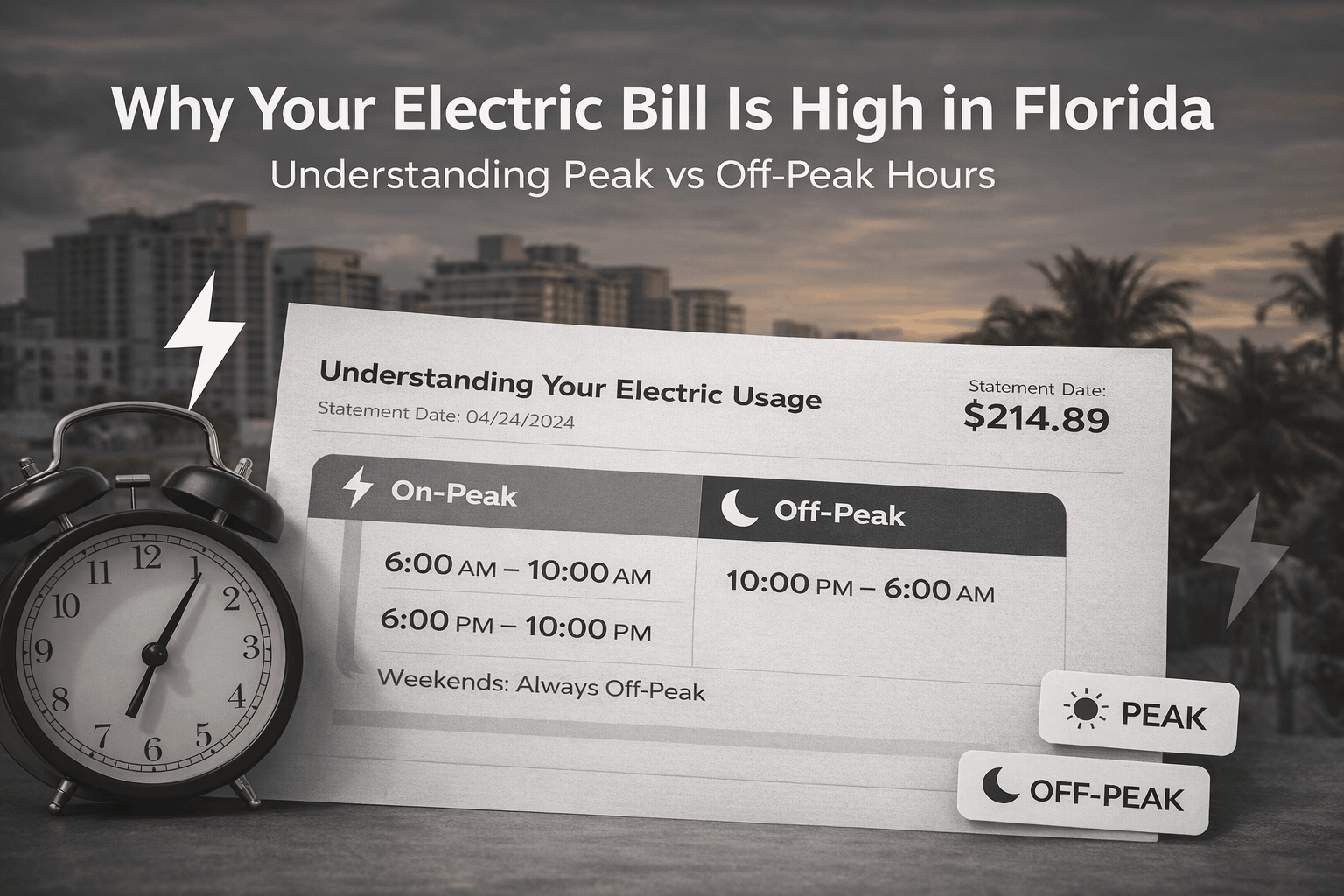
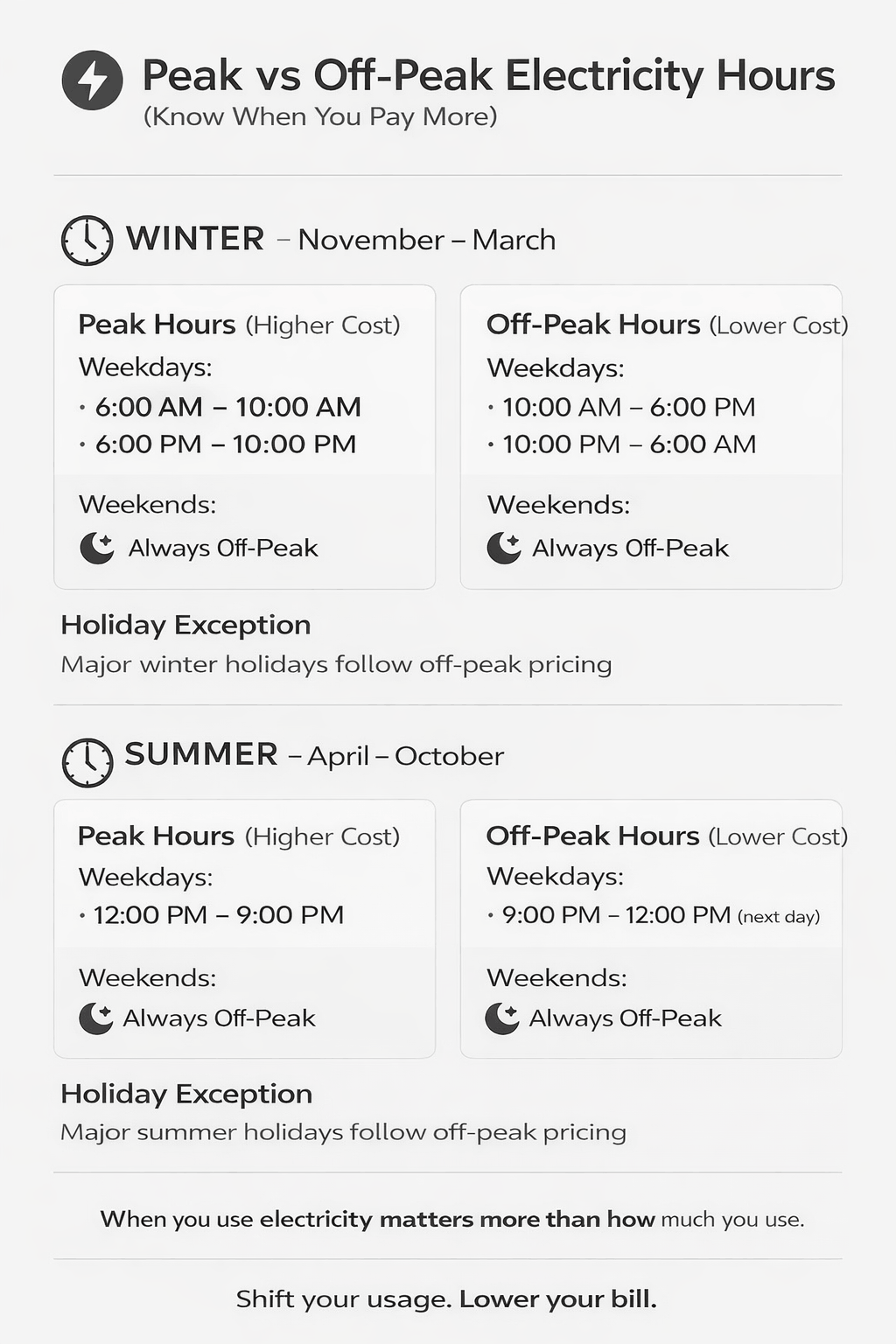
Electricity is not priced the same throughout the day. Utilities typically charge more during periods of high demand, known as peak hours, and less during off-peak times when demand drops. This pricing structure is designed to balance the load on the grid.
The problem is that most households naturally use the most electricity during peak hours. Evenings are the biggest example. People come home from work, turn on lights, adjust the thermostat, start cooking, run laundry, and power up multiple appliances all at once.
It feels normal. It’s also expensive.
By concentrating your usage during these high-demand periods, you are essentially choosing to pay premium rates without realizing it.
Why Peak Hours Exist in the First Place
The electrical grid has limits. When demand spikes—especially during hot afternoons or busy evenings—utilities have to work harder to supply enough power. To manage this, they introduce higher pricing during those periods.
This isn’t a penalty. It’s a system designed to encourage people to spread out their energy use.
If more households shifted usage to off-peak hours, the grid would run more efficiently. But since most people don’t think about timing, demand remains clustered—and prices stay high during those windows.
Understanding this is the first step toward lowering your bill.
The Biggest Energy Drains in Your Home
Not all appliances contribute equally to your electric bill. Some use minimal energy, while others have a significant impact, especially when used during peak hours.
The biggest contributors typically include:
-
Air conditioning systems
-
Electric dryers
-
Water heaters
-
Dishwashers
-
Ovens and stoves
These appliances are essential, and no one is suggesting you stop using them. However, when you run several of them at the same time—especially during peak periods—the cost adds up quickly.
The Real Problem: Habit, Not Equipment
Most homeowners assume that high bills are caused by faulty equipment or outdated systems. While that can sometimes be true, the more common issue is habit.
A typical evening routine often involves multiple high-energy activities happening at once. Lights are on in every room, the HVAC system is working harder, dinner is being prepared, and appliances like dishwashers and washing machines are running simultaneously.
This creates a spike in energy demand right when electricity is most expensive. The system isn’t broken. It’s simply being used inefficiently.
Small Changes That Can Lower Your Bill
The good news is that you don’t need to drastically change your lifestyle to see results. Small adjustments in timing can make a noticeable difference over time.
For example, you can:
-
Run your dishwasher later at night instead of immediately after dinner
-
Do laundry early in the morning or later in the evening
-
Pre-cool your home before peak hours begin
-
Avoid running multiple heavy appliances at the same time
These changes are simple and practical. More importantly, they reduce your exposure to higher rates without sacrificing comfort.
Why “Using Less Electricity” Isn’t the Real Solution
You’ve probably heard the advice: “Just use less electricity.” While that sounds reasonable, it’s not very practical.
You’re not going to stop using air conditioning during the summer. You’re not going to avoid cooking meals or using hot water. These are basic needs, not luxuries.
The better approach is to use electricity more intelligently.
Instead of focusing only on reducing usage, focus on when and how you use it. That shift in mindset is what leads to consistent, realistic savings.
Your Electrical System Plays a Bigger Role Than You Think
While habits are a major factor, your home’s electrical system also matters. Older systems are often not designed to handle modern energy demands efficiently.
Over time, this can lead to wasted energy and higher costs. Some common signs that your system may be holding you back include:
-
Frequent breaker trips
-
An outdated electrical panel
-
Large appliances sharing circuits
-
Inconsistent power performance
These issues may not seem urgent, but they can quietly reduce efficiency and increase your monthly expenses.
Why Upgrading Isn’t Just About Fixing Problems
Many homeowners only think about electrical upgrades when something goes wrong. But waiting for a failure can be a costly approach.
Modern electrical systems are designed to manage load more effectively. They distribute power efficiently, reduce strain during peak hours, and support newer technologies that help optimize usage.
Upgrading your system can:
-
Improve load balance across circuits
-
Support smart scheduling and automation
-
Reduce energy waste
-
Prepare your home for future demands, such as electric vehicles
Even if your current system is functioning, it may not be operating as efficiently as it could.
Smart Technology Makes Energy Management Easier
Managing energy use used to require constant attention. Today, technology has made it much simpler.
Smart devices can automatically adjust your usage based on time of day and demand. This removes the guesswork and ensures that you are using electricity more efficiently without thinking about it.
Examples include:
-
Smart thermostats that optimize cooling and heating schedules
-
Timers for appliances and water heaters
-
Systems that shift energy usage to off-peak hours
These tools are becoming more accessible and affordable, making them a practical option for many homeowners.
The Problem You Don’t See
One of the biggest challenges with energy usage is that waste is invisible. You don’t see electricity being used, and you don’t feel the cost in real time.
The only signal you get is your monthly bill.
By the time you notice a problem, the waste has already happened. This delay makes it easy to ignore inefficiencies and continue the same habits.
Why Most People Never Fix It
Even when homeowners understand the concept of peak hours and energy efficiency, many still don’t take action. The reason is simple: the savings don’t feel immediate or dramatic.
Shifting your dishwasher cycle or adjusting your thermostat might only save a small amount in the short term. But over time, those small savings add up significantly.
The challenge is thinking long-term instead of focusing on short-term results.
A Practical Approach That Actually Works
You don’t need a complete overhaul to improve your energy efficiency. A step-by-step approach is often the most effective.
Start by adjusting when you use high-energy appliances. Then, add simple tools like programmable thermostats to gain better control. After that, evaluate your electrical system and identify any inefficiencies.
Finally, consider targeted upgrades that provide the most impact without unnecessary complexity.
This approach keeps things manageable while delivering real results.
Why This Matters More Than Ever
As cities grow and more devices are added to homes, energy demand continues to increase. This puts more pressure on the grid and makes peak pricing even more relevant.
In the future, managing when and how you use electricity will become even more important. What feels like a small adjustment today could become a necessary habit tomorrow.
Final Thought: Stop Guessing, Start Managing
Electric bills shouldn’t feel unpredictable. If they do, it’s usually because something is being overlooked. You don’t need to drastically cut back on electricity. You need to understand it better.
By paying attention to timing, improving control, and making smarter decisions, you can reduce costs without sacrificing comfort. At the end of the day, the difference between a high bill and a manageable one often comes down to awareness—not just usage.
Contact Hylton Electric for the best electrical services in Lakeland, Florida. Get your free quote here: https://hylton-electric.com/services/
Check the complete story here: Reddit Thread
Leave a Reply