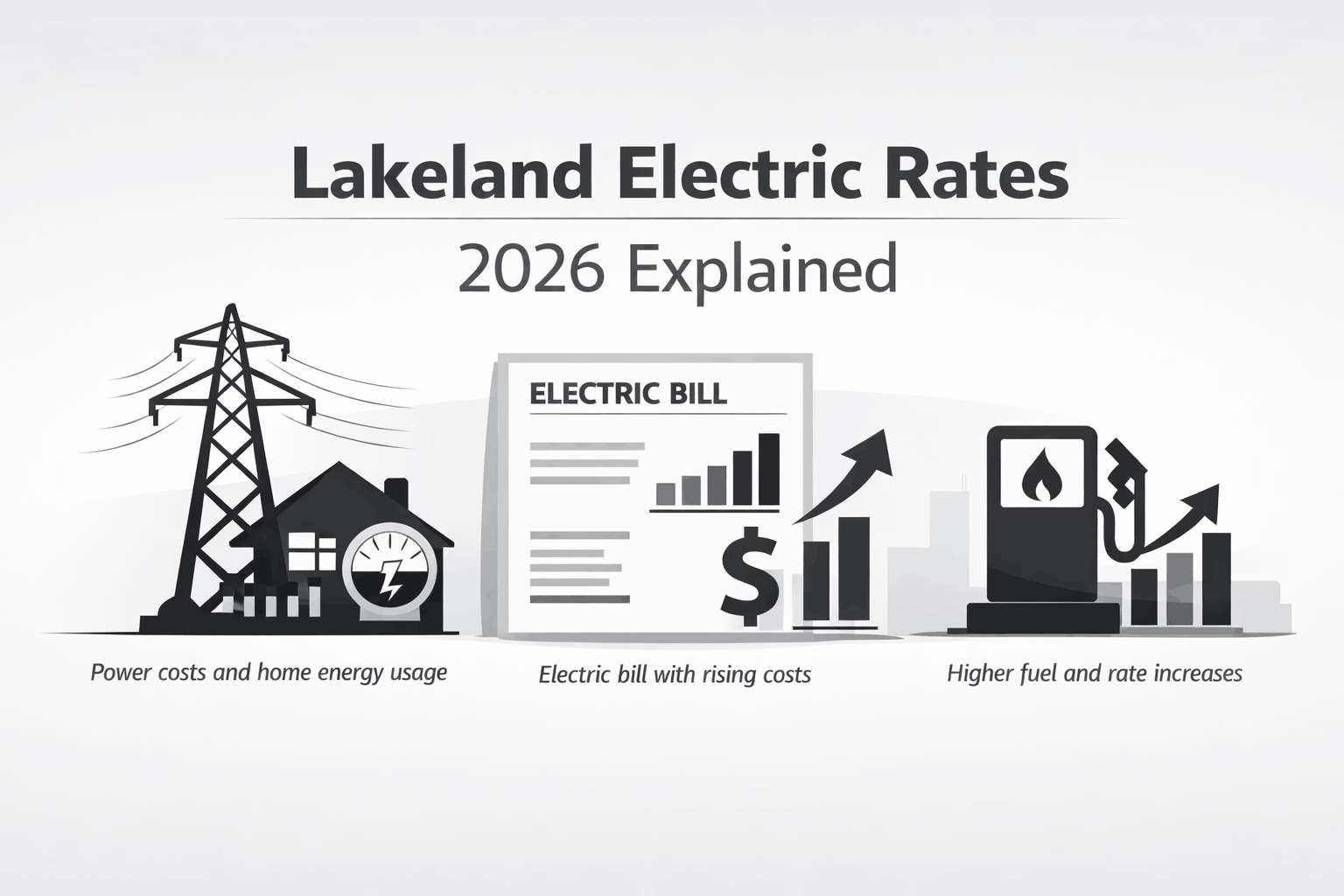
Electric bills are supposed to be simple. You use electricity, and you pay for it. But in Lakeland, Florida, it rarely feels that straightforward. One month, your bill looks normal, and the next it jumps without a clear reason. That’s when most homeowners start questioning what changed.
The truth is, it’s not always your usage. In many cases, it’s how the pricing system works behind the scenes. Lakeland Electric rates in 2026 are still considered affordable on paper, but once you break down the structure, it becomes clear why so many people feel like they are paying more than they should.
The Illusion of Low Electricity Rates
At first glance, Lakeland Electric appears to offer competitive pricing. The cost per kilowatt-hour (kWh) is lower than the national average, which gives the impression that electricity is relatively cheap in this area. For many homeowners, that sounds reassuring.
However, focusing only on the per-kWh rate is misleading. Your monthly bill is not based on a single number. Instead, it is built from multiple components that stack together and increase your total cost.
These include:
-
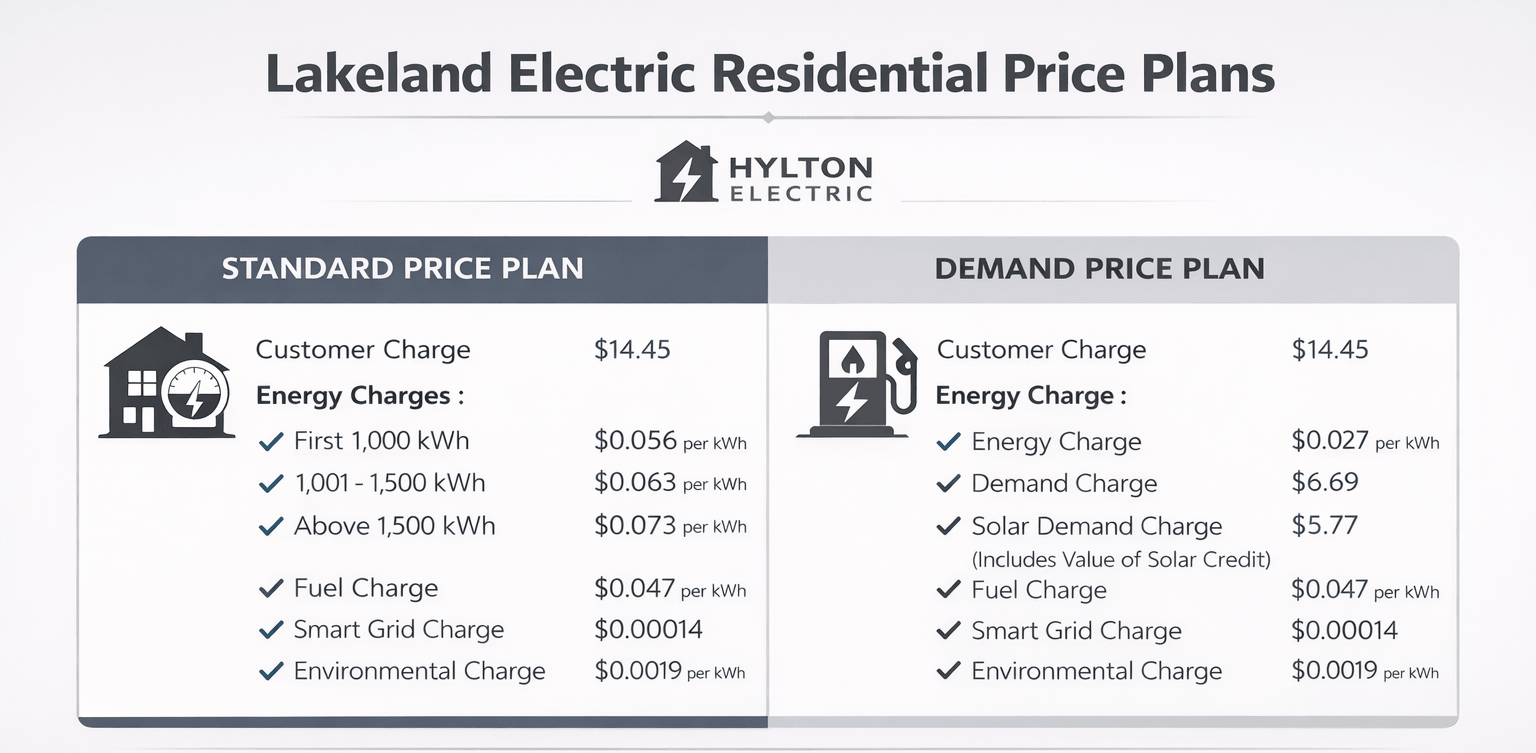
A fixed base charge
-
Tiered energy rates
-
Fuel cost adjustments
-
Taxes and local fees
Individually, these charges seem reasonable. But when combined, they can push your bill higher than expected, even if your energy use feels normal.
Understanding Your Lakeland Electric Bill
To really understand your bill, you need to look at how each component works. Most people only look at the total, but the details tell a different story.
Base Charge: The Cost of Staying Connected
The base charge is a fixed monthly fee that every customer pays, regardless of usage. Even if you leave your home empty for weeks, this charge will still appear on your bill.
This fee helps cover the cost of maintaining infrastructure, running the grid, and keeping service available at all times. From a utility standpoint, it makes sense.
However, from a customer perspective, it sets a minimum cost that cannot be avoided. No matter how much you try to save energy, your bill will never drop below this baseline.
Opinion: While the base charge is justified, it limits how much control homeowners actually have over reducing their bills.
Energy Charge: Where Usage Really Matters
The energy charge is the part of the bill most people expect to matter the most. This is where you pay for the electricity you actually use.
Lakeland Electric uses a tiered pricing system, which means the rate changes depending on how much energy you consume. Lower usage is billed at a lower rate, while higher usage falls into more expensive tiers.
This structure is designed to encourage conservation, but it has a practical downside. In a place like Florida, where air conditioning is essential for much of the year, it is very easy to cross into higher tiers.
As a result:
-
Your total usage increases
-
Your cost per unit also increases
-
Your bill rises faster than expected
Opinion: This system may be logical on paper, but in reality, it penalizes normal living conditions—especially during hot months.
Fuel Charge: The Most Unpredictable Factor
The fuel charge is one of the most important parts of your bill, yet it is often the least understood. It represents the cost of generating electricity, which is largely tied to natural gas prices.
Unlike the base charge or energy rates, the fuel charge is not fixed. It changes depending on market conditions. In 2026, this charge increased, and many customers saw higher bills as a result.
What makes this frustrating is that it is completely outside your control. Even if your usage stays the same, your bill can still go up because of fuel cost changes.
Key things to know about the fuel charge:
-
It is passed directly to customers without markup
-
It fluctuates based on global energy markets
-
It can significantly impact your total bill
Opinion: This is the biggest source of unpredictability in your electric bill. It makes budgeting difficult and creates the feeling that costs are constantly shifting.
Taxes and Fees: The Quiet Add-Ons
In addition to the main charges, your bill includes taxes and local fees. These are typically calculated as a percentage of your total cost, which means they increase as your bill increases.
Common additions include:
-
State sales tax
-
Local utility taxes
-
Municipal surcharges
While these charges may seem minor, they add up over time and contribute to the overall cost.
Why Electric Bills Feel Higher in 2026
If your bill feels higher this year, you are not alone. Several factors are contributing to the increase, and they are all happening at the same time.
- First, fuel costs have risen, which directly increases the fuel charge. This alone can raise your bill even if your usage has not changed.
- Second, Florida’s climate plays a major role. Long periods of heat and humidity mean that air conditioning systems run more frequently and for longer periods. This naturally increases energy consumption.
- Third, the tiered pricing system amplifies the impact of higher usage. As you move into higher tiers, you are not just using more electricity—you are also paying more for each unit.
Finally, fixed charges such as the base fee ensure that your bill never drops significantly, even if you reduce your usage.
What a Typical Monthly Bill Looks Like
For a home using around 1,000 kWh per month, the bill may seem manageable. However, most households in Lakeland use more than this, especially during warmer months.
As usage increases, several things happen at once:
-
You move into higher pricing tiers
-
Your fuel charge increases
-
Your taxes rise along with your total
This is why many households end up with bills exceeding $200, even when they are not using electricity excessively.
Are Lakeland Electric Rates Fair?
From a technical standpoint, Lakeland Electric offers competitive rates and a transparent billing structure. The utility does not add markup to fuel costs, and the pricing system is clearly defined.
However, fairness is not just about numbers. It is also about how customers experience those numbers.
On the positive side:
-
Rates are lower than in many other areas
-
Charges are clearly itemized
-
The system encourages efficiency
On the negative side:
-
Bills can be difficult to predict
-
Small increases in usage can lead to large cost jumps
-
External factors like fuel prices affect your bill
Opinion: The rates themselves are not unfair, but the system is complex enough that it often feels that way to customers.
The Real Issue: Complexity
The biggest problem with the current system is not any single charge. It is the combination of multiple moving parts.
Most homeowners do not track:
-
Usage thresholds
-
Fuel cost changes
-
Rate adjustments
They simply look at the final bill. When that number changes unexpectedly, it creates confusion and frustration. In reality, the system is working exactly as designed—but that design is not always user-friendly.
How to Lower Your Electric Bill
While you cannot control fuel prices or fixed charges, there are practical ways to reduce your costs. One of the most effective strategies is to stay within lower usage tiers. Even small reductions in energy use can prevent your bill from increasing sharply.
You can also improve cooling efficiency by making small adjustments, such as raising your thermostat slightly or using fans to support airflow. These changes may seem minor, but they can reduce overall consumption.
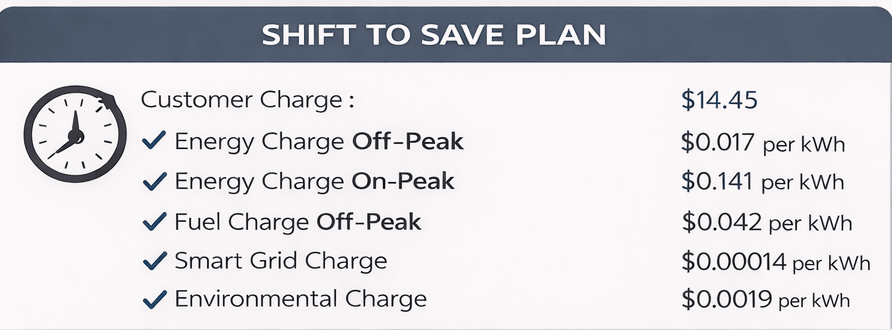
If your plan allows it, shifting energy use to off-peak hours can also help lower costs. Running appliances at night or early in the morning can make a difference.
Long-term improvements are also worth considering. Upgrading insulation, installing energy-efficient systems, and using smart thermostats can significantly reduce energy use over time.
What to Expect Moving Forward
Electricity pricing is unlikely to become simpler in the near future. If anything, it will become more dynamic.
You can expect continued fluctuations in fuel costs, gradual rate adjustments, and a stronger focus on energy efficiency. Utilities are adapting to changing energy markets, and customers will need to adapt as well.
Final Thoughts
Lakeland Electric rates are not unusually high, and in many ways, they are competitive. However, affordability on paper does not always translate to affordability in practice.
Your electric bill reflects more than just your usage. It is shaped by a layered pricing structure, external energy costs, and a system that rewards efficiency but penalizes higher consumption.
Understanding how these pieces fit together does not lower your bill—but it does make it easier to see why it looks the way it does. And in 2026, that understanding matters more than ever.
Check the details here in Lakeland Electric
Check more insightful articles here at Hylton Electric Blog.
Leave a Reply