
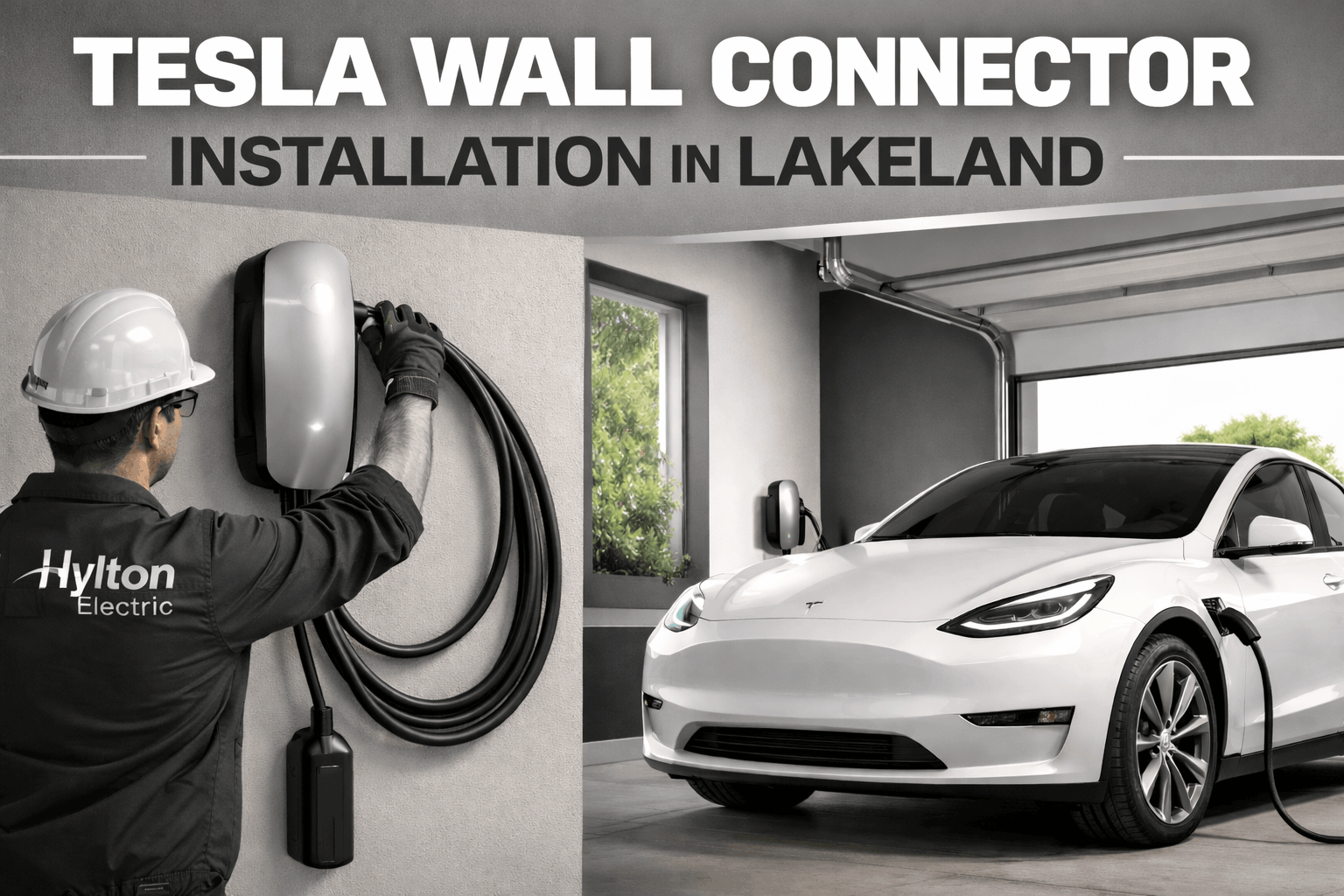
Electric vehicles are becoming more common across Lakeland. Many homeowners now drive a Tesla for daily commuting, errands, and weekend trips. While public charging stations exist, most EV owners prefer charging at home. It is easier, more reliable, and often cheaper.
A Tesla Wall Connector makes home charging much faster than a regular outlet. Instead of waiting all day for a charge, you can plug in at night and wake up with a full battery. For many drivers, this simple routine makes owning an electric vehicle much more convenient.
However, installing a Tesla Wall Connector is not the same as plugging in a household appliance. The charger needs a dedicated 240-volt circuit. The electrical panel must also support the additional load. In many cases, local permits and inspections are required before installation.
That is why homeowners in Lakeland usually hire a licensed electrician for the job. A professional can evaluate the electrical panel, install the correct wiring, and ensure the system follows Florida electrical codes. This helps prevent safety problems and keeps the charger working properly.
In this guide, we will explain how the Tesla Wall Connector installation works. You will learn how the charger operates, why many homeowners install one, and what the installation process usually involves.
What Is a Tesla Wall Connector?
A Tesla Wall Connector is a home charging station designed for Tesla vehicles. It is a Level 2 charger that connects directly to your home’s electrical system. Because it uses a 240-volt circuit, it can charge a vehicle much faster than a standard outlet.
Most homeowners install the charger in their garage or on an exterior wall near the driveway. Once installed, charging becomes very simple. Drivers just plug in the vehicle when they return home. The car then charges automatically.
The Wall Connector is built for everyday use. It is durable, weather-resistant, and designed to handle repeated charging. This makes it a practical option for homeowners who rely on their EV every day.
Another benefit is consistency. Public charging stations may be busy or out of service. With a home charger, the charging station is always available when you need it.
Key Features of the Tesla Wall Connector
Tesla designed the Wall Connector to make home charging simple and efficient. The system includes several features that help improve performance and reliability.
Important features include:
-
Level 2 charging for faster home charging
-
Up to 48 amps of charging power
-
Wi-Fi connectivity for updates
-
Power sharing for homes with multiple EV chargers
-
Indoor and outdoor installation options
-
Compact wall-mounted design
These features make the charger suitable for most homes. Once installed, it works quietly in the background while your vehicle charges.
Tesla Wall Connector vs Standard Outlet Charging
Some Tesla owners start by charging their vehicle with a standard 120-volt outlet. This method works, but it is extremely slow. In many cases, it may only add a few miles of driving range per hour.
A Level 2 charger like the Tesla Wall Connector works much faster. It provides enough power to charge the vehicle overnight.
With a standard outlet, a full charge may take more than a full day. With a Wall Connector, most vehicles can charge overnight. For drivers who rely on their Tesla every day, the faster charging speed makes a big difference.
Why Install a Tesla Wall Connector at Home in Lakeland?
Home charging is one of the biggest advantages of owning an electric vehicle. Instead of stopping at a charging station, you can simply charge at home. This makes daily driving much easier.
For many Lakeland homeowners, the garage becomes their personal charging station. When they return home in the evening, they plug in the car. By morning, the vehicle is ready for the day.
This routine saves time and reduces stress. There is no need to search for available public chargers. Charging becomes part of the normal daily routine.
Home charging can also reduce costs. Electricity is usually cheaper than public charging networks. Over time, the savings can add up.
Benefits of Installing a Home EV Charger
A Tesla Wall Connector offers several advantages for EV owners.
Key benefits include:
-
Faster overnight charging
-
Greater convenience for daily driving
-
Less reliance on public charging stations
-
Lower long-term charging costs
-
More reliable charging at home
These benefits explain why many Tesla owners install a dedicated charger soon after purchasing their vehicle.
Growing EV Adoption in Florida
Electric vehicles are becoming more popular across Florida. Cities like Lakeland, Tampa, and Orlando now have more EV drivers than ever before.
Several factors are contributing to this growth. Electric vehicles have longer driving ranges than earlier models. Charging infrastructure is expanding, and more manufacturers are producing EVs.
Because of this trend, many homeowners are preparing their homes for EV charging. Installing a Tesla Wall Connector helps ensure the home is ready for current and future electric vehicles.
Home charging is quickly becoming a standard feature for modern homes with electric vehicles.
Tesla Wall Connector Installation Requirements
Installing a Tesla Wall Connector is not difficult for a trained electrician, but it does require proper planning. The charger connects directly to your home’s electrical system. Because of this, the wiring, circuit breaker, and electrical panel must all support the charger safely.
Most homes in Lakeland already have the electrical capacity for a Level 2 charger. However, some older homes may need small upgrades before installation. For example, the electrical panel may need additional space for a new breaker. In other cases, the panel may need a capacity upgrade.
A licensed electrician usually begins with a quick inspection. They check the panel, measure the distance to the installation location, and confirm the best wiring path. This step helps avoid electrical overload and ensures the charger works efficiently.
The charger also requires a dedicated circuit. This means the circuit is used only for the EV charger and nothing else. Dedicated circuits help prevent overheating and keep the electrical system stable during charging.
Electrical Requirements for Tesla Charger Installation
A Tesla Wall Connector uses a 240-volt circuit. This is the same type of power used by large household appliances like electric dryers or ovens. The charger pulls more power than a normal outlet, so the wiring and breaker must be sized correctly.
Most installations include the following electrical components:
-
240-volt dedicated circuit
-
Appropriate circuit breaker
-
Heavy-gauge copper wiring
-
Proper grounding
-
Weather-rated conduit if installed outdoors
The charger can deliver up to 48 amps, depending on the circuit configuration. Because of this, electricians must follow National Electrical Code (NEC) guidelines when installing the system.
Correct wiring and breaker size are important for safety. If the circuit is too small, it could overheat during charging.
Recommended Breaker and Wiring Setup
Electricians choose wiring and breaker sizes based on the charger’s power output. The following table shows common configurations used for Tesla Wall Connector installations.
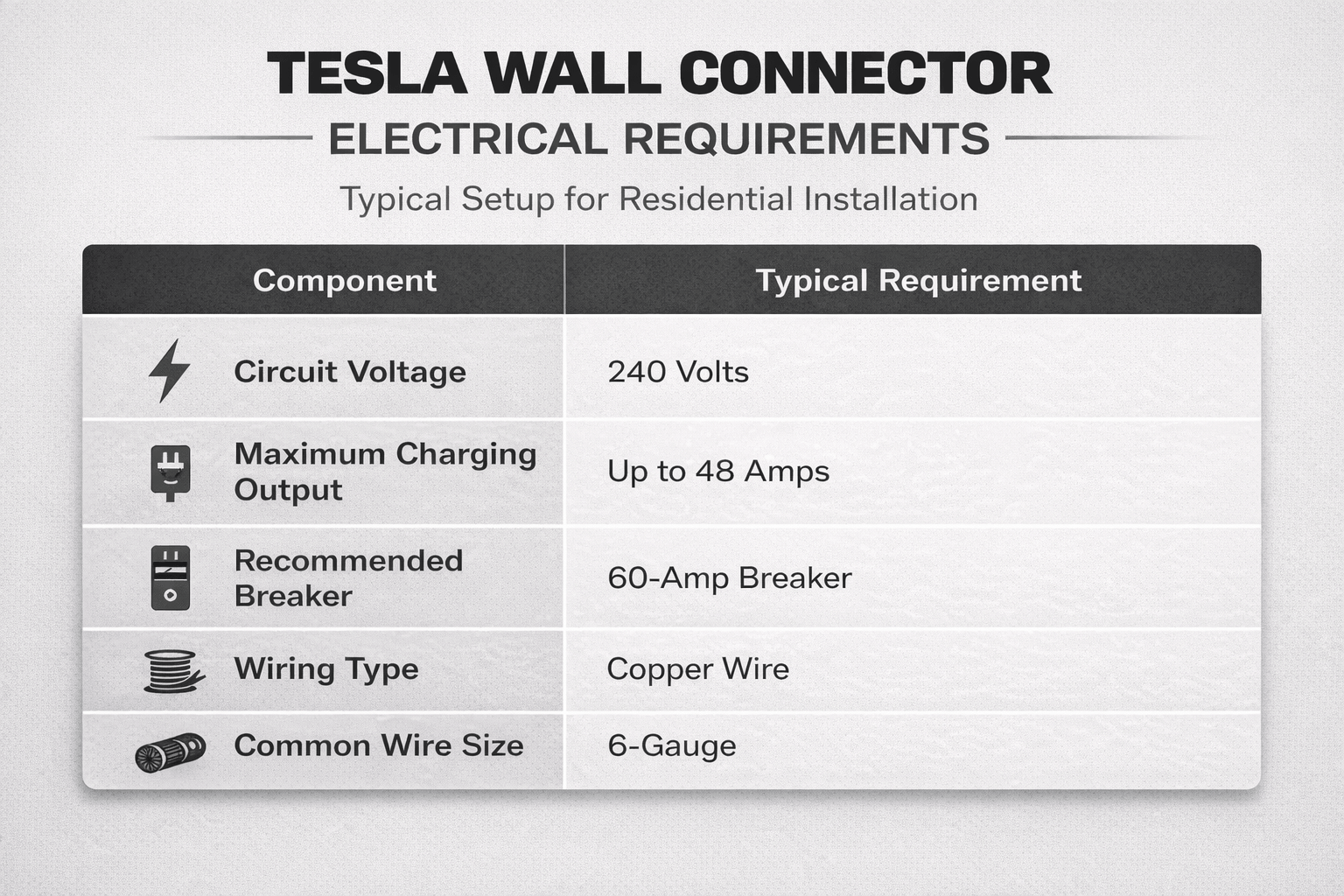
These values can vary depending on the home’s electrical system. A professional electrician will confirm the correct configuration during installation.
Using the correct wire size helps prevent overheating and voltage drop. This ensures the charger delivers consistent power to the vehicle.
Tesla Wall Connector Installation Process
Installing a Tesla Wall Connector usually takes a few hours when the electrical panel is nearby. However, each home is different. Some installations are simple, while others require additional wiring or panel upgrades.
Professional electricians follow a clear step-by-step process to complete the installation safely.
Step 1: Home Electrical Inspection
The first step is evaluating the home’s electrical system. The electrician checks the panel capacity and determines whether it can handle the new charger.
During this inspection, they usually review:
-
Electrical panel capacity
-
Available breaker space
-
Distance from panel to charger location
-
Indoor or outdoor installation area
If the panel is already close to capacity, the electrician may recommend a panel upgrade or load management solution.
Step 2: Permit Application in Lakeland
Many EV charger installations require an electrical permit. The permit ensures the work follows local safety codes and building regulations.
The permit process usually involves:
-
Submitting an electrical permit application
-
Listing the equipment being installed
-
Scheduling a final inspection
In most cases, the electrician handles the permit process for the homeowner. This makes the installation much easier for the property owner.
Step 3: Installing the Dedicated Circuit
Once the permit is approved, the electrician installs the new circuit. This involves running electrical wiring from the panel to the charger location.
The installation usually includes:
-
Installing a new breaker in the panel
-
Running conduit and wiring
-
Connecting the wiring to the charger
The wiring path depends on the layout of the home. Some wires run through attic spaces, while others run along garage walls or outside conduit.
Step 4: Mounting the Tesla Wall Connector
Next, the charger is mounted on the wall. The location should allow easy access to the vehicle charging port.
The installer will:
-
Mount the charger bracket
-
Secure the charger to the wall
-
Connect the wiring
-
Configure the internal settings
Most homeowners place the charger inside the garage, but outdoor installations are also possible.
Step 5: System Testing and Inspection
After installation, the electrician tests the charger to confirm it works correctly. They verify that power flows properly and that the charger communicates with the vehicle.
In many cases, a final inspection from the local building department is also required. The inspector confirms that the installation meets electrical codes.
Once the inspection is complete, the system is ready for daily use.
Permits and Codes for EV Charger Installation in Lakeland
Electrical work in Florida must follow safety regulations and building codes. EV charger installations are no exception. Because the charger connects directly to the home’s electrical system, permits are often required.
Permits protect homeowners by ensuring the installation meets electrical safety standards. They also confirm that the system will not overload the home’s electrical panel.
In Lakeland and the surrounding Polk County area, electrical permits are typically required for new circuits and electrical equipment installations.
Why Electrical Permits Matter
Some homeowners wonder why permits are necessary for EV chargers. The reason is simple: safety and compliance.
Permits help ensure that:
-
Electrical wiring is installed correctly
-
The circuit breaker is properly sized
-
The electrical panel can handle the new load
-
The installation meets Florida building codes
Skipping permits can cause problems later. For example, unpermitted electrical work can create issues during home inspections or insurance claims.
Typical EV Charger Permit Process
The permit process is usually straightforward when handled by a licensed electrician.
Typical steps include:
-
Submit the electrical permit application
-
Provide details about the charger installation
-
Complete the installation work
-
Schedule a final inspection
-
Receive approval from the building department
Once approved, the charger can be used normally.
Who Handles the Permit?
In most cases, the electrician handles the entire permit process. This includes submitting paperwork and scheduling inspections.
For homeowners, this means the installation is much simpler. The electrician ensures everything follows local regulations and electrical codes.
Working with a licensed electrician also protects the homeowner. The installation will be documented, inspected, and approved according to local requirements.
Tesla Wall Connector Installation Cost in Lakeland
One of the most common questions homeowners ask is about installation cost. The price of installing a Tesla Wall Connector can vary depending on the home’s electrical system and the distance from the electrical panel to the charger location.
In many homes, the installation is straightforward. The electrical panel may already have space for a breaker, and the charger may be installed in a nearby garage. In these cases, the cost is usually lower.
However, some homes require additional work. For example, the electrician may need to run longer wiring, install conduit, or upgrade the electrical panel. These factors can increase the total installation cost.
Even with installation costs, many Tesla owners still prefer home charging. Over time, charging at home is usually cheaper than relying on public charging stations.
Average Tesla Charger Installation Costs
The following table shows common price ranges for residential Tesla charger installations.
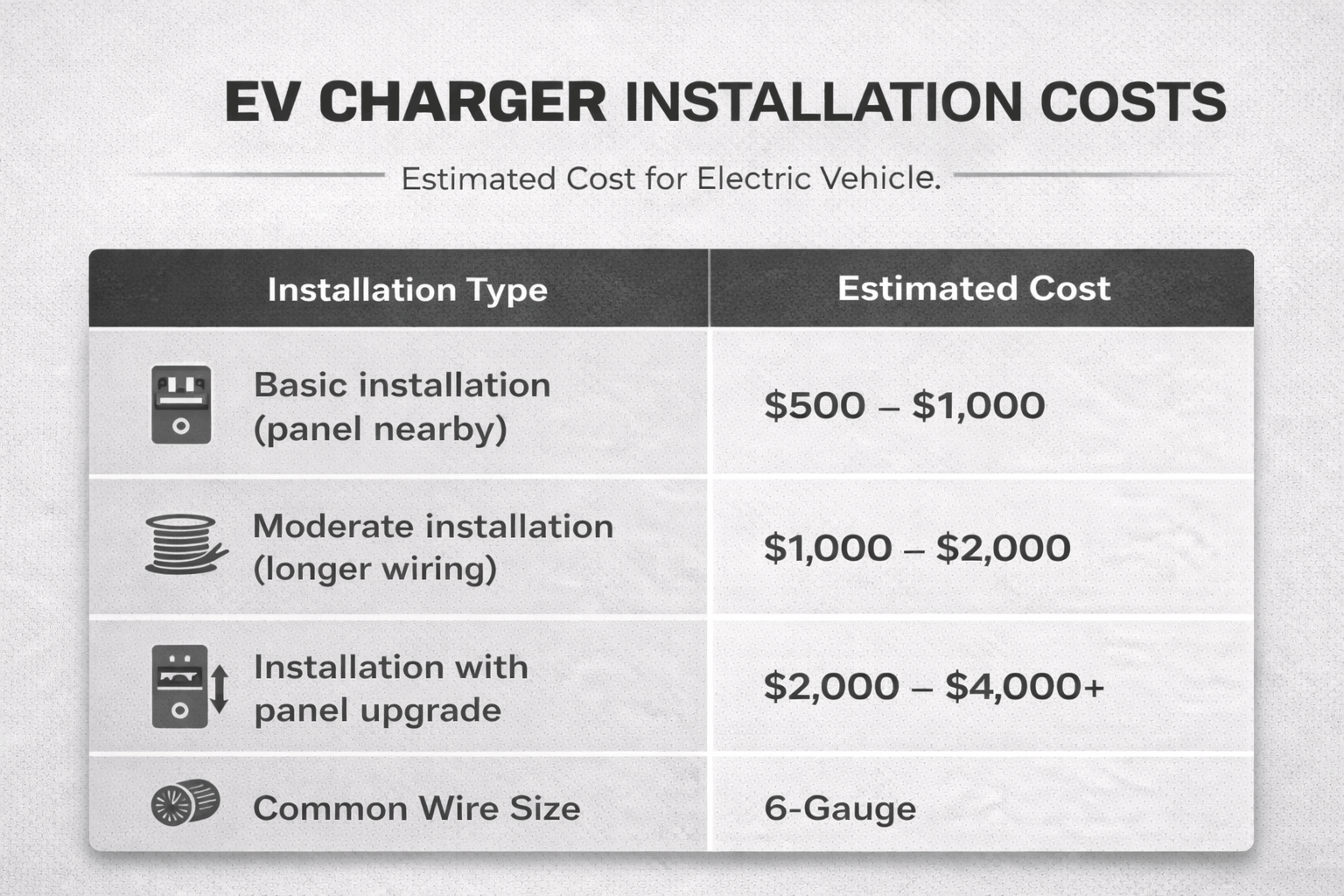
These numbers are general estimates. The exact price depends on the layout of the home and the electrical work required. A professional electrician can provide a more accurate estimate after inspecting the property.
Factors That Affect Installation Cost
Several factors can influence the final installation price. Understanding these factors helps homeowners plan their budget.
Common cost factors include:
-
Distance from the electrical panel to the charger
-
Electrical panel capacity
-
Need for panel upgrades
-
Permit fees
-
Labor and installation time
-
Outdoor vs indoor installation
For example, a charger installed close to the electrical panel usually costs less. When the charger is far from the panel, additional wiring and conduit may be needed.
Permit fees can also vary depending on the local building department. In many Florida cities, electrical permit fees typically range between $50 and $200.
Choosing the Best Location for Your Tesla Wall Connector
The location of the charger plays an important role in the installation process. A well-chosen location makes charging easier and may reduce installation costs.
Most homeowners install the charger in the garage. This location protects the charger from weather and usually keeps wiring distances short. However, outdoor installations are also common when vehicles are parked in driveways.
An electrician can recommend the best location based on the layout of the home.
Garage Installation
Garage installations are the most common option for Tesla Wall Connectors.
Benefits of garage installation include:
-
Protection from rain and direct sunlight
-
Shorter wiring distance to the electrical panel
-
Easier cable management
-
Safer and more secure installation
Another advantage is convenience. Drivers can simply pull into the garage and plug in the vehicle.
Outdoor Installation
Some homes do not have garages or park vehicles outside. In these cases, the charger can still be installed outdoors.
Outdoor installations require additional protection to ensure safety and durability.
Outdoor installations may include:
-
Weather-rated conduit and fittings
-
Proper wall mounting hardware
-
Weather-resistant charger placement
-
Safe cable storage
The Tesla Wall Connector is designed for both indoor and outdoor use. When installed correctly, it can operate safely in various weather conditions.
Can You Install a Tesla Wall Connector Yourself?
Some homeowners consider installing an EV charger on their own. While this might seem like a way to save money, EV charger installation involves high-voltage electrical work. Because of this, DIY installation is usually not recommended.
Incorrect wiring can lead to serious electrical hazards. It may also cause the charger to malfunction or fail inspection.
Another concern is electrical code compliance. Most EV charger installations require permits and inspections. If the installation does not meet local electrical codes, it may need to be redone.
For these reasons, most Tesla owners hire a licensed electrician to install the charger.
Risks of DIY Installation
Installing a charger without proper training can create several problems.
Common risks include:
-
Electrical shock hazards
-
Overloaded circuits
-
Improper breaker sizing
-
Failed inspections
-
Voided equipment warranties
These issues can lead to higher repair costs later.
Why Hiring a Licensed Electrician Is the Better Choice
Professional electricians understand how to install EV chargers safely. They also follow National Electrical Code guidelines and local building regulations.
A licensed electrician will:
-
Evaluate the home’s electrical capacity
-
Install the correct circuit and wiring
-
Handle permits and inspections
-
Test the system after installation
This ensures the charger operates safely and reliably for years.
Common Tesla Wall Connector Installation Challenges
Most EV charger installations are straightforward. However, some homes present challenges that require additional electrical work. Older homes, long wiring distances, and limited panel capacity are some of the most common issues electricians encounter. Understanding these challenges can help homeowners prepare for possible upgrades.
Electrical Panel Limitations
Some homes have electrical panels that are already near capacity. When this happens, there may not be enough room for the new EV charger circuit.
In these situations, the electrician may recommend:
-
Installing a larger electrical panel
-
Adding a subpanel
-
Using load management technology
These upgrades ensure the home’s electrical system can safely support the charger.
Long Distance From the Electrical Panel
When the electrical panel is far from the charger location, installation becomes more complex. Longer distances require more wiring and conduit.
Additional work may include:
-
Running wiring through the attic
-
Installing conduit along exterior walls
-
Trenching for underground wiring
These steps increase labor and material costs but allow the charger to be installed safely.
Limited Garage Space
Some garages have limited wall space or unusual layouts. In these cases, electricians may adjust the charger placement to improve access.
Possible solutions include:
-
Installing the charger on a side wall
-
Mounting the charger near the garage door
-
Using cable management accessories
The goal is to make charging easy without creating obstacles in the garage.
Maintenance and Safety Tips for Tesla Wall Connectors
A Tesla Wall Connector does not require much maintenance. Once it is installed properly, it usually works for years without problems. However, basic checks can help ensure the charger continues to operate safely and efficiently.
Like any electrical equipment, it is a good idea to inspect the charger occasionally. Look for visible damage, loose connections, or unusual wear on the charging cable. These simple checks can prevent small issues from turning into bigger problems.
Another good practice is keeping the charger area clean. Dust, dirt, or clutter around the unit can interfere with proper airflow. A clean charging area also makes it easier to plug in the vehicle.
If you ever notice charging interruptions or warning lights, it is best to contact a qualified electrician. They can inspect the system and confirm that everything is working correctly.
Routine Maintenance Tips
Homeowners can follow a few simple steps to keep the charger in good condition. Recommended maintenance practices include:
-
Inspect the charging cable for wear or damage
-
Keep the charger clean and free of dust
-
Make sure the connector plug stays dry
-
Store the charging cable neatly when not in use
-
Check the mounting bracket to ensure it remains secure
These steps take only a few minutes but help extend the life of the charger.
Basic Safety Tips for Home EV Charging
Safe charging practices are important for any electric vehicle owner. Although Tesla Wall Connectors are designed with safety features, proper use still matters.
Important safety tips include:
-
Do not use damaged charging cables
-
Avoid using extension cords with EV chargers
-
Keep the charging area dry and clear
-
Ensure children do not play with the charging cable
-
Contact an electrician if the charger stops working properly
Following these safety guidelines helps prevent electrical hazards and keeps the charging system reliable.
Tesla Wall Connector vs Other EV Chargers
Many homeowners compare the Tesla Wall Connector with other EV charging systems. While several Level 2 chargers are available, Tesla’s charger is designed specifically for Tesla vehicles and integrates well with their charging technology.
Other EV chargers may still work with Tesla vehicles when using an adapter. However, they may not offer the same charging speed or smart features.
For homeowners who primarily drive Tesla vehicles, the Tesla Wall Connector is usually the most efficient choice.
How to Choose a Tesla Charger Installer in Lakeland
Choosing the right electrician is an important part of the installation process. A qualified installer ensures the charger works safely and follows all electrical codes.
Not every electrician specializes in EV charger installations. Because of this, it is helpful to choose a contractor with experience installing Tesla chargers and other Level 2 charging systems.
Professional installation also ensures permits and inspections are handled properly.
Qualities of a Reliable EV Charger Installer
When selecting an electrician in Lakeland, homeowners should look for several key qualities.
A good installer should offer:
-
A valid electrical license
-
Experience with EV charger installations
-
Knowledge of local electrical codes
-
Ability to handle permits and inspections
-
Clear pricing and installation estimates
These factors help ensure the project goes smoothly from start to finish.
Questions to Ask Before Hiring an Electrician
Before scheduling installation, it is helpful to ask a few questions.
Important questions include:
-
Do you have experience installing Tesla Wall Connectors?
-
Will you handle permits and inspections?
-
Does my electrical panel need an upgrade?
-
How long will the installation take?
-
Do you provide a warranty on your work?
These questions help homeowners choose an installer they can trust.
Tesla Wall Connector Installation in Lakeland: Final Thoughts
A Tesla Wall Connector can make electric vehicle ownership much easier. Instead of relying on public charging stations, homeowners can charge their vehicles at home whenever it is convenient.
For many drivers in Lakeland, home charging becomes part of the daily routine. They return home, plug in the vehicle, and wake up to a fully charged battery. This simple process saves time and makes driving an EV more practical.
However, proper installation is important. The charger must connect safely to the home’s electrical system, and the electrical panel must support the additional power demand. Permits and inspections may also be required to ensure the installation follows local building codes.
That is why most homeowners work with a licensed electrician. A professional installer can evaluate the electrical system, install the dedicated circuit, and make sure everything operates safely.
If you are considering Tesla Wall Connector installation in Lakeland, working with an experienced electrical contractor helps ensure the job is done correctly. With the right setup, your home can provide reliable charging for years to come.
Need Tesla Wall Connector installation in Lakeland? Contact Hylton Electric today for professional service and a free estimate. Call +1 863-624-7000 or visit: https://hylton-electric.com/contact/
Leave a Reply