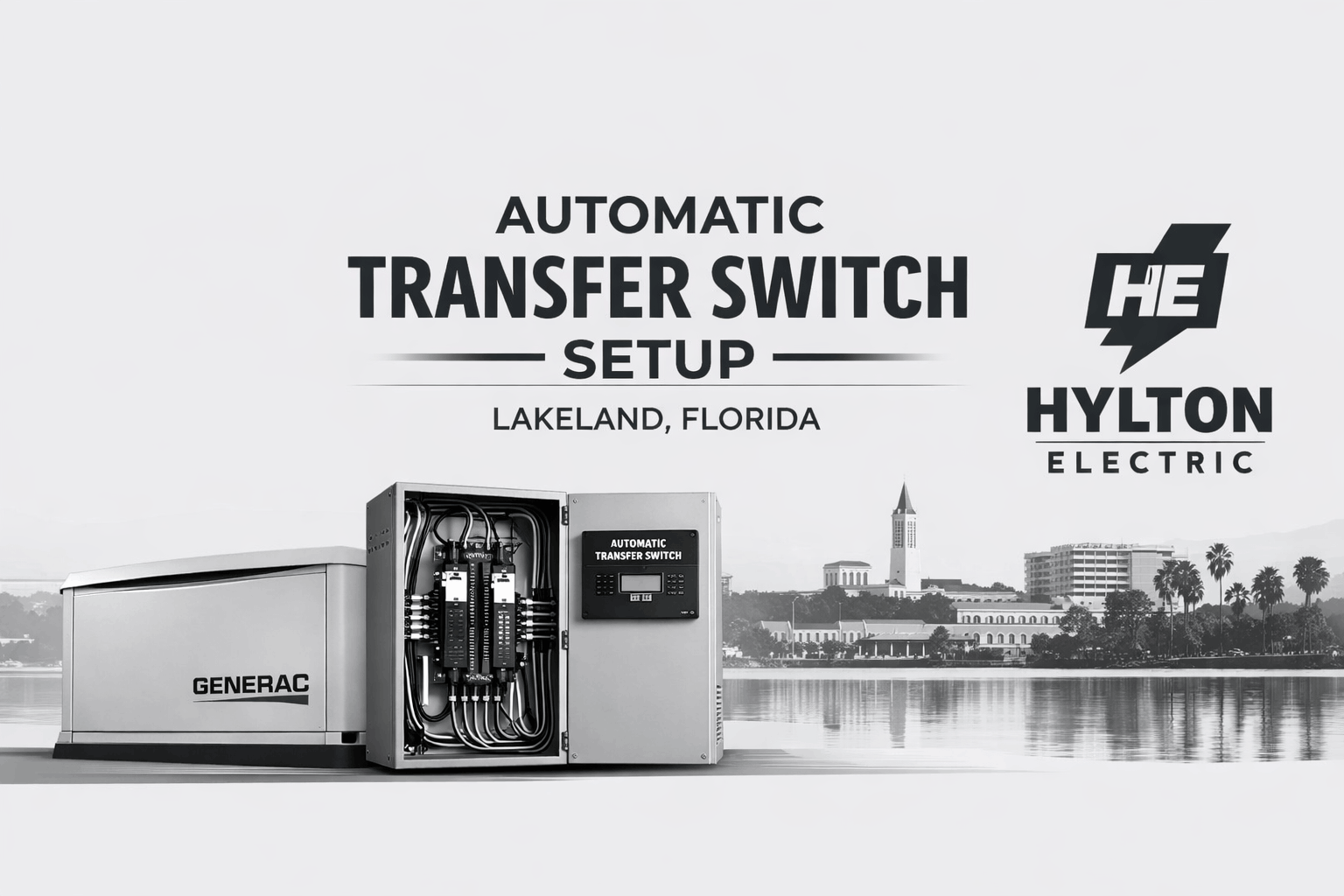
Power outages are common in Florida, especially during storm season. A sudden outage can shut down your HVAC, damage electronics, and disrupt your daily routine or business operations. That’s where an automatic transfer switch (ATS) makes a real difference.
If you’re planning a generator setup in Lakeland, installing an ATS is not just helpful—it’s essential. It allows your system to switch to backup power within seconds, without any manual effort.
In this guide, we’ll break everything down in simple terms. You’ll learn how ATS systems work, what options are available, and what to expect during installation.
What Is an Automatic Transfer Switch (ATS) and Why Does It Matter in Lakeland
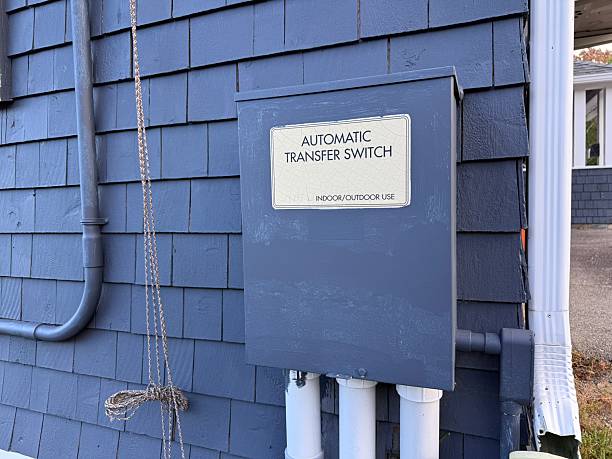
An automatic transfer switch is the control center of your backup power system. It connects your home or business to both the utility power and your generator.
When the main power fails, the ATS detects the outage. It signals the generator to start and safely transfers your electrical load. Once utility power returns, it switches everything back and shuts the generator down.
This process happens in seconds, without you lifting a finger.
How an ATS Works With Your Generator System
Your ATS constantly monitors incoming utility voltage. The moment it drops or fails, the switch reacts.
Here’s how the sequence works:
-
The ATS senses power loss
-
It signals the generator to start
-
The generator reaches a stable output
-
The ATS transfers the electrical load
-
Power is restored to your home or building
Once utility power comes back:
-
The ATS switches power back to the grid
-
The generator shuts off safely
This seamless transition helps protect sensitive equipment. It also keeps your daily life or operations running without interruption.
Why Lakeland Homes & Businesses Need ATS Systems
Lakeland weather can be unpredictable. Storms, lightning, and grid issues often lead to outages. Even short interruptions can cause problems.
For homeowners, this means:
-
Food spoilage
-
Loss of air conditioning
-
Security system downtime
For businesses, the risks are even higher:
-
Lost revenue
-
Equipment damage
-
Data loss
An ATS removes the need for manual switching. It also prevents dangerous practices like backfeeding, which can harm utility workers and your electrical system.
ATS vs Manual Transfer Switch: Key Differences
Both systems connect your generator to your electrical panel. However, the experience is very different.
Automatic Transfer Switch:
-
Works instantly without user input
-
Safer and code-compliant
-
Ideal for standby generators
Manual Transfer Switch:
-
Requires physical switching
-
Slower response time
-
Lower upfront cost
While manual switches cost less, they depend on someone being present. In contrast, an ATS works even if you’re away. That added convenience often makes it a better long-term choice.
Types of Automatic Transfer Switches Available in Lakeland
Not all ATS systems are the same. The right choice depends on your property size, power needs, and budget. Understanding your options will help you avoid overspending or undersizing your system.
Service Entrance vs Subpanel ATS
This is one of the most important decisions.
Service Entrance ATS (Whole-Home):
-
Controls power for the entire property
-
Ideal for larger homes or businesses
-
Higher cost but full coverage
Subpanel ATS (Essential Circuits Only):
-
Powers selected circuits (lights, fridge, HVAC)
-
More budget-friendly
-
Common for residential setups
If you only need critical systems during outages, a subpanel ATS works well. However, if you want full comfort and convenience, a whole-home setup is worth considering.
Open Transition vs Closed Transition Switches
These terms describe how power transfers between sources.
Open Transition (Break-Before-Make):
-
Brief power interruption during switching
-
Most common and cost-effective
-
Suitable for homes
Closed Transition (Make-Before-Break):
-
No interruption in power
-
Used in hospitals or critical facilities
-
More complex and expensive
Most Lakeland homes do not need closed transition systems. However, certain businesses may require them for continuous operations.
Residential vs Commercial ATS Systems
The scale of the system also matters.
Residential ATS:
-
Designed for homes
-
Handles lower electrical loads
-
Compact and simpler
Commercial ATS:
-
Built for high demand
-
Supports large equipment and systems
-
Often includes load management features
If you run a business, your system may need advanced controls. These ensure that essential equipment stays powered without overloading the generator.
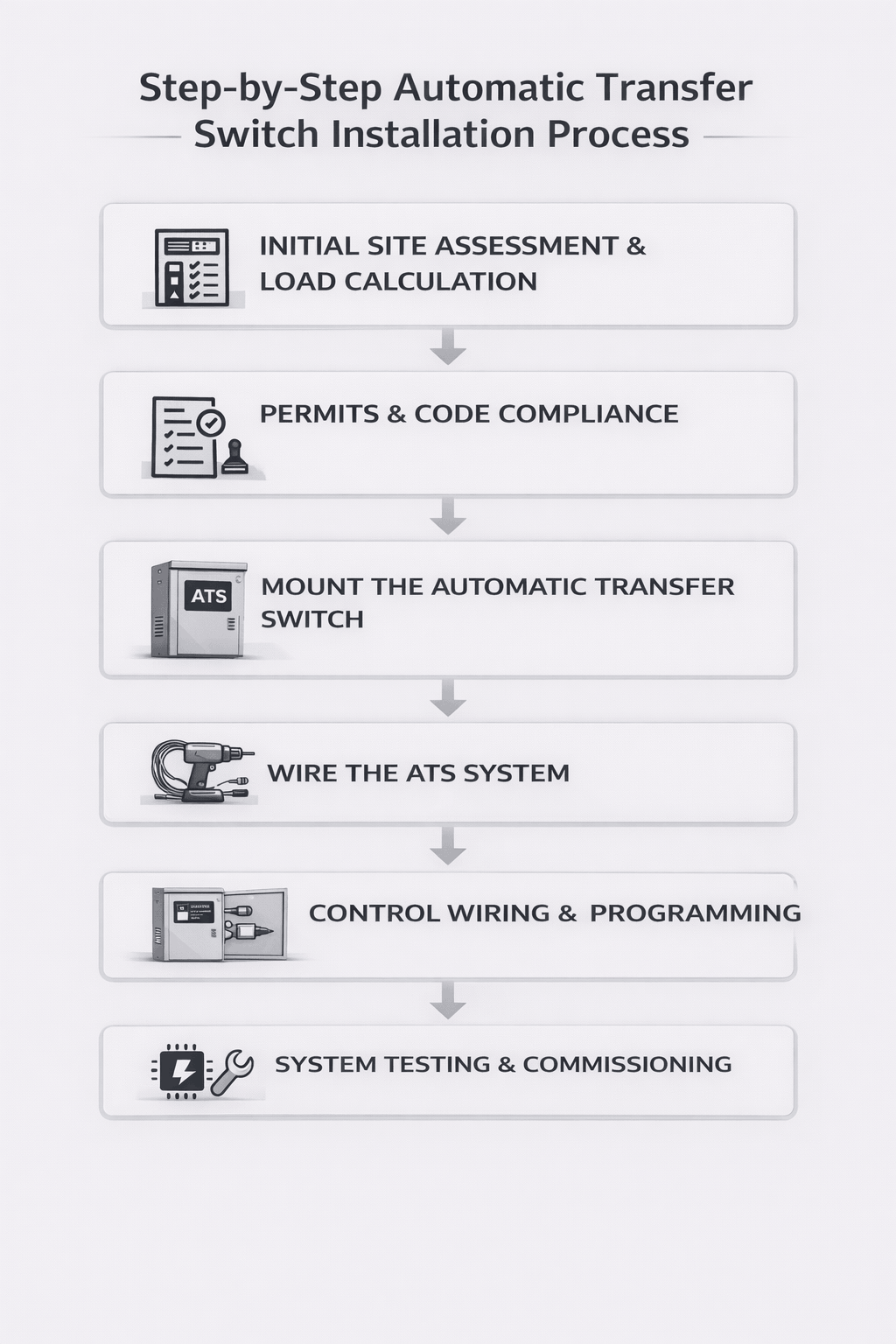
Step-by-Step Automatic Transfer Switch Installation Process
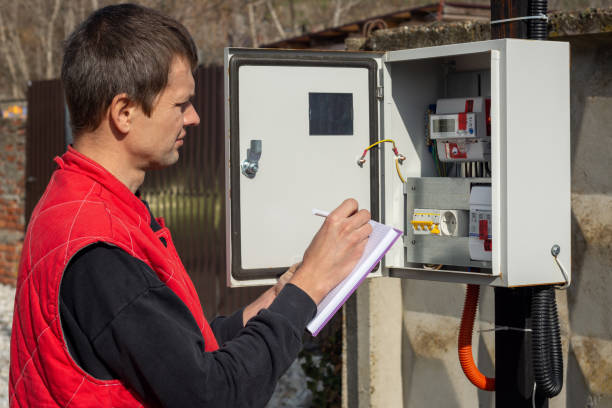
Installing an ATS is a detailed process. It requires planning, proper wiring, and strict safety standards. Here’s what a typical installation looks like in Lakeland.
Initial Site Assessment and Load Calculation
Every project starts with an evaluation.
An electrician will:
-
Review your electrical panel
-
Calculate total load requirements
-
Check generator compatibility
This step ensures your ATS is properly sized. It also helps prevent overload issues later.
Permits and Code Compliance in Lakeland
Electrical work must meet local and national codes.
In Lakeland, this includes:
-
Securing electrical permits
-
Following the National Electrical Code (NEC) standards
-
Scheduling inspections
Skipping this step can lead to fines or unsafe installations. A licensed electrician handles this process for you.
Mounting the Automatic Transfer Switch
The ATS is usually installed near your main panel.
Key considerations include:
-
Safe and accessible location
-
Proper mounting height
-
Protection from the weather if outdoors
Good placement makes future maintenance easier.
Wiring the ATS System
This is the most technical part of the process.
Connections include:
-
Utility power input
-
Generator power input
-
Load circuits
Each wire must be installed correctly to avoid faults or hazards. Precision is critical here.
Control Wiring and Programming
Modern ATS systems include smart controls.
The electrician will:
-
Connect the communication wires to the generator
-
Program startup delays
-
Configure load priorities
This setup ensures smooth and efficient operation during outages.
System Testing and Commissioning
Before completion, the system is tested.
This includes:
-
Simulating a power outage
-
Checking transfer timing
-
Verifying voltage and frequency
Only after passing these checks is the system considered ready.
ATS Installation Cost in Lakeland (2026 Pricing Guide)
One of the first questions most people ask is simple: how much will it cost? The answer depends on your setup, but we can break it down into clear ranges.
In Lakeland, ATS installation costs vary based on system size, wiring complexity, and generator type. Still, most projects fall within a predictable range.
Average Cost Breakdown
Here’s a general cost overview for 2026:
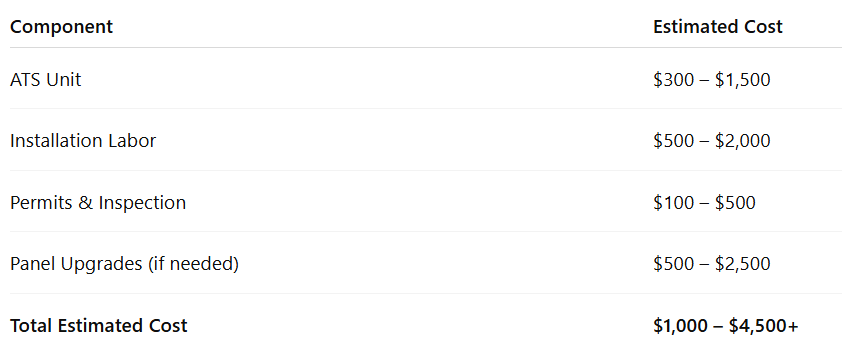
For basic residential setups, costs stay on the lower end. However, whole-home systems or commercial installs can go higher.
Factors That Affect Pricing
Several factors influence the final price. Understanding these helps you plan better.
-
System size: Larger homes need higher-capacity switches
-
Generator type: Standby generators often require more integration
-
Electrical panel condition: Older panels may need upgrades
-
Wiring complexity: Longer distances increase labor time
-
Permit requirements: Local regulations add to the total cost
For example, a simple subpanel ATS install may take a few hours. In contrast, a full-service entrance setup can take a full day or more.
Whole-Home vs Partial Backup Costs
Choosing between full coverage and essential circuits has a big impact on cost.

If your goal is comfort and convenience, whole-home systems are ideal. However, if budget matters most, a partial setup still covers the essentials.
Choosing the Right Automatic Transfer Switch for Your Property
Picking the right ATS is not just about price. It’s about matching your system to your real power needs. A properly sized and configured switch ensures smooth operation during every outage.
Sizing Your ATS Correctly
Sizing is one of the most important steps.
An electrician will calculate:
-
Total electrical load
-
Starting wattage of major appliances
-
Generator output capacity
If the ATS is too small, it can overload. If it’s too large, you may overspend without real benefit. The goal is balance—enough capacity to handle your needs without waste.
Top ATS Brands and Features
Not all transfer switches offer the same performance.
Reliable systems often include:
-
Smart load management
-
Durable enclosures for outdoor use
-
Fast switching response times
-
Compatibility with major generator brands
Quality matters here. A dependable ATS reduces the risk of failure when you need power most.
Key Features to Look For
When comparing options, focus on features that improve safety and performance.
-
UL certification: Ensures tested safety standards
-
Weatherproof design: Important for Florida’s climate
-
Time delay controls: Prevent unnecessary switching
-
Expandable controls: Useful for future upgrades
Choosing the right features now can save you money and stress later.
Safety Requirements for ATS Installation
Electrical work always comes with risks. ATS installation is no exception. That’s why safety must be a top priority from start to finish.
Why You Should Never DIY ATS Installation
It may be tempting to install an ATS yourself. However, this is not a safe or recommended approach.
Here’s why:
-
High-voltage connections can cause serious injury
-
Incorrect wiring can damage your generator
-
Code violations can lead to fines or failed inspections
-
Insurance may not cover DIY electrical work
In short, this is a job for licensed professionals.
Essential Safety Practices
Professional electricians follow strict safety procedures during installation.
These include:
-
Turning off and isolating all power sources
-
Using lockout/tagout systems
-
Wearing proper protective equipment
-
Testing circuits before energizing
Each step reduces risk and ensures a safe working environment.
Code Compliance (NEC & Florida Standards)
All ATS installations must follow the National Electrical Code (NEC) and Florida-specific regulations.
Key areas include:
-
Proper grounding and bonding
-
Safe transfer switching methods
-
Correct wire sizing and protection
-
Inspection approval before use
Following these codes is not optional. It ensures your system runs safely and reliably for years.
Common Mistakes to Avoid During ATS Setup
Even a well-designed system can fail if installation mistakes occur. Many of these issues are preventable with proper planning and professional work. Here are the most common problems seen in Lakeland installations.
Incorrect Load Calculations
Load calculation is the foundation of your entire setup. If it’s wrong, everything else suffers.
Common issues include:
-
Underestimating the starting wattage of appliances
-
Ignoring HVAC or large equipment loads
-
Overloading the generator during outages
This can lead to system shutdowns or equipment damage. A proper calculation ensures smooth operation when power goes out.
Poor Wiring Connections
Wiring mistakes are one of the biggest risks in ATS installations.
These include:
-
Loose connections
-
Incorrect wire sizing
-
Improper terminations
Poor wiring can cause overheating, voltage drops, or even electrical fires. That’s why precision matters at every step.
Improper Placement of ATS
Location plays a bigger role than most people think.
Bad placement can lead to:
-
Difficult maintenance access
-
Exposure to weather damage
-
Longer wiring runs (higher cost)
A well-placed ATS should be easy to access, protected, and close to your main panel.
Skipping Permits and Inspections
Some property owners try to avoid permits to save time or money. This often backfires.
Skipping permits can result in:
-
Failed inspections later
-
Legal issues
-
Unsafe installations
Permits ensure your system meets safety standards. They also protect your property value.
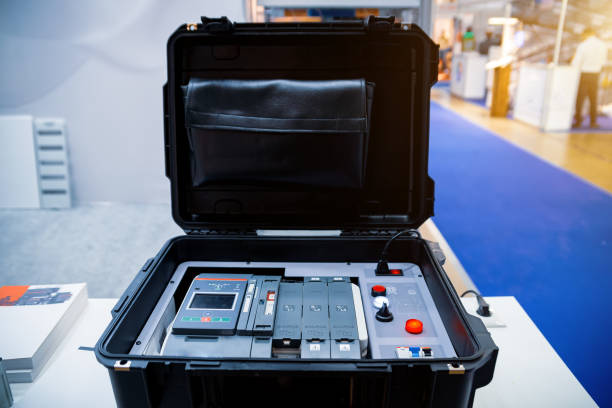
Maintenance and Testing of Automatic Transfer Switches
Once your ATS is installed, the job isn’t over. Regular maintenance keeps your system ready for the next outage. A neglected system may fail when you need it most.
Routine Maintenance Checklist
Basic maintenance does not take much time, but it makes a big difference.
-
Inspect for visible wear or damage
-
Check for loose connections
-
Clean dust and debris from the enclosure
-
Test control settings
-
Run generator test cycles
These simple checks help extend the life of your system.
How Often Should ATS Be Serviced?
Most systems should be inspected at least once a year.
However, in Florida’s climate, more frequent checks can help.
Recommended schedule:
-
Annual professional inspection
-
Monthly generator test run
-
Pre-storm season system check
Regular servicing ensures your system performs when outages occur.
Signs Your ATS Needs Repair
Your ATS will often show warning signs before it fails completely.
Watch for:
-
Delayed or failed switching
-
Generator not starting automatically
-
Clicking noises or irregular operation
-
Visible overheating or burning smell
If you notice any of these, it’s best to call a professional right away.
Benefits of Installing an ATS in Lakeland
An automatic transfer switch is more than a convenience. It’s a long-term investment in safety and reliability.
Instant Power Backup During Outages
The biggest benefit is speed. When power goes out, your ATS restores electricity within seconds. There’s no need to go outside or switch anything manually. This is especially important during storms or at night.
Protection for Electronics and Appliances
Power interruptions can damage sensitive equipment.
An ATS helps:
-
Maintain stable power flow
-
Reduce voltage fluctuations
-
Protect HVAC systems and appliances
This can save you from costly repairs or replacements.
Increased Property Value
Backup power systems are a strong selling point in Florida. Homes and businesses with ATS setups often:
-
Attract more buyers
-
Sell faster
-
Command a higher value
It’s a practical upgrade that adds long-term appeal.
Peace of Mind During Storm Season
Storm season in Lakeland can be stressful. Power outages are often unpredictable.
With an ATS, you don’t have to worry about:
-
Losing power suddenly
-
Being home to switch systems
-
Safety risks during outages
Your system works automatically, even if you’re away.
Residential vs Commercial ATS Installation in Lakeland
ATS systems are used in both homes and businesses. However, the requirements are very different.
Home Backup Power Needs
Most homeowners focus on essential comfort.
Typical priorities include:
-
Air conditioning
-
Refrigeration
-
Lighting
-
Internet and security systems
A residential ATS can be designed to power either key circuits or the entire home.
Commercial & Industrial Applications
Businesses often require continuous power.
Common examples include:
-
Offices
-
Retail stores
-
Warehouses
-
Medical facilities
Even a short outage can result in lost revenue or operational delays.
Custom ATS Solutions for Businesses
Commercial systems are often more advanced.
They may include:
-
Load shedding to prevent overload
-
Priority-based power distribution
-
Integration with multiple generators
These features ensure that critical systems stay online at all times.
How Long Does ATS Installation Take?
Most homeowners want to know how long the process will take. The answer depends on your setup, but in many cases, installation is completed within a single day.
Still, a few factors can extend the timeline.
Typical Timeline
For a standard residential installation, the process is fairly quick.
-
Basic ATS install: 4–6 hours
-
Whole-home system: 6–10 hours
-
Complex or commercial setup: 1–2 days
If your generator is already installed and your panel is in good condition, the job moves faster.
What Can Delay Installation
Some projects take longer due to added requirements.
Common delays include:
-
Waiting for permits or inspections
-
Upgrading outdated electrical panels
-
Long wiring distances between the generator and the panel
-
Custom configurations for commercial systems
Planning ahead helps avoid these delays and keeps your project on schedule.
Why Hire a Professional Electrician in Lakeland
An ATS is not a simple add-on. It connects directly to your main electrical system. That’s why hiring a licensed electrician is the safest and smartest choice.
Licensing and Experience Matter
Professional electricians bring the right training and experience.
They understand:
-
Local Lakeland electrical codes
-
Proper load calculations
-
Safe installation practices
This ensures your system works correctly from day one.
Warranty and Liability Protection
When you hire a professional, you also get protection.
-
Work is backed by service warranties
-
Installations meet insurance requirements
-
Reduced risk of costly mistakes
DIY work or unlicensed labor can lead to serious issues later.
Faster, Safer Installation
Experienced electricians complete the job efficiently.
They:
-
Follow a proven installation process
-
Use the right tools and materials
-
Test the system thoroughly
This saves time and gives you peace of mind.
Why Choose Hylton Electric for ATS Installation in Lakeland
Choosing the right contractor is just as important as choosing the right equipment. You need a team that understands both safety and local requirements.
Local Expertise in Florida Electrical Systems
Hylton Electric understands the challenges of Florida’s climate and power grid. From storm-related outages to high humidity, every installation is designed with durability in mind.
Full-Service Generator & ATS Setup
You get more than just installation.
Services include:
-
System design and sizing
-
Generator and ATS integration
-
Permits and inspections
-
Final testing and setup
This complete approach ensures everything works together smoothly.
Code-Compliant, Safe Installations
Every project follows NEC standards and local Lakeland regulations.
This means:
-
Safe wiring practices
-
Proper grounding and protection
-
Successful inspections
Safety is never compromised.
Fast Response & Reliable Service
When power issues arise, response time matters.
Hylton Electric focuses on:
-
Clear communication
-
On-time service
-
Reliable workmanship
You get a system you can depend on when it matters most.
Final Thoughts: Is an Automatic Transfer Switch Worth It?
If you live in Lakeland, the answer is simple—yes. Power outages are not a matter of if, but when. An automatic transfer switch ensures you’re always prepared.
It offers:
-
Immediate backup power
-
Protection for your home or business
-
Long-term value and convenience
While there is an upfront cost, the reliability and peace of mind make it a smart investment.
Ready to install an automatic transfer switch in Lakeland? Call +1 863-624-7000 or email ray@hylton-electric.com—we’ll make the process simple, safe, and stress-free.
FAQs About Automatic Transfer Switch Setup in Lakeland
What does an automatic transfer switch do?
An automatic transfer switch (ATS) monitors your utility power and switches to generator power when an outage occurs. It works instantly and safely without manual effort.
Here’s what it handles:
-
Detects power loss
-
Starts the generator automatically
-
Transfers the electrical load
-
Switches back when utility power returns
This process protects your appliances and keeps your home or business running. It also prevents unsafe practices like backfeeding. For Lakeland properties, where outages can happen during storms, an ATS provides consistent and reliable backup power without requiring you to be present.
Do I need an automatic transfer switch for my generator?
Yes, if you want a fully automatic backup system. An ATS is essential for standby generators because it allows the system to operate without manual input.
Without an ATS:
-
You must switch the power manually
-
There is a delay in restoring power
-
Safety risks increase
With an ATS, everything happens in seconds. This is especially useful during nighttime outages or when you are away. For most Lakeland homeowners and businesses, an ATS is not just convenient—it’s a key part of a safe and reliable generator setup.
How much does it cost to install an ATS in Lakeland?
The cost of ATS installation in Lakeland usually ranges from $1,000 to $4,500 or more. The final price depends on several factors.
Key cost elements include:
-
Type and size of the ATS
-
Labor and installation complexity
-
Permit and inspection fees
-
Electrical panel upgrades
For smaller homes, costs stay lower. Larger homes or commercial setups require more advanced systems, which increases pricing. A professional electrician will assess your property and provide a detailed estimate based on your exact needs.
How long does an ATS installation take?
Most residential ATS installations take between 4 to 10 hours. However, the timeline can vary depending on the complexity of the setup.
Typical timelines:
-
Basic installation: 4–6 hours
-
Whole-home systems: 6–10 hours
-
Commercial setups: 1–2 days
Delays can occur if panel upgrades or permits are required. In most cases, a skilled electrician can complete the job in a single day. Proper planning ensures the process is smooth and efficient.
Can I install an automatic transfer switch myself?
Installing an ATS yourself is not recommended. This type of work involves high-voltage electrical systems and must meet strict code requirements.
Risks of DIY installation include:
-
Electrical shock or injury
-
Incorrect wiring and system failure
-
Code violations and failed inspections
-
Insurance issues
A licensed electrician ensures proper installation, safety, and compliance. In Lakeland, permits and inspections are often required, which professionals handle for you. Hiring an expert saves time and avoids costly mistakes.
What size automatic transfer switch do I need?
The size of your ATS depends on your total electrical load and generator capacity. Proper sizing ensures safe and efficient operation.
An electrician will evaluate:
-
Total wattage of your home or building
-
Starting load of major appliances
-
Generator output capacity
If the ATS is too small, it may overload. If it’s too large, you may spend more than necessary. Accurate sizing is critical for performance and long-term reliability.
What is the difference between whole-home and partial ATS systems?
Whole-home ATS systems power your entire property, while partial systems only support essential circuits.
Here’s the difference:
-
Whole-home ATS: Full coverage, higher cost, maximum convenience
-
Partial ATS: Powers key areas, lower cost, more energy control
Partial systems often include lighting, refrigeration, and HVAC. Whole-home systems provide complete comfort during outages. The right choice depends on your budget and power needs.
Do I need a permit for ATS installation in Lakeland?
Yes, permits are typically required for ATS installation. This ensures the system meets safety and electrical code standards.
The process usually includes:
-
Submitting permit applications
-
Following NEC and local regulations
-
Scheduling inspections
Working without a permit can lead to fines and unsafe installations. A licensed electrician will handle the entire process, ensuring everything is approved and compliant.
How often should an automatic transfer switch be maintained?
Regular maintenance keeps your ATS reliable and ready for outages. Most systems should be inspected at least once a year.
Recommended maintenance includes:
-
Annual professional inspection
-
Monthly generator testing
-
Cleaning and checking connections
In Florida’s climate, more frequent checks may be beneficial. Routine maintenance helps prevent unexpected failures and extends the life of your system.
What happens if my ATS fails during a power outage?
If your ATS fails, your generator may not activate or transfer power correctly. This can leave your property without backup power.
Common signs of failure:
-
The generator does not start
-
Power does not transfer
-
Delayed switching
Regular maintenance reduces the risk of failure. If issues occur, a professional electrician should inspect and repair the system immediately to restore proper function.
Can an ATS power my entire house?
Yes, if you install a whole-home ATS system and have a properly sized generator. This setup allows all circuits to receive power during an outage.
However, this depends on:
-
Generator capacity
-
Electrical load requirements
-
ATS size
If your generator cannot handle the full load, a partial system may be a better option. An electrician can help design a system that fits your needs.
Is an automatic transfer switch safe?
Yes, ATS systems are designed with safety in mind when installed correctly. They prevent dangerous electrical issues and ensure proper power transfer.
Safety benefits include:
-
Eliminates backfeeding risks
-
Controls voltage transitions
-
Protects electrical circuits
Proper installation and code compliance are key. A professionally installed ATS provides safe and reliable operation for years.
What is the lifespan of an automatic transfer switch?
Most ATS systems last between 10 and 20 years. Lifespan depends on usage, maintenance, and environmental conditions.
Factors that affect lifespan:
-
Frequency of outages
-
Quality of installation
-
Maintenance routine
Regular servicing can extend the life of your system. Investing in a high-quality ATS also improves durability and performance.
Can I use an ATS with any generator?
Not all ATS systems are compatible with every generator. Compatibility depends on system design and communication features.
Before installation, check:
-
Generator type (portable or standby)
-
Voltage and capacity
-
Control system compatibility
A professional electrician ensures both systems work together properly. This avoids operational issues and ensures smooth switching during outages.
What is the difference between open and closed transition ATS?
These terms describe how the switch transfers power between sources.
-
Open transition: Brief interruption during switching
-
Closed transition: No interruption in power
Open transition systems are common in homes due to their lower cost. Closed transition systems are used in critical facilities where uninterrupted power is required.
Does an ATS increase home value?
Yes, installing an ATS can increase property value, especially in areas like Lakeland, where outages are common.
Benefits include:
-
Improved reliability
-
Added convenience
-
Increased buyer appeal
Homes with backup power systems often sell faster. Buyers see them as a practical and valuable upgrade.
Where should an automatic transfer switch be installed?
An ATS is usually installed near your main electrical panel. Placement should allow safe operation and easy access.
Important considerations:
-
Close to the main panel
-
Protected from the weather
-
Accessible for maintenance
Proper placement reduces wiring complexity and ensures safe operation. An electrician will choose the best location based on your setup.
What appliances can run on an ATS system?
The appliances depend on your system type and generator capacity.
Common supported appliances include:
-
HVAC systems
-
Refrigerators and freezers
-
Lighting
-
Security systems
Whole-home systems can power everything, while partial systems focus on essentials. Load planning ensures your system handles demand without overload.
How do I know if my ATS is working properly?
A properly functioning ATS will switch power automatically during outages. You can test it through routine checks.
Signs of proper operation:
-
The generator starts during a power loss
-
Power restores quickly
-
No unusual noises or delays
Regular testing helps confirm reliability. If anything seems off, schedule an inspection with a professional electrician.
Why should I hire a professional for ATS installation?
Hiring a professional ensures your system is safe, efficient, and code-compliant.
Benefits include:
-
Proper sizing and installation
-
Permit handling and inspections
-
Reduced risk of errors
Electrical systems are complex, and mistakes can be costly. A licensed electrician provides peace of mind and long-term reliability for your ATS setup.
Leave a Reply