
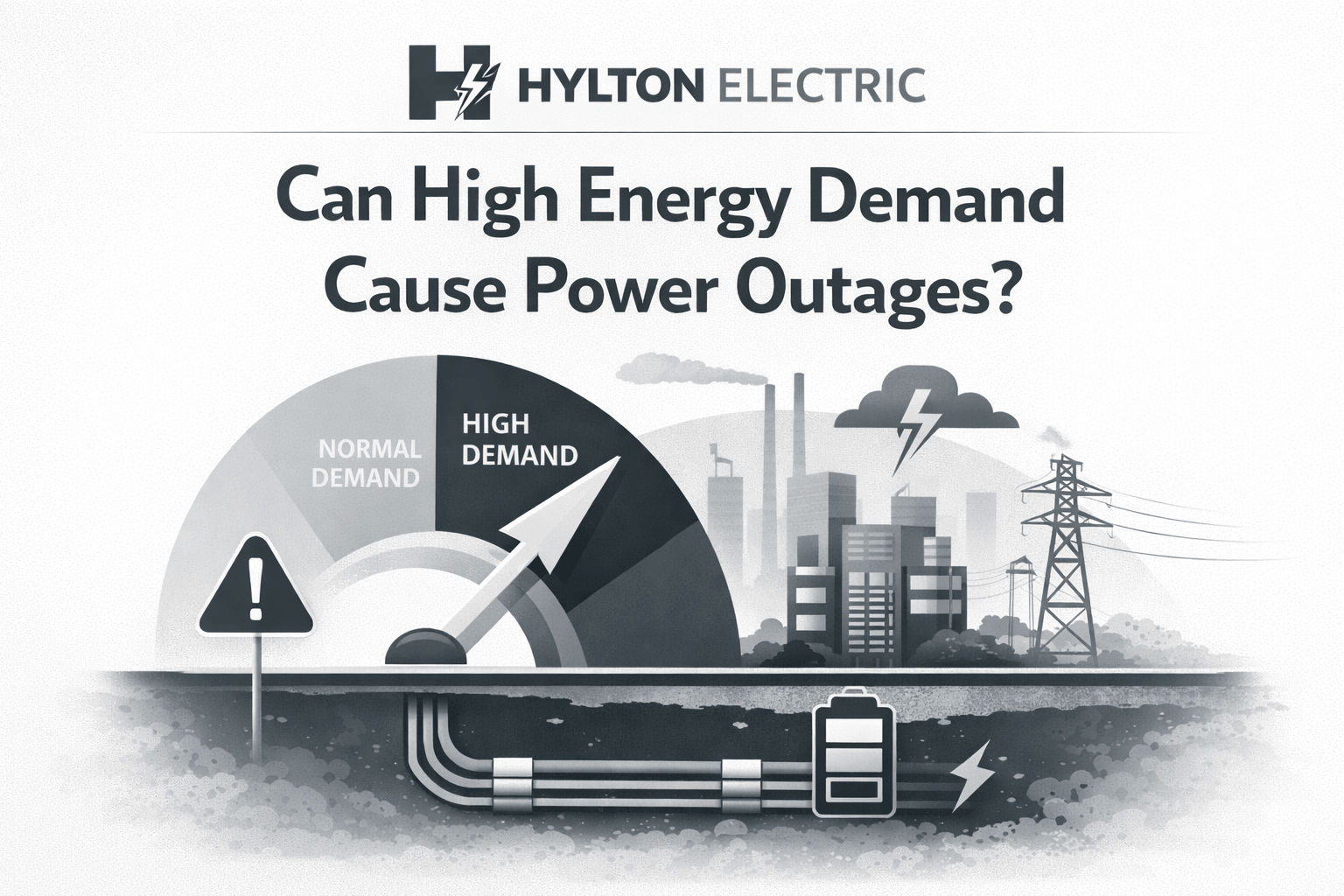
Power outages are often associated with storms or damaged infrastructure—but that’s only part of the story. In 2026, a growing cause of outages is high energy demand, pushing the electrical grid beyond its limits.
A recent situation in Central Florida provides a clear, real-world example. During an unusual cold snap, utility companies warned that increased heating use could strain the grid and potentially lead to outages—even though no physical damage had occurred.
This case helps explain how and why energy demand alone can disrupt power supply, and what that means for businesses.
What Happened in This Case
During the cold weather event:
-
Residents increased thermostat settings to stay warm
-
Electricity usage rose sharply across homes and businesses
-
Peak demand hours (early morning) put additional pressure on the system
Utility providers responded by:
-
Asking customers to reduce electricity use during peak hours
-
Advising delays for non-essential activities like EV charging
-
Preparing systems and crews for possible outages
Importantly, the grid itself was still functioning—but it was under significant stress due to demand levels.

How High Energy Demand Leads to Power Outages
To understand this, it’s important to know how the power grid operates.
Electric grids are designed with a maximum load capacity—the highest level of electricity they can safely deliver at one time. When demand approaches or exceeds that limit, several issues can occur:
1. System Overload
When too many users draw power simultaneously, the grid can exceed its designed capacity.
2. Voltage Instability
High demand can reduce voltage levels, affecting equipment performance and reliability.
3. Protective Shutdowns
To prevent damage to infrastructure, utilities may temporarily shut down parts of the system.
4. Load Management (Controlled Interruptions)
Utilities may reduce supply to certain areas or systems to balance demand.
These measures are necessary to protect the overall grid, but they can result in temporary outages for customers.
Why This Type of Outage Is Different
Unlike storm-related outages, demand-based outages:
-
Occur without visible damage
-
Can affect large areas at once
-
Are driven by usage patterns, not external events
This makes them harder to predict from a business perspective. For example, a sudden temperature drop can cause thousands of users to increase energy consumption at the same time—creating an immediate surge in demand.
Key Factors That Increase Grid Demand
Several factors contribute to high energy demand:
-
Extreme weather (cold or heat)
-
Increased use of electric heating or cooling systems
-
Growth in electric vehicle charging
-
Higher reliance on electrical equipment and digital systems
As electricity becomes more central to daily operations, these demand spikes are becoming more frequent.
What This Means for Businesses
For businesses, this case highlights an important reality:
Power reliability is not only affected by infrastructure—but also by how much electricity is being used at any given time.
This means that even if:
-
Power lines are upgraded
-
Equipment is functioning properly
…outages can still occur due to overall demand pressure on the grid.
During such events, businesses may experience:
-
Temporary loss of power
-
Interrupted operations
-
Delays in service or production
Lessons from the Case Study
This real-world example shows that:
-
The electrical grid has a finite capacity
-
Demand spikes can create system-wide stress
-
Utilities may need to actively manage usage to prevent larger failures
Understanding these factors helps businesses better prepare for modern power challenges.
Final Thoughts
The Central Florida case demonstrates that high energy demand is a legitimate and growing cause of power outages. As electricity usage continues to rise—especially during extreme weather—these types of situations are likely to become more common.
For businesses, the key takeaway is clear: “Reliable power is not just about infrastructure—it’s also about demand.”
Recognizing how energy usage impacts grid stability is essential for making informed decisions and maintaining consistent operations in 2026 and beyond.
Read more exciting news here on our blog page. For electrical services in Florida, contact our business. Get a free quote today!
Leave a Reply