
Ceiling Light Fixtures Lakeland, Florida

Lighting does more than brighten a room. It affects comfort, safety, and energy use every day. In Florida homes and businesses, good lighting also helps reduce maintenance problems caused by heat and humidity. Modern ceiling light fixtures improve visibility, lower power bills, and create a cleaner indoor look.

Many property owners in Lakeland now replace old fixtures with LED systems. Older lights often cause uneven brightness and higher electric bills. They also need frequent bulb changes. New fixtures solve many of these problems. They produce brighter light while using less energy. Many also support dimmers and smart controls.

Florida properties face unique conditions. Heat, moisture, and storms place extra pressure on electrical systems. Because of this, lighting upgrades should focus on safety and long-term performance. Proper installation also matters. Loose wiring or overloaded ceiling boxes can become dangerous over time.

For homeowners, better lighting improves comfort and home value. For businesses, it helps employees and customers feel more comfortable. Industrial spaces benefit from brighter work areas and lower maintenance costs. Across Lakeland and Polk County, lighting upgrades remain one of the most practical electrical improvements.

Why Ceiling Light Fixtures Matter in Lakeland Homes

Ceiling lighting plays an important role in daily life. In Lakeland, lighting systems must handle high humidity and long hours of use. Older fixtures often struggle in these conditions. Over time, moisture can cause corrosion, loose wiring, and overheating problems.

Good lighting also improves comfort. Kitchens need bright light for cooking and food prep. Hallways and staircases need even lighting for safety. Bedrooms usually work better with softer lighting that feels calm and relaxing. A good lighting plan balances brightness, comfort, and energy savings.

Modern fixtures also improve the appearance of a home. Flush-mount fixtures create a clean look in smaller rooms. Pendant lighting adds style above kitchen islands and dining tables. Recessed lighting gives rooms a modern appearance while improving overall brightness. In Florida homes, lighter finishes and coastal styles remain popular because they match open and airy interiors.

Commercial and industrial buildings also need reliable lighting. Offices require balanced lighting to reduce eye strain. Retail stores need brighter displays to help products stand out. Warehouses and industrial spaces depend on strong lighting to improve safety and visibility.

Lighting upgrades can also reduce maintenance costs. LED fixtures last much longer than older bulbs. Many modern fixtures use built-in LED systems. As a result, homeowners and property managers spend less time replacing bulbs.

Electrical safety is another major reason to upgrade. Older fixtures may have outdated wiring or poor grounding. Flickering lights, buzzing sounds, or overheating fixtures often point to deeper electrical issues. Licensed electricians inspect these systems to make sure they meet code requirements.

Choosing the right fixture matters too. A fixture that is too small may not provide enough light. One that is too large can overwhelm the room. The right size improves both lighting performance and appearance.

Popular Types of Ceiling Light Fixtures

Different rooms need different types of lighting. The best fixture depends on ceiling height, room size, and lighting goals. In Lakeland homes and businesses, several fixture styles remain popular because they combine style, efficiency, and durability.

Flush Mount Ceiling Fixtures

Flush-mount fixtures attach directly to the ceiling. They work best in rooms with low ceilings because they save space. Many homeowners install them in bedrooms, hallways, closets, and laundry rooms.

These fixtures are also affordable and easy to maintain. Modern LED flush mounts provide bright light while using less electricity.

Semi-Flush Mount Fixtures

Semi-flush fixtures hang slightly below the ceiling. Because of this, they spread light more evenly. They also add more visual style than flush mounts.

These fixtures work well in:

  • Dining rooms

  • Entryways

  • Living rooms

  • Home offices

They offer a good balance between appearance and function.

Recessed Lighting

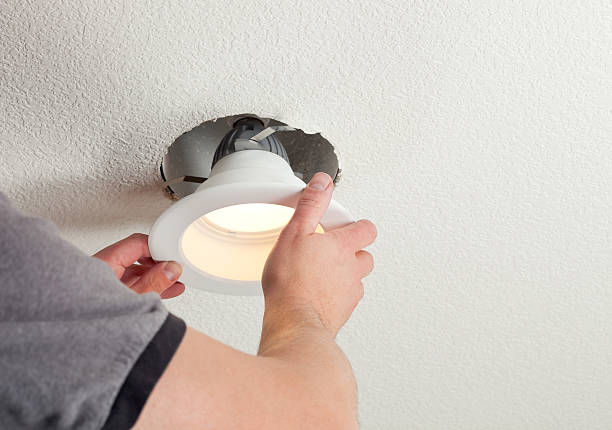
Recessed lights sit inside the ceiling instead of hanging below it. This creates a clean and modern look. Kitchens, offices, and commercial spaces often use recessed lighting because it spreads light evenly.

LED recessed lights are especially popular in Florida homes. They produce less heat, which helps reduce indoor cooling strain during warmer months.

Modern infographic showing different types of ceiling light fixtures including flush mount, semi-flush mount, recessed lighting, pendant lighting, chandeliers, and LED panel lighting for homes and commercial spaces.

Pendant Lighting

Pendant fixtures hang lower from the ceiling using rods or cables. They provide focused lighting for work areas and gathering spaces.

Common uses include:

  • Kitchen islands

  • Breakfast bars

  • Dining tables

  • Reception counters

Many homeowners install multiple pendants together for balanced lighting.

Chandeliers

Chandeliers create a stronger visual statement. They also provide broad lighting for larger rooms. Modern chandeliers range from traditional designs to simple minimalist styles.

Dining rooms and entryways remain the most common locations for chandeliers. However, proper sizing is important. A fixture that is too large can overpower the room.

LED Panel Lighting

Commercial buildings often use LED panel systems. These fixtures provide even lighting across offices, schools, and retail spaces. They also reduce glare compared to older fluorescent systems.

LED panel lighting offers several benefits:

  • Lower maintenance costs

  • Better energy efficiency

  • Longer lifespan

  • Improved visibility

  • Reduced flickering

Table: Popular Ceiling Fixture Styles for Lakeland Homes

Best Ceiling Light Fixtures for Different Rooms

Lighting needs change from room to room. A fixture that works well in a bedroom may not work in a kitchen or workspace. The right fixture improves comfort, visibility, and energy efficiency.

Kitchens usually need the brightest lighting in the home. Food prep areas require clear and even light. Recessed lighting works well because it reduces shadows across counters. Many homeowners also add pendant lights above kitchen islands for extra task lighting.

Bathrooms need moisture-resistant fixtures. Florida’s humidity increases the risk of corrosion over time. LED bathroom fixtures work well because they produce less heat and resist moisture better than older bulbs. Bright and neutral lighting also improves mirror visibility.

Living rooms benefit from layered lighting. Ceiling fixtures combined with lamps and dimmers create flexible lighting for different activities. Flush-mount and semi-flush fixtures work well in smaller spaces. Larger living rooms may benefit from chandeliers or decorative pendants.

Bedrooms usually need softer lighting. Warm LED fixtures create a calm atmosphere and reduce harsh glare at night. Ceiling fan light combinations remain popular across Lakeland because they improve airflow and lighting at the same time.

Garages and workshops need bright and durable lighting. LED strip lights and high-output fixtures improve visibility for storage and repair work. Commercial and industrial buildings often use high-bay LED systems for stronger coverage in large spaces.

Need help upgrading ceiling light fixtures in Lakeland or Polk County? Hylton Electric provides practical lighting solutions for residential, commercial, and industrial spaces. Call +1 863-624-7000 or email ray@hylton-electric.com for a free commercial or industrial quote.

Signs You Should Replace Ceiling Light Fixtures

Many lighting problems start small. At first, a fixture may flicker once in a while. Later, the light may dim often or stop working completely. These warning signs should not be ignored. In many cases, they point to aging fixtures or electrical issues behind the ceiling.

Flickering lights are one of the most common problems. Sometimes the issue is simple, such as a loose bulb. However, constant flickering may signal loose wiring or overloaded circuits. Buzzing sounds can also indicate electrical trouble. A properly working fixture should stay quiet during operation.

Frequent bulb burnout is another common sign. If bulbs fail too often, the fixture may have wiring problems or excess heat buildup. Older fixtures were not designed for modern LED systems. Because of this, they may struggle with newer bulbs and controls.

Visible damage also matters. Cracks, rust, discoloration, or loose parts often show that the fixture has reached the end of its lifespan. In Florida homes, humidity speeds up corrosion over time. This is especially common near bathrooms, kitchens, and covered outdoor areas.

Rising energy bills may also point to outdated lighting. Older fixtures often use inefficient bulbs that consume more electricity. Switching to modern LED fixtures can reduce energy use significantly while improving brightness.

A round lamp with a rectangular iron frame suspended from the ceiling, illuminating in gold. Interior concept.

Some warning signs need immediate attention, including:

  • Burning smells near fixtures

  • Warm or hot ceiling areas

  • Sparks during operation

  • Tripping breakers

  • Dimming when appliances turn on

These problems may indicate dangerous electrical issues. A licensed electrician should inspect the system as soon as possible.

Replacing outdated fixtures also improves comfort and appearance. Modern lighting creates cleaner lines, better brightness, and more efficient operation. Many homeowners upgrade lighting during remodeling projects because it instantly changes how a room feels.

Ceiling Light Fixture Costs in Lakeland, Florida

The cost of ceiling lighting depends on several factors. Fixture type, ceiling height, wiring conditions, and labor requirements all affect the final price. In Lakeland, most homeowners spend between $150 and $600 for a standard fixture installation. Larger projects cost more depending on complexity.

Basic flush-mount fixtures remain the most affordable option. These usually cost less to install because they attach directly to existing ceiling boxes. Pendant lights and chandeliers often require more labor, especially if the fixture is heavy or needs extra support.

Recessed lighting projects typically cost more because they involve ceiling cutting, wiring, and multiple fixtures. However, many homeowners choose recessed lighting because it improves brightness and creates a modern appearance.

Commercial lighting upgrades vary even more. Office buildings, retail stores, and warehouses often require larger lighting systems with advanced controls. LED conversions may cost more upfront, but they usually have lower maintenance and energy costs over time.

Several factors influence installation pricing:

  • Fixture weight and size

  • Ceiling height

  • Existing wiring condition

  • Electrical panel capacity

  • Permit requirements

  • Smart lighting features

Older homes sometimes need wiring upgrades before new fixtures can be installed safely. This increases labor costs but improves long-term safety and reliability.

Table: Average Ceiling Fixture Installation Costs in Lakeland

Commercial and industrial properties may also require lift equipment or after-hours scheduling. These factors can increase overall project costs. Although cheaper fixtures may seem attractive at first, quality matters. Durable fixtures last longer and usually require fewer repairs. In many cases, investing in better lighting lowers long-term maintenance expenses.

Ceiling Light Fixtures for Commercial Buildings

Commercial lighting must do more than brighten a room. It must improve visibility, support productivity, and reduce operating costs. In offices, retail stores, warehouses, and industrial facilities, lighting directly affects daily operations.

Office spaces need balanced lighting that reduces glare and eye strain. Employees spend long hours under artificial lighting. Poor lighting can cause headaches, fatigue, and lower productivity. LED panel systems remain one of the most popular office lighting options because they provide even brightness across large spaces.

Retail stores need a stronger visual appeal. Bright lighting helps products stand out and creates a more comfortable shopping environment. Accent lighting also guides customer attention toward displays and featured products.

Restaurants and hospitality spaces use lighting differently. These buildings often combine decorative fixtures with softer ambient lighting. The goal is to create a welcoming atmosphere while still maintaining proper visibility.

Industrial and warehouse facilities require high-output lighting systems. Workers need clear visibility for equipment operation, storage access, and safety procedures. High-bay LED fixtures remain the preferred option because they provide strong illumination while lowering maintenance costs.

Commercial lighting systems often include:

  • Motion sensors

  • Emergency backup lighting

  • Smart controls

  • Dimming systems

  • Energy monitoring features

These upgrades improve efficiency while helping businesses reduce energy waste.

Another important factor is code compliance. Commercial buildings must follow stricter lighting and electrical regulations than residential homes. Emergency exit lighting, proper fixture spacing, and energy efficiency standards all play a role during installation.

LED upgrades have become especially popular in commercial buildings across Lakeland and Tampa. Many businesses replace fluorescent systems because LEDs last longer and consume less power. Over time, these savings often offset the installation cost.

Commercial property owners also benefit from reduced maintenance interruptions. Long-lasting fixtures reduce downtime and minimize replacement labor. This becomes especially important in warehouses, retail stores, and industrial facilities that operate daily.

Upgrading commercial or industrial lighting in Lakeland or Tampa? Hylton Electric provides dependable electrical solutions for offices, retail spaces, warehouses, and industrial facilities. Call +1 863-624-7000 or email ray@hylton-electric.com for a free commercial or industrial quote.

Smart Ceiling Lighting Technology

Smart lighting has become more common in both homes and commercial buildings. These systems offer better control, improved efficiency, and greater convenience. Instead of using basic wall switches, users can adjust lighting through apps, voice commands, or automated schedules.

Many homeowners install smart ceiling fixtures to improve energy savings. Lights can turn off automatically when rooms are empty. Dimmers also reduce unnecessary power use during certain times of day.

App-controlled systems allow users to adjust brightness remotely. Some systems even change color temperature throughout the day. Cooler light works better during working hours, while warmer light creates a more relaxed evening atmosphere.

Voice-controlled lighting continues to grow in popularity. Smart systems often connect with:

  • Amazon Alexa

  • Google Home

  • Apple HomeKit

This allows users to control lighting without touching switches.

Motion sensor lighting also improves convenience and safety. Hallways, garages, bathrooms, and commercial storage areas benefit most from automatic activation. These systems reduce wasted electricity because lights turn off when spaces are empty.

Commercial buildings often use advanced lighting controls to lower operating costs. Smart systems monitor energy use and adjust brightness automatically based on occupancy or daylight levels.

Smart lighting also supports emergency preparedness. During storms or outages, some systems connect with backup generators or battery storage systems. This improves safety during severe Florida weather.

While smart lighting offers many benefits, proper installation remains important. Older electrical systems may require upgrades before advanced controls can operate safely. Licensed electricians help ensure compatibility between fixtures, wiring, and smart devices.

Ceiling Fan Lights vs Standard Ceiling Fixtures

Many homes in Florida use ceiling fan lights because they provide both light and airflow. In warm places like Lakeland, this helps rooms stay more comfortable throughout the year. Still, standard ceiling lights work better in some rooms. The right choice depends on the size of the room, ceiling height, and how the space is used.

Ceiling fan lights help move air around the room. Because of this, many homeowners rely less on air conditioning. Bedrooms and living rooms are the most common places for ceiling fans since these areas are used for relaxing and sleeping.

Standard ceiling fixtures focus only on lighting. They usually provide cleaner and brighter light. Flush mount fixtures, chandeliers, and recessed lights often work better in kitchens, dining rooms, and offices where strong lighting matters more than airflow.

Ceiling height also matters. Low ceilings may not leave enough space for larger ceiling fans. In those rooms, flush-mount lights are often the safer and cleaner option. Rooms with higher ceilings usually have more flexibility for fan installations.

Today, both options come with energy-saving LED technology. Many modern ceiling fans also work with dimmers and smart home systems. Some models even allow you to change airflow direction during different seasons.

Table: Ceiling Fan Lights vs Standard Fixtures

Many homeowners use both types throughout the home. For example, bedrooms may have ceiling fan lights while kitchens use recessed or pendant lighting. This setup creates a good balance between comfort, brightness, and energy savings.

Some commercial buildings also use ceiling fans. Warehouses and industrial spaces often install large fans to improve airflow and reduce heat buildup. Offices, however, usually depend more on standard ceiling lighting systems.

When to Hire a Licensed Electrician

Some lighting projects may look simple. However, installing ceiling fixtures often involves more than changing a light. Hidden wiring problems, overloaded circuits, or old electrical systems can create serious safety risks.

A licensed electrician helps make sure the installation is safe and follows electrical codes. This is especially important in older homes and commercial buildings where the wiring may be outdated.

Heavy fixtures are one common reason to hire a professional. Chandeliers and large pendant lights need strong ceiling support. Without proper mounting, the fixture can loosen over time and become dangerous.

New lighting projects may also need new wiring. Recessed lights, smart controls, and extra fixtures sometimes require additional circuits or upgraded wiring. Poor electrical connections can lead to overheating or breaker problems later.

Commercial projects usually require even more planning. Businesses must follow strict safety and electrical rules. Licensed electricians help make sure the system meets these requirements while keeping the project running smoothly.

You should call an electrician if you notice:

  • Flickering lights

  • Buzzing sounds

  • Warm switches

  • Burning smells

  • Breakers tripping often

  • Loose fixtures

These signs may point to bigger electrical problems behind the ceiling or walls.

Professional electricians also help with lighting layout and fixture placement. Good spacing improves brightness and removes dark spots. This matters in kitchens, offices, garages, and large work areas where visibility is important.

In Florida, electrical systems must also handle humidity and storm-related power issues. Licensed electricians understand these local conditions and install fixtures designed for long-term performance.

Another benefit is code compliance. Electrical codes change over time to improve safety. DIY installations sometimes fail inspections because of poor grounding or incorrect wiring methods.

Hiring a licensed and insured electrician also helps protect your property. Professional work lowers the risk of future electrical problems and expensive repairs.

Ceiling Light Fixture Maintenance Tips

Regular maintenance helps ceiling fixtures last longer and work better. Dust, humidity, and loose connections slowly affect lighting systems over time. Small issues can become expensive repairs if they are ignored.

Cleaning fixtures regularly improves both brightness and appearance. Dust buildup blocks light and makes rooms feel darker. Glass covers, shades, and LED panels should be cleaned gently using a soft cloth and mild cleaner.

light bulb from ceiling

Before cleaning any fixture:

  1. Turn off the power

  2. Let bulbs cool down

  3. Remove loose dust carefully

  4. Clean glass or metal surfaces gently

  5. Reattach covers securely

It is also important to check for loose parts. Over time, ceiling fans and daily use can loosen mounting hardware. Loose fixtures may wobble, flicker, or make buzzing noises.

Florida humidity increases the chance of corrosion. Bathrooms, kitchens, garages, and covered outdoor spaces are especially vulnerable. Rusted screws, damaged sockets, or discolored wiring should always be checked by a licensed electrician.

Replacing old bulbs also improves brightness and energy savings. LED bulbs last much longer than traditional bulbs. However, using the wrong bulb wattage can still damage a fixture over time.

Simple maintenance tasks include:

  • Tightening loose screws

  • Replacing old bulbs

  • Cleaning dusty covers

  • Checking for moisture damage

  • Testing switches and dimmers

Commercial buildings often follow scheduled lighting maintenance plans. This helps prevent sudden lighting failures and keeps work areas properly lit.

Seasonal electrical inspections also help catch hidden problems early. During these visits, electricians check wiring, grounding, switches, and fixture stability. Preventive maintenance usually costs far less than emergency repairs.

Future Trends in Ceiling Light Fixtures

Lighting technology continues to improve every year. Modern fixtures now focus on energy savings, smart controls, and long-lasting performance. Across Lakeland, many homeowners and businesses are upgrading lighting systems to lower power bills and reduce maintenance.

Smart LED lighting remains one of the biggest trends today. These systems allow users to control brightness, schedules, and color settings through mobile apps or voice assistants. Automated controls also help reduce wasted electricity during the day.

Simple and clean fixture designs are also becoming more popular. Flush mounts, recessed lights, and slim LED panels create a modern look without making rooms feel crowded. Many homeowners now prefer fixtures that blend naturally into the space.

Commercial buildings are also moving toward motion-based lighting systems. Lights adjust automatically based on movement or natural daylight. This helps lower operating costs while improving energy efficiency.

Sustainable materials are becoming more common, too. Many lighting manufacturers now use recyclable metals and long-lasting LED components. These fixtures reduce waste and need less maintenance over time.

Other popular lighting trends include:

  • Color-changing smart lights

  • Wireless lighting controls

  • Low-glare office lighting

  • Energy-saving industrial fixtures

  • Backup lighting systems

As technology improves, lighting systems continue to become easier to manage and more efficient. However, proper installation still matters. Even the best fixture may not work properly if the wiring or placement is wrong.

For both homes and businesses, modern lighting upgrades provide long-term value. Better fixtures improve comfort, lower energy use, and create safer indoor spaces.

Conclusion

Good lighting does more than brighten a room. It also improves safety, comfort, and energy efficiency every day. Modern ceiling light fixtures provide better lighting, lower maintenance, and long-term performance for homes and businesses across Lakeland.

Whether you are updating a kitchen, office, retail space, or industrial building, choosing the right fixture matters. Proper installation also helps keep the system safe and reliable. Modern LED lighting, smart controls, and durable fixtures help reduce energy costs while improving visibility and comfort.

Florida properties deal with heat, humidity, and long hours of lighting use. Because of this, high-quality fixtures and professional electrical work are smart long-term investments for both homes and businesses.

Planning a ceiling lighting upgrade in Lakeland, Tampa, or Polk County? Hylton Electric helps homeowners, businesses, and industrial facilities with dependable electrical solutions. Call +1 863-624-7000 or email ray@hylton-electric.com for practical guidance or a free commercial quote.

FAQs About Ceiling Light Fixtures

What type of ceiling light fixture works best for low ceilings?

Flush mount fixtures are usually the best choice for low ceilings. These fixtures sit close to the ceiling, so they save space while still providing good lighting. Many homeowners use them in bedrooms, hallways, laundry rooms, and smaller living spaces.

Semi-flush fixtures can also work in rooms with slightly higher ceilings. They hang down a little more but still provide enough clearance for comfortable movement.

For very small rooms, recessed lighting is another good option. Since the fixture sits inside the ceiling, it creates a clean and open look without taking up extra space.

When choosing lighting for low ceilings, focus on:

  • Compact fixture designs

  • Even light distribution

  • Energy-efficient LED options

  • Proper brightness for the room size

The right fixture helps the room feel brighter and more open without making the ceiling feel crowded.

Are LED ceiling light fixtures worth upgrading to?

Yes, LED ceiling fixtures are worth the upgrade for most homes and businesses. They use much less energy than older incandescent or fluorescent lights. Because of this, they help lower monthly electric bills over time.

LED fixtures also last much longer. Many LED systems work for years before needing replacement. This reduces maintenance and saves money on bulbs and repairs.

Another benefit is lower heat output. Traditional bulbs create a lot of heat, especially during long hours of use. LED lighting stays cooler, which is helpful in Florida homes where air conditioning already works hard during warm months.

LED lighting also offers:

  • Better brightness

  • Cleaner color quality

  • Smart home compatibility

  • Dimming features

  • Lower maintenance needs

For commercial buildings, LED upgrades often improve visibility while reducing operating costs.

How much does ceiling light fixture installation cost in Lakeland?

The cost depends on the fixture type and the amount of electrical work required. In Lakeland, a simple ceiling light installation usually costs between $150 and $600. Larger or more complex projects may cost more.

Flush mount fixtures are often the most affordable because they connect easily to existing ceiling boxes. Pendant lights and chandeliers usually cost more due to extra labor and support requirements.

Recessed lighting projects are typically more expensive because they involve ceiling cutting and additional wiring.

Several factors affect pricing, including:

  • Fixture size and weight

  • Ceiling height

  • Existing wiring condition

  • Smart lighting features

  • Permit requirements

Commercial and industrial lighting projects may also require lift equipment or after-hours installation, which can increase labor costs.

Can I install ceiling light fixtures myself?

Some homeowners replace simple fixtures on their own. However, many lighting projects involve electrical risks that require professional experience. Poor wiring connections can lead to overheating, breaker problems, or electrical fires.

Heavy fixtures like chandeliers also require proper ceiling support. Without secure mounting, the fixture may loosen or fall over time.

DIY installations become more difficult when projects involve:

  • New wiring

  • Recessed lighting

  • Smart controls

  • Circuit upgrades

  • Commercial electrical systems

If you notice flickering lights, warm switches, or buzzing sounds, it is best to contact a licensed electrician. Professional installation helps ensure the system is safe and meets local electrical codes.

How long do ceiling light fixtures usually last?

The lifespan depends on the fixture quality, bulb type, and overall maintenance. Modern LED fixtures usually last much longer than older lighting systems. Many LED lights operate for 15 to 20 years under normal use.

Traditional fixtures may wear out faster because of heat buildup and aging electrical parts. In Florida, humidity can also shorten fixture lifespan by causing corrosion over time.

Proper maintenance helps fixtures last longer. Cleaning dust regularly and checking for loose connections improves performance and prevents unnecessary wear.

Signs a fixture may need replacement include:

  • Frequent flickering

  • Buzzing sounds

  • Rust or discoloration

  • Loose mounting

  • Bulbs burning out often

Replacing old fixtures early can improve safety and reduce future repair costs.

What size ceiling fixture should I choose?

Fixture size should match the size of the room. A fixture that is too small may not provide enough light. One that is too large can overpower the space and make the ceiling feel crowded.

For dining rooms and entryways, larger decorative fixtures often work well. Bedrooms and hallways usually benefit from smaller flush mount designs.

Ceiling height also matters. Low ceilings need compact fixtures that stay close to the ceiling. Higher ceilings allow more flexibility for chandeliers and pendant lights.

When choosing a fixture, consider:

  • Room dimensions

  • Ceiling height

  • Brightness needs

  • Furniture layout

  • Fixture style

A balanced fixture improves both lighting performance and overall appearance.

Why do my ceiling lights flicker?

Flickering lights can happen for several reasons. Sometimes the problem is simple, such as a loose bulb. However, constant flickering may point to deeper electrical issues.

Common causes include:

  • Loose wiring

  • Faulty switches

  • Overloaded circuits

  • Failing fixtures

  • Voltage fluctuations

LED lights may also flicker if they are connected to incompatible dimmer switches.

Flickering should never be ignored, especially if it happens often. In some cases, it may signal dangerous wiring problems behind the ceiling or inside electrical boxes.

A licensed electrician can inspect the system and identify the exact cause. Fixing the issue early helps prevent larger electrical problems later.

What ceiling lights work best for kitchens?

Kitchens need bright and even lighting because they are active workspaces. Recessed lighting remains one of the most popular choices because it spreads light evenly across counters and cooking areas.

Pendant lights are also common above islands and dining spaces. They provide focused task lighting while adding visual style to the room.

Good kitchen lighting should:

  • Reduce shadows

  • Improve visibility

  • Provide balanced brightness

  • Support cooking and cleaning tasks

Many homeowners now choose LED kitchen lighting because it is energy-efficient and long-lasting. Neutral white light usually works best because it creates a clean and natural appearance.

Leave a Reply

Your email address will not be published. Required fields are marked *