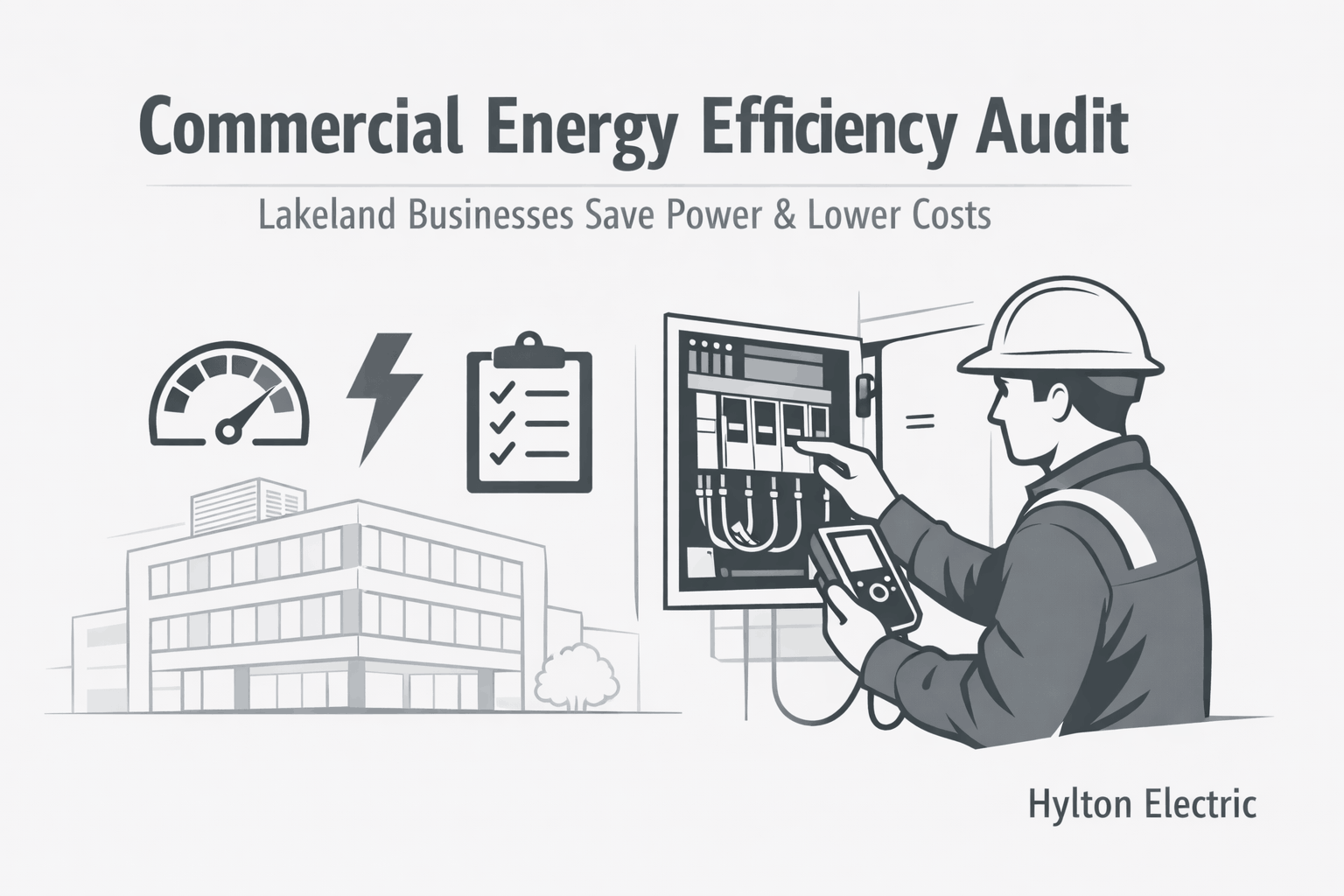
Energy costs are a major expense for many businesses in Lakeland. Offices, retail stores, restaurants, and warehouses all depend on electricity every day. Lighting, cooling systems, and equipment keep operations running, but they can also drive utility bills higher when systems are not efficient.
Over time, buildings often develop hidden energy waste. Older lighting systems may use more electricity than necessary. HVAC equipment may run longer than it should. Poor insulation or outdated electrical systems can also increase energy use without business owners realizing it.
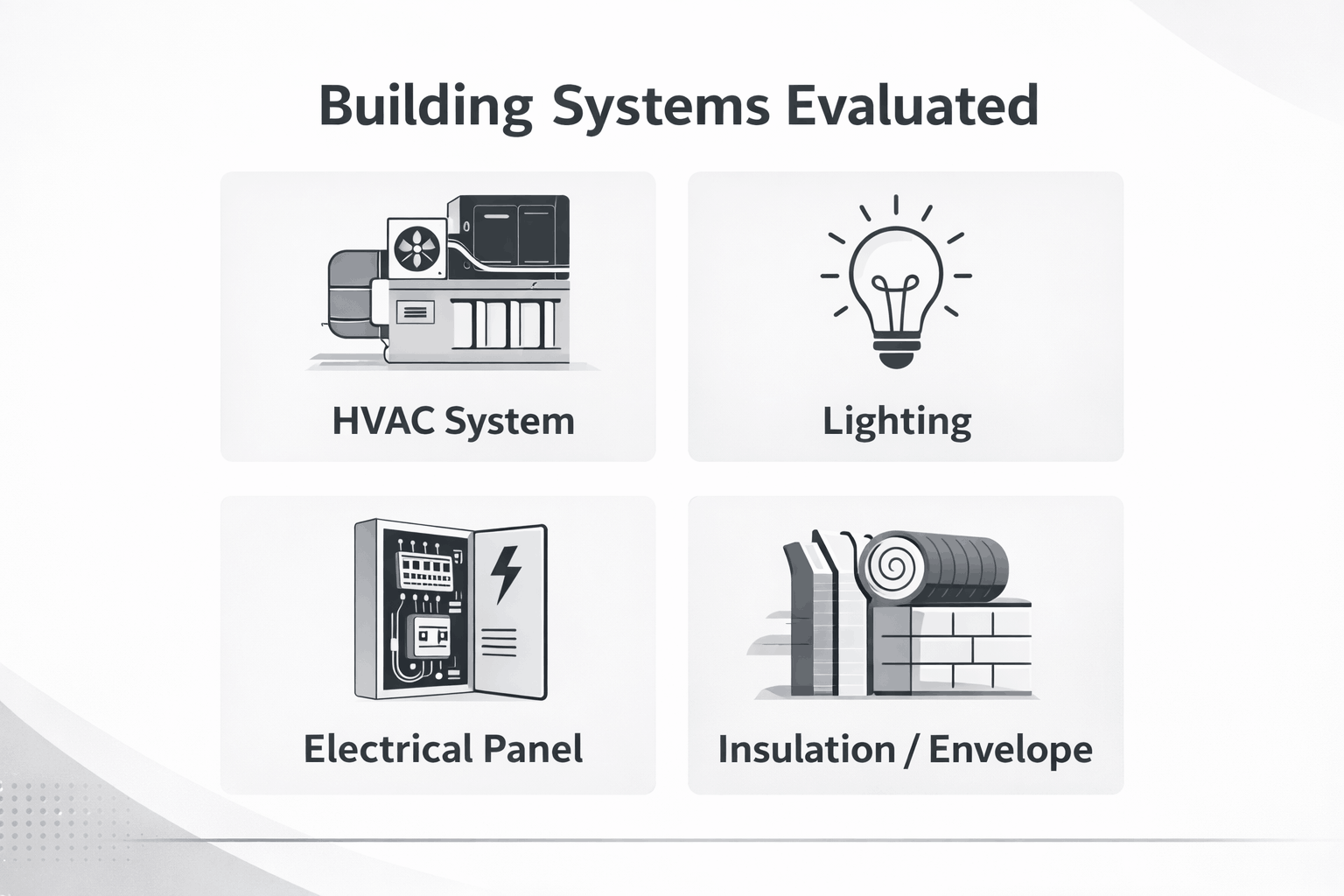
A commercial energy efficiency audit helps uncover these problems. It examines how a building uses energy and identifies areas where improvements can be made. The audit looks at key systems such as lighting, HVAC equipment, electrical distribution, and building insulation.
For businesses in Lakeland, this is especially important because Florida’s warm climate places heavy demand on cooling systems. When air conditioning systems are not operating efficiently, energy costs can rise quickly.
By identifying inefficiencies early, businesses can reduce energy waste, lower operating costs, and improve overall building performance. In this guide, we will explain how a commercial energy efficiency audit in Lakeland works, what it includes, and why it can benefit local businesses.
Table of Contents
ToggleWhat Is a Commercial Energy Efficiency Audit?
A commercial energy efficiency audit is a professional review of how a building uses electricity and energy systems. The purpose of the audit is to identify inefficiencies and recommend improvements.
During the process, energy professionals inspect the building and collect important data. They look at equipment, operating patterns, and energy usage. Then they analyze how these systems affect the building’s overall efficiency.
The audit also compares energy usage with normal standards for similar buildings. This helps determine whether the building is performing efficiently or wasting energy.
In simple terms, the audit answers three key questions:
-
Where is the building using the most energy?
-
Where is energy being wasted?
-
What improvements can reduce energy costs?
Many commercial buildings lose energy in ways that are not easy to notice. For example, outdated lighting systems may consume more power than modern LED systems. HVAC equipment may also operate longer than necessary because of thermostat settings or poor airflow.
An energy audit identifies these problems and explains how to fix them. Businesses across Lakeland often request audits for buildings such as:
-
Office buildings
-
Shopping centers
-
Medical offices
-
Manufacturing facilities
-
Hotels and hospitality properties
By understanding how energy is used, building owners can improve efficiency while maintaining reliable operations.
Key Goals of a Commercial Energy Audit
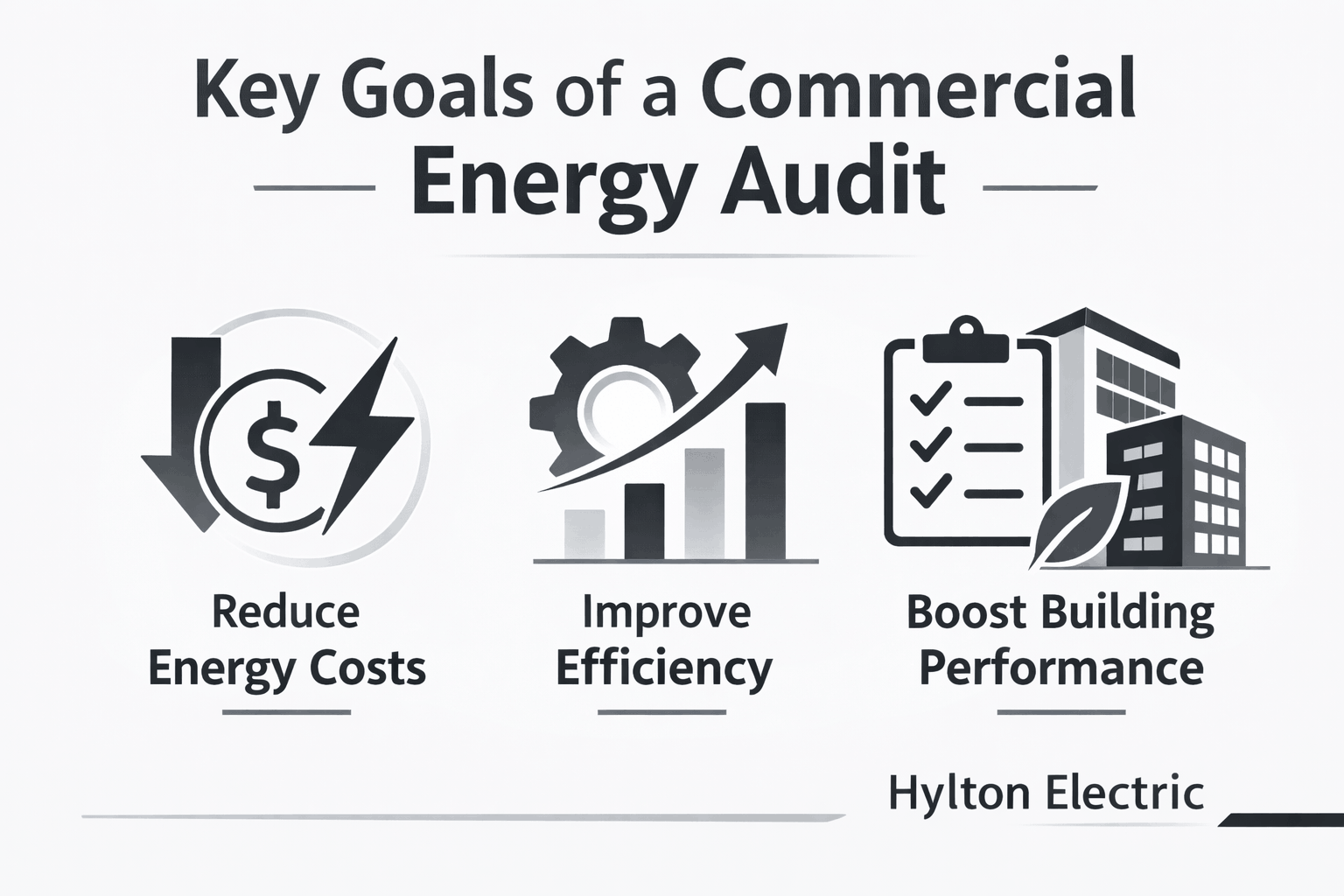
A commercial energy audit focuses on improving building performance and reducing energy waste. The process provides clear insights into how energy flows through the building. Several goals guide the audit process.
- First, the audit helps reduce electricity costs. By identifying inefficient systems, businesses can lower their monthly utility bills.
- Second, the audit improves system performance. HVAC equipment, lighting systems, and electrical components often perform better when they operate efficiently.
- Third, the audit helps identify outdated equipment. Many buildings still use older systems that consume more electricity than modern alternatives.
Other important goals include:
-
Reducing unnecessary energy waste
-
Improving comfort inside the building
-
Supporting long-term maintenance planning
-
Extending the life of electrical equipment
For many businesses, the biggest benefit is cost savings. Even small efficiency improvements can make a noticeable difference over time.
Why Businesses in Lakeland Need Energy Audits
Businesses in Lakeland face unique energy challenges. Florida’s warm climate means cooling systems run for long periods throughout the year.
Air conditioning often represents the largest share of electricity usage in commercial buildings. When HVAC systems are not operating efficiently, energy bills can increase quickly.
Energy audits help identify these issues before they become costly problems.
For example, the audit may reveal that:
-
HVAC equipment is working harder than necessary
-
Air ducts are leaking conditioned air
-
Lighting systems consume too much electricity
-
Insulation problems cause heat gain inside the building
When these problems are corrected, buildings often become more efficient and comfortable.
Many businesses consider an energy audit when they notice:
-
Higher than normal electricity bills
-
Uneven temperatures in different rooms
-
Older lighting or HVAC equipment
-
Increasing maintenance issues
By identifying these problems early, businesses can improve efficiency and reduce long-term operating costs.
How a Commercial Energy Efficiency Audit Works
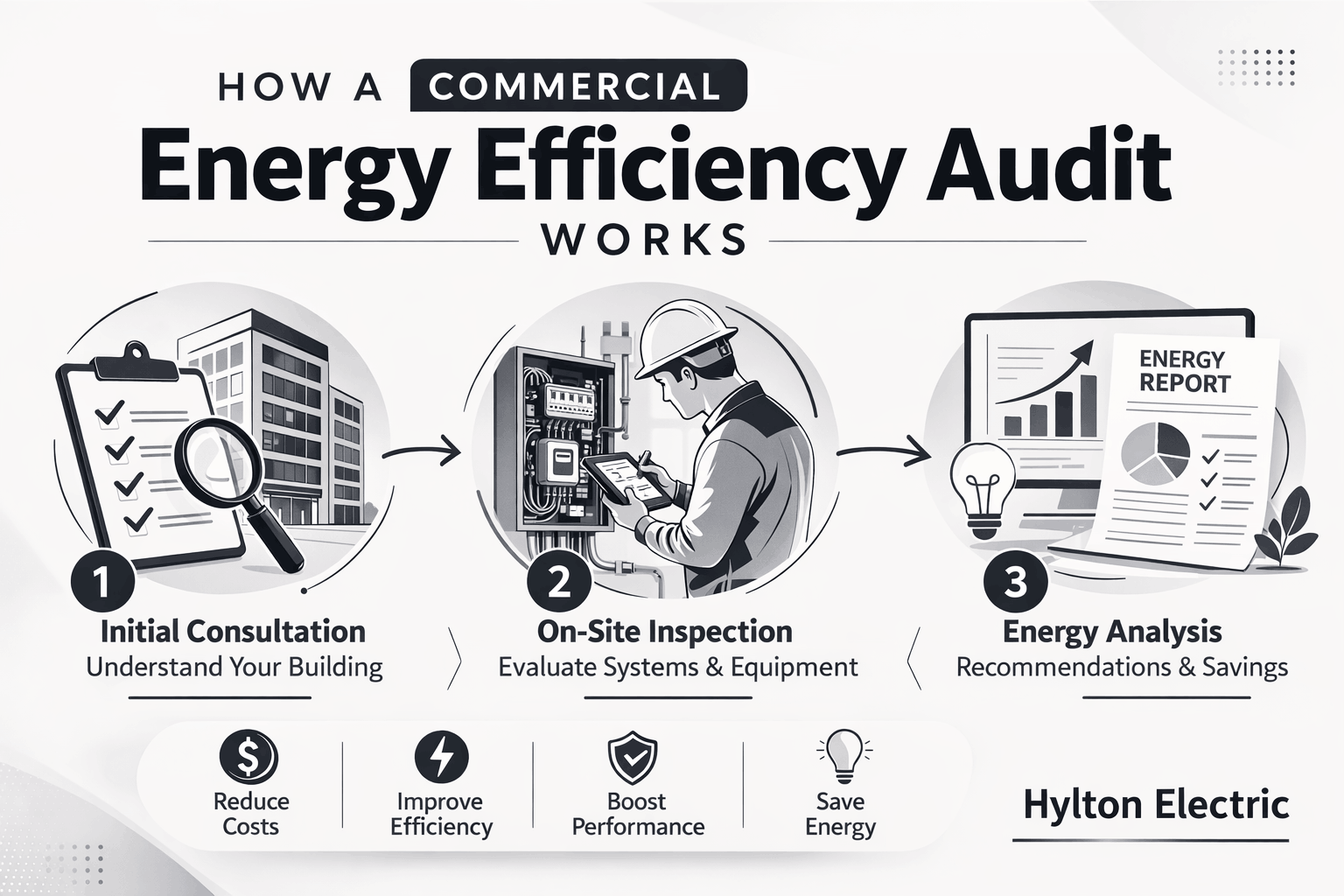
A commercial energy efficiency audit follows a structured process. Each step helps auditors understand how energy is used throughout the building.
The process begins with reviewing energy data. Then it moves to a physical inspection of the building’s systems. Finally, the auditor prepares a detailed report with recommendations.
This step-by-step approach helps identify both small issues and larger system problems.
Step 1: Initial Consultation and Energy Assessment
The audit usually starts with a meeting between the auditor and the building owner or facility manager. During this stage, the auditor gathers basic information about the building. This helps create a clear picture of how the property operates.
Important details often include:
-
The size of the building
-
The number of floors or rooms
-
Daily operating hours
-
Types of equipment used
-
Known electrical or HVAC concerns
The auditor may also ask about recent increases in energy costs or areas where comfort problems occur. This conversation helps guide the rest of the audit. It allows the auditor to focus on systems that may need closer inspection.
Step 2: Utility Bill Analysis
After the initial discussion, the auditor reviews the building’s energy history. Utility bills reveal how much electricity the building uses over time. They also show patterns in energy consumption.
During this step, auditors examine:
-
Monthly electricity usage
-
Seasonal changes in energy demand
-
Sudden increases in utility costs
-
Overall yearly energy consumption
These patterns often reveal hidden inefficiencies. For example, if energy usage stays high during weekends or after business hours, it may mean equipment is running when it should be turned off.
Utility data helps auditors identify these patterns before inspecting the building.
Step 3: On-Site Facility Inspection
The next step involves a detailed inspection of the building. During this visit, the auditor examines the systems that use the most energy. This helps determine whether equipment is operating efficiently.
Common systems inspected during the audit include:
-
HVAC equipment and air distribution systems
-
Lighting fixtures and lighting controls
-
Electrical panels and circuits
-
Insulation and building envelope
-
Windows and doors
-
Major appliances and machinery
The inspection often reveals equipment that is outdated or poorly maintained. It may also uncover small problems that cause energy waste. Once this inspection is complete, the auditor uses the collected information to prepare recommendations for improving efficiency.
Types of Commercial Energy Audits (ASHRAE Levels)
Not all energy audits are the same. The depth of the audit often depends on the building size, the complexity of its systems, and the goals of the business owner.
In the commercial industry, energy audits are commonly grouped into three levels. These levels are defined by the American Society of Heating, Refrigerating, and Air-Conditioning Engineers (ASHRAE). Each level provides a different amount of detail.
Some businesses only need a quick assessment. Others may require a deeper analysis before making major upgrades. Understanding these audit levels helps businesses choose the right approach for their building.
Level 1 Audit – Walk-Through Assessment
A Level 1 audit is the most basic type of commercial energy audit. It focuses on identifying obvious sources of energy waste.
During this audit, the professional performs a visual inspection of the building and reviews past utility bills. The goal is to find simple improvements that can reduce energy use.
Common tasks during a Level 1 audit include:
-
Reviewing electricity and utility bills
-
Inspecting lighting systems
-
Observing HVAC equipment performance
-
Identifying outdated equipment
-
Noting areas where energy may be wasted
This type of audit does not require complex measurements or modeling. Instead, it provides quick recommendations that businesses can implement right away.
A Level 1 audit is often suitable for:
-
Small office buildings
-
Retail stores
-
Restaurants
-
Small commercial properties
It is also a good starting point for businesses that want a general overview of their energy usage.
Level 2 Audit – Detailed Energy Survey
A Level 2 audit provides a more detailed evaluation of the building’s energy systems. It goes beyond the basic walk-through and includes deeper analysis. During this audit, professionals collect more data and evaluate the performance of major systems.
Typical elements of a Level 2 audit include:
-
Detailed inspection of HVAC equipment
-
Lighting efficiency analysis
-
Electrical system evaluation
-
Equipment load measurements
-
Energy use comparisons across systems
The auditor may also estimate the cost and savings associated with recommended upgrades. This helps business owners understand the financial benefits of improvements. For example, the audit may compare the cost of installing LED lighting with the expected energy savings over time.
Level 2 audits are commonly used for:
-
Medium-sized commercial buildings
-
Office complexes
-
Retail centers
-
Schools and healthcare facilities
Because this audit includes more data and analysis, it provides stronger guidance for making energy improvements.
Level 3 Audit – Investment-Grade Audit
A Level 3 audit is the most detailed and comprehensive type of commercial energy audit. It is often called an investment-grade audit because it supports large upgrade projects.
This type of audit includes advanced engineering analysis and detailed calculations.
During a Level 3 audit, professionals may perform:
-
Energy modeling of building systems
-
Detailed measurements of equipment performance
-
Engineering calculations for upgrades
-
Financial analysis of efficiency projects
-
Long-term energy savings projections
The report produced from this audit is very detailed. It often includes technical designs, project costs, and expected return on investment.
Businesses usually request a Level 3 audit when they are planning large improvements, such as:
-
Major HVAC replacements
-
Building-wide lighting upgrades
-
Electrical system modernization
-
Large facility renovations
Large commercial facilities, industrial buildings, and multi-building campuses often require this level of analysis before starting major projects.
Key Systems Evaluated in a Commercial Energy Efficiency Audit
Commercial buildings use energy in many different ways. Lighting, cooling systems, equipment, and building materials all affect how much electricity the building consumes.
During an energy audit, professionals review the systems that have the greatest impact on energy use. By studying these systems, auditors can identify where efficiency improvements are possible.
Several building components are usually examined during the process.
HVAC System Efficiency
Heating, ventilation, and air conditioning systems often use the most energy in commercial buildings. In Florida, cooling systems run for long periods throughout the year.
Because of this, HVAC performance plays a major role in energy efficiency.
During the audit, professionals check several aspects of the system, including:
-
Age and condition of HVAC equipment
-
Airflow through ducts and vents
-
Thermostat settings and controls
-
Air leaks in ductwork
-
Maintenance history of the system
If the HVAC system is outdated or poorly maintained, it may consume far more energy than necessary. Simple improvements such as adjusting controls, sealing ducts, or upgrading equipment can reduce energy use significantly.
Lighting Systems
Lighting is another major contributor to commercial electricity usage. Many older buildings still use fluorescent or incandescent lighting systems. These systems typically consume more electricity than modern LED lighting.
During the audit, the lighting system is evaluated for efficiency. Auditors may review:
-
Types of lighting fixtures used
-
Lighting intensity and coverage
-
Operating hours for lights
-
Presence of lighting controls or timers
In many cases, upgrading to LED lighting provides one of the fastest returns on investment. LED systems consume less power and often last much longer than traditional bulbs.
Adding motion sensors or automated lighting controls can also reduce unnecessary energy use.
Electrical Distribution Systems
The electrical distribution system delivers power throughout the building. If this system is inefficient or overloaded, it can affect overall energy performance.
During the audit, professionals inspect electrical components such as:
-
Electrical panels
-
Circuit breakers
-
Power distribution systems
-
Voltage stability
-
Electrical loads across equipment
These inspections help determine whether the electrical system is operating efficiently and safely. Problems such as overloaded circuits or outdated panels may also indicate the need for electrical upgrades.
Building Envelope and Insulation
The building envelope includes the walls, roof, windows, and doors that separate the indoor space from outdoor conditions.
If the building envelope is poorly insulated, heat can enter the building easily. This forces cooling systems to work harder to maintain indoor temperatures.
Energy auditors often inspect:
-
Roof insulation
-
Wall insulation
-
Window efficiency
-
Door seals
-
Air leaks around openings
Improving insulation and sealing air leaks can significantly reduce the workload on HVAC systems.
Office Equipment and Appliances
Many commercial buildings rely on a variety of equipment and appliances. These devices may not seem significant individually, but together they can contribute to high energy consumption.
During the audit, professionals may evaluate the energy usage of:
-
Computers and office equipment
-
Refrigeration systems
-
Kitchen appliances
-
Manufacturing equipment
-
Other electrical machinery
Older equipment often consumes more electricity than modern energy-efficient alternatives. Replacing inefficient equipment or adjusting usage schedules can reduce overall energy demand in the building.
Benefits of a Commercial Energy Efficiency Audit for Lakeland Businesses
Many business owners focus on daily operations and customer service. Energy usage often receives attention only when utility bills rise. A commercial energy efficiency audit helps businesses understand where energy goes and how to reduce unnecessary costs.
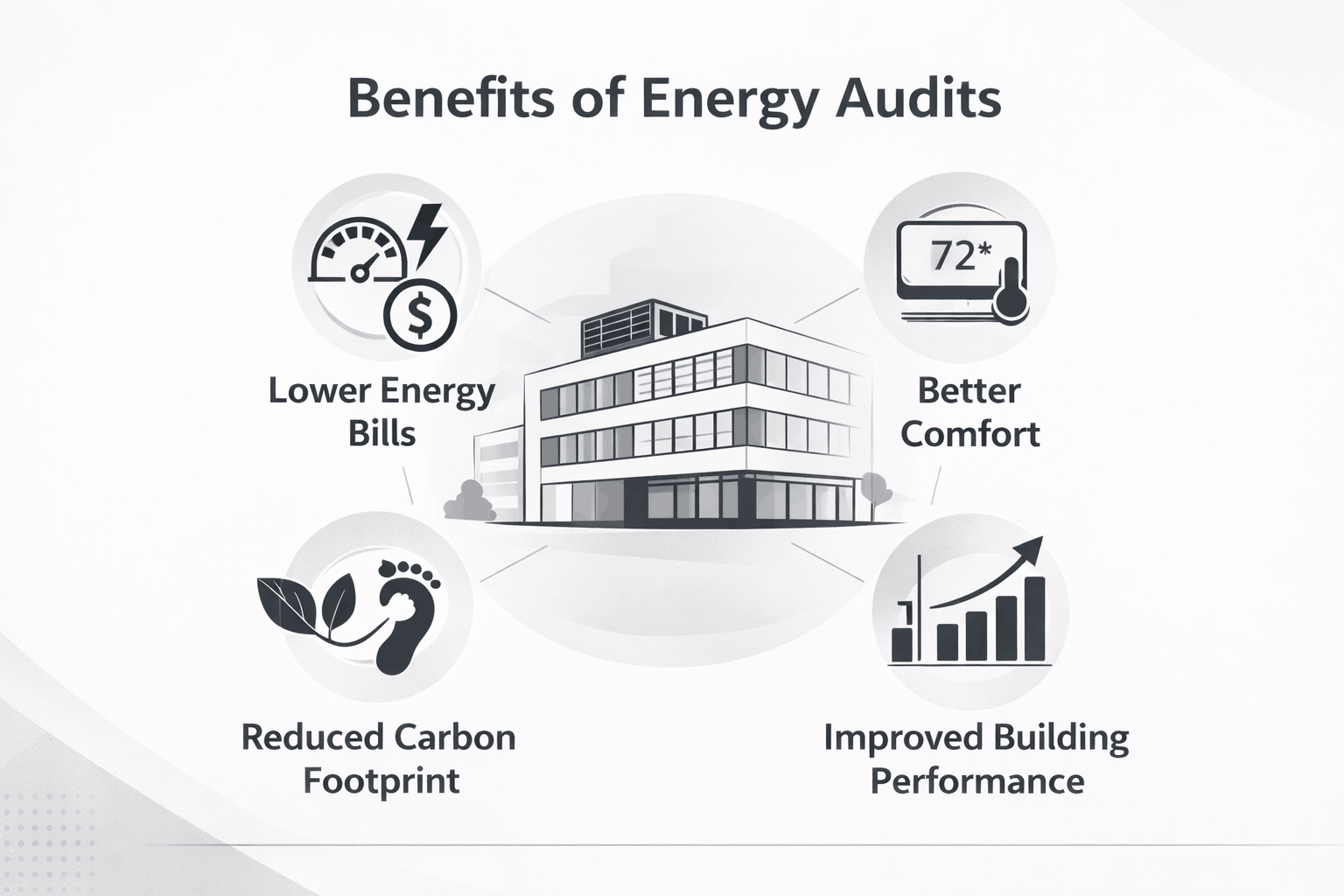
For companies in Lakeland, improving energy efficiency can bring several long-term benefits. The savings often extend beyond lower electricity bills. Businesses may also see improvements in building comfort, equipment reliability, and overall property value.
Below are some of the most important benefits.
Lower Utility Bills
One of the main reasons businesses request energy audits is to reduce electricity costs. Commercial buildings often use large amounts of power each day. Even small inefficiencies can lead to higher monthly bills.
An energy audit helps identify these issues and provides clear recommendations for improvement.
Common upgrades that reduce energy costs include:
-
Switching to energy-efficient LED lighting
-
Adjusting HVAC system controls
-
Replacing outdated electrical equipment
-
Improving insulation and sealing air leaks
When these improvements are implemented, many buildings begin to use energy more efficiently. Over time, the savings can become significant.
Improved Building Performance
Energy efficiency is not only about saving money. It also helps buildings operate more smoothly.
When systems work efficiently, they experience less strain and fewer breakdowns. HVAC equipment, for example, performs better when airflow is balanced and controls are properly adjusted.
Better system performance can lead to:
-
More consistent indoor temperatures
-
Reduced equipment wear
-
Improved reliability of electrical systems
-
Fewer maintenance issues
These improvements help businesses maintain comfortable environments for employees and customers.
Reduced Carbon Footprint
Energy efficiency also supports environmental goals. Commercial buildings that use less electricity produce fewer greenhouse gas emissions. Many businesses today want to reduce their environmental impact. Energy audits help them identify practical ways to do that.
Examples include:
-
Installing energy-efficient lighting
-
Upgrading cooling systems
-
Reducing unnecessary electricity use
These changes allow businesses to operate more sustainably while still maintaining normal operations.
Increased Property Value
Energy-efficient buildings are often more attractive to tenants and buyers. Lower operating costs make the property easier to manage and more profitable over time.
For property owners, this can lead to:
-
Higher rental value
-
Better tenant satisfaction
-
Increased long-term property value
Buildings with efficient systems also tend to require fewer major repairs in the future.
Compliance with Energy Standards
Energy regulations and building efficiency standards continue to evolve. Businesses may need to meet certain guidelines related to energy use and building performance.
Energy audits help ensure that buildings are operating within modern efficiency expectations. By identifying areas that need improvement, audits allow businesses to plan upgrades before regulations become stricter.
Common Energy Efficiency Improvements After an Audit
Once an energy audit is complete, the next step is implementing improvements. The audit report typically outlines specific upgrades that can reduce energy consumption. Some improvements are simple and inexpensive. Others involve equipment upgrades that deliver long-term savings.
Many businesses begin with the most cost-effective changes.
LED Lighting Upgrades
Lighting upgrades are often one of the easiest ways to improve efficiency. Many commercial buildings still use fluorescent or older lighting technologies.
LED lighting offers several advantages.
Businesses often see benefits such as:
-
Lower electricity consumption
-
Longer bulb lifespan
-
Reduced maintenance costs
-
Better lighting quality
LED lights also generate less heat than traditional bulbs. This can slightly reduce the cooling demand inside the building. Many businesses begin their efficiency improvements with lighting upgrades because the installation process is relatively simple.
HVAC System Optimization
Heating and cooling systems often consume the largest share of energy in commercial buildings. Improving HVAC performance can therefore lead to noticeable savings.
Common HVAC improvements include:
-
Installing high-efficiency air conditioning systems
-
Upgrading thermostats to smart controls
-
Improving airflow through duct systems
-
Scheduling regular system maintenance
Even small adjustments, such as recalibrating thermostats or balancing airflow, can improve system efficiency. When HVAC equipment operates efficiently, the building maintains stable temperatures while using less electricity.
Insulation and Building Envelope Improvements
The building envelope plays a major role in energy performance. When insulation is weak or air leaks are present, cooling systems must work harder to maintain indoor comfort. Improving insulation helps reduce this strain.
Common improvements include:
-
Sealing gaps around windows and doors
-
Adding insulation in walls or roofing areas
-
Replacing inefficient windows
-
Improving weather stripping on doors
These upgrades help prevent heat from entering the building. As a result, HVAC systems run less frequently and energy consumption decreases.
Smart Building Energy Management Systems
Modern technology allows businesses to monitor energy usage more closely. Smart building systems can track electricity consumption and adjust equipment automatically.
Energy management systems help businesses:
-
Monitor real-time energy usage
-
Detect unusual energy spikes
-
Adjust lighting and HVAC schedules
-
Optimize system performance throughout the day
These systems provide valuable data that building managers can use to make better energy decisions. As more commercial buildings adopt smart technology, energy management is becoming easier and more efficient.
How Much Does a Commercial Energy Efficiency Audit Cost in Lakeland?
The cost of a commercial energy efficiency audit can vary from one building to another. Several factors influence the price, including building size, system complexity, and the depth of the audit.
Some businesses only require a basic evaluation, while others need a more detailed analysis. Because of this, audit costs can range widely.
For many businesses, the cost of the audit is small compared to the long-term energy savings it may uncover. An audit often identifies improvements that reduce electricity bills for many years.
Understanding what affects the cost can help businesses plan for the process.
Factors That Affect Audit Cost
Every commercial building is different. Because of this, auditors consider several elements when determining the cost of an energy audit.
Common factors include:
-
Building size – Larger buildings require more inspection time and analysis.
-
Number of systems – Buildings with complex HVAC, lighting, or industrial equipment need more detailed evaluation.
-
Audit level required – Level 1 audits cost less than detailed Level 2 or Level 3 assessments.
-
Data collection needs – Some audits require advanced monitoring tools or energy measurements.
-
Age of the building – Older buildings may require more inspection to identify inefficiencies.
A simple walk-through audit may take only a few hours. A detailed engineering analysis may take several days to complete.
Typical Price Ranges
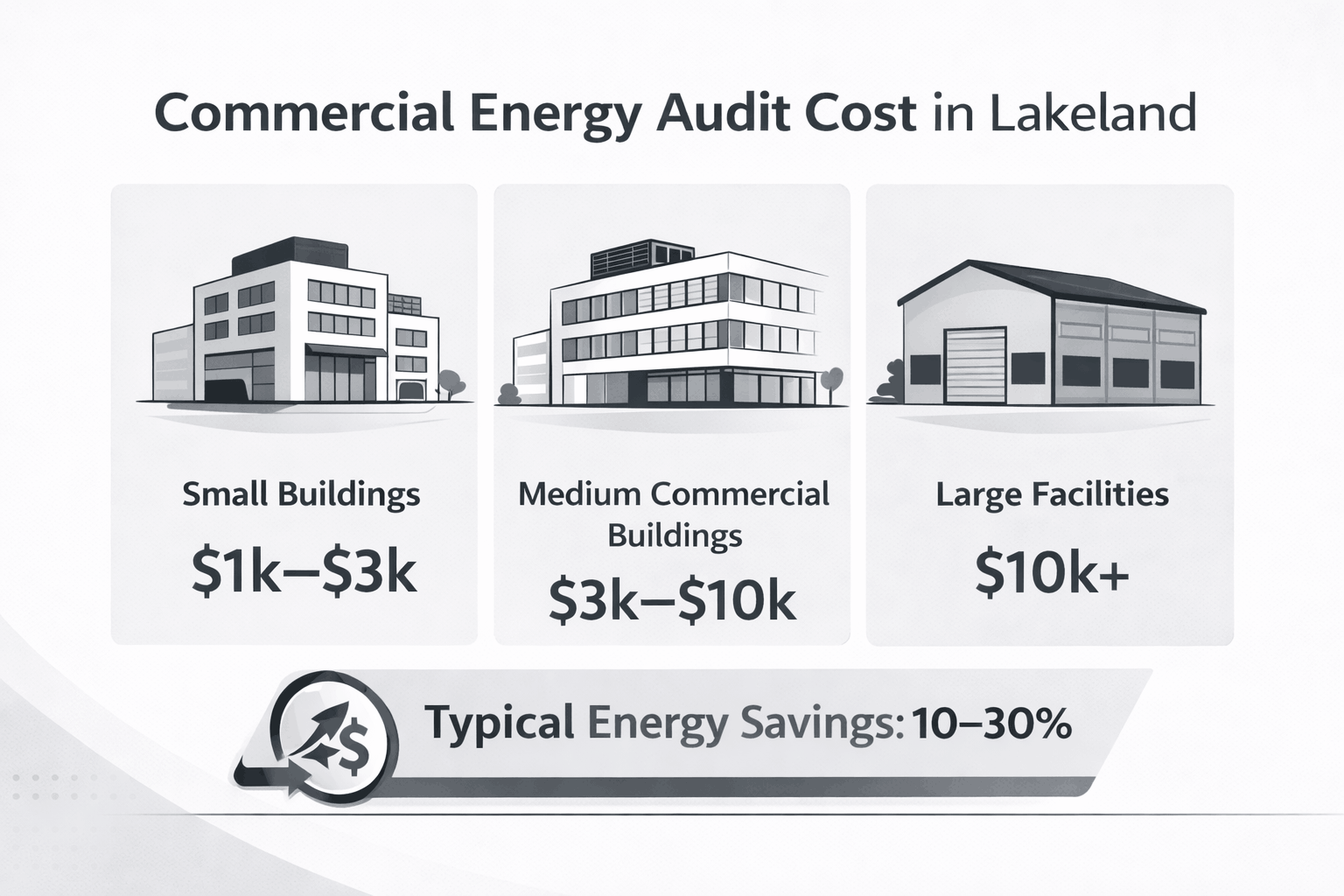
While costs vary, many commercial energy audits fall within common price ranges. Small commercial buildings may expect costs between:
-
$1,000 – $3,000
Medium-sized commercial buildings may range between:
-
$3,000 – $10,000
Large facilities or complex properties may require audits costing:
-
$10,000 or more
These estimates can vary depending on the building size and the level of analysis required. For many businesses, the audit serves as the first step toward long-term energy savings.
Return on Investment (ROI)
One of the biggest advantages of a commercial energy audit is the potential return on investment. Many buildings reduce energy consumption after implementing audit recommendations. Even modest improvements can lower electricity usage noticeably.
Common outcomes include:
-
Reduced monthly electricity bills
-
Lower maintenance costs for equipment
-
Improved system efficiency
-
Extended lifespan of building systems
In many cases, businesses may see energy reductions of 10–30 percent after implementing recommended improvements. Because of these savings, the cost of the audit is often recovered within a short period.
Signs Your Commercial Building Needs an Energy Audit
Many building owners do not realize their property is wasting energy until problems become obvious. Certain warning signs often indicate that an energy audit may be helpful. If a building shows several of these signs, it may benefit from a professional evaluation.
Rising Energy Bills
One of the most common warning signs is a steady increase in electricity costs. If energy bills continue rising even when building operations remain the same, it may indicate inefficiencies in the building systems.
Possible causes include:
-
Aging HVAC equipment
-
Inefficient lighting systems
-
Equipment running longer than necessary
-
Poor insulation or air leaks
An energy audit can identify the root cause of these increases.
Uneven Indoor Temperatures
Another common issue in commercial buildings is uneven temperature control. Some areas may feel too warm while others remain too cool. This often happens when HVAC systems are not balanced properly.
Possible causes may include:
-
Blocked or leaking ductwork
-
Incorrect thermostat placement
-
Poor airflow through ventilation systems
An energy audit helps identify these issues and improve system balance.
Outdated Lighting or Equipment
Older equipment typically uses more electricity than modern systems. Many buildings still rely on outdated lighting or aging HVAC systems that consume unnecessary energy.
Examples of inefficient equipment include:
-
Fluorescent lighting systems
-
Older rooftop HVAC units
-
Aging refrigeration equipment
-
Electrical systems operating beyond their intended lifespan
Replacing outdated equipment often leads to noticeable efficiency improvements.
Frequent Maintenance Issues
If building systems require frequent repairs, efficiency may be declining. Equipment that struggles to perform efficiently often experiences more wear and tear. Over time, this can lead to rising maintenance costs.
Examples include:
-
HVAC units breaking down frequently
-
Electrical systems overheating
-
Lighting systems failing regularly
An energy audit can help determine whether upgrades or system adjustments are needed.
Choosing the Right Energy Audit Company in Lakeland
Selecting the right company to perform a commercial energy audit is an important step. A thorough audit requires technical knowledge, experience with building systems, and accurate data analysis.
Businesses should look for professionals who understand both electrical systems and building efficiency. A qualified auditor will carefully evaluate the building and provide practical recommendations that improve efficiency.
Look for Certified Energy Professionals
Experienced auditors often hold professional certifications related to energy management and building systems. These certifications demonstrate technical expertise in evaluating commercial buildings.
Common certifications include:
-
Licensed professional engineers
-
Building energy specialists
-
Experienced commercial electricians
Working with certified professionals helps ensure the audit is accurate and reliable.
Experience With Commercial Buildings
Energy audits require a strong understanding of commercial electrical systems and mechanical equipment. Companies with experience in commercial facilities are better prepared to evaluate complex systems such as:
-
Large HVAC systems
-
Commercial lighting systems
-
Electrical distribution panels
-
Industrial equipment
Experienced auditors can identify problems quickly and recommend realistic solutions.
Comprehensive Audit Reporting
A good energy audit should provide a detailed report. This report explains the building’s current energy performance and outlines potential improvements.
A strong report typically includes:
-
A summary of energy usage findings
-
Identification of inefficiencies
-
Recommended efficiency upgrades
-
Estimated cost savings
-
Expected return on investment
Clear reporting helps business owners understand which improvements will have the greatest impact.
Why Commercial Energy Efficiency Matters for Lakeland Businesses
Energy efficiency plays an important role in the long-term success of many businesses. Commercial buildings that use energy wisely often operate more efficiently and maintain lower operating costs.
In Lakeland, where cooling systems operate for much of the year, energy efficiency can make a noticeable difference in monthly expenses. Efficient buildings often provide several long-term advantages.
Businesses may experience:
-
Lower operational costs
-
More comfortable indoor environments
-
Reduced environmental impact
-
Better long-term property performance
Improving energy efficiency also helps businesses stay competitive. Lower operating costs allow companies to allocate resources toward growth and improvements. For many commercial properties, energy efficiency has become an important part of modern building management.
Future Trends in Commercial Energy Efficiency
Energy efficiency technology continues to evolve. New systems and smart building tools are helping businesses manage energy more effectively. These innovations allow building owners to monitor usage more closely and make adjustments that reduce waste. Several trends are shaping the future of commercial energy management.
Smart Building Technology
Smart building systems allow businesses to track energy usage in real time. Sensors and monitoring systems collect data throughout the building. This information helps facility managers understand when and where energy is being used.
Smart systems can also automate certain functions, such as:
-
Adjusting HVAC schedules
-
Controlling lighting levels
-
Monitoring equipment performance
These technologies help buildings operate more efficiently without constant manual adjustments.
Renewable Energy Integration
Many commercial buildings are beginning to integrate renewable energy sources. Solar power systems are becoming more common for commercial properties. These systems allow businesses to generate a portion of their own electricity.
Renewable energy can help businesses:
-
Reduce electricity costs
-
Lower dependence on the power grid
-
Improve environmental sustainability
As solar technology becomes more affordable, more businesses are considering renewable options.
Net-Zero Energy Buildings
Another emerging trend is the development of net-zero energy buildings. These buildings produce as much energy as they consume over time.
This is achieved through a combination of:
-
Highly efficient building design
-
Advanced energy management systems
-
Renewable energy sources such as solar power
While not every building can reach this goal immediately, many businesses are gradually improving efficiency to move closer to this standard.
Final Thoughts on Commercial Energy Efficiency Audit Lakeland
A commercial energy efficiency audit provides valuable insight into how a building uses energy. By examining electrical systems, HVAC equipment, lighting, and building insulation, auditors can identify areas where energy is being wasted.
For businesses in Lakeland, these audits are especially useful because cooling systems often operate for long periods throughout the year. Improving efficiency can reduce energy costs while improving building performance.
Many businesses find that even small improvements lead to noticeable savings over time.
An energy audit offers a clear starting point. It helps business owners understand their building’s energy usage and identify practical ways to improve efficiency.
By taking steps to reduce energy waste, businesses can lower operating costs, improve comfort, and support long-term building performance.
Want to Improve Your Building’s Energy Efficiency?
If your business in Lakeland is dealing with high energy bills, it may be time to look at how your building uses power. A professional audit can uncover simple ways to reduce waste and improve efficiency.
At Hylton Electric, we help local businesses evaluate electrical systems, lighting, and overall energy use. If you’re considering a commercial energy efficiency audit Lakeland, our team is here to help.
- Phone: +1 863-624-7000
- Email: ray@hylton-electric.com
Reach out today and take the first step toward a more energy-efficient building
Leave a Reply