
Underground power lines are often presented as the future of a more reliable electrical grid. With projects like the one led by Florida Power & Light in Pembroke Pines, many business owners are starting to believe that outages may soon be a thing of the past.
That belief is understandable—but it’s not accurate.
Undergrounding power lines improves reliability, but it does not eliminate outages. To make informed decisions about your business’s electrical setup, it’s important to understand exactly what these systems do—and just as importantly, what they don’t do.
How Underground Power Lines Work
Traditional power systems rely on overhead lines suspended on poles. These are exposed to:
-
Wind
-
Falling trees
-
Storm debris
Underground systems, on the other hand:
-
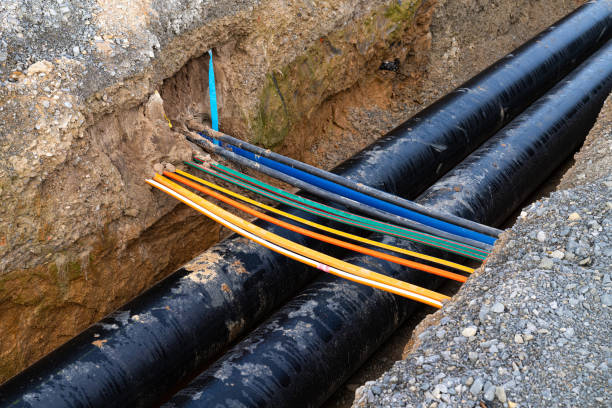
Bury primary lines 3–4 feet below ground
-
Place service lines at least 2 feet deep
-
Use protective conduits and insulated cabling
Installation often involves directional boring, a low-impact method that reduces surface disruption while placing cables below ground. The goal is simple: reduce exposure to environmental damage.
What Underground Power Lines Actually Improve
There’s no question that underground systems provide real benefits.
1. Reduced Storm Damage
Buried lines are protected from wind, ice, and falling branches—some of the most common causes of outages.
2. Fewer Visual and Physical Hazards
No poles or overhead wires mean fewer risks from vehicle collisions or debris impact.
3. More Stable Local Distribution
In many cases, underground systems experience fewer short-term interruptions caused by external factors. These improvements are why utilities are investing heavily in underground infrastructure.
What Underground Power Lines Do NOT Fix
This is where expectations often go wrong.
1. Equipment Failures Still Occur
Transformers, switches, and other components can fail regardless of whether lines are above or below ground.
2. Flooding Can Cause Major Issues
Water intrusion is a serious risk for underground systems, especially in storm-prone or low-lying areas.
3. Repairs Take Longer
When a fault occurs underground, locating and fixing the issue is more complex and time-consuming than with overhead lines.
4. Planned Outages Are Still Required
During installation or upgrades, temporary shutdowns are unavoidable—even in modern systems.
5. Grid-Level Problems Remain
If the wider electrical grid fails, underground lines do not provide independent power—they go down with it.
The Key Misconception Businesses Have
The biggest misunderstanding is this: “If power lines are underground, outages won’t happen anymore.”
In reality, Underground systems reduce certain types of outages, but they do not prevent all outages.
This distinction is critical for businesses that rely on continuous power. Because from an operational standpoint, the cause of the outage doesn’t matter—only the impact does.
Why This Matters for Businesses
Even with improved infrastructure, businesses still face:
-
Unexpected downtime
-
Disrupted operations
-
Lost productivity during outages
-
Temporary shutdowns during grid upgrades
And in many cases, undergrounding projects themselves introduce short-term interruptions as systems are transitioned. So while reliability improves overall, certainty does not.
What Businesses Should Do Instead
Rather than assuming the grid will become fully reliable, businesses should take a more practical approach:
1. Understand Your Dependency on Power
Identify which systems must stay operational—POS systems, refrigeration, servers, or equipment.
2. Plan for Interruption, Not Perfection
Even advanced infrastructure cannot guarantee a continuous supply.
3. Build Redundancy into Your Electrical Setup
This may include backup generators, battery systems, or hybrid solutions that provide power when the grid cannot.
Final Thoughts
Underground power lines are a meaningful upgrade to the electrical grid. They reduce vulnerability to weather and improve overall system stability. But they are not a complete solution.
Outages can still occur due to equipment failure, flooding, maintenance, or broader grid issues. For businesses, that means one thing: “You cannot rely on infrastructure improvements alone to ensure uninterrupted power.”
Understanding the limits of underground systems is the first step toward making smarter, more resilient decisions for your business in 2026 and beyond.
For more exciting news, check our blog section. For electrical services, contact our electricians who have been providing quality electrical services in Lakeland and nearby regions.
Leave a Reply