
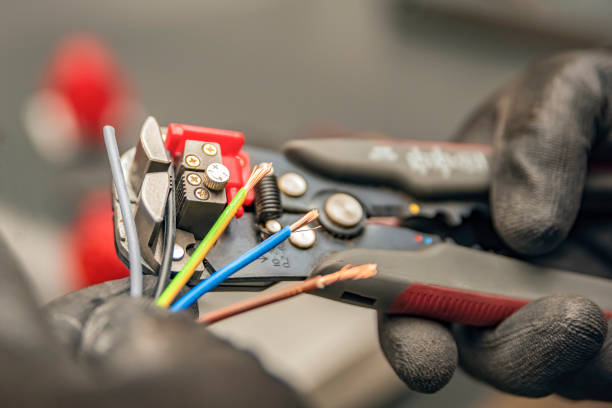
Electrical Wiring Services & Repairs | Hylton Electric
Electrical wiring is the backbone of any home. It powers everything from lights to appliances. Yet, many homeowners overlook its importance.
Ignoring electrical issues can lead to serious problems. Fires, shocks, and costly repairs are just a few risks. That’s why professional electrical wiring services are crucial. For comprehensive Electrical Wiring Services & Repairs | Hylton Electric provides licensed experts you can trust for inspections, upgrades, and safe solutions.
Hiring a skilled electrical wiring contractor ensures safety and compliance. They handle everything from repairs to complete rewiring. This expertise is vital for both new installations and renovations.
Understanding the types of services available can help you make informed decisions. Whether it’s fixing faulty wiring or upgrading your system, knowing your options is key.
In this guide, we’ll explore essential electrical wiring services for homeowners. Discover how to protect your home with expert help.
Why Professional Electrical Wiring Matters
Professional electrical wiring is critical for home safety. Incorrect wiring can lead to fires, electrical shocks, and other hazards. Hiring a qualified electrician helps ensure safe and reliable electrical systems.
Choosing a professional ensures adherence to local codes and regulations. These experts are up-to-date with the latest standards, reducing risks in your home. Compliance with codes not only enhances safety but also impacts insurance and property value.

Here are benefits of hiring a professional electrical wiring service:
- Ensures safety and prevents electrical hazards.
- Adheres to local codes and regulations.
- Enhances property value and reduces insurance costs.
Using high-quality materials is another crucial factor. Professionals use materials that withstand wear and tear, ensuring durability. This approach prevents frequent maintenance and potential failures.
Lastly, professional services can improve energy efficiency. Proper wiring can reduce energy waste and lower utility bills. Investing in expert electrical wiring services can ultimately save money and protect your home.
Common Signs You Need Electrical Wiring Repairs
Recognizing the warning signs of faulty wiring can prevent dangerous situations. Flickering lights are a common indicator of underlying electrical issues. If your lights often dim or flicker, it might be time to seek professional help.
Unusual noises, such as buzzing or popping sounds from outlets, also signal problems. These noises could indicate loose wiring or faulty fixtures. Ignoring such sounds may lead to more severe issues.

Burnt or unusual smells near outlets require immediate attention. This smell often signals overheating or burning insulation. It’s essential to contact a professional without delay.
Here are common signs you need electrical wiring repairs:
- Flickering or dimming lights.
- Unusual buzzing or popping sounds.
- Burnt or unusual odors near outlets.
Prompt wiring repairs from a qualified electrical wiring contractor reduce hazards and keep minor issues from becoming emergencies.
Tripped circuit breakers can also hint at trouble. Frequently tripping breakers might mean your system is overloaded. Talking to an electrical wiring contractor can quickly find and fix the problem.
Types of Electrical Wiring Services for Homeowners
Homeowners can choose from various electrical wiring services depending on their needs. Each service plays a crucial role in maintaining a safe home environment. A qualified electrical wiring contractor can guide you through options suitable for your situation.
Installation services cater to new homes or substantial renovations. These services cover everything from setting up new circuit panels to installing outlets and switches. Professional electrical wiring ensures that every component meets industry standards.
Rewiring services are vital for older homes. As homes age, outdated wiring can pose serious risks. Replacing electrical wiring with modern materials and methods increases safety and efficiency.

Renovation wiring services help during home upgrades. These services align new additions with existing electrical systems. Seamless integration is key to avoiding system overloads and ensuring safety.
Homeowners can access the following services:
- New installations.
- Rewiring old systems.
- Wiring for home renovations.
Electrical repair services address issues like faulty fixtures or damaged wires. Quick and effective repairs prevent small problems from escalating. Always rely on professional expertise to ensure repairs are done safely.
The Process of Electrical Wiring and Rewiring
The electrical wiring and rewiring process begins with a thorough evaluation. An electrical wiring contractor assesses your home’s current system, identifying areas needing attention. This step ensures all issues are pinpointed before any work begins.
Planning is the next critical stage. During this phase, contractors devise a comprehensive plan, tailored to your home’s unique needs. They consider factors like your home’s layout, usage demands, and any planned expansions.
Installation or rewiring follows the planning. Professionals remove outdated materials and replace them with high-quality, compliant ones. Precision in this stage is crucial for long-term safety and functionality.

After installation, thorough testing is performed. Experts check for functionality and safety, ensuring all elements meet regulations. This confirms the system’s ability to handle your daily electrical demands without fail.
Key steps in the process include:
- Initial assessment.
- Detailed planning.
- Careful installation or rewiring.
- Comprehensive testing.
Choosing qualified experts guarantees a successful outcome. They ensure that all electrical standards are met, preventing future issues.
Choosing the Right Electrical Wiring Contractor
Selecting an electrical wiring contractor is vital for your home’s safety. A skilled contractor ensures your project meets safety standards and regulations. Start by researching local contractors with strong reputations.
Look for a contractor with proper licensing and insurance. This protects you from liabilities and ensures work is compliant. Verify their credentials before making a decision.
Ask for references and read customer reviews. Previous clients’ experiences can reveal the contractor’s reliability and quality. Positive feedback indicates trustworthy and efficient service.

Here are some tips to help you choose:
- Verify licenses and insurance.
- Check references and reviews.
- Consider their experience and expertise.
Finally, communicate your needs clearly with the contractor. Discuss your project goals, budget, and timeline upfront. Clear communication ensures a smooth project completion.
Hylton Electric employs licensed electrical contractors providing residential, commercial, and industrial electrical services. Contact us today for professional electrical solutions tailored to your needs.
Electrical Renovations: Upgrading Your Home Safely
Upgrading a home’s electrical system requires careful planning and expertise. Electrical renovations involve improving existing wiring to support modern appliances and technology. These upgrades can significantly enhance your home’s functionality and safety.
Begin by assessing your current electrical needs. Consider the technology you use and future upgrades you plan. This helps in determining the scale and scope of electrical renovations needed in your home.

Common electrical renovation tasks may include:
- Replacing old wiring with new materials.
- Adding more outlets and circuits.
- Installing energy-efficient lighting systems.
Hiring a professional ensures these tasks are completed safely and efficiently. An experienced contractor follows local codes and regulations, minimizing the risk of hazards. Additionally, they can advise on energy-saving solutions to reduce your bills.
Remember, proper upgrades not only make your home safer but can also increase its value. By planning and using professional assistance you ensure your renovations are both effective and safe.
Electrical Repair and Installation: What to Expect
Professional electrical repair and installation services ensure your home’s system works efficiently. Whether you’re dealing with faulty circuits or planning a new installation, expert assistance is crucial. Understanding what to expect can help you navigate the process smoothly.

The process typically begins with an assessment of your current setup. A skilled technician evaluates your electrical needs and identifies potential issues. This step ensures a clear action plan is developed for repairs or installations.
Key services offered may include:
- Diagnosing and fixing electrical faults.
- Installing new fixtures and appliances.
- Upgrading outdated circuit breakers.
Effective communication with your contractor is vital. Discuss your expectations and budget clearly to avoid confusions. Professionals use high-quality materials and adhere to safety standards, ensuring long-lasting solutions. Proper installations and repairs improve your system’s efficiency and safety, ultimately enhancing your home’s comfort and value.
Benefits of Regular Electrical Inspections and Maintenance
Regular electrical inspections are essential for a safe home environment. They help identify potential hazards before they become serious issues. By scheduling regular inspections, you ensure your wiring is up to date and compliant with safety standards.

Maintenance goes hand in hand with inspections. Performing routine maintenance reduces the risk of unexpected failures and prolongs the life of your electrical system. This proactive approach is cost-effective and minimizes disruption to your daily activities.
Key benefits of regular inspections and maintenance include:
- Improved home safety.
- Increased energy efficiency.
- Enhanced lifespan of electrical components.
By investing in regular electrical upkeep, you enhance your property’s value. You also safeguard your home against electrical malfunctions, leading to a more reliable and efficient system overall. This preventive measure offers peace of mind knowing your electrical infrastructure is robust and secure.
Hylton Electric has licensed electrical contractors ready to assist with all your residential, commercial, and industrial electrical needs. We provide electrical repair in Lakeland, FL, electrical maintenance and inspections, panel upgrades, installations, and 24/7 emergency electrician services in Lakeland. Contact us for reliable, professional electrical solutions.
Frequently Asked Questions About Electrical Wiring Services
Whether you need a simple repair or a complete house rewiring project, it’s normal to have questions. Below are answers to some of the most common questions homeowners ask about electrical wiring services , electrical renovations services, and home electrical upgrades.
What does an electrical wiring contractor do?
An electrical wiring contractor installs, repairs, replaces, and upgrades electrical systems in residential and commercial properties. Services include electrical wiring repair service , complete home rewiring, outlet and switch installation, lighting circuits, breaker panel upgrades, and electrical renovation services designed to improve safety, efficiency, and code compliance.
How do I know if my home needs rewiring?
Your home may need rewiring if you notice flickering lights, frequently tripped breakers, burning smells, buzzing outlets, aluminum wiring, or outdated electrical panels. These signs often indicate it’s time to repair electrical wiring or perform a complete rewiring. A licensed electrician can inspect your electrical system and recommend the safest solution.
Can damaged electrical wiring be repaired?
Yes. In many situations, a professional electrician can fix electrical wiring by replacing damaged cables, repairing loose connections, or upgrading deteriorated circuits. However, if your wiring is outdated or extensively damaged, a complete rewiring project may be the safest and most cost-effective option. Always rely on a licensed electrician for any electrical wiring repair service.
How often should I have my home’s electrical wiring inspected?
Most homes should receive an electrical inspection every three to five years, while older homes or recently renovated properties may require more frequent evaluations. Regular inspections help detect hidden issues before they require major electrical wiring repair service or emergency repairs.
How much does house rewiring cost?
The cost of house rewiring depends on the size of your home, accessibility of the existing wiring, electrical panel upgrades, and local code requirements. If you’re searching for electrical rewiring near me, Hylton Electric provides detailed inspections and transparent estimates so you know exactly what your project involves before work begins.
Why should I hire a licensed electrical wiring contractor?
A licensed electrical wiring contractor has the training, certifications, and experience to perform electrical work safely and according to the National Electrical Code (NEC). Professional installation and repairs reduce the risk of electrical fires, improve system reliability, and ensure your investment lasts for years.
Protect Your Home with Professional Electrical Wiring Services
Your home’s electrical system is essential to your family’s safety and comfort. Investing in professional electrical wiring services , electrical renovation services, and expert electrical upgrades helps protect your property while improving performance and energy efficiency.
Whether you need an electrical wiring repair service , want to repair electrical wiring , need to fix electrical wiring , or are looking for electrical rewiring near me, Hylton Electric has the experience to complete the job safely and correctly. From complete house rewiring and electrical renovations to troubleshooting and code corrections, our licensed electricians deliver dependable residential and commercial electrical solutions.
We proudly serve homeowners and businesses throughout Lakeland, Haines City, Davenport, Auburndale, Winter Haven, Bartow, Mulberry, Plant City, and Polk City, providing high-quality workmanship, honest recommendations, and electrical systems built to last.
Q&A
What are the risks of DIY electrical wiring or ignoring issues?
Short answer: DIY or neglected wiring can lead to fires, electrical shocks, and expensive damage. Professional electricians follow local codes and the latest standards, which not only improves safety and reliability but can also protect your insurance coverage and property value. Using high-quality materials and proper installation prevents premature failures and frequent fixes.
What signs mean I should call an electrician right away?
Short answer: Call a professional if you notice flickering or dimming lights, frequent breaker trips, buzzing or popping sounds from outlets, or any burnt or unusual odors near outlets. These symptoms can indicate loose connections, overheating, or overloaded circuits and should be addressed promptly to prevent hazards.
Do I need a repair or a full home rewiring?
Short answer: Minor issues like a damaged cable or loose connection can often be repaired, but widespread problems—such as outdated wiring, aluminum wiring, frequent breaker trips, or multiple warning signs—may call for a complete rewiring. A licensed electrician will assess your system, explain options, and recommend the safest, most cost-effective solution.
What should I expect during a wiring or rewiring project? Will my power be off?
Short answer: The process typically includes an initial assessment, detailed planning, careful installation or rewiring with code-compliant materials, and comprehensive testing. Contractors plan work to minimize disruption; some circuits may be shut down temporarily, and any full power interruptions are scheduled and communicated in advance. Final testing ensures safety, functionality, and compliance.
Which areas does Hylton Electric serve, and what services are available?
Hylton Electric provides licensed inspections, repairs, upgrades, renovations, and complete house rewiring for residential and commercial properties. They serve homeowners and businesses in Central Florida delivering code-compliant, durable solutions with transparent estimates.
Leave a Reply