
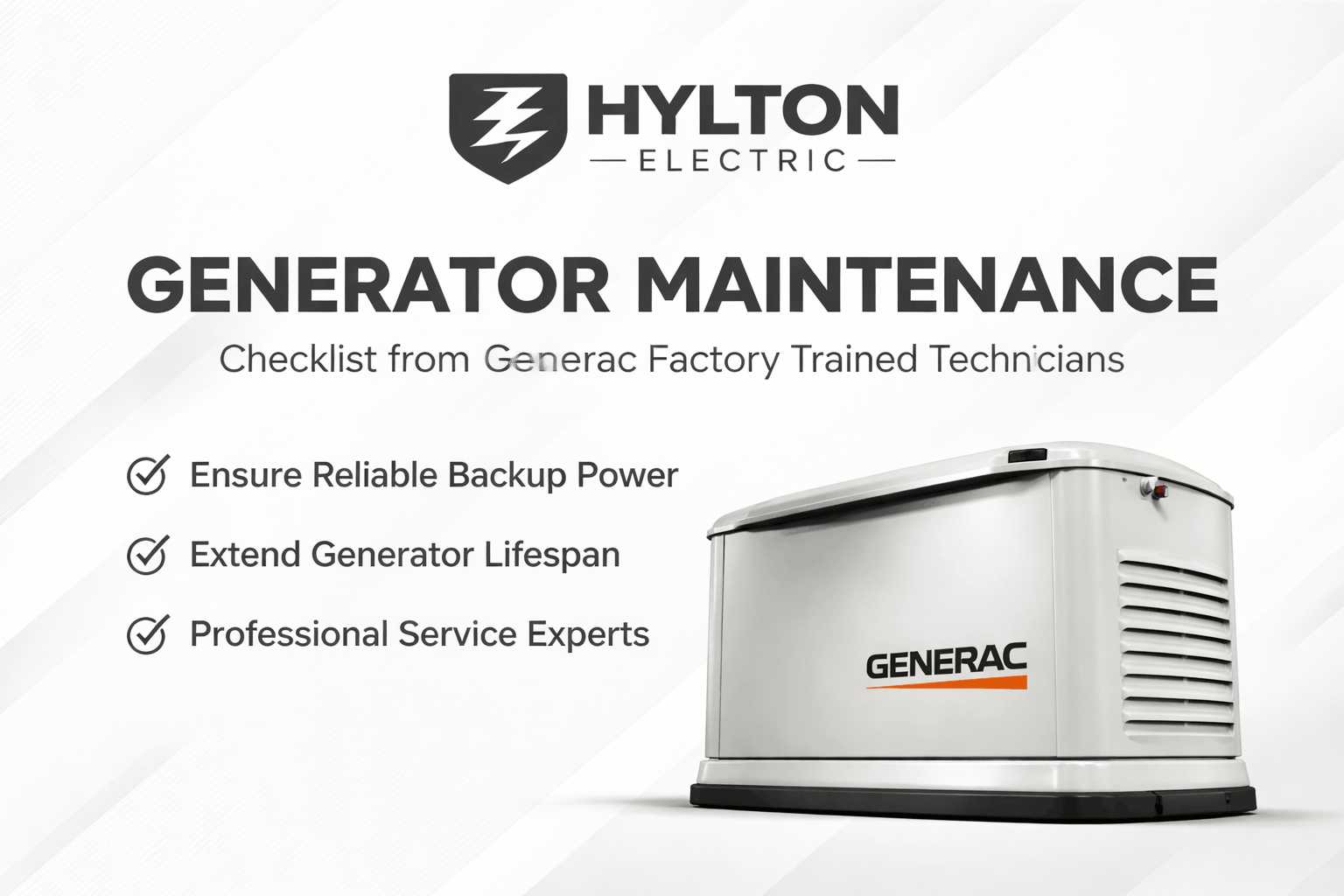
A standby generator gives your home reliable backup power when the grid goes down. During storms, outages, or equipment failures, it keeps lights, appliances, and essential systems running. However, like any engine-powered equipment, a generator needs regular maintenance to stay dependable.
Many homeowners assume that once a generator is installed, it will run perfectly for years. In reality, standby generators contain engines, electrical components, fuel systems, and batteries that require routine care. Oil breaks down over time, filters become clogged, and batteries slowly lose their charge. Without maintenance, these small issues can grow into major problems.
That is why regular service from Generac factory-trained technicians is important. These professionals understand the manufacturer’s maintenance schedule, inspection procedures, and service requirements. They know exactly what to check and how to keep the system operating safely.
Routine maintenance helps your generator:
-
Start instantly during a power outage
-
Run efficiently under heavy electrical loads
-
Avoid unexpected mechanical failures
-
Extend the life of the equipment
-
Maintain the manufacturer’s warranty
In this guide, we will walk through a generator maintenance checklist used by Generac factory-trained technicians. You will learn why maintenance matters, how often generators should be serviced, and what inspections help keep your backup power system ready when you need it most.
Table of Contents
ToggleWhy Regular Generator Maintenance Is Essential
Regular generator maintenance is not just about keeping equipment clean. It ensures your standby power system works exactly when it is needed. When a storm knocks out power, your generator must start immediately and run smoothly for hours or even days.
Without routine service, small mechanical issues may go unnoticed. Over time, these problems can prevent the generator from starting or producing enough electricity. Proper maintenance prevents these failures and keeps the system reliable.
Ensures Reliable Backup Power
The main purpose of a standby generator is to supply power during an outage. If the generator fails to start, the entire system becomes useless.
Routine inspections help technicians identify potential problems before they cause a failure. For example, a weak battery, a dirty spark plug, or a clogged air filter can stop the engine from starting.
Regular maintenance ensures:
-
The generator starts automatically during outages
-
The engine runs smoothly under load
-
Electrical output remains stable
With proper servicing, your generator remains ready to perform when the power grid fails.
Extends Generator Lifespan
Standby generators are built to last many years. However, their lifespan depends heavily on maintenance.
The engine contains moving components that require proper lubrication. Oil changes reduce friction and protect internal parts from wear. Clean filters also help maintain proper airflow and fuel combustion.
When generators receive consistent maintenance, they often last significantly longer. This helps homeowners get the most value from their investment.
Protects Your Investment
A standby generator is a major home improvement investment. Depending on size and installation requirements, systems can cost thousands of dollars.
Preventive maintenance protects this investment by reducing the risk of major repairs. Routine inspections allow technicians to catch minor issues early, before they turn into expensive failures.
Instead of dealing with unexpected breakdowns, homeowners benefit from predictable maintenance and reliable performance.
Maintains Manufacturer Warranty
Most generator manufacturers require routine maintenance to keep warranties valid. Skipping scheduled service may cause warranty claims to be denied.
Generac factory-trained technicians follow the manufacturer’s service guidelines. Their inspections and maintenance procedures help ensure the generator remains compliant with warranty requirements.
Improves Efficiency and Performance
Generators must operate efficiently when supplying electricity to an entire home or business. Clean filters, proper fuel flow, and healthy engine components all contribute to better performance.
When a generator runs efficiently:
-
Fuel consumption remains stable
-
Electrical output stays consistent
-
The engine experiences less stress
Regular maintenance keeps the entire system running smoothly and efficiently.
How Often Should a Generac Generator Be Serviced?
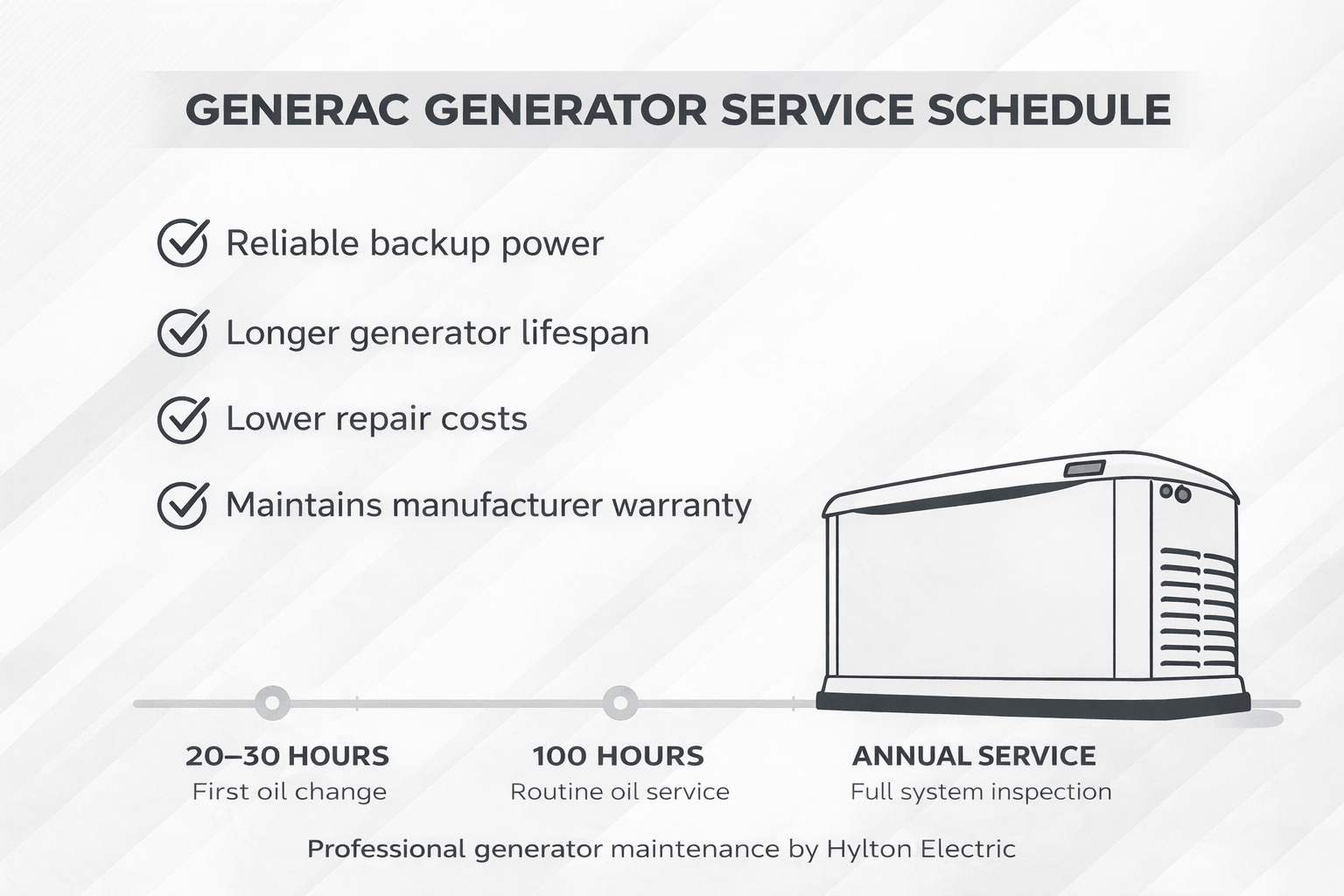
Many homeowners ask how often their standby generator should be serviced. The answer depends on several factors, including usage, operating hours, and manufacturer recommendations.
In general, most generators should receive professional maintenance at least once per year. However, additional service may be required if the generator runs frequently or experiences long power outages.
Understanding these service intervals helps ensure your generator remains reliable throughout the year.
Annual Professional Maintenance
Most manufacturers recommend a full professional inspection once every year. During this visit, a technician performs a detailed evaluation of the generator’s mechanical and electrical components.
A typical annual generator service may include:
-
Engine oil replacement
-
Oil filter replacement
-
Air filter inspection or replacement
-
Spark plug inspection
-
Battery testing
-
Fuel system inspection
-
Electrical connection checks
-
Control panel diagnostics
This annual service helps identify wear, leaks, or mechanical issues before they affect generator performance.
Maintenance Based on Generator Run Time
Generators also require maintenance based on operating hours. If your generator runs frequently during outages, it may need service sooner than the annual schedule.
Common service intervals include:
-
Initial oil change after the first 20–30 hours of operation
-
Oil changes every 100 hours of runtime
-
Major inspections around 200 hours of operation
Tracking generator runtime helps technicians determine when service is needed.
Monthly Self-Check and Exercise Cycle
Most standby generators perform a weekly or monthly exercise cycle. During this automatic test, the generator briefly starts and runs to keep internal components lubricated.
These exercise cycles help:
-
Circulate engine oil
-
Charge the battery
-
Confirm the system starts properly
-
Keep internal parts in working condition
Homeowners should occasionally check that the exercise cycle runs as scheduled. If the generator fails to start during this test, it may require professional inspection. Understanding these service schedules ensures your standby generator stays ready for unexpected power outages.
Complete Generator Maintenance Checklist from Generac Technicians
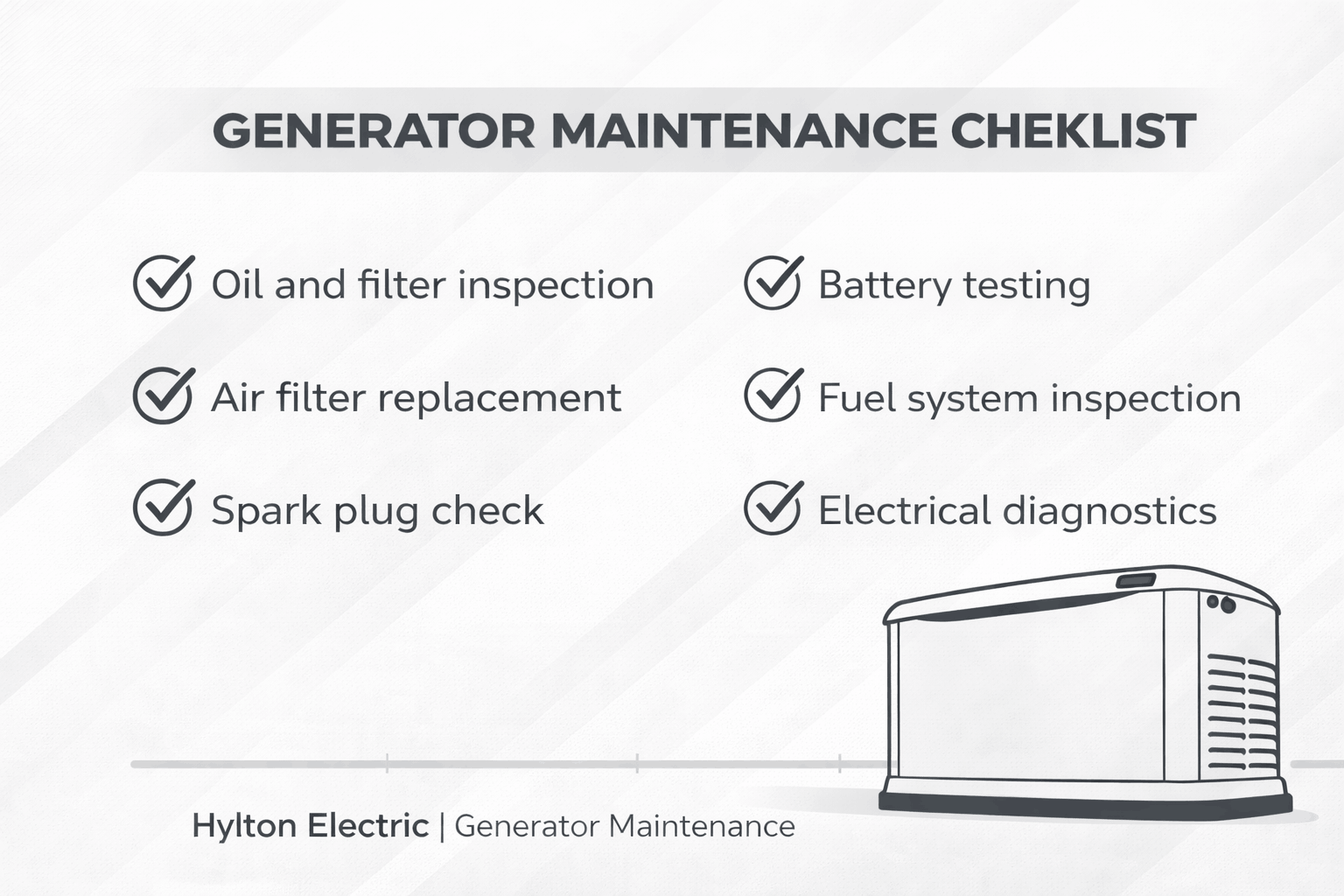
A standby generator has several systems that must work together. The engine, fuel supply, battery, cooling system, and electrical components all play a role in reliable operation. Because of this, generator maintenance is never limited to a single task like changing oil.
Generac factory-trained technicians follow a structured inspection process. This checklist allows them to examine every important part of the generator and confirm that the system is ready for the next power outage.
A professional generator maintenance visit usually includes:
-
Visual inspection of the generator enclosure
-
Engine oil and filter inspection
-
Air filter and spark plug check
-
Battery testing
-
Fuel system inspection
-
Cooling system check
-
Electrical wiring and connections review
-
Control panel diagnostics
-
Transfer switch inspection
Each step helps ensure the generator operates safely and efficiently. When technicians complete the full checklist, they reduce the chances of unexpected failures during emergencies.
General Generator Inspection
Before technicians inspect individual components, they begin with a complete visual inspection of the generator. This first step helps identify visible issues that could affect performance.
Outdoor generators operate in changing weather conditions. Rain, dust, debris, and temperature changes can all impact the equipment. A general inspection helps detect damage or environmental issues before they lead to mechanical problems.
Visual Inspection of the Generator
Technicians begin by examining the generator enclosure and external components. Even small signs of wear can indicate developing problems.
During the inspection, technicians check for:
-
Damage to the generator housing
-
Loose panels or mounting bolts
-
Rust or corrosion on metal surfaces
-
Oil or fuel leaks around the engine
-
Signs of pest or rodent activity
These issues may seem minor, but they can affect airflow, electrical safety, or engine performance.
Debris and Clearance Around the Unit
Generators require proper airflow to prevent overheating. Leaves, dirt, and other debris can block ventilation openings and restrict airflow around the unit.
Technicians make sure the area around the generator remains clear.
They typically check for:
-
Leaves or branches around the enclosure
-
Grass or plants growing too close to the generator
-
Dirt buildup near air vents
-
Obstructions blocking ventilation openings
Maintaining proper clearance also improves cooling and reduces fire risk.
Check for Water Intrusion
Because standby generators are installed outdoors, moisture exposure is always possible. Water entering the enclosure can damage electrical components and wiring.
Technicians inspect the generator to ensure it remains sealed and protected from moisture.
This inspection includes checking:
-
Door seals and weather stripping
-
Signs of condensation inside the enclosure
-
Drainage around the generator pad
-
Water stains near electrical components
Preventing water intrusion helps protect sensitive electronics and extend the generator’s lifespan.
Engine Maintenance Checklist
The engine is the heart of any standby generator. Most Generac generators use internal combustion engines that operate similarly to small vehicle engines. These engines rely on proper lubrication, clean airflow, and reliable ignition to operate efficiently.
Without routine engine maintenance, the generator may struggle to start or run under heavy electrical loads. That is why technicians carefully inspect several engine components during every service visit.
Check and Change Engine Oil
Engine oil plays a critical role in generator performance. It lubricates moving parts, reduces friction, and helps control engine temperature. Over time, oil breaks down and becomes contaminated with debris and engine byproducts. When this happens, the oil loses its ability to protect internal components.
During maintenance, technicians:
-
Check the current oil level
-
Inspect oil color and condition
-
Drain old oil if necessary
-
Replace it with manufacturer-recommended oil
Regular oil changes protect the engine and prevent excessive wear.
Replace Oil Filter
The oil filter removes small particles from engine oil as it circulates through the system. Over time, the filter becomes clogged with contaminants. A clogged filter reduces oil flow and can increase engine stress.
During service, technicians typically:
-
Remove the old oil filter
-
Inspect the filter housing
-
Install a new manufacturer-approved filter
-
Refill the engine with fresh oil
Replacing the oil filter ensures clean oil circulates through the engine.
Inspect and Replace Air Filter
Generators require clean airflow for proper combustion. The air filter prevents dust, dirt, and debris from entering the engine. If the filter becomes clogged, airflow decreases and engine performance drops.
Technicians inspect the air filter for:
-
Dust buildup
-
Dirt or debris accumulation
-
Damage to the filter material
If the filter appears dirty or worn, it is replaced to restore proper airflow.
Spark Plug Inspection
Spark plugs ignite the fuel and air mixture inside the engine cylinder. Without proper ignition, the engine cannot start or run smoothly. During maintenance, technicians examine spark plugs for signs of wear or damage.
They typically check for:
-
Carbon buildup on the electrodes
-
Worn or damaged plug tips
-
Incorrect spark plug gap
If necessary, the technician cleans or replaces the spark plugs to ensure reliable ignition. Proper spark plug maintenance helps the generator start quickly and operate efficiently during power outages.
Monthly Generator Maintenance Homeowners Can Perform
While professional generator maintenance is important, homeowners can also perform simple checks between service visits. These small tasks help keep the generator clean, safe, and ready for operation.
Monthly inspections only take a few minutes, yet they can help identify problems early. If something unusual appears during these checks, it is best to schedule a professional inspection.
Homeowners should focus on basic observations rather than technical repairs. Electrical systems and engine components should always be handled by trained technicians.
Check the Generator for Visible Issues
Start with a quick visual inspection of the generator unit. Walk around the enclosure and look for anything that appears damaged or out of place.
During this check, look for:
-
Oil or fuel leaks around the unit
-
Loose panels or damaged enclosure parts
-
Signs of rust or corrosion
-
Unusual debris buildup near vents
If anything looks unusual, contacting a professional technician is the safest option.
Keep the Area Around the Generator Clear
Standby generators need proper airflow to operate safely. Leaves, grass, and debris can block vents and reduce cooling. Homeowners should regularly check the area around the generator and remove anything that could restrict airflow.
Helpful steps include:
-
Removing leaves and branches
-
Trimming nearby plants or shrubs
-
Clearing dirt from ventilation openings
Maintaining a clean area helps prevent overheating and keeps the generator running efficiently.
Listen During the Exercise Cycle
Most Generac standby generators run a weekly or monthly exercise cycle. During this short test, the generator starts automatically and runs briefly to keep internal components in good condition.
Homeowners can listen to the generator during this cycle to make sure it sounds normal.
Pay attention to:
-
Unusual rattling or knocking sounds
-
Excessive vibration
-
Difficulty starting
If the generator sounds different than usual, it may need professional inspection.
Check for Warning Lights or Messages
Modern generators display alerts on the control panel when maintenance is required. These messages help homeowners stay informed about system conditions. During a quick monthly check, look at the control panel to see if any alerts appear.
Common alerts may include:
-
Low battery warnings
-
Maintenance reminders
-
System fault notifications
Addressing these alerts early helps prevent more serious issues.
Signs Your Generator Needs Maintenance
Even well-maintained generators can develop problems over time. Recognizing the warning signs of maintenance issues helps homeowners act quickly before a small problem becomes a major repair.
If any of the following symptoms appear, it is wise to schedule a professional inspection.
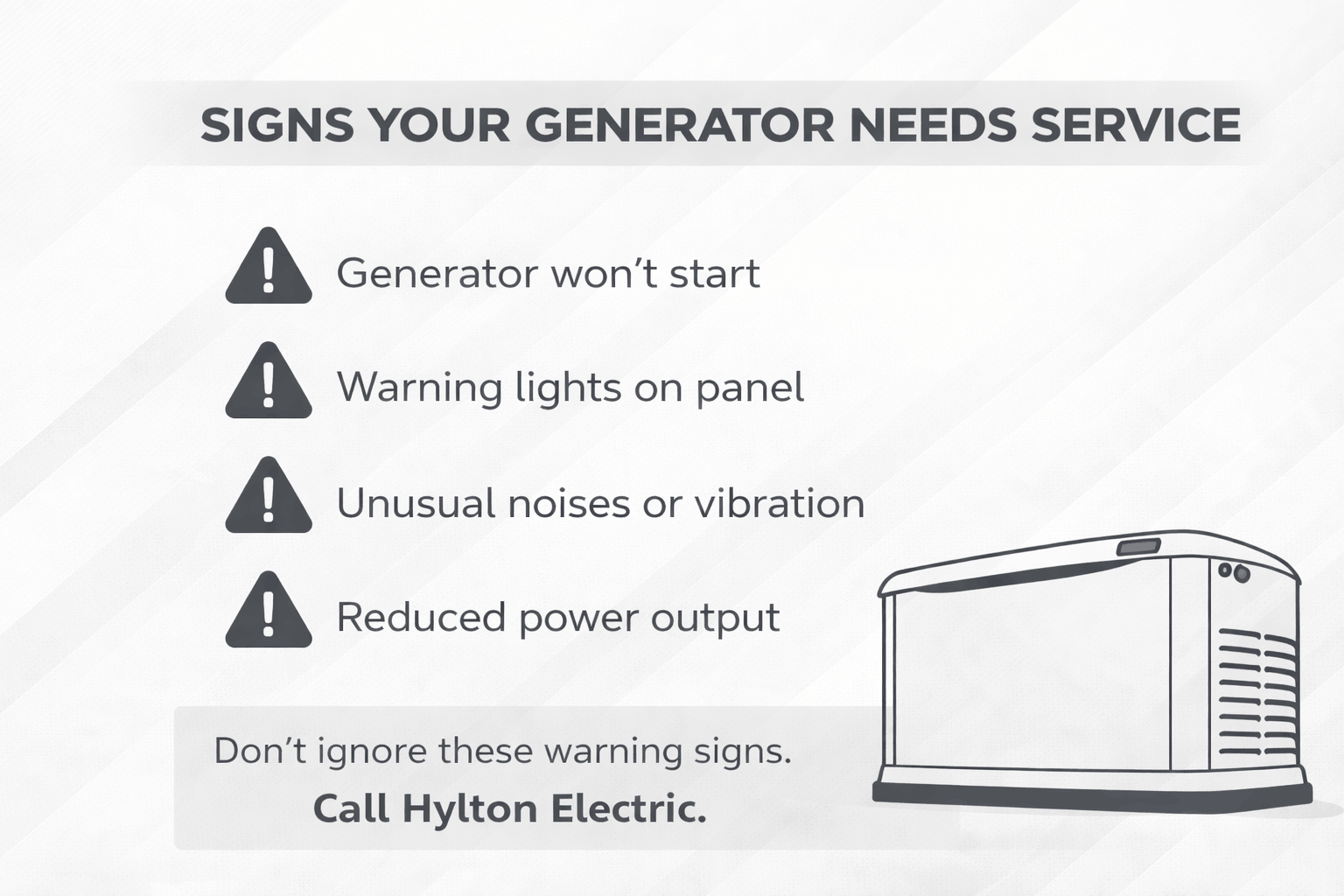
Generator Fails to Start
One of the most obvious signs of a problem is when the generator fails to start during its exercise cycle or during a power outage.
This issue may be caused by:
-
A weak or dead battery
-
Spark plug problems
-
Fuel supply issues
-
Electrical faults
A technician can diagnose the problem and restore proper operation.
Unusual Noises or Vibrations
Generators normally produce a steady engine sound while running. If the unit begins to produce unusual noises, it may indicate mechanical trouble.
Watch for sounds such as:
-
Loud knocking
-
Metallic scraping
-
Excessive vibration
These sounds often indicate loose parts or engine wear that requires attention.
Warning Lights or Error Codes
Most modern generators include diagnostic systems that display error codes on the control panel. These alerts provide early warnings when the system detects abnormal conditions.
Common alerts may relate to:
-
Low oil pressure
-
High engine temperature
-
Electrical faults
-
Battery problems
Ignoring these warnings can lead to larger mechanical failures.
Reduced Power Output
If the generator struggles to power household systems during an outage, it may not be producing its full electrical output.
Possible causes include:
-
Fuel system restrictions
-
Alternator problems
-
Engine performance issues
Professional diagnostics help determine the cause and restore proper power output.
Benefits of Hiring Generac Factory Trained Technicians
Generator maintenance requires specialized knowledge. While homeowners can perform simple visual checks, professional technicians handle detailed inspections and repairs.
Generac factory-trained technicians receive specific training on Generac equipment, service procedures, and manufacturer standards. Their experience helps ensure that the generator is maintained correctly.
Manufacturer Approved Service Procedures
Factory-trained technicians follow service guidelines recommended by Generac. These procedures are designed to protect the generator and ensure proper operation. Following manufacturer guidelines helps maintain the reliability of the system.
Access to Genuine Replacement Parts
Professional technicians have access to original manufacturer parts designed specifically for Generac generators. Using genuine parts helps maintain compatibility and ensures the generator continues to operate according to design specifications.
Common replacement parts include:
-
Oil filters
-
Air filters
-
Spark plugs
-
Maintenance kits
Using proper components helps maintain long-term reliability.
Accurate System Diagnostics
Professional technicians use specialized tools to evaluate generator performance. These diagnostic tools help identify hidden problems that may not be visible during a basic inspection. Early detection of these issues helps prevent unexpected failures.
Warranty Compliant Maintenance
Many generator warranties require proper maintenance and documentation. Working with trained technicians ensures that service records meet warranty requirements. This helps protect the homeowner’s investment and avoid warranty complications.
Preventative Generator Maintenance Tips
Preventative maintenance helps reduce the risk of generator failure during a power outage. By following a few simple practices, homeowners can improve the reliability and lifespan of their standby generator.
These tips complement professional service and help keep the generator in good condition between maintenance visits.
Schedule Annual Generator Service
The most important step in generator care is scheduling professional maintenance at least once each year. Annual service allows technicians to inspect all major components and replace worn parts before problems develop.
Keep the Generator Clean
Outdoor generators collect dirt, dust, and debris over time. Keeping the unit clean helps maintain airflow and cooling. Homeowners should occasionally remove debris and check that vents remain unobstructed.
Monitor Generator Run Hours
Generators track operating hours through the control panel. Monitoring these hours helps determine when maintenance may be required. If the generator runs frequently during storms or outages, additional maintenance may be necessary.
Maintain Service Records
Keeping records of maintenance visits, inspections, and repairs can be very helpful. These records help technicians understand the service history of the generator and plan future maintenance.
Service documentation may also support warranty claims if needed.
Why Homeowners Trust Hylton Electric for Generac Generator Maintenance
Choosing the right electrical contractor is important when maintaining a standby generator. Experienced professionals ensure that the system remains safe, efficient, and ready for unexpected power outages.
Hylton Electric provides professional generator services performed by Generac factory-trained technicians. Their team understands the service requirements of standby generators and follows manufacturer guidelines during every maintenance visit.
Homeowners trust experienced technicians because they receive:
-
Thorough generator inspections
-
Professional maintenance and repairs
-
Reliable troubleshooting and diagnostics
-
Safe electrical service from trained professionals
With proper maintenance, standby generators can provide dependable backup power for many years. Professional service helps ensure that the system operates exactly when it is needed.
Conclusion
A reliable backup power system is something many homeowners only think about when the lights go out. However, the truth is that a standby generator can only perform well if it receives regular care and attention. Routine inspections, oil changes, filter replacements, and electrical checks all play a role in keeping the system dependable.
Following a generator maintenance checklist from Generac factory-trained technicians helps ensure every part of your generator stays in proper working condition. From engine components to electrical connections, each inspection step helps prevent unexpected breakdowns and keeps your generator ready for the next power outage.
Regular maintenance also extends the lifespan of your equipment and protects the investment you made in your home’s backup power system. When the generator is serviced properly, it can start quickly, run efficiently, and provide steady electricity during emergencies.
If it has been a while since your generator was inspected, now is a good time to schedule service. Professional maintenance helps catch small issues early and ensures your standby generator will perform when your home needs it most.
Need Professional Generator Maintenance?
If you want peace of mind knowing your backup power system is ready for the next outage, the team at Hylton Electric is here to help.
Our Generac factory-trained technicians provide thorough inspections, preventative maintenance, and reliable generator service to keep your system operating safely and efficiently. Whether your generator needs routine maintenance or a detailed inspection, we make the process simple and stress-free.
If you have questions or want to schedule generator maintenance, feel free to reach out.
Phone: +1 863-624-7000
Email: ray@hylton-electric.com
Our team will be happy to help make sure your generator is prepared for whatever the next storm brings.
FAQs About Generac Factory Trained Technicians
What maintenance does a Generac generator require?
A Generac standby generator needs routine inspections and engine maintenance to operate reliably during outages. Regular service helps prevent mechanical issues and ensures the generator starts automatically when power fails.
Typical maintenance tasks include:
-
Changing engine oil and replacing the oil filter
-
Inspecting and replacing the air filter
-
Checking spark plugs and battery condition
-
Inspecting fuel lines and electrical connections
-
Running system diagnostics
Professional inspections from Generac factory-trained technicians help ensure the generator runs safely and efficiently.
How often should a Generac standby generator be serviced?
Most Generac standby generators should receive professional maintenance once per year or after 100–200 hours of operation. The exact schedule depends on usage and manufacturer recommendations.
Typical service intervals include:
-
Annual professional inspection
-
Oil changes every 100 hours of runtime
-
Battery testing during routine service
-
Air filter replacement when needed
Following these service intervals helps ensure the generator remains reliable during extended power outages.
Why is generator maintenance important?
Generator maintenance ensures the system starts quickly and runs efficiently during power outages. Without routine service, small mechanical issues can turn into major equipment failures. Regular maintenance helps:
-
Prevent engine damage
-
Maintain stable electrical output
-
Extend the lifespan of the generator
-
Protect the manufacturer’s warranty
Keeping up with maintenance ensures your standby generator provides dependable backup power.
How long do Generac standby generators typically last?
With proper maintenance, most Generac standby generators can last 20 to 30 years. The actual lifespan depends on how often the generator runs and how well it is maintained.
Important factors that affect longevity include:
-
Routine oil and filter changes
-
Clean air filters and proper airflow
-
Regular professional inspections
-
Proper fuel system maintenance
Preventive maintenance helps extend generator life and reduce the risk of costly repairs.
What happens if a generator is not maintained?
A generator that does not receive routine maintenance may experience performance problems over time. Engine parts wear down, filters clog, and electrical systems can fail.
Common problems include:
-
Failure to start during outages
-
Reduced electrical output
-
Engine overheating
-
Increased repair costs
Regular inspections help identify small issues early and prevent larger mechanical failures.
Can homeowners perform generator maintenance themselves?
Homeowners can perform simple checks between professional service visits, but most generator maintenance should be handled by trained technicians.
Homeowners can safely:
-
Inspect the generator for visible damage
-
Remove debris around the unit
-
Check for warning lights on the control panel
-
Listen during the exercise cycle
However, engine service, diagnostics, and electrical inspections should always be performed by professionals.
What is the generator exercise cycle?
The generator exercise cycle is an automatic test run that occurs weekly or monthly. During this cycle, the generator briefly starts and runs to maintain internal components.
This process helps:
-
Circulate engine oil
-
Charge the battery
-
Confirm the generator starts properly
-
Keep internal components in good condition
If the generator does not start during the exercise cycle, it may require professional service.
How often should generator oil be changed?
Generator oil should typically be changed every 100 hours of operation or at least once per year. Over time, oil becomes contaminated and loses its ability to protect engine components.
Regular oil changes help:
-
Reduce friction inside the engine
-
Prevent overheating
-
Extend engine life
-
Maintain smooth performance
Most professional generator maintenance visits include oil and filter replacement.
What are the signs that a generator needs maintenance?
Generators often show warning signs before a mechanical problem becomes serious. Recognizing these symptoms early can prevent expensive repairs.
Common signs include:
-
Difficulty starting the generator
-
Unusual engine noises or vibrations
-
Warning lights on the control panel
-
Reduced power output
If these issues appear, scheduling professional generator maintenance is recommended.
How do technicians inspect a standby generator?
Professional generator maintenance includes a detailed inspection of several system components. Technicians follow a structured checklist to ensure everything operates correctly.
Typical inspection steps include:
-
Visual inspection of the generator enclosure
-
Engine oil and filter replacement
-
Battery testing and electrical checks
-
Fuel system inspection
-
Diagnostic system testing
This process helps confirm the generator is ready for the next power outage.
What does a generator battery do?
The generator battery provides the electrical power required to start the engine during an outage. Without a properly functioning battery, the generator cannot activate automatically.
During maintenance, technicians check:
-
Battery voltage and charging level
-
Terminal corrosion
-
Cable connections
Routine battery inspections help prevent unexpected startup failures.
How do you know if your generator battery is failing?
A weak or failing generator battery often shows warning signs before it stops working completely.
Common indicators include:
-
Slow generator startup
-
Battery warning messages on the control panel
-
Corrosion on battery terminals
-
Frequent maintenance alerts
Regular battery testing during generator maintenance helps identify these problems early.
How important is the transfer switch in a generator system?
The transfer switch is a critical component in any standby generator system. It automatically switches the home’s electrical supply from utility power to generator power during an outage.
The transfer switch ensures:
-
Immediate backup power activation
-
Safe electrical switching
-
Protection for home electrical systems
Technicians typically inspect the transfer switch during routine generator service.
What fuel systems do standby generators use?
Standby generators commonly use one of several fuel sources depending on installation and availability.
The most common fuel options include:
-
Natural gas
-
Liquid propane
-
Diesel fuel
Each fuel system requires regular inspection to ensure safe fuel delivery and proper engine performance.
How can homeowners keep generators in good condition?
Simple maintenance habits can help keep standby generators operating efficiently between professional service visits.
Helpful practices include:
-
Keeping the generator area clean
-
Removing leaves and debris from vents
-
Monitoring the exercise cycle
-
Scheduling annual professional service
These steps help reduce wear and improve long-term generator reliability.
How much does generator maintenance usually cost?
Generator maintenance costs vary depending on generator size, service requirements, and local labor rates.
Typical maintenance services may include:
-
Oil and filter replacement
-
Battery testing
-
Electrical inspections
-
System diagnostics
Routine maintenance is usually much less expensive than repairing a generator after a failure.
Can generator maintenance prevent power outage failures?
Yes, regular maintenance significantly reduces the risk of generator failure during power outages. Preventive service helps technicians detect worn parts or mechanical issues before they cause breakdowns.
Maintenance helps ensure:
-
Reliable automatic startup
-
Stable electrical output
-
Efficient engine performance
Proper service keeps the generator ready for severe weather or unexpected outages.
How long can a standby generator run during an outage?
The runtime of a standby generator depends on the fuel source and generator size.
Natural gas and propane generators can often run continuously as long as the fuel supply remains available. Diesel generators may require refueling after extended operation.
Routine maintenance ensures the generator can operate safely for long periods when needed.
Do standby generators require professional inspections?
Yes, professional inspections are recommended at least once per year. Technicians perform detailed maintenance that most homeowners cannot safely complete themselves.
These inspections typically include:
-
Engine service and oil replacement
-
Electrical testing and diagnostics
-
Fuel system inspection
-
Safety checks
Professional service helps maintain generator reliability and warranty coverage.
Who should service a Generac standby generator?
A Generac standby generator should ideally be serviced by Generac factory-trained technicians. These professionals receive specialized training on Generac equipment and manufacturer service procedures.
Working with trained technicians ensures:
-
Proper maintenance practices
-
Accurate diagnostics
-
Access to genuine replacement parts
Professional service helps keep your generator operating safely and efficiently.
Leave a Reply