
A humming electrical panel can be easy to ignore at first. The sound is often low and steady, so many people assume it is normal. In some cases, that is true. Electrical panels can produce a slight hum as electricity flows through the system.
However, not all humming is harmless. A louder or changing noise can point to a deeper issue. It may signal loose wiring, an overloaded circuit, or a failing breaker. In more serious cases, it can indicate electrical arcing, which increases the risk of fire.
That is why it is important to understand what your panel is telling you. A small sound today can become a bigger problem later if left unchecked.
In this guide, you will learn what causes a humming electrical panel, how to spot warning signs, and what steps you should take to fix the issue safely. Whether you are a homeowner or managing a commercial space, this information will help you make informed decisions.
What Does a Humming Electrical Panel Mean?
A humming electrical panel usually means that electricity is moving through the system and creating small vibrations. These vibrations come from magnetic forces inside breakers and other components. When current flows, metal parts can slightly move, which produces a soft sound.
In many cases, this is completely normal. Most panels make a faint hum that you can only hear if you stand close to them. The sound should be steady and consistent. Still, the type of noise matters. Not all sounds point to the same condition.
Here is a simple way to understand the difference:
-
Soft humming: Often normal and expected
-
Buzzing sound: May suggest a loose connection or an overloaded circuit
-
Crackling or popping: A serious issue that needs immediate attention
A normal hum stays low and does not change. On the other hand, a louder or uneven sound can mean something is not working as it should.
For example, if the humming gets louder when you turn on appliances, your system may be under strain. If the sound comes from one specific breaker, that component could be failing.
Pay attention to these changes. They can help you catch problems early before they become expensive or dangerous.
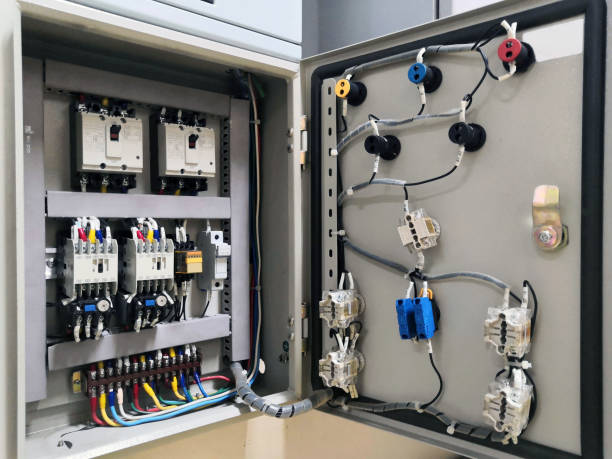
Is It Normal for an Electrical Panel to Hum?
It is common for electrical panels to produce some level of noise. The key is knowing what level is acceptable and when the sound signals a problem.
When Humming Is Normal
A normal electrical panel hum is quiet and steady. You may not notice it unless you are standing right next to the panel.
Here are signs the humming is likely harmless:
-
The sound is soft and consistent
-
It does not get louder over time
-
There is no heat coming from the panel
-
There is no burning smell
-
Your lights and appliances work without issues
This type of noise usually comes from the natural movement of electrical current. It does not require repair.
When Humming Is NOT Normal
Not all humming should be ignored. A louder or unusual sound can point to a developing issue.
Watch for these warning signs:
-
The noise is loud or easy to hear from across the room
-
The humming changes in volume or becomes irregular
-
Lights flicker when appliances turn on
-
Breakers trip more often than usual
-
The panel feels warm to the touch
These signs suggest that your electrical system is under stress. In some cases, the issue may be minor, such as a loose connection. In other cases, it can involve failing components or unsafe wiring.
If the sound is getting worse, do not wait. Electrical issues tend to progress over time, not resolve on their own.
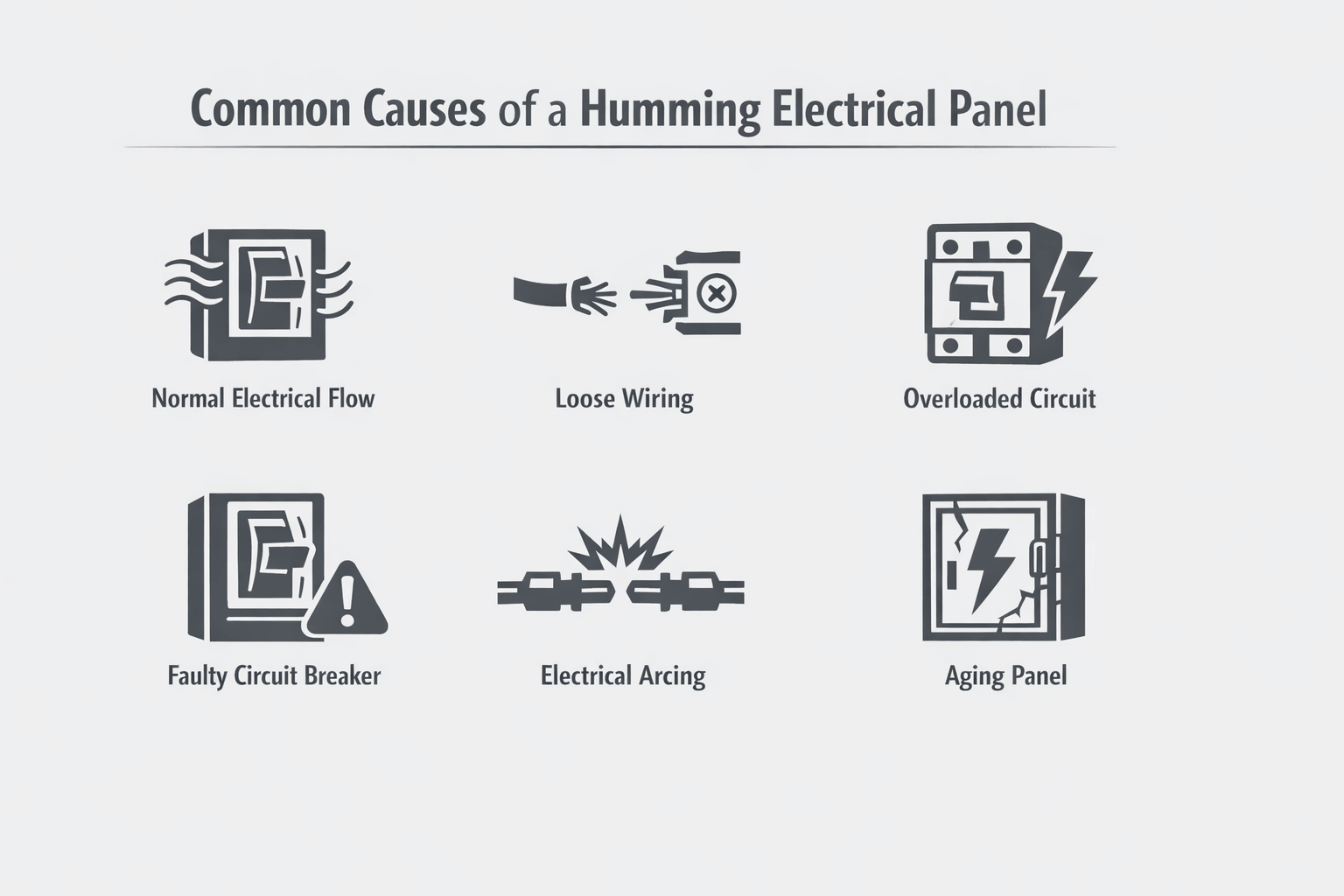
Common Causes of a Humming Electrical Panel
A humming electrical panel can result from several different issues. Some are harmless, while others require quick attention. Understanding the cause helps you decide the next step.
1. Normal Electrical Flow
Electricity moving through your panel creates a magnetic field. This can cause small vibrations inside breakers and metal components.
As a result, you may hear a light humming sound.
This is normal if:
-
The sound is faint
-
It stays consistent
-
There are no other warning signs
In this case, no repair is needed.
2. Loose Wiring Connections
Loose wiring is one of the most common causes of a buzzing or humming panel. When wires are not tightly secured, electricity does not flow smoothly. This creates resistance and vibration.
Over time, this can lead to bigger problems.
Common risks include:
-
Heat buildup inside the panel
-
Electrical arcing
-
Damage to breakers
-
Increased fire risk
Even a small loose connection can become dangerous. That is why this issue should always be handled by a professional.
3. Overloaded Circuits
An overloaded circuit happens when too many devices draw power from the same line. This puts stress on the breaker and wiring.
When this happens, you may hear a humming or buzzing sound.
Examples of overload include:
-
Running space heaters with other appliances
-
Using multiple high-power devices on one circuit
-
Commercial equipment drawing more power than the system can handle
Overloading does not just create noise. It can also cause overheating and frequent breaker trips.
4. Faulty or Failing Circuit Breaker
Circuit breakers wear out over time. A damaged breaker may not handle electrical flow properly. Instead of operating smoothly, it can vibrate or buzz.
Signs of a failing breaker include:
-
Humming that gets louder under load
-
A breaker that feels warm
-
Frequent or random tripping
-
Inconsistent power supply
Replacing a faulty breaker usually solves the problem. However, it should always be done by a qualified electrician to ensure safety.
5. Electrical Arcing
Electrical arcing occurs when electricity jumps between gaps instead of flowing through a proper path. This creates a distinct buzzing or crackling sound.
This is a serious issue.
Arcing can:
-
Produce intense heat
-
Damage wiring and components
-
Start electrical fires
If you hear crackling or sharp buzzing, treat it as an emergency. Turn off the power if it is safe to do so and contact a professional immediately.
6. Aging Electrical Panel
Older electrical panels are more likely to develop noise over time. Components wear down, connections loosen, and materials degrade.
Common issues in aging panels include:
-
Worn breakers
-
Outdated technology
-
Reduced capacity for modern power needs
If your panel is several decades old, a humming sound may be a sign that it is time for an upgrade.
7. Internal Component Vibration
Some parts inside the panel, such as transformers or coils, naturally vibrate during operation. This can create a mild humming sound.
This is usually not a concern unless:
-
The noise becomes louder
-
The vibration increases
-
Other warning signs appear
If the sound changes, it is worth having the panel inspected.
Signs Your Electrical Panel Needs Immediate Repair
A humming sound can be your first warning. In many cases, the panel gives clear signs before a serious problem develops. The key is to recognize those signs early and act quickly.
If you notice more than just a faint hum, your system may already be under stress.
Watch for these warning signs:
-
Loud buzzing or crackling sounds
-
A burning or smoky smell near the panel
-
Breakers that trip often without a clear reason
-
Lights that flicker or dim when appliances turn on
-
A panel that feels warm or hot to the touch
-
Visible sparks or discoloration around breakers
These issues should not be ignored. Electrical problems rarely fix themselves. Instead, they tend to get worse over time. For example, a loose connection may start as a quiet buzz. Later, it can lead to overheating or arcing. That is when the risk of fire increases. If you notice any of these signs, it is best to stop using heavy appliances and have the system checked as soon as possible.
Is a Humming Electrical Panel Dangerous?
A humming panel is not always dangerous. However, it depends on the cause. Some sounds are harmless, while others point to serious electrical faults.
Understanding the level of risk helps you decide how urgent the situation is.
Potential Risks
When a panel hums due to a problem, it can lead to:
-
Electrical fires caused by overheating or arcing
-
Damage to appliances from unstable power flow
-
Sudden power loss or breaker failure
-
Long-term wiring damage inside the walls
These risks increase if the issue is ignored.
Risk Levels Explained
You can think of panel noise in three levels:
-
Low risk: A faint, steady hum with no other issues
-
Medium risk: Intermittent buzzing or noise under heavy load
-
High risk: Loud, constant buzzing, crackling, or burning smell
Low-risk situations are usually normal. Medium risk should be checked soon. High-risk signs require immediate attention. If you are unsure, it is always safer to treat the issue as serious. Electrical systems are not something to guess about.
How to Diagnose a Humming Electrical Panel
Before calling a professional, you can do a basic check. This helps you understand what might be causing the sound. However, you should never open the panel or touch internal components.
Keep your inspection simple and safe.
Step-by-Step Inspection Guide
Step 1: Listen to the Sound: Stand near the panel and focus on the noise.
-
Is it soft or loud?
-
Is it steady or irregular?
A steady hum is often normal. An uneven or loud sound may indicate a problem.
Step 2: Find the Source: Try to locate where the sound is coming from.
-
Is it the whole panel?
-
Or one specific breaker?
If it comes from one breaker, that part may be faulty.
Step 3: Check What Is Running: Think about what appliances are in use.
-
Does the sound get louder when heavy devices turn on?
-
Does it stop when you unplug something?
This can point to an overloaded circuit.
Step 4: Look for Warning Signs: Without opening the panel, check for visible issues:
-
Heat on the panel surface
-
Burning smell
-
Marks or discoloration
If you notice any of these, stop and call a professional.
Tools You Can Use (Optional)
If you have some experience, a few tools can help you understand the situation better:
-
Voltage tester: Confirms power is present
-
Clamp meter: Measures electrical load on circuits
-
Thermal camera: Detects heat buildup inside walls or panels
These tools can provide useful insights. Still, they do not replace a full professional inspection.
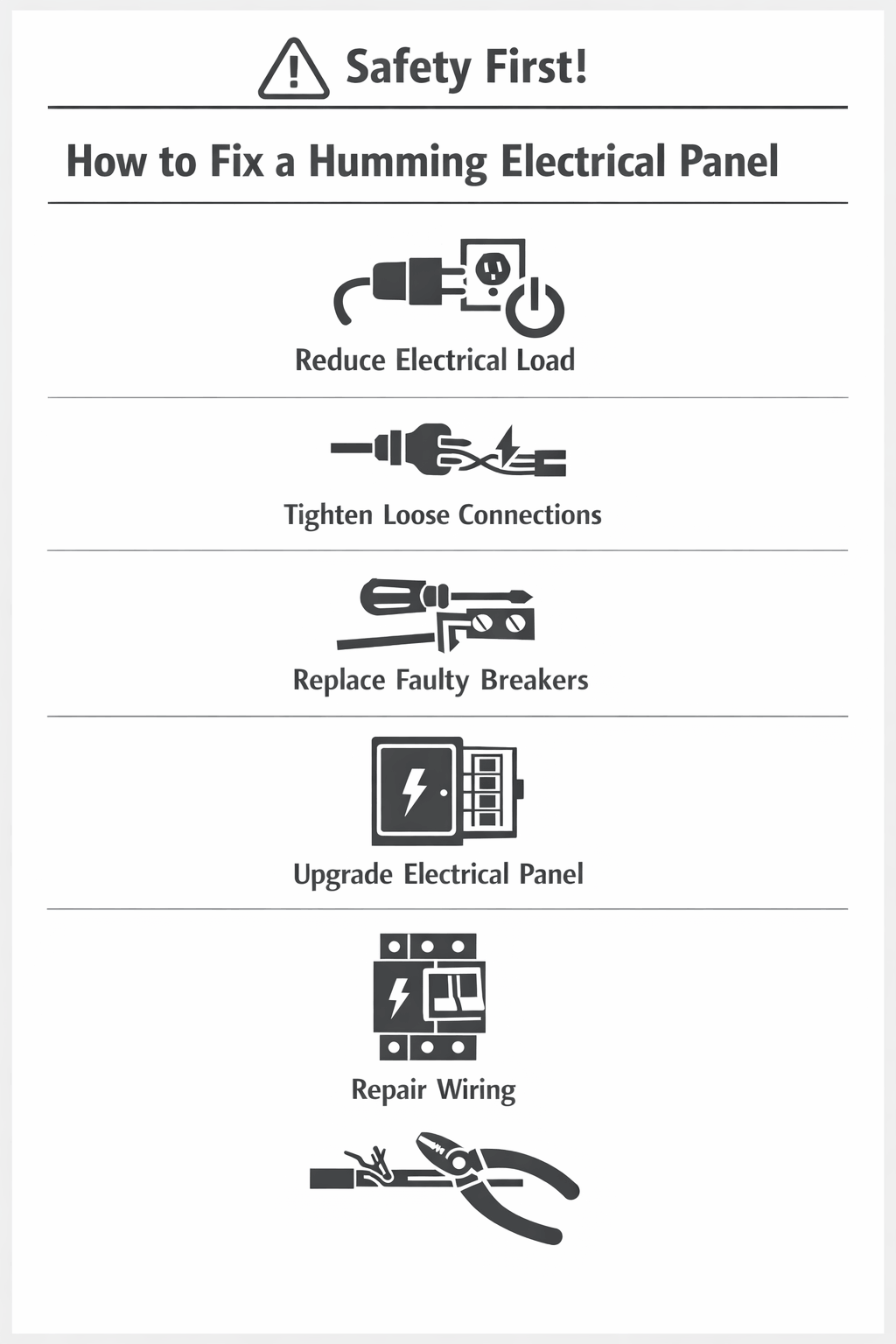
How to Fix a Humming Electrical Panel
Fixing a humming panel depends on the cause. Some simple steps can reduce the noise. However, most repairs should be handled by a licensed electrician.
Safety should always come first.
1. Reduce Electrical Load
Start with the simplest step. Lower the demand on your system.
You can do this by:
-
Unplugging high-power appliances
-
Spreading devices across different circuits
-
Avoid running multiple heavy appliances at once
If the humming decreases, overload may be the issue.
2. Tighten Loose Connections
Loose connections are a common cause of buzzing. Fixing them requires opening the panel and securing wires properly. This is not a DIY task. Working inside a panel can expose you to live electricity, even when the breakers are off. Always leave this job to a professional electrician.
3. Replace Faulty Breakers
If a breaker is damaged, it may need replacement. This is often the case when the noise comes from one specific breaker.
A professional will:
-
Identify the faulty breaker
-
Replace it with the correct type and rating
-
Test the system for safe operation
Replacing the wrong breaker can create more problems, so proper sizing is important.
4. Upgrade the Electrical Panel
If your panel is old or cannot handle modern power needs, an upgrade may be the best solution.
Benefits of upgrading include:
-
Improved safety
-
Better capacity for appliances
-
Reduced risk of overload
-
Quieter and more efficient operation
This is a long-term fix that also adds value to your property.
5. Repair or Replace Damaged Wiring
If wiring inside the panel is worn or damaged, it must be repaired or replaced.
This may involve:
-
Securing loose wires
-
Replacing burned or corroded conductors
-
Ensuring proper connections
Wiring issues can quickly become dangerous, so they should be addressed without delay.
When to Call a Licensed Electrician
Some electrical issues can wait. A humming panel is not one of them, especially if the sound changes or becomes louder. It is best to call a licensed electrician when you are unsure. Electrical systems are complex, and even a small issue can lead to serious damage if handled the wrong way.
You should contact a professional if:
-
The humming is loud or getting worse
-
You hear buzzing, crackling, or popping sounds
-
There is a burning smell near the panel
-
Breakers trip often or do not reset properly
-
The panel feels warm or hot
-
The lights flicker without a clear reason
-
Your panel is old or outdated
An electrician can safely inspect the panel, find the root cause, and fix the issue correctly. They also ensure the system meets current safety standards. Trying to fix internal panel issues on your own can be dangerous. Even when the main breaker is off, some parts may still carry power. If safety is a concern, it is always better to act early rather than wait.
Cost of Repairing a Humming Electrical Panel
The cost to fix a humming electrical panel depends on the cause. Some issues are quick fixes, while others require more extensive work.
Here is a general idea of what you can expect:
Average Repair Costs
-
Breaker replacement: $100 to $300
-
Minor wiring repair: $150 to $500
-
Panel inspection: $100 to $250
-
Full panel upgrade: $1,500 to $4,000 or more
These numbers can vary based on location, labor rates, and the complexity of the job.
Factors That Affect Cost
Several factors influence the final price:
-
Age of the electrical panel
-
Severity of the problem
-
Accessibility of the panel
-
Type of breakers or components needed
-
Local electrician rates
For example, replacing a single breaker is quick and affordable. On the other hand, upgrading an old panel requires more time, materials, and labor. While cost matters, safety should always come first. Delaying repairs can lead to higher expenses later, especially if damage spreads.
Preventing Electrical Panel Noise in the Future
Preventing issues is always easier than fixing them. With a few simple habits, you can reduce the chances of your panel developing noise or other problems.
Here are some practical steps:
-
Avoid overloading circuits with too many devices
-
Use dedicated circuits for high-power appliances
-
Schedule regular electrical inspections
-
Upgrade outdated panels before problems start
-
Pay attention to early warning signs like faint buzzing
-
Keep the panel area clean and free of dust
Regular maintenance helps catch small issues before they turn into serious risks.
For example, tightening a loose connection early can prevent overheating later. In the same way, upgrading an old panel can improve both safety and performance.
DIY vs Professional Repairs
It is important to know what you can safely handle and what should be left to a professional.
What You Can Do
There are a few simple steps you can take without risk:
-
Reduce electrical load by unplugging devices
-
Monitor when the humming occurs
-
Check for visible warning signs like heat or smell
-
Keep track of breaker trips
These actions can help you understand the issue better.
What You Should NOT Do
Some tasks are not safe without proper training:
-
Opening the electrical panel
-
Touching internal wiring or breakers
-
Attempting to replace breakers yourself
-
Ignoring signs of overheating or burning
Electrical panels carry high voltage. Mistakes can lead to serious injury or fire. A licensed electrician has the tools and experience to handle these risks safely.
Final Thoughts: Don’t Ignore a Humming Electrical Panel
A humming electrical panel may seem minor, but it often tells you something important. In some cases, it is a normal part of how electricity flows. In other cases, it is an early warning sign of a larger problem. The difference comes down to the sound and the symptoms around it.
A soft, steady hum with no other issues is usually safe. However, loud buzzing, heat, or frequent breaker trips should never be ignored.
The best approach is simple. Pay attention to changes, act early, and call a professional when needed. This protects your property, your appliances, and most importantly, your safety.
Electrical systems are not something to take lightly. A quick inspection today can prevent serious problems tomorrow.
Need Electrical Panel Repair? Get Professional Help Today
If your electrical panel is humming, buzzing, or showing warning signs, it is time to have it checked.
A licensed electrician can:
-
Identify the exact cause of the noise
-
Fix faulty breakers or wiring
-
Upgrade outdated panels
-
Ensure your system is safe and up to code
Do not wait for the problem to get worse. Taking action now can save you time, money, and stress. If you are experiencing electrical panel issues, consider scheduling an inspection today.
Need Help with a Humming Electrical Panel?
If your panel is making noise, it’s best to get it checked before it turns into a bigger issue. At Hylton Electric, we keep things simple—honest advice and safe, reliable repairs.
Reach out anytime. We’re here to help.
FAQs: Humming Electrical Panel Repair
Why is my electrical panel humming?
A humming electrical panel usually means electricity is flowing through the system and creating small vibrations inside the breakers and metal parts. This is common in most panels and is often harmless if the sound is soft and steady.
However, the cause can change depending on conditions:
-
A faint hum is normal
-
A louder hum may point to loose wiring or overload
-
Changing sounds suggest stress on the system
If the noise increases or feels unusual, it is worth having it checked.
Is a humming electrical panel dangerous?
A humming panel is not always dangerous, but it can become one if the cause is related to faulty components or wiring. The level of risk depends on the type of sound and other warning signs.
You should be cautious if you notice:
-
Heat coming from the panel
-
Burning smells
-
Frequent breaker trips
These signs suggest overheating or arcing, both of which can increase the risk of fire. When in doubt, it is safer to get a professional inspection.
What causes a buzzing breaker box?
A buzzing breaker box is usually caused by electrical resistance or vibration inside the panel. When electricity does not flow smoothly, it creates noise.
Common causes include:
-
Loose wiring connections that create resistance
-
Overloaded circuits pulling too much power
-
Worn or faulty breakers struggling to function
The noise often starts small and becomes more noticeable over time. Identifying the cause early helps prevent further damage.
Should I worry about a humming circuit breaker?
You should not ignore it, even if it seems minor. While a slight hum can be normal, unusual sounds often signal a developing issue.
Pay attention to patterns such as:
-
Noise getting louder when appliances run
-
Breakers tripping more often
-
Heat around the breaker
These signs indicate that the breaker may not be working properly. Addressing the issue early helps avoid bigger repairs later.
Can a humming electrical panel cause a fire?
Yes, it can in certain situations. If the humming is caused by loose connections or electrical arcing, heat can build up inside the panel.
This can lead to:
-
Damaged insulation
-
Sparks between wires
-
Increased fire risk
A normal hum is not dangerous, but a loud or irregular sound should never be ignored. Early action reduces the chance of serious damage.
Why does my electrical panel hum louder at night?
In many cases, the sound does not actually get louder. It simply becomes more noticeable because the environment is quieter at night.
However, there are other possible factors:
-
Different appliance usage patterns
-
Changes in electrical load
-
Temperature shifts affecting components
If the sound truly increases in volume, it may indicate a load-related issue that should be evaluated.
What does electrical arcing sound like in a panel?
Electrical arcing sounds very different from a normal hum. It usually produces sharp, irregular noises that are easy to notice.
Typical sounds include:
-
Crackling or popping
-
Sharp buzzing
-
Intermittent snapping
This happens when electricity jumps between gaps instead of following a proper path. Arcing is dangerous and should be treated as an emergency.
How do I stop my electrical panel from humming?
Stopping the humming depends on what is causing it. In some cases, simple steps can reduce the noise, but permanent fixes often require professional work.
You can try:
-
Reducing the load on the circuit
-
Turning off or unplugging heavy appliances
-
Spreading usage across different circuits
If the noise continues, the issue may involve wiring or breakers, which should be handled by an electrician.
Is it normal for a breaker box to make noise?
Yes, a breaker box can make a small amount of noise during normal operation. This is due to the natural movement of electrical current.
It is considered normal when:
-
The sound is faint and steady
-
It does not change over time
-
There are no other warning signs
If the noise becomes loud, uneven, or paired with other issues, it may indicate a problem that needs attention.
Can a loose wire cause a humming sound?
Yes, loose wires are a common reason for humming or buzzing sounds. When a connection is not tight, electricity faces resistance as it passes through.
This can result in:
-
Increased vibration
-
Heat buildup
-
Potential damage to components
Over time, loose wiring can become dangerous. It should always be inspected and fixed by a qualified electrician.
Why does my breaker buzz when I turn something on?
This usually happens when a device draws a large amount of power. The sudden demand can stress the circuit and cause vibration inside the breaker.
Possible reasons include:
-
Circuit overload
-
Weak or aging breaker
-
Loose internal connections
If the buzzing only happens occasionally, it may be manageable. However, repeated noise suggests the circuit needs attention.
How long can I ignore a humming electrical panel?
It is not advisable to ignore it for long. Even if the sound seems minor, electrical issues tend to develop over time rather than resolve on their own.
Ignoring the problem can lead to:
-
Increased damage
-
Higher repair costs
-
Greater safety risks
Addressing the issue early is always the safer and more cost-effective approach.
Can an old electrical panel cause humming?
Yes, older panels are more likely to produce noise due to wear and aging components. Over time, connections loosen and materials degrade.
Common issues in older panels include:
-
Outdated breakers
-
Reduced capacity for modern loads
-
Increased vibration
If your panel is several decades old, humming may be a sign that it needs an upgrade or replacement.
What are signs of a failing circuit breaker?
A failing breaker often shows clear signs before it stops working completely. These signs help you catch the issue early.
Look for:
-
Humming or buzzing sounds
-
Frequent or random tripping
-
Warm or hot breaker surface
-
Inconsistent power supply
Replacing a faulty breaker helps restore safe and stable electrical flow.
Should I turn off power if my panel is buzzing?
In certain situations, turning off power can be a safe precaution. This is especially true if the noise is loud or paired with warning signs.
Consider turning off power if you notice:
-
Burning smells
-
Heat coming from the panel
-
Crackling sounds
Only do this if it is safe and accessible. Then contact a professional for inspection.
Can overloaded circuits make a panel hum?
Yes, overloaded circuits are a common cause of humming. When too many devices draw power from one circuit, it creates stress on the system.
This can lead to:
-
Increased current flow
-
Heat buildup
-
Vibration inside breakers
Reducing the load may help, but repeated overloads should be corrected to prevent long-term issues.
Why is my electrical panel warm and humming?
A warm panel combined with humming is a sign that something is not working properly. Heat usually indicates resistance or excessive electrical load.
Possible causes include:
-
Loose wiring
-
Overloaded circuits
-
Faulty breakers
This situation should be taken seriously. Heat and noise together increase the risk of damage and fire.
Can I fix a humming electrical panel myself?
You can take a few basic steps, but most repairs should not be done on your own. Electrical panels contain live components that can be dangerous.
Safe actions include:
-
Reducing electrical load
-
Observing when the noise occurs
-
Checking for visible warning signs
Unsafe actions include opening the panel or handling wiring. These tasks should always be left to a professional.
How much does it cost to fix a humming panel?
The cost depends on the cause of the issue. Simple fixes are usually affordable, while larger repairs require more investment.
Typical costs include:
-
Breaker replacement: $100–$300
-
Wiring repair: $150–$500
-
Panel upgrade: $1,500–$4,000
Getting an inspection helps you understand the exact problem and expected cost.
When should I replace my electrical panel?
Replacing your panel may be necessary if it shows ongoing issues or cannot handle your electrical needs. Humming can sometimes be a sign of deeper problems.
You should consider replacement if:
-
The panel is over 25–30 years old
-
Breakers trip frequently
-
Noise is constant or worsening
-
Capacity is no longer sufficient
A new panel improves safety, performance, and reliability.
Leave a Reply