
Power outages are common in Lakeland, especially during storm season. Heavy rain, lightning, and hurricanes can take down power lines without warning. When that happens, homes and businesses are left in the dark. Food spoils, work stops, and safety becomes a concern.
This is where a liquid-cooled generator makes a real difference. Unlike basic backup systems, these generators are built for long run times and higher power demand. They can keep your entire home or commercial space running without interruption. From air conditioning to essential appliances, everything stays on.
Working with a professional liquid-cooled generator installer in Lakeland ensures the system is set up correctly from day one. Proper installation is not just about performance—it is also about safety and local code compliance. A licensed installer will assess your power needs, recommend the right unit, and handle permits and setup.
In this guide, you will learn how liquid-cooled generators work, why they are a strong choice for Florida properties, and what to expect during installation. Whether you are planning ahead or replacing an older system, this information will help you make a confident decision.
What Is a Liquid-Cooled Generator?
A liquid-cooled generator is a high-capacity backup power system designed to handle larger electrical loads. It uses a cooling system similar to a car engine. Instead of relying on air alone, it circulates coolant to control heat during operation.
This design allows the generator to run longer and more efficiently. It also reduces wear on internal components. As a result, these systems are often used for whole-home backup and commercial buildings where steady power is critical.
How Liquid-Cooled Generators Work
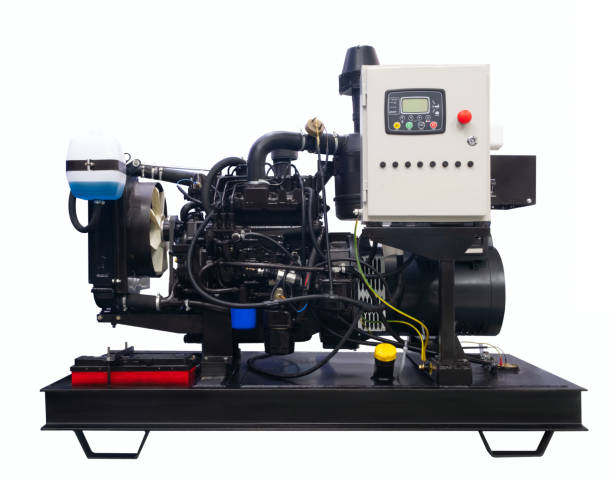
Liquid-cooled generators operate using an internal combustion engine. As the engine runs, it produces heat. Instead of letting that heat build up, the system uses coolant to absorb and transfer it away.
Here is a simple breakdown of the process:
-
The engine burns fuel (natural gas, propane, or diesel)
-
Heat is generated during operation
-
Coolant circulates through the engine
-
Heat moves into a radiator system
-
The radiator releases heat outside
Because of this cycle, the generator can run for extended periods without overheating. This makes it ideal for long outages, which are common in Florida.
Key Components
A liquid-cooled generator includes several essential parts that work together:
-
Engine – Produces mechanical energy
-
Alternator – Converts energy into electricity
-
Cooling system – Regulates temperature using coolant
-
Control panel – Manages operation and monitors performance
Each component plays a key role in keeping the system stable and efficient. When installed properly, these parts work seamlessly to deliver reliable power.
Liquid-Cooled vs Air-Cooled Generators
Many homeowners compare liquid-cooled systems with air-cooled generators before making a decision. While both provide backup power, they serve different needs.
Liquid-cooled generators:
-
Handle higher power loads
-
Run longer without overheating
-
Quieter during operation
-
Built for large homes and businesses
Air-cooled generators:
-
Lower upfront cost
-
Best for smaller homes
-
Shorter run times
-
Can be louder under heavy load
If your property has high energy demands or you want full-home coverage, a liquid-cooled generator is usually the better choice.
Backup Power & Generator Usage Statistics
Why Choose a Liquid-Cooled Generator in Lakeland?
Choosing the right generator in Lakeland is not just about convenience. It is about preparing for real weather conditions and power needs. Florida’s climate can be unpredictable, and outages often last longer than expected. A liquid-cooled generator offers the strength and reliability needed to handle these situations.
Florida Weather Demands Stronger Systems
Florida is known for strong storms, high humidity, and hurricane activity. These conditions put extra pressure on the power grid.
In Lakeland, outages can happen due to:
-
Lightning strikes
-
Heavy rainfall
-
Fallen trees
-
High winds
During major storms, power can be out for hours or even days. A standard backup system may struggle to keep up. Liquid-cooled generators are built for these longer, more demanding situations.
Benefits for Homes & Businesses
Liquid-cooled generators offer clear advantages for both residential and commercial properties.
For homeowners:
-
Keeps the air conditioning running
-
Powers refrigerators and medical devices
-
Supports full-home operation
For businesses:
-
Prevents downtime
-
Protects equipment and data
-
Maintains customer service
These systems provide stable, continuous power when it matters most.
Long-Term Reliability
One of the biggest reasons people choose liquid-cooled generators is durability. These systems are designed for heavy use over many years.
Key reliability benefits include:
-
Reduced overheating risk
-
Longer engine lifespan
-
Consistent performance under load
While the initial cost may be higher, the long-term value is strong. With proper maintenance, a liquid-cooled generator can serve your property for decades.
Types of Generators Available in Lakeland
When choosing a generator in Lakeland, it helps to understand the different options available. Not every system is built for the same purpose. Some are designed for short-term use, while others support full-property power for extended periods. Knowing the differences will help you choose a system that fits your needs, budget, and property size.
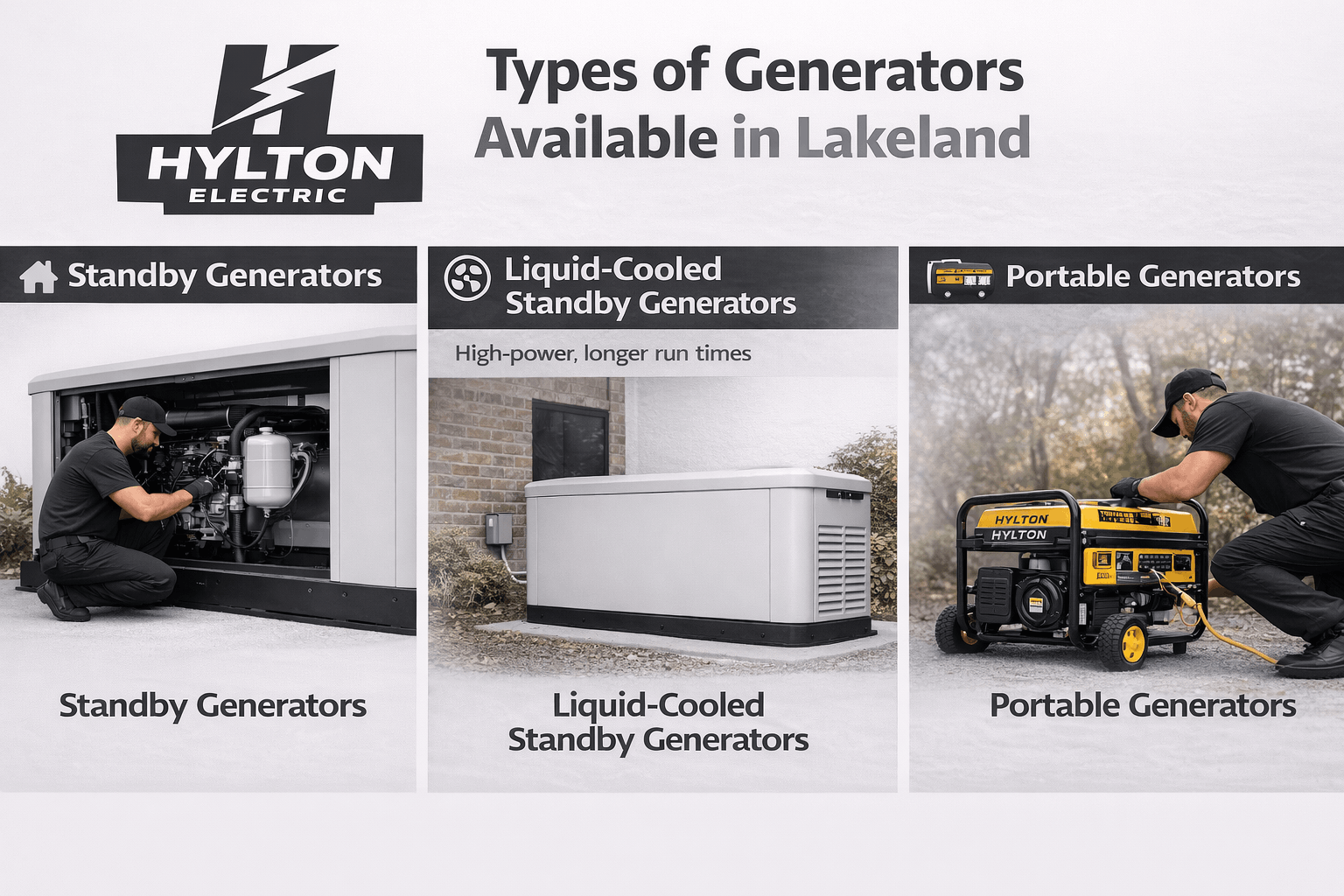
Standby Generators
Standby generators are the most common choice for permanent backup power. These systems are installed outside your home or business and connect directly to your electrical system. They turn on automatically when the power goes out. This means you do not need to do anything during an outage.
Key features include:
-
Automatic operation within seconds
-
Connection to natural gas or propane
-
Ability to power essential circuits or the entire home
Standby generators are ideal for homeowners who want a hands-off solution. They also add convenience and peace of mind during storms.
Liquid-Cooled Standby Generators
Liquid-cooled standby generators are a more advanced version of standard standby systems. They are built for higher performance and longer run times.
These systems are best suited for:
-
Large homes with high energy demand
-
Properties with multiple HVAC systems
-
Commercial buildings and offices
Typical capacity ranges:
-
20kW to 150kW or more
Benefits include:
-
Handles heavy electrical loads
-
Runs longer without overheating
-
Quieter and more efficient under pressure
If you want whole-house coverage without limits, this is often the best option.
Portable Generators (Comparison Section)
Portable generators are smaller and more flexible, but they come with limitations. They are not designed for full-home or long-term use.
Common characteristics:
-
Manual setup and operation
-
Limited power output
-
Runs on gasoline
-
Requires extension cords
While portable units are useful for short outages, they do not offer the same reliability as standby systems.
Quick comparison:
-
Portable → short-term, lower cost, manual
-
Standby → automatic, mid-range power
-
Liquid-cooled → high power, long-term solution
For most homes and businesses in Lakeland, a permanently installed system provides better protection and ease of use.
Signs You Need a Liquid-Cooled Generator
Not every property needs a high-capacity generator. However, certain situations make a liquid-cooled system the smarter choice. If you notice any of the signs below, it may be time to upgrade.
Frequent Power Outages
If your area experiences regular outages, a basic backup system may not be enough. Repeated interruptions can damage appliances and disrupt daily life. A liquid-cooled generator provides stable power for longer durations, even during extended outages.
Large Home or High Power Demand
Bigger homes often have higher electrical needs. Running multiple air conditioners, appliances, and lighting systems at the same time requires more power.
You may need a liquid-cooled system if:
-
Your home is over 3,000 square feet
-
You have multiple HVAC units
-
You use high-energy appliances regularly
Medical Equipment Dependency
If someone in your home depends on medical devices, power reliability becomes critical. Even a short outage can create serious risks.
A liquid-cooled generator ensures the continuous operation of:
-
Oxygen machines
-
Refrigerated medications
Running Multiple Systems at Once
Some homes and businesses cannot afford to shut down certain systems. This includes:
-
Air conditioning
-
Refrigeration
-
Security systems
-
Office equipment
If you need everything running at once, a higher-capacity generator is necessary.
Business Downtime Losses
For business owners in Lakeland, power outages mean lost revenue. Even a few hours without electricity can affect operations and customer trust.
A liquid-cooled generator helps:
-
Keep doors open during outages
-
Protect sensitive equipment
-
Maintain productivity
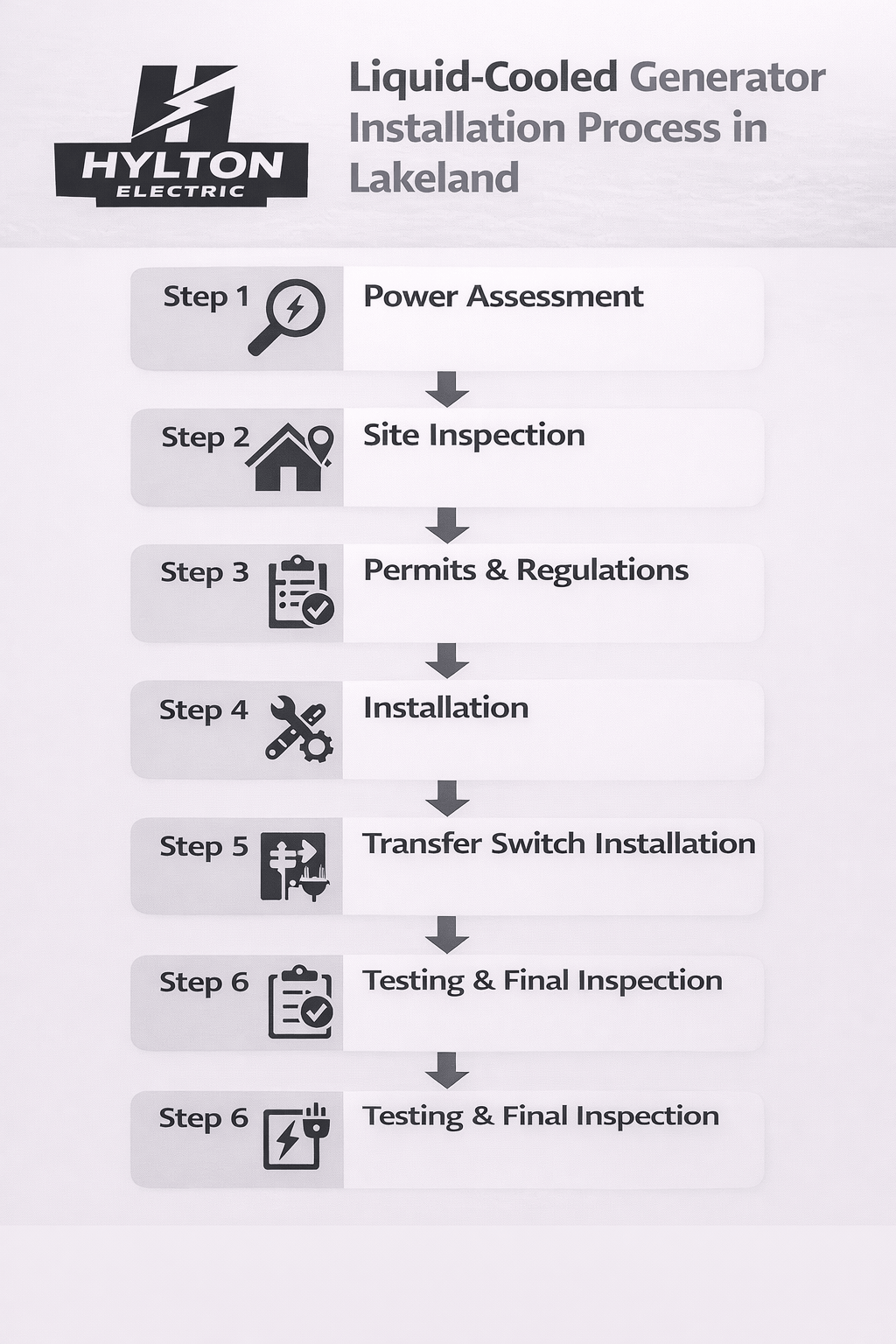
Liquid Cooled Generator Installation Process in Lakeland
Installing a liquid-cooled generator is not a simple plug-and-play job. It requires planning, technical work, and compliance with local codes in Lakeland. A professional installer will handle each step to ensure the system runs safely and efficiently.
Here is what the process usually looks like from start to finish.
Step 1 – Power Assessment
The first step is understanding how much power your property needs. This is one of the most important parts of the process.
An installer will:
-
Review your electrical panel
-
List essential appliances and systems
-
Calculate total load requirements
This helps determine the right generator size. Choosing the wrong size can lead to overload or wasted energy.
Step 2 – Site Inspection
Next, the installer visits your property to find the best location for the generator.
They will check:
-
Available outdoor space
-
Distance from doors and windows
-
Ventilation and airflow
-
Ground stability
Proper placement ensures safe operation and meets local safety standards.
Step 3 – Permits & Regulations
Generator installation in Lakeland requires permits and must follow Florida electrical and building codes.
A licensed installer will:
-
Apply for necessary permits
-
Ensure zoning compliance
-
Schedule inspections if required
This step protects you from legal issues and ensures the installation meets all safety requirements.
Step 4 – Installation
Once everything is approved, the physical installation begins.
This typically includes:
-
Pouring or placing a concrete pad
-
Positioning the generator unit
-
Connecting electrical wiring
-
Installing fuel lines (natural gas or propane)
The process must be done carefully to avoid future problems.
Step 5 – Transfer Switch Installation
The transfer switch is what allows your generator to take over automatically during a power outage.
It works by:
-
Detecting power loss
-
Switching your system to generator power
-
Returning to grid power when restored
This ensures a smooth transition without manual effort.
Step 6 – Testing & Final Inspection
Before the job is complete, the system is fully tested.
Installers will:
-
Run the generator under load
-
Check for proper switching
-
Inspect all connections
-
Confirm safety standards
Only after testing is the system considered ready for use.
Cost of Liquid-Cooled Generator Installation in Lakeland
The cost of installing a liquid-cooled generator in Lakeland can vary based on several factors. While the upfront investment is higher than that of smaller systems, the long-term value is strong.
Average Cost Breakdown
Here is a general price range you can expect:
-
Generator unit: $10,000 – $25,000+
-
Installation labour: $3,000 – $10,000
-
Total project cost: $15,000 – $35,000+
Larger commercial systems or complex installations can go beyond this range.
Factors That Affect Cost
Several elements influence the final price:
-
Generator size and power capacity
-
Type of fuel (natural gas, propane, diesel)
-
Distance from fuel source
-
Electrical panel upgrades
-
Permit and inspection fees
Homes with more complex layouts or higher power needs usually require more work, which increases cost.
Long-Term Value
While the initial cost may seem high, a liquid-cooled generator offers long-term benefits that make it a worthwhile investment.
These include:
-
Protection from costly outages
-
Increased property value
-
Lower risk of equipment damage
-
Reliable performance during emergencies
For many homeowners and businesses, the system pays for itself over time by preventing losses and improving daily comfort.
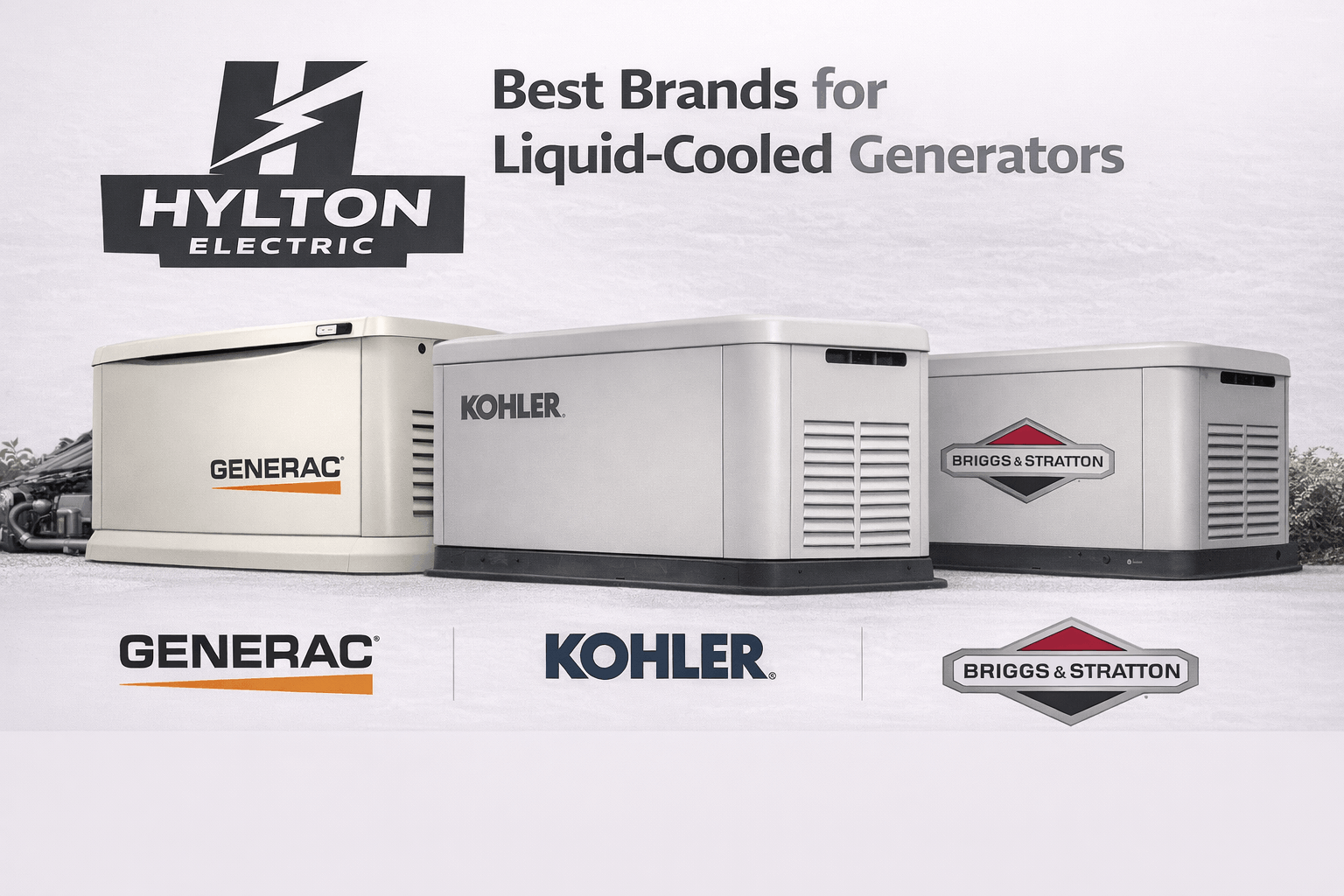
Best Brands for Liquid-Cooled Generators
Choosing the right generator brand is just as important as choosing the right installer. In Lakeland, most professionals work with a few trusted manufacturers known for performance and reliability.
These brands offer strong warranties, advanced features, and long service life.
Generac
Generac is one of the most recognised names in the generator industry. It is widely used across residential and commercial properties.
Key advantages:
-
Wide range of power capacities
-
Strong dealer and service network
-
User-friendly monitoring systems
Generac systems are a common choice for whole-home backup due to their balance of cost and performance.
Kohler
Kohler is known for premium quality and quiet operation. These generators are built with durability in mind.
Why people choose Kohler:
-
Smooth and quiet performance
-
Strong engine design
-
Reliable under heavy load
Kohler is often preferred for high-end homes and businesses that need consistent, long-term power.
Briggs & Stratton
Briggs & Stratton offers dependable systems with solid performance.
Key features:
-
Durable engine design
-
Good value for the price
-
Efficient load management
This brand is a strong option for homeowners who want reliability without going into the highest price range.
Choosing the Right Generator Installer in Lakeland
Even the best generator will not perform well if it is installed incorrectly. That is why choosing a qualified installer in Lakeland is essential. A skilled installer ensures your system runs safely, meets local codes, and lasts for years.
What to Look For
When comparing installers, focus on experience and credentials.
Look for:
-
Licensed and insured electricians
-
Experience with liquid-cooled systems
-
Certifications from major generator brands
-
Positive local reviews
An experienced installer will also guide you through sizing, placement, and long-term maintenance.
Questions to Ask
Before hiring a company, ask a few key questions to avoid problems later.
Important questions include:
-
Do you handle permits and inspections?
-
What brands do you install and service?
-
Do you offer maintenance plans?
-
What warranty is included?
Clear answers will help you understand what to expect and avoid hidden issues.
Importance of Professional Installation
Professional installation is not just a recommendation—it is necessary.
Here is why it matters:
-
Ensures safe electrical connections
-
Prevents fuel system leaks
-
Meets Florida building codes
-
Protects your warranty
Poor installation can lead to system failure, safety risks, and costly repairs. Working with a qualified expert gives you peace of mind and reliable performance.
Top Generator Installation Companies in Lakeland, FL
Finding the right installer in Lakeland can make a big difference in how your system performs over time. A reliable company will not only install your generator but also support you with maintenance and repairs.
Here are some well-known companies serving the Lakeland area.
ACS Home Services
-
Offers full electrical and generator installation services
-
Handles residential and commercial projects
-
Known for fast response and ongoing support
This company is a good choice if you want a full-service provider that can handle everything from installation to maintenance.
Cross Wired Electrical Services
-
Experienced with standby and whole-home generators
-
Works with major brands like Generac
-
Strong reputation for customer service
They are a solid option for homeowners looking for detailed and careful installation work.
Wheeler Generators
-
Specialises in generator installation and repair
-
Works with multiple generator brands
-
Focused on backup power solutions
This company is ideal if you want a specialist focused mainly on generators.
Maintenance Tips for Liquid-Cooled Generators
Once your generator is installed, regular maintenance is key to keeping it reliable. A well-maintained system can last for decades and perform smoothly during outages.
Routine Maintenance Checklist
Basic upkeep helps prevent major issues later.
-
Check oil levels regularly
-
Inspect coolant levels
-
Test the battery
-
Clean air filters
-
Run the generator periodically
These simple steps keep the system ready when you need it most.
Annual Professional Servicing
In addition to routine checks, schedule a professional service at least once a year.
A technician will:
-
Perform load testing
-
Inspect internal components
-
Check fuel system connections
-
Update system settings if needed
Annual servicing helps catch small issues before they turn into costly repairs.
Common Mistakes to Avoid
Some mistakes can reduce the lifespan of your generator.
Avoid:
-
Skipping maintenance
-
Letting fuel sit unused for long periods
-
Blocking airflow around the unit
-
Ignoring warning signals
Staying consistent with maintenance ensures your generator stays dependable.
Residential vs Commercial Installation
Liquid-cooled generators are used in both homes and businesses, but the setup and requirements can vary.
Residential Systems
Residential systems are designed for comfort and convenience.
Typical features:
-
Power range of 20kW to 60kW
-
Supports the entire home or essential circuits
-
Automatic operation
These systems are ideal for families who want uninterrupted power during outages.
Commercial Systems
Commercial generators are built for higher demand and longer run times.
Common uses:
-
Offices and retail stores
-
Medical facilities
-
Warehouses and industrial sites
Typical features:
-
Power range of 60kW to 500kW+
-
Supports critical operations
-
Handles continuous usage
For businesses, reliability is critical. Even a short outage can lead to financial loss.
Fuel Options for Liquid-Cooled Generators
Choosing the right fuel type affects performance, cost, and convenience. Each option has its pros and limitations.
Natural Gas
Natural gas is one of the most popular choices in Lakeland.
Benefits:
-
Continuous fuel supply
-
No need for storage tanks
-
Lower maintenance
It is ideal for homes connected to a gas line.
Propane
Propane is a clean-burning fuel and works well in many residential setups.
Key points:
-
Stored in tanks on-site
-
Burns cleaner than diesel
-
Reliable during outages
However, you need to monitor fuel levels regularly.
Diesel
Diesel generators are commonly used in commercial applications.
Advantages:
-
High power output
-
Strong performance under heavy load
-
Durable engine design
They are best suited for businesses or large properties with high energy demand.
Benefits of Installing a Whole-House Generator
A whole-house generator provides more than just backup power. It improves comfort, safety, and property value.
Key benefits include:
-
Keeps your home fully functional during outages
-
Protects appliances from sudden shutdowns
-
Supports heating and cooling systems
-
Adds value to your property
-
Provides peace of mind during storms
For many homeowners in Lakeland, this level of reliability is worth the investment.
Common Problems and Troubleshooting
Even high-quality generators can face issues over time. Knowing the common problems helps you respond quickly.
Generator Won’t Start
Possible causes:
-
Weak or dead battery
-
Fuel supply issues
-
Faulty starter
A quick inspection can often identify the issue.
Overheating
Overheating is usually linked to the cooling system.
Common reasons:
-
Low coolant levels
-
Blocked airflow
-
Dirty radiator
Regular checks can prevent this problem.
Power Fluctuations
If your generator is not delivering stable power, it may be due to:
-
Load imbalance
-
Wiring issues
-
Alternator problems
A professional technician should handle these issues to avoid further damage.
Why Lakeland Homeowners Are Upgrading to Liquid-Cooled Systems
More property owners in Lakeland are moving toward liquid-cooled generators. The shift is driven by changing needs and increasing power demand.
Common reasons include:
-
Larger homes with higher energy use
-
Increased reliance on electronics
-
More frequent and longer outages
-
Need for full-home backup instead of partial coverage
These systems offer a level of reliability that smaller generators cannot match.
Conclusion – Get Professional Liquid-Cooled Generator Installation in Lakeland
Power outages are unpredictable, but your response to them does not have to be. A liquid-cooled generator gives you control, comfort, and reliability when the grid fails.
From installation to long-term performance, working with a professional installer in Lakeland ensures your system is built to last. With the right setup, you can protect your home, your business, and your peace of mind.
If you are planning to install a generator, now is the right time to take the next step. A properly installed system will keep your property running smoothly, no matter what the weather brings.
Need reliable backup power in Lakeland? Let’s talk about the right generator for your home or business.
- Call +1 863-624-7000
- Email ray@hylton-electric.com.
We’re here to help you stay powered, no stress.
FAQs About Liquid-Cooled Generator Installer
What is a liquid-cooled generator, and how is it different?
A liquid-cooled generator uses a radiator and coolant system to manage engine heat. This setup allows it to run longer and handle heavier loads without overheating.
-
Uses coolant instead of air to control temperature
-
Better suited for large homes and businesses
-
Operates more smoothly under continuous use
In simple terms, it is built for performance and durability. If you need reliable power for extended outages, this type of generator is a strong choice.
How much does it cost to install a liquid-cooled generator in Lakeland?
The cost depends on the generator size, property layout, and installation complexity in Lakeland.
-
Generator unit: $10,000 – $25,000+
-
Installation labor: $3,000 – $10,000
-
Total cost: $15,000 – $35,000+
Additional costs may include permits, fuel line installation, and electrical upgrades. While the upfront investment is higher, the long-term reliability and protection often make it worthwhile.
What size liquid-cooled generator do I need for my home?
Generator size depends on how much power your home uses daily. A professional load calculation ensures accuracy.
-
20kW–30kW: Small homes or essential circuits
-
30kW–50kW: Medium homes with central AC
-
50kW+: Large homes or full-house coverage
If you plan to run everything, including HVAC and major appliances, you will need a higher-capacity system.
How long can a liquid-cooled generator run continuously?
Liquid-cooled generators are designed for extended operation. They can run for days as long as fuel is available.
-
Cooling system prevents overheating
-
Built for continuous performance
-
Ideal during hurricanes or long outages
With proper maintenance, these generators maintain steady performance without frequent shutdowns.
Do I need a permit to install a generator in Lakeland?
Yes, permits are required in Lakeland to ensure safety and compliance.
-
Electrical permits are mandatory
-
Zoning rules may apply
-
Final inspection is usually required
A licensed installer handles this process, making sure your installation meets local building codes.
What fuel type is best for a liquid-cooled generator?
The best fuel depends on availability and your property setup.
-
Natural gas: Continuous supply, low maintenance
-
Propane: Clean and reliable, stored on-site
-
Diesel: High power output, common in commercial use
Each option has advantages. Natural gas is popular for homes, while diesel is often used for larger systems.
How often should a liquid-cooled generator be serviced?
Routine maintenance keeps your generator reliable and extends its lifespan.
-
Monthly checks for basic performance
-
Annual professional servicing
-
Oil and coolant changes as needed
Skipping maintenance can lead to unexpected failures, especially during critical times.
Can a liquid-cooled generator power an entire house?
Yes, most liquid-cooled generators are designed for full-home backup.
-
Powers HVAC systems, appliances, and lighting
-
Handles high electrical demand
-
Provides seamless operation
The key is selecting the correct size based on your home’s power requirements.
How long does installation take?
Installation time varies depending on the project.
-
Basic installations: 1–2 days
-
Complex setups: Several days
-
Permit approvals may add extra time
Proper planning and experienced installers help complete the job efficiently.
Are liquid-cooled generators noisy?
Liquid-cooled generators are generally quieter than air-cooled systems.
-
Enclosed design reduces noise
-
Smooth engine operation
-
Less strain under heavy loads
While they are not silent, they are suitable for residential areas when installed correctly.
What maintenance does a liquid-cooled generator require?
Maintenance involves regular checks and professional servicing.
-
Oil and filter replacement
-
Coolant level monitoring
-
Battery testing
-
System inspections
Keeping up with maintenance ensures your generator runs efficiently when needed.
What happens if the generator is too small?
An undersized generator can lead to serious issues.
-
Overloading and shutdowns
-
Inconsistent power supply
-
Increased wear on components
This is why accurate sizing is critical before installation.
Can I install a generator myself?
Installing a generator yourself is not recommended.
-
Requires electrical expertise
-
Must meet local codes
-
Involves fuel system connections
Professional installation ensures safety, compliance, and proper operation.
How long do liquid-cooled generators last?
Liquid-cooled generators are built for long-term use.
-
Average lifespan: 20–30 years
-
Depends on usage and maintenance
-
Regular servicing extends life
They are a durable investment for both homes and businesses.
Do generators increase home value?
Yes, generators can increase property value, especially in areas with frequent outages.
-
Attractive feature for buyers
-
Provides added security and convenience
-
Improves overall property appeal
Many buyers see backup power as a valuable upgrade.
What is an automatic transfer switch?
An automatic transfer switch (ATS) is a key part of the system.
-
Detects power outages
-
Switches to generator power instantly
-
Returns to grid power automatically
It allows your generator to operate without manual effort.
Can a generator run during extreme weather?
Yes, liquid-cooled generators are built for harsh conditions.
-
Designed for outdoor use
-
Handles heavy rain and humidity
-
Reliable during storms and hurricanes
Proper installation ensures safe operation even in severe weather.
What are the most common generator problems?
Even well-built systems can develop issues over time.
-
Battery failure
-
Fuel supply problems
-
Cooling system issues
Regular maintenance helps prevent these problems and ensures reliable performance.
Is a liquid-cooled generator worth the investment?
For larger homes and businesses, it is often a smart investment.
-
Provides reliable backup power
-
Prevents costly downtime
-
Offers long-term durability
The higher upfront cost is balanced by long-term benefits and peace of mind.
How do I choose the right generator installer?
Choosing the right installer is essential for a successful setup.
-
Check licenses and certifications
-
Look for experience with similar systems
-
Read customer reviews
-
Ask about warranties and service plans
A qualified installer ensures your generator is safe, efficient, and built to last.
Leave a Reply