
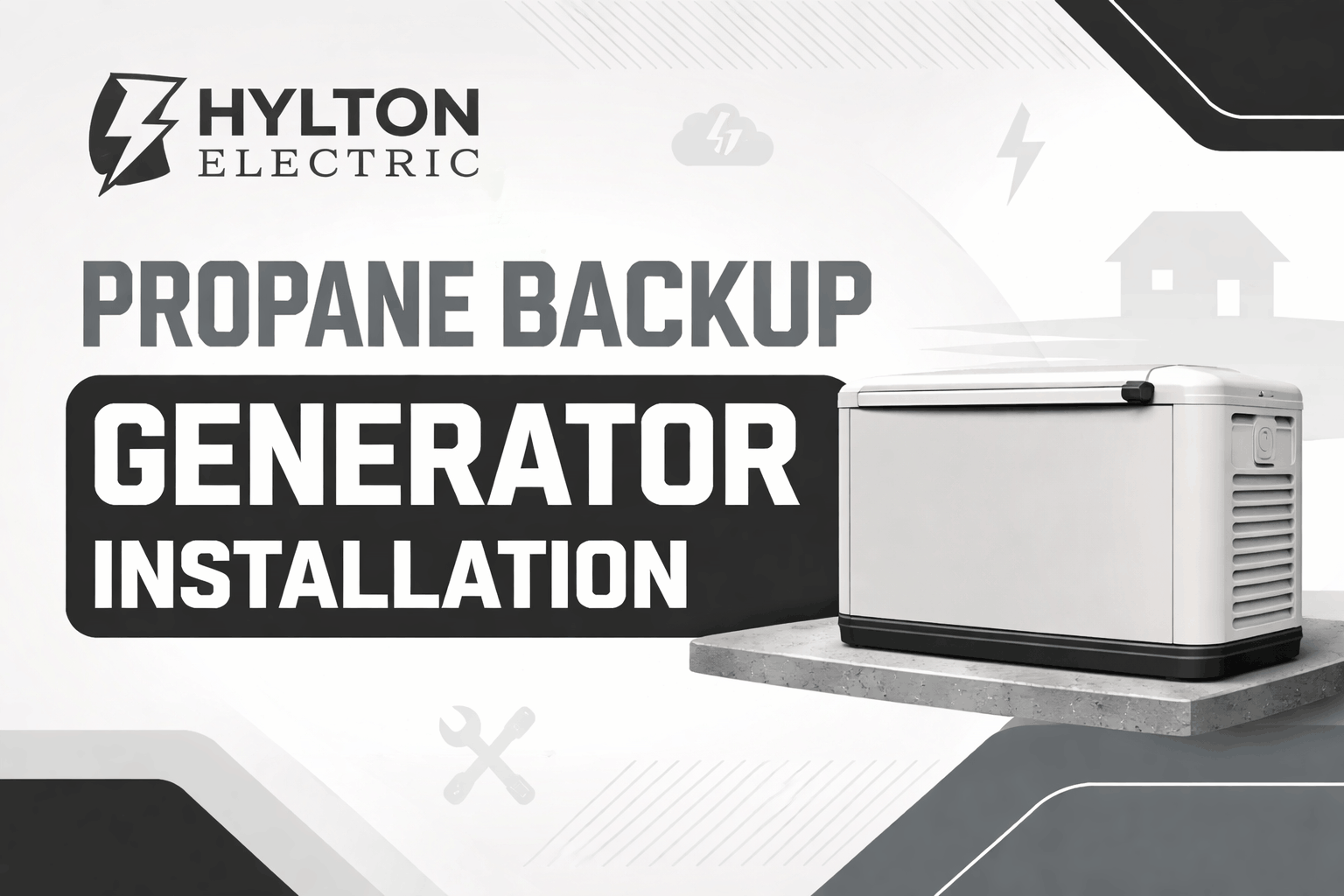
Power outages are part of life in Central Florida. Strong storms, lightning, and heavy rain can knock out power without warning. In Polk County, many homeowners deal with outages during hurricane season or intense summer weather.
When the electricity goes out, daily life stops quickly. Air conditioning shuts down. Refrigerators stop running. Security systems and internet connections may fail. For families who work from home or rely on medical equipment, the situation can become serious very fast.
A propane backup generator offers a reliable solution. These systems automatically restore electricity when the utility grid fails. Within seconds, essential appliances and home systems can start working again.
Many homeowners in Polk County choose propane standby generators because they are dependable and efficient. Propane fuel stores well, burns cleanly, and works in areas where natural gas lines are not available.
This guide explains everything homeowners should know about propane backup generator installation in Polk County. It covers how generators work, why propane is a popular choice, and what to expect during the installation process.
By the end, you will have a clear understanding of how backup generators protect homes from unexpected outages.
Table of Contents
ToggleWhy Polk County Homeowners Are Installing Propane Backup Generators
Florida’s weather makes power outages more common than in many other states. Storm systems can develop quickly, and even short outages can disrupt daily life. Because of this, many homeowners in Polk County are installing standby generators to protect their homes and families. These systems provide peace of mind during storms and unexpected power failures.
Frequent Power Outages in Central Florida
Central Florida experiences a mix of weather conditions that can affect the electrical grid. Lightning storms, tropical systems, and heavy winds often damage power lines or overload the system. Some outages last only a few minutes. Others can last for several hours or even days after major storms.
Common causes of power outages in Polk County include:
-
Hurricanes and tropical storms
-
Strong lightning strikes during summer storms
-
Heavy rain and flooding
-
Fallen trees damaging power lines
-
High electricity demand during heat waves
-
Utility maintenance or equipment failures
Even a short outage can create problems inside a home.
For example:
-
Food in refrigerators and freezers can spoil
-
Air conditioning stops working during hot weather
-
Internet and communication systems go offline
-
Security cameras and alarm systems shut down
For households with young children, elderly residents, or medical equipment, reliable backup power becomes even more important.
Benefits of Installing a Propane Standby Generator
A standby generator works automatically when the power goes out. Homeowners do not need to start it manually or connect extension cords. Once installed, the system monitors the electrical supply at all times. When it detects an outage, it starts the generator and restores power to the home.
Some of the key benefits include:
-
Automatic operation – the generator starts within seconds of an outage
-
Reliable power for essential appliances such as refrigerators and air conditioning
-
Protection for home electronics and security systems
-
Comfort during long outages, especially in Florida’s heat
-
Increased property value, since backup power is attractive to buyers
Many homeowners also feel more prepared during hurricane season. When the power grid becomes unstable, a standby generator keeps the home running smoothly.
Because propane fuel stores safely and lasts for long periods, it is a practical option for many Polk County properties.

How Propane Backup Generators Work
A propane standby generator is a permanent system installed outside the home. It connects to the electrical panel and a propane fuel supply. Unlike portable generators, these systems operate automatically and do not require manual setup during an outage.
The generator constantly monitors the home’s electrical supply. When utility power stops, the system reacts immediately and begins producing electricity. Within seconds, power is restored to the circuits connected to the generator.
Main Components of a Propane Generator System
Several parts work together to provide backup electricity. A typical propane standby generator system includes:
-
Generator unit – the engine that produces electricity using propane fuel
-
Automatic transfer switch (ATS) – switches the home’s electrical supply from the utility grid to the generator
-
Propane fuel tank – stores fuel for the generator system
-
Electrical panel connection – delivers electricity to selected circuits or the entire home
-
Control system – monitors power and manages generator operation
Each component plays an important role in keeping the system reliable and safe. Professional installers connect these parts carefully so the generator can start automatically during a power failure.
What Happens When Power Goes Out
When the electrical grid fails, the generator system follows a simple sequence. The process usually happens within a few seconds:
-
Utility power stops flowing to the home.
-
The transfer switch detects the outage immediately.
-
The generator engine starts automatically.
-
The transfer switch redirects power from the generator to the home.
-
Appliances and electrical systems begin running again.
When utility power returns, the system switches back to the grid and turns off the generator. This process happens smoothly without any action from the homeowner. Because the system is automatic, propane standby generators provide dependable backup power even when the homeowner is away from home.

Why Choose Propane Generators Instead of Natural Gas or Portable Generators
When installing a backup generator in Polk County, homeowners usually compare several fuel options. The most common choices are propane, natural gas, and portable gasoline generators. Each option can provide backup power, but they work differently and offer different levels of reliability.
Many homeowners choose propane because it provides a strong balance of fuel availability, performance, and long-term storage. Understanding the differences helps homeowners select the system that best fits their property and power needs.
Advantages of Propane Generators
Propane is a widely used fuel for standby generators, especially in areas where natural gas service is limited or unavailable. One of the biggest advantages is fuel storage. Propane is kept in tanks on the property, which means the generator does not rely on a utility line that could fail during a storm.
Another benefit is fuel stability. Unlike gasoline or diesel, propane does not degrade over time. It can remain stored for long periods without losing quality. Homeowners often prefer propane generators for several reasons:
-
Reliable fuel supply stored on site
-
Works in areas without natural gas pipelines
-
Fuel stays stable for long periods
-
Cleaner burning compared to gasoline or diesel
-
Lower maintenance related to fuel quality
For many homes in Polk County, a propane tank between 250 and 500 gallons can power a standby generator for several days, depending on how much electricity the home uses. This makes propane a dependable option during long outages after major storms.
Propane vs Natural Gas Generators
Both propane and natural gas generators are popular for residential standby systems. However, they operate differently because of how the fuel is delivered. Propane generators rely on stored fuel tanks, while natural gas systems connect directly to a utility pipeline.
Here are some key differences.
Propane Generators
-
Use a fuel tank installed on the property
-
Continue running even if gas utilities are disrupted
-
Often produce slightly higher energy output
-
Work well in rural or suburban areas
Natural Gas Generators
-
Connect to a continuous fuel supply from the utility line
-
Do not require fuel storage tanks
-
Fuel cost may be slightly lower
-
Depend on the natural gas infrastructure remaining active
In areas where natural gas service is limited, propane becomes the practical choice for standby generators.
Why Portable Generators Are Not a Long-Term Solution
Portable generators are common during emergencies. Many homeowners buy them as a temporary backup option. However, they come with several limitations compared to permanent standby systems. Portable generators typically require manual setup and fuel refilling. They also provide much less power than standby units.
Some of the common drawbacks include:
-
Manual startup during outages
-
Limited electrical capacity
-
Frequent refueling requirements
-
Noise and exhaust concerns
-
Higher safety risks if used improperly
In addition, portable generators usually power only a few appliances at a time.
Standby propane generators, on the other hand, connect directly to the home’s electrical panel and can run many systems at once. Some models even power the entire home.
For homeowners who want reliable backup power without constant monitoring, a propane standby generator is usually the better long-term solution.
Types of Backup Generators Available in Polk County
Not every home requires the same type of backup power system. Generator size and configuration depend on the home’s electrical needs. In Polk County, installers usually recommend one of three generator types. These include whole-house generators, essential circuit generators, and portable backup units.
Each option serves a different purpose.
Whole-House Propane Generators
Whole-house generators are the most powerful type of residential standby system. As the name suggests, they can supply electricity to the entire home during an outage. This includes large appliances, air conditioning systems, and lighting throughout the house.
These generators are permanently installed outside the home and connect directly to the electrical panel. Homeowners often choose whole-house generators when they want minimal disruption during outages.
Typical benefits include:
-
Power for central air conditioning
-
Full use of kitchen appliances
-
Operation of lighting throughout the house
-
Continuous internet and home office equipment
-
Reliable power for security systems
Most whole-house generators fall within the 18kW to 26kW range, though larger homes may require higher capacity.
Because these systems power everything in the home, installers usually perform a full electrical load calculation before choosing the generator size.
Partial-Home or Essential Circuit Generators
Some homeowners prefer a smaller generator that powers only the most important systems. These systems focus on essential circuits, which means only selected appliances receive electricity during an outage.
This approach reduces installation cost while still providing reliable backup power.
Essential circuits often include:
-
Refrigerator and freezer
-
Kitchen outlets
-
Lighting in main areas
-
Wi-Fi router and communication equipment
-
Medical devices
-
One air conditioning unit or portable cooling system
Generators designed for essential circuits typically range from 10kW to 14kW. Although they do not power the entire home, they still keep daily life comfortable during outages.
Portable Generators with Propane Capability
Some portable generators can run on propane as well as gasoline. These are sometimes called dual-fuel generators. While they provide more flexibility than gasoline-only models, they still have limitations.
Portable propane generators usually:
-
Produce less power than standby systems
-
Require manual startup and monitoring
-
Need extension cords or manual transfer switches
Because of these limitations, portable units are generally considered a short-term solution rather than a permanent backup power system. For homeowners who want automatic power restoration and higher reliability, a permanently installed propane standby generator is usually the better choice.

Step-by-Step Process for Propane Backup Generator Installation in Polk County
Installing a propane standby generator involves several steps. The process includes planning, equipment selection, permits, and professional installation.
While every home is different, most installations in Polk County follow a similar path. Licensed electricians and generator specialists handle the technical work to ensure the system operates safely and meets local building codes.
Below is a simple breakdown of how the installation process usually works.
Step 1: Home Energy Assessment
The first step is understanding how much electricity the home needs during an outage.
A generator contractor evaluates the home’s electrical demand and determines the proper generator size. This step prevents installing a system that is either too small or unnecessarily large.
During the assessment, technicians usually review:
-
Square footage of the home
-
Electrical panel capacity
-
Major appliances such as HVAC systems
-
Refrigerators, freezers, and kitchen equipment
-
Well pumps or pool pumps
-
Home office equipment and electronics
This information helps calculate the total electrical load required during an outage. Some homeowners choose to power the entire home. Others focus only on essential appliances. The energy assessment helps determine which option works best.
Step 2: Choosing the Correct Generator Size
Generator size is measured in kilowatts (kW). The correct size depends on how much electricity the home needs during a power outage.
If the generator is too small, it may struggle to power important systems like air conditioning. If it is too large, the installation cost may increase without providing additional benefits.
Common residential generator sizes include:
-
10–14 kW – suitable for essential circuits
-
18–22 kW – common for average-size homes
-
24–26 kW or higher – used for larger homes with multiple HVAC units
The installer calculates the required capacity based on the electrical load of the home. This ensures the generator can handle both running appliances and startup power for larger equipment.
Step 3: Selecting the Installation Location
Standby generators are installed outdoors, usually on a concrete or composite pad placed near the home. The location must meet several safety and code requirements. Proper placement also helps reduce noise and ensures good airflow.
Installers usually consider:
-
Distance from doors, windows, and vents
-
Adequate space for airflow and cooling
-
Access for maintenance and service
-
Local building code setback requirements
Generators are often placed along the side of the home or near the electrical meter to simplify installation. Proper placement also ensures the generator operates safely and efficiently during long outages.
Step 4: Permit Approval and Inspections
Most generator installations in Polk County require permits before work begins. Permits help ensure the system meets local building codes and electrical safety standards.
Depending on the project, homeowners may need:
-
Electrical permits
-
Fuel or gas line permits
-
Building permits for equipment placement
Professional generator installers usually handle the permit process on behalf of the homeowner. After installation, the system may need to pass inspections before it can operate permanently. These inspections verify that the generator, electrical connections, and fuel lines meet local regulations.
Step 5: Installing the Generator and Fuel System
Once permits are approved, the installation process can begin. This stage involves placing the generator unit, connecting the electrical components, and setting up the propane fuel system.
Typical installation tasks include:
-
Preparing the generator pad or foundation
-
Placing the standby generator unit
-
Installing the automatic transfer switch
-
Connecting the generator to the electrical panel
-
Running fuel lines from the propane tank
-
Configuring the system controls and monitoring system
The installation time varies depending on the complexity of the project. In many cases, the physical installation takes one to two days. However, scheduling permits, inspections, and fuel tank installation can extend the total timeline.
Step 6: System Testing and Final Inspection
After installation is complete, technicians test the generator to confirm it works correctly. Testing ensures the system can respond properly during a power outage.
During this stage, installers usually check:
-
Automatic generator startup
-
Transfer switch operation
-
Electrical load handling
-
Fuel system performance
-
Safety shutdown features
The generator is often run through a simulated power outage to confirm the system transfers power smoothly. Once testing is complete and inspections are approved, the system is ready for regular use. Most standby generators also perform automatic weekly self-tests, which help keep the engine in good condition and ensure the system is ready when needed.

Propane Generator Installation Cost in Polk County
The cost of installing a propane backup generator can vary depending on several factors. Generator size, electrical upgrades, and fuel system setup all affect the final price.
For many homeowners in Polk County, a professionally installed standby generator is a long-term investment. While the upfront cost may seem high, the system can protect the home from food loss, property damage, and extended discomfort during outages.
Understanding the typical price range helps homeowners plan the project more confidently.
Average Installation Costs
The total cost of a propane standby generator includes the equipment itself, installation labor, and additional materials. In most cases, homeowners pay for several components.
Typical price ranges include:
-
Generator unit: $2,500 – $8,000
-
Automatic transfer switch: $500 – $2,000
-
Installation labor: $1,500 – $5,000
-
Electrical upgrades: $500 – $2,500 (if needed)
-
Permits and inspections: $200 – $500
When combined, the total installed cost often falls between $7,000 and $15,000.
Larger homes that require high-capacity generators may see costs above this range. On the other hand, smaller systems that power only essential circuits may cost less. Although prices vary, many homeowners view the system as a valuable upgrade that improves safety and comfort.
Factors That Affect Installation Cost
Several conditions can influence the final installation price. Some homes require more electrical work or longer fuel line connections. In other cases, the property layout may require extra preparation before the generator can be installed.
Common cost factors include:
-
Generator size and power capacity
-
Distance between the generator and electrical panel
-
Electrical panel upgrades or rewiring
-
Propane tank installation or replacement
-
Permit and inspection fees
-
Concrete pad or site preparation
Homes with complex electrical systems or limited installation space may require additional labor. Because every property is different, professional contractors usually provide a site evaluation before giving a final quote.
Cost of Propane Tanks
Propane generators rely on fuel stored in tanks placed on the property. Tank size plays a major role in how long the generator can run during an outage.
Common residential propane tank sizes include:
-
250-gallon tanks – suitable for smaller homes or essential circuit generators
-
500-gallon tanks – common for whole-house generators
-
1,000-gallon tanks – used for large homes or extended outage protection
Homeowners can either purchase or lease propane tanks from a fuel supplier. Some installation companies coordinate directly with propane providers to handle tank placement and fuel delivery. Choosing the right tank size helps ensure the generator has enough fuel during extended outages after major storms.

Permits and Regulations for Generator Installation in Polk County
Backup generator installations must follow local building and electrical codes. These rules help protect homeowners and ensure the system operates safely. Before installation begins, contractors usually apply for permits through the local permitting office.
Permit requirements can vary slightly between municipalities within Polk County, but most installations follow similar guidelines.
Typical Permits Required
Because standby generators connect to both electrical and fuel systems, multiple permits may be required.
The most common permits include:
-
Electrical permit for connecting the generator to the home’s electrical panel
-
Fuel or gas permit for installing propane lines or tanks
-
Building permit for equipment placement or concrete pads
Licensed installers typically handle the permit process on behalf of the homeowner. This simplifies the project and helps ensure all paperwork is completed correctly.
After the installation is finished, a local inspector may review the system before final approval. The inspection confirms that the generator meets safety codes and operates properly.
HOA and Neighborhood Restrictions
Some neighborhoods in Polk County have homeowners associations (HOAs). These organizations may have rules regarding generator installations.
Common HOA guidelines may involve:
-
Generator placement around the home
-
Noise limits during operation
-
Visual screening or fencing requirements
-
Minimum distance from property lines
Homeowners should review HOA guidelines before installing a standby generator. In many cases, installers can recommend placement options that satisfy both local codes and HOA rules.
Choosing the Right Propane Generator for Your Home
Selecting the right generator is one of the most important parts of the installation process. The ideal system depends on the home’s electrical demand, budget, and how much backup power the homeowner wants during an outage. Professional installers usually help homeowners compare options and choose a generator that fits their needs.
Generator Capacity and Power Needs
Generator capacity determines how many appliances and systems can operate at the same time. To choose the correct size, contractors calculate the electrical load required during an outage.
Important factors include:
-
Number of appliances in the home
-
Air conditioning systems
-
Electric water heaters
-
Kitchen appliances
-
Home office equipment
-
Medical devices
Some homeowners prefer powering only essential appliances. Others want the generator to support the entire home. Load calculations help determine the proper generator size for either approach.
Popular Generator Brands
Several manufacturers produce reliable standby generators for residential use. Installers in Florida often recommend brands known for durability and strong service networks.
Popular brands include:
-
Generac
-
Kohler
-
Briggs & Stratton
These manufacturers produce models designed specifically for residential backup power. Many systems also include corrosion-resistant enclosures, which help protect the generator from Florida’s heat and humidity.
Smart Features to Look For
Modern standby generators often include advanced monitoring and control features. These features make it easier for homeowners to track generator performance and schedule maintenance.
Common smart features include:
-
Mobile apps that monitor generator status
-
Automatic weekly self-testing
-
Load management systems for large appliances
-
Quiet operation modes
-
Remote service alerts for maintenance
These technologies help keep the system running smoothly and provide early warnings if service is needed.
Propane Generator Maintenance and Service
A propane standby generator is designed to work automatically during power outages. However, like any mechanical system, it requires regular maintenance to stay reliable.
Routine servicing keeps the engine in good condition and helps prevent unexpected failures when the generator is needed most. In Polk County, where storms and extreme heat are common, maintenance becomes even more important.
Most generator manufacturers recommend annual professional servicing, along with periodic system checks throughout the year.
Recommended Maintenance Schedule
Standby generators perform automatic self-tests, but they still require manual inspection and servicing.
A typical maintenance schedule includes:
Weekly or Monthly System Checks
Many generators run automatic test cycles once a week. During these tests, the engine starts briefly to ensure the system is functioning properly.
Homeowners should occasionally check for:
-
Warning lights or error messages
-
Debris or leaves around the generator
-
Fuel supply levels in the propane tank
Keeping the area around the generator clean helps maintain proper airflow.
Annual Professional Maintenance
Professional service visits usually include:
-
Oil and filter replacement
-
Air filter inspection
-
Spark plug inspection or replacement
-
Battery testing
-
Fuel system inspection
-
Cooling system checks
-
Software or control system updates
These inspections help identify small problems before they become major repairs. Many homeowners schedule maintenance before hurricane season so the generator is ready for storms.
Why Maintenance Is Important in Florida
Florida’s climate can affect outdoor equipment, including standby generators. Heat, humidity, and heavy rain all place extra stress on electrical and mechanical systems.
In Polk County, common environmental factors include:
-
High humidity that can affect electrical connections
-
Heat that increases engine wear
-
Heavy rain and storm debris
-
Insects and small animals that may enter equipment enclosures
Regular maintenance helps prevent these conditions from causing system failures. A properly serviced generator can operate reliably for many years.
How Long Propane Generators Can Run During Power Outages
One of the most common questions homeowners ask is how long a propane generator can run during an outage. The answer depends on several factors, including generator size, fuel consumption, and propane tank capacity. Standby generators are designed to run for long periods when necessary, as long as fuel is available.
Fuel Consumption and Generator Load
Generators consume more fuel when they power larger electrical loads. For example, running air conditioning systems, electric water heaters, and kitchen appliances increases fuel usage. If the generator powers only essential circuits, fuel consumption may decrease significantly.
Installers often recommend balancing the electrical load to extend generator runtime. This approach allows homeowners to keep critical appliances running while conserving fuel.
Typical Runtime Based on Propane Tank Size
The size of the propane tank largely determines how long the generator can operate without refueling.
Common examples include:
-
250-gallon propane tank – may run a generator for about 2–3 days depending on usage
-
500-gallon propane tank – can often provide 5–7 days of runtime
-
1,000-gallon propane tank – may power a home generator for one to two weeks
These estimates vary based on generator size and household energy use. Many homeowners choose larger tanks to ensure extended backup power after major storms. Propane suppliers can also schedule refueling services when long outages occur.
Safety Tips for Propane Generator Installation
Safety is one of the most important considerations when installing a standby generator. Because these systems involve electrical connections and fuel supply lines, professional installation is strongly recommended. Licensed electricians and generator specialists follow strict safety standards during installation.
Proper Generator Placement
Generators must be placed in locations that allow proper ventilation and airflow. Incorrect placement can create safety risks, including carbon monoxide exposure.
Most local building codes require generators to be installed:
-
Several feet away from doors and windows
-
Away from air vents or intake systems
-
On stable surfaces such as concrete pads
-
In areas with good airflow
These guidelines ensure safe operation during long outages.
Carbon Monoxide Safety
Generators produce exhaust gases that contain carbon monoxide. Although standby generators operate outdoors, proper installation still helps reduce potential risks. Homeowners should also install carbon monoxide detectors inside the home as an added safety measure.
Professional Electrical Connection
Connecting a generator to the home’s electrical system requires specialized knowledge. Improper connections can cause electrical hazards or damage appliances.
Professional installers ensure that:
-
The transfer switch operates correctly
-
The generator does not backfeed electricity into utility lines
-
Electrical loads remain balanced during operation
Following these safety practices protects both homeowners and utility workers.
How to Choose a Propane Generator Installer in Polk County
Installing a standby generator is a major home improvement project. Choosing the right contractor ensures the system is installed correctly and operates reliably. Experienced installers handle equipment selection, electrical work, permits, and inspections. Before hiring a contractor, homeowners should review several important qualifications.

Look for Licensed and Insured Professionals
Generator installation involves electrical work, fuel systems, and local building codes. For this reason, contractors should hold proper licenses and insurance coverage.
Important qualifications include:
-
State electrical license
-
Liability insurance coverage
-
Experience with standby generator installations
-
Certification from generator manufacturers
Licensed professionals also understand local permitting requirements in Polk County.
Questions to Ask Before Hiring
Homeowners can ask a few key questions when comparing installation companies.
Helpful questions include:
-
Do you handle permits and inspections?
-
What generator brands do you install?
-
Do you offer maintenance and repair services?
-
What type of warranty comes with the generator?
-
How long does the installation process usually take?
Clear answers to these questions help homeowners feel confident about the contractor they choose. Working with an experienced installer also helps ensure the generator operates efficiently for years.
When Is the Best Time to Install a Backup Generator in Polk County?
Many homeowners begin thinking about generators once hurricane season approaches. However, waiting until storm season can lead to delays. Demand for generator installations often increases when severe weather is expected. Because of this, the best time to install a standby generator is before storm season begins.
Early installation offers several advantages:
-
Shorter scheduling wait times
-
Better equipment availability
-
More time for permit approval and inspections
-
Peace of mind before severe weather arrives
Preparing early helps homeowners avoid the stress that often follows major storms.
Final Thoughts on Propane Backup Generator Installation in Polk County
Power outages can happen at any time in Central Florida. Storms, lightning, and infrastructure problems can interrupt electricity without warning. A propane standby generator provides reliable backup power when these events occur. With professional installation and regular maintenance, these systems can automatically restore electricity within seconds of an outage.
For homeowners in Polk County, a propane generator offers several important benefits:
-
Reliable power during storms
-
Protection for appliances and electronics
-
Comfort during extended outages
-
Increased home value and preparedness
By choosing the right generator size, following local regulations, and working with experienced installers, homeowners can enjoy dependable backup power for many years. A well-installed standby generator keeps essential systems running and helps families stay safe and comfortable during unexpected power failures.
References
This guide is based on general standby generator installation practices and safety guidelines. Helpful resources include:
-
FEMA – Generator Safety Guidelines
https://www.fema.gov/node/generator-safety-stay-safe -
Ready.gov – Power Outage and Generator Safety Tips
https://www.ready.gov/power-outages -
Polk County, Florida – Building Permitting Information
https://www.polkfl.gov/services/building/permitting/ -
PermitFlow – Generator Permit Requirements Guide
https://www.permitflow.com/blog/generator-permit -
Polk County Building Division – Permitting Services
https://www.polk-county.net/services/building/
These sources provide reliable information about generator safety, installation standards, and backup power planning.
Need Help With Generator Installation?
If you are considering a backup generator, Hylton Electric can help. Our team provides professional generator installation and electrical services for homeowners across the area.
- Call: +1 863-624-7000
- Email: ray@hylton-electric.com
Contact us today to discuss the right generator solution for your home.
FAQs About Propane Backup Generator Installation in Polk County
Homeowners often have practical questions before installing a standby generator. Below are answers to some of the most common concerns related to propane generator installation in Polk County.
How much does a propane backup generator cost in Polk County?
The cost of installing a propane standby generator depends on the size of the generator, electrical upgrades, and propane tank setup.
Most homeowners spend between $7,000 and $15,000 for a complete installation. Smaller systems that power only essential circuits may cost less, while whole-house generators for large homes can exceed this range.
The final price usually includes:
-
Generator equipment
-
Transfer switch
-
Electrical installation
-
Permit fees
-
Fuel system setup
A professional site evaluation is the best way to determine the exact cost.
How long does generator installation take?
The physical installation typically takes one to two days once permits are approved and equipment is available. However, the entire process may take longer because of scheduling, permit approvals, and propane tank installation. In many cases, the full timeline from consultation to final inspection takes two to four weeks.
Can a propane generator power the whole house?
Yes, many propane standby generators are designed to power the entire home.
Whole-house generators often range from 18kW to 26kW, depending on the electrical load of the property. These systems can operate large appliances, lighting, and air conditioning at the same time.
Some homeowners choose smaller generators that power only essential circuits to reduce installation cost.
How often do propane generators need maintenance?
Most manufacturers recommend annual maintenance performed by a qualified technician.
Regular service usually includes:
-
Oil and filter changes
-
Battery testing
-
Air filter inspection
-
Spark plug checks
-
System diagnostics
In addition, many generators perform automatic weekly test cycles to ensure the system remains ready for outages.
Are propane generators safe for residential homes?
Yes, propane standby generators are safe when installed correctly.
Professional installers follow building codes and safety guidelines to ensure proper placement and ventilation.
Safety features typically include:
-
Automatic shutdown systems
-
Overload protection
-
Weather-resistant enclosures
-
Automatic transfer switches that prevent electrical backfeeding
Homeowners should also install carbon monoxide detectors inside the home for added safety.
Do I need a permit to install a generator in Polk County?
Yes, most generator installations require permits.
Common permits include:
-
Electrical permits
-
Fuel or gas permits
-
Building permits for equipment placement
Licensed installers usually handle the permit process and coordinate inspections with local authorities.
How long can a propane generator run during a power outage?
Runtime depends on fuel consumption and propane tank size.
For example:
-
250-gallon tank: about 2–3 days
-
500-gallon tank: about 5–7 days
-
1,000-gallon tank: up to two weeks in some cases
Actual runtime varies based on the electrical load of the home.
Will a generator increase my home value?
Backup generators can increase property value because they improve reliability and storm preparedness. In areas that experience frequent power outages, many homebuyers view standby generators as a desirable feature. Homes equipped with reliable backup power may also stand out in competitive real estate markets.
Leave a Reply