Healthcare facilities need power all the time. There is no room for outages. Every system, from patient care to daily tasks, depends on electricity. A small power issue can cause big problems. It can delay treatment. It can shut down equipment. In serious cases, it can risk lives.
That’s why healthcare electrical systems must be strong and reliable. They also need regular checks and quick support when something goes wrong. In Florida, storms and power surges make this even more important.
At Hylton Electric, we work with healthcare facilities that cannot afford downtime. We focus on safe systems, fast service, and long-term performance. Whether it’s a repair or a full upgrade, the goal is simple—keep your power running without interruption.
Why Electrical Systems Are Critical in Healthcare Facilities
Electricity keeps everything moving in a healthcare setting. Without it, even basic services stop. More importantly, patient care depends on steady power.
Healthcare buildings use more complex systems than regular offices. They need higher safety standards and better backup plans. Because of this, every part of the electrical system must work properly.
Powering Life-Saving Equipment
Many medical devices run nonstop. These include ventilators, monitors, and imaging machines. They need stable power to work correctly.
In areas like ICUs and operating rooms, power loss is not an option. Even a few seconds can create serious risks. That’s why backup systems must start right away. Reliable power keeps equipment running and patients safe.
Supporting Daily Operations
Electricity also supports everyday tasks. Staff rely on it for lighting, cooling, and digital systems.
For example:
-
Lights help doctors and nurses work safely
-
HVAC systems control room temperature
-
Computers store and access patient records
When power fails, work slows down. This can affect both staff and patients.
Ensuring Patient and Staff Safety
Safety systems also depend on electricity. These include fire alarms, emergency lights, and nurse call systems.
If these systems stop working:
-
Emergency response takes longer
-
Staff communication breaks down
-
Patients may be at risk
Because of this, healthcare facilities need strong and reliable electrical setups. Backup systems and safety checks are not optional—they are required.
Key Stats on Electrical Reliability in Healthcare Facilities
- 40% of healthcare organizations experience unplanned outages each year, with average costs around $432,000 per incident.
- Power outages are increasing, with a 67% rise in major outages since 2000, largely due to extreme weather and aging infrastructure.
- Power outages directly impact patient health, with 4,246 excess hospitalizations among adults 65+ linked to outages in one U.S. study.
- Close to 1 billion people worldwide rely on healthcare facilities with unreliable electricity, highlighting the global need for stable power systems.

Key Electrical Codes and Compliance Standards in Florida Healthcare Facilities
Healthcare electrical work must follow strict rules. These rules help protect people, equipment, and the building itself.
In Florida, these standards are even more important. Facilities must follow national codes as well as state requirements. This helps them stay safe and avoid costly issues.
National Electrical Code (NEC) Requirements
The National Electrical Code, or NEC, sets the basic rules for electrical work. It includes a section just for healthcare facilities.
This section covers:
-
Patient care areas
-
Safe wiring methods
-
Protection from electrical hazards
Following NEC rules helps ensure safe and reliable systems.
NFPA 99 – Healthcare Facilities Code
NFPA 99 focuses on safety based on risk. It looks at how a power failure would affect patients in different areas.
For example:
-
Critical areas need stronger protection
-
Backup systems must support key equipment
-
Systems must be tested often
This helps facilities focus on the areas where power matters most.
Florida-Specific Regulations
Florida has its own set of rules for healthcare buildings. These work alongside national codes.
Key points include:
-
Regular inspections
-
Proper licensing
-
Systems built to handle storms
Because Florida faces strong weather, electrical systems must be built to last.
Emergency Power Supply System (EPSS) Requirements
Most healthcare facilities must have backup power. These systems keep critical operations running during outages.
EPSS systems include:
-
Backup generators
-
Automatic transfer switches
-
Power for life-safety systems
These systems must be tested often. They must also start quickly when the power goes out. In healthcare, backup power is not a luxury. It is a basic requirement for safe patient care.
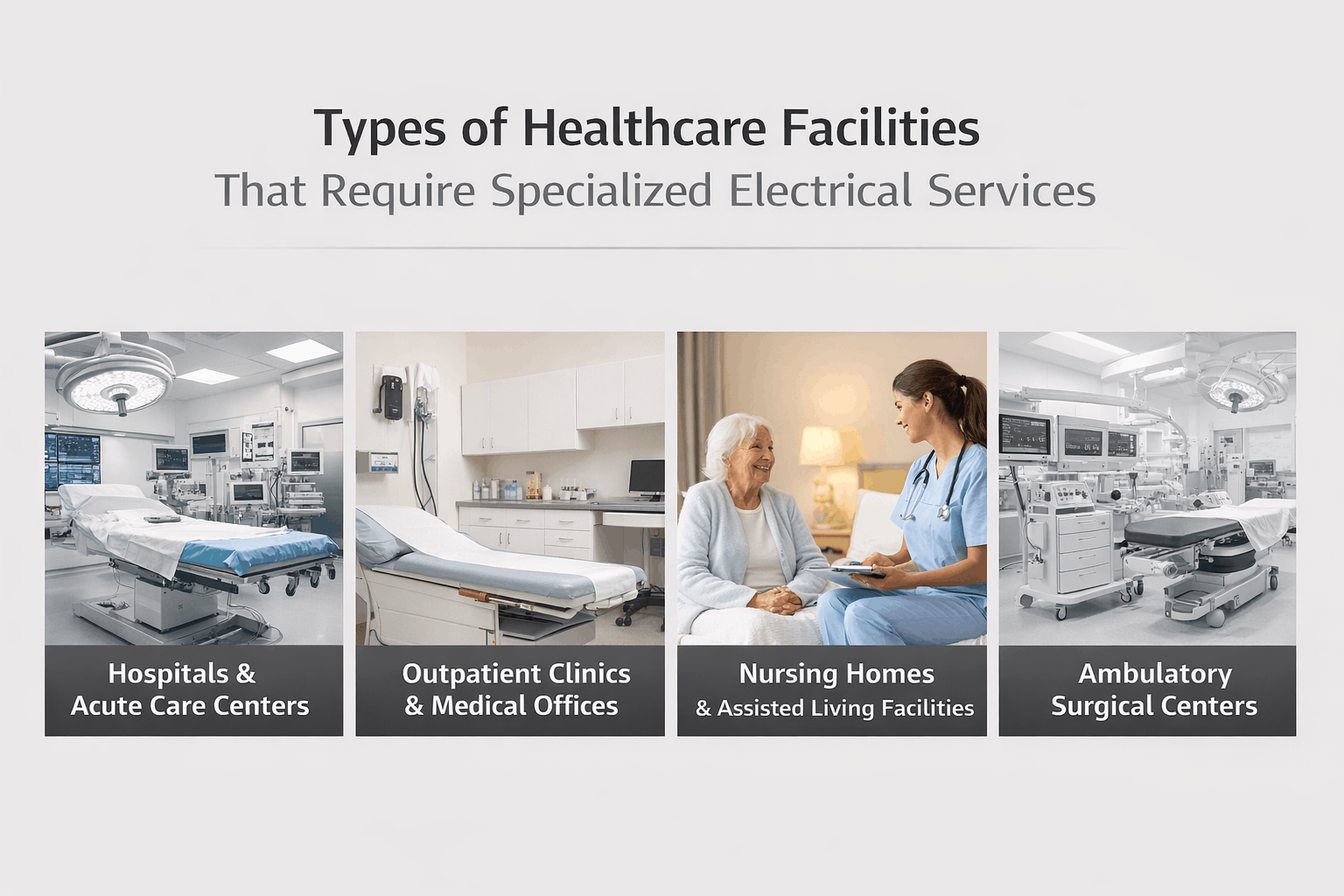
Types of Healthcare Facilities That Require Specialized Electrical Services
Not every healthcare facility uses power in the same way. Each type has its own needs. Some require heavy systems with full backup. Others need flexible setups that can grow over time. Still, one thing stays the same. Every facility needs safe, reliable, and code-compliant electrical work.
Hospitals and Acute Care Centers
Hospitals use the most complex electrical systems. They run 24/7 and handle critical care.
These facilities depend on:
-
ICU equipment and life-support systems
-
Operating rooms with advanced machines
-
Large HVAC systems for controlled environments
They also need strong backup power. If the main supply fails, systems must switch over in seconds. Because of this, hospitals require detailed planning and regular maintenance.
Outpatient Clinics and Medical Offices
Clinics may seem simpler, but they still have strict electrical needs. They rely on steady power for daily care and diagnostics.
Common systems include:
-
Imaging equipment
-
Exam room lighting
-
Electronic records and scheduling systems
Even short outages can delay patient care. So, these facilities still need reliable systems and routine checks.
Nursing Homes and Assisted Living Facilities
These facilities care for patients who need ongoing support. Many residents depend on powered medical devices.
Key electrical needs include:
-
Continuous power for care equipment
-
Emergency lighting and communication systems
-
Backup systems for outages
Comfort also matters here. Heating, cooling, and lighting must stay stable at all times. Because residents live on-site, power issues can quickly become serious.
Ambulatory Surgical Centers
Surgical centers perform procedures that require precision and control. Their electrical systems must support this level of care.
They depend on:
-
Surgical lighting and equipment
-
Monitoring systems
-
Clean and stable power supply
Backup power is also required. If something fails during a procedure, systems must respond immediately. For this reason, these facilities need careful system design and ongoing testing.
Core Electrical Services for Healthcare Facilities
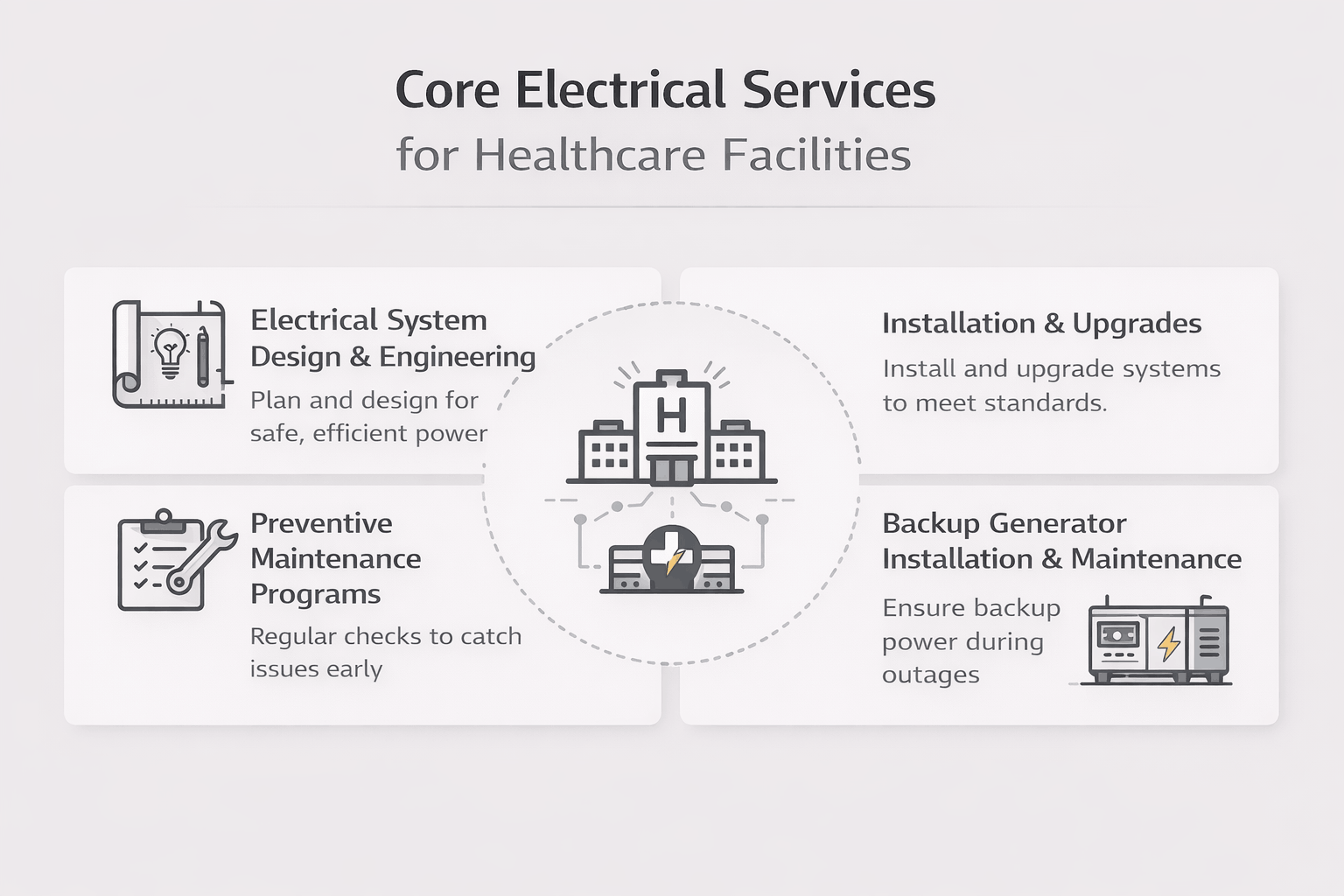
Healthcare facilities need more than basic electrical work. They need complete support, from planning to repairs. Each service plays a role in keeping the building safe and fully operational. A reliable contractor helps prevent problems before they start. At the same time, they respond fast when issues come up.
Electrical System Design and Engineering
Every strong system starts with a solid plan. Design and engineering set the foundation for safe and efficient power.
This includes:
- Load calculations based on equipment needs
- Planning for future expansion
- Layouts that meet healthcare codes
Good design reduces risk. It also helps avoid costly upgrades later.
Installation and Upgrades
Proper installation ensures everything works as expected. It also keeps the facility compliant with current standards.
This covers:
- Wiring and power distribution
- Panels, switchgear, and circuits
- Integration with medical equipment
Over time, systems may need upgrades. This is common as facilities add new technology or expand services.
Preventive Maintenance Programs
Regular maintenance helps catch small issues early. It keeps systems running smoothly and reduces the chance of failure.
Typical tasks include:
- Routine inspections
- Testing key components
- Checking for wear or overheating
Preventive care saves time and money. More importantly, it helps avoid unexpected downtime.
Emergency Electrical Repairs
Even with good planning, problems can still happen. When they do, fast action is critical.
Emergency services focus on:
- Quick diagnosis of the issue
- Immediate repairs
- Restoring power safely
Healthcare facilities cannot wait hours for a fix. They need support that responds right away.
Backup Generator Installation and Maintenance
Backup power is a must in healthcare settings. Generators keep critical systems running during outages.
This service includes:
- Proper generator sizing
- Installation and setup
- Regular testing and servicing
A generator is only useful if it works when needed. That’s why routine checks are essential.
Essential Electrical Systems (EES) in Healthcare Facilities
Healthcare facilities need backup systems that work without delay. These are called Essential Electrical Systems, or EES. They keep critical areas running when the main power fails.
EES is not a single system. It is divided into parts. Each part supports a different function. Together, they protect patients, staff, and equipment.
Life Safety Branch
The life safety branch supports systems that protect people during emergencies. These systems must stay active at all times.
This includes:
-
Fire alarm systems
-
Emergency lighting
-
Exit signs and alarms
If power goes out, these systems turn on right away. They help guide people to safety and support emergency response.
Critical Branch
The critical branch supports patient care areas. It keeps essential medical equipment running during outages.
This includes:
-
ICU and patient monitoring systems
-
Nurse call systems
-
Select lighting and power outlets in care areas
These systems must have stable and clean power. Even a short delay can affect patient care.
Equipment Branch
The equipment branch supports building systems. These systems are not always life-saving, but they are still important.
This includes:
-
HVAC systems
-
Medical air and vacuum systems
-
Pumps and other mechanical equipment
These systems help maintain a safe and comfortable environment. Without them, conditions inside the facility can quickly change.
Backup Power and Generator Systems for Healthcare Facilities
Power outages can happen at any time. In healthcare, even a short outage can create serious risks. That’s why backup power systems are a must. These systems keep critical operations running when the main power fails. They also help facilities stay compliant with safety codes.
Importance of Redundancy
Healthcare facilities cannot rely on a single power source. They need backup layers to stay protected.
This often includes:
- Secondary power systems
- Automatic transfer switches
- Separate circuits for critical areas
When the main power goes out, the system shifts to backup power within seconds. This quick response helps avoid interruptions in patient care.
Generator System Requirements
Generators are the core of backup power. They must be sized and installed based on the facility’s needs.
Key factors include:
- Type of generator (diesel or natural gas)
- Capacity to handle critical loads
- Proper placement and ventilation
The system must support life-safety and critical branches without delay. It also needs to meet healthcare and Florida code requirements.
Routine Testing and Maintenance
A generator is only reliable if it is tested often. Regular maintenance ensures it works when needed.
This includes:
- Monthly system checks
- Load testing to confirm performance
- Fuel system inspections
Without proper testing, generators can fail during an emergency. That risk is too high in healthcare settings.
Electrical Safety Challenges in Healthcare Environments
Healthcare facilities face unique electrical risks. These spaces are more complex than standard buildings. At the same time, they must stay safe for patients and staff at all times.
Because of this, electrical systems need careful planning and regular checks. Even small issues can lead to serious problems if ignored.
Wet Locations and Shock Hazards
Some areas in healthcare settings have higher moisture levels. Operating rooms and treatment areas are common examples.
Water increases the risk of electrical shock. To reduce this risk, systems must include:
- Proper grounding
- Isolated power systems
- Special outlets and equipment
These measures help protect both patients and staff.
Equipment Sensitivity
Medical equipment is highly sensitive to power changes. Small voltage drops or spikes can affect performance.
This can lead to:
- Incorrect readings
- Equipment shutdowns
- Damage to expensive devices
To prevent this, facilities use:
- Surge protection
- Voltage regulation
- Clean and stable power supply
Stable power helps ensure accurate results and safe operation.
Continuous Operation Requirements
Healthcare facilities never close. Systems must run 24/7 without failure.
This creates challenges such as:
- Limited time for maintenance
- Need for backup systems during repairs
- Higher wear on equipment
To manage this, facilities plan maintenance carefully. Work is often done in phases or during off-hours. Temporary power may also be used to keep systems running.
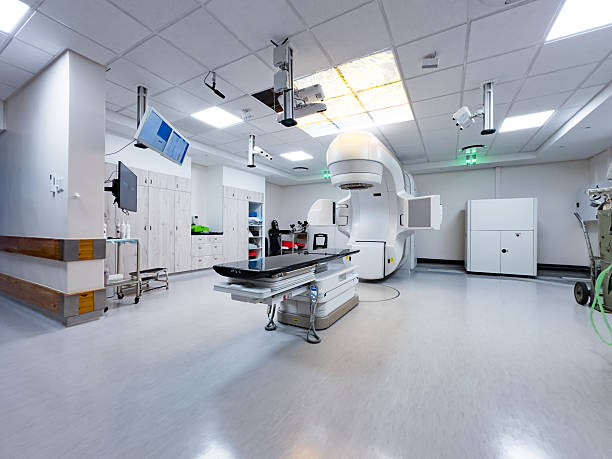
Healthcare Facility Renovations and Electrical Upgrades
Healthcare facilities often need updates. New equipment, changing codes, and growing demand all play a role. Still, upgrades must happen without affecting patient care.
That makes electrical work more complex. It requires careful planning, clear communication, and the right team.
Working in Occupied Facilities
Most healthcare buildings stay open during renovations. Patients and staff are still inside. So, work must be done in a safe and controlled way.
This often includes:
- Phased work to limit disruption
- Isolated work zones
- Strict safety and cleanliness standards
Contractors must plan each step. The goal is to complete the work without affecting daily operations.
Code Compliance During Upgrades
Older systems may not meet current standards. During renovations, these systems often need updates.
This can include:
- Replacing outdated wiring
- Upgrading panels and circuits
- Bringing systems up to current codes
Meeting code is not just about rules. It helps improve safety and system performance.
Minimizing Downtime
Downtime is a major concern in healthcare. Even short interruptions can affect patient care.
To reduce this risk, teams use:
- Temporary power solutions
- After-hours work schedules
- Careful system switching plans
Every step is planned to keep power flowing. This ensures that critical areas stay active at all times.
Energy Efficiency and Smart Electrical Solutions in Healthcare
Healthcare facilities use a lot of power every day. Lights, equipment, and HVAC systems all run for long hours. Because of this, energy costs can add up fast.
At the same time, facilities cannot risk cutting corners. Any upgrade must support safety and performance. That’s where smart electrical solutions help.
LED Lighting Upgrades
Lighting is one of the easiest ways to improve efficiency. Many older buildings still use outdated fixtures.
Switching to LED lighting offers:
- Lower energy use
- Longer lifespan
- Better light quality
LED lights also produce less heat. This helps reduce the load on cooling systems.
Smart Building Systems
Smart systems give better control over power use. They adjust lighting, temperature, and equipment based on real needs.
These systems can:
- Turn off unused lighting
- Adjust HVAC settings automatically
- Track energy use in real time
This helps reduce waste while keeping the environment comfortable.
Power Quality Solutions
Clean and stable power is important for medical equipment. Poor power quality can damage devices or affect performance.
Facilities often use:
- Surge protection systems
- Voltage regulators
- Power conditioning equipment
These solutions protect sensitive equipment and improve system reliability.
Choosing the Right Electrical Contractor for Healthcare Facilities in Florida
Not every electrician is the right fit for healthcare work. These projects need more skill, more planning, and a strong understanding of safety rules.
Choosing the right contractor can make a big difference. It helps prevent delays, reduces risk, and keeps your facility compliant.

Experience in Healthcare Projects
Healthcare electrical work is not the same as standard commercial jobs. It involves stricter codes and more complex systems.
A qualified contractor should:
- Have experience with hospitals or medical facilities
- Understand critical power systems
- Know how to work in active environments
This experience helps avoid mistakes and keeps projects on track.
Licensing and Certifications
Proper licensing is a must. It shows that the contractor meets state requirements and follows industry standards.
You should look for:
- Valid Florida electrical licenses
- Knowledge of NEC and healthcare codes
- Compliance with local regulations
This ensures the work is safe and approved during inspections.
24/7 Availability
Electrical issues can happen at any time. In healthcare, delays are not acceptable.
A reliable contractor should offer:
- Emergency services
- Fast response times
- Support outside regular hours
Quick action helps reduce downtime and protect patient care.
Safety and Compliance Expertise
Safety is the top priority in healthcare settings. Contractors must follow strict guidelines at every step.
They should:
- Follow all safety protocols
- Understand infection control measures
- Plan work to reduce risk
This level of care helps protect both patients and staff.
Why Healthcare Facilities Across Florida Trust Hylton Electric
Healthcare facilities need more than basic electrical service. They need a partner they can rely on every day. From small clinics to large hospitals, the goal is always the same—safe and steady power.
Hylton Electric works with this mindset. The focus stays on quality work, fast response, and long-term reliability.
Specialized Healthcare Expertise
Healthcare projects require a deeper level of knowledge. Systems are more complex, and the risks are higher.
Our team understands:
- Critical care environments
- Backup power systems
- Healthcare-specific requirements
This experience helps ensure each project is done right the first time.
Code-Compliant Workmanship
Every job must meet strict codes. This is not optional in healthcare settings.
We follow:
- National electrical standards
- Healthcare safety requirements
- Local Florida regulations
This keeps your facility compliant and ready for inspections.
Fast Response Times
Electrical problems cannot wait in healthcare. Quick action is essential.
We provide:
- Prompt service calls
- Emergency support
- Efficient troubleshooting
This helps restore power quickly and reduce downtime.
Tailored Electrical Solutions
Every facility is different. A one-size approach does not work in healthcare.
We offer:
- Custom system designs
- Scalable solutions for growth
- Upgrades based on your needs
This ensures your electrical system supports both current operations and future plans.
Common Electrical Issues in Healthcare Facilities (and How to Prevent Them)
Even well-designed systems can face problems over time. In healthcare, these issues can affect both operations and patient care. The key is to spot them early and take action before they grow.
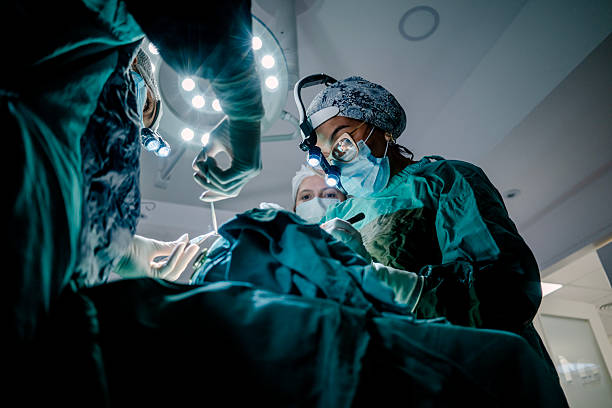
Regular checks and proper planning can prevent most of these issues.
Power Interruptions
Power interruptions are one of the most serious problems. They can happen due to aging systems, storms, or overloads.
Common causes include:
- Old wiring or outdated panels
- External power supply issues
- Lack of backup support
To prevent this:
- Upgrade aging infrastructure
- Install reliable backup systems
- Schedule regular inspections
A strong system reduces the risk of unexpected outages.
Overloaded Circuits
Healthcare facilities often add new equipment over time. This can put extra load on existing circuits.
Signs of overload include:
- Frequent breaker trips
- Overheating panels
- Flickering lights
Prevention steps:
- Balance electrical loads properly
- Add new circuits when needed
- Review system capacity regularly
This helps keep the system stable and safe.
Generator Failures
Backup generators are critical, but they can fail if not maintained. This often happens when systems are not tested regularly.
Common issues include:
- Battery failure
- Fuel system problems
- Lack of routine testing
To prevent generator failure:
- Perform scheduled maintenance
- Test systems under load
- Inspect fuel and electrical connections
A well-maintained generator ensures power is available when needed most.
Future Trends in Healthcare Electrical Systems
Healthcare facilities are changing fast. New technology and higher demand are shaping how electrical systems are designed and used.
At the same time, the focus remains the same—safe, reliable, and efficient power.
Renewable Energy Integration
Many facilities are exploring renewable energy. Solar power is one of the most common options.
Benefits include:
- Lower energy costs over time
- Reduced reliance on the grid
- Extra backup during outages
In some cases, solar systems work alongside generators. This adds another layer of support.
Advanced Monitoring Systems
Modern electrical systems now include real-time monitoring. This helps track performance and detect issues early.
These systems can:
- Monitor energy usage
- Send alerts for faults
- Help plan maintenance
With better data, facilities can fix problems before they cause downtime.
Increased Automation
Automation is becoming more common in healthcare buildings. It helps control systems with less manual effort.
Examples include:
- Automated lighting controls
- Smart HVAC systems
- Load management tools
These systems improve efficiency while keeping conditions stable.
Conclusion – Ensuring Safe and Reliable Power for Healthcare Facilities
Reliable power is essential in every healthcare setting. From life-saving equipment to daily operations, everything depends on a strong electrical system.
Facilities must follow strict codes, maintain their systems, and plan for emergencies. At the same time, they need a trusted partner who understands these demands.
Hylton Electric provides electrical services designed for healthcare environments. With a focus on safety, compliance, and fast response, we help facilities stay operational at all times.
If your facility needs upgrades, maintenance, or emergency support, our team is ready to help.
Need reliable power for your healthcare facility? Let’s make it simple. Call us at +1 863-624-7000 or email ray@hylton-electric.com. We’re here to keep your systems safe, compliant, and running without interruption.
FAQs About Electrical Services for Healthcare Facilities in Florida
What electrical codes must healthcare facilities follow in Florida?
Healthcare facilities in Florida must follow both national and state regulations. The most important are the National Electrical Code (NEC) and NFPA 99, which focus on safety and system reliability. In addition, the Florida Building Code (FBC) and local authority requirements apply.
Key points include:
-
NEC Article 517 for healthcare spaces
-
NFPA 99 for risk-based safety standards
-
Florida-specific inspection and licensing rules
These codes ensure electrical systems support patient care without risk. They also help facilities pass inspections and avoid penalties. Staying compliant is not optional—it is part of maintaining a safe healthcare environment.
How often should electrical systems in healthcare facilities be inspected?
Electrical systems should be inspected at least once a year. However, high-risk areas may need more frequent checks.
Regular inspections help:
-
Identify wear and tear early
-
Prevent unexpected failures
-
Maintain compliance with codes
Facilities with older systems or heavy equipment loads may require quarterly reviews. Backup systems, such as generators, also need routine testing. A proactive inspection schedule improves reliability. It also reduces downtime and protects patient safety.
What is an essential electrical system (EES) in healthcare?
An essential electrical system (EES) is a backup power structure designed to keep critical operations running during outages.
It includes three main parts:
-
Life safety branch
-
Critical branch
-
Equipment branch
Each branch supports different systems, from emergency lighting to medical devices.
EES systems activate quickly when power fails. This ensures patient care continues without interruption. Proper design and maintenance of EES are required by code and are vital for healthcare operations.
Are backup generators required for healthcare facilities in Florida?
Yes, most healthcare facilities must have backup generators. This is especially true for hospitals, surgical centers, and nursing homes.
Generators support:
-
Life-saving equipment
-
Emergency lighting
-
HVAC and essential systems
Florida regulations also require generators to handle storm-related outages. Facilities must test them regularly to ensure reliability. Without backup power, patient safety can be at risk. That’s why generators are considered a core part of healthcare electrical systems.
Can electrical work be performed while a healthcare facility is open?
Yes, but it must be done carefully. Most healthcare facilities operate 24/7, so shutting down is not an option.
To manage this, contractors use:
-
Phased work schedules
-
Temporary power systems
-
Night or off-hour work
Safety is the top priority. Work areas are isolated to protect patients and staff. With proper planning, electrical upgrades and repairs can be completed without disrupting care.
What makes healthcare electrical systems different from commercial systems?
Healthcare electrical systems are more complex and heavily regulated. They must support critical equipment and operate without interruption.
Key differences include:
-
Backup power requirements
-
Higher safety standards
-
Specialized system design
Unlike standard buildings, healthcare facilities cannot afford downtime. Systems must be reliable and tested regularly. This is why specialized contractors are needed for healthcare projects.
Why is preventive electrical maintenance important in healthcare facilities?
Preventive maintenance helps avoid unexpected failures. It keeps systems running smoothly and extends their lifespan.
Benefits include:
-
Early detection of issues
-
Reduced repair costs
-
Improved system performance
Maintenance tasks often include inspections, testing, and cleaning of components. In healthcare, this is critical. A small issue can quickly become a major risk if ignored.
What are common electrical problems in healthcare facilities?
Healthcare facilities often face issues due to heavy usage and aging systems.
Common problems include:
-
Power interruptions
-
Overloaded circuits
-
Generator failures
These issues can affect patient care and daily operations. Regular maintenance and timely upgrades help prevent these problems. Working with experienced contractors also reduces risk.
How do backup generators work in healthcare facilities?
Backup generators provide power when the main supply fails. They start automatically using transfer switches.
The process includes:
-
Detecting power loss
-
Switching to generator power
-
Supplying critical systems
Generators must be sized correctly and tested often. This ensures they can handle the load during emergencies and keep essential services running.
What is the role of automatic transfer switches (ATS)?
Automatic transfer switches (ATS) play a key role in backup power systems. They switch power sources without manual input.
They:
-
Detect outages instantly
-
Shift the load to the generator
-
Restore normal power when available
ATS systems reduce downtime and ensure smooth transitions. In healthcare, this quick response is critical for patient safety.
How can healthcare facilities improve energy efficiency?
Energy efficiency helps reduce costs while maintaining performance.
Facilities can improve efficiency by:
-
Upgrading to LED lighting
-
Using smart control systems
-
Monitoring energy usage
These changes lower power consumption without affecting care. Efficient systems also reduce strain on the electrical infrastructure.
What is power quality, and why does it matter in healthcare?
Power quality refers to how stable and clean the electrical supply is.
Poor power quality can cause:
-
Equipment damage
-
System errors
-
Downtime
Solutions include:
-
Surge protection
-
Voltage regulation
-
Power conditioning
Maintaining good power quality ensures equipment works properly and safely.
What should healthcare facilities look for in an electrical contractor?
Choosing the right contractor is important for safety and compliance.
Look for:
-
Healthcare project experience
-
Proper licensing
-
Knowledge of codes
Also, ensure they offer emergency services. A qualified contractor helps maintain reliable systems and avoids costly mistakes.
How do electrical upgrades improve healthcare facility performance?
Upgrades help systems handle modern demands. They also improve safety and efficiency.
Benefits include:
-
Better system reliability
-
Support for new equipment
-
Compliance with current codes
Upgrading outdated systems reduces the risk of failure. It also prepares the facility for future growth.
What is load balancing in healthcare electrical systems?
Load balancing ensures power is evenly distributed across circuits.
This helps:
-
Prevent overloads
-
Improve system efficiency
-
Reduce wear on components
Without proper balancing, circuits can overheat or fail. Regular reviews help maintain a stable system.
Why is surge protection important in healthcare facilities?
Surge protection prevents damage from voltage spikes.
These spikes can come from:
-
Lightning strikes
-
Power grid issues
-
Internal system faults
Protection systems help:
-
Safeguard equipment
-
Reduce repair costs
-
Maintain system stability
This is especially important for sensitive medical devices.
How are electrical systems designed for healthcare facilities?
Design starts with understanding the facility’s needs. Engineers plan systems based on load, safety, and future growth.
The process includes:
-
Load calculations
-
System layout planning
-
Code compliance checks
Good design ensures systems are reliable and scalable. It also reduces the need for frequent upgrades.
What are the risks of outdated electrical systems in healthcare?
Outdated systems can create serious problems. They may not meet current safety standards or handle modern loads.
Risks include:
-
Frequent outages
-
Equipment damage
-
Safety hazards
Upgrading old systems improves performance and reduces risk. It also ensures compliance with current codes.
How do healthcare facilities prepare for power outages?
Preparation is key to handling outages safely.
Facilities use:
-
Backup generators
-
Emergency power systems
-
Regular testing plans
They also train staff for emergency situations. Proper planning ensures patient care continues without disruption.
What role does regular testing play in electrical safety?
Testing ensures systems work as expected. It helps identify hidden issues before they cause problems.
Testing includes:
-
Generator load tests
-
System inspections
-
Safety checks
Regular testing improves reliability and compliance. In healthcare, it is a critical part of maintaining safe operations.
Leave a Reply