Power outages are no longer rare disruptions—they are predictable business risks. From extreme weather events to aging grid infrastructure, the reality in 2026 is simple: if your business depends on electricity (and almost all do), then you need a reliable backup power strategy.
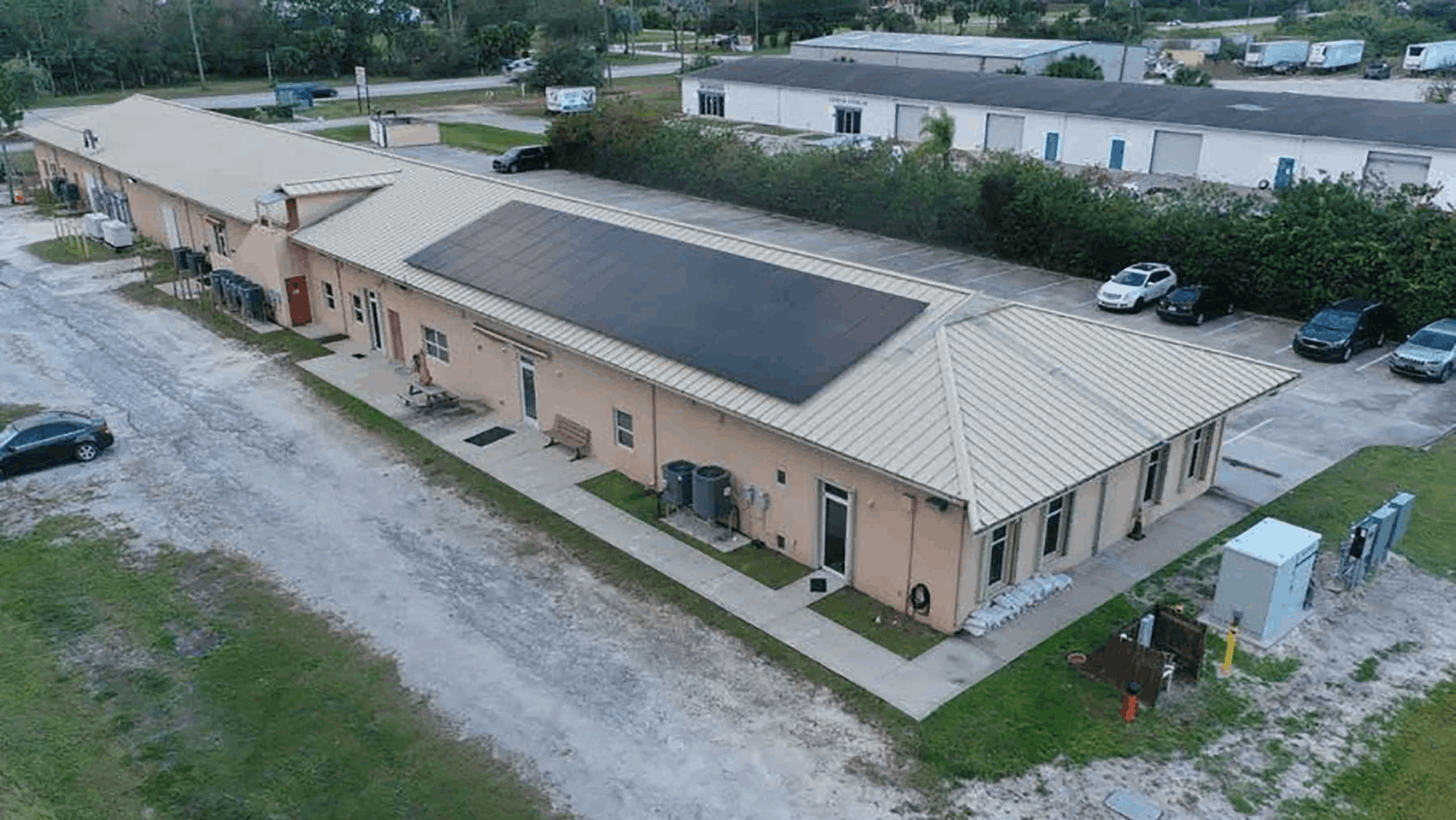
A recent project led by Direct Relief highlights exactly why. In Florida, a healthcare facility installed a solar-powered microgrid with battery storage to maintain operations during outages. The system can keep critical services running for up to 19 hours, ensuring that patient care continues even when the grid fails.
This is not just a healthcare story—it’s a warning sign for every business owner.
The Cost of Doing Nothing Is Rising
For years, many businesses treated power outages as temporary inconveniences. That mindset is outdated. According to the same report, outages can cost facilities tens of thousands of dollars per day due to:
-
Lost revenue
-
Operational downtime
-
Damaged inventory
-
Interrupted customer service
For healthcare providers, the consequences are even more severe—spoiled vaccines, canceled appointments, and compromised patient care. But the core issue applies across industries: when the power goes out, business stops.
In 2026, downtime is no longer acceptable. Customers expect continuity, and competitors who invest in resilience will outperform those who do not.
Backup Power Is Now a Competitive Advantage
What used to be considered a “nice-to-have” is quickly becoming a business essential.
Companies that invest in backup power systems gain:
-
Operational continuity during outages
-
Customer trust by staying open when others cannot
-
Financial protection from unexpected shutdowns
The Florida microgrid project demonstrates this clearly. By combining solar energy with battery storage, the facility not only protects itself from outages but also reduces long-term energy costs. This dual benefit—resilience + savings—is driving adoption across industries.
The Shift Toward Smarter Power Solutions
Backup power is no longer limited to diesel generators. Businesses now have access to more advanced and flexible solutions, including:
1. Battery Storage Systems
Store energy and automatically supply power during outages.
2. Solar + Battery Microgrids
Generate and store electricity on-site for maximum independence.
3. Hybrid Systems
Combine generators with batteries for layered reliability.
These systems are not just for large organizations anymore. Small and mid-sized businesses are increasingly adopting them as costs decrease and technology improves.
Outages Are Becoming More Frequent—and More Expensive
The urgency behind backup power is growing due to:
-
Increasingly severe weather events
-
Strain on aging electrical infrastructure
-
Higher reliance on digital systems and connectivity
The Florida case study revealed that many facilities previously had no backup power at all, leaving them completely vulnerable. That level of risk is no longer sustainable in today’s environment.
What This Means for Your Business
If your operations depend on:
-
Refrigeration
-
Internet and communications
-
Machinery or equipment
-
Customer-facing services
…then a power outage is not just an inconvenience—it is a direct threat to your revenue. The question is no longer if you should invest in backup power, but how soon.
Final Thoughts
The businesses that succeed in 2026 will be the ones that plan for disruption instead of reacting to it.
The Florida microgrid project is a clear example of where the industry is heading: resilient, self-sufficient, and cost-efficient power systems. What was once an advanced solution is quickly becoming the standard.
Backup power is no longer optional. It is infrastructure. And for businesses that want to stay competitive, protect their operations, and serve their customers without interruption, the decision is straightforward: prepare now—or pay later.
Leave a Reply