
Running a retail store today is not just about products and pricing. The space itself plays a major role in how customers feel, shop, and spend. Lighting, power reliability, and system safety all depend on one thing—your electrical setup.
In many Lakeland retail spaces, electrical systems are outdated or stretched beyond their limits. Older wiring, inefficient lighting, and overloaded panels can affect daily operations. They can also increase energy costs and safety risks.
That’s where a proper retail electrical renovation comes in. It helps modernize your store, improve efficiency, and support new technologies like digital displays and POS systems. More importantly, it ensures your business meets current Florida codes and local utility standards.
In this guide, we’ll walk through what retail electrical renovation involves, why it matters in Lakeland, and what you should expect before starting a project. If you’re planning an upgrade or dealing with electrical issues, this will give you a clear starting point.
Table of Contents
ToggleWhat Is Retail Store Electrical Renovation?
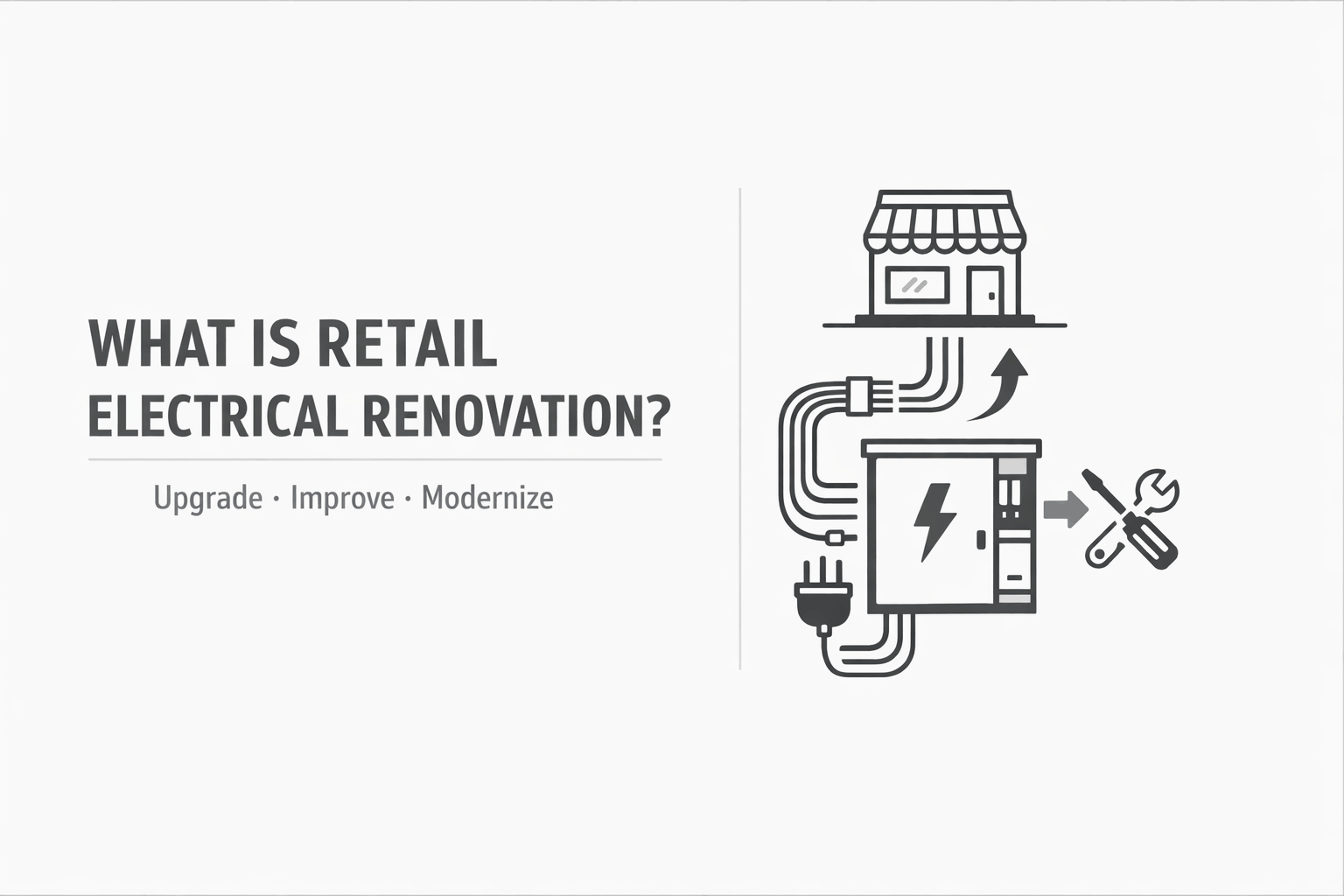
Retail store electrical renovation means upgrading or modifying the electrical system inside an existing store. The goal is to improve performance, safety, and efficiency without starting from scratch.
Unlike new construction, you are working with an existing setup. That means the process often involves adjusting old wiring, upgrading panels, and redesigning lighting to match modern retail needs.
This type of work is common when stores are being remodeled, rebranded, or prepared for new tenants.
What’s Included in an Electrical Renovation?
A retail electrical upgrade can cover several areas, depending on the condition of the space and business goals.
Common components include:
-
Replacing or upgrading old wiring
-
Installing energy-efficient LED lighting
-
Redesigning lighting layouts for better product visibility
-
Upgrading electrical panels and breakers
-
Adding circuits for new equipment
-
Setting up power for POS systems and digital screens
-
Integrating security systems like cameras and alarms
-
Supporting HVAC electrical connections
Each project is different. A small boutique may only need lighting upgrades, while a larger retail space may require a full system overhaul.
Renovation vs New Electrical Installation
It’s important to understand the difference between renovation and new installation.
-
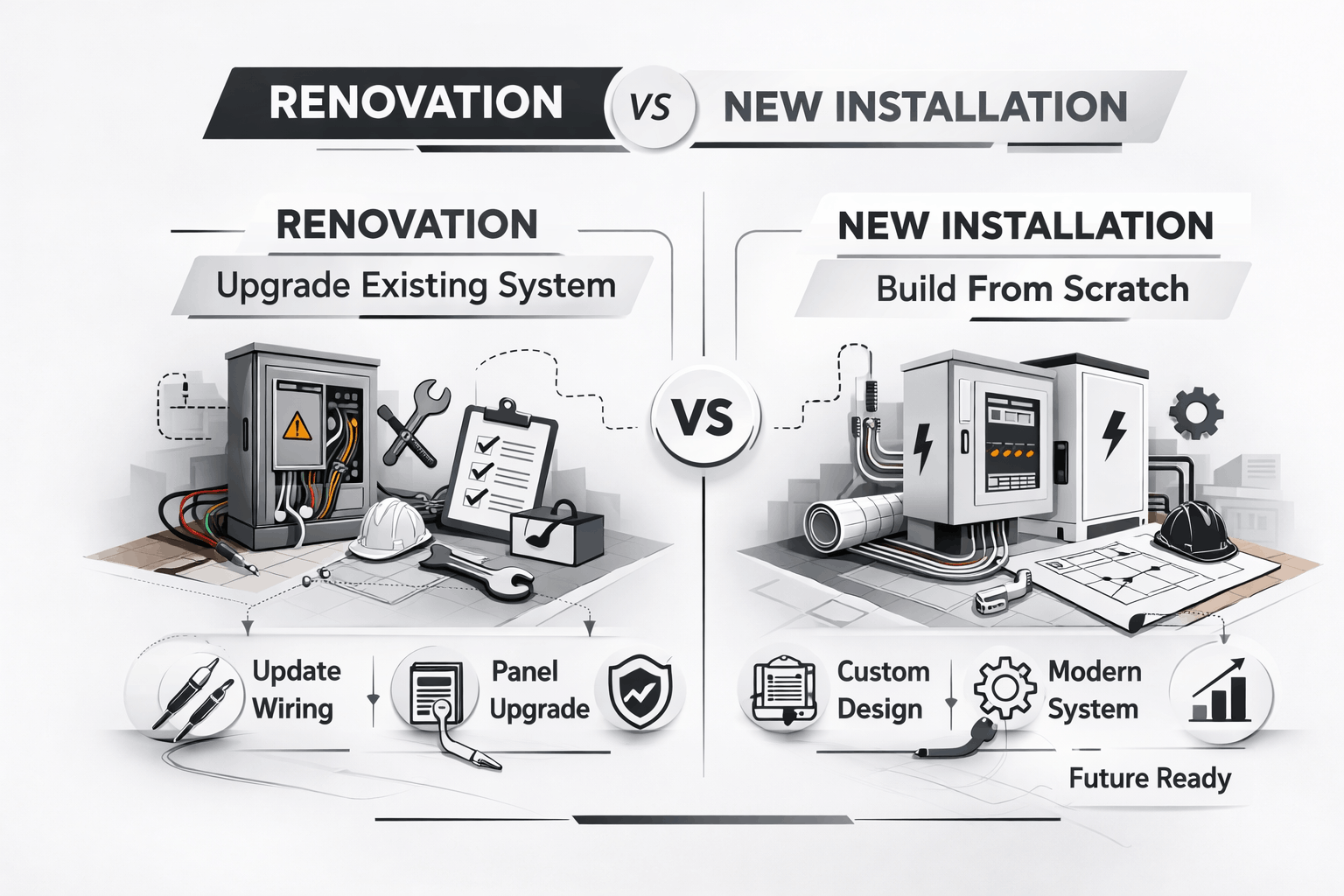
Electrical renovation works with an existing system. It improves or replaces parts of what’s already there.
-
New installation starts from zero, usually in newly constructed buildings.
Renovation projects are often more complex. Electricians must deal with hidden wiring, limited space, and older infrastructure. Planning becomes more critical because changes must fit within the existing structure.
Why Retail Stores in Lakeland Need Electrical Renovation
Retail businesses in Lakeland face a mix of older buildings and modern expectations. Many commercial spaces were built years ago, long before today’s electrical demands.
As a result, electrical renovation is not just an upgrade—it’s often a necessity.
Common Triggers for Renovation
Several signs indicate it’s time to upgrade your store’s electrical system:
-
Frequent breaker trips or power interruptions
-
Flickering or uneven lighting
-
Outdated panels that cannot handle new equipment
-
Expansion of store layout or product lines
-
Switching to energy-efficient systems
-
Moving into an older leased retail space
-
Failing inspections or code compliance issues
Even if your system still works, it may not be efficient or safe by today’s standards.
Benefits for Retail Businesses
Upgrading your electrical system brings both short-term and long-term benefits.
Here’s what most store owners notice:
-
Better customer experience
Clean, well-designed lighting makes products look more appealing. It also creates a more comfortable shopping environment. -
Lower energy costs
LED lighting and modern systems use less power. Over time, this leads to noticeable savings. -
Improved safety
Updated wiring and panels reduce the risk of electrical fires and system failures. -
Support for modern equipment
New systems handle POS machines, displays, and smart devices without overload. -
Increased property value
A renovated electrical system makes the space more attractive to future tenants or buyers.
In a competitive retail market like Lakeland, small improvements in lighting and reliability can directly impact sales and customer retention.
Lakeland Electrical Codes & Compliance Requirements
Electrical work in Lakeland is not something you can approach casually. Every renovation must meet local and state regulations. These rules are in place to protect both the business and the public.
Ignoring them can lead to fines, delays, or even forced shutdowns.
Florida Building Code & NEC
All electrical renovations in Lakeland follow the Florida Building Code. This code is based on the National Electrical Code (NEC), which sets safety standards across the United States.
These codes cover:
-
Proper wiring methods
-
Load calculations
-
Grounding and bonding
-
Panel installations
-
Safety clearances
Any licensed commercial electrician in Lakeland must follow these guidelines during installation and upgrades.
Lakeland Utility & Service Requirements
In addition to state codes, Lakeland Electric has its own service requirements. These rules ensure that your system connects safely to the local power grid.
They may include:
-
Meter placement and accessibility
-
Service entrance specifications
-
Load capacity limits
-
Equipment approval standards
If your system does not meet these requirements, the utility company may delay or deny service connection.
Permits & Inspections in Lakeland
Most retail electrical renovations require permits before work begins. This applies to upgrades like panel changes, rewiring, and major lighting modifications.
The typical process looks like this:
-
Submit electrical plans to the local authority
-
Obtain permit approval
-
Begin installation with a licensed electrician
-
Schedule inspections during and after the work
-
Receive final approval before full operation
Skipping permits may seem faster, but it often leads to costly corrections later. It can also create problems when selling or leasing the property.
For retail store owners, staying compliant is not just about rules. It ensures your business runs safely, avoids interruptions, and meets professional standards.
Step-by-Step Retail Electrical Renovation Process
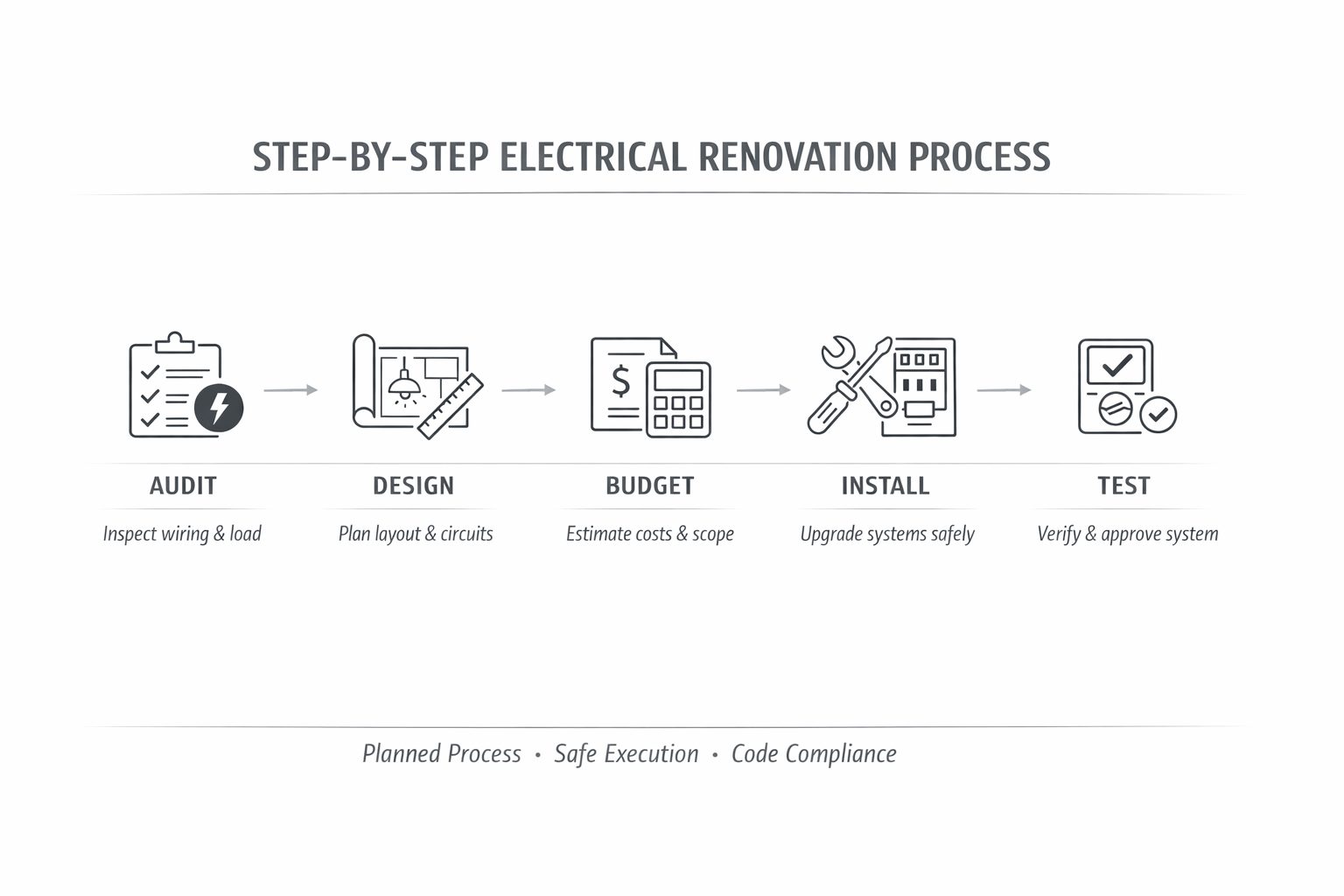
A retail electrical renovation works best when it follows a clear plan. Skipping steps or rushing decisions often leads to delays, added costs, or rework later.
Here’s how a typical commercial electrical renovation in Lakeland moves from start to finish.
1. Electrical Audit & Load Assessment
The first step is understanding your current system. A licensed electrician inspects the existing wiring, panels, and overall capacity.
This stage focuses on:
-
Checking the condition of wiring and circuits
-
Identifying safety risks or code violations
-
Measuring current electrical load
-
Determining if the system can handle new equipment
This step helps avoid surprises later. It also sets the foundation for proper design.
2. Design & Planning
Once the audit is complete, the next step is planning the new system. This is where functionality and layout come together.
The design phase usually includes:
-
Lighting layout based on store design
-
Circuit planning for different zones
-
Load calculations for equipment and systems
-
Placement of outlets, panels, and switches
-
Planning for future expansion
A good design ensures your store runs smoothly and avoids overload issues.
3. Budgeting & Cost Estimation
After planning, you’ll get a clear estimate of costs. This helps you decide the scope of work and prioritize upgrades if needed.
Typical cost considerations include:
-
Materials (wires, panels, fixtures)
-
Labor costs
-
Permit fees
-
Equipment installation
-
Contingency for unexpected issues
In Lakeland, labor rates and project size will influence the final budget. It’s always wise to leave some room for adjustments.
4. Installation & Upgrades
This is the execution phase. Electricians carry out the planned upgrades while following safety and code requirements.
Work may include:
-
Rewiring sections of the store
-
Installing new panels or upgrading existing ones
-
Adding circuits for equipment
-
Setting up lighting systems
-
Integrating POS and security systems
Many retail projects are done in phases or after business hours to reduce disruption.
5. Testing & Final Inspection
Once installation is complete, the system must be tested before full use.
This step includes:
-
Verifying load balance and system performance
-
Testing lighting and equipment connections
-
Ensuring all components meet code requirements
-
Passing final inspection by local authorities
Only after approval can the system operate fully. This step ensures everything is safe and reliable.
Retail Electrical Design Considerations (Critical Section)
Electrical design is not just about power—it directly affects how your store looks and functions. A well-designed system supports both operations and customer experience.
Lighting Design for Retail Success
Lighting is one of the most important elements in a retail space. It influences how customers see products and move through the store.
Most retail lighting plans include:
-
Ambient lighting for overall visibility
-
Accent lighting to highlight products or displays
-
Task lighting for checkout counters or work areas
Good lighting creates contrast and focus. It can make products stand out and improve the overall shopping experience.
Power Requirements for Retail Equipment
Modern retail stores rely on multiple electrical systems working at the same time.
These often include:
-
POS systems and checkout counters
-
Refrigeration units (for grocery or food retail)
-
Digital signage and display screens
-
Security systems and alarms
-
Wi-Fi routers and networking equipment
Each system requires proper circuit planning. Overloading a single circuit can lead to failures and downtime.
Energy Efficiency Strategies
Energy efficiency is now a key part of any electrical renovation. It reduces operating costs and supports long-term sustainability.
Common strategies include:
-
Switching to LED lighting
-
Installing motion sensors in low-traffic areas
-
Using dimmers and smart lighting controls
-
Upgrading to energy-efficient electrical components
These upgrades may cost more upfront, but they often pay for themselves through lower utility bills.
Cost of Retail Electrical Renovation in Lakeland
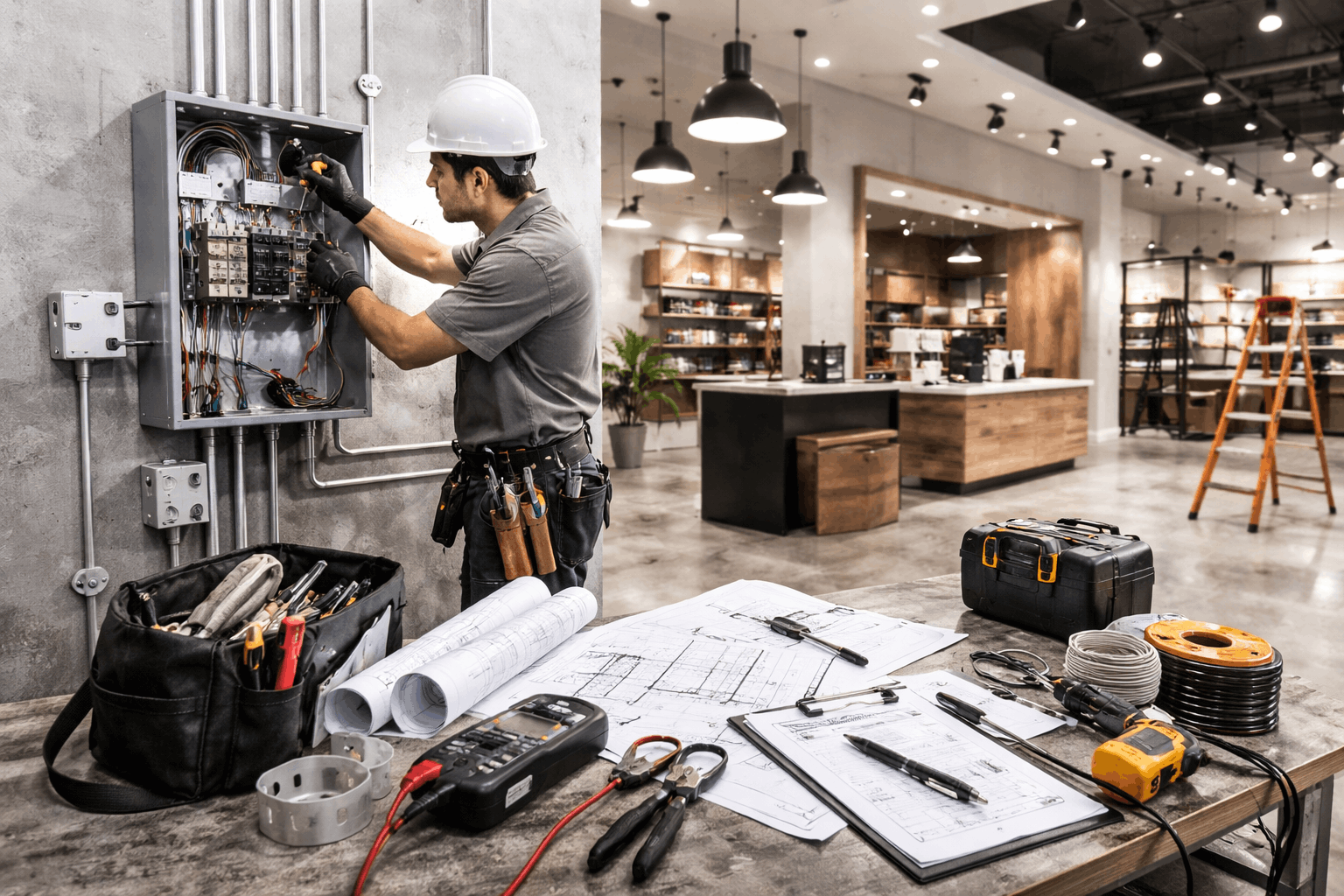
The cost of renovating a retail store’s electrical system can vary widely. It depends on the size of the space, the condition of the existing system, and the level of upgrades required.
Average Electrical Renovation Costs
For most retail stores in Lakeland, electrical renovation costs fall within a broad range.
Typical estimates:
-
Small upgrades: $10,000 – $25,000
-
Mid-size renovations: $25,000 – $60,000
-
Large or complex projects: $60,000 – $100,000+
These numbers can change based on materials, labor, and project complexity.
Cost Per Square Foot for Retail Renovation
Many contractors estimate costs based on square footage.
On average:
-
Electrical renovation: $50–$60 per square foot
This includes wiring, lighting, and system upgrades. High-end retail spaces may exceed this range due to design requirements.
Key Cost Factors
Several factors influence the total cost of your project:
-
Size of the store
-
Age and condition of the existing system
-
Type of lighting and fixtures
-
Panel upgrades or replacements
-
Code compliance work
-
Labor rates in Lakeland
Unexpected issues, such as hidden wiring damage, can also affect the budget.
Cost Breakdown Example
A typical retail electrical renovation budget may look like this:
-
Lighting systems: 15–30%
-
Wiring and panels: 30–40%
-
Labor: 20–30%
-
Permits and inspections: 5–10%
Understanding this breakdown helps you plan better and avoid overspending.
Common Electrical Upgrades for Retail Stores
When renovating a retail space, certain electrical upgrades deliver the most value. These improvements focus on efficiency, safety, and better day-to-day operations.
LED Lighting Retrofits
Lighting upgrades are often the first step in retail renovation. Many older stores still use outdated fixtures that consume more energy and produce uneven light.
Switching to LED lighting offers clear advantages:
-
Lower energy consumption
-
Longer lifespan (less maintenance)
-
Brighter and more consistent lighting
-
Better product visibility
LED lighting also allows more control over brightness and color tone, which helps create a more appealing shopping environment.
Electrical Panel Upgrades
Older electrical panels often cannot handle modern retail demands. As stores add more equipment, the risk of overload increases.
Upgrading the panel helps:
-
Support higher electrical loads
-
Improve system reliability
-
Reduce breaker trips
-
Meet current safety codes
This upgrade is especially important for stores adding refrigeration, display systems, or heavy equipment.
Smart Systems Integration
Retail stores are becoming more technology-driven. Smart electrical systems help manage energy use and improve efficiency.
Common integrations include:
-
Automated lighting controls
-
Timers and scheduling systems
-
Energy monitoring tools
-
Remote control of electrical systems
These systems give store owners better control and help reduce unnecessary energy use.
Backup Power Systems
Power outages can disrupt sales and damage equipment. Backup systems help keep essential operations running.
Options include:
-
Generators for full or partial backup
-
Battery backup systems for critical equipment
-
Surge protection systems
Even a short outage can impact revenue, so backup solutions are worth considering.
Challenges in Retail Electrical Renovation
Electrical renovation in retail spaces comes with unique challenges. Unlike new construction, you are working within an active business environment.
Working Around Business Hours
Most retail stores cannot afford long closures. This makes scheduling more complex.
Common solutions include:
-
Night-time work
-
Phased installation
-
Weekend upgrades
These approaches help keep the store open while work continues in sections.
Dealing with Old Wiring Systems
Older buildings often have hidden electrical issues. These can slow down the project and increase costs.
Typical problems include:
-
Damaged or worn-out wiring
-
Outdated materials that no longer meet code
-
Poor previous installations
Addressing these issues is necessary to ensure long-term safety and performance.
Code Compliance Upgrades
Bringing an older retail space up to current code can be challenging. Requirements may have changed significantly since the building was first constructed.
This may involve:
-
Replacing outdated panels
-
Adding proper grounding systems
-
Adjusting circuit layouts
While this adds to the cost, it ensures the system is safe and legally compliant.
How to Choose the Right Electrical Contractor in Lakeland
Choosing the right contractor is one of the most important decisions in your renovation project. A skilled electrician ensures the work is safe, efficient, and completed on time.
What to Look For
Not all electricians specialize in commercial or retail work. It’s important to choose someone with the right experience.
Look for:
-
Valid license and insurance in Florida
-
Experience with retail or commercial projects
-
Knowledge of Lakeland codes and utility requirements
-
Strong project management skills
A contractor with local experience will better understand permitting and inspection processes.
Questions to Ask
Before hiring, ask a few key questions to evaluate their expertise:
-
Have you worked on retail electrical renovations before?
-
How do you handle projects in active stores?
-
What is your expected timeline?
-
Do you manage permits and inspections?
-
Can you provide references from similar projects?
Clear answers help you avoid misunderstandings later.
Red Flags to Avoid
Some warning signs can indicate poor quality or unreliable service.
Watch out for:
-
No permit process
-
Vague or unclear pricing
-
Lack of a written agreement
-
No past project examples
-
Extremely low bids compared to others
Choosing the cheapest option often leads to higher costs later due to rework or delays.
Timeline for Retail Electrical Renovation
Every project has a different timeline, but most retail electrical renovations follow a general schedule.
Typical Project Duration
Based on store size and complexity:
-
Small retail stores: 1–3 weeks
-
Medium-sized stores: 3–6 weeks
-
Large retail spaces: 2–3 months
These timelines include planning, installation, and inspections.
Factors Affecting Timeline
Several factors can extend or shorten your project duration:
-
Permit approval time
-
Availability of materials
-
Complexity of the electrical design
-
Condition of existing wiring
-
Coordination with other renovation work
Planning ahead and working with an experienced contractor helps keep the project on track.
Energy Efficiency & ROI of Electrical Renovation
Electrical renovation is not just an expense—it’s an investment. When done correctly, it can improve profitability over time.
How Electrical Upgrades Increase Profit
Better electrical systems can directly impact sales and operations.
For example:
-
Improved lighting makes products more attractive
-
Reliable power reduces downtime
-
Efficient systems lower operating costs
These changes contribute to a better customer experience and smoother business operations.
ROI from LED Lighting
LED lighting is one of the fastest ways to see a return on investment.
Most businesses experience:
-
Energy savings of 40–70%
-
Reduced maintenance costs
-
Payback period of 1–3 years
This makes LED upgrades a practical choice for most retail stores.
Long-Term Savings
Beyond lighting, other electrical upgrades also contribute to savings.
These include:
-
Lower repair and maintenance costs
-
Reduced risk of system failure
-
Improved equipment lifespan
-
Better energy management
Over time, these benefits add up and offset the initial renovation cost.
Retail Electrical Renovation Mistakes to Avoid
Avoiding common mistakes can save time, money, and frustration during your project.
Here are key issues to watch for:
-
Skipping permits to save time
-
Underestimating future power needs
-
Choosing low-quality materials
-
Ignoring energy efficiency options
-
Hiring inexperienced contractors
-
Failing to plan for business continuity
Taking the time to plan properly helps prevent these problems and ensures a smoother renovation process.
Final Thoughts: Planning a Successful Retail Electrical Renovation
A retail electrical renovation is a major step, but it brings long-term benefits when done right. From improved lighting to better system reliability, the impact goes beyond just infrastructure.
For store owners in Lakeland, careful planning is key. Start with a proper assessment, work with experienced professionals, and follow all local codes and permit requirements.
While the upfront cost may seem high, the return comes through lower energy bills, improved safety, and a better customer experience.
If your store is dealing with outdated systems or planning a redesign, now is a good time to consider an upgrade. A well-executed electrical renovation supports your business today and prepares it for future growth.
Let’s Talk About Your Store Upgrade
Planning a retail electrical renovation or dealing with an outdated system? We’re here to help you make it simple and clear.
-
Call: +1 863-624-7000
-
Email: ray@hylton-electric.com
Reach out anytime—even a quick conversation can help you move in the right direction.
FAQs About Retail Store Electrical Renovation Lakeland
What is retail store electrical renovation?
Retail store electrical renovation involves upgrading or modifying an existing electrical system to meet modern business needs. This may include rewiring, lighting upgrades, panel replacements, and adding circuits for new equipment. The goal is to improve safety, efficiency, and functionality without starting from scratch.
-
Supports modern retail technology
-
Improves energy efficiency
-
Ensures compliance with current codes
Why is electrical renovation important for retail stores?
Electrical systems directly affect lighting, equipment performance, and overall store safety. An outdated system can lead to frequent outages, higher energy costs, and poor customer experience.
Upgrading helps:
-
Improve reliability and safety
-
Support modern retail equipment
-
Create a better shopping environment
How do I know if my retail store needs electrical renovation?
There are several signs that indicate your system needs an upgrade:
-
Frequent breaker trips
-
Flickering or dim lighting
-
Outdated electrical panels
-
Trouble running new equipment
If your building is older or you’re remodeling, an inspection is a smart first step.
How much does retail electrical renovation cost in Lakeland?
Costs vary based on store size and project scope. Most retail renovations range from $20,000 to $100,000 or more.
Key cost factors include:
-
Store size and layout
-
Lighting and fixture upgrades
-
Panel and wiring changes
-
Labor and permits
Do I need a permit for electrical renovation in Lakeland?
Yes, most electrical work requires permits and inspections. This ensures the system meets safety and code standards.
Typical process:
-
Submit plans
-
Get approval
-
Complete inspections
Skipping permits can lead to fines and delays.
How long does a retail electrical renovation take?
Project timelines depend on complexity and store size.
-
Small stores: 1–3 weeks
-
Medium stores: 3–6 weeks
-
Large stores: up to 2–3 months
Permits and unexpected issues can affect timing.
Can I keep my store open during renovation?
Yes, in many cases you can stay open. Contractors often plan work to minimize disruption.
Common approaches include:
-
Night or after-hours work
-
Phased installation
-
Section-by-section upgrades
What are the most common electrical upgrades for retail stores?
Retail renovations often focus on key upgrades that improve performance and efficiency.
-
LED lighting installation
-
Panel upgrades
-
Additional circuits
-
Smart controls
-
Backup power systems
How does lighting affect retail sales?
Lighting plays a major role in customer experience. It helps highlight products and creates a welcoming atmosphere.
-
Improves product visibility
-
Enhances store layout
-
Encourages longer browsing
Good lighting can directly impact sales.
What is the benefit of switching to LED lighting?
LED lighting is energy-efficient and long-lasting. It improves both cost savings and lighting quality.
-
Lower energy usage
-
Reduced maintenance
-
Consistent brightness
Many stores recover costs within a few years.
Do I need to upgrade my electrical panel?
If your panel is outdated or overloaded, an upgrade is often necessary.
Signs include:
-
Frequent breaker trips
-
Adding new equipment
-
Expansion of store space
Upgrading ensures safe and reliable operation.
What codes must retail electrical renovations follow?
Retail electrical work must follow the Florida Building Code and the National Electrical Code (NEC).
These standards cover:
-
Wiring methods
-
Load capacity
-
Safety requirements
Compliance is required for inspections and operation.
What factors affect the cost of electrical renovation?
Several elements influence project costs:
-
Size of the store
-
Age of the building
-
System complexity
-
Material and labor costs
Unexpected issues can also increase expenses.
What are the risks of not upgrading an old electrical system?
Old systems can create serious safety and operational risks.
-
Fire hazards
-
Power outages
-
Equipment damage
-
Higher energy bills
Upgrading helps prevent these issues.
Can electrical renovation improve energy efficiency?
Yes, modern systems are designed to reduce energy use.
Upgrades like LED lighting and smart controls:
-
Lower electricity consumption
-
Reduce utility costs
-
Improve overall performance
What should I look for in a commercial electrician?
Choosing the right contractor is critical. Look for:
-
Proper licensing and insurance
-
Retail project experience
-
Knowledge of local codes
-
Clear pricing and communication
What is included in an electrical load calculation?
Load calculation ensures your system can handle all electrical demands safely.
It includes:
-
Lighting needs
-
Equipment usage
-
HVAC systems
-
Future expansion
Do electrical renovations increase property value?
Yes, upgraded electrical systems make properties more valuable and attractive.
-
Easier to lease or sell
-
Lower maintenance concerns
-
Meets modern standards
What is the biggest mistake to avoid in electrical renovation?
One major mistake is underestimating future power needs.
Other mistakes include:
-
Skipping permits
-
Using low-quality materials
-
Hiring inexperienced contractors
Planning ahead helps avoid costly fixes later.
When is the best time to renovate a retail electrical system?
The best time is during a remodel, tenant change, or slower business period.
Benefits include:
-
Less disruption
-
Better coordination with other work
-
More control over budget and timeline
Early planning makes the process smoother.
Leave a Reply