
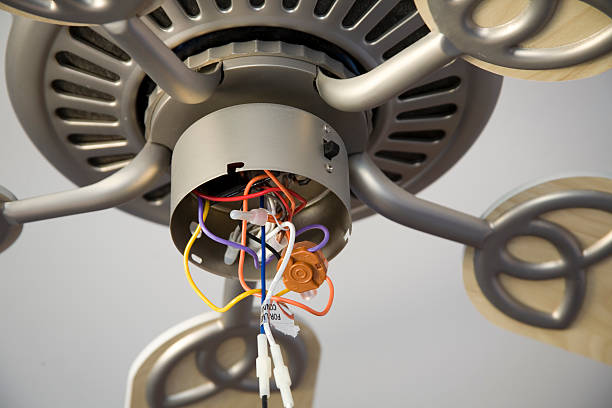
Ceiling fans are part of daily life in Tampa homes. With long summers and high humidity, most households rely on them for comfort and airflow. When a fan stops working or starts making noise, it quickly becomes more than a small inconvenience. It affects comfort, energy use, and even safety.
If you are searching for ceiling fan repair near me in Tampa, Florida, you are likely dealing with a fan that is not performing as it should. This guide explains what causes common problems, what to expect from repairs, and how to handle issues the right way. It is written to help homeowners make informed decisions without confusion.
Why Ceiling Fan Repair Matters in Tampa’s Climate
Tampa’s weather puts constant demand on ceiling fans. High temperatures and humidity mean fans often run for hours every day. Over time, this heavy use leads to wear and tear.
A properly working ceiling fan does more than circulate air. It helps reduce the load on your air conditioning system. When airflow improves, your home feels cooler even at higher thermostat settings. This can lower energy costs over time.
On the other hand, a faulty fan can do the opposite. It may run inefficiently or stop working altogether. In some cases, it can even increase your electricity bill due to motor strain or electrical issues.
Heavy Usage Increases Wear and Tear
Ceiling fans in Tampa homes rarely get a break. Because of this:
-
Motors wear out faster
-
Internal wiring can loosen
-
Dust builds up inside components
Over time, these small issues add up. If ignored, they often lead to more expensive repairs later.
Humidity Affects Electrical Components
Moisture in the air plays a major role in fan damage. Tampa’s humidity can:
-
Corrode internal wiring
-
Affect motor performance
-
Cause connections to weaken
This is especially true for outdoor or patio ceiling fans. Without proper maintenance, these units are more likely to fail.
Energy Efficiency Depends on Fan Performance
A working ceiling fan supports energy efficiency. When it runs smoothly:
-
Air circulates evenly
-
Rooms feel cooler faster
-
AC usage can be reduced
However, a damaged fan may struggle to spin or maintain speed. As a result, your cooling system works harder. This leads to higher utility bills.
Small Issues Can Turn Into Safety Risks
Some fan problems may seem minor at first. For example, a slight wobble or a faint noise. But these signs often point to deeper issues.
If left unchecked, they can lead to:
-
Loose mounting brackets
-
Electrical shorts
-
Risk of the fan falling
This is why timely ceiling fan repair is important, especially in homes with high ceilings or older installations.
Common Ceiling Fan Problems Homeowners Face in Tampa
Ceiling fan issues are often easy to recognize. Many homeowners notice changes in performance before the fan stops working completely. Understanding these problems helps you decide when to repair and when to call a professional.
Ceiling Fan Not Turning On
This is one of the most common problems. When a fan does not start at all, the issue is usually electrical.
Possible causes include:
-
Faulty wall switch
-
Loose or damaged wiring
-
Burnt motor
Sometimes, the problem is simple, such as a tripped breaker. However, if the issue involves wiring, it is safer to have it inspected by a licensed electrician.
Wobbling or Shaking Fan
A wobbling ceiling fan is more than just annoying. It often signals an imbalance or loose components.
Common reasons include:
-
Misaligned blades
-
Loose screws or brackets
-
Improper installation
If ignored, wobbling can damage the motor or mounting system. Over time, it may also create a safety hazard.
Strange Noises (Clicking, Grinding, or Humming)
Noise is usually a sign that something inside the fan is not working correctly.
Different sounds may point to different issues:
-
Clicking: loose parts or blade issues
-
Grinding: motor wear
-
Humming: electrical or capacitor problems
While some noises are minor, others indicate serious internal damage. It is best not to ignore persistent sounds.
Fan Running Slowly or Losing Speed
If your ceiling fan feels weaker than before, it may have a performance issue.
This can happen due to:
-
Failing capacitor
-
Motor problems
-
Electrical supply issues
In many cases, the fan still runs but does not provide enough airflow. This reduces comfort and efficiency.
Ceiling Fan Lights Not Working
Many ceiling fans include built-in lighting. When the lights stop working, the issue could be separate from the fan motor.
Possible causes include:
-
Burnt-out bulbs
-
Faulty light kit
-
Wiring issues
If replacing the bulb does not fix the problem, the issue may be electrical.
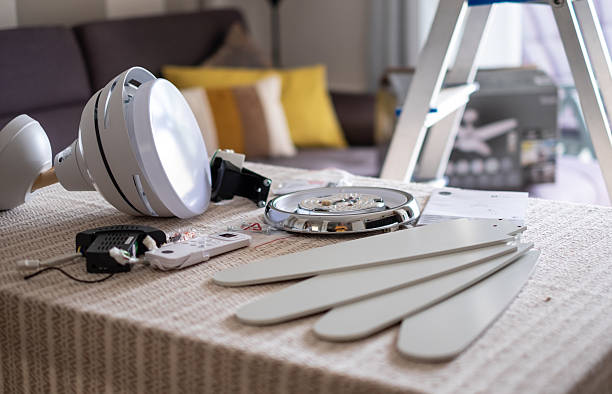
Signs You Need Ceiling Fan Repair Immediately
Some ceiling fan problems develop slowly. Others appear without warning. Knowing the early signs can help you act before the issue becomes more serious or expensive.
Burning Smell or Overheating
A burning smell is never a good sign. It often means:
-
Motor components are overheating
-
Internal wiring is damaged
-
Insulation is starting to melt
If you notice this, turn the fan off right away. Continued use can increase the risk of electrical fire.
Sudden Stoppage During Use
If your ceiling fan stops working suddenly, it may point to:
-
Motor failure
-
Electrical interruption
-
Capacitor burnout
This issue usually requires professional inspection. Restarting the fan repeatedly can worsen the damage.
Excessive Vibration
A slight wobble can happen over time. However, strong vibration is a warning sign.
It may indicate:
-
Loose mounting hardware
-
Imbalanced blades
-
Structural issues in the ceiling box
Ignoring this can lead to the fan loosening from its mount, which creates a safety risk.
Flickering Lights on Fan Fixtures
If your ceiling fan lights flicker, the issue may be electrical.
Common causes include:
-
Loose wiring connections
-
Voltage fluctuations
-
Faulty light kits
This problem should not be ignored, as it can signal deeper electrical instability.
Circuit Breaker Keeps Tripping
When a ceiling fan causes the breaker to trip, it usually means:
-
There is a short circuit
-
The fan is drawing too much power
-
Wiring is faulty or damaged
This is a serious issue. It is best to stop using the fan until it has been inspected.
What Causes Ceiling Fan Damage Over Time
Ceiling fans are built to last, but they are not immune to damage. In Tampa, several factors can shorten their lifespan. Understanding these causes helps you prevent future problems.
Normal Wear and Tear
Every ceiling fan experiences wear over time. With regular use:
-
Motors lose efficiency
-
Bearings begin to wear out
-
Internal parts loosen
Most fans last around 8 to 15 years. After that, repairs may become more frequent.
Electrical Issues
Electrical problems are a common cause of ceiling fan failure.
These include:
-
Loose wiring connections
-
Voltage fluctuations
-
Poor installation practices
Even small wiring issues can affect performance. In some cases, they can also pose safety concerns.
Improper Installation
Installation plays a major role in how long a ceiling fan lasts.
Common mistakes include:
-
Using the wrong ceiling box
-
Poor mounting support
-
Incorrect wiring setup
A poorly installed fan is more likely to wobble, make noise, or fail early.
Environmental Factors in Tampa
Tampa’s climate has a direct impact on ceiling fans.
Key factors include:
-
High humidity causing corrosion
-
Dust buildup from constant airflow
-
Salt air in coastal areas affects metal parts
Outdoor fans are especially vulnerable. Without regular maintenance, they tend to wear out faster than indoor units.
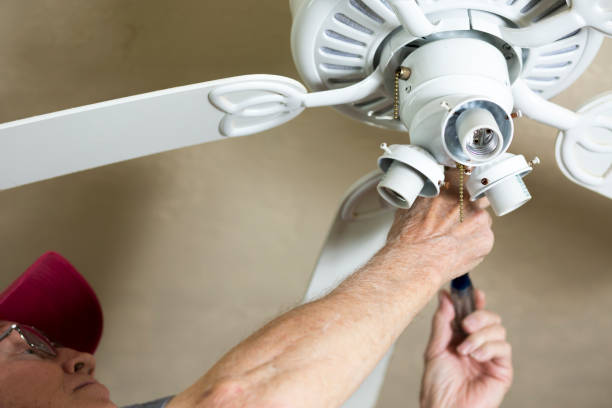
Ceiling Fan Repair Cost in Tampa, Florida (2026 Guide)
Repair costs can vary depending on the problem. However, having a general idea of pricing helps you plan better.
Average Repair Costs
In Tampa, most ceiling fan repairs fall within a moderate price range.
-
Typical cost: $124 – $175
-
Low-end repairs: around $50
-
High-end repairs: up to $300 or more
Simple fixes cost less, while motor or wiring issues are more expensive.
Labor Costs
Labor is a key part of the total cost.
-
Handyman services are usually more affordable
-
Licensed electricians charge more but provide certified work
For electrical repairs, hiring a professional electrician is the safer choice.
Cost by Repair Type
Here is a general breakdown of common repair costs:
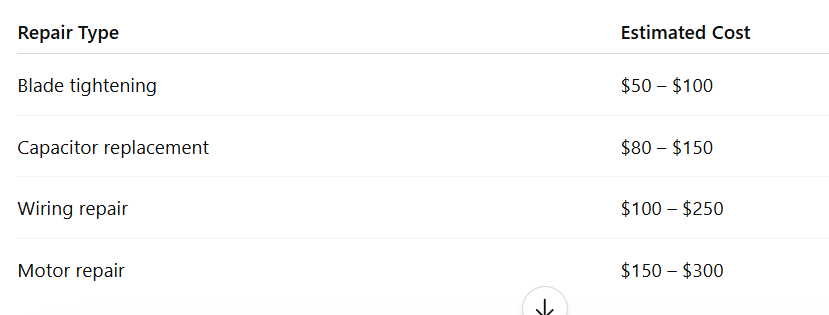
Costs may increase depending on ceiling height and accessibility.
Factors That Affect Pricing
Several factors influence the final repair cost:
-
Ceiling height (higher ceilings require more effort)
-
Type of fan (standard vs smart fan)
-
Complexity of wiring
-
Emergency or same-day service
Getting a clear estimate before work begins helps avoid surprises.
Repair vs Replace – What’s the Better Option?
One of the most common questions homeowners ask is whether to repair or replace a ceiling fan. The answer depends on the condition of the unit and the cost involved.
When Repair Makes Sense
Repair is usually the better option when:
-
The issue is minor
-
The fan is relatively new
-
Replacement parts are affordable
Fixing loose components or replacing a capacitor is often cost-effective.
When Replacement Is the Better Choice
In some cases, replacing the fan is more practical.
Consider replacement if:
-
The motor is burnt out
-
The fan is old or inefficient
-
Repairs are becoming frequent
A new ceiling fan can offer better energy efficiency and improved performance.
Cost Comparison Insight
Motor repairs can be expensive. In many cases, the cost is close to buying a new fan. Because of this, many homeowners choose replacement over major repairs. It often provides better long-term value.
Ceiling Fan Installation vs Repair Costs in Tampa
Many homeowners compare repair and installation costs before making a decision. While repairs are often cheaper upfront, installation may offer better long-term value.
Cost Comparison Between Repair and Installation
Here is a simple comparison to help you understand the difference:
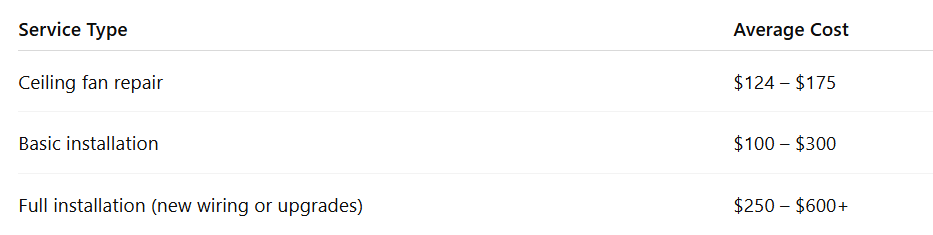
In some cases, installation costs are close to major repair costs. This is especially true when the fan motor needs replacement.
When Installation Becomes More Cost-Effective
Installation may be the better option if:
-
The fan is more than 8–10 years old
-
Repairs are frequent
-
Energy efficiency is poor
-
You want upgraded features like remote control or smart integration
A new fan often runs quieter and uses less electricity.
Long-Term Value Consideration
Repair is a short-term solution. Installation provides long-term reliability.
While repairs fix the immediate issue, a new fan can:
-
Improve airflow
-
Reduce maintenance needs
-
Increase home value
For many Tampa homeowners, this balance matters when making a decision.
DIY Ceiling Fan Repair – What You Can Fix Yourself
Some ceiling fan problems are simple enough to handle without professional help. However, safety should always come first.
Safe DIY Fixes
These are basic fixes most homeowners can manage:
-
Tightening loose screws or blades
-
Cleaning dust from blades and motor housing
-
Replacing light bulbs
-
Resetting the circuit breaker
These small actions can often restore normal function.
Basic Troubleshooting Steps
Before calling a professional, you can check:
-
Wall switch functionality
-
Remote control batteries
-
Power supply from the breaker panel
Sometimes the issue is minor and easy to resolve.
When NOT to Attempt DIY Repairs
Certain repairs involve electrical risk and should be avoided.
Do not attempt DIY if:
-
Wiring needs repair or replacement
-
The fan motor is damaged
-
There is a burning smell or sparking
-
The fan is mounted on a high or unstable ceiling
In these cases, hiring a licensed electrician is the safer choice.
Why Hire a Professional Electrician in Tampa
Professional repair services provide safety, reliability, and long-term performance. While DIY fixes may work for minor issues, complex problems require expertise.
Safety and Code Compliance
Electricians follow local safety standards and building codes. This ensures:
-
Proper wiring connections
-
Secure mounting
-
Reduced risk of electrical hazards
This is especially important in older homes or remodeled spaces.
Faster and Accurate Diagnosis
Professionals can quickly identify the root cause of the problem.
They use:
-
Specialized tools
-
Electrical testing equipment
-
Experience with different fan models
This saves time and prevents repeated issues.
Long-Term Reliability
A professional repair is more likely to last.
Proper work ensures:
-
Balanced fan operation
-
Stable electrical connections
-
Reduced wear on components
This lowers the chances of future breakdowns.
Insurance and Liability Protection
Hiring a licensed electrician protects you from liability.
If something goes wrong:
-
Repairs are often covered by service warranties
-
You avoid personal risk from electrical work
This peace of mind is important for homeowners.
How to Choose the Best Ceiling Fan Repair Service in Tampa
Not all service providers offer the same level of quality. Choosing the right company can make a big difference in results.
Check Licensing and Certification
Always confirm that the electrician is licensed and insured.
This ensures:
-
Work meets safety standards
-
You are protected in case of issues
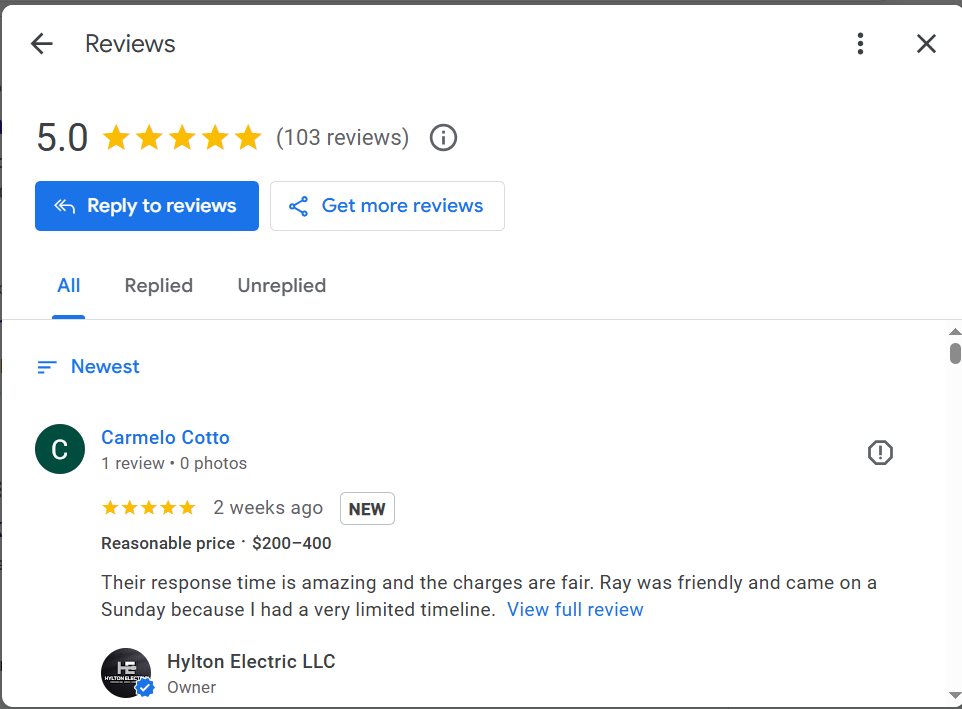
Look at Reviews and Ratings
Customer feedback gives insight into service quality.
Check for:
-
Consistent positive reviews
-
Timely service
-
Professional behavior
Online platforms and local listings can help with this.
Ask About Warranty and Guarantees
A reliable service provider will stand behind their work.
Look for:
-
Service warranties
-
Clear repair guarantees
This shows confidence in their workmanship.
Compare Pricing Transparently
Avoid unclear pricing.
A good company will provide:
-
Detailed estimates
-
Clear breakdown of costs
-
No hidden charges
This helps you make an informed decision.
What to Expect During a Ceiling Fan Repair Service
Understanding the repair process helps set clear expectations.
Initial Inspection
The technician examines the fan and electrical connections. This step identifies visible and hidden issues.
Problem Diagnosis
After inspection, the root cause is determined. This may involve testing wiring, motor function, or switches.
Cost Estimate
You receive a clear estimate before work begins. This includes labor and parts.
Repair Execution
The technician performs the necessary repairs. This may include tightening components, replacing parts, or fixing wiring.
Final Testing
Once repairs are complete, the fan is tested for:
-
Smooth operation
-
Proper speed control
-
Noise reduction
This ensures the issue has been fully resolved.
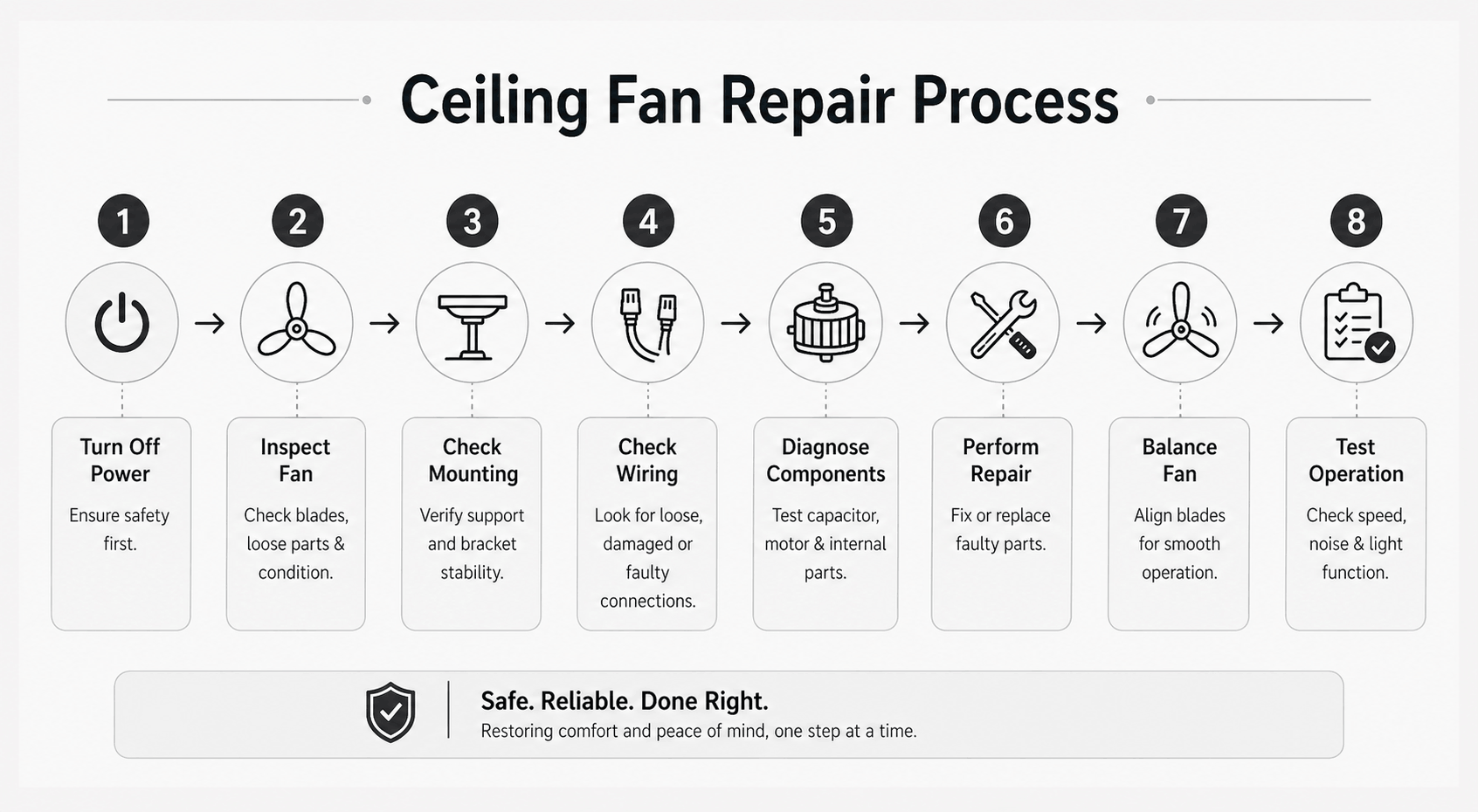
Step-by-Step Ceiling Fan Repair Process
Understanding how a ceiling fan is repaired helps you feel more confident about the process. It also shows why some issues need professional attention. Each step is done carefully to ensure safety, proper function, and long-term reliability.
Step 1: Turn Off Power and Ensure Safety
Every repair starts with safety. The power is switched off from the circuit breaker, not just the wall switch.
This step is important because:
-
It prevents electrical shock
-
It protects internal components during inspection
-
It ensures safe handling of wiring and parts
Professionals may also use voltage testers to confirm that no current is flowing before starting work.
Step 2: Inspect the Fan’s External Condition
The next step is a visual inspection of the fan. This helps identify obvious issues before opening anything.
The technician checks:
-
Blade alignment and condition
-
Loose screws or brackets
-
Signs of wear, rust, or dust buildup
For example, a wobbling fan is often caused by loose blades or an imbalanced setup. Fixing these early can sometimes solve the problem without deeper repairs.
Step 3: Check Mounting and Support System
A ceiling fan must be securely mounted to operate safely. This step focuses on stability.
The inspection includes:
-
Ceiling box strength and compatibility
-
Mounting bracket tightness
-
Downrod or flush mount condition
If the mounting is weak, the fan may shake or become unsafe over time. Reinforcing this area is essential before moving forward.
Step 4: Examine Electrical Connections
Once the external parts are checked, attention shifts to wiring. Many ceiling fan issues are electrical.
The technician looks for:
-
Loose or disconnected wires
-
Burnt or damaged insulation
-
Faulty wall switches or controls
Electrical testing tools are often used to confirm proper voltage and current flow. This helps identify hidden issues that are not visible.
Step 5: Diagnose Internal Components
If the problem is not resolved yet, the internal parts of the fan are examined. This step is more detailed and requires experience.
Key components checked include:
-
Capacitor (controls fan speed)
-
Motor (drives the fan blades)
-
Internal wiring connections
For example, a fan that runs slowly often has a faulty capacitor. A grinding noise may indicate motor wear. Identifying the exact cause ensures the right repair is performed.
Step 6: Perform the Necessary Repair
Once the issue is confirmed, the repair begins. The approach depends on the type of problem.
Common repair actions include:
-
Tightening or replacing screws and brackets
-
Fixing or reconnecting wiring
-
Replacing the capacitor
-
Repairing or replacing motor components
Each repair is done carefully to restore both performance and safety. Using proper tools and parts is key to avoiding repeat issues.
Step 7: Balance and Align the Fan
After the repair, the fan must be properly balanced. Even a small misalignment can cause wobbling.
This step involves:
-
Adjusting blade positioning
-
Using balancing kits if needed
-
Ensuring even weight distribution
A balanced fan runs smoothly, reduces noise, and puts less strain on the motor.
Step 8: Test the Fan for Proper Operation
The final step is a full performance test. This ensures the repair was successful.
The technician checks:
-
All speed settings
-
Smooth and stable rotation
-
Noise levels
-
Light functionality (if included)
If everything works as expected, the repair is complete. This final check ensures the fan is safe, efficient, and ready for regular use.
Emergency Ceiling Fan Repair in Tampa
Some ceiling fan problems cannot wait. In Tampa’s heat, a broken fan can quickly affect comfort. In certain cases, it can also create safety concerns.
When You Need Urgent Repair
You should seek immediate repair if you notice:
-
Sparks or burning smell
-
The fan stops suddenly during use
-
Loud grinding or electrical buzzing
-
Circuit breaker trips repeatedly
These signs often point to serious electrical or motor issues. Using the fan in this condition can increase risk.
What to Expect From Emergency Services
Emergency repair services are designed for quick response. Most providers:
-
Offer same-day or next-day service
-
Prioritize safety issues
-
Bring tools and common replacement parts
This helps restore function faster, especially during peak summer months.
Cost of Emergency Repairs
Emergency services usually cost more than standard appointments.
Reasons include:
-
After-hours service charges
-
Priority scheduling
-
Immediate labor availability
Even with higher costs, urgent repair is often necessary to prevent further damage.
Benefits of Maintaining Your Ceiling Fan Regularly
Regular maintenance can prevent many common issues. It also helps your ceiling fan last longer and perform better.
Improved Airflow and Comfort
A clean and balanced fan moves air more effectively. This improves comfort, especially during hot Tampa days.
Longer Lifespan
Routine care reduces strain on the motor and internal parts. As a result, the fan lasts longer with fewer breakdowns.
Lower Repair Costs
Small issues can be fixed early through maintenance. This prevents costly repairs later.
Better Energy Efficiency
A well-maintained fan uses less energy. It helps reduce the load on your air conditioning system.
Energy Efficiency and Ceiling Fans in Florida Homes
Ceiling fans play an important role in managing indoor temperature. When used correctly, they can reduce energy usage.
How Ceiling Fans Support Cooling
Fans do not lower the room temperature. Instead, they create a wind-chill effect. This makes the room feel cooler.
Because of this:
-
You can raise your thermostat setting
-
Your AC runs less frequently
-
Energy costs decrease over time
Seasonal Direction Settings
Most ceiling fans have a direction switch.
-
In summer: set blades to rotate counterclockwise
-
In winter: set blades to rotate clockwise
This improves airflow based on seasonal needs.
Ceiling Fan Types and Repair Complexity
Different ceiling fan types come with different repair needs. Understanding your fan type helps you know what to expect.
Standard Ceiling Fans
These are the most common. Repairs are usually simple and affordable.
Smart Ceiling Fans
Smart fans include remote control or app-based features. Repairs may involve both electrical and digital components.
Outdoor Ceiling Fans
Outdoor fans are built to handle weather, but they still face wear from humidity and dust. Repairs may involve corrosion-related issues.
Low-Profile Ceiling Fans
These are designed for low ceilings. While compact, they may require careful handling during repairs due to limited space.
Finding Ceiling Fan Repair Near You in Tampa
When searching for ceiling fan repair near me in Tampa, Florida, local availability matters. Choosing a nearby service provider ensures faster response and better support.
Areas Commonly Served in Tampa
Most professional electricians cover:
-
Downtown Tampa
-
South Tampa
-
Brandon
-
Riverview
-
Nearby residential communities
Local providers understand the common electrical issues in the area.
Why “Near Me” Searches Matter
Search terms like “near me” help you find:
-
Faster service
-
Local expertise
-
Better availability for urgent repairs
It also ensures the technician is familiar with Tampa’s climate-related challenges.
Why Choose Hylton Electric for Ceiling Fan Repair
Choosing the right service provider makes a difference. Hylton Electric focuses on quality, safety, and reliable service.
Experienced Electricians
The team has hands-on experience with ceiling fan repair and installation. This helps ensure accurate diagnosis and proper fixes.
Fast Response Times
Quick service is important, especially during hot weather. Fast scheduling helps restore comfort without delay.
Transparent Pricing
Clear estimates help you understand costs upfront. There are no hidden charges, which builds trust.
Residential and Commercial Services
Hylton Electric handles both home and business needs. This makes them a reliable choice for different types of properties.
Pro Tips to Prevent Ceiling Fan Problems
Preventive care can reduce the chances of breakdowns.
-
Clean fan blades regularly to avoid dust buildup
-
Tighten screws and check the balance every few months
-
Avoid running the fan at high speed for long periods
-
Inspect wiring during routine electrical checks
-
Use surge protection to prevent electrical damage
These simple steps can keep your fan running smoothly.
Final Thoughts – Keeping Your Tampa Home Cool and Comfortable
Ceiling fans are essential for comfort in Tampa homes. When they work properly, they improve airflow, reduce energy costs, and support your cooling system.
Ignoring small problems can lead to bigger issues over time. That is why timely repair and regular maintenance are important.
If you are dealing with a faulty fan, professional help can make the process simple and safe. Whether it is a minor fix or a full replacement, the right service ensures long-term performance.
For homeowners searching for ceiling fan repair near me in Tampa, Florida, choosing a reliable electrician is the key to keeping your home cool and comfortable year-round.
If your ceiling fan isn’t working right, we’re here to help. Call +1 863-624-7000 or email ray@hylton-electric.com.
We offer free quotes for commercial and industrial clients and serve Lakeland, Polk County, and Tampa—handling the electrical needs of residential, commercial, and industrial customers with care.
FAQs About Ceiling Fan Repair Near Me, Tampa, FL
How much does ceiling fan repair cost in Tampa, Florida?
Ceiling fan repair costs in Tampa usually fall between $124 and $175, though the final price depends on the issue and complexity. Minor fixes are more affordable, while motor or wiring problems cost more.
-
Basic fixes (tightening, balancing): $50–$100
-
Capacitor or wiring repairs: $80–$250
-
Motor-related repairs: $150–$300+
In many cases, labor makes up a large portion of the cost. Licensed electricians may charge more, but they provide safer and long-lasting results. High ceilings or hard-to-access installations can also increase pricing. Getting a detailed estimate before work begins is always a smart step.
What are the most common ceiling fan problems?
Ceiling fans often show warning signs before they fail completely. Recognizing these issues early can save money and prevent bigger repairs.
Common problems include:
-
Fan not turning on
-
Wobbling or shaking during operation
-
Clicking, humming, or grinding noises
-
Slow speed or reduced airflow
-
Lights not working properly
These issues usually relate to loose parts, worn-out motors, or electrical faults. In Tampa homes, humidity can also affect internal components over time. While some problems are minor, others may require professional inspection to avoid safety risks.
Can a ceiling fan be repaired instead of replaced?
Yes, many ceiling fan issues can be repaired, especially if the unit is relatively new. Repairs are often the better option when the problem is small and affordable to fix.
Repair is suitable when:
-
The issue involves loose parts or minor electrical faults
-
The fan is less than 8–10 years old
-
Replacement parts are available and cost-effective
However, replacement may be better if:
-
The motor is burnt out
-
Repairs are frequent
-
The fan is outdated or inefficient
In many cases, comparing repair costs with replacement costs helps determine the best choice for long-term value.
Why is my ceiling fan wobbling so much?
A wobbling ceiling fan usually means there is an imbalance or a loose component. While it may seem minor at first, it can lead to more serious issues over time.
Common causes include:
-
Uneven or bent blades
-
Loose screws or mounting brackets
-
Improper installation
Ignoring wobbling can result in:
-
Motor strain
-
Increased noise
-
Safety risks if the mounting becomes unstable
Simple fixes like tightening screws or using a balancing kit may solve the issue. However, if the wobble continues, a professional inspection is recommended to ensure proper alignment and secure installation.
Is it safe to use a noisy ceiling fan?
A noisy ceiling fan is not always dangerous, but it should not be ignored. Different sounds often indicate different problems.
For example:
-
Clicking: loose blades or screws
-
Humming: electrical or capacitor issue
-
Grinding: motor wear
If the noise is minor, tightening components may help. However, persistent or loud noises can signal internal damage. Continuing to use the fan in this condition may worsen the problem or lead to failure. It is best to inspect the fan early and address the issue before it becomes more costly.
How long does a ceiling fan typically last?
Most ceiling fans last between 8 and 15 years, depending on usage and maintenance. In Tampa, constant use and humidity can shorten this lifespan.
Factors that affect longevity include:
-
Frequency of use
-
Quality of installation
-
Exposure to moisture and dust
Regular maintenance can extend the life of a fan. Cleaning blades, tightening components, and checking wiring periodically all help reduce wear. When a fan reaches the end of its lifespan, repairs may become more frequent, making replacement a better long-term option.
Do I need an electrician to fix a ceiling fan?
Not all repairs require an electrician, but many do. Simple tasks can be handled at home, while electrical issues need professional attention.
DIY-friendly fixes include:
-
Tightening screws
-
Cleaning blades
-
Replacing bulbs
You should call an electrician if:
-
Wiring needs repair
-
The fan stops working completely
-
There is a burning smell or sparking
Licensed electricians ensure safe repairs and proper connections. This is especially important in older homes or when dealing with complex wiring setups.
Why is my ceiling fan running slow?
A ceiling fan that runs slower than usual often has an internal issue affecting performance.
Common causes include:
-
Faulty capacitor
-
Motor wear
-
Electrical supply problems
In some cases, dust buildup can also reduce efficiency. While cleaning and basic checks may help, persistent speed issues often require part replacement. A slow fan not only reduces comfort but also increases reliance on air conditioning, leading to higher energy costs.
What causes a ceiling fan to stop working suddenly?
A ceiling fan that stops without warning usually has an electrical or mechanical failure.
Possible reasons include:
-
Burnt-out motor
-
Tripped circuit breaker
-
Loose or damaged wiring
-
Capacitor failure
Start by checking the breaker and power supply. If the issue persists, avoid repeated attempts to restart the fan. This can cause further damage. Professional inspection is often required to identify and fix the root cause safely.
Are ceiling fan repairs covered by warranty?
Warranty coverage depends on the manufacturer and the age of the fan. Many ceiling fans come with limited warranties that may cover certain parts.
Typical coverage includes:
-
Motor defects
-
Manufacturing issues
However, warranties usually do not cover:
-
Normal wear and tear
-
Improper installation
-
Electrical damage
It is important to check the warranty terms before paying for repairs. If the fan is still under warranty, some costs may be reduced or covered بالكامل.
How long does it take to repair a ceiling fan?
Most ceiling fan repairs are completed within 30 minutes to 2 hours. The exact time depends on the complexity of the issue.
Quick repairs include:
-
Tightening components
-
Replacing capacitors or switches
More time-consuming repairs may involve:
-
Wiring fixes
-
Motor replacement
Factors like ceiling height and accessibility can also affect repair time. A professional electrician can usually provide a time estimate after inspection.
Can humidity in Tampa damage ceiling fans?
Yes, humidity plays a major role in ceiling fan wear and tear, especially in Tampa’s climate.
High moisture levels can:
-
Corrode metal parts
-
Affect electrical connections
-
Reduce motor efficiency
Outdoor fans are more exposed to these conditions. Using fans designed for damp or wet locations helps reduce damage. Regular maintenance also helps protect internal components from moisture-related issues.
What is the difference between ceiling fan repair and installation?
Repair focuses on fixing existing issues, while installation involves setting up a new fan.
Repair includes:
-
Fixing wiring or motor issues
-
Balancing blades
-
Replacing faulty parts
Installation includes:
-
Mounting a new fan
-
Connecting electrical wiring
-
Ensuring proper support
In some cases, installation may be more cost-effective than major repairs, especially if the fan is old or inefficient.
Why does my ceiling fan light keep flickering?
Flickering lights on a ceiling fan often indicate an electrical issue.
Common causes include:
-
Loose wiring connections
-
Faulty light kit
-
Voltage fluctuations
While changing the bulb may solve the problem in some cases, persistent flickering usually requires inspection. Ignoring this issue can lead to further electrical problems. It is best to address it early for safety and proper function.
Is it worth repairing an old ceiling fan?
Repairing an old ceiling fan depends on its condition and repair cost.
Repair may be worth it if:
-
The issue is minor
-
The fan is still efficient
Replacement is better if:
-
Repairs are frequent
-
The motor is failing
-
Energy efficiency is low
New fans often provide better airflow and lower energy usage. Comparing repair costs with replacement options helps make the right decision.
Can a ceiling fan cause high electricity bills?
A faulty ceiling fan can increase energy usage, especially if it is not working efficiently.
This can happen when:
-
The motor is struggling
-
The fan runs at inconsistent speeds
-
Airflow is reduced
As a result, your air conditioning system works harder. A properly functioning fan helps maintain comfort with less energy. Regular maintenance ensures better efficiency and lower utility costs.
What type of ceiling fan is easiest to repair?
Standard ceiling fans are usually the easiest to repair. They have simple designs and widely available parts.
More complex fans include:
-
Smart ceiling fans
-
Remote-controlled units
-
Fans with integrated lighting systems
These may require specialized parts or expertise. Choosing a simple design can make future repairs easier and more affordable.
How do I know if my ceiling fan motor is bad?
A faulty motor often shows clear signs before it stops working completely.
Look for:
-
Grinding or humming noise
-
Fan not spinning despite power supply
-
Burning smell
Motor issues are usually not easy to fix without professional help. In many cases, replacing the fan may be more cost-effective than repairing the motor.
Should I repair or replace a ceiling fan with wiring issues?
Wiring issues can often be repaired, but the decision depends on the overall condition of the fan.
Repair is suitable when:
-
Wiring damage is minor
-
The fan is relatively new
Replacement is better when:
-
Wiring issues are frequent
-
The fan is old or unsafe
Electrical problems should always be handled by a licensed electrician to ensure safety and proper function.
How often should I maintain my ceiling fan?
Regular maintenance helps prevent major repairs and keeps your fan working efficiently.
Recommended routine:
-
Clean blades every 1–2 months
-
Check screws and balance every 3–6 months
-
Inspect wiring annually
In Tampa, where fans are used frequently, maintenance becomes even more important. Consistent care improves performance, reduces noise, and extends the lifespan of the fan.
Leave a Reply