
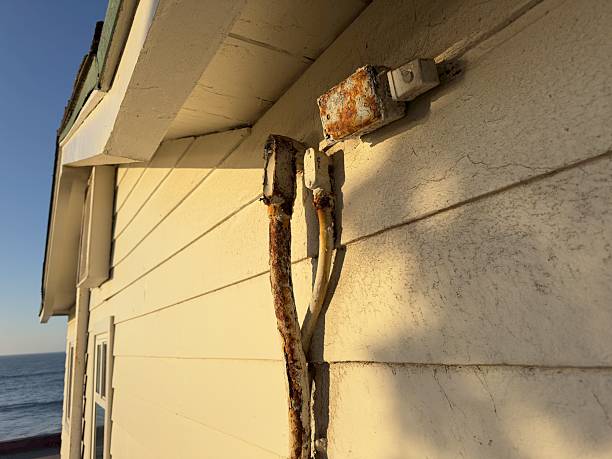
Old homes across Polk County often come with hidden electrical risks. Many were built decades ago using systems that no longer meet modern safety standards. If your home still relies on outdated wiring, it may struggle to handle today’s electrical load. That is where understanding the cost of replacing electrical wiring in old house becomes important. It helps you plan ahead and avoid sudden, expensive failures.
In areas like Lakeland and greater Tampa, aging wiring is a common issue. Homes built before the 1980s often used aluminum wiring or lacked proper grounding. These systems increase fire risk and reduce efficiency. Over time, insulation breaks down, and circuits become overloaded. This can lead to frequent breaker trips, flickering lights, or even dangerous overheating.
Replacing wiring is not just about fixing problems. It is about improving safety, reliability, and long-term performance. A properly wired home supports modern appliances, smart systems, and future upgrades like EV chargers. While the upfront cost may seem high, the long-term value is significant.
This guide breaks down everything you need to know. You will learn what rewiring involves, how much it costs in Polk County, and what factors affect pricing. It also explains when to act and how to avoid common mistakes.
What Replacing Electrical Wiring Really Means
Replacing electrical wiring is more than just swapping out old cables. It is a complete system upgrade designed to meet current safety codes and energy demands. Many homeowners assume it only involves new wires, but the process is much broader.
A full rewiring project typically includes several key components. These parts work together to ensure safe and efficient power distribution throughout the home:
-
New copper wiring to replace outdated aluminum or knob-and-tube systems
-
Modern outlets and switches with proper grounding
-
Updated circuit breakers and load distribution
-
Grounding system installation for safety compliance
In older homes, wiring was not designed for today’s power needs. Decades ago, households used far fewer electrical devices. Now, with HVAC systems, large appliances, and electronics, demand has increased significantly. Old wiring struggles to keep up, which leads to overheating and system failure.
Another important factor is insulation breakdown. Over time, wire insulation becomes brittle and cracks. This exposes live wires and increases the risk of short circuits. In humid regions like Polk County, this process can happen even faster due to moisture exposure.
Rewiring also improves energy efficiency. New systems reduce voltage drops and ensure consistent power flow. This means appliances run better and last longer. It also reduces the chance of unexpected outages.
Partial rewiring is sometimes an option. This approach focuses on high-risk areas rather than the entire home. However, it is not always a long-term solution. If the wiring system is severely outdated, a full replacement is usually the safer choice.
Understanding what rewiring involves helps set realistic expectations. It is not a quick fix, but a structured upgrade that improves safety, performance, and property value.

Average Cost of Replacing Electrical Wiring in Polk County
The cost of rewiring an old house in Polk County varies based on several factors. However, most homeowners can expect a range between $8,000 and $25,000 or more. Larger or more complex homes may exceed this range.
On average, rewiring costs fall between $6 and $12 per square foot. This estimate includes labor, materials, and basic installation. Homes with difficult access or structural challenges may cost more.
Labor plays a major role in pricing across Lakeland and Tampa. Skilled electricians are required to meet Florida’s strict electrical codes. Permit and inspection fees also add to the total cost. These fees ensure the work meets safety standards and passes official inspections.
Here is a general breakdown based on home size:
Average Wiring Replacement Costs by Home Size (Polk County)
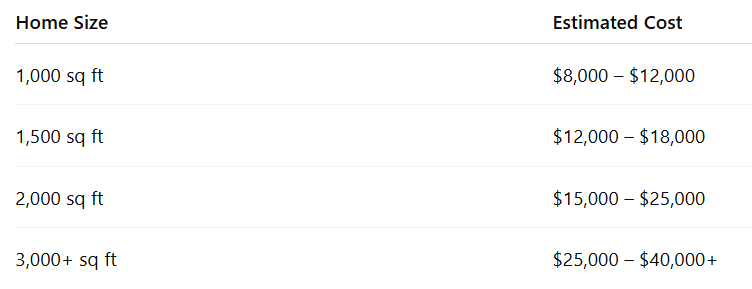
Estimated electrical rewiring costs in Polk County by home size
These numbers reflect typical conditions. Actual costs depend on the home’s age, layout, and current electrical system. For example, a house with easy attic access will cost less than one built on a slab foundation.
Another factor is whether the home is occupied. Working around furniture and finished walls increases labor time. Vacant homes are easier to rewire and often cost less overall.
While the price may seem high, it is important to consider the long-term benefits. Updated wiring reduces fire risks, improves efficiency, and increases home value. It also prepares the property for future upgrades like solar panels or EV charging systems.
Detailed Cost Breakdown
Understanding where your money goes helps you make better decisions. Rewiring costs are not just one flat number. They are made up of several key components, each contributing to the total.
Labor Costs
Labor is usually the largest portion of the budget. In Polk County, electricians typically charge between $75 and $150 per hour. Complex projects require more time, especially in older homes with tight spaces or outdated layouts.
Labor includes removing old wiring, installing new systems, and ensuring everything meets code. It also covers testing and final inspections. Because of the skill involved, this is not an area where cutting costs is recommended.
Material Costs
Material costs depend on the type and quality of components used. Copper wiring is the standard for modern homes due to its durability and conductivity. Other materials include:
-
Electrical boxes and conduits
-
Outlets and switches
-
Circuit breakers and connectors
Higher-quality materials may cost more upfront but provide better performance and longevity.
Electrical Panel Upgrade Costs
Many old homes require a panel upgrade during rewiring. Older panels often cannot handle modern electrical loads. Upgrading ensures safe power distribution and prevents overloads.
Typical panel upgrade costs range from $1,500 to $4,000. This depends on the panel size and complexity of installation.
Permit and Inspection Fees
Permits are required for most electrical work in Polk County. Fees typically range from $200 to $1,000. These costs ensure the work complies with local regulations and passes safety inspections.
Skipping permits may seem like a cost-saving option, but it can lead to serious legal and safety issues.
Wall Repair and Finishing
Rewiring often requires opening walls, ceilings, or floors. After installation, these areas must be repaired. Drywall repair and painting can add $1,000 to $5,000 to the total cost.
Homes with easier access, such as open attics or crawlspaces, may require less repair work. This can reduce overall expenses.
Key Factors That Affect Wiring Replacement Cost
Several variables influence how much you will spend on rewiring an old home. While base estimates provide a range, real-world pricing depends on the condition and structure of your property. Understanding these factors helps you plan more accurately and avoid surprises.
One of the biggest factors is the age of the home and the type of wiring already installed. Older systems such as knob-and-tube or aluminum wiring, require more extensive work. These systems are often unsafe and must be completely removed, which increases labor time.
Accessibility also plays a major role. Homes with open attics or crawlspaces are easier to work in. Electricians can run new wiring with minimal disruption. In contrast, slab foundations or finished walls require cutting into surfaces, which increases both labor and repair costs.
The size and layout of the home directly affect the total cost. Larger homes need more wiring, more outlets, and more circuit capacity. Complex layouts with multiple floors or additions require additional planning and labor.
Another key factor is the electrical load requirement. Modern homes demand more power due to appliances, HVAC systems, and electronics. If your current system cannot handle this load, upgrades such as a new panel or additional circuits will be necessary.
Finally, whether the home is occupied during the project impacts cost. Working around furniture, finished interiors, and daily routines slows down the process. Vacant homes allow for faster and more efficient work, which can reduce labor costs.
Signs Your Old House Needs Rewiring
Many homeowners are unsure when rewiring becomes necessary. Electrical issues often start small but can quickly become serious. Recognizing the warning signs early can prevent costly damage and improve safety.
One common sign is frequent breaker trips. This usually means the system is overloaded or circuits are failing. If resetting breakers becomes routine, it is time to evaluate the wiring.
Flickering or dimming lights are another indicator. This often points to unstable power flow or deteriorating wiring connections. It may seem minor, but it can signal deeper issues within the system.
A burning smell or discolored outlets should never be ignored. These are signs of overheating and potential fire hazards. Immediate inspection is critical in these cases.
Older homes with two-prong outlets lack proper grounding. This increases the risk of electrical shock and limits compatibility with modern devices. Grounded outlets are essential for safety and performance.
You should also consider the type of wiring in your home. Aluminum wiring, common in homes built between the 1960s and 1970s, is known for its higher risk of overheating. Knob-and-tube systems, found in even older homes, are outdated and no longer meet modern codes.
If your home shows any of these signs, a professional inspection is the next step. Addressing issues early can prevent larger, more expensive problems later.
Step-by-Step Process of Rewiring an Old House
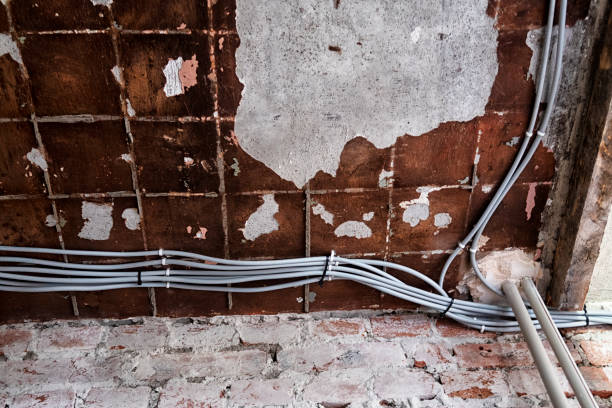
Rewiring a home is a structured process that requires careful planning and execution. Each step ensures the system is safe, efficient, and compliant with local codes.
-
Initial Inspection and Load Calculation: Electricians assess the current system and determine power requirements. This step identifies weak points and defines the scope of work.
-
Permit Acquisition: Permits are obtained to ensure compliance with Polk County regulations. This step is essential for legal and safety reasons.
-
Removing Old Wiring: Outdated or unsafe wiring is carefully removed. In some cases, old wiring may be left in place if removal is impractical, but it is disconnected.
-
Installing New Wiring System: New copper wiring is installed throughout the home. This includes running cables through walls, ceilings, and floors.
-
Panel Upgrade (If Needed): The electrical panel is upgraded to handle modern loads. This step ensures proper distribution and prevents overloads.
-
Testing and Inspection: The system is tested for safety and performance. Inspectors verify that all work meets code requirements.
-
Wall Repair and Finishing: Opened surfaces are repaired and restored. This includes drywall, painting, and finishing touches.
Each step must be completed with precision. Skipping or rushing any part of the process can lead to long-term issues.
Full Rewire vs Partial Rewire
Not every home requires a full rewiring. In some cases, a partial upgrade may be enough. However, choosing the right approach depends on the condition of your electrical system.
Full vs Partial Wiring Replacement

Comparison between full and partial electrical rewiring options
A full rewire replaces all wiring, outlets, and often the panel. This option is best for homes with outdated or unsafe systems. It provides a long-term solution and ensures full compliance with modern codes.
Partial rewiring focuses on specific areas. For example, you may upgrade wiring in a kitchen or replace damaged circuits. This approach costs less upfront but may not address all underlying issues.
While partial rewiring can be practical in some cases, it is often a temporary fix. If the majority of the system is outdated, a full rewire is usually the better investment.
Common Mistakes Homeowners Make
Rewiring a home is a significant project, and mistakes can lead to higher costs or safety risks. Many homeowners underestimate the complexity involved.
One common mistake is delaying necessary upgrades. Small issues like flickering lights or occasional breaker trips are often ignored. Over time, these problems worsen and lead to more expensive repairs.
Hiring unlicensed electricians is another major risk. Electrical work requires proper training and certification. Unqualified work can fail inspections and create serious hazards.
Some homeowners focus only on wiring and ignore the panel. An outdated panel can limit the effectiveness of new wiring. Upgrading both at the same time ensures better performance.
Underestimating total costs is also common. Many people overlook expenses such as permits, repairs, and upgrades. A clear, detailed estimate helps avoid surprises.
Skipping permits may seem like a way to save money, but it often leads to problems later. Unpermitted work can affect insurance claims and property value.
Avoiding these mistakes requires careful planning and working with experienced professionals.
When to Hire a Licensed Electrician in Polk County
There are situations where hiring a licensed electrician is not just recommended, but essential. Electrical work involves safety risks and must meet strict codes.
Homes older than 30 to 40 years often require professional evaluation. These properties are more likely to have outdated wiring systems that need replacement.
Major renovations are another key moment to involve an electrician. Updating wiring during renovations is more efficient and cost-effective than doing it later.
Insurance companies may also require upgrades for older homes. If your system does not meet current standards, it can affect coverage or premiums.
Frequent electrical issues are a clear sign that professional help is needed. Ignoring these problems can lead to serious damage or safety hazards.
For homeowners in Polk County, working with a licensed electrician ensures compliance with Florida codes and local regulations. It also provides peace of mind knowing the work is done correctly.
For related services, you can explore panel upgrades and repair solutions:
Need clarity on your home’s wiring costs? Call +1 863-624-7000 or email ray@hylton-electric.com. We provide practical guidance and free quotes for commercial and industrial clients across Lakeland, Polk County, and Tampa.
Local Considerations in Polk County
Electrical work in Polk County comes with unique regional factors. These conditions influence both cost and installation methods.
Florida’s climate plays a significant role. High humidity levels can accelerate insulation breakdown and corrosion. This makes durable materials and proper installation even more important.
Building codes in Florida are strict, especially for electrical systems. Homes must meet National Electrical Code (NEC) standards. This ensures safety but also adds to project complexity.
Insurance requirements are another factor. Many insurers require updated wiring for older homes. Without upgrades, coverage may be limited or denied.
Demand in areas like Lakeland and Tampa has increased due to population growth. This can affect labor availability and pricing.
Understanding these local factors helps you plan more effectively. It also ensures your home meets both safety and regulatory standards.
Cost-Saving Tips Without Compromising Safety
Rewiring an old house is a major investment, but there are practical ways to manage costs without cutting corners. The key is to focus on efficiency while maintaining safety and code compliance. Trying to reduce costs by skipping critical steps often leads to higher expenses later.
One effective approach is to combine rewiring with planned renovations. When walls are already open for remodeling, electricians can run new wiring more easily. This reduces labor time and minimizes repair costs. It also avoids reopening finished surfaces later.
Upgrading the electrical panel during rewiring is another smart move. While it increases the upfront cost, it prevents future upgrades that would require additional labor. A modern panel supports higher electrical loads and improves overall system performance.
Choosing energy-efficient upgrades can also provide long-term savings. LED lighting, smart switches, and modern circuits reduce energy consumption. These improvements lower utility bills and extend the life of your electrical system.
Getting multiple quotes is essential for accurate budgeting. It helps you understand market rates in Polk County and compare service quality. However, the lowest price should not be the only factor. Experience, licensing, and reliability matter just as much.
Here are a few practical cost-saving tips:
-
Schedule rewiring during major renovations
-
Upgrade the panel at the same time
-
Use energy-efficient components
-
Plan for future electrical needs
-
Work with licensed and experienced electricians
Saving money is important, but safety should always come first. A well-planned project ensures long-term value and peace of mind.
Real Example: Old Home Rewiring in Lakeland
A real-world example helps put these costs into perspective. Consider a single-family home in Lakeland built in 1965. The property measured around 1,800 square feet and still had its original aluminum wiring.
The homeowner experienced frequent breaker trips and dimming lights. A professional inspection revealed several issues. The wiring insulation had degraded, and the panel could not handle modern electrical loads. The system posed both safety and performance concerns.
The recommended solution was a full rewiring along with a panel upgrade. The project included installing new copper wiring, grounded outlets, and a modern 200-amp panel. Additional circuits were added to support kitchen appliances and HVAC systems.
The total cost for the project was approximately $18,500. This included labor, materials, permits, and wall repairs. While the cost was high, the results were immediate and measurable.
After completion, the home had stable power distribution and improved energy efficiency. The risk of electrical fires was greatly reduced. The property value also increased, making it more attractive to future buyers.
This example reflects a typical scenario in Polk County. Costs vary, but the benefits of upgrading outdated wiring are clear. It is not just about fixing problems. It is about creating a safer and more reliable home.
Future-Proofing Your Electrical System
When replacing wiring, it makes sense to think beyond current needs. A modern electrical system should support future technologies and increased demand. Planning ahead during rewiring can save time and money later.
One major trend is the rise of smart home systems. These systems require stable wiring and sufficient capacity. From smart lighting to automated security, proper infrastructure ensures smooth operation.
Electric vehicle (EV) adoption is also growing in Polk County. Installing wiring that supports EV chargers prepares your home for future upgrades. Even if you do not own an EV today, planning for it adds flexibility.
Generator integration is another important consideration. Backup power systems are becoming more common, especially in areas prone to storms. Proper wiring allows seamless connection and reliable operation during outages.
Increased electrical capacity is essential for modern living. Homes now rely on more devices than ever before. A system designed for future demand reduces the need for frequent upgrades.
Future-proofing is not about overbuilding. It is about making smart, practical decisions during the rewiring process. This approach ensures your home remains safe, efficient, and adaptable for years to come.
Conclusion
Replacing electrical wiring in an older home is a significant but necessary investment. It improves safety, supports modern appliances, and increases property value. While costs can vary, understanding the factors involved helps you plan with confidence.
In Polk County, many homes still rely on outdated systems that no longer meet current standards. Addressing these issues early reduces risks and prevents costly repairs. Working with licensed professionals ensures the job is done correctly and meets all code requirements.
If you are evaluating the cost of replacing electrical wiring in old house, focus on long-term value rather than short-term savings. A properly upgraded system provides reliability, efficiency, and peace of mind for years to come.
Need help planning your wiring upgrade?
Call +1 863-624-7000 or email ray@hylton-electric.com. We support residential, commercial, and industrial clients across Lakeland, Polk County, and Tampa, with practical guidance and free quotes for commercial and industrial projects.
FAQs About the Cost of Replacing Electrical Wiring in Old House
How much does it cost to rewire a 1500 sq ft house in Polk County?
Rewiring a 1,500 square foot home in Polk County typically costs between $12,000 and $18,000. The final price depends on several factors, including the home’s age, wiring condition, and accessibility. Homes with easy attic or crawlspace access tend to cost less because electricians can run wires without opening many walls.
Additional costs may apply if the electrical panel needs upgrading or if extensive drywall repairs are required. Permit fees and inspections also contribute to the total. While this range provides a good estimate, a professional inspection is the best way to get an accurate quote.
In most cases, investing in a full rewiring ensures long-term safety and compliance with Florida building codes.
Can you live in a house during rewiring?
Yes, it is possible to live in a house during rewiring, but it can be challenging. The process involves cutting into walls, running new wires, and temporarily shutting off power in certain areas. This can disrupt daily routines and create noise and dust.
For smaller or partial rewiring projects, staying in the home may be manageable. However, for full rewiring, many homeowners choose to relocate temporarily. This allows electricians to work more efficiently and complete the project faster.
If you decide to stay, it is important to coordinate with your electrician. Clear communication helps minimize inconvenience and ensures safety throughout the project.
How long does a full house rewiring take?
The timeline for rewiring a house depends on the size and complexity of the project. On average, a full rewiring takes between 5 and 10 days for a standard single-family home. Larger or more complex homes may take longer.
Several factors affect the timeline, including accessibility, wall construction, and whether the home is occupied. Projects in vacant homes are usually completed faster because there are fewer obstacles.
The process includes inspection, installation, testing, and final approval. Each step must be completed carefully to ensure safety and compliance. While it may seem time-consuming, proper execution is essential for long-term reliability.
Does homeowners’ insurance cover rewiring?
Homeowners insurance typically does not cover the cost of rewiring as a preventive upgrade. Insurance policies are designed to cover sudden and accidental damage, not maintenance or system improvements.
However, if faulty wiring causes damage, such as a fire, the resulting repairs may be covered. In some cases, insurance companies may require rewiring for older homes to maintain coverage. This is especially common for properties with outdated systems like aluminum or knob-and-tube wiring.
It is important to review your policy and speak with your provider. Understanding your coverage helps you plan and avoid unexpected issues.
Is aluminum wiring dangerous?
Aluminum wiring can pose safety risks if not properly maintained. It was commonly used in homes built during the 1960s and 1970s. Over time, aluminum expands and contracts more than copper, which can loosen connections.
Loose connections generate heat, increasing the risk of fire. Oxidation is another concern, as it reduces conductivity and further raises temperatures.
While aluminum wiring is not always unsafe, it requires special connectors and regular inspection. In many cases, replacing it with copper wiring is the safest long-term solution. This upgrade improves reliability and meets modern electrical standards.
Do I need a permit to rewire my house in Polk County?
Yes, permits are required for most electrical work in Polk County. Rewiring involves significant changes to the electrical system, which must comply with local building codes and safety regulations.
The permit process ensures that the work is inspected and approved by local authorities. This protects both the homeowner and future occupants. It also helps maintain property value and ensures compliance with insurance requirements.
Working without permits can lead to fines and complications when selling the property. It is always best to hire a licensed electrician who handles permits and inspections as part of the project.
What is the cheapest way to rewire a house?
The cheapest way to rewire a house is to reduce labor time while keeping safety standards intact. Labor is the largest portion of the cost, so improving access and planning ahead can make a big difference. For example, rewiring during a renovation allows electricians to work with open walls, which reduces both time and repair costs.
Another cost-saving option is partial rewiring. This approach focuses on high-risk areas such as kitchens, bathrooms, or damaged circuits. It can lower upfront costs, but it may not solve all underlying issues. If most of the wiring is outdated, a full rewire is usually more cost-effective long term.
You can also save money by:
-
Keeping the existing layout of outlets and switches
-
Choosing standard-grade materials instead of premium upgrades
-
Scheduling work during off-peak seasons
While these steps help reduce costs, safety should never be compromised. Cutting corners on electrical work often leads to higher expenses later.
How do I know if my wiring is outdated?
Outdated wiring often shows clear warning signs, but some issues remain hidden until inspected. One of the most common indicators is frequent breaker trips. This suggests the system cannot handle the current electrical demand.
Other visible signs include flickering lights, buzzing outlets, and discolored switches. These problems usually point to loose connections or deteriorating wiring. Homes with two-prong outlets are also outdated, as they lack proper grounding.
You should also consider the age of your home. Properties built before the 1980s may still use aluminum or knob-and-tube wiring. These systems do not meet modern safety standards.
A professional inspection is the most reliable way to assess your wiring. Electricians can identify hidden risks and recommend whether repairs or full replacement are needed.
Will rewiring increase my home value?
Yes, rewiring can increase your home’s value, especially in older properties. Modern electrical systems are a major selling point for buyers. They provide safety, reliability, and compatibility with current technology.
Updated wiring reduces the risk of electrical fires and system failures. This makes the home more attractive to both buyers and insurance companies. In some cases, outdated wiring can even prevent a sale or lower the property’s market value.
Rewiring also supports modern upgrades such as smart home systems, energy-efficient lighting, and EV chargers. These features are increasingly important in today’s market.
While the exact return on investment varies, many homeowners see both financial and practical benefits. It is an upgrade that improves daily living while adding long-term value.
Can I rewire my house myself?
Rewiring a house is not recommended as a DIY project. Electrical work is complex and requires specialized knowledge. Mistakes can lead to serious safety risks, including fire and electrical shock.
In Polk County, most electrical work requires permits and inspections. Licensed electricians understand local codes and ensure the system meets all requirements. DIY work often fails inspections, which can create legal and financial issues.
There are also insurance considerations. If unlicensed work causes damage, insurance claims may be denied. This can result in high out-of-pocket costs.
While small tasks like replacing outlets may be manageable, full rewiring should always be handled by professionals. Hiring a licensed electrician ensures the work is safe, compliant, and reliable.
What type of wiring is best for modern homes?
Copper wiring is the preferred choice for modern homes. It offers excellent conductivity, durability, and resistance to corrosion. Compared to aluminum, copper is more stable and less prone to overheating.
Modern wiring systems also include proper insulation and grounding. These features improve safety and support advanced electrical loads. Grounded systems reduce the risk of shock and protect sensitive electronics.
In addition to wiring, modern installations often include:
-
AFCI (Arc Fault Circuit Interrupters) for fire prevention
-
GFCI (Ground Fault Circuit Interrupters) for wet areas
-
High-capacity circuits for large appliances
Choosing the right wiring ensures your home meets current standards and can handle future upgrades. It also provides long-term reliability and peace of mind.
How often should electrical wiring be replaced?
Electrical wiring does not have a fixed lifespan, but most systems last between 30 and 50 years. The actual lifespan depends on usage, material quality, and environmental conditions.
Homes with older wiring types, such as aluminum or knob-and-tube, may need replacement sooner. Signs of wear, such as cracked insulation or frequent electrical issues, indicate it is time for an upgrade.
Regular inspections help determine the condition of your system. Electricians can identify early signs of deterioration and recommend appropriate action.
Even if the wiring appears functional, upgrading may be necessary to meet modern electrical demands. Replacing outdated systems improves safety and ensures your home can support current and future needs.
Leave a Reply