
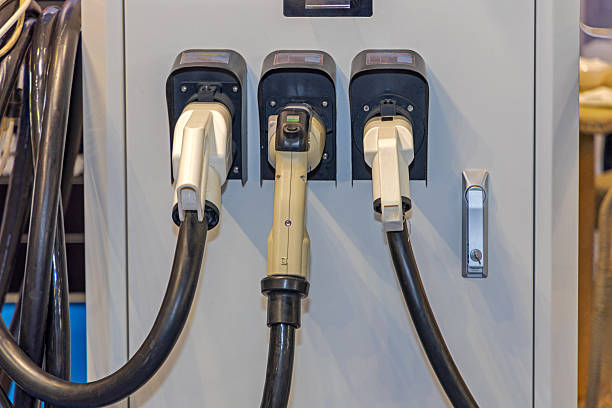
Electric vehicles are growing fast across Florida. More drivers now need quick and reliable charging options. Because of this, many businesses are adding DC fast charging stations to their properties.
DC fast chargers work much faster than standard EV chargers. They can charge many EV batteries to 80% in about 20 to 40 minutes. That speed matters for busy locations. Drivers do not want to wait several hours for a charge.
Tampa is seeing strong EV growth. Hotels, retail centers, apartment complexes, and fleet operators are all preparing for higher demand. Many companies now view EV charging as part of long-term property planning.
Still, these projects are not simple. DC fast chargers use large amounts of power. Many buildings need electrical upgrades before installation starts. Some properties need panel upgrades, new transformers, or utility coordination.
A proper installation improves safety and reliability. It also helps prevent downtime and future repair costs. Businesses that plan early often avoid expensive upgrades later.
Key Electrical Statistics
-
Florida remains one of the fastest-growing EV markets in the country.
-
Many DC fast chargers recharge EV batteries within 20–40 minutes.
-
Electrical failures remain a major cause of commercial building fires.
-
Energy-efficient electrical systems help lower long-term operating costs.
What Is DC Fast Charging?
DC fast charging is a high-speed EV charging method. It sends direct current power straight to the vehicle battery. This process charges vehicles much faster than standard chargers. Most Level 2 chargers add around 20 to 30 miles of range per hour. DC fast chargers can add hundreds of miles during that same time. That speed makes a major difference for busy locations. Drivers can charge quickly and get back on the road sooner.
These chargers are common at:
-
Retail centers
-
Hotels
-
Fleet yards
-
Public parking areas
-
Highway stops
-
Industrial properties
Most systems use high-voltage commercial power. Many need 480-volt three-phase electrical service. Some locations also require utility upgrades before installation begins.
How DC Fast Charging Works
Level 2 chargers send alternating current to the vehicle. The car then converts that power into direct current internally. DC fast chargers handle that conversion outside the vehicle. That allows faster charging speeds.
The process usually includes:
-
Utility power enters the charger
-
The charger converts AC power into DC power
-
The system communicates with the EV battery
-
Power flows directly into the battery
Modern chargers often include smart software features. These features may include:
-
Payment systems
-
Usage tracking
-
Remote monitoring
-
Energy management
-
Equipment diagnostics
Connector type also matters during planning. Most chargers support:
Difference Between Level 2 and DC Fast Charging
Businesses often compare Level 2 charging and DC fast charging before installation. Both systems serve different needs.
Level 2 vs DC Fast Charging Comparison
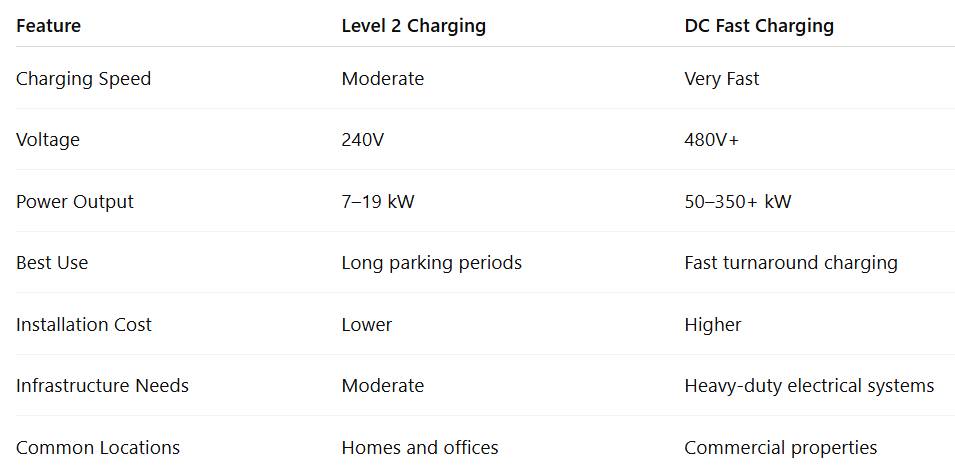
Level 2 charging works well for overnight charging. DC fast charging works better for busy commercial locations.
Why DC Fast Charging Matters in Tampa
Tampa has heavy traffic and growing commercial development. More EV drivers now expect charging stations at businesses and public properties. Tourism also increases charging demand. Travelers often look for hotels, shopping centers, and restaurants with EV charging access.
Several industries in Tampa now benefit from fast charging systems:
-
Retail centers
-
Hotels
-
Fleet operations
-
Apartment complexes
-
Industrial facilities
Florida weather also affects infrastructure planning. Storm protection and backup power systems are important for charging reliability.
Businesses That Benefit Most From DC Fast Charging
Many industries now benefit from EV charging infrastructure. However, some businesses see stronger returns than others. Retail centers often install chargers to increase customer traffic. Drivers may spend more time shopping while their vehicles charge. Hotels also benefit from EV charging access. Many travelers search for charging-friendly properties before booking rooms.
Fleet operators rely heavily on fast charging. Delivery vehicles and service fleets need quick turnaround times. Slow charging can delay operations and reduce productivity. Industrial facilities are also preparing for future electrification. More companies now use electric work vehicles and equipment. Apartment complexes are another growing market. Many tenants now expect EV charging access at residential properties.
Common Businesses Installing DC Fast Chargers
-
Shopping centers
-
Hotels
-
Fleet facilities
-
Industrial properties
-
Parking garages
-
Apartment communities
-
Medical campuses
-
Municipal buildings
Businesses that install chargers early often gain a competitive advantage.
DC Fast Charging Installation Process
DC fast charging projects involve much more than installing charging equipment. These systems require detailed planning and electrical upgrades.
Most projects start with a site evaluation. Electricians inspect the property’s existing electrical system. They check whether the building can support the added power demand.
Some buildings already have enough capacity. Others need major upgrades before installation can begin.
Site Evaluation and Power Assessment
The evaluation process often includes:
-
Electrical load calculations
-
Panel inspections
-
Transformer reviews
-
Utility coordination
-
Parking layout planning
-
Expansion planning
Load calculations are very important. They help prevent overloaded electrical systems.
Permitting and Tampa Code Requirements
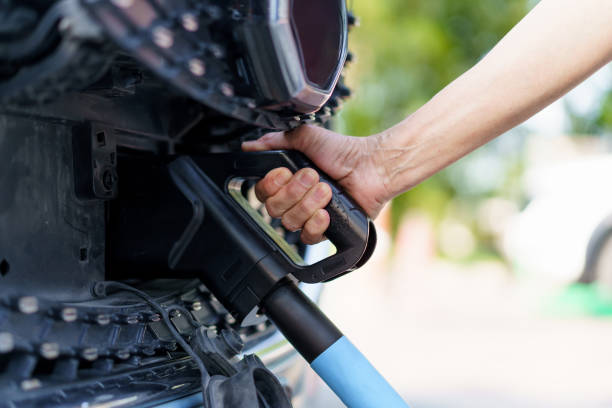
Commercial EV charging projects must meet Florida electrical codes. Most projects also require permits and inspections.
Requirements may include:
-
Electrical permits
-
Utility approvals
-
NEC compliance
-
Final inspections
Working with licensed electricians helps avoid delays and code violations.
Equipment Selection
Choosing the correct charger depends on the property’s needs. A hotel may need different equipment than a fleet yard.
Important factors include:
-
Charging speed
-
Connector type
-
Weather protection
-
Smart software features
-
Future expansion needs
-
Payment systems
Planning for future growth is important. Many businesses expand their charging capacity later.
Need Help Planning a DC Fast Charging Project?
Hylton Electric helps residential, commercial, and industrial clients across Lakeland, Polk County, and Tampa with dependable EV charging solutions. Call +1 863-624-7000 or email ray@hylton-electric.com for a free commercial or industrial quote.
Power Requirements for DC Fast Charging
DC fast chargers use large amounts of electricity. Because of this, many buildings need electrical upgrades before installation starts. Most commercial chargers operate on 480-volt three-phase power. Smaller systems may use lower voltage, but high-speed chargers usually need heavy-duty infrastructure.
The power demand depends on charger size and usage. A 50 kW charger uses far less power than a 350 kW ultra-fast charger. Properties with multiple chargers need even more capacity. Many older buildings were not designed for this level of electrical demand. That is why electrical assessments are critical before construction begins.
Without proper planning, businesses may face:
-
Overloaded panels
-
Voltage drop issues
-
Breaker trips
-
Equipment failures
-
Utility delays
-
Expensive future upgrades
A licensed electrical contractor can identify these risks early and recommend the right upgrades.
Typical Voltage and Amperage Needs
Most DC fast chargers use commercial-grade electrical service. Common systems include:
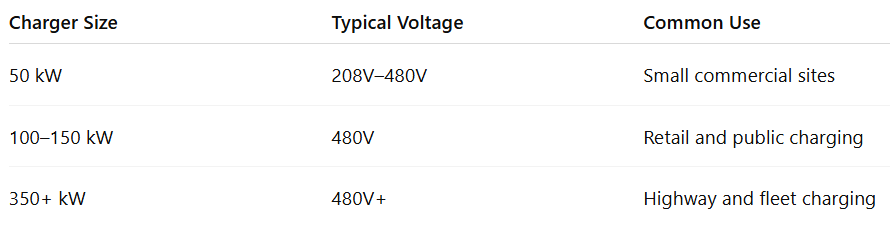
Larger charging systems require higher amperage and stronger power distribution systems.
Many properties also need:
-
Dedicated electrical feeders
-
Switchgear upgrades
-
Utility transformer upgrades
-
Load balancing systems
Planning for future growth is also important. Businesses often add more chargers later.
Common Electrical Upgrades Needed
Some buildings can support EV charging with minor modifications. Others need major infrastructure improvements.
Common upgrades include:
-
Electrical panel replacements
-
Transformer upgrades
-
New conduit installation
-
Power distribution improvements
-
Utility service upgrades
-
Surge protection systems
Panel upgrades are especially common in older commercial buildings. Existing systems may not have enough space or capacity for EV charging loads. Transformer upgrades may also be necessary. Utility companies sometimes require new transformers before approving large charging projects. These upgrades improve long-term reliability and safety.
Backup Power and Generator Considerations
Florida weather can create power outages during storms and hurricanes. For some businesses, charging downtime is not acceptable.
Backup generators can help maintain charging operations during outages. This is especially important for:
-
Emergency fleets
-
Municipal facilities
-
Logistics companies
-
Industrial operations
-
Healthcare facilities
Some businesses also use battery storage systems alongside generators. These systems help reduce demand charges and improve energy management. Reliable backup power becomes even more important as EV adoption increases.
Need Help Planning a DC Fast Charging Project?
Hylton Electric helps commercial, industrial, and residential clients across Lakeland, Polk County, and Tampa with reliable EV charging infrastructure. Call +1 863-624-7000 or email ray@hylton-electric.com for a free commercial or industrial quote.
DC Fast Charging Costs in Tampa, Florida
DC fast charging projects vary widely in cost. Pricing depends on charger size, electrical infrastructure, utility requirements, and site conditions. Smaller commercial charging systems may cost tens of thousands of dollars. Large fleet charging projects can cost hundreds of thousands. Equipment is only part of the total project cost. Electrical upgrades often become the largest expense.
Many Tampa businesses also need:
-
Utility coordination
-
Concrete work
-
Trenching
-
Permitting
-
Switchgear upgrades
-
Transformer installations
That is why early planning matters. A site evaluation helps identify costs before construction begins.
Average Equipment Costs
Charging equipment prices depend on charging speed and features.
Estimated DC Fast Charging Equipment Costs
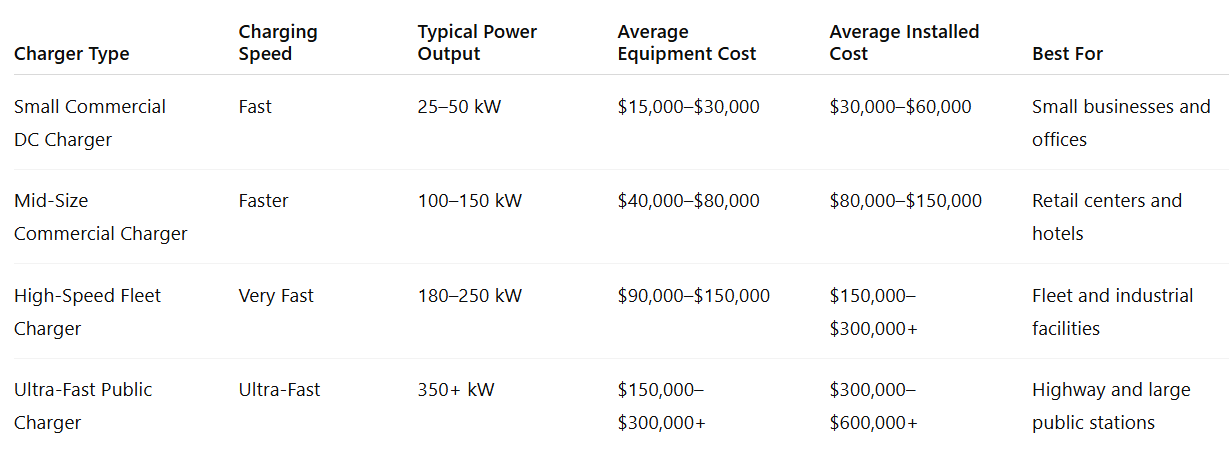
Network software, payment systems, and monitoring tools may increase costs further.
Installation Cost Factors
Installation costs vary by property. Some sites already have strong electrical infrastructure. Others require major upgrades.
Several factors affect pricing:
-
Distance from electrical service
-
Utility transformer needs
-
Existing panel capacity
-
Site excavation requirements
-
Parking lot conditions
-
Permit costs
-
Charger quantity
Concrete cutting and trenching can also increase labor costs. Large parking lots often require extensive conduit installation. Properties with limited electrical capacity may face longer timelines and higher utility costs.
Utility and Demand Charges
Commercial EV charging systems can increase utility bills. Demand charges are one of the biggest concerns for businesses. Demand charges are based on peak power usage during billing periods. Fast chargers create large spikes in electricity demand.
Businesses can reduce these costs through:
-
Smart energy management systems
-
Scheduled charging
-
Battery storage systems
-
Load balancing technology
Understanding utility rate structures before installation is important.
Maintenance and Operating Costs
DC fast chargers require regular maintenance to remain reliable. Heavy usage and Florida weather can increase wear over time.
Routine maintenance may include:
-
Cooling system inspections
-
Software updates
-
Cable inspections
-
Connector testing
-
Electrical system checks
Annual maintenance costs vary based on charger size and usage levels. Preventive maintenance helps reduce downtime and repair costs.
Florida Incentives and Rebates
Several programs may help offset installation costs.
Available incentives may include:
-
Federal tax credits
-
Utility rebate programs
-
State EV infrastructure grants
-
Commercial energy incentives
Programs change often, so businesses should review current eligibility requirements before starting projects.
Useful resources include:
Common Challenges With DC Fast Charging Projects
DC fast charging projects involve complex electrical systems. Without proper planning, businesses can face delays, cost overruns, and operational problems. One of the biggest challenges is electrical capacity. Many buildings simply were not designed for high-speed EV charging loads.
Utility coordination can also slow projects down. Some sites need transformer upgrades or service modifications before installation can begin. Poor planning often creates expensive problems later.
Limited Utility Capacity
Some properties do not have enough incoming power for fast charging systems.
This can lead to:
-
Utility delays
-
Infrastructure redesigns
-
Higher project costs
-
Long installation timelines
In some cases, utility upgrades take several months to complete. Early coordination with utility providers helps avoid major delays.
Poor Site Planning
Parking layout matters more than many businesses expect.
Poor charger placement can create:
-
Traffic flow issues
-
Accessibility problems
-
Limited expansion space
-
Safety concerns
Good site planning improves both usability and future scalability.
Incorrect Equipment Sizing
Choosing the wrong charger size can hurt long-term performance. Undersized systems may create charging delays. Oversized systems may increase unnecessary costs.
Businesses should consider:
-
Daily traffic volume
-
Vehicle types
-
Charging time expectations
-
Future EV growth
The right balance improves efficiency and return on investment.
Future Expansion Problems
Some businesses install chargers without planning for future growth. This can create expensive retrofit work later.
Planning ahead may include:
-
Extra conduit capacity
-
Larger panels
-
Expansion-ready switchgear
-
Additional parking infrastructure
Scalable systems reduce future construction costs.
Choosing Unqualified Installers
DC fast charging systems involve high-voltage commercial electrical work. Inexperienced contractors may create serious safety risks.
Improper installations can lead to:
-
Equipment failures
-
Code violations
-
Inspection problems
-
Fire hazards
-
Reliability issues
Licensed electrical contractors help ensure safe and code-compliant installations.
Why Tampa Businesses Are Investing in DC Fast Charging
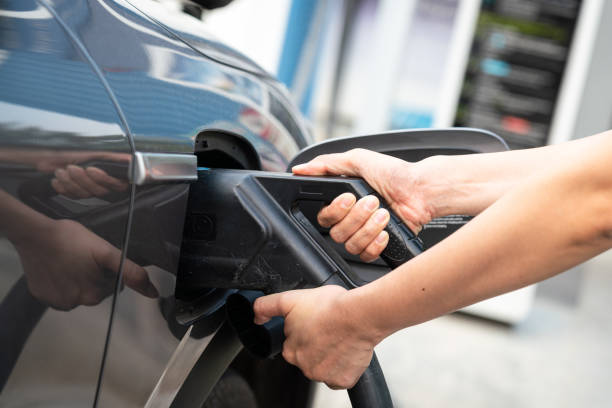
More Tampa businesses now install EV charging stations. Demand for electric vehicles keeps growing across Florida. Drivers expect fast and reliable charging access at more locations.
Many companies now see EV charging as a long-term investment. It helps prepare properties for future transportation trends. It also improves convenience for customers, tenants, and employees.
Fast charging stations are becoming common at:
-
Shopping centers
-
Hotels
-
Apartment complexes
-
Fleet facilities
-
Parking garages
-
Industrial properties
Businesses that install chargers early often stay ahead of competitors.
Competitive Business Advantages
EV charging stations can help attract more visitors. Drivers often choose locations where they can charge while shopping or working.
This can help businesses increase:
-
Customer traffic
-
Property visibility
-
Tenant satisfaction
-
Repeat visits
-
Customer convenience
Hotels and retail centers often benefit the most. Drivers usually stay longer while their vehicles charge.
Property Value and Tenant Attraction
Modern electrical upgrades can improve property value. Many tenants now expect EV-ready buildings. Apartment complexes and office properties increasingly compete through added amenities. Charging stations are becoming one of those features.
EV-ready properties may attract:
-
Corporate tenants
-
Fleet operators
-
Higher-income renters
-
Sustainability-focused businesses
Planning ahead also makes future expansion easier.
Sustainability Goals and Branding
Many companies now focus on sustainability and energy planning. EV charging supports those goals.
Businesses may install chargers to:
-
Support cleaner transportation
-
Reduce fuel dependence
-
Improve environmental reporting
-
Meet company sustainability goals
Charging stations also show customers that a business is preparing for the future.
Long-Term Infrastructure Planning
Electrical upgrades take time. Waiting too long can increase project costs later.
Early planning allows businesses to:
-
Upgrade electrical systems gradually
-
Coordinate with utility providers
-
Prepare for future expansion
-
Avoid rushed construction projects
Scalable systems often save money long term.
When to Hire a Licensed Electrical Contractor
DC fast charging systems involve complex electrical work. These projects should always be handled by qualified professionals. Fast chargers use high-voltage commercial power. Incorrect installation can create safety hazards and expensive repair problems.
Licensed electricians understand commercial power systems, permitting, and code compliance. They also help businesses avoid delays and failed inspections.
Why Licensing and Experience Matter
Commercial EV charging systems must meet strict electrical standards. Experienced contractors understand these requirements.
Licensed electricians help manage:
-
Electrical permits
-
Utility coordination
-
Load calculations
-
Equipment sizing
-
Safety inspections
-
Code compliance
Poor installations may lead to:
-
Equipment failures
-
Fire hazards
-
Inspection problems
-
Downtime
-
Costly repairs
Professional installation improves both safety and long-term reliability.
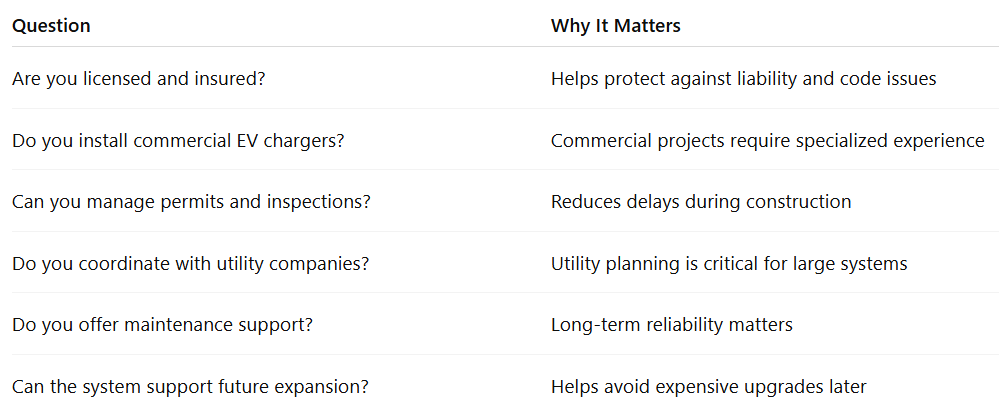
Questions to Ask Before Hiring
Businesses should carefully review electrical contractors before starting a project.
Choosing a DC Fast Charging Contractor
What Makes Reliable Electrical Contractors Stand Out in Tampa
Reliable contractors focus on planning, safety, and long-term performance. They also communicate clearly during every phase of the project.
Strong commercial electrical contractors usually provide:
-
Detailed site evaluations
-
Accurate power assessments
-
Clear project timelines
-
Expansion planning
-
Emergency support options
Businesses should avoid contractors with limited commercial EV charging experience.
Conclusion
Electric vehicle demand continues to grow across Tampa and throughout Florida. Because of this, more businesses now invest in reliable charging infrastructure. DC Fast Charging helps drivers charge quickly and return to the road faster. It also supports future transportation growth for commercial and industrial properties.
Still, these projects require careful planning. Many buildings need electrical upgrades before installation can begin. Panel capacity, utility coordination, and power distribution all play important roles.
Safety also matters. High-speed charging systems must meet strict electrical codes and commercial safety standards. Proper installation helps reduce downtime, equipment failures, and future repair costs. Businesses that plan early often avoid larger upgrade costs later. Scalable infrastructure also makes future expansion easier.
As EV adoption continues growing, reliable charging systems will become even more important across Tampa and surrounding Florida communities.
Planning DC Fast Charging Infrastructure?
Hylton Electric serves Lakeland, Polk County, Tampa, and surrounding Florida areas with dependable electrical solutions for residential, commercial, and industrial properties. Call +1 863-624-7000 or email ray@hylton-electric.com for free commercial and industrial project quotes.
FAQs About DC Fast Charging
How fast is DC fast charging compared to Level 2 charging?
DC fast charging is much faster than Level 2 charging. Most Level 2 chargers add around 20 to 30 miles of driving range per hour. DC fast chargers can often recharge many EV batteries to 80% within 20 to 40 minutes.
Charging speed depends on several factors, including:
-
Vehicle battery size
-
Charger power level
-
Battery temperature
-
Vehicle charging limits
Level 2 charging works best for overnight charging or long parking periods. DC fast charging works better for busy locations where drivers need quick access.
Retail centers, hotels, fleet facilities, and highway locations often use DC fast chargers because they reduce wait times and improve customer convenience.
How much does DC fast charging installation cost in Tampa?
Installation costs vary based on charger size and site conditions. Smaller commercial projects may cost around $30,000 to $60,000 installed. Larger fleet charging systems can cost much more.
Several factors affect pricing:
-
Number of chargers
-
Electrical upgrades
-
Utility transformer needs
-
Trenching and concrete work
-
Permits and inspections
-
Existing panel capacity
Older buildings often need major electrical upgrades before installation begins. Those upgrades may increase project costs significantly. A professional site assessment provides the most accurate pricing estimate.
Do DC fast chargers require three-phase power?
Most commercial DC fast chargers require three-phase electrical service. These systems use large amounts of electricity and need stable commercial power.
Many chargers operate on:
-
208V three-phase power
-
480V three-phase power
Larger charging stations often require higher voltage systems. Some properties may also need utility transformer upgrades. Smaller charging systems may use lower power configurations. However, most commercial fast charging projects require heavy-duty electrical infrastructure. A licensed electrician can determine whether a building has enough available electrical capacity for installation.
Can older commercial buildings support DC fast charging?
Yes, many older commercial buildings can support DC fast charging. However, most need electrical upgrades first. Older buildings were not designed for modern EV charging loads. Fast chargers use large amounts of electricity. Because of this, older systems may not have enough power capacity.
Common upgrades may include:
-
Panel replacements
-
Transformer upgrades
-
New conduit installation
-
Utility service upgrades
-
Switchgear improvements
Some older buildings also have outdated wiring or limited breaker space. These issues can affect both safety and charging performance. A licensed electrician should inspect the building before installation begins. They usually perform load calculations and review the existing electrical system.
In many cases, these upgrades also improve the building’s overall electrical reliability and future expansion capacity.
Are there rebates for EV charging stations in Florida?
Yes, Florida businesses may qualify for EV charging incentives and rebate programs.
Available programs may include:
-
Federal tax credits
-
Utility company rebates
-
Commercial energy incentives
-
State infrastructure grants
Program availability changes often. Some incentives apply only to commercial properties or certain charger types.
Businesses may also qualify for incentives related to:
-
Fleet electrification
-
Energy efficiency
-
Public charging access
-
Alternative fuel infrastructure
Some utility providers help cover part of the installation or upgrade costs. Federal incentives may also reduce equipment expenses. Before starting a project, businesses should review current program requirements and deadlines. Many rebate programs have limited funding.
What businesses benefit most from DC fast charging?
Many businesses benefit from DC fast charging. However, some industries see stronger long-term value.
Businesses that commonly install fast chargers include:
-
Retail centers
-
Hotels
-
Fleet facilities
-
Apartment complexes
-
Industrial properties
-
Parking garages
Retail businesses often benefit from increased customer traffic. Drivers may stay longer while charging their vehicles. Hotels also benefit because EV travelers often search for charging-friendly properties. Fleet operators rely heavily on fast charging. Delivery and service vehicles need quick charging turnaround times to stay productive.
Apartment communities are another growing market. Many tenants now expect EV charging access at residential properties. Fast charging helps businesses prepare for growing EV demand while improving customer convenience.
How long do DC fast chargers last?
Most commercial DC fast chargers last around 10 to 15 years with proper maintenance.
Actual lifespan depends on several factors, including:
-
Usage levels
-
Weather exposure
-
Equipment quality
-
Maintenance routines
-
Installation quality
High-traffic charging stations usually experience more wear over time. Florida heat and moisture can also affect equipment durability. Routine maintenance helps extend equipment life and reduce repair costs.
Important maintenance tasks often include:
-
Cable inspections
-
Connector testing
-
Software updates
-
Cooling system checks
-
Electrical testing
Preventive maintenance improves reliability and helps avoid unexpected downtime.
What maintenance does DC fast charging equipment need?
DC fast chargers need regular maintenance to operate safely and reliably.
Routine maintenance often includes:
-
Cable inspections
-
Connector testing
-
Software updates
-
Cooling system maintenance
-
Electrical inspections
Technicians also check for overheating, corrosion, and damaged components. Florida weather can increase maintenance needs because heat, humidity, and storms affect outdoor electrical equipment.
Regular maintenance helps reduce:
-
Charging interruptions
-
Equipment failures
-
Safety risks
-
Expensive repairs
High-traffic charging stations may require more frequent inspections. Well-maintained systems usually last longer and operate more efficiently.
Can DC fast charging increase utility bills significantly?
Yes, DC fast charging can increase commercial utility costs. Fast chargers use large amounts of electricity during operation. One major cost factor is demand charges. Utility companies often charge businesses based on peak electricity usage.
Fast charging systems can create large spikes in power demand. This may increase monthly utility bills if the system is not managed properly.
Businesses often reduce costs through:
-
Smart charging schedules
-
Battery storage systems
-
Load balancing systems
-
Energy management software
Charging during lower-demand periods may also help reduce costs. A professional electrical assessment can help businesses estimate operating expenses before installation begins.
Is DC fast charging safe during Florida storms?
Yes, properly installed DC fast charging systems are designed for Florida weather conditions.
Most commercial charging stations include:
-
Weather-resistant enclosures
-
Surge protection systems
-
Ground fault protection
-
Emergency shutoff controls
Outdoor systems must handle rain, heat, humidity, and storm conditions.
Proper installation is very important. Chargers should be installed in areas with good drainage and flood protection when possible. Some businesses also install backup generators or battery storage systems. These systems help maintain charging availability during outages. Routine inspections help ensure safety systems continue working properly after severe weather events.
Leave a Reply