Electric motors help many buildings and facilities run every day. They power HVAC systems, pumps, conveyor belts, and factory equipment. When a motor stops working, the whole system may slow down or stop. This can lead to lost time and higher costs. That is why fast electric motor repair is important for businesses in Tampa and Central Florida.
Tampa continues to grow in manufacturing, healthcare, logistics, and commercial construction. More buildings and facilities need reliable electrical systems. Many motors run for long hours every day. Florida heat and humidity also put extra stress on this equipment. Over time, moisture, dirt, and heat can damage motor parts and reduce performance.
Many business owners ignore early warning signs. Small problems often turn into larger repairs later. A loud noise, overheating motor, or power issue may cause a full shutdown. Fast inspections help catch these problems early. Preventive maintenance also helps lower repair costs and extend motor life.
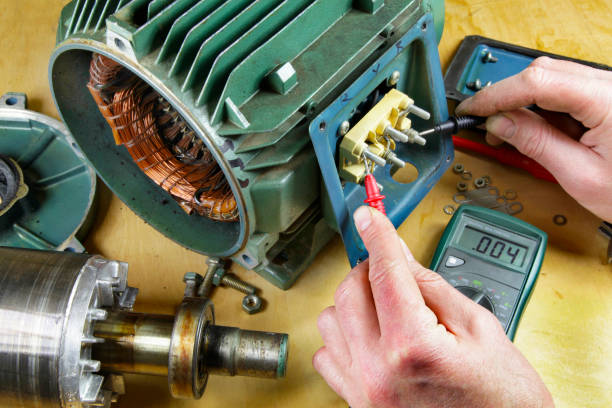
Professional electricians use testing tools to find the problem quickly. They check voltage, temperature, wiring, and motor performance. This process helps improve safety and reduce downtime. Proper repairs also help equipment run more efficiently.
Hylton Electric provides electrical services for residential, commercial, and industrial clients across Lakeland, Polk County, Tampa, and nearby Florida areas. The company focuses on safe work, dependable service, and practical electrical solutions.
What Is Electric Motor Repair?
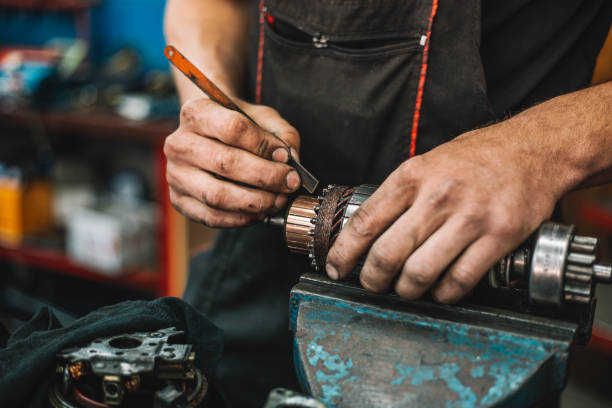
Electric motor repair means fixing a motor that no longer works the right way. The repair process may include replacing worn parts, fixing damaged wiring, or testing electrical connections. In some cases, electricians also rewind coils or rebuild damaged motor parts. Proper repairs help improve safety, performance, and equipment life.
Electric motors change electrical power into movement. These motors are used in many commercial and industrial systems. Most motors contain several important parts, including:
-
Rotor
-
Stator
-
Bearings
-
Windings
-
Cooling fans
-
Electrical connections
If one part fails, the whole motor may stop working properly. Some motors fail slowly over time. Others stop suddenly because of overheating, moisture, or electrical problems.
Many commercial buildings depend on electric motors every day. These motors are commonly found in:
-
HVAC systems
-
Refrigeration equipment
-
Elevators
-
Exhaust fans
-
Water pumps
-
Compressors
Industrial facilities often use larger and more powerful motors. These motors support conveyor systems, production lines, and automated equipment. Because these systems work for long hours, they need regular maintenance to avoid breakdowns.
Most motor problems start with small warning signs. Business owners may notice loud noises, overheating, vibration, or weak performance. Some motors may also trip breakers or shut down randomly. Ignoring these signs often leads to larger repairs later.
Professional electricians use testing tools to find the exact problem. They may perform:
-
Voltage testing
-
Thermal inspections
-
Insulation testing
-
Vibration analysis
-
Amperage checks
These tests help identify the root cause quickly. Accurate testing also prevents unnecessary repairs and lowers long-term costs.
Florida weather creates extra stress on electric motors. Heat and humidity can damage insulation and increase corrosion. Moisture may also shorten bearing life and reduce motor efficiency. Because of this, many Tampa businesses schedule preventive inspections before the hottest months of the year.
Signs You Need Electric Motor Repair
Electric motors usually show warning signs before they fail completely. These signs should not be ignored. Early repairs help reduce downtime and lower repair costs. Fast action can also prevent major damage to nearby equipment.
Unusual Motor Noises
Grinding, humming, or screeching sounds often point to internal damage. Worn bearings are a common cause. Loose parts may also create vibration and noise. In some cases, electrical problems affect motor balance. Any sudden change in sound should be checked quickly.
Burning Smells or Excess Heat
A burning smell is a serious warning sign. It may mean damaged insulation or overheated wiring. Overloaded circuits can also cause high temperatures. Too much heat shortens motor life and increases the risk of failure.
Frequent Breaker Trips
Motors that trip breakers often use too much power. This may happen because of damaged windings or electrical shorts. Failing capacitors can also create this problem. Resetting the breaker without fixing the issue may lead to larger repairs later.
Weak Equipment Performance
A damaged motor may not run at full power. HVAC systems may cool poorly. Pumps may lose pressure. Conveyor systems may slow down or stop suddenly. Weak performance often means the motor is losing efficiency.
Strong Vibrations
Heavy vibration usually means something is loose or damaged. Common causes include:
-
Worn bearings
-
Shaft imbalance
-
Alignment problems
-
Loose mounting parts
Over time, vibration may damage nearby electrical equipment too.
Rising Energy Bills
Damaged motors often use more electricity. Older systems may work harder to produce the same output. Many businesses first notice motor problems through higher energy bills.
Other warning signs include:
-
Moisture inside the motor
-
Rust or corrosion
-
Delayed startup
-
Random shutdowns
-
Flickering connected equipment
-
Frequent overheating
Many business owners wait too long before scheduling repairs. The equipment may still run, but hidden damage often continues spreading. Early repairs usually cost much less than full motor replacement.
Common Electric Motor Problems in Tampa, Florida
Florida weather can be hard on electric motors. Heat, humidity, storms, and dirt place extra stress on electrical equipment. Because of this, many businesses in Tampa deal with motor problems throughout the year. These issues often happen faster in Florida than in cooler climates.
Humidity and Moisture Damage
Moisture is one of the biggest problems for electric motors in Florida. High humidity allows condensation to form inside the motor housing. Over time, this moisture damages insulation and increases the risk of electrical shorts.
Moisture can also cause:
-
Rust
-
Corrosion
-
Bearing damage
-
Wiring problems
Motors in damp areas usually wear out faster. Regular inspections help catch these problems early.
Corrosion From Coastal Air
Salt air affects many Tampa-area buildings and facilities. Even locations far from the coast may still experience corrosion from humid air. Corroded parts increase electrical resistance and reduce motor efficiency.
Corrosion often affects:
-
Electrical terminals
-
Cooling fans
-
Bearings
-
Motor frames
-
Wiring connections
Routine maintenance helps prevent severe damage and expensive repairs.
Power Surges and Storm Damage
Florida storms often create unstable power conditions. Lightning strikes and sudden voltage changes can damage motors quickly. Sensitive electrical parts are especially vulnerable during storms.
Power surges may damage:
-
Motor windings
-
Capacitors
-
Control systems
-
Variable frequency drives
-
Protective devices
Surge protection helps reduce these risks and protect connected equipment.
Dust and Dirt Buildup
Factories and warehouses often expose motors to dust and debris. Dirt blocks airflow and traps heat inside the motor. Poor airflow increases operating temperatures and speeds up wear.
Dust problems are common in:
-
Manufacturing plants
-
Warehouses
-
Food processing facilities
-
Woodworking shops
Routine cleaning helps improve cooling and motor performance.
Overworked HVAC Motors
Commercial HVAC systems work hard in Tampa’s hot climate. Many cooling systems run for long hours every day. This constant operation increases wear on motor parts.
Common HVAC motor problems include:
-
Overheating
-
Bearing wear
-
Weak airflow
-
Electrical strain
Without maintenance, HVAC motors often fail during the hottest months of the year. Emergency repairs during summer usually cost more and cause longer downtime.
Need reliable electric motor repair in Tampa or Polk County? Hylton Electric helps residential, commercial, and industrial clients with practical electrical solutions and fast response times. Call +1 863-624-7000 or email ray@hylton-electric.com for a free commercial or industrial quote.
Electric Motor Repair vs Replacement
Many business owners ask the same question after a motor failure. Should the motor be repaired or replaced? The answer depends on the motor’s condition, age, and repair cost. In many cases, repairs make sense. However, some motors cost more to repair than to replace.
A professional inspection helps determine the best option. Electricians test the motor and inspect the damaged parts. They also check the overall condition of the system. This process helps avoid wasting money on short-term fixes.
When Repair Is the Better Option
Repairs often work well when the damage is small. Replacing bearings, wiring, or cooling fans usually costs less than installing a new motor. Repairing the motor also helps reduce downtime.
Repairs are often recommended when:
-
The motor is fairly new
-
Damage is limited
-
Replacement parts are available
-
The motor is of high quality
-
The system still runs efficiently
Motor rewinding may also restore performance if the winding damage is minor. This process replaces damaged coils inside the motor.
When Replacement Makes More Sense
Some motors are too damaged to repair safely. Older motors may also lack efficiency compared to newer models. In these cases, replacement often saves money over time.
Replacement is usually better when:
-
The motor has severe burn damage
-
Multiple parts have failed
-
The motor overheats often
-
Repair costs are very high
-
The system is outdated
Newer motors often use less energy. They may also provide better reliability and lower maintenance costs.
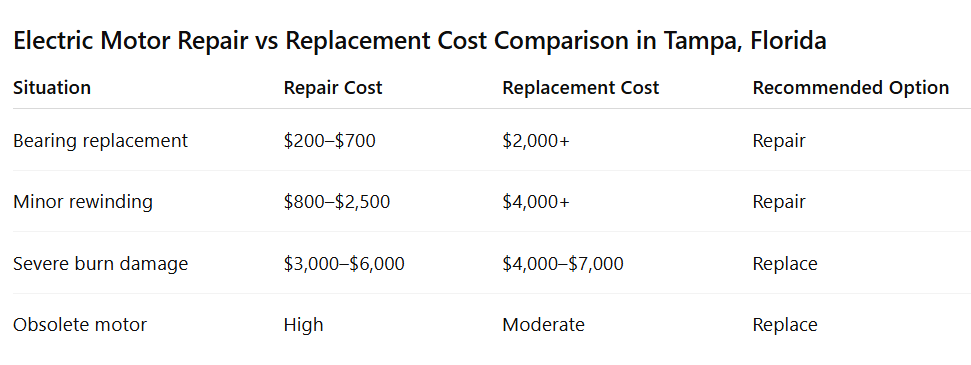
Choosing the right option depends on long-term value. A trusted electrician can explain the costs, expected lifespan, and performance benefits clearly.
Electric Motor Repair Costs in Tampa, Florida
Electric motor repair costs vary based on the size of the motor and the type of damage. Small commercial motors cost much less to repair than large industrial systems. Emergency services also increase pricing.
Minor repairs may only take a few hours. Large industrial repairs often require more testing, labor, and replacement parts.
Average Repair Costs
Small commercial motor repairs usually cost between $200 and $900. Medium industrial motors often range from $1,000 to $3,500. Large industrial systems may exceed $5,000 depending on the damage.
Common repair costs include:
-
Bearing replacement: $200–$700
-
Motor rewinding: $800–$4,000
-
Diagnostic testing: $150–$500
-
Emergency repairs: $500–$2,000+
-
Full replacement: $2,500–$10,000+
These prices vary based on motor size and labor requirements.
Factors That Affect Repair Costs
Several factors influence repair pricing in Tampa and nearby Florida areas.
- Motor Size
Large motors require more labor and materials. Industrial systems also need specialized testing equipment.
- Type of Damage
Minor wiring problems cost less than burned windings or shaft damage. Severe failures often require full rebuilding.
- Emergency Service
After-hours repairs usually cost more. Emergency service is common during production shutdowns or HVAC failures.
- Replacement Parts
Older motors may require special-order parts. This can increase both labor time and total cost.
- Motor Accessibility
Hard-to-reach equipment increases labor time. Rooftop HVAC motors and large industrial systems often require additional work.
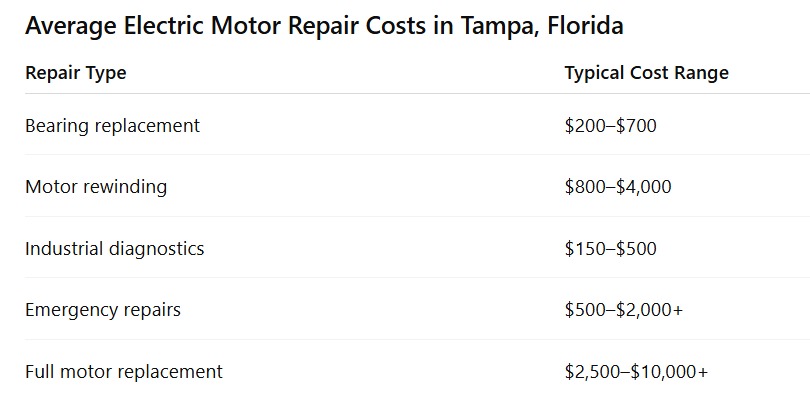
Preventive maintenance often lowers repair costs over time. Regular inspections help catch small issues before they become major failures.
Preventive Maintenance for Electric Motors
Preventive maintenance helps keep motors running safely and efficiently. It also reduces downtime and extends equipment life. Many expensive failures begin as small maintenance issues.
Routine inspections help identify wear before serious damage develops. This is especially important in Florida’s hot and humid climate.
Routine Inspection Checklist
Electricians often inspect motors for:
-
Excessive heat
-
Strange noises
-
Loose wiring
-
Vibration
-
Moisture buildup
-
Dirty cooling vents
Regular inspections improve reliability and reduce emergency repairs.
Lubrication Best Practices
Bearings need proper lubrication to reduce friction and heat. Too little lubrication causes wear. Too much lubrication may also damage the system.
Maintenance teams should follow manufacturer recommendations for:
-
Lubricant type
-
Lubrication schedule
-
Application amount
Electrical Testing Schedule
Routine electrical testing helps identify hidden problems early.
Common tests include:
-
Voltage testing
-
Insulation testing
-
Load analysis
-
Thermal scanning
Many businesses perform inspections every few months.
Keep Motors Clean
Dust and debris trap heat inside the motor housing. Cleaning helps improve airflow and cooling performance.
Cleaning is especially important in:
-
Warehouses
-
Factories
-
Food facilities
-
Dust-heavy environments
Commercial and Industrial Electric Motor Maintenance Checklist
Maintenance TaskRecommended FrequencyVisual inspectionMonthlyBearing lubricationQuarterlyVoltage testingSemi-annuallyFull performance testingAnnually
Preventive maintenance also improves workplace safety. Motors that run too hot or vibrate excessively may create electrical hazards.
Need help with motor maintenance or electrical repairs in Tampa, Lakeland, or Polk County? Hylton Electric supports residential, commercial, and industrial properties with safe and practical electrical services. Call +1 863-624-7000 or email ray@hylton-electric.com for a free commercial or industrial quote.
Industries That Commonly Need Electric Motor Repair
Electric motors are used in many industries across Tampa and Central Florida. Some facilities depend on motors every minute of the day. Even a short shutdown can affect production, customer service, or building safety.
Different industries place different demands on motor systems. Some motors run constantly under heavy loads. Others operate in hot, dirty, or humid environments. These conditions increase wear over time.
Manufacturing Facilities
Manufacturing plants use motors for production lines, conveyors, compressors, and automated systems. These motors often run for long shifts without stopping.
Common problems include:
-
Overheating
-
Bearing wear
-
Dust buildup
-
Vibration damage
Routine maintenance is important in manufacturing environments because downtime can stop production completely.
Warehouses and Distribution Centers
Warehouses use motors in conveyor systems, loading equipment, and ventilation systems. Distribution centers also rely heavily on HVAC equipment to control indoor temperatures.
Motor failures in warehouses may cause:
-
Delayed shipments
-
Equipment shutdowns
-
Safety risks
-
Reduced productivity
Fast repairs help keep operations moving.
Commercial HVAC Systems
Office buildings, hospitals, hotels, and retail centers depend on HVAC motors daily. Florida’s heat causes these systems to work harder for longer periods.
Commercial HVAC motors commonly fail because of:
-
Continuous operation
-
Dirty filters
-
Poor airflow
-
Lack of maintenance
Ignoring small HVAC motor issues may lead to complete cooling system failure.
Food Processing Facilities
Food facilities require reliable electrical systems for refrigeration, packaging, and ventilation equipment. Motors in these environments often face moisture exposure and strict operating demands.
Common challenges include:
-
Humidity damage
-
Corrosion
-
Overheating
-
Constant equipment use
Regular inspections help prevent unexpected shutdowns.
Water Treatment Facilities
Water treatment systems use electric motors to power pumps and filtration equipment. These motors often run around the clock.
Motor failures in these facilities may affect:
-
Water pressure
-
Filtration systems
-
Wastewater operations
-
Emergency backup systems
Preventive maintenance helps reduce service interruptions.
Apartment Complexes and Property Management
Large residential properties use motors for elevators, ventilation systems, pumps, and pool equipment. Property managers often schedule maintenance before peak summer seasons. Fast repairs help avoid tenant complaints and emergency service calls.
Safety Risks of Ignoring Motor Problems
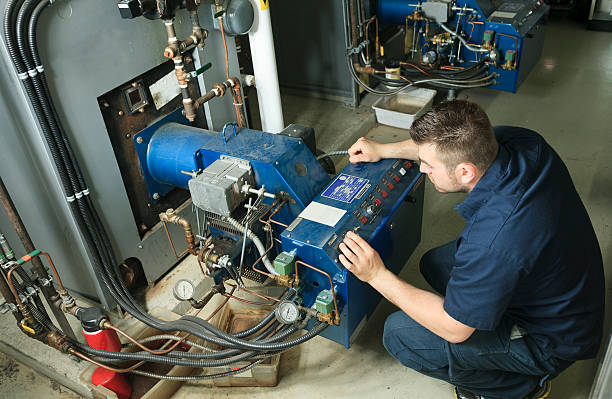
Many people continue using damaged motors until they fail completely. This creates serious safety and financial risks. Small problems often grow worse over time. A noisy or overheating motor may seem minor at first. However, hidden damage inside the system may already be spreading.
Electrical Fire Hazards
Overheated motors can damage insulation and nearby wiring. In severe cases, overheating may create sparks or electrical fires.
Common causes include:
-
Overloaded circuits
-
Poor ventilation
-
Damaged windings
-
Loose electrical connections
Fast repairs help reduce these risks.
Equipment Downtime
Unexpected motor failures often stop important systems without warning. In commercial and industrial facilities, downtime may affect employees, customers, and production schedules.
Downtime can lead to:
-
Lost revenue
-
Delayed projects
-
Reduced productivity
-
Emergency repair costs
Preventive maintenance helps reduce these disruptions.
Workplace Safety Concerns
Damaged motors may create dangerous work conditions. Sudden equipment failure can place workers at risk, especially around industrial machinery.
Electrical problems may also increase the chance of:
-
Shock hazards
-
Arc flashes
-
Equipment malfunctions
-
Unsafe operating conditions
Licensed electricians follow proper safety procedures during inspections and repairs.
Expensive Emergency Repairs
Minor repairs usually cost much less than major failures. Waiting too long often increases labor costs and replacement expenses.
Emergency service may also involve:
-
After-hours labor
-
Temporary shutdowns
-
Replacement equipment
-
Urgent parts orders
Fixing problems early helps control costs.
Production Delays
Manufacturing facilities and warehouses depend on reliable equipment. A failed motor may stop entire systems and delay operations.
Production delays may affect:
-
Customer orders
-
Shipping schedules
-
Supply chains
-
Employee productivity
Reliable maintenance plans help avoid these problems.
How to Choose the Right Electric Motor Repair Company in Tampa
Choosing the right electrical contractor is important. Poor repairs often lead to repeat failures and higher costs later. A qualified company should focus on safety, testing, and long-term reliability.
Verify Licensing and Insurance
Always work with a licensed and insured electrical contractor. Proper licensing helps ensure the work meets local codes and safety standards. Insurance also protects property owners if accidents occur during repairs.
Look for Industrial Experience
Commercial and industrial systems are more complex than residential equipment. Experienced electricians understand large motors, control systems, and industrial safety procedures.
Ask whether the company has experience with:
-
Industrial equipment
-
HVAC systems
-
Production machinery
-
Large electrical systems
Ask About Emergency Service
Motor failures often happen without warning. Fast response times help reduce downtime and prevent larger operational problems.
Emergency support is especially important for:
-
Factories
-
Warehouses
-
Medical facilities
-
Commercial buildings
Review Testing and Diagnostic Capabilities
Professional electricians use testing equipment to find the real problem quickly. Proper diagnostics improve repair accuracy and reduce repeat failures.
Common testing methods include:
-
Thermal imaging
-
Voltage testing
-
Load testing
-
Insulation testing
-
Vibration analysis
Check Reputation and Reviews
Customer reviews often reveal how companies handle communication, timelines, and repair quality. Look for contractors with strong local experience in Tampa and nearby areas.
Reliable companies usually focus on:
-
On-time service
-
Clear communication
-
Safe work practices
-
Long-term solutions
Confirm OSHA and NFPA Compliance
Commercial and industrial repairs should follow OSHA and NFPA safety standards. Proper compliance helps protect workers and property. Professional contractors also use lockout and safety procedures during repairs.
Why Businesses in Tampa Choose Professional Electric Motor Repair
Professional repairs help businesses avoid repeat problems and costly downtime. Skilled electricians understand how motors interact with larger electrical systems. Proper repairs improve both safety and performance.
Faster Equipment Recovery
Experienced electricians diagnose problems quickly. This helps restore equipment faster and reduce operational delays.
Quick repairs are important for:
-
Production facilities
-
HVAC systems
-
Distribution centers
-
Property management companies
Reduced Downtime
Downtime affects revenue, productivity, and customer service. Professional repairs help keep systems running reliably. Routine maintenance also reduces unexpected shutdowns.
Better Energy Efficiency
Damaged motors often use more electricity. Proper repairs help improve efficiency and lower operating costs.
Energy-efficient systems may also:
-
Reduce overheating
-
Improve equipment lifespan
-
Lower monthly utility bills
Longer Equipment Lifespan
Routine maintenance and quality repairs help motors last longer. This reduces replacement costs and improves long-term value. Well-maintained motors usually perform more consistently over time.
Improved Workplace Safety
Safe electrical systems help protect employees and equipment. Professional electricians identify hidden risks before serious problems develop. Regular inspections also support OSHA safety compliance in commercial and industrial environments.
Future Trends in Electric Motor Repair
Electric motor technology continues to change. Many businesses now focus on energy savings, automation, and predictive maintenance. These changes affect how motors are repaired and maintained across Tampa and the rest of Florida.
Modern facilities want fewer shutdowns and better system performance. Because of this, many companies now monitor motors more closely than before.
Predictive Maintenance Technology
Predictive maintenance helps identify problems before equipment fails. Sensors collect data from the motor during operation. This data helps technicians detect wear early.
Common monitoring areas include:
-
Temperature
-
Vibration
-
Voltage
-
Energy use
-
Bearing condition
This approach helps reduce emergency breakdowns and repair costs.
Smart Monitoring Systems
Many newer facilities now use smart monitoring systems. These systems send alerts when motors show warning signs. Facility managers can respond before serious damage occurs.
Smart systems may help detect:
-
Overheating
-
Voltage imbalance
-
Bearing wear
-
Excessive vibration
These tools improve maintenance planning and reduce downtime.
Energy-Efficient Motor Upgrades
Older motors often waste energy. Newer high-efficiency motors use less electricity and produce less heat. Many businesses now upgrade older systems to improve performance and lower operating costs.
Benefits of energy-efficient motors include:
-
Lower utility bills
-
Reduced overheating
-
Better reliability
-
Longer lifespan
Energy-efficient systems are becoming more common in commercial and industrial buildings.
Growth of Industrial Automation in Florida
Florida continues to see growth in logistics, manufacturing, and commercial development. Many facilities now use automated equipment that depends heavily on electric motors.
Automation increases the need for:
-
Reliable motor systems
-
Fast diagnostics
-
Preventive maintenance
-
Skilled electricians
As systems become more advanced, professional repair services become even more important.
Conclusion
Electric motors support many important systems in commercial and industrial buildings. They power HVAC equipment, pumps, conveyors, and production machinery every day. When these motors fail, operations may slow down or stop completely.
Fast repairs help reduce downtime and prevent larger equipment problems. Regular maintenance also improves safety, efficiency, and equipment lifespan. In Florida, heat, humidity, and storms place extra stress on motor systems. Because of this, routine inspections are especially important for businesses in Tampa and nearby areas.
Warning signs such as overheating, unusual noise, vibration, or breaker trips should never be ignored. Small problems often become expensive repairs later. Professional electricians use testing and diagnostics to find the root cause and restore reliable performance safely.
Businesses across Tampa, Lakeland, and Polk County depend on reliable electrical systems every day. Proper motor maintenance helps reduce interruptions, improve energy efficiency, and support long-term equipment performance. Whether the issue involves a small commercial motor or a large industrial system, professional service helps protect both operations and workplace safety.
If your facility or property is dealing with motor issues, Hylton Electric serves Lakeland, Tampa, and Polk County with dependable residential, commercial, and industrial electrical services. Call +1 863-624-7000 or email ray@hylton-electric.com for practical guidance or a free commercial quote.
FAQs About Electric Motor Repair
How much does electric motor repair cost in Tampa, Florida?
Electric motor repair costs depend on the motor size, damage level, and repair type. Small commercial motor repairs often cost between $200 and $900. Larger industrial motor repairs may range from $1,500 to more than $5,000. Emergency services usually increase the total price.
Several factors affect repair costs, including:
-
Motor horsepower
-
Type of failure
-
Labor time
-
Replacement parts
-
Accessibility
Motor rewinding also costs more than simple bearing replacement. In some cases, replacing the motor may be more cost-effective than major repairs. A licensed electrician can inspect the equipment and explain the best option clearly.
Preventive maintenance often lowers long-term repair expenses. Routine inspections help catch small problems before they become major failures.
Is it better to repair or replace an electric motor?
The answer depends on the condition of the motor. Minor problems such as bearing wear, loose wiring, or small electrical issues are often repairable. Repairs usually cost less when the motor is newer and the damage is limited.
Replacement may be the better option when:
-
The motor has severe burn damage
-
Multiple components have failed
-
Repair costs are very high
-
The motor is outdated
-
Efficiency is poor
New motors often use less electricity and provide better reliability. However, high-quality industrial motors may still be worth repairing if the damage is manageable.
A professional inspection helps determine the most cost-effective solution. Electricians evaluate repair costs, system performance, and expected lifespan before making recommendations.
How long does electric motor repair take?
Repair time depends on the motor size and the type of damage. Small commercial repairs may take only a few hours. Larger industrial repairs often require several days.
Simple repairs usually include:
-
Bearing replacement
-
Cleaning
-
Minor wiring repairs
-
Lubrication
More complex repairs may involve:
-
Motor rewinding
-
Shaft replacement
-
Electrical testing
-
Complete rebuilding
Parts availability also affects repair timelines. Older motors sometimes require special-order components, which may increase delays.
Emergency repair service helps reduce downtime for critical equipment. Many businesses schedule preventive maintenance to avoid unexpected failures and long repair periods.
What causes electric motors to fail most often?
Overheating is one of the most common causes of motor failure. Heat damages insulation, wiring, and bearings over time. Moisture, poor ventilation, and electrical overloads also create serious problems.
Other common causes include:
-
Voltage imbalance
-
Lack of maintenance
-
Dirty cooling systems
-
Bearing wear
-
Power surges
-
Excessive vibration
Florida humidity increases the risk of moisture damage and corrosion. Industrial facilities may also expose motors to dust, debris, and heavy operating loads.
Routine inspections help identify these issues early. Preventive maintenance greatly reduces the chance of sudden equipment failure.
Leave a Reply