
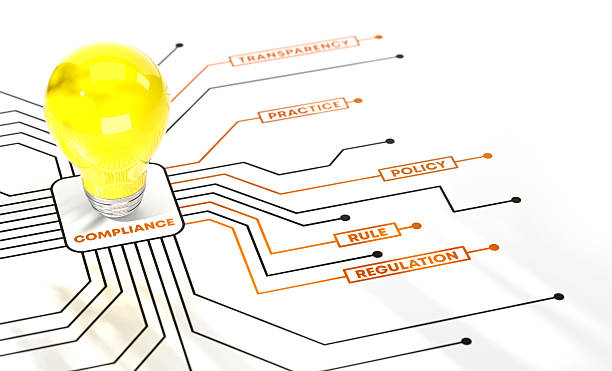
Electrical systems power everything in your home or business, but they must be installed and maintained the right way to stay safe. That is where electrical code compliance comes in. In Polk County, these rules are not just guidelines—they are required standards that protect people, property, and investments.
Whether you are planning a renovation, upgrading your panel, or dealing with an inspection, understanding electrical codes can feel overwhelming at first. However, once you break it down, the process becomes much clearer. Knowing what is required helps you avoid delays, reduce risks, and make smarter decisions.
In this guide, we will explain how electrical code compliance works in Polk County. You will learn about permits, inspections, common violations, and practical steps to keep your system safe and up to standard.
Understanding Electrical Codes in Simple Terms
Electrical codes are a set of rules that guide how electrical systems should be installed and maintained. These rules cover wiring, outlets, panels, and safety devices. In simple terms, they exist to make sure electricity works safely inside your home or business.
In the United States, most of these rules come from the National Electrical Code (NEC). Florida adopts this code and blends it into the Florida Building Code. Polk County then enforces these rules at the local level.
So, when someone talks about “code compliance,” they mean that your electrical system meets all required safety standards. This includes proper wiring, correct circuit protection, and approved materials.
Without these rules, electrical systems would vary widely in quality. That would increase the risk of fires, shocks, and costly damage. Code compliance keeps everything consistent and safe.
Why Compliance Is Critical for Safety and Legal Protection
Electrical code compliance is not just a technical requirement. It directly affects safety, legal standing, and even property value.
First, safety is the biggest reason. Faulty wiring is one of the leading causes of house fires. Proper grounding, circuit protection, and modern safety devices reduce that risk. For example, GFCI outlets help prevent shocks in wet areas like kitchens and bathrooms.
Second, compliance protects you legally. If your system does not meet code, you could face issues during inspections or property sales. In some cases, insurance companies may deny claims if the electrical work was not done to code.
There are also financial risks. Failing an inspection can delay projects and increase costs. You may need to redo work, apply for new permits, or hire a licensed electrician to fix mistakes.
In short, following electrical codes helps you avoid problems before they start. It protects your property, your budget, and the people inside your home or business.
Who Enforces Electrical Codes in Polk County
Electrical codes are enforced by local authorities, often referred to as the “Authority Having Jurisdiction” (AHJ). In Polk County, this role is handled by the building and inspection departments.
Inspectors review electrical work at different stages. They check whether installations follow the approved plans and meet code requirements. If something is not correct, they issue a notice and require changes before approval.
The process usually includes:
-
Permit approval before work begins
-
Rough inspection during installation
-
Final inspection after completion
Inspectors are not there to make things difficult. Their goal is to ensure safety and compliance. They help catch problems early, which can prevent bigger issues later.
For homeowners and business owners, this means working with the system—not around it. Getting permits and scheduling inspections may take time, but it ensures the job is done right.
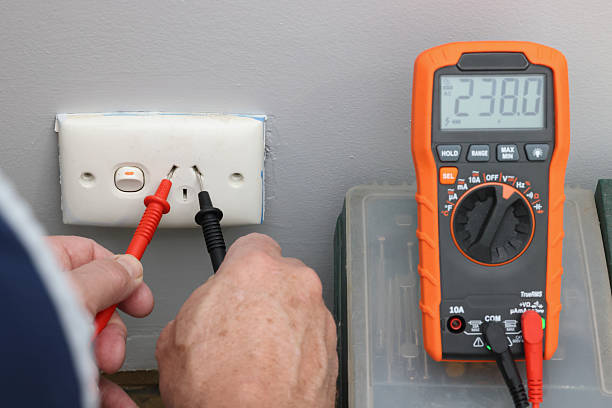
Overview of Electrical Codes Used in Polk County, Florida
Florida Building Code (FBC) and Its Role
The Florida Building Code (FBC) sets the overall standards for construction in the state. It includes rules for structural systems, plumbing, and electrical work.
The FBC is updated every three years. These updates reflect new safety research, technology changes, and lessons learned from past failures. Because Florida faces strong storms and high humidity, the code also considers local environmental conditions.
For electrical systems, the FBC works alongside the National Electrical Code. Together, they create a clear set of rules for safe installations.
In Polk County, all permitted electrical work must follow the current version of the FBC. This applies to both residential and commercial projects.
National Electrical Code (NEC) Explained
The National Electrical Code (NEC) is the main standard for electrical safety in the United States. It is developed by the National Fire Protection Association (NFPA).
The NEC covers:
-
Wiring methods
-
Circuit design
-
Grounding and bonding
-
Equipment installation
-
Safety devices like GFCI and AFCI
It is updated every three years to keep up with new technologies and safety practices. For example, recent updates include requirements for electric vehicle chargers and improved surge protection.
Although the NEC is a national standard, it is not law by itself. States like Florida adopt it and make it enforceable through their building codes.
Current Code Adoption in Polk County (2024 Update)
As of 2024, Florida uses the latest version of the Florida Building Code, which is based on the 2020 NEC with state-specific updates.
This means that all electrical work in Polk County must follow:
-
Florida Building Code (current edition)
-
Adopted NEC standards
-
Any local amendments
Using outdated code references can lead to failed inspections. Even small details, such as outlet spacing or breaker types, can change between code versions.
For this reason, licensed electricians stay updated on code changes. They adjust their work to meet current requirements, not past standards.
Local Amendments and Polk County-Specific Requirements
While the NEC and FBC provide the foundation, Polk County may apply local amendments. These changes reflect local needs, inspection practices, and safety concerns.
For example, local rules may affect:
-
Permit requirements
-
Inspection procedures
-
Documentation and approvals
These variations make local experience important. An electrician who works regularly in Polk County will understand how inspectors apply the code. This can help avoid delays and ensure smoother approvals.
For property owners, the key takeaway is simple: national standards matter, but local enforcement defines how those standards are applied.
Electrical Permit Requirements in Polk County
When You Need an Electrical Permit
In Polk County, most electrical work requires a permit before the job begins. This rule applies to both homes and commercial buildings. A permit confirms that the work will follow current safety standards.
In general, you need a permit if the work involves:
-
Adding new circuits or outlets
-
Replacing or upgrading an electrical panel
-
Rewiring part or all of a property
-
Installing large equipment like generators or HVAC systems
Even small upgrades can trigger permit requirements if they affect the system’s structure. For example, adding a dedicated circuit for a new appliance often requires approval.
Skipping a permit may seem faster, but it creates problems later. You could face fines, fail inspections, or run into issues when selling the property.
Projects That Typically Require Permits
Certain electrical projects almost always require a permit in Polk County. These projects involve system changes that affect safety, load capacity, or wiring layout.
Common examples include:
-
Panel upgrades or replacements – especially when increasing capacity
-
Whole-home or partial rewiring – often needed in older homes
-
Generator installations – standby or portable systems with transfer switches
-
Electric vehicle (EV) charger installation – requires proper circuit sizing
-
Solar panel systems – must meet both electrical and structural codes
-
New construction wiring – full system design and installation
These projects involve detailed inspections. Permits ensure that each stage meets code before moving forward.
Examples of Work That May Not Require a Permit
Some minor electrical tasks may not require a permit. However, this depends on the scope of work and local rules.
Typical examples include:
-
Replacing a light fixture with a similar one
-
Swapping out switches or outlets (same type and location)
-
Minor repairs that do not change the wiring structure
Even then, the work must still follow code. Also, if the job becomes more complex, a permit may be required after all. When in doubt, it is best to check with the local building department or a licensed electrician. This avoids confusion and keeps the project on track.
Permit Application Process in Polk County
The permit process in Polk County is straightforward, but it must be followed carefully. Most applications are now submitted online, which makes the process faster.
Here’s how it usually works:
1st Step: Submit Application – Provide details about the project, including scope, location, and contractor information.
2nd Step: Upload Required Documents – This may include:
-
Electrical plans or drawings
-
Load calculations
-
Equipment specifications
3rd Step: Review by the County – The building department reviews the application to ensure it meets code requirements.
4th Step: Permit Approval – Once approved, you can begin work. The permit must remain active throughout the project.
5th Step: Schedule Inspections – Inspections are required at different stages before final approval.
Clear and accurate information helps avoid delays. Missing documents or incorrect details can slow down approval.
Electrical Permit Costs and Fees
Permit costs in Polk County depend on the type and size of the project. Residential work is usually more affordable, while commercial projects often include additional fees.
Here is a simple breakdown:
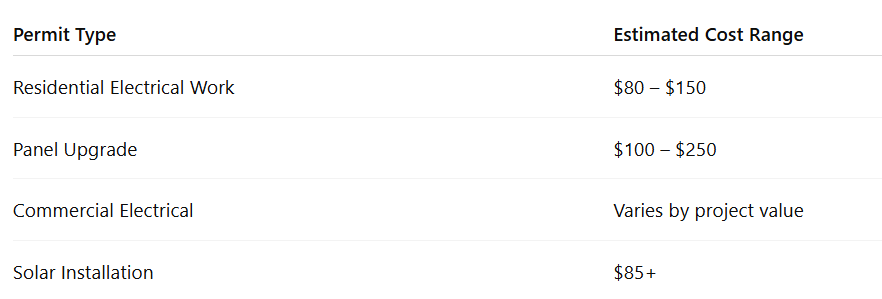
These are general estimates. Final costs may vary based on project complexity and local fee schedules. Although permits add to the upfront cost, they help prevent expensive issues later. They also ensure the work is approved and documented.
Step-by-Step Electrical Inspection Process in Polk County
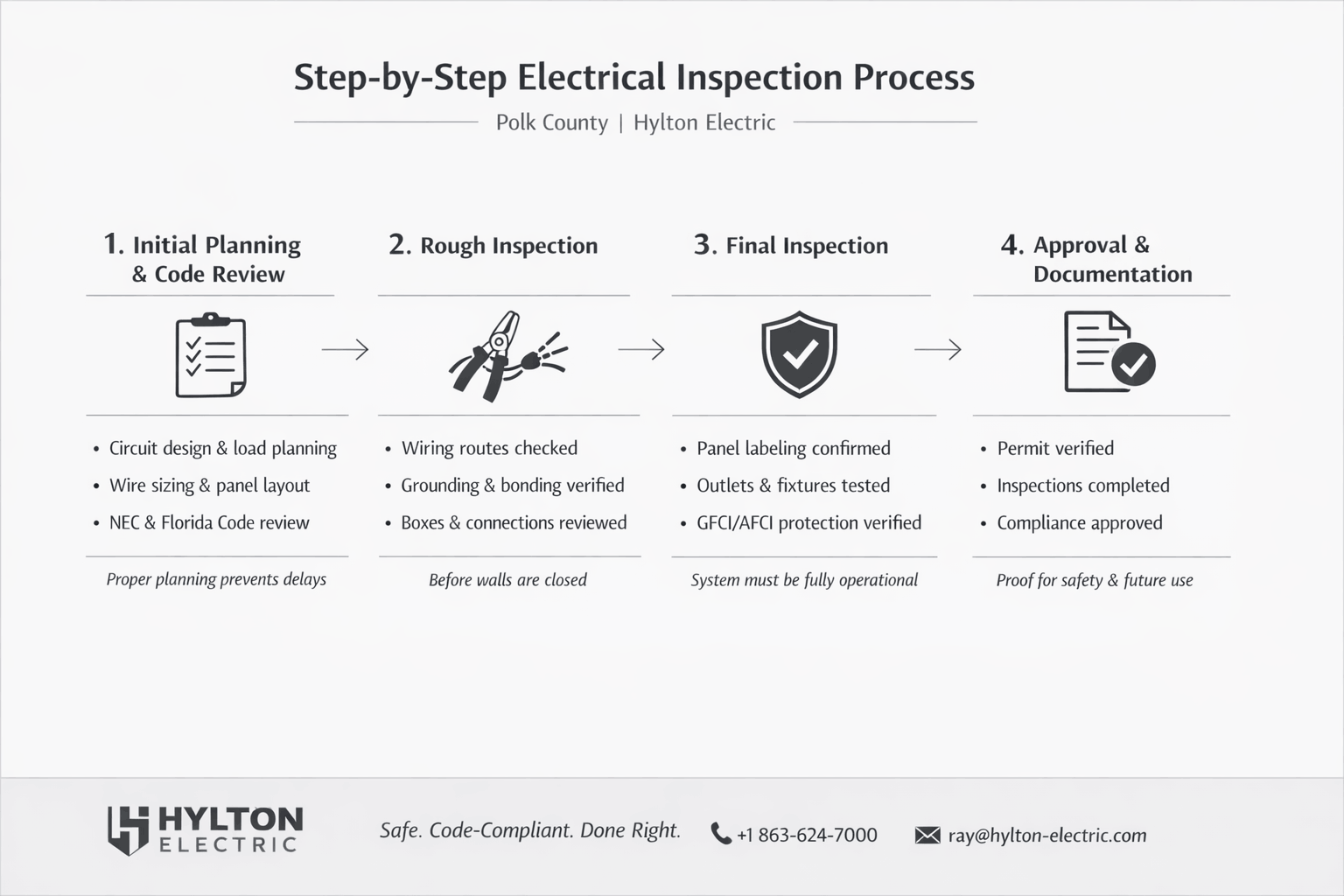
Step 1: Initial Planning and Code Review
Before any work begins, the project must be planned with code compliance in mind. This step includes reviewing the NEC and the Florida Building Code requirements.
Electricians determine:
-
Circuit design and load requirements
-
Proper wire sizing
-
Panel capacity and layout
Careful planning reduces the chance of inspection failures. It also helps avoid costly changes during installation.
Step 2: Rough Electrical Inspection
The rough inspection takes place after wiring is installed but before walls are closed. This is one of the most important stages.
Inspectors check:
-
Wiring routes and protection
-
Grounding and bonding systems
-
Electrical boxes and connections
-
Compliance with spacing and support rules
If issues are found, corrections must be made before moving forward. Passing this stage is necessary before drywall or finishes are added.
Step 3: Final Inspection
The final inspection happens once all electrical work is complete. At this stage, the system must be fully operational and safe.
Inspectors review:
-
Panel labeling and breaker layout
-
Proper installation of outlets and fixtures
-
Function of GFCI and AFCI protection
-
Overall system performance
Everything must match the approved plans and meet current code standards.
Step 4: Documentation and Approval
After passing the final inspection, the project receives approval. This confirms that the work meets all code requirements.
Proper documentation is important. It provides proof that:
-
The work was permitted
-
Inspections were completed
-
The system is safe and compliant
This record can be useful for future property sales, insurance needs, or renovations.
Key Electrical Code Requirements Every Property Owner Should Know
Grounding and Bonding Requirements
Grounding and bonding are essential for electrical safety. They help direct excess electricity safely into the earth and reduce the risk of shock or fire.
Grounding connects your electrical system to the earth. Bonding connects the metal parts of the system so they stay at the same electrical potential. Together, they create a safe path for fault currents.
In Polk County, the code requires:
-
Proper grounding electrodes (such as ground rods)
-
Continuous grounding conductors
-
Bonding of panels, enclosures, and metal piping
If grounding is missing or done incorrectly, even a small fault can become dangerous. This is why inspectors pay close attention to this part of the system.
Circuit Protection and Load Calculations
Every electrical system must handle the amount of power it uses. This is where load calculations and circuit protection come in.
Load calculations determine how much electricity your home or building needs. Based on this, electricians size circuits, breakers, and panels.
Circuit protection devices, such as breakers, prevent overloads. When too much current flows, the breaker trips and stops the flow of electricity.
Key code requirements include:
-
Correct breaker sizing for each circuit
-
Balanced loads across the panel
-
Dedicated circuits for high-demand appliances
Without proper calculations, circuits can overheat. Over time, this increases the risk of electrical fires.
GFCI and AFCI Protection Rules
Modern electrical codes require advanced safety devices in many areas of a property.
GFCI (Ground Fault Circuit Interrupter) protects against electric shock. It shuts off power when it detects an imbalance in current. These are required in areas where water is present, such as:
-
Kitchens
-
Bathrooms
-
Outdoor spaces
-
Garages
AFCI (Arc Fault Circuit Interrupter) protects against electrical fires caused by arcing. Arcing can happen when wires are damaged or connections become loose.
AFCI protection is required in:
-
Bedrooms
-
Living areas
-
Hallways
These devices may seem small, but they play a major role in preventing serious hazards.
Panel and Breaker Requirements
Your electrical panel is the center of your system. It must meet strict code requirements to ensure safe operation.
Important rules include:
-
Clear labeling for all circuits
-
Proper spacing and secure mounting
-
No unused openings in the panel
-
Correct breaker types for each application
Panels must also be easily accessible. Blocking access can lead to code violations and safety concerns. Older panels may not meet current standards. In many cases, upgrading the panel improves both safety and performance.
Wiring Methods and Approved Materials
Electrical codes specify how wiring should be installed and what materials can be used. This ensures consistency and safety across all systems.
Common requirements include:
-
Approved wire types for each environment
-
Proper insulation and protection
-
Secure fastening and routing of cables
-
Use of conduit where required
For example, outdoor wiring must be rated for moisture exposure. Similarly, wires inside walls must be protected from physical damage.
Using the wrong materials or installation methods can lead to failed inspections. More importantly, it can create long-term safety risks.
Common Electrical Code Violations in Polk County
Outdated Electrical Panels (Zinsco and Federal Pacific)
One of the most common issues in older homes is outdated electrical panels. Brands like Zinsco and Federal Pacific are known for safety concerns.
These panels may:
-
Fail to trip during overloads
-
Overheat under normal use
-
Increase fire risk
Because of these issues, many electricians recommend replacing them. In some cases, insurance companies may require an upgrade before providing coverage.
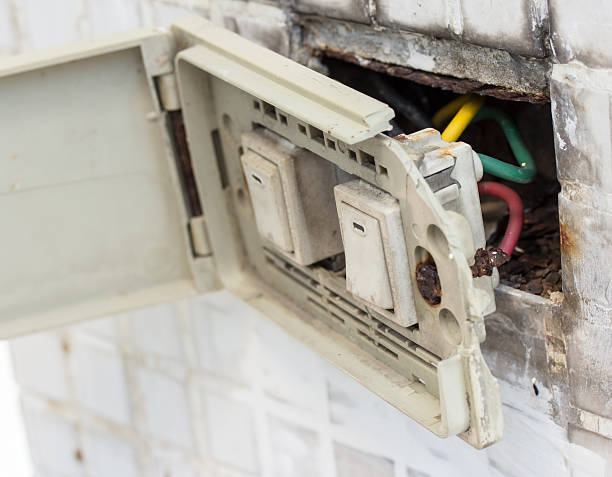
Improper Grounding or Missing Bonding
Grounding problems are another frequent violation. This includes missing ground rods, loose connections, or incomplete bonding.
Common signs include:
-
Two-prong outlets without grounding
-
Corrosion at grounding connections
-
Inconsistent voltage levels
These issues can go unnoticed until a problem occurs. Regular inspections help catch them early.
Overloaded Circuits and Unsafe Wiring
As homes add more appliances, older systems often struggle to keep up. This leads to overloaded circuits and unsafe wiring practices.
Typical problems include:
-
Too many devices on one circuit
-
Use of extension cords as permanent wiring
-
Undersized wires for the load
These conditions increase heat buildup and raise the risk of fire. Upgrading circuits or adding new ones is often the safest solution.
DIY Electrical Work Without Permits
Unpermitted work is a major issue in many properties. Homeowners may attempt repairs or upgrades without fully understanding code requirements.
Common problems include:
-
Incorrect wiring connections
-
Missing junction boxes
-
Lack of proper grounding
Even if the system appears to work, hidden issues can exist. These often surface during inspections or emergencies.
Lack of GFCI or AFCI Protection
Older homes often lack modern safety devices. Missing GFCI or AFCI protection is a common code violation.
This is especially important in:
-
Kitchens and bathrooms (GFCI)
-
Living spaces (AFCI)
Upgrading these protections is usually simple. However, it makes a significant difference in overall safety.
Residential vs Commercial Electrical Code Compliance
Differences in Code Requirements
Residential and commercial properties follow the same core codes, but the requirements are applied differently. Commercial systems are usually more complex and carry higher electrical loads.
Key differences include:
-
Load capacity – Commercial buildings require larger systems to handle equipment and operations
-
Redundancy – Backup systems are more common in commercial settings
-
Safety standards – Stricter rules for emergency systems and fire protection
Because of this, commercial inspections are often more detailed. Plans must clearly show how the system will handle demand and maintain safety.
Residential Code Focus Areas
Residential electrical codes focus on everyday safety and convenience. The goal is to protect occupants while supporting modern living needs.
Common focus areas include:
-
Proper outlet spacing in living areas
-
GFCI protection in kitchens, bathrooms, and outdoors
-
AFCI protection in bedrooms and living spaces
-
Adequate lighting and switch placement
-
Safe panel access and labeling
Homes also require circuits designed for appliances such as ovens, HVAC systems, and laundry equipment. As homes use more technology, these requirements continue to grow.
Special Considerations for Businesses
Commercial properties must meet additional requirements based on their use. Safety becomes more critical when larger groups of people are involved.
Important considerations include:
-
Emergency lighting systems – Must activate during power outages
-
Exit signage – Required for safe evacuation
-
Fire alarm integration – Connected to electrical systems
-
Dedicated equipment circuits – For machinery or specialized tools
Businesses may also need regular inspections to stay compliant. Failing to meet these standards can result in fines or operational delays.
Electrical Code Compliance for Renovations and Upgrades
Bringing Older Homes Up to Code
Older homes in Polk County often have outdated electrical systems. While not every system must meet current code immediately, upgrades are required when major work is done.
Common upgrades include:
-
Replacing outdated wiring
-
Adding grounded outlets
-
Installing modern circuit breakers
-
Updating panels to handle higher loads
In some cases, only the renovated area must meet the current code. However, if the system is unsafe, a full upgrade may be necessary.

Code Requirements for Remodel Projects
Remodeling projects often trigger new code requirements. Even small changes can require updates to meet current standards.
For example:
-
Adding a new room requires proper outlet spacing
-
Kitchen remodels require GFCI and AFCI protection
-
Bathroom upgrades must meet strict safety rules
If walls are opened or wiring is changed, the work must comply with the current code. This ensures that new installations are safe and reliable.
Panel Upgrades and Service Changes
Panel upgrades are one of the most common improvements in older properties. Many homes were built with 100-amp service, which may not support modern electrical demand.
Upgrading the panel can:
-
Increase capacity to 150 or 200 amps
-
Improve system reliability
-
Reduce the risk of overloads
Service changes may also involve:
-
New meter connections
-
Updated grounding systems
-
Coordination with the utility provider
These upgrades must follow strict code requirements and require permits and inspections.
Licensing Requirements for Electricians in Polk County
Why Hiring a Licensed Electrician Matters
Electrical work is not just about connecting wires. It requires a deep understanding of safety codes and system design.
Licensed electricians are trained to:
-
Follow current NEC and Florida Building Code standards
-
Perform accurate load calculations
-
Install systems safely and efficiently
Hiring a licensed professional reduces the risk of mistakes. It also ensures that the work will pass inspections.
Certification and Competency Requirements
Electricians in Florida must meet specific requirements before they can work independently.
These typically include:
-
Passing licensing exams
-
Gaining hands-on experience through training or apprenticeship
-
Meeting state or local certification standards
Some electricians also pursue additional certifications to stay updated with new technologies and code changes.
Risks of Hiring Unlicensed Contractors
Hiring an unlicensed contractor may seem cost-effective, but it comes with serious risks.
Potential issues include:
-
Work that does not meet code
-
Failed inspections and project delays
-
Safety hazards such as fire or shock
-
Lack of insurance coverage
In many cases, homeowners end up paying more to fix poor-quality work. Choosing a licensed electrician from the start helps avoid these problems.
How to Ensure Your Property Meets Electrical Code
Schedule a Professional Electrical Inspection
The first step toward compliance is a professional inspection. A licensed electrician can review your system and identify any issues before they become serious.
During an inspection, they check:
-
Panel condition and capacity
-
Wiring quality and safety
-
Grounding and bonding
-
Presence of GFCI and AFCI protection
This process gives you a clear picture of your system. It also helps you plan upgrades in a structured way. Instead of guessing, you get expert guidance based on current code.
Use Licensed and Insured Electricians
Hiring the right professional makes a major difference. Licensed electricians understand both national and local code requirements.
They also:
-
Pull permits when needed
-
Schedule required inspections
-
Ensure all work meets current standards
Insurance is equally important. It protects both you and the contractor in case something goes wrong.
Working with a qualified electrician saves time and reduces risk. It also increases the chance of passing inspections on the first attempt.
Stay Updated With Code Changes
Electrical codes change over time. These updates reflect new safety standards, technologies, and energy demands.
For example, newer codes include:
-
Expanded AFCI protection
-
Requirements for surge protection
-
Guidelines for EV chargers and renewable energy systems
If your property has not been updated in years, it may not meet current standards. Staying informed helps you plan upgrades before issues arise.
Maintain Documentation and Permits
Keeping proper records is often overlooked, but it is very important.
You should keep:
-
Permit approvals
-
Inspection reports
-
Electrical plans and diagrams
These documents prove that your system was installed and updated correctly. They are also helpful when selling your property or filing insurance claims. Clear documentation adds value and avoids confusion in the future.
Electrical Safety Tips for Polk County Homeowners
Signs Your Electrical System Is Not Code-Compliant
Some warning signs suggest your system may not meet current code. These signs should not be ignored.
Common indicators include:
-
Frequent breaker trips
-
Flickering or dim lights
-
Warm outlets or switch plates
-
Burning smells near electrical fixtures
-
Outlets that do not hold plugs securely
These issues may seem minor at first, but they often point to deeper problems. A professional inspection can confirm the cause.
Preventive Maintenance Checklist
Regular maintenance helps keep your electrical system safe and compliant. It also reduces the chance of unexpected failures.
Here is a simple checklist:
-
Test GFCI outlets monthly
-
Check the panel for signs of wear or corrosion
-
Inspect outdoor wiring for damage
-
Avoid overloading circuits
-
Schedule a full inspection every few years
Small steps like these can extend the life of your system and improve safety.
Storm and Weather Considerations in Florida
Florida weather can be harsh on electrical systems. Storms, lightning, and humidity all create risks.
To protect your system:
-
Install whole-home surge protection
-
Secure outdoor electrical components
-
Elevate critical systems in flood-prone areas
-
Inspect wiring after major storms
Power surges and water exposure can damage equipment quickly. Taking preventive measures helps reduce repair costs and downtime.
Cost of Electrical Code Compliance in Polk County
Factors That Affect Cost
The cost of bringing a property up to code can vary widely. Several factors influence the final price.
These include:
-
Size of the property
-
Age of the electrical system
-
Extent of required upgrades
-
Accessibility of wiring and panels
Older homes often require more work. Hidden issues can increase both time and cost.
Typical Price Ranges
While every project is different, general estimates can help set expectations.
-
Minor repairs: $150 – $800
-
Panel upgrades: $1,500 – $4,000
-
Partial rewiring: $2,000 – $6,000
-
Full rewiring: $8,000 – $15,000+
These ranges depend on materials, labor, and project complexity. A detailed inspection provides the most accurate estimate.
Cost vs Risk: Why Compliance Is Worth It
Some property owners delay upgrades due to cost. However, the risks of non-compliance are often higher.
Potential consequences include:
-
Fire hazards and safety risks
-
Failed inspections and delays
-
Insurance claim issues
-
Reduced property value
Investing in compliance protects both your property and your finances. It also gives peace of mind knowing the system is safe.
Benefits of Electrical Code Compliance
Improved Safety for Your Family or Employees
A code-compliant system reduces the risk of electrical hazards. Proper wiring, grounding, and protection devices work together to keep people safe. This is especially important in homes with children or in busy commercial environments.
Increased Property Value
Properties with updated electrical systems are more attractive to buyers. They signal that the home or building has been well-maintained. Buyers are often willing to pay more for a property that does not require immediate upgrades.
Easier Insurance Approval
Insurance companies look at electrical systems when issuing policies. A system that meets code is less likely to raise concerns. In some cases, upgrades may even lower insurance premiums.
Smooth Permit and Inspection Process
When work is done correctly from the start, inspections are easier to pass. This keeps projects on schedule and avoids costly delays. Compliance also ensures that future upgrades or renovations go more smoothly.
Choosing the Right Electrical Contractor in Polk County
What to Look for in a Professional Electrician
Choosing the right contractor is key to a successful project.
Look for:
-
Proper licensing and insurance
-
Experience with similar projects
-
Knowledge of local codes and requirements
-
Positive customer reviews
A qualified electrician will communicate clearly and provide detailed estimates.

Questions to Ask Before Hiring
Before starting a project, ask a few important questions:
-
Will you handle permits and inspections?
-
Do you follow the latest NEC and Florida Building Code?
-
What is the expected timeline?
-
Do you offer a warranty on your work?
Clear answers help you understand what to expect and avoid surprises.
Why Local Experience Matters
Electricians who work in Polk County regularly understand local inspection processes. They know what inspectors look for and how to meet those expectations.
This local knowledge can:
-
Speed up approvals
-
Reduce the risk of failed inspections
-
Improve overall project efficiency
Final Thoughts on Electrical Code Compliance in Polk County
Electrical code compliance is essential for safety, reliability, and long-term value. Whether you are upgrading a home or managing a business, following the correct standards helps prevent problems before they start.
From permits and inspections to proper installation and maintenance, each step plays a role in creating a safe electrical system. While the process may seem detailed, it provides clear benefits in the long run.
If you are unsure about your system or planning a project, working with a qualified professional is the best approach. It ensures that your property meets all requirements and stays protected for years to come.
Leave a Reply