Electrical systems power everything from lighting to heavy equipment. When something fails, it disrupts operations and safety. That is why electrical energy distribution troubleshooting is critical in homes, businesses, and industrial sites. It helps identify faults early and prevents costly downtime.
A clear troubleshooting process ensures power flows safely and efficiently. In this guide, you will learn how distribution systems work, common problems, and practical ways to diagnose issues.
What Is Electrical Energy Distribution
Electrical energy distribution refers to how electricity moves from the main supply to different parts of a building or facility. It includes all components that deliver power safely to equipment, lighting, and outlets. Without a proper distribution system, even a stable power source becomes unreliable.
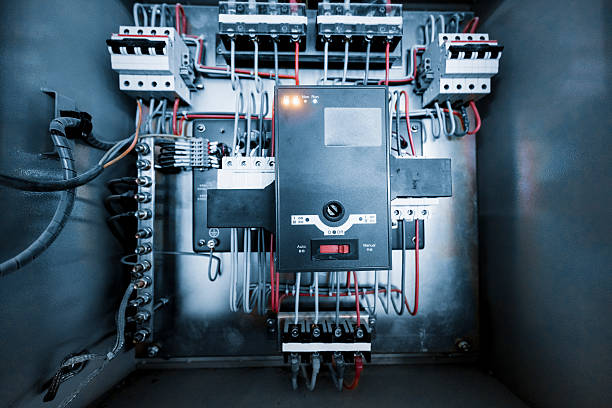
In a typical setup, electricity enters through a main service panel. From there, it flows through circuits to different areas. Each circuit is designed to handle a specific load. This ensures balanced power use and prevents overload.
Key components of a distribution system include:
-
Main electrical panel
-
Circuit breakers and fuses
-
Wiring systems
-
Transformers (in larger setups)
-
Subpanels for load distribution
Each component plays a role in maintaining safe power flow. If one part fails, the entire system can become unstable. That is why understanding the system structure is essential before troubleshooting.
In residential settings, distribution is relatively simple. However, commercial and industrial systems are more complex. They often include multiple panels, heavy equipment loads, and advanced protection systems. These systems require more detailed inspection and maintenance.
A well-designed distribution system improves efficiency and reduces risks. On the other hand, poor design or aging components often lead to faults. Identifying these issues early helps avoid serious electrical hazards.
How Electrical Energy Distribution Systems Work
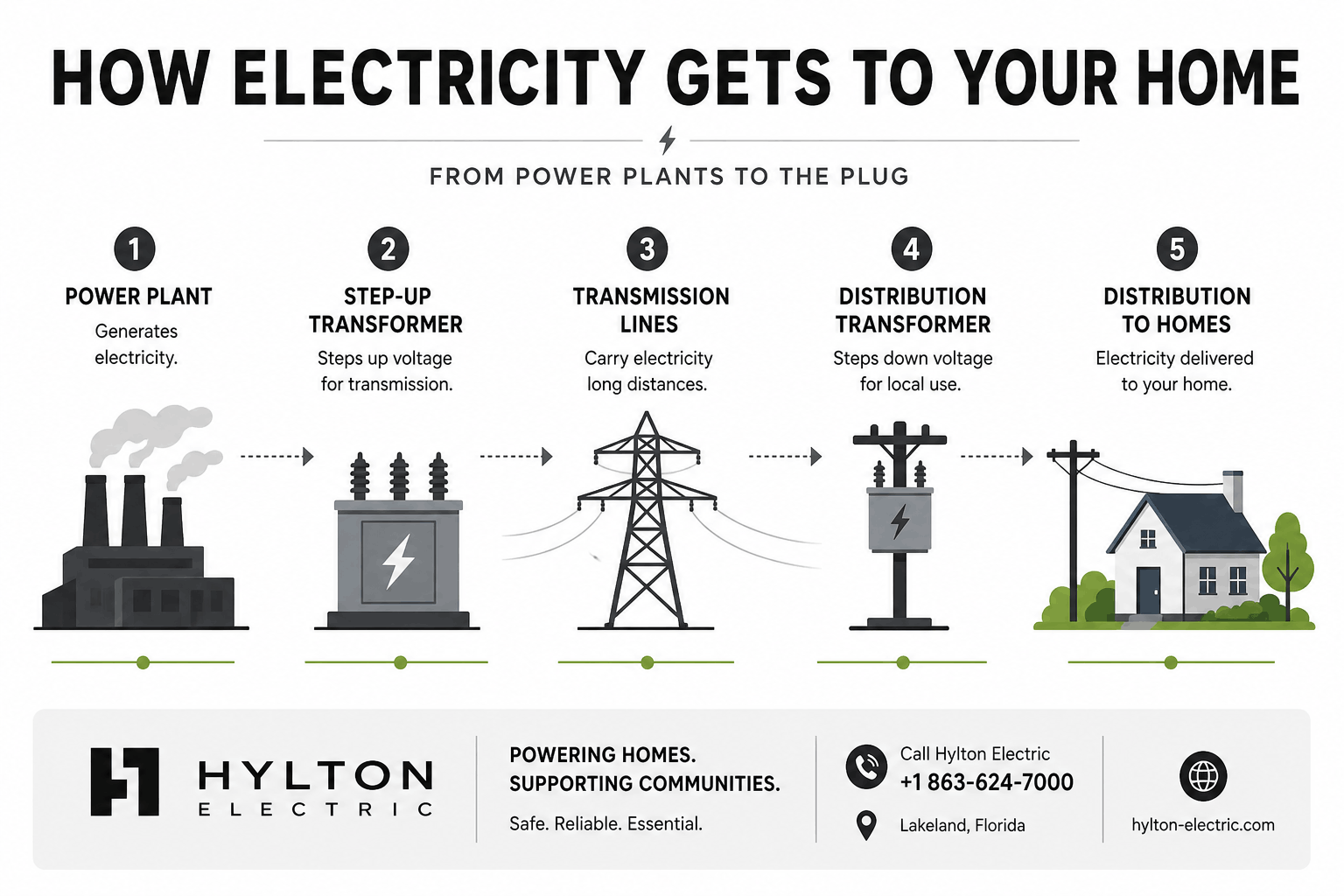
Electrical distribution systems follow a structured path from power generation to end use. Understanding this flow makes troubleshooting much easier. It allows you to pinpoint where the problem might exist.
The process begins with electricity generation. Power plants produce electricity and send it through transmission lines. These lines carry high-voltage electricity over long distances. Before reaching buildings, the voltage is reduced using transformers.
Once electricity reaches a property, it enters the main service panel. This panel acts as the control center. It divides power into smaller circuits for different areas. Each circuit is protected by a breaker or fuse.
The basic flow works like this:
-
Power generation at a plant
-
Transmission through high-voltage lines
-
Voltage reduction via transformers
-
Entry into the main electrical panel
-
Distribution through circuits to loads
Load balancing is a key part of this system. It ensures no circuit carries more power than it should. When loads are uneven, circuits can overheat or fail. This often leads to breaker trips or equipment damage.
Grounding is another critical element. It provides a safe path for excess electricity. If a fault occurs, grounding prevents shocks and reduces fire risk. Without proper grounding, even small faults can become dangerous.
Modern systems also include surge protection. These devices protect equipment from sudden voltage spikes. This is especially important in areas with an unstable power supply.
In commercial and industrial environments, distribution systems are more advanced. They may include:
-
Switchgear systems
-
Busbars for high-capacity distribution
-
Backup generators
-
Automated control systems
These systems require regular inspection. Even minor faults can lead to major downtime. Understanding how power flows helps technicians diagnose problems faster and more accurately.
Common Electrical Energy Distribution Problems
Electrical distribution systems face a range of issues over time. These problems often develop due to wear, overload, or poor installation. Recognizing them early helps prevent serious failures.
One of the most common issues is circuit overload. This happens when too many devices draw power from a single circuit. As a result, breakers trip frequently. Over time, this can damage wiring and connected equipment.
Voltage drop is another frequent problem. It occurs when the voltage decreases as electricity travels through wiring. Long cable runs or undersized wires often cause this issue. Low voltage can affect equipment performance and lifespan.
Power surges also create major risks. These sudden spikes in voltage can damage sensitive electronics. Surges are often caused by lightning, faulty wiring, or grid issues.
Faulty wiring is a serious concern. Damaged insulation or loose connections can lead to short circuits. This increases the risk of fire and system failure. In older buildings, outdated wiring is a common cause of problems.
Breaker trips are often misunderstood. While they seem like a problem, they actually indicate that protection is working correctly. However, frequent trips suggest underlying issues such as overloads or faults.
Equipment overheating is another warning sign. It usually results from excessive load or poor ventilation. Overheating can shorten equipment life and increase fire risk.
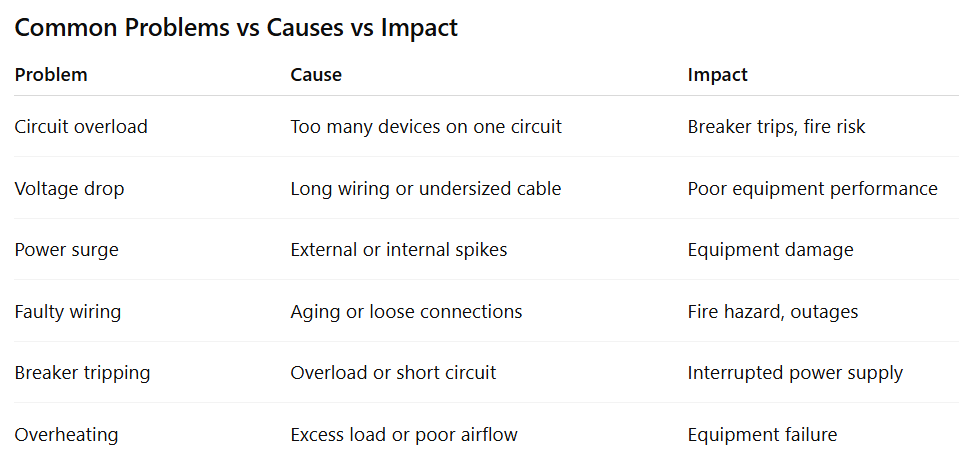
Each of these problems affects system reliability. More importantly, they can compromise safety. That is why regular inspection and timely troubleshooting are essential.
Warning Signs of Distribution System Issues
Electrical problems rarely appear suddenly. In most cases, systems show early warning signs. Recognizing these signs helps prevent larger failures and costly repairs.
Flickering lights are one of the most common indicators. This often suggests unstable voltage or loose connections. While it may seem minor, it can signal deeper issues in the system.
Frequent breaker trips are another clear warning. Breakers are designed to protect circuits. When they trip often, it usually means the circuit is overloaded or faulty.
A burning smell near panels or outlets should never be ignored. This indicates overheating or damaged wiring. Immediate action is required to avoid fire hazards.
Equipment malfunction is also a key sign. Machines may run inefficiently or stop unexpectedly. This often results from an inconsistent power supply or voltage issues.
An unexpected increase in energy bills can also point to problems. Faulty systems often consume more power than necessary. Identifying the cause can help reduce costs.
Quick Warning Signs Checklist
-
The lights dim when the appliances start
-
Buzzing sounds from panels
-
Warm outlets or switches
-
Frequent power interruptions
-
Visible sparks or burn marks
These signs should not be ignored. Even small symptoms can lead to major failures if left unchecked. A proactive approach ensures system reliability and safety.
Electrical Energy Distribution Troubleshooting Process
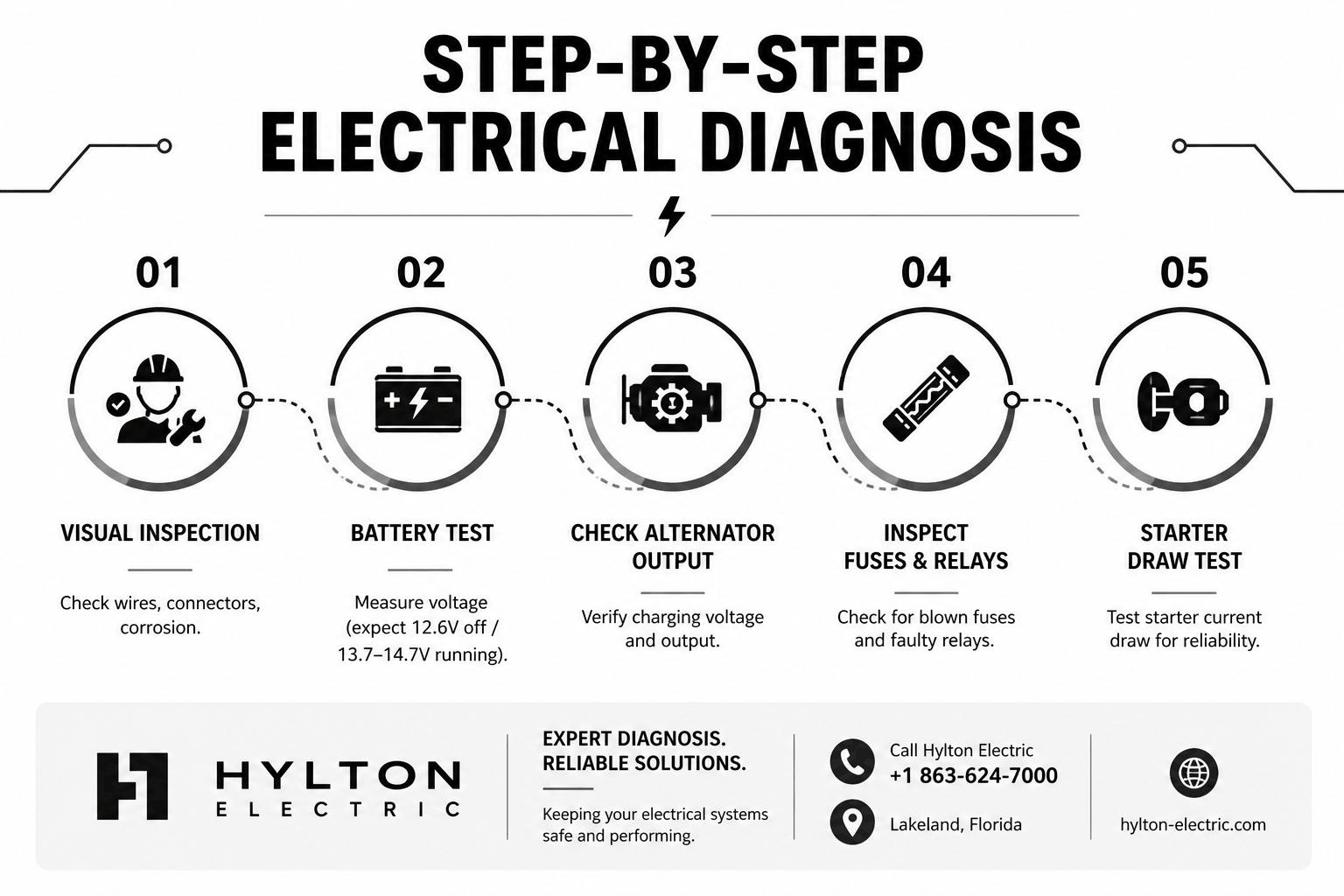
Troubleshooting electrical systems requires a structured approach. Random checks often miss the root cause. A step-by-step process ensures accurate diagnosis and safe repairs.
Step 1: Identify the Problem Area
Start by determining where the issue occurs. Check if it affects the entire building or just one circuit. This helps narrow down the source quickly.
Look for recent changes in the system. New equipment or upgrades often create load imbalances. Identifying these changes can reveal the cause.
Step 2: Inspect Electrical Panels
Open the panel and check for visible issues. Look for tripped breakers, burn marks, or loose wires. These signs often indicate faults within the system.
Ensure all breakers are functioning correctly. A faulty breaker can cause repeated interruptions.
Step 3: Test Voltage Levels
Use a multimeter to measure voltage. Compare readings with expected values. Low or high voltage indicates distribution issues.
Always follow safety precautions when testing. Electrical work can be dangerous without proper tools and knowledge.
Step 4: Check Load Distribution
Evaluate how power is distributed across circuits. Identify overloaded circuits and redistribute loads if needed. Balanced loads improve system efficiency and safety.
Step 5: Inspect Wiring and Connections
After checking load distribution, move to wiring. Faulty wiring is a leading cause of electrical failures. Start with a visual inspection. Look for damaged insulation, exposed wires, or discoloration. These signs often indicate overheating or aging components.
Loose connections are another common issue. Over time, vibration and thermal expansion can weaken connections. This creates resistance, which leads to heat buildup. If ignored, it can result in fire hazards.
Focus on high-load areas first. These include panels, junction boxes, and heavy equipment connections. Tighten any loose terminals and replace damaged wires immediately. Always ensure the system is powered off before inspection.
In commercial and industrial systems, wiring issues can be more complex. Cable trays, conduit systems, and large feeders require careful examination. Even a small fault in these systems can affect multiple circuits.
Step 6: Evaluate Equipment and Appliances
Sometimes the issue is not in the distribution system itself. Faulty equipment can disrupt power flow and cause repeated issues. Start by isolating devices connected to the affected circuit.
Disconnect appliances one by one. Then restore power and observe system behavior. If the issue disappears, the last disconnected device is likely the cause.
Common equipment-related issues include:
-
Motors drawing excessive current
-
Faulty HVAC systems
-
Damaged power supplies
-
Aging industrial machinery
Testing equipment under load conditions helps confirm faults. In industrial environments, specialized diagnostic tools may be required.
A systematic approach ensures accurate troubleshooting. Skipping steps often leads to temporary fixes instead of long-term solutions.
Need help diagnosing persistent electrical issues? Call +1 863-624-7000 or email ray@hylton-electric.com. We provide free quotes for commercial and industrial clients across Lakeland, Polk County, and Tampa.
Troubleshooting in Different Environments
Electrical systems vary based on the environment. Each setting has unique challenges. Understanding these differences helps improve troubleshooting accuracy.
Residential Systems
Residential systems are simpler but still prone to issues. Most problems come from aging wiring or overloaded circuits. Modern homes use more electrical devices than older systems were designed for.
Common residential issues include:
-
Overloaded breaker panels
-
Outdated wiring systems
-
Faulty outlets and switches
Troubleshooting in homes often starts with the panel. Checking breaker loads and circuit distribution usually reveals the issue. In many cases, upgrading the panel solves recurring problems.
Commercial Systems
Commercial buildings have higher energy demands. Lighting systems, HVAC units, and office equipment create complex load patterns. These systems require careful balancing.
Typical commercial issues include:
-
Lighting system failures
-
Voltage fluctuations
-
Panel capacity limitations
In these environments, even minor issues can affect operations. For example, unstable voltage can damage sensitive equipment. Regular inspections help prevent disruptions.
Industrial Systems
Industrial systems are the most complex. They handle heavy machinery and high-power loads. These systems require advanced troubleshooting techniques.
Common industrial issues include:
-
Equipment wiring faults
-
Transformer failures
-
Load imbalance across phases
Industrial troubleshooting often involves detailed diagnostics. Thermal imaging, load analysis, and system monitoring are essential tools. Small faults can lead to major production losses if not addressed quickly.
Tools Used for Troubleshooting
Effective troubleshooting depends on the right tools. Basic tools help identify common issues. Advanced tools provide deeper insights into system performance.
A multimeter is the most essential tool. It measures voltage, current, and resistance. This helps identify electrical irregularities quickly.
Clamp meters are useful for measuring current without disconnecting wires. They are especially helpful in high-load environments.
Thermal imaging cameras detect heat patterns. Overheating components are easy to identify with this tool. It is widely used in industrial maintenance.
Circuit analyzers provide detailed system data. They help diagnose complex issues such as harmonics and load imbalance. Using the right tools improves accuracy. It also reduces troubleshooting time and risk.
Cost Breakdown for Electrical Troubleshooting (Florida)
The cost of troubleshooting varies based on system complexity. Residential systems are usually less expensive. Commercial and industrial systems require more time and expertise.
Several factors affect pricing:
-
Size of the electrical system
-
Accessibility of components
-
Type of issue
-
Urgency of service
Emergency services often cost more. However, delaying repairs can lead to higher expenses later. Addressing issues early helps reduce overall costs.
In commercial and industrial settings, downtime is a major cost factor. Even short interruptions can result in significant losses. Investing in proper troubleshooting saves money in the long run.
Common Troubleshooting Mistakes to Avoid
Many electrical issues worsen due to simple mistakes. Avoiding these errors improves safety and system reliability.
One common mistake is ignoring early warning signs. Small issues often develop into major problems if left unchecked. Flickering lights or occasional trips should not be dismissed.
Overloading circuits is another frequent issue. Adding more devices without upgrading the system creates stress on the wiring. This increases the risk of overheating and failure.
DIY repairs without proper knowledge can be dangerous. Electrical systems require expertise and the right tools. Incorrect repairs often lead to bigger problems.
Using the wrong tools also affects accuracy. Basic tools may not detect deeper issues. This leads to incomplete troubleshooting.
Finally, neglecting upgrades is a major mistake. Older systems may not handle modern loads. Upgrading panels and wiring improves safety and performance.
When to Hire a Licensed Electrician
Some electrical issues require professional help. Attempting to fix them without expertise can be risky. Knowing when to call a licensed electrician is essential. Persistent breaker trips are a clear sign. This often indicates deeper system issues. A professional can identify and resolve the root cause.
Burning smells or visible sparks require immediate attention. These are serious safety hazards. Delaying action can lead to fires. Industrial equipment failures also need expert handling. These systems are complex and require specialized knowledge. Incorrect repairs can cause costly downtime.
Voltage fluctuations are another concern. They can damage equipment and reduce efficiency. A licensed electrician can stabilize the system.
Professional electricians offer several advantages:
-
Proper diagnosis of complex issues
-
Compliance with safety standards
-
Long-term solutions instead of temporary fixes
-
Reduced risk of accidents
Hiring professionals ensures the job is done safely and correctly.
Preventive Maintenance for Distribution Systems
Preventive maintenance reduces the risk of electrical failures. It ensures systems operate efficiently and safely over time. Regular inspections are the first step. Checking panels, wiring, and connections helps identify early issues. Scheduled maintenance prevents unexpected breakdowns.
Load balancing is also important. Even distribution of power reduces stress on circuits. This improves system lifespan and performance.
Upgrading outdated components is another key factor. Older systems may not meet current demands. Replacing them improves reliability.
Thermal scanning helps detect hidden issues. Overheating components can be identified before failure occurs. This method is widely used in industrial settings. Preventive maintenance saves time and money. It also improves safety and system efficiency.
Future Trends in Electrical Distribution
Electrical systems continue to evolve. New technologies improve efficiency, safety, and monitoring capabilities. Smart panels are becoming more common. They provide real-time data on energy usage. This helps identify issues quickly.
Energy monitoring systems allow better control of power consumption. They help reduce costs and improve efficiency. EV charging integration is another growing trend. As electric vehicles become more popular, systems must support higher loads.
Renewable energy sources are also changing distribution systems. Solar and wind power require advanced integration methods. These trends highlight the importance of modernizing electrical systems. Staying updated ensures long-term reliability.
Real-World Example (Case Study)
A mid-sized commercial facility in Tampa faced repeated power interruptions during peak hours. The issue started with occasional breaker trips but quickly escalated into system-wide disruptions. Staff reported flickering lights, equipment shutdowns, and inconsistent HVAC performance. These symptoms pointed toward deeper distribution issues rather than isolated faults.
A structured inspection revealed that the main panel was operating near full capacity. Several circuits carried excessive loads, especially during business hours. In addition, older wiring sections showed signs of wear and overheating. Thermal imaging confirmed hot spots in key connection points. This indicated both load imbalance and deteriorating connections.
The troubleshooting process followed these steps:
-
Conducted load analysis across all circuits
-
Identified overloaded breakers and uneven distribution
-
Inspected wiring for damage and resistance points
-
Verified voltage consistency under operating conditions
The solution involved redistributing loads across circuits and upgrading the main panel. Faulty wiring sections were replaced, and connections were secured properly. After the upgrade, the system operated within safe limits. Power stability improved immediately, and equipment performance returned to normal.
This case highlights the importance of proper diagnosis. Surface-level fixes would not have solved the issue. A complete evaluation ensured a long-term solution and prevented costly downtime.
Conclusion
Electrical systems require consistent attention to remain safe and efficient. Ignoring early warning signs often leads to larger problems and higher repair costs. A structured approach helps identify issues quickly and ensures accurate solutions.
Understanding system components, load behavior, and common faults makes troubleshooting more effective. Whether in homes, commercial buildings, or industrial facilities, the same principles apply. Proper maintenance and timely upgrades improve reliability and safety.
When issues persist, professional support becomes essential. Licensed electricians bring the expertise needed to resolve complex problems. They also ensure compliance with safety standards and long-term system performance. Taking action early protects both property and operations. Effective electrical energy distribution troubleshooting keeps systems running smoothly and reduces risks over time.
If your system shows warning signs, reach out at +1 863-624-7000 or ray@hylton-electric.com. We serve Lakeland, Polk County, and Tampa with reliable electrical solutions for homes, businesses, and industrial facilities.
FAQs About Electrical Energy Distribution Troubleshooting
What is electrical energy distribution troubleshooting?
Electrical energy distribution troubleshooting is the process of identifying and resolving issues within a power distribution system. It focuses on ensuring electricity flows safely from the main source to various endpoints like equipment, outlets, and lighting. The goal is to detect faults, restore efficiency, and prevent hazards.
This process often involves inspecting panels, testing voltage levels, and analyzing load distribution. It also includes checking wiring conditions and identifying faulty components. In many cases, troubleshooting follows a step-by-step method to isolate the problem.
Common activities include:
-
Measuring voltage and current
-
Inspecting breakers and connections
-
Identifying overloaded circuits
Effective troubleshooting improves system reliability and reduces downtime. It also plays a key role in maintaining safety, especially in commercial and industrial environments where power demand is high.
What causes electrical distribution failures?
Electrical distribution failures occur due to several factors, often related to system stress or aging components. One of the main causes is circuit overload. When too many devices draw power from a single circuit, it leads to overheating and breaker trips.
Faulty wiring is another major cause. Over time, insulation degrades, and connections loosen. This increases resistance and creates heat, which can damage the system. Voltage fluctuations also contribute to failures, especially in areas with unstable power supply.
Other common causes include:
-
Poor installation practices
-
Lack of maintenance
-
Equipment faults
-
Environmental factors like moisture or heat
In industrial settings, heavy machinery adds additional stress to systems. Without proper load balancing, failures become more frequent. Identifying the root cause is essential for long-term solutions.
How do I know if my panel is overloaded?
An overloaded panel shows several warning signs. The most common is frequent breaker tripping. This happens when circuits draw more power than they are designed to handle. While breakers protect the system, repeated trips indicate a problem.
Another sign is flickering lights, especially when large appliances turn on. This suggests voltage instability caused by excessive load. Warm or buzzing panels also indicate stress within the system.
Key indicators include:
-
Breakers tripping regularly
-
Lights dimming under load
-
Panel feels warm to touch
-
Limited space for additional circuits
If these signs appear, a load assessment is necessary. A professional electrician can evaluate the panel capacity and recommend upgrades if needed. Upgrading the panel improves safety and allows the system to handle modern electrical demands.
Can I troubleshoot electrical issues myself?
Some basic troubleshooting tasks can be done safely, but many require professional expertise. Homeowners can check for tripped breakers or unplug faulty devices. These simple steps often resolve minor issues.
However, more complex problems should not be handled without proper training. Electrical systems involve risks such as shock, fire, and equipment damage. Attempting repairs without knowledge can make the situation worse.
Safe tasks include:
-
Resetting breakers
-
Checking visible wiring for damage
-
Testing outlets with basic tools
Tasks to avoid include:
-
Opening panels without experience
-
Replacing wiring
-
Handling high-voltage components
For commercial and industrial systems, professional help is always recommended. Licensed electricians have the tools and training needed for safe and accurate troubleshooting.
Why do breakers keep tripping?
Breakers trip to protect electrical systems from damage. When they trip repeatedly, it signals an underlying issue. The most common cause is circuit overload. Too many devices drawing power from one circuit exceed its capacity.
Short circuits are another cause. They occur when wires touch unintentionally, creating a sudden surge of current. Ground faults, where electricity escapes its intended path, also trigger breaker trips.
Common reasons include:
-
Overloaded circuits
-
Faulty appliances
-
Damaged wiring
-
Loose connections
To resolve the issue, identify the affected circuit and reduce the load. If the problem persists, further inspection is required. A licensed electrician can diagnose the exact cause and provide a safe solution.
How often should systems be inspected?
Electrical systems should be inspected regularly to ensure safety and efficiency. The frequency depends on the type of system and its usage. Residential systems typically require inspection every 3–5 years.
Commercial systems need more frequent checks. Annual inspections are recommended due to higher loads and continuous operation. Industrial systems often require quarterly or semi-annual inspections.
Inspection schedules may include:
-
Visual checks for damage or wear
-
Testing of breakers and connections
-
Load analysis and balancing
Regular inspections help detect issues early. They also extend system lifespan and reduce unexpected failures. Preventive maintenance is always more cost-effective than emergency repairs.
What tools are used in troubleshooting?
Electrical troubleshooting relies on a range of tools. Basic tools help identify common issues, while advanced tools provide deeper insights into system performance.
A multimeter is essential for measuring voltage, current, and resistance. It helps detect irregularities quickly. Clamp meters allow current measurement without disconnecting wires, making them useful for live systems.
Advanced tools include:
-
Thermal imaging cameras for detecting heat
-
Circuit analyzers for detailed diagnostics
-
Insulation testers for wiring integrity
Each tool serves a specific purpose. Using the right combination ensures accurate results. Professional electricians often use multiple tools to confirm findings and avoid errors.
How much does troubleshooting cost?
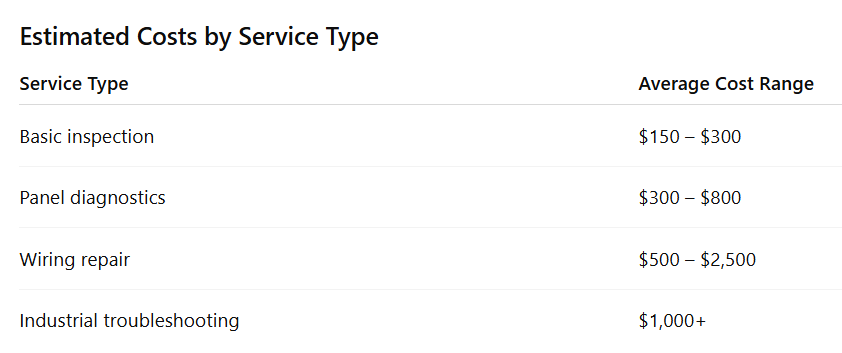
The cost of electrical troubleshooting varies based on system size and complexity. Residential inspections are generally more affordable. Basic troubleshooting services typically range from $150 to $300.
More complex diagnostics, such as panel inspections, can cost between $300 and $800. Wiring repairs and upgrades may range from $500 to $2,500. Industrial troubleshooting often exceeds $1,000 due to system complexity.
Factors affecting cost include:
-
Size of the system
-
Type of issue
-
Accessibility
-
Urgency of service
Emergency services may increase costs. However, addressing issues early helps avoid expensive repairs later. Investing in proper troubleshooting ensures long-term savings and system reliability.
What is load balancing in electrical systems?
Load balancing refers to distributing electrical demand evenly across circuits. This prevents any single circuit from carrying too much load. Balanced systems operate more efficiently and safely.
In three-phase systems, load balancing ensures equal distribution across phases. This reduces stress on equipment and improves performance. Imbalanced loads can cause overheating and voltage fluctuations.
Benefits of load balancing include:
-
Reduced risk of overload
-
Improved system efficiency
-
Extended equipment lifespan
Electricians perform load analysis to identify imbalances. Adjustments are then made to distribute power evenly. This is especially important in commercial and industrial environments with high energy demands.
When should I upgrade my electrical panel?
Electrical panels should be upgraded when they no longer meet system demands. Frequent breaker trips are a clear sign. This indicates the panel cannot handle the current load.
Older panels may also lack modern safety features. This increases the risk of electrical hazards. If your system uses outdated components, an upgrade is recommended.
Signs you need an upgrade include:
-
Limited breaker space
-
Flickering lights
-
Burning smells near the panel
-
Increased energy usage
Upgrading the panel improves safety and efficiency. It also allows for future expansion. Modern panels support higher loads and provide better protection.
What are voltage drops, and why do they matter?
Voltage drop occurs when electrical pressure decreases as power travels through wiring. This is common in long circuits or systems with undersized cables. While some voltage drop is normal, excessive drop can cause problems.
Low voltage affects equipment performance. Motors may run inefficiently, and lighting may appear dim. Over time, this can lead to equipment damage.
Causes of voltage drop include:
-
Long wiring distances
-
High current demand
-
Poor connections
Maintaining proper voltage levels is essential for system efficiency. Regular inspection and proper wiring design help minimize voltage drop issues.
How can I prevent electrical failures?
Preventing electrical failures requires a proactive approach. Regular maintenance is the most effective strategy. Inspecting systems helps identify issues before they become serious.
Load management is also important. Avoid overloading circuits and ensure proper distribution. Upgrading outdated components improves reliability.
Key prevention steps include:
-
Scheduling regular inspections
-
Using proper circuit design
-
Installing surge protection
-
Monitoring system performance
Preventive measures reduce downtime and improve safety. They also extend the lifespan of electrical systems. A well-maintained system operates more efficiently and reliably.
Leave a Reply