
When you lease a commercial space, it rarely comes ready for your business. Most spaces need adjustments before you can open your doors. This process is called a tenant build-out, and electrical work is one of the biggest parts of it.
In Lakeland, FL, electrical build-out costs can vary widely. The final price depends on the size of your space, the type of business, and how complex the system needs to be. For example, a small office may need basic lighting and outlets. On the other hand, a restaurant or medical facility will require more power, specialized wiring, and additional safety systems.
Many business owners underestimate electrical costs at the start. This often leads to budget issues later. That’s why it helps to understand how pricing works before you begin.
In this guide, you’ll learn:
-
What an electrical tenant build-out includes
-
Average electrical tenant build-out cost in Lakeland, FL
-
Key factors that affect pricing
By the end, you’ll have a clear idea of what to expect and how to plan your project the right way.
What Is an Electrical Tenant Build-Out?
An electrical tenant build-out is the process of installing or upgrading the electrical system inside a leased commercial space. The goal is simple. You adapt the space so it supports your business operations safely and efficiently.
Every tenant has different needs. Because of this, electrical work is rarely the same from one project to another. A retail shop may focus on lighting and display areas. An office may need data wiring and workstations. Meanwhile, a restaurant requires heavy-duty circuits for kitchen equipment.
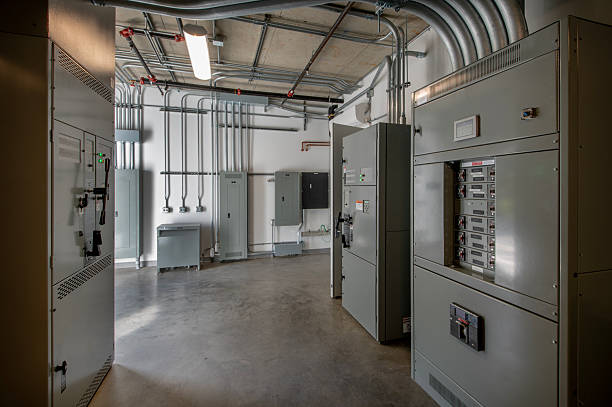
Definition of Tenant Improvements (TI)
Tenant improvements, often called TI, refer to all changes made to a leased space before a business moves in.
These improvements can include:
-
Electrical systems
-
Plumbing updates
-
Interior walls and layout changes
-
HVAC adjustments
From an electrical perspective, TI focuses on making sure the space has enough power and the right setup for daily operations.
What Electrical Work Includes
Electrical work in a tenant build-out covers more than just wiring. It involves planning, installation, and testing.
Common electrical components include:
-
New wiring and conduit installation
-
Electrical panels and subpanels
-
Lighting systems (general and decorative)
-
Outlets and dedicated circuits
-
Equipment connections
-
Data and low-voltage wiring
Each of these elements must work together. A poorly planned system can cause overloads or future repairs.
Why Electrical Work Is a Major Cost Factor
Electrical systems are essential for any commercial space. Without them, nothing functions properly.
Here’s why electrical work often takes a large share of the budget:
-
It requires skilled, licensed electricians
-
Materials like copper wiring and panels are costly
-
Projects must meet strict Florida building codes
-
Mistakes can lead to safety risks or delays
Because of these factors, cutting corners on electrical work is never a good idea. It’s better to invest in a system that is safe, efficient, and built to last.
Average Electrical Build-Out Cost in Lakeland, FL
Electrical tenant build-out costs in Lakeland depend on several variables. Still, there are general price ranges that can help you plan your budget. In most cases, electrical work is calculated per square foot. This makes it easier to estimate costs early in the project.
Cost Per Square Foot (2026 Benchmarks)
For commercial spaces, electrical costs in Lakeland typically fall within this range:
-
$10 to $20 per square foot for standard electrical work
-
The lower range applies to simple layouts like offices
-
Higher range applies to complex spaces like restaurants or clinics
Keep in mind, these are average figures. Your actual cost may vary depending on your specific needs.
Full Tenant Build-Out Cost Range
Electrical work is only one part of the total build-out cost. When you include all construction elements, the full price increases.
Typical total build-out costs:
-
$50 to $150 per square foot for standard projects
-
$100 to $200 per square foot for high-end or complex spaces
Electrical usually makes up a significant portion of this total, especially in businesses with high power demands.
Lakeland-Specific Cost Factors
Local conditions in Lakeland can also affect your final price.
Key factors include:
-
Labor rates: Skilled electricians in Florida may charge higher rates depending on demand
-
Permits and inspections: Local approval processes add to overall costs
-
Project demand: Busy construction seasons can increase pricing
-
Existing infrastructure: Older buildings may require upgrades before new work begins
Because of these variables, it’s always best to get a detailed estimate from a local contractor. This ensures your budget reflects real conditions in Lakeland, not just national averages.
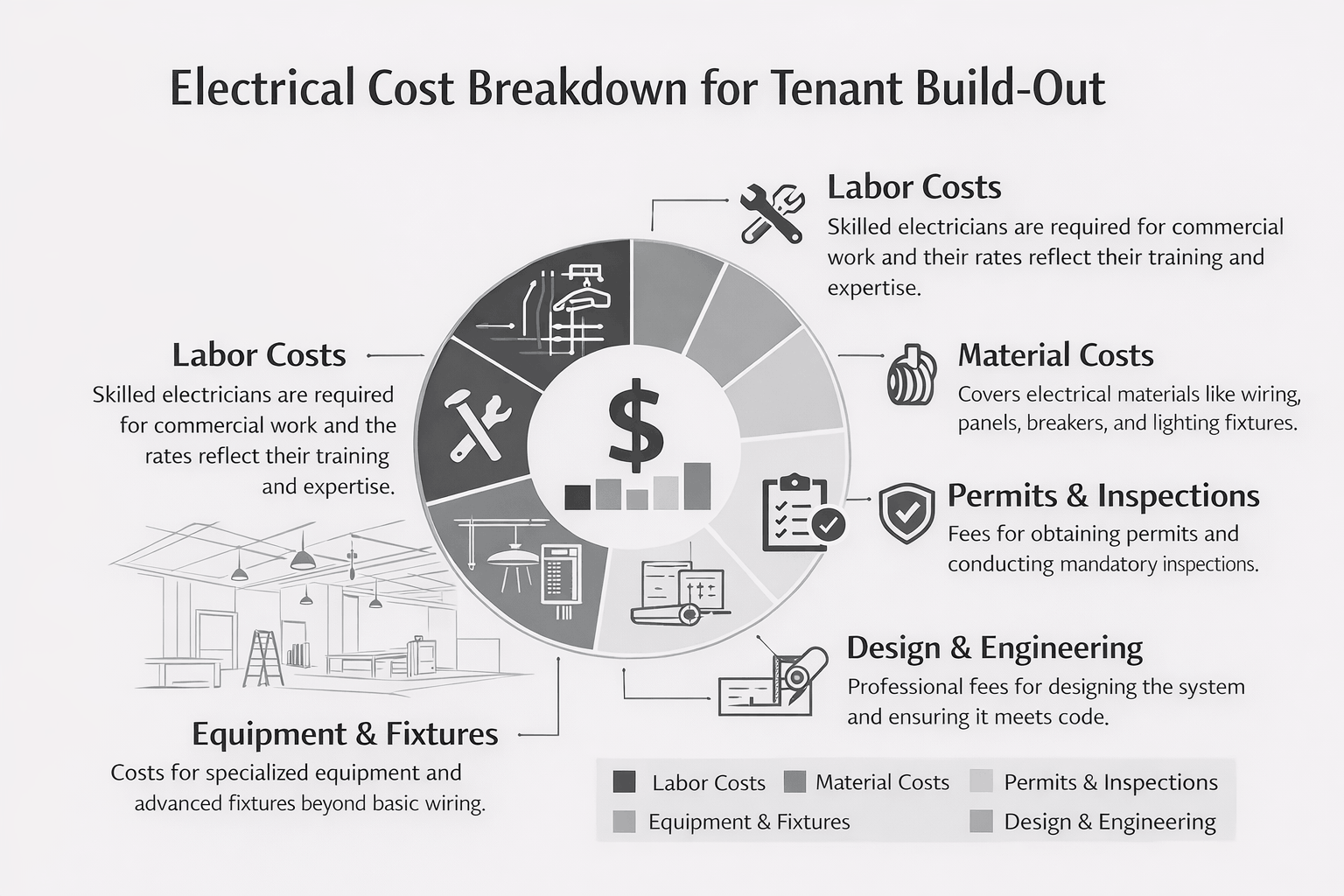
Electrical Cost Breakdown for Tenant Build-Out
Understanding where your money goes makes planning much easier. Electrical costs are not just one lump sum. Instead, they are made up of several parts, each with its own impact on the total budget.
When you break it down, you can spot areas where you may save and areas where you should not cut corners.
Labor Costs
Labor is often the largest portion of your electrical budget. Skilled electricians are required for commercial work, and their rates reflect their training and licensing.
Labor costs depend on:
-
Project size and timeline
-
Complexity of the electrical system
-
Number of electricians needed
-
Overtime or rush work
In Lakeland, labor rates can increase during busy construction periods. Also, complex projects, such as restaurants or medical spaces, require more hours and specialized skills.
Material Costs
Materials are the second major cost factor. Prices can vary based on quality and availability.
Common electrical materials include:
-
Copper wiring and conduits
-
Electrical panels and breakers
-
Switches and outlets
-
Lighting fixtures
Copper prices, in particular, can fluctuate. This directly affects your total cost. Choosing higher-quality materials may cost more upfront, but they often last longer and reduce future maintenance.
Permits and Inspections
Every commercial electrical project in Lakeland must follow local codes. This means permits and inspections are required before, during, and after installation.
These costs typically include:
-
Permit application fees
-
Plan review fees
-
Inspection charges
Skipping this step is not an option. Without proper permits, your project can face delays, fines, or even shutdowns.
Equipment and Fixtures
Beyond basic wiring, many spaces require specialized equipment.
Examples include:
-
Commercial lighting systems
-
Backup power units
-
Electrical panels for heavy equipment
-
Smart control systems
The more advanced your setup, the higher this portion of the cost becomes. For instance, a retail store may invest in display lighting, while a restaurant needs high-capacity connections for kitchen appliances.
Design and Engineering
Before any installation begins, the system must be designed. This step ensures your electrical layout meets both safety standards and operational needs.
Design costs may include:
-
Electrical drawings and layouts
-
Load calculations
-
Coordination with architects or contractors
Good planning reduces mistakes during installation. It also helps avoid costly changes later in the project.
Cost by Type of Commercial Space
Not all commercial spaces are the same. The type of business you operate plays a major role in determining your electrical build-out cost. Some spaces need only basic systems, while others require complex setups with high power demand.
Office Spaces
Office build-outs are usually the most straightforward. They focus on functionality and efficiency.
Typical electrical needs:
-
General lighting
-
Standard outlets
-
Data and communication wiring
Estimated electrical cost:
-
$10 to $13 per square foot
Because offices have lower power demands, costs stay on the lower end of the range.
Retail Stores
Retail spaces require more attention to lighting and layout. The goal is not just function but also presentation.
Common requirements:
-
Display and accent lighting
-
Point-of-sale systems
-
Security and surveillance wiring
Estimated electrical cost:
-
Moderate range depending on design complexity
Well-designed lighting can improve customer experience, but it also adds to the cost.
Restaurants
Restaurants are one of the most expensive build-outs when it comes to electrical work. They require high-capacity systems to support kitchen equipment.
Typical electrical needs:
-
Heavy-duty circuits
-
Kitchen appliance connections
-
Ventilation and exhaust systems
-
Emergency lighting
Estimated electrical cost:
-
Higher end of the range ($15–$20+ per sq ft)
Because of safety and load requirements, restaurants need careful planning and installation.
Medical Facilities
Medical spaces have strict standards and advanced equipment. This makes them one of the most complex types of projects.
Electrical requirements often include:
-
Backup power systems
-
Specialized equipment wiring
-
Advanced lighting systems
-
Compliance with healthcare regulations
Estimated electrical cost:
-
Highest range due to complexity
These projects require precision, and mistakes can lead to serious issues.
Warehouses
Warehouses are usually simpler compared to other commercial spaces. However, this depends on how the space is used.
Basic needs include:
-
High-bay lighting
-
Limited outlets
-
Equipment connections (if needed)
Estimated electrical cost:
-
Lower range due to minimal complexity
If automation or heavy machinery is involved, costs can increase.
Key Factors That Affect Electrical Build-Out Costs
Electrical build-out costs are not fixed. Even two similar spaces in Lakeland can have very different budgets. The reason is simple. Several factors influence how much work is needed and how complex the system becomes.
Understanding these factors helps you plan better and avoid unexpected expenses.
Size of the Space
The size of your commercial space directly affects the total cost. Larger spaces require more wiring, fixtures, and labor. However, there is a small advantage. As the size increases, the cost per square foot may decrease slightly due to efficiency in labor and materials. Still, the overall project cost will be higher for bigger spaces.
Complexity of Design
A simple layout costs less. A complex design costs more.
For example:
- Open office layout → lower cost
- Custom lighting design → higher cost
- Multiple rooms and partitions → increased wiring
The more customized your layout is, the more time and planning your electrical system will require.
Power Requirements
Different businesses use different amounts of electricity.
Low-demand spaces:
- Offices
- Small retail shops
High-demand spaces:
- Restaurants
- Medical clinics
- Industrial setups
Higher power needs mean:
- Larger panels
- More circuits
- Heavier wiring
This quickly increases both material and labor costs.
Code Compliance and Regulations
Florida has strict electrical codes to ensure safety. Every project in Lakeland must meet these standards.
This includes:
- Proper wiring methods
- Grounding systems
- Fire safety requirements
Meeting these codes is not optional. It adds to the cost, but it also protects your business and property.
Energy Efficiency Upgrades
Many business owners now choose energy-efficient systems. While these may cost more upfront, they reduce long-term expenses.
Common upgrades include:
- LED lighting systems
- Smart controls and automation
- Energy-efficient panels
These improvements can lower your monthly utility bills and improve overall performance.
Existing Infrastructure
The condition of the existing electrical system plays a big role.
If the space already has:
- Modern wiring
- Updated panels
- Adequate capacity
Then costs will be lower.
But if the building is older, you may need:
- Full rewiring
- Panel upgrades
- Code corrections
This can significantly increase your budget.
Electrical System Components Explained
To understand your build-out cost, it helps to know the main parts of a commercial electrical system. Each component serves a specific purpose, and together they create a safe and reliable setup.
Electrical Panels and Service Upgrades
The electrical panel is the heart of your system. It distributes power throughout the space.
You may need a panel upgrade if:
- Your current system cannot handle the load
- You are adding heavy equipment
- The existing panel is outdated
Upgrading the panel increases capacity and improves safety.
Lighting Systems
Lighting is one of the most visible parts of your build-out. It also plays a key role in energy use and customer experience.
Types of lighting include:
- General lighting for everyday use
- Task lighting for work areas
- Accent lighting for display or design
Modern systems often use LED technology to reduce energy costs.
Power Distribution
Power distribution ensures electricity reaches every part of your space safely.
This includes:
- Circuit design
- Load balancing
- Breaker configuration
A well-designed system prevents overloads and reduces the risk of outages.
Backup Power Systems
Some businesses cannot afford power interruptions. In these cases, backup systems are essential.
Options include:
- Generators
- Uninterruptible power supplies (UPS)
These systems keep critical equipment running during outages.
Low Voltage Systems
Low-voltage wiring supports systems that do not require high power but are still essential.
Examples include:
- Internet and data cabling
- Security systems
- Fire alarms
These systems are often installed alongside electrical work during the build-out process.
Step-by-Step Electrical Build-Out Process
A structured process keeps your project on track. Each step builds on the previous one, ensuring the final system is safe and fully functional.
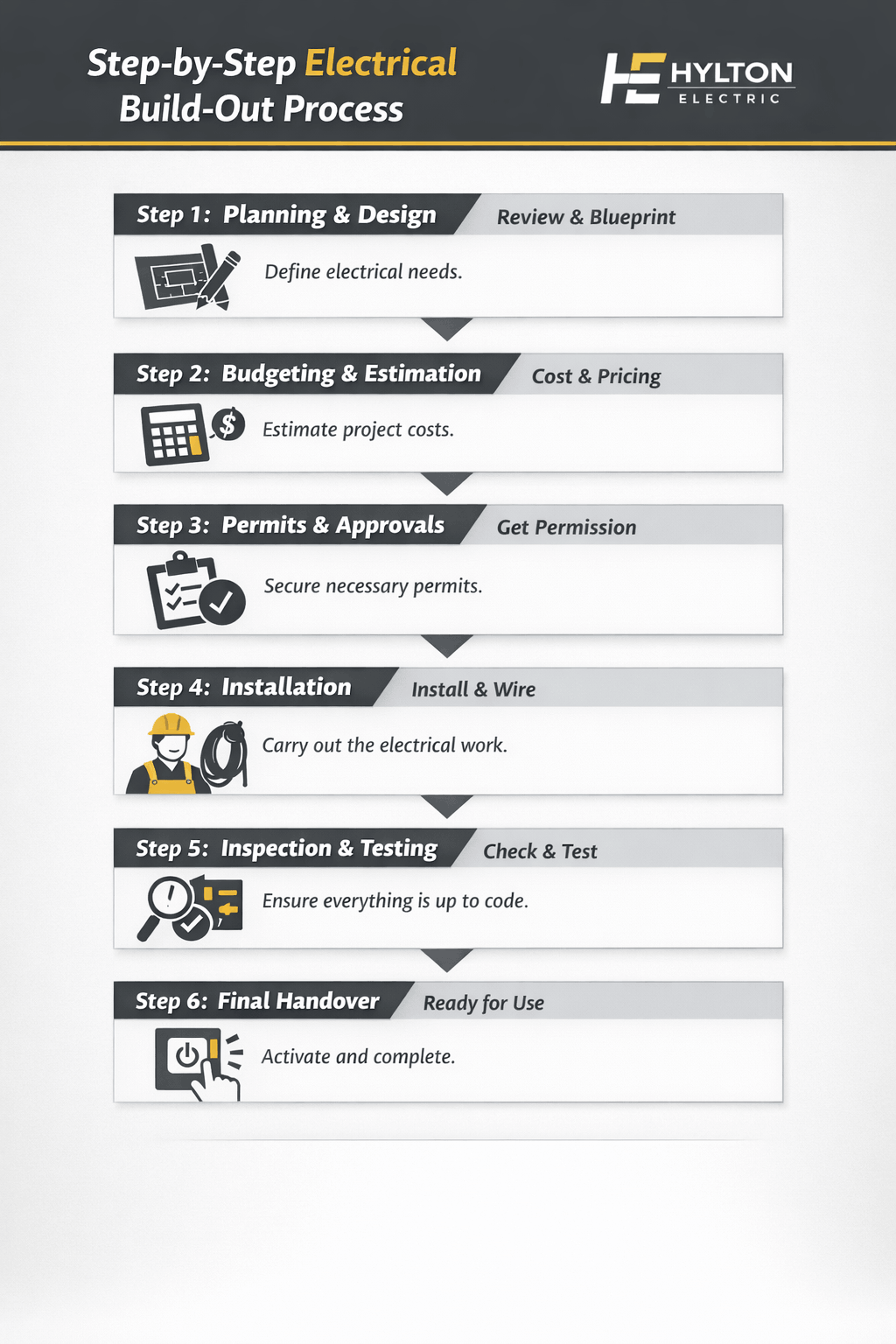
Step 1: Planning and Design
Every project starts with a plan. This phase defines your electrical needs based on your business operations.
Key tasks include:
- Reviewing layout and space usage
- Identifying power requirements
- Creating electrical drawings
Good planning reduces delays later.
Step 2: Budgeting and Estimation
Once the design is ready, the next step is estimating costs.
This includes:
- Labor and material estimates
- Permit costs
- Equipment pricing
A clear budget helps you avoid surprises during construction.
Step 3: Permits and Approvals
Before any work begins, you must secure the required permits in Lakeland.
This step ensures:
- Compliance with local codes
- Approval of electrical plans
Inspections will also be scheduled during this phase.
Step 4: Installation
This is where the actual work happens.
Electricians will:
- Install wiring and conduits
- Set up panels and circuits
- Install lighting and fixtures
The timeline depends on the size and complexity of the project.
Step 5: Inspection and Testing
After installation, the system must be tested and inspected.
This includes:
- Verifying code compliance
- Testing circuits and load capacity
- Ensuring safety standards are met
Any issues found must be corrected before approval.
Step 6: Final Handover
Once everything passes inspection, the system is ready for use.
At this stage:
- Power is fully activated
- Systems are operational
- Final approvals are completed
Your space is now ready for business operations.
Cost Comparison – Build-Out vs Ground-Up Construction
When planning a commercial project, many business owners ask the same question: Should you renovate an existing space or build from scratch?
Both options have their place. However, they differ in cost, timeline, and flexibility.
Cost Differences
In most cases, a tenant build-out is more affordable than ground-up construction.
Here’s a simple comparison:
-
Tenant Build-Out:
-
Uses an existing structure
-
Lower construction costs
-
Faster completion
-
-
Ground-Up Construction:
-
Requires land purchase and full construction
-
Higher labor and material costs
-
Longer timeline
-
From an electrical standpoint, ground-up projects involve installing everything from the beginning. This includes utility connections, full system design, and infrastructure. As a result, costs are significantly higher.
When Build-Out Makes More Sense
A build-out is the better option when:
-
You are leasing a commercial space
-
The building already has basic infrastructure
-
You want to open quickly
-
Your budget is limited
This approach allows you to focus only on the changes needed for your business.
When New Construction Is Better
Ground-up construction may be the right choice if:
-
You need complete control over the design
-
Your business has unique electrical requirements
-
Existing buildings cannot support your needs
Although the cost is higher, you gain full flexibility in layout and system design.
How to Estimate Your Electrical Build-Out Cost
Estimating your electrical cost early helps you plan your budget and avoid surprises. While exact numbers require a contractor quote, you can still get a reliable rough estimate.

Simple Cost Formula
The most common way to estimate cost is:
-
Square Footage × Cost per Square Foot
For example:
-
2,000 sq ft × $15 per sq ft = $30,000 (estimated electrical cost)
This method gives you a quick starting point.
Example Calculation
Let’s look at a practical scenario.
Retail Space Example:
-
Size: 2,000 sq ft
-
Electrical cost: $12–$18 per sq ft
Estimated total:
-
$24,000 to $36,000
If the design includes advanced lighting or additional systems, the cost will move toward the higher end.
Online Estimation Tools vs Contractors
There are two main ways to estimate your costs.
Online Tools:
-
Quick and easy
-
Good for rough budgeting
-
Less accurate
Professional Contractors:
-
Detailed and accurate estimates
-
Based on real site conditions
-
Include labor, materials, and permits
For serious projects, working with a contractor is always the better choice.
Ways to Reduce Electrical Build-Out Costs
Every business wants to stay within budget. The good news is that there are practical ways to reduce costs without compromising quality.
Plan Early
Early planning prevents costly changes later.
When you plan ahead:
-
Designs are finalized sooner
-
Materials can be ordered efficiently
-
Delays are reduced
Last-minute changes often lead to higher labor costs and wasted materials.
Choose Energy-Efficient Systems
Energy-efficient upgrades may cost more upfront, but they save money over time.
Examples include:
-
LED lighting
-
Smart lighting controls
-
Energy-efficient panels
Lower energy use means lower monthly bills.
Reuse Existing Infrastructure
If your space already has usable electrical systems, take advantage of them.
You may be able to reuse:
-
Wiring (if up to code)
-
Electrical panels
-
Conduits
This can significantly reduce both labor and material costs.
Work with Experienced Contractors
Hiring the right contractor makes a big difference.
Experienced professionals:
-
Plan efficiently
-
Avoid common mistakes
-
Deliver accurate estimates
Choosing a cheaper, inexperienced contractor may lead to higher costs later due to rework.
Common Mistakes to Avoid
Mistakes during a build-out can lead to delays, extra costs, and safety issues. Being aware of these risks helps you avoid them.
-
Underestimating electrical load: This can result in overloaded systems and future upgrades
-
Ignoring code requirements: Non-compliant work can fail inspections and delay your project
-
Choosing the lowest bid: Low prices often mean lower quality or hidden costs
-
Poor planning: Lack of planning leads to changes during construction, which increases costs
-
Skipping professional design: Without proper design, systems may not meet your business needs
Permits and Electrical Codes in Lakeland, FL
Permits and codes are a required part of any electrical build-out. They ensure your system is safe and meets local regulations.
Required Permits
In Lakeland, you will typically need:
-
Electrical permits before starting work
-
Approval of design plans
Permit requirements may vary depending on the project size and type.
Inspection Process
Inspections happen at different stages of the project.
These may include:
-
Rough-in inspection (before walls are closed)
-
Final inspection (after installation is complete)
Inspectors check for safety, code compliance, and proper installation.
Code Compliance Requirements
Electrical work must follow Florida building codes.
This includes:
-
Proper grounding
-
Correct wire sizing
-
Safe installation methods
Meeting these standards protects both your business and your employees.
Timeline for Electrical Tenant Build-Out
The timeline for an electrical build-out depends on the size and complexity of your project.
Small Projects
-
2 to 4 weeks
-
Basic wiring and lighting
Medium Projects
-
4 to 8 weeks
-
Includes more detailed layouts and systems
Large Projects
-
2 to 4 months or more
-
Complex systems, heavy electrical loads
Delays can occur due to:
-
Permit approvals
-
Material availability
-
Design changes
Planning ahead helps keep your project on schedule.
Hiring the Right Electrical Contractor in Lakeland
Choosing the right contractor is one of the most important decisions you will make.
What to Look For
A good contractor should have:
-
Proper licensing and insurance
-
Commercial project experience
-
Knowledge of local codes
Questions to Ask
Before hiring, ask:
-
Have you handled similar projects?
-
Can you provide a detailed estimate?
-
What is the expected timeline?
Clear answers help you make an informed decision.
Why Local Expertise Matters
Local contractors understand Lakeland’s requirements.
They can:
-
Handle permits more efficiently
-
Work with local inspectors
-
Provide realistic timelines
This reduces delays and keeps your project moving smoothly.
ROI of a Professional Electrical Build-Out
Investing in a quality electrical system provides long-term benefits.
Improved Efficiency
-
Systems run smoothly
-
Reduced downtime
Increased Property Value
-
Well-built spaces attract better tenants
-
Higher resale or lease value
Energy Savings
-
Lower utility costs
-
Better system performance
A well-planned build-out is not just an expense. It is an investment in your business.
Final Thoughts: Planning Your Electrical Build-Out in Lakeland
Electrical tenant build-out costs in Lakeland, FL, can vary, but the key factors remain the same. Size, complexity, and power requirements all play a role in your final budget.
The most important step is planning. When you understand your needs early, you avoid delays and unexpected expenses. Working with an experienced contractor also ensures your system is safe, efficient, and built to meet local codes.
In the end, a well-designed electrical system supports your daily operations and helps your business grow. Taking the time to do it right will save you money and stress in the long run.
Need Help With Your Electrical Build-Out?
Planning a tenant build-out can feel overwhelming, especially when it comes to electrical work. That’s where we come in. At Hylton Electric, we keep things simple. You tell us what you need, and we’ll help you plan it the right way—safe, efficient, and within budget.
Whether you’re just starting or ready to build, we’re here to help.
Call: +1 863-624-7000
Email: ray@hylton-electric.com
Let’s get your project done right the first time.
FAQs About Electrical Tenant Build-Out Costs
What is an electrical tenant build-out?
An electrical tenant build-out is the process of preparing a leased commercial space so it can safely support your business operations. This involves installing or modifying systems like wiring, panels, lighting, and equipment connections.
In simple terms, it turns an empty or basic space into a fully functional workplace. Every build-out is different because each business has unique power needs, layout requirements, and equipment demands.
How much does an electrical tenant build-out cost per square foot?
In Lakeland, FL, electrical build-out costs usually range from $10 to $20 per square foot. However, this is only a general estimate.
Costs vary based on:
-
Business type (office vs restaurant)
-
System complexity
-
Existing electrical condition
For example, a simple office may stay near the lower end, while a restaurant with heavy equipment will likely fall on the higher end.
What factors affect electrical build-out costs the most?
Several key factors influence the total cost of your electrical build-out. The most important ones include space size, power demand, and system complexity.
For instance:
-
Larger spaces require more materials and labor
-
High-power equipment increases system capacity needs
-
Custom layouts add design time
Older buildings may also need upgrades, which can significantly raise the overall cost.
What is included in an electrical build-out?
An electrical build-out includes everything needed to supply power safely and efficiently throughout your space. It is more than just wiring—it is a complete system.
Typical components include:
-
Wiring and conduit installation
-
Electrical panels and breakers
-
Lighting systems
-
Outlets and dedicated circuits
-
Low-voltage systems like data and security
Depending on your business, it may also include backup power or specialized equipment connections.
Who pays for tenant improvement electrical costs?
The responsibility for electrical build-out costs depends on your lease agreement. In many cases, landlords provide a Tenant Improvement (TI) allowance, which covers part of the work.
However:
-
If costs exceed the allowance, the tenant pays the difference
-
Some leases require tenants to cover all improvements
It’s important to review your lease carefully so you understand your financial responsibility before starting the project.
How long does an electrical tenant build-out take?
The timeline for an electrical build-out depends on the size and complexity of the project. Smaller jobs can be completed quickly, while larger projects take more time.
Typical timelines include:
-
Small spaces: 2–4 weeks
-
Medium spaces: 4–8 weeks
-
Large or complex spaces: 2–4 months
Delays may occur due to permit approvals, inspections, or changes in design.
Do I need permits for electrical work in Lakeland, FL?
Yes, permits are required for all commercial electrical work in Lakeland. These permits ensure your project meets local safety and building codes.
The process usually involves:
-
Submitting electrical plans for approval
-
Obtaining permits before starting work
-
Scheduling inspections during installation
Failing to obtain permits can lead to fines, failed inspections, or project delays.
Why is electrical work so expensive in commercial build-outs?
Electrical work is a major cost because it requires both skilled labor and high-quality materials. Commercial systems must also meet strict safety standards.
Costs are driven by:
-
Licensed electricians and specialized labor
-
Expensive materials like copper wiring
-
Code compliance and inspections
While it may seem costly, proper electrical work prevents safety issues and costly repairs in the future.
Can I reuse existing electrical systems in a build-out?
In some cases, yes. If the existing system is in good condition and meets current codes, parts of it can be reused.
You may be able to reuse:
-
Wiring
-
Panels
-
Conduits
However, if the system is outdated or cannot handle your power needs, upgrades will be required. A professional inspection helps determine what can safely remain.
What type of business has the highest electrical cost?
Businesses with high energy demands tend to have the highest electrical costs. These spaces require more complex systems and higher capacity.
Examples include:
-
Restaurants with commercial kitchens
-
Medical facilities with specialized equipment
-
Industrial or manufacturing spaces
These projects often involve heavy-duty circuits, backup systems, and strict compliance requirements, all of which increase costs.
How can I reduce electrical build-out costs?
Reducing costs starts with proper planning. Making decisions early helps avoid expensive changes later in the project.
Effective ways to save include:
-
Finalizing your design before construction begins
-
Using energy-efficient systems
-
Reusing existing infrastructure when possible
-
Hiring experienced contractors
Careful planning helps you stay within budget without sacrificing quality.
What is a load calculation, and why is it important?
A load calculation determines how much electrical power your space will need. It is a critical step in designing a safe and efficient system.
It helps:
-
Prevent circuit overloads
-
Ensure proper panel sizing
-
Meet code requirements
Without an accurate load calculation, your system may fail under demand or require costly upgrades later.
Do restaurants require special electrical systems?
Yes, restaurants have unique electrical needs due to high-power equipment and safety requirements. Their systems are more complex than most other commercial spaces.
They typically require:
-
Dedicated circuits for kitchen equipment
-
High-capacity panels
-
Ventilation and exhaust systems
-
Emergency lighting
Because of this, restaurant build-outs are usually more expensive and require detailed planning.
Is LED lighting worth the investment?
Yes, LED lighting is a smart choice for most commercial spaces. While the initial cost may be higher, the long-term benefits make it worthwhile.
Advantages include:
-
Lower energy consumption
-
Longer lifespan
-
Reduced maintenance costs
Over time, these savings can offset the upfront investment and improve overall efficiency.
What happens during an electrical inspection?
An electrical inspection ensures that your system meets safety and code requirements. It is a required step before your project can be approved.
Inspectors check:
-
Wiring installation
-
Grounding and safety measures
-
Panel and circuit setup
If any issues are found, they must be corrected before final approval is granted.
Should I hire a local electrical contractor in Lakeland?
Hiring a local contractor is often the best choice for a smooth project. Local professionals understand the specific requirements of the area.
They can:
-
Handle permits more efficiently
-
Work closely with local inspectors
-
Provide realistic timelines and costs
This local knowledge helps reduce delays and keeps your project on schedule.
What is the difference between build-out and renovation?
A tenant build-out focuses on preparing a leased space for a new business, while renovation involves updating an existing space.
Build-outs typically include:
-
New electrical systems
-
Layout changes
-
Custom installations
Renovations usually improve or replace existing features rather than building from scratch.
Can electrical upgrades increase property value?
Yes, upgrading electrical systems can improve both functionality and property value. Modern systems are more efficient and safer.
Benefits include:
-
Increased appeal to tenants or buyers
-
Lower operating costs
-
Improved safety standards
This makes electrical upgrades a valuable long-term investment.
What are common mistakes in electrical build-outs?
Many projects run into issues due to avoidable mistakes. These can increase costs and delay completion.
Common mistakes include:
-
Underestimating power requirements
-
Ignoring code compliance
-
Hiring inexperienced contractors
-
Poor planning
Avoiding these problems starts with proper design and working with qualified professionals.
When should I contact an electrical contractor?
You should contact an electrical contractor as early as possible, ideally during the planning stage. Early involvement helps ensure a smooth project.
This allows you to:
-
Get accurate cost estimates
-
Identify potential challenges
-
Design an efficient system
Waiting too long can lead to design changes, delays, and higher costs.
Leave a Reply