
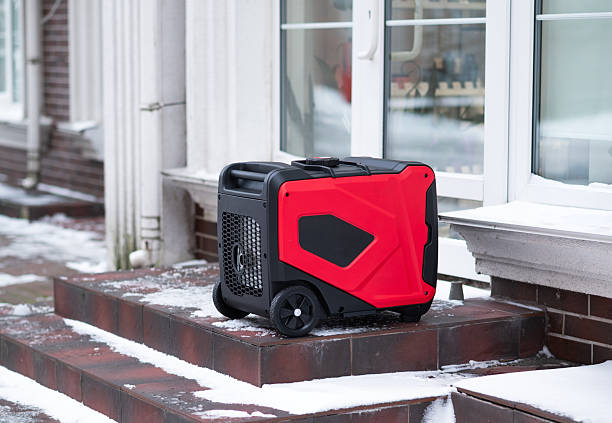
Generator for Power Outages: The Complete Safety Guide for Florida Homes & Businesses
Power outages are common across Lakeland, Winter Haven, Haines City, Davenport, Auburndale, Bartow, Mulberry, Plant City, and Polk City, especially during hurricane season and severe storms. A backup generator for power outages provides reliable portable power during unexpected outages that can keep your lights on, protect valuable appliances, and help your family or business stay safe when the electrical grid goes down.
Whether you’re considering a portable generator, a home generator for power outages, an inverter generator, choosing the right equipment is only part of the process. Safe installation, proper maintenance, and correct operation are just as important.
This guide explains Generator safety tips to choose the right backup generator, avoid common safety hazards, and know when it’s time to call a licensed electrician.
Quick Answer
If you use a generator during a power outage, always follow these essential safety tips:
- Place the unit at least 20 feet away from your home or business.
- Never operate a portable generator indoors or inside a garage.
- Install an automatic transfer switch for standby generators.
- Never refuel while it is running or hot.
- Install carbon monoxide detectors on every level of your home.
- Schedule professional generator maintenance before hurricane season.
Following these simple steps can help prevent injuries, protect your electrical system, and keep your backup power running when you need it most.
Why Generator Safety Matters
Florida experiences frequent power outages caused by hurricanes, tropical storms, lightning, and strong winds. Even a short outage can interrupt daily life, damage electronics, and affect business operations. Preparing your home before severe weather is an important part of power outage preparedness, including having a backup generator and an emergency plan.
A properly installed backup generator helps keep essential electrical systems operating until utility power is restored.Whether you choose a portable or standby system, reliable portable power helps protect your family, preserve food, and keep essential appliances operating.
Depending on the size, it can supply electricity to:
- Refrigerators and freezers
- Medical equipment
- Security systems
- Internet and communication devices
- Business equipment
- Well pumps
- Air conditioning systems
- Essential lighting
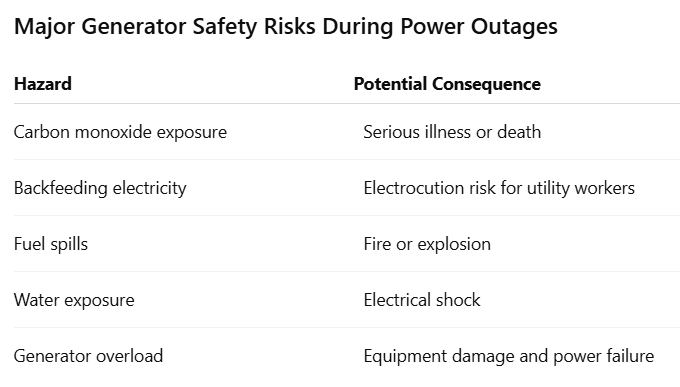
Although generators provide dependable emergency power, they also produce electricity, heat, and carbon monoxide. Using one incorrectly can create serious safety risks. Learning the correct operating procedures helps protect your family, employees, customers, and property.
How to Choose the Best Generator for Home Power Outages
Choosing the right type of generator depends on your electrical needs, budget, and how long you expect outages to last. If you only need portable power for a few appliances during occasional outages, a portable generator may be the most practical option. For automatic whole-home protection, a standby generator is usually the better choice.
Portable Generator
A portable generator is one of the most popular backup power options for homeowners. These units are affordable, easy to transport, and ideal for temporary emergencies. Many portable generators include an electric start, making them faster and easier to operate during an emergency.
Portable generators commonly power:
- Refrigerators
- Freezers
- Lights
- Fans
- Sump pumps
- Small appliances
- Phone chargers
- Internet equipment
Because portable generators require manual setup, they should always be operated outdoors with heavy-duty extension cords or a professionally installed transfer switch to prevent accidents.
Inverter Generator
An inverter generator offers many of the same benefits as a portable generator while providing cleaner and more stable electricity.These generators are ideal for sensitive electronics because they produce consistent power.
Benefits include:
- Quiet operation
- Better fuel efficiency
- Lightweight design
- Stable electrical output
- Reduced fuel consumption
Many homeowners choose inverter generators for laptops, televisions, Wi-Fi equipment, and medical devices during short-term outages.
Home Standby Generator
A home standby generator provides automatic backup power whenever utility service is interrupted.
Unlike portable units, standby generators are permanently installed outside the home and connect directly to your electrical system through an automatic transfer switch.
Most standby systems operate using propane or natural gas, eliminating the need to store gasoline before storms.
Depending on the generator size, these systems can power:
- The entire home
- Refrigerators
- Lighting
- Medical equipment
- Security systems
- Home offices
- Air conditioning
- Kitchen appliances
For homeowners who experience frequent outages, a standby generator offers convenience, safety, and peace of mind.
Choosing the Right Generator Size
Selecting the proper generator size is one of the most important decisions you’ll make.
A generator that’s too small may overload when several appliances start at the same time while a generator that’s too large can increase installation costs without providing additional value.
When choosing a generator for power outages, consider:
- Square footage of your property
- Number of electrical circuits
- Heating and cooling systems
- Air conditioning units
- Electric water heaters
- Well pumps
- Kitchen appliances
- Home office equipment
- Commercial equipment
A licensed electrician can perform a professional load calculation to determine the correct generator size for your home or business. This helps ensure your system provides enough power without unnecessary expense.
Fuel Sources for Backup Generators
Choosing the right fuel source is just as important as selecting the right generator for power outages. Each option has advantages depending on your property’s electrical needs, expected runtime, and budget.
Gasoline Generators
Gasoline is the most common fuel for a portable generator. These units are affordable and easy to find, making them a popular choice for temporary emergency power.
Advantages include:
- Widely available before most storms
- Lower equipment cost
- Easy to transport
- Simple to refuel
However, gasoline also has limitations. It has a relatively short storage life and may become difficult to find after severe weather. If you’re relying on a gasoline generator, store fuel safely in approved containers and follow local fire safety guidelines.
Propane or Natural Gas Generators
Most home standby generators operate using propane or natural gas. Because these systems connect directly to a fuel supply, they can provide dependable backup power without frequent refueling.
Benefits include:
- Automatic fuel supply
- Cleaner operation
- Longer run times
- Lower maintenance requirements
- No need to store gasoline
Many Florida homeowners choose propane or natural gas because the generator starts automatically during a power outage and requires very little manual intervention.
Diesel Generators
Commercial and industrial properties often rely on diesel-powered generators
for long-lasting backup power.
Diesel generators are commonly used in:
- Warehouses
- Manufacturing facilities
- Medical offices
- Distribution centers
- Large commercial buildings
These systems are designed to support heavier electrical loads and extended ope
rating times.
A licensed electrician can help determine which fuel source best fits your property’s electrical requirements.
The Biggest Generator Safety Hazards
Prevent Carbon Monoxide Poisoning
Carbon monoxide is one of the greatest dangers associated with portable generators. This invisible, odorless gas is produced whenever fuel burns.
To reduce the risk:
- Never operate a generator inside your home.
- Never use one inside a garage, basement, shed, or enclosed patio.
- Keep the generator at least 20 feet away from doors, windows, and air intake vents.
- Direct the exhaust away from occupied buildings.
Every home should also have working carbon monoxide detectors installed on every level. Test them regularly, especially before hurricane season begins. CDC carbon monoxide safety recommendations
Protect Against Electrical Shock
Generators and water are a dangerous combination.
Always place your generator on a dry, level surface before starting it.
For additional protection:
- Use heavy-duty outdoor-rated extension cords.
- Replace damaged cords immediately.
- Never touch electrical equipment with wet hands.
- Protect the generator from rain using a manufacturer-approved cover that allows proper ventilation.
Following these precautions helps reduce the risk of electrical shock while protecting connected appliances.
Reduce Fire Hazards
Generators become extremely hot while operating. Improper fueling is one of the leading causes of generator-related fires.
Always remember these safety rules:
- Turn the generator off before refueling.
- Allow the engine to cool completely.
- Store fuel in approved safety containers.
- Keep gasoline away from open flames.
- Clean up fuel spills immediately.
Simple precautions can prevent costly property damage and serious injuries.
Avoid Generator Overload
Every generator has a maximum electrical capacity.
Trying to operate too many appliances at once may overload the system, causing:
- Tripped breakers
- Overheating
- Equipment damage
- Shortened generator life
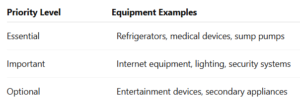
Instead of connecting every appliance immediately, prioritize your essential electrical loads.
Start with:
- Refrigerators
- Medical equipment
- Internet equipment
- Security systems
- Lighting
- Sump pumps
Larger home standby generators can often power additional appliances, including air conditioning, depending on the generator size.
Why an Automatic Transfer Switch Is Essential
If you’re installing a home standby generator, an automatic transfer switch is one of the most important components of the entire system.When utility power fails, the transfer switch automatically disconnects your home from the electrical grid before generator power begins.This process prevents a dangerous condition known as backfeeding.
Without a transfer switch, electricity can flow back into utility lines and create serious hazards.
Backfeeding can:
- Endanger utility workers
- Damage your electrical panel
- Harm sensitive electronics
- Increase the risk of electrical fires
- Violate Florida electrical codes
A professionally installed automatic transfer switch also provides greater convenience because your standby generator starts automatically without requiring manual setup.
For homeowners and businesses throughout Lakeland, Winter Haven, Bartow, Plant City, Haines City, Davenport, Auburndale, Mulberry, and Polk City, installing a transfer switch is one of the safest upgrades you can make when investing in backup power.
Safe Generator Operation During Power Outages
Owning a generator for power outages is only part of the solution. Knowing how to operate it safely helps protect your electrical system while reducing the risk of accidents.Follow these best practices whenever your generator is in use.
Place the Generator Outdoors
A portable generator should always opera
te in an open, well-ventilated area.
Choose a location that is:
- At least 20 feet from your home
- Away from doors and windows
- Away from garage openings
- Away from HVAC air intakes
Never run a generator inside any enclosed structure, e
ven if doors or windows are open.
Keep the Generator Dry
Moisture increases the risk of electrical shock and equipment damage.
Operate the generator on a dry surface and use only covers approved by the manufacturer. These covers allow proper airflow while protecting the equipment from rain.
Never place a generator in standing water or attempt to operate it during flooding.
Refuel Safely
If your generator uses gasoline, always follow these steps:
- Turn the generator off.
- Allow it to cool completely.
- Refuel outdoors.
- Wipe up any spilled gasoline.
- Restart the generator only after fueling is complete.
These simple habits significantly reduce the risk of fire and injury.
How to Choose the Best Generator for Your Home
Choosing the best generator for power outages involves more than comparing prices.
The right generator should provide enough power to keep your essential appliances running safely while fitting your home’s electrical needs and budget.
Before making a decision, think about how often your area experiences power outages, how long they typically last, and which appliances you cannot live without. Florida homeowners should also consider hurricane season, when extended outages are more common.
A licensed electrician can help you evaluate your electrical system and recommend the best solution for your home or business.
Determine What You Need to Power
Start by creating a list of the appliances and equipment you want your generator to support during an outage.
Common priorities include:
- Refrigerators and freezers
- Lighting
- Internet and Wi-Fi equipment
- Medical devices
- Security systems
- Well pumps
- Garage door openers
- Air conditioning systems
- Kitchen appliances
If you only need temporary backup power for a few appliances, a portable generator may be enough. However, if you want automatic power for your entire home, a home standby generator is usually the better long-term investment.
Choose the Correct Generator Size
One of the most important decisions is selecting the proper generator size.
A generator that is too small may overload when several appliances start at the same time. One that is too large can increase installation costs without providing additional benefits.
Professional load calculations consider:
- Total electrical demand
- Starting wattage
- Running wattage
- Future electrical expansion
- Number of electrical circuits
At Hylton Electric, our licensed electricians perform professional load calculations to recommend the ideal generator for your property.
Select the Best Fuel Source
Fuel type affects convenience, maintenance, and operating costs.
Portable generators typically use gasoline because it is easy to find and simple to transport.
Many homeowners choose propane or natural gas for standby generators because these fuel sources provide automatic operation, longer run times, and eliminate the need to store gasoline before storms.
Commercial properties often rely on diesel generators for larger electrical loads and extended operation.
Choosing the right fuel source depends on your electrical needs, available utilities, and expected runtime.
Generator Maintenance Tips
Routine generator maintenance keeps your backup power system dependable when you need it most.
Whether you own a portable generator or a permanently installed standby generator, regular inspections help extend equipment life and reduce the risk of unexpected failures.
Before hurricane season arrives, complete the following maintenance checklist.
Maintenance Checklist
- Test the generator under load
- Check the battery.
- Change the oil if necessary.
- Replace dirty air filters.
- Inspect fuel lines.
- Verify propane or natural gas connections.
- Check extension cords for damage.
- Test carbon monoxide detectors.
- Inspect the automatic transfer switch.
- Schedule professional maintenance if needed.
Keeping your generator properly maintained helps ensure reliable performance during emergencies.
Generator Safety Tips for Businesses
Power outages can interrupt business operations, damage equipment, and result in lost revenue.
A professionally installed generator for power outages helps businesses continue operating while protecting employees, customers, inventory, and essential systems.
Commercial generators commonly support:
- Retail stores
- Restaurants
- Medical offices
- Warehouses
- Manufacturing facilities
- Office buildings
- Refrigeration systems
- Computer servers
- Security systems
Because commercial electrical systems are more complex, businesses should work with a licensed electrician to determine the proper generator size, select the best fuel source, and ensure compliance with Florida electrical codes.
Common Generator Mistakes to Avoid
Many generator accidents can be prevented by avoiding a few common mistakes.
Running a Generator Indoors
Never operate a portable generator inside:
- Homes
- Garages
- Basements
- Crawl spaces
- Sheds
- Enclosed patios
Carbon monoxide can accumulate quickly and become deadly, even when doors or windows are open.
Always operate generators outdoors in a well-ventilated area.
Connecting a Generator Without a Transfer Switch
Connecting a generator directly to your electrical panel can create dangerous backfeeding.
Backfeeding may:
- Injure utility workers
- Damage your electrical panel
- Harm connected appliances
- Increase the risk of electrical fires
A professionally installed automatic transfer switch safely isolates your home from the electrical grid before generator power begins.
Using Damaged Extension Cords
Inspect extension cords before every use.
Replace any cord with:
- Cracked insulation
- Exposed wires
- Loose connectors
- Burn marks
Using damaged cords increases the risk of electrical shock and fire.
Skipping Generator Maintenance
Many generators fail during storms because they haven’t been serviced.
Regular inspections, oil changes, battery testing, and professional maintenance help ensure dependable backup power when you need it most.
When to Call a Licensed Electrician
While portable generators can often be operated by homeowners, many generator projects require professional installation.
Contact a licensed electrician if you need:
- Home standby generator installation
- Generator replacement
- Automatic transfer switch installation
- Generator load calculations
- Electrical panel upgrades
- Generator troubleshooting
- Commercial backup power solutions
- Generator maintenance
Professional installation helps ensure your backup power system complies with Florida electrical codes and operates safely.
Why Choose Hylton Electric?
When it comes to protecting your home or business from unexpected power outages, experience matters.
Hylton Electric provides professional generator installation, generator maintenance, and generator repair services for residential, commercial, and industrial customers throughout Central Florida.
Our licensed electricians proudly serve:
- Lakeland
- Winter Haven
- Haines City
- Davenport
- Auburndale
- Bartow
- Mulberry
- Plant City
- Polk City
From selecting the proper generator size to installing an automatic transfer switch, we help ensure your backup power system is safe, reliable, and built to last.
Frequently Asked Questions
What is the best generator for power outages?
The best generator depends on your electrical needs. Portable generators are ideal for temporary backup power, while home standby generators provide automatic protection for larger homes and businesses.
Can a portable generator run my air conditioner?
Some larger portable generators can power smaller air conditioning systems. Whole-home cooling usually requires a properly sized standby generator.
What fuel is best for a backup generator?
Portable generators typically use gasoline, while many standby generators operate on propane or natural gas for automatic operation and longer run times.
Why is an automatic transfer switch important?
An automatic transfer switch disconnects your home from the utility grid before generator power begins, preventing dangerous backfeeding and protecting your electrical system.
How often should a generator be serviced?
Most generators should receive professional maintenance at least once a year, preferably before hurricane season.
Can a standby generator power an entire home?
Yes. If it is properly sized, a standby generator can power most or all of your home’s essential electrical systems, including lighting, appliances, refrigeration, and even air conditioning.
Stay Prepared for the Next Power Outage
Power outages can happen at any time, but the right backup power system can keep your home or business safe and operational.
Whether you need help selecting the right generator for power outages, determining the proper generator size, installing an automatic transfer switch, or scheduling generator maintenance, Hylton Electric is here to help.
Our experienced electricians proudly serve homeowners and businesses throughout Lakeland, Winter Haven, Haines City, Davenport, Auburndale, Bartow, Mulberry, Plant City, and Polk City.
Call us today at (863) 624-7000 or contact Hylton Electric online to schedule your generator consultation and ensure your property is ready before the next storm
Leave a Reply