
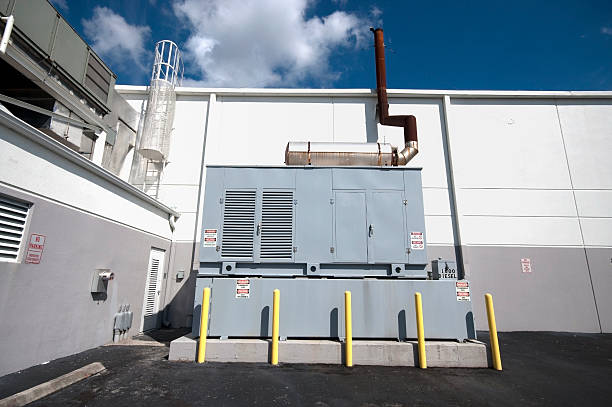
Power outages can happen at any time. Storms, grid issues, or equipment failures can shut everything down without warning. When that happens, having a generator is not just helpful—it’s essential.
A professionally installed generator keeps your home or business running. Your lights stay on, your HVAC system keeps working. Your appliances and equipment stay protected. For businesses, this means no downtime, no lost revenue, and no disruption to daily operations.
At Hylton Electric, we provide reliable generator installation and upgrade services designed to give you peace of mind. We work with both residential and commercial clients. Our team helps you choose the right system, install it safely, and make sure it performs when you need it most. We focus on simple, practical solutions. No confusion. No guesswork. Just dependable backup power that works when the grid doesn’t.
What Is Generator Installation?
Generator installation is the process of setting up a backup power system for your property. This system automatically or manually provides electricity when your main power source goes out. Think of a generator as your backup plan. When the power shuts off, the generator steps in and keeps everything running.
Here’s how it works in simple terms:
-
The generator uses fuel (like natural gas, propane, or diesel)
-
It produces electrical power
-
That power is sent to your home or building
-
A transfer switch safely switches between utility power and generator power
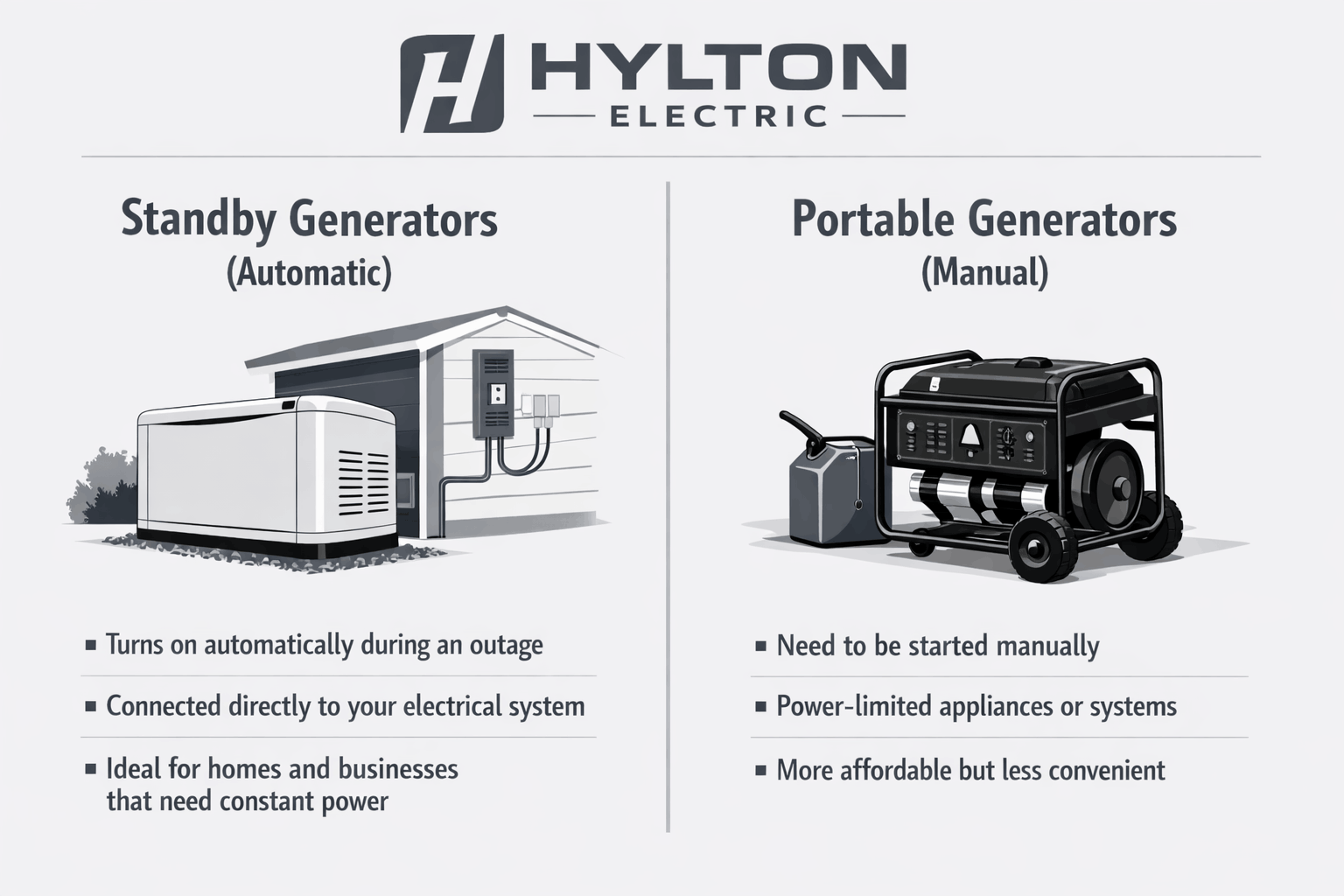
There are two main types of generators:
-
Portable Generators (Manual)
Generator installation also includes:
-
Choosing the right location
-
Connecting to your electrical panel
-
Installing a transfer switch
-
Setting up the fuel source
-
Testing the system for safe operation
A proper installation ensures everything runs safely and smoothly. It also protects your electrical system from damage. In short, generator installation gives you control during unexpected outages. Instead of waiting for power to return, you stay up and running.
Why Generator Installation Matters
Power outages are more than just inconvenient. They can disrupt your daily life and cost your business money. A generator helps you stay prepared and in control.
Here’s why generator installation is important:
-
Keeps essential systems running – Your lights, refrigerator, HVAC, and security systems continue to work. You don’t have to sit in the dark or deal with extreme temperatures.
-
Protects food and equipment – Without power, food can spoil quickly. For businesses, equipment can shut down or get damaged. A generator helps avoid these losses.
-
Prevents business downtime – Even a short outage can stop operations. This means lost sales and delays. A generator keeps your business moving without interruption.
-
Improves safety – Power outages can create safety risks. Dark spaces, failed alarms, and disabled medical equipment can be dangerous. Backup power reduces these risks.
-
Adds property value – Homes and buildings with generators are more attractive to buyers. It’s seen as a reliable upgrade and long-term investment.
-
Peace of mind during storms – You don’t have to worry every time the weather gets bad. Your system is ready to handle outages.
In simple terms, a generator gives you reliability. You don’t depend fully on the grid. You have your own backup power when it matters most.
Signs You Need a Generator Upgrade
If you already have a generator, it may not always meet your current needs. As your home or business grows, your power demands can change.
Here are common signs it’s time for an upgrade:
-
Your generator is over 10–15 years old – Older systems become less efficient. They may fail when you need them most.
-
Frequent breakdowns or repairs – If you’re calling for repairs often, it may cost more than replacing the unit.
-
Not enough power for your needs – Your generator may struggle to run all essential systems. This is common after adding new appliances or equipment.
-
Manual operation only – Older generators often need to be started manually. Upgrading to an automatic standby system adds convenience and reliability.
-
High fuel consumption – If your generator uses too much fuel, it may not be efficient anymore.
-
Excessive noise – A loud operation can be a sign of wear or an outdated design.
-
Slow startup during outages – Delays in power can affect safety and productivity.
Upgrading your generator means better performance, improved efficiency, and more reliable backup power. It ensures your system matches your current needs—not your past ones. If your generator shows any of these signs, it’s worth considering an upgrade before the next outage happens.
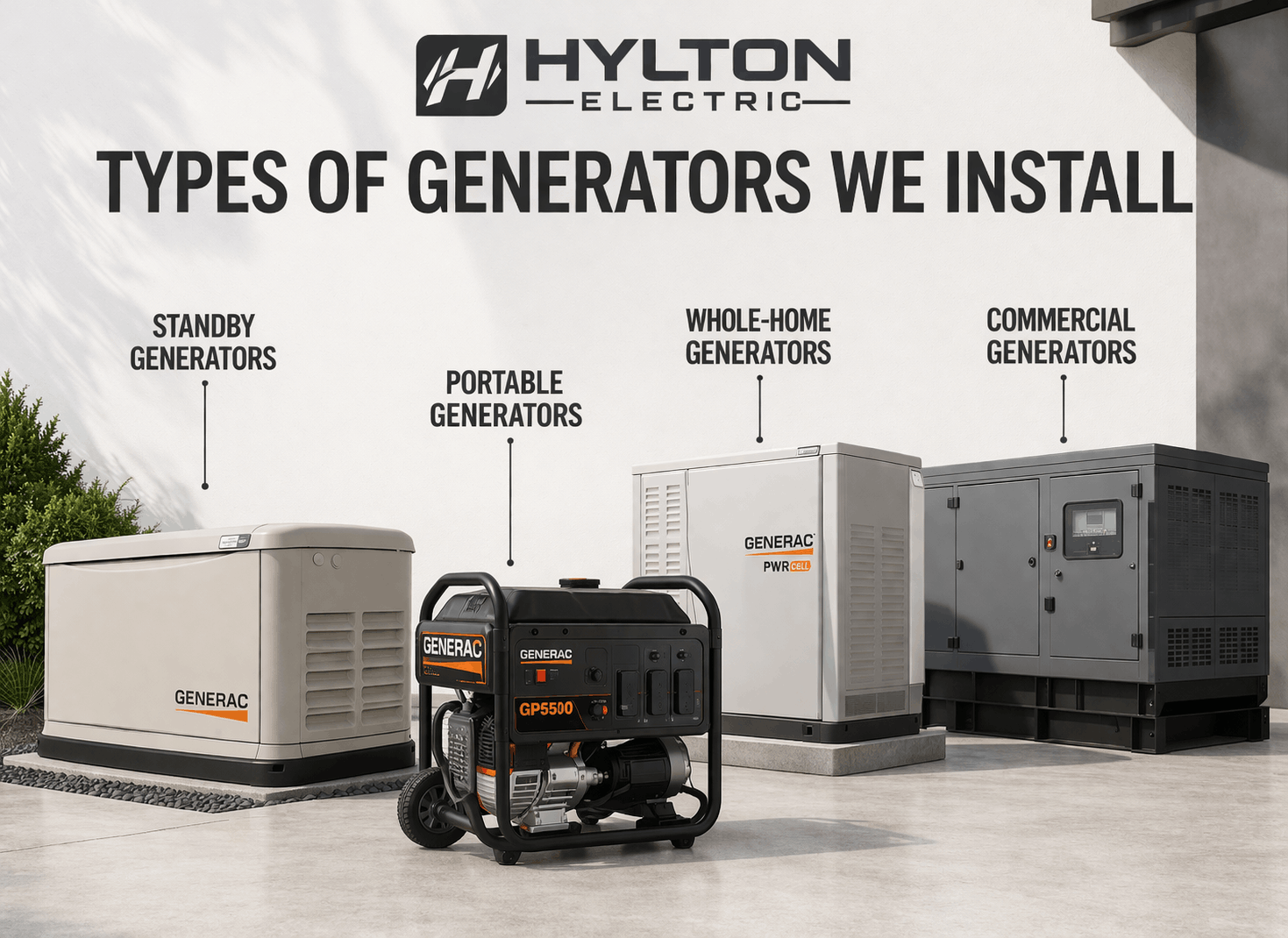
Types of Generators We Install
Not every generator is the same. The right choice depends on your power needs, budget, and how you plan to use it. At Hylton Electric, we install a range of generator types to fit different situations.
Here’s a simple breakdown to help you understand your options:
Standby Generators
Standby generators are the most reliable option for backup power.
-
Turn on automatically when the power goes out
-
Connected directly to your electrical system
-
Powered by natural gas or propane
-
Provide seamless power within seconds
These are ideal for both homes and businesses. You don’t need to do anything during an outage. The system detects the power loss and starts on its own. If you want convenience and reliability, this is the best option.
Portable Generators
Portable generators are a more basic and budget-friendly choice.
-
Manually started during outages
-
Can power selected appliances or tools
-
Easy to move and store
-
Usually run on gasoline
They work well for short-term or occasional use. However, they require setup each time and cannot power an entire building. This option is good if you only need backup for a few essential items.
Whole-Home Generators
Whole-home generators are designed to power your entire house.
-
Handle large electrical loads
-
Keep all rooms and systems running
-
Ideal for larger homes
-
Fully automatic operation
You won’t need to choose which appliances to run. Everything continues working as usual. This is a great option if you want full comfort and zero disruption during outages.
Commercial Generators
Commercial generators are built for businesses and large facilities.
-
High-capacity power systems
-
Support critical equipment and operations
-
Custom-designed based on business needs
-
Often includes advanced controls and monitoring
These systems are essential for:
-
Offices
-
Retail stores
-
Warehouses
-
Healthcare facilities
For businesses, even a short outage can cause major losses. A commercial generator ensures operations continue without interruption.
Choosing the right generator depends on how much power you need and how often outages affect you. Our team helps you select the best option, so you get reliable performance without overspending.
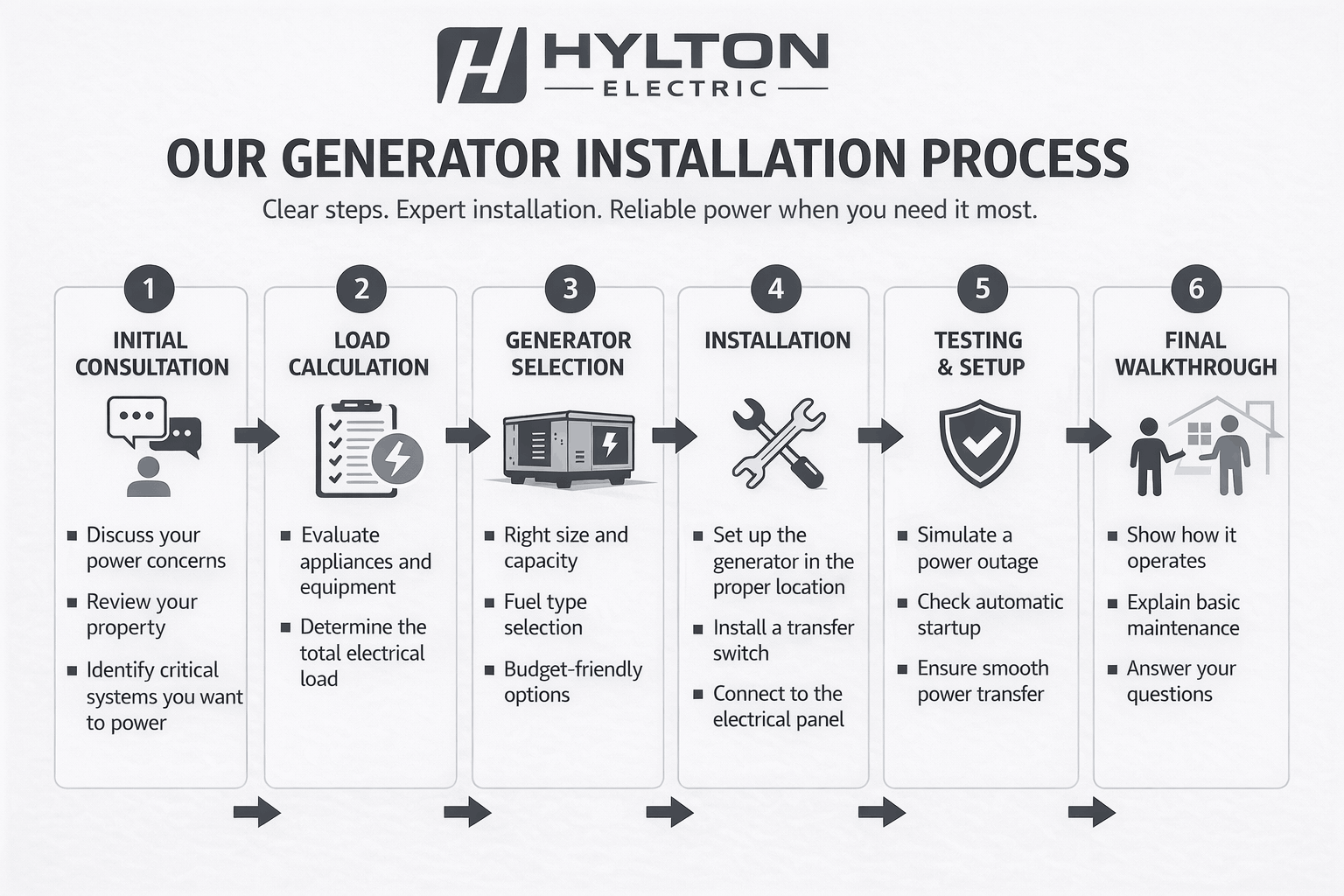
Our Generator Installation Process
We follow a clear and organized process to make installation simple and stress-free. Each step is designed to ensure safety, performance, and long-term reliability.
Here’s how it works:
1. Initial Consultation
We start by understanding your needs.
-
Discuss your power concerns
-
Review your property
-
Identify critical systems you want to power
This helps us plan the right solution from the start.
2. Load Calculation
Next, we calculate how much power you need.
-
Evaluate appliances and equipment
-
Determine the total electrical load
-
Identify essential vs full backup needs
This step ensures your generator is not too small or too large.
3. Generator Selection
We recommend the best generator for your situation.
-
Right size and capacity
-
Fuel type selection
-
Budget-friendly options
We explain everything in simple terms so you can make a confident decision.
4. Installation
Our licensed electricians handle the full installation.
-
Set up the generator in the proper location
-
Install a transfer switch
-
Connect to the electrical panel
-
Integrate the fuel system
We follow all safety codes and standards.
5. Testing & Setup
Before we finish, we test the entire system.
-
Simulate a power outage
-
Check automatic startup
-
Ensure smooth power transfer
We make sure everything works perfectly.
6. Final Walkthrough
We guide you through your new system.
-
Show how it operates
-
Explain basic maintenance
-
Answer your questions
You’ll know exactly what to expect during an outage.
Our process is simple, clear, and focused on results. We don’t cut corners. We install systems that you can rely on when it matters most.
Generator Upgrade Services
If you already have a generator, it may not be keeping up with your current needs. As your home or business grows, your power demands increase. An upgrade helps your system stay reliable, efficient, and ready for any outage.
At Hylton Electric, we make upgrades simple and stress-free. We assess your current setup and recommend improvements that actually make a difference.
Here’s what our generator upgrade services include:
-
Replacing outdated systems: Older generators can become unreliable. We replace them with modern systems that start faster and run more efficiently.
-
Increasing power capacity: If your generator can’t handle your current load, we will upgrade it to match your needs. This ensures all critical systems stay powered.
-
Switching to automatic standby systems: Manual generators can be inconvenient. We upgrade to automatic systems that turn on instantly during an outage.
-
Upgrading transfer switches: The transfer switch controls how power moves between your generator and main supply. A modern switch improves safety and performance.
-
Improving fuel efficiency: Newer generators use fuel more efficiently. This helps reduce operating costs over time.
-
Reducing noise levels: Modern units are quieter and more suitable for residential and commercial environments.
Upgrading your generator is not just about replacing equipment. It’s about improving reliability, safety, and overall performance. If your current system feels outdated or struggles during outages, an upgrade is a smart investment.
Choosing the Right Generator Size
Choosing the right generator size is one of the most important steps. If the generator is too small, it won’t power everything you need. If it’s too large, you may spend more than necessary.
We help you find the right balance.
Here’s how generator sizing works in simple terms:
-
Small homes or basic needs: Can power essentials like lights, a refrigerator, and a few outlets.
-
Medium-sized homes: Can handle HVAC systems, kitchen appliances, and multiple rooms.
-
Large homes or full backup Power the entire house without interruptions.
-
Commercial properties: Require custom sizing based on equipment and operations.
We also look at what you want to power:
-
Lighting systems
-
Air conditioning units
-
Refrigerators and freezers
-
Computers and office equipment
-
Industrial machinery (for businesses)
Important tip: Choosing the wrong size can cause overload or wasted energy. That’s why we perform detailed load calculations before recommending a system. Our goal is simple. We match your generator to your real needs—nothing more, nothing less.
Fuel Options for Generators
The type of fuel your generator uses affects performance, cost, and maintenance. Choosing the right fuel is just as important as choosing the right generator. We help you pick the best option based on your setup, usage, and budget.
Here are the most common fuel options:
Natural Gas
Natural gas is one of the most popular choices for standby generators.
-
Connected directly to your gas line
-
Continuous fuel supply
-
No need for refueling
-
Cleaner burning than other fuels
This option is great for homes and businesses with an existing gas connection. You don’t have to worry about running out of fuel during long outages.
Propane
The propane is a reliable and flexible fuel option.
-
Stored in tanks on your property
-
Burns clean and efficiently
-
Long shelf life (does not degrade)
-
Good for areas without natural gas access
Propane systems are easy to maintain and work well for both residential and commercial use.
Diesel
The diesel generators are commonly used for commercial and heavy-duty applications.
-
High power output
-
Strong performance under heavy loads
-
Durable and long-lasting
-
Ideal for large facilities
Diesel is best for businesses that need consistent, high-capacity backup power.
Choosing the right fuel depends on availability, usage, and how long you expect outages to last. We guide you through the options so you get a system that works for your situation.

Safety Considerations
Generator installation is not just about power. It’s also about safety. A poorly installed generator can create serious risks, including electrical hazards and carbon monoxide exposure. That’s why professional installation is critical.
Here are the key safety factors we focus on:
-
Proper ventilation: Generators produce exhaust gases. They must be installed in well-ventilated areas to prevent carbon monoxide buildup.
-
Safe placement: Generators should be placed at a safe distance from doors, windows, and vents.
-
Transfer switch installation: A transfer switch prevents backfeeding, which can be dangerous for utility workers and your electrical system.
-
Code compliance: All installations must meet local electrical and safety codes. This ensures your system is legal and safe to operate.
-
Secure electrical connections: Loose or incorrect wiring can lead to fires or equipment damage. We ensure all connections are properly installed and tested.
-
Routine inspections: Regular checks help identify issues before they become serious problems.
Safety is never optional. It’s built into every step of our process. We make sure your generator not only works—but works safely.
Cost of Generator Installation
The cost of generator installation can vary based on several factors. Every property is different, so pricing depends on your specific needs.
Here’s what affects the overall cost:
-
Generator size: Larger generators cost more but provide more power.
-
Type of generator: Standby systems are more expensive than portable ones but offer better performance.
-
Fuel type: Natural gas, propane, and diesel systems have different setup costs.
-
Installation complexity: Longer wiring runs, panel upgrades, or site preparation can increase costs.
-
Transfer switch installation: Automatic transfer switches add convenience but also increase the price.
-
Permits and code requirements: Some installations require permits and inspections.
Simple breakdown:
-
Portable generators → Lower upfront cost
-
Standby generators → Higher investment but long-term value
We believe in clear and honest pricing. Before starting any work, we provide a detailed estimate so you know exactly what to expect.
Maintenance After Installation
Installing a generator is just the first step. Regular maintenance keeps it running smoothly and ensures it’s ready when you need it.
Here’s what proper maintenance includes:
-
Routine inspections: Check for wear, leaks, or damaged parts.
-
Oil and filter changes: Keep the engine running efficiently.
-
Battery checks: Ensure the generator starts without issues.
-
Load testing: Confirms the generator can handle your power needs.
-
Fuel system checks: Ensure consistent fuel supply and performance.
Helpful tip: Schedule maintenance at least once a year. For commercial systems, more frequent checks may be needed.
Regular maintenance extends the life of your generator and prevents unexpected failures.
Why Choose Hylton Electric
Choosing the right electrician matters. Generator installation is not a small job. It requires planning, safety, and attention to detail. At Hylton Electric, we focus on doing the job right from start to finish.
Here’s why customers trust us:
-
Licensed and experienced electricians: Our team is trained to handle both residential and commercial systems. We follow all safety standards and best practices.
-
Local expertise: We understand the power needs and common outage issues in the area. This helps us recommend practical solutions that work.
-
Fast and reliable service: We respond quickly and complete projects on time. We respect your schedule and your property.
-
Clear communication: We explain everything in simple terms. No technical confusion. No hidden details.
-
Quality equipment: We work with trusted generator brands that offer long-term performance and durability.
-
Safety-first approach: Every installation is done with safety in mind. We follow proper codes, secure all connections, and test everything before completion.
Our goal is simple. We provide dependable backup power solutions that you can rely on when it matters most.
Service Areas
We proudly provide generator installation and upgrade services across:
-
Lakeland
-
Polk County
-
Greater Tampa Area
-
Nearby surrounding areas
If you’re unsure whether we serve your location, just reach out. Our team will be happy to assist you.
Commercial Generator Services
For businesses, power outages are more than an inconvenience. They can stop operations, delay services, and lead to financial losses.
We provide custom generator solutions for commercial properties, including:
-
Offices and retail spaces
-
Warehouses and industrial facilities
-
Healthcare and service buildings
Our commercial services focus on:
-
Keeping operations running
-
Protecting equipment and data
-
Meeting safety and compliance requirements
We design systems based on your specific needs. This ensures your business stays productive, even during outages.
Get Started with Generator Installation Today
Don’t wait for the next outage to take action. A reliable generator gives you control, safety, and peace of mind.
At Hylton Electric, we make the process simple. From consultation to installation, we handle everything with care and precision.
Contact Hylton Electric now:
Schedule your consultation today and get a clear, hassle-free estimate. Our team is ready to help you install or upgrade your generator with confidence.
Frequently Asked Questions (FAQs)
What is generator installation?
Generator installation is the process of setting up a backup power system for your home or business. When the main power goes out, the generator provides electricity to keep important systems running. This includes lighting, HVAC systems, appliances, security systems, and business equipment. A professionally installed generator helps ensure safe and reliable backup power during outages.
Why should I install a backup generator?
A backup generator protects your property from unexpected power outages caused by storms, grid failures, or electrical issues. It keeps your essential systems operating, prevents food spoilage, protects electronics, and reduces downtime for businesses. It also gives you peace of mind knowing you have reliable power when you need it most.
What types of generators do you install?
We install several types of generators based on your needs and budget, including:
-
Standby generators
-
Portable generators
-
Whole-home generators
-
Commercial generators
Standby generators automatically restore power during outages, while portable generators are ideal for temporary or smaller backup power needs. Commercial systems are designed for businesses and larger facilities.
How do I choose the right generator size?
The right generator size depends on how much power your property needs during an outage. Smaller generators can power basic essentials like lights and refrigerators, while larger systems can run your entire home or business. We perform detailed load calculations to recommend the correct size for safe and efficient performance.
What is the difference between a standby generator and a portable generator?
A standby generator is permanently installed and turns on automatically during a power outage. It connects directly to your electrical system and usually runs on natural gas or propane.
A portable generator is manually operated and typically powers only selected appliances or tools. Portable systems are more affordable, while standby generators offer greater convenience and reliability.
Can a generator power my entire home?
Yes. A properly sized whole-home generator can power your entire house during an outage. This includes lighting, air conditioning, kitchen appliances, entertainment systems, and other essential electrical equipment.
What fuel types are available for generators?
Generators commonly use one of the following fuel types:
-
Natural gas
-
Propane
-
Diesel
Natural gas systems connect directly to a utility gas line. Propane generators store fuel in tanks, while diesel generators are commonly used for commercial and industrial applications requiring high-capacity power.
How long can a generator run during an outage?
The runtime depends on the generator size, fuel source, and electrical load. Natural gas generators can operate continuously if the gas supply remains active. Propane and diesel generators depend on fuel tank capacity and usage levels.
How often should a generator be serviced?
Generators should be professionally serviced at least once a year. Routine maintenance includes:
-
Oil and filter changes
-
Battery inspections
-
Load testing
-
Fuel system checks
-
Electrical connection inspections
Regular maintenance helps improve reliability and extends the lifespan of the generator.
What are the signs that I need a generator upgrade?
You may need a generator upgrade if:
-
Your system is over 10–15 years old
-
It struggles to handle your power needs
-
Repairs are becoming frequent
-
Fuel consumption has increased
-
The generator is excessively noisy
Upgrading improves performance, fuel efficiency, and overall reliability during outages.
Is generator installation safe?
Yes, when installed by licensed professionals. Proper installation includes:
-
Safe electrical connections
-
Transfer switch installation
-
Proper ventilation
-
Code compliance
-
System testing
Professional installation helps prevent electrical hazards, backfeeding, and carbon monoxide risks.
How long does generator installation take?
Most residential generator installations take between one and three days, depending on the complexity of the project. Larger commercial systems may require additional time for electrical work, fuel connections, and testing.
Will my generator turn on automatically during an outage?
Yes, standby generators automatically detect power outages and restore electricity within seconds. Portable generators, however, require manual setup and startup during an outage.
What is a transfer switch, and why is it important?
A transfer switch safely switches your property between utility power and generator power during an outage. It protects your electrical system and prevents dangerous backfeeding, which can create serious safety hazards for utility workers and your property.
How much does generator installation cost?
The cost depends on several factors, including:
-
Generator size
-
Fuel type
-
Transfer switch requirements
-
Installation complexity
-
Electrical upgrades
Portable generators usually have lower upfront costs, while standby systems provide better long-term convenience and protection.
Do you provide commercial generator installation?
Yes. We install commercial generator systems for:
-
Offices
-
Retail stores
-
Warehouses
-
Healthcare facilities
-
Industrial buildings
Commercial generators help businesses avoid downtime, protect equipment, and maintain operations during outages.
Why choose Hylton Electric for generator installation?
Hylton Electric provides professional generator installation and upgrade services for residential and commercial properties. Our licensed electricians focus on safety, quality workmanship, and dependable performance. We help you choose the right system, complete the installation correctly, and ensure everything works properly before the project is finished.
Leave a Reply