
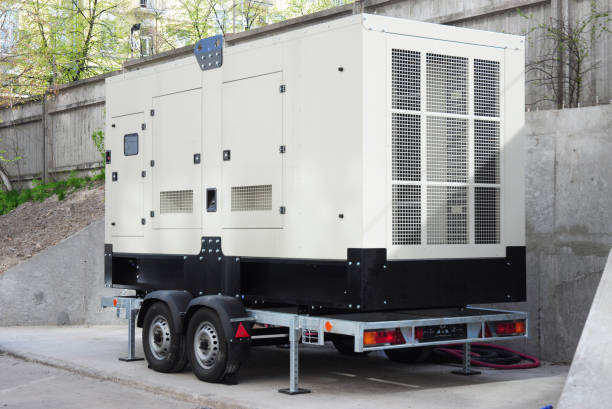
Backup power is not something most businesses think about—until it fails. In a place like Tampa, where storms and outages are common, a generator is often the last line of defense. But owning a generator is not enough. It must be tested under real working conditions.
That is where generator load bank testing comes in. This process checks whether your generator can handle actual demand when it matters most. It helps prevent failure, improves performance, and ensures your system meets safety standards.
In this guide, we will walk through how load bank testing works, why it matters in Tampa, and what you should expect from the process.
What Is Generator Load Bank Testing and Why It Matters in Tampa, Florida
Simple Explanation of Load Bank Testing for Generators
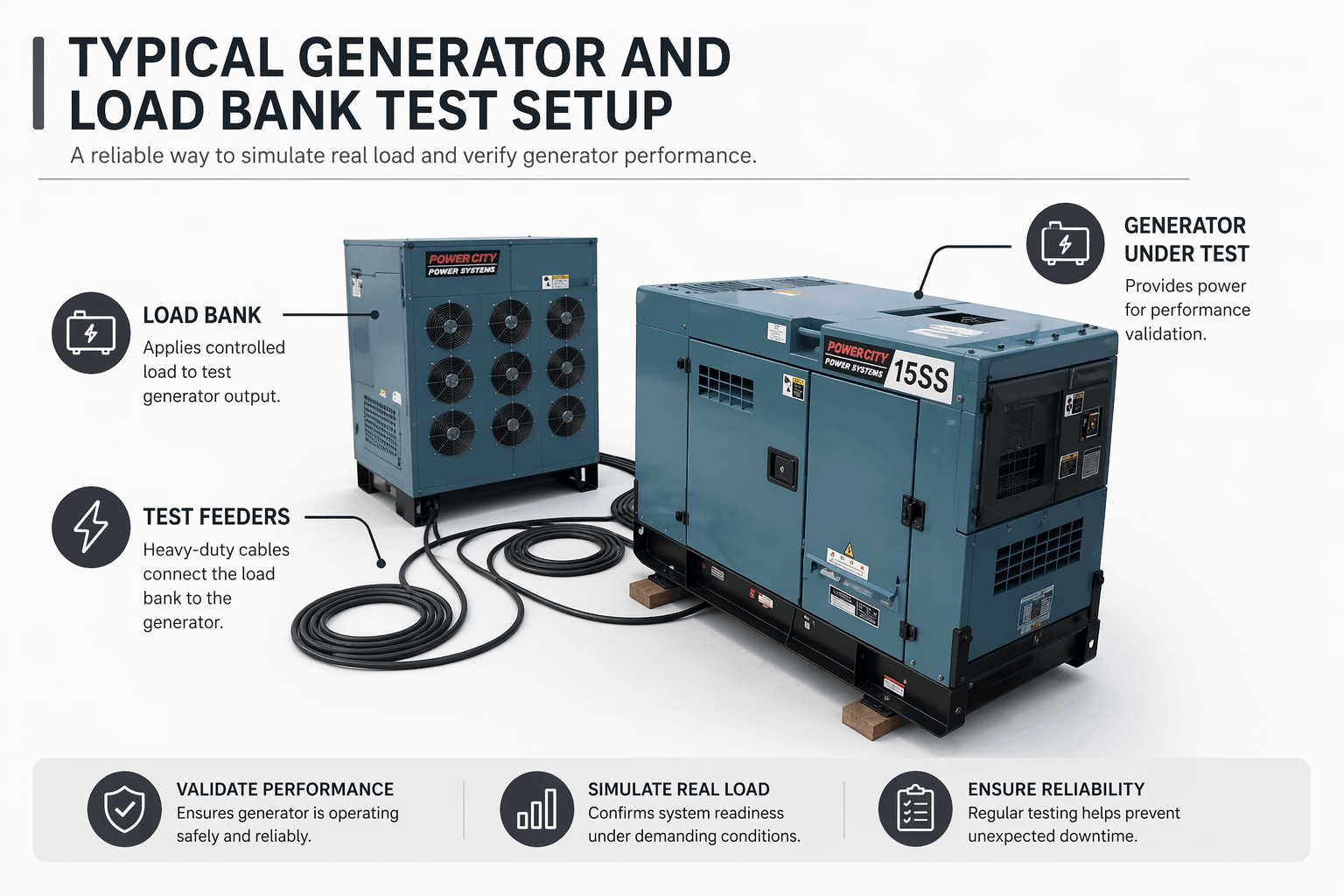
Generator load bank testing is a controlled way to test your generator by applying an artificial electrical load. In simple terms, it forces the generator to work as if it is powering a real building.
Instead of waiting for an outage to see if the system works, technicians use a load bank to simulate demand. This allows them to measure how well the generator performs under pressure.
There are two key differences between basic testing and load bank testing:
-
No-load testing: The generator runs without carrying much electrical demand. This checks if it starts and runs, but not how it performs under stress.
-
Full-load testing: The generator operates at or near its rated capacity. This shows whether it can handle real-world conditions.
Load bank testing focuses on full-load performance. It pushes the system to operate at different levels, often in stages, to confirm stability and efficiency.
Why Load Bank Testing Is Critical for Backup Power Systems
Many generator issues stay hidden during routine inspections. A system may start without problems but still fail when it needs to deliver power.
Load bank testing helps uncover these hidden risks.
Here is why it is important:
-
Detects performance issues early – Problems like weak voltage output or overheating often appear only under load.
-
Prevents wet stacking – When generators run lightly for long periods, unburned fuel builds up. This reduces efficiency and can damage the engine.
-
Verifies full capacity – Testing ensures the generator can handle the required electrical demand.
-
Improves reliability during outages – A tested generator is far more likely to perform when the grid goes down.
In short, load bank testing gives you confidence. It shows that your system will work when your business depends on it.
Why Tampa Businesses and Facilities Need Regular Testing
Tampa presents unique challenges for backup power systems. The climate, infrastructure, and risk factors all make regular testing more important.
- First, severe weather is a constant concern. Hurricanes and heavy storms can lead to extended outages. During these times, generators must run for long hours without failure.
- Second, many industries in Tampa rely heavily on continuous power. Hospitals, data centers, and commercial buildings cannot afford downtime. Even a short interruption can lead to financial loss or safety risks.
- Third, humidity and heat can affect equipment performance. Electrical systems in Florida face more environmental stress than in many other regions.
Because of these factors, regular load bank testing is not just a recommendation—it is a practical necessity.
How Generator Load Bank Testing Works Step by Step
Pre-Test Inspection and Setup
Before testing begins, technicians perform a detailed inspection of the generator and related systems. This step ensures safety and accuracy.
Typical checks include:
-
Fuel levels and fuel quality
-
Oil and coolant levels
-
Battery condition
-
Electrical connections and wiring
-
Exhaust and ventilation systems
Any visible issues are addressed before applying the load. This prevents damage during testing and ensures reliable results. Safety is also a priority. Technicians set up proper grounding, verify load bank connections, and confirm that the area is secure.
Applying Artificial Load to the Generator
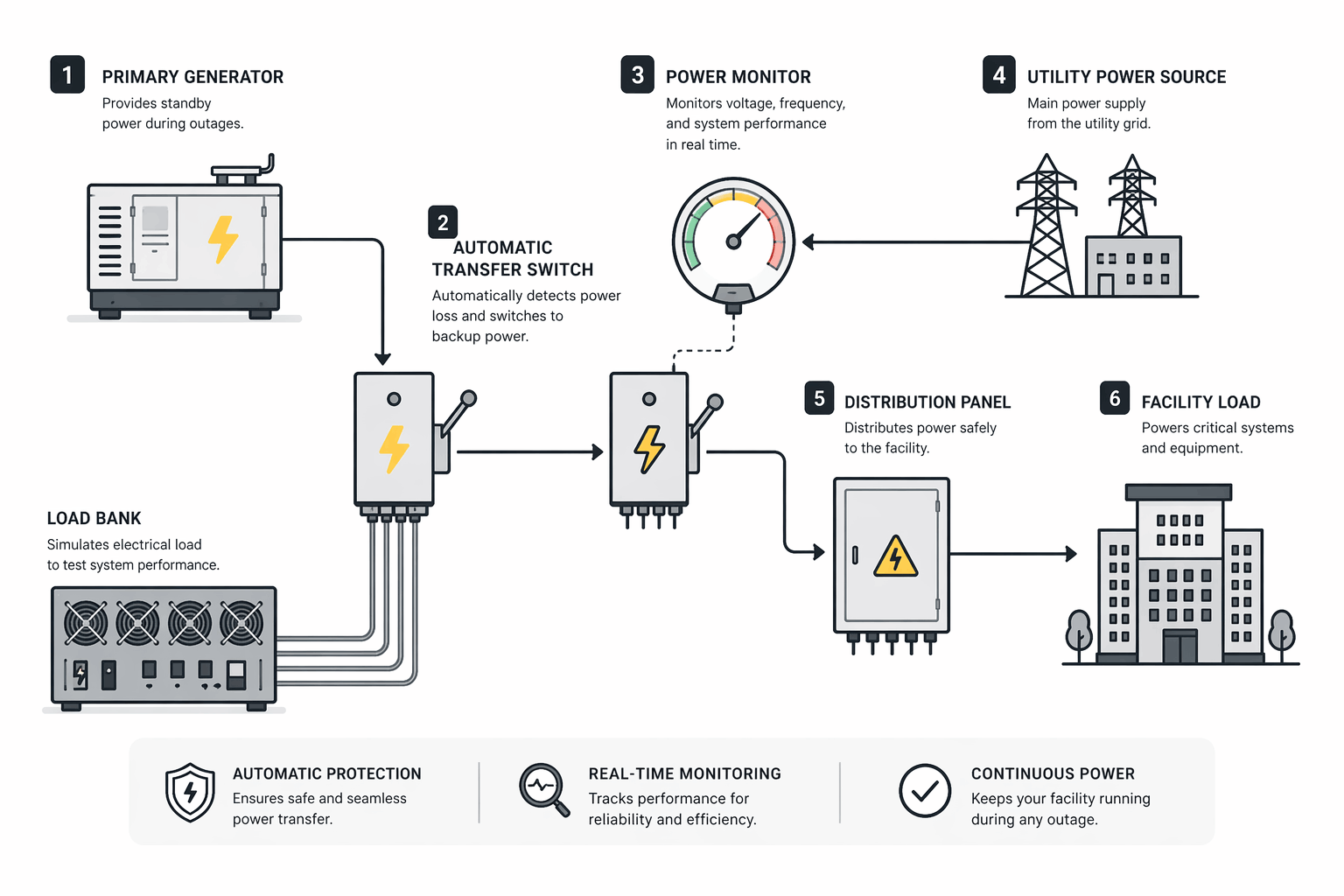
Once the system is ready, the load bank is connected to the generator. The testing process begins by gradually applying an electrical load.
Instead of jumping to full capacity, technicians increase the load in stages. For example:
-
Start at 25% capacity
-
Increase to 50%
-
Move to 75%
-
Reach 100% or the required level
This step-by-step approach allows technicians to observe how the generator responds at different levels. If any issues arise, they can be identified at a lower load before reaching full demand.
Monitoring Voltage, Frequency, and Temperature
During testing, several key performance indicators are closely monitored. These values show whether the generator is operating correctly.
Here are the main parameters:
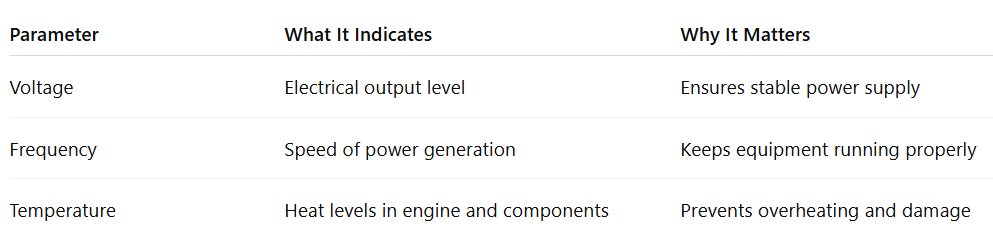
Technicians also listen for unusual sounds and watch for vibration or smoke. These signs can indicate mechanical or combustion issues. Accurate monitoring is essential. It provides real data on how the generator performs under real-world conditions.
Post-Test Analysis and Reporting
After testing is complete, the data is reviewed. This step is just as important as the test itself.
Technicians analyze:
-
Performance at each load level
-
Any fluctuations in voltage or frequency
-
Signs of overheating or inefficiency
-
Fuel consumption patterns
Based on this analysis, they prepare a detailed report. This report typically includes:
-
Test results and measurements
-
Identified issues
-
Recommended repairs or adjustments
-
Suggestions for future testing intervals
This documentation is also useful for compliance. Many industries require proof that generators have been properly tested.
By following this process, load bank testing provides a clear picture of your generator’s health. It moves beyond basic checks and shows how the system performs when it truly matters.
Types of Load Bank Testing Services Available in Tampa
Resistive Load Bank Testing
Resistive load bank testing is the most common method used in Tampa and across Florida. It applies a load that converts electrical energy into heat, using components like heating elements.
This method is straightforward and effective for many systems. It allows technicians to test the generator’s ability to produce steady power under controlled demand.
Key points to understand:
-
Simulates real power usage in a simple way
-
Helps burn off carbon deposits inside the engine
-
Ideal for routine testing and maintenance
Most commercial buildings use resistive testing because it is reliable and cost-effective. However, it does not fully replicate all real-world electrical conditions.
Reactive Load Bank Testing
Reactive load bank testing goes a step further. It simulates inductive loads, which are common in real facilities. These include equipment like motors, transformers, and HVAC systems.
Unlike resistive testing, this method accounts for power factor. This is important because many systems do not draw power evenly.
Why reactive testing matters:
-
Mimics real operational conditions more closely
-
Test the generator’s performance with inductive loads
-
Helps evaluate voltage regulation and stability
This type of testing is often used in more complex environments where equipment behavior is less predictable.
Combined Resistive-Reactive Testing
Combined testing uses both resistive and reactive loads. It offers the most accurate simulation of real-world conditions.
This method is especially important for critical facilities in Tampa, such as:
-
Hospitals
-
Data centers
-
Large industrial sites
Benefits of combined testing include:
-
Full system performance evaluation
-
Accurate load simulation
-
Better insight into generator limitations
Although it may cost more, it provides the most complete picture of how a generator will perform during an actual outage.
Portable vs Permanent Load Banks
Load banks can be either portable or permanently installed. The choice depends on the facility’s needs and testing frequency.
Here is a simple comparison:

Portable load banks are flexible and widely used. They are ideal for businesses that test once or twice a year.
Permanent load banks are more convenient for facilities that require regular testing. They reduce setup time and allow quicker testing cycles.
Key Benefits of Generator Load Bank Testing for Commercial Facilities
Improves Generator Reliability and Performance
A generator that is regularly tested performs better over time. Load bank testing ensures that all components work together under stress.
It helps maintain:
-
Stable voltage output
-
Consistent frequency levels
-
Proper engine performance
As a result, the system is more dependable when needed.
Prevents Wet Stacking and Carbon Build-Up
Wet stacking is a common issue in diesel generators. It happens when the generator runs at low load for long periods. Unburned fuel collects in the exhaust system. Over time, this leads to carbon deposits and reduced efficiency.
Load bank testing solves this problem by:
-
Running the generator at higher loads
-
Burning off excess fuel deposits
-
Cleaning internal components
This improves fuel efficiency and extends engine life.
Ensures Compliance with Safety Standards
Many industries must follow strict guidelines for backup power systems. Regular load bank testing helps meet these requirements.
It supports compliance by:
-
Providing documented proof of testing
-
Verifying system performance
-
Meeting inspection standards
Without proper testing records, businesses may face penalties or fail inspections.
Extends Generator Lifespan
Generators are a major investment. Regular testing helps protect that investment.
By identifying issues early, load bank testing reduces wear and prevents major failures. This leads to:
-
Fewer breakdowns
-
Lower repair costs
-
Longer equipment life
A well-maintained generator can serve reliably for many years.
Reduces Risk of Power Failure During Emergencies
The biggest benefit is peace of mind. When a power outage occurs, there is no room for uncertainty.
Load bank testing ensures:
-
The generator can handle the full demand
-
Systems respond correctly under stress
-
Backup power is available when needed
For businesses in Tampa, where outages can last hours or even days, this reliability is essential.
NFPA and Florida Compliance Requirements for Generator Testing
Overview of NFPA 110 Standards
When it comes to backup power, compliance is not optional. One of the most important standards for generator systems is NFPA 110, which focuses on emergency and standby power systems. This standard outlines how generators should be installed, maintained, and tested. Its main goal is simple: to ensure systems work during emergencies.
Key requirements include:
-
Generators must be tested under load conditions
-
Systems should reach proper operating temperature
-
Performance must be verified at different load levels
For critical facilities, such as hospitals, these rules are strict. Failure to comply can lead to serious risks and penalties.
Florida Regulations for Backup Generators
Florida follows national standards but also enforces its own requirements, especially for high-risk industries.
Facilities that often fall under strict rules include:
-
Healthcare centers
-
Assisted living facilities
-
Commercial high-rise buildings
-
Emergency response centers
In Tampa, inspections are common. Local authorities expect generators to be fully operational at all times. Because of this, load bank testing becomes a key part of staying compliant.
Testing Frequency Requirements
Testing is not a one-time task. It must be done regularly to meet both national and state guidelines.
Here is a general breakdown:
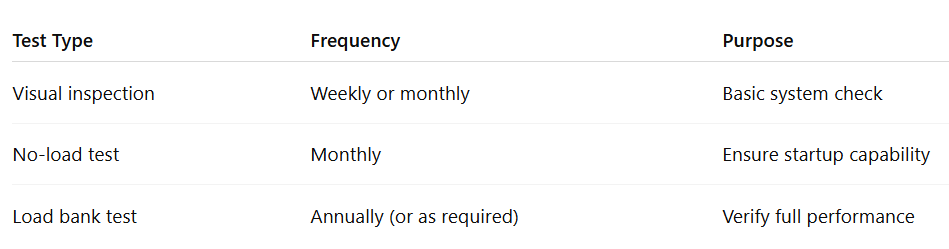
Some facilities may require more frequent testing, especially if they operate critical systems.
Documentation and Reporting Requirements
Testing alone is not enough. Proper documentation is just as important.
After each load bank test, you should have:
-
A detailed performance report
-
Recorded voltage and frequency readings
-
Notes on any issues found
-
Proof of corrective actions
These records are often reviewed during inspections. Without them, even a working generator may fail compliance checks.
Industries in Tampa That Require Load Bank Testing
Hospitals and Healthcare Facilities
Healthcare facilities rely heavily on backup power. Even a short outage can put lives at risk.
Generators in these settings must support:
-
Life-saving equipment
-
Operating rooms
-
Critical monitoring systems
Because of this, regular load bank testing is required. It ensures that systems perform without failure.
Data Centers and IT Infrastructure
Data centers cannot afford downtime. Even a few minutes of power loss can result in data corruption and financial loss.
Load bank testing helps these facilities:
-
Maintain uptime reliability
-
Test system redundancy
-
Ensure stable power delivery
In Tampa’s growing tech sector, this is becoming more important each year.
Commercial Buildings and Offices
Office buildings depend on generators for:
-
Elevators
-
Emergency lighting
-
Security systems
During outages, these systems must continue working. Load bank testing ensures the generator can support building operations safely.
Manufacturing and Industrial Plants
Industrial facilities often use heavy machinery that requires stable power.
If a generator fails, it can:
-
Halt production
-
Damage equipment
-
Cause safety hazards
Load bank testing helps verify that generators can handle high demand without interruption.
Government and Municipal Facilities
Public infrastructure must remain operational during emergencies.
This includes:
-
Police and fire stations
-
Water treatment plants
-
Emergency shelters
These facilities require dependable backup systems. Regular testing ensures they are ready when needed.
Signs Your Generator Needs Load Bank Testing
Generator Has Not Been Tested Recently
If your generator has not undergone load testing in the past year, it may not perform as expected. Even if it runs during routine checks, that does not guarantee it can handle full demand.
Visible Smoke or Carbon Build-Up
Excess smoke or soot is often a sign of wet stacking. This indicates incomplete fuel combustion. Load bank testing helps clear these deposits and restore efficiency.
Inconsistent Power Output
Fluctuating voltage or unstable frequency can damage connected equipment. These issues are often only detected under load conditions, making testing essential.
After Repairs or Installation
Any time a generator is repaired or newly installed, it should be tested.
This confirms that:
-
All components are working correctly
-
The system meets performance standards
-
There are no hidden issues
Before Hurricane Season in Florida
In Tampa, preparation is key. Testing your generator before hurricane season ensures it is ready for extended use. This is one of the most practical times to schedule a load bank test.
Load Bank Testing vs Regular Generator Maintenance
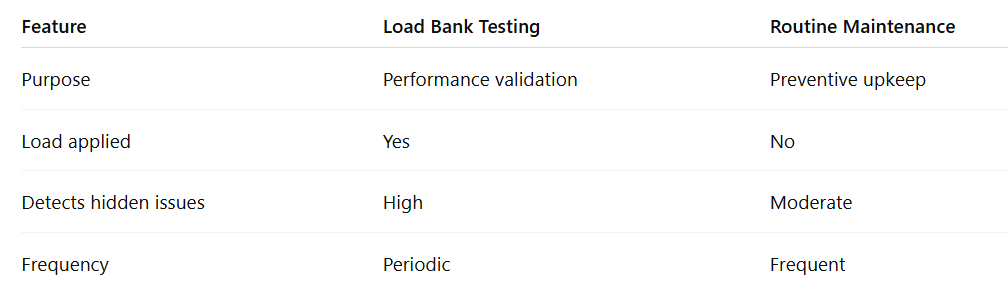
Key Differences Explained
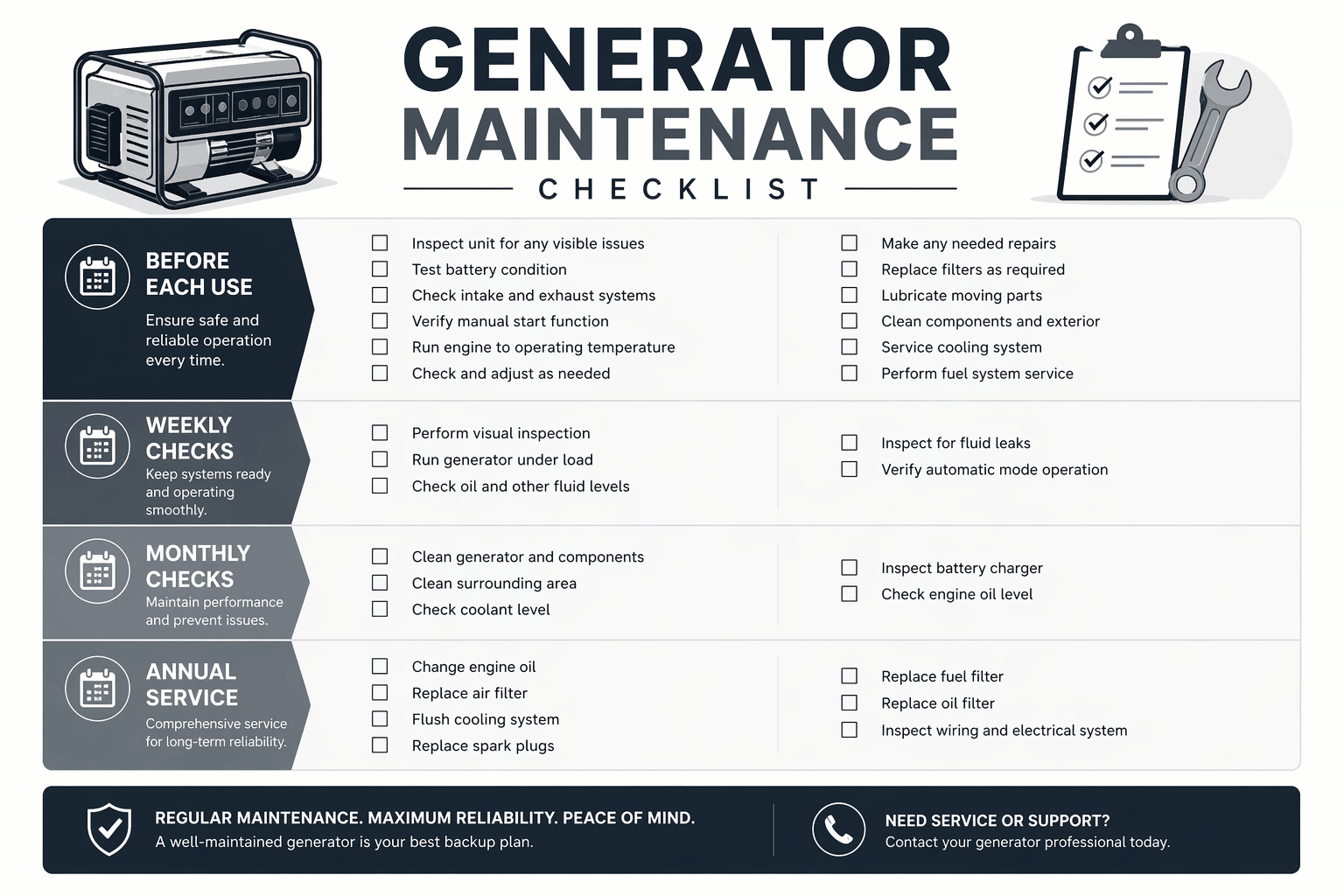
Many people assume routine maintenance is enough. In reality, maintenance and load testing serve different purposes.
Why Both Are Necessary for Reliable Power
Maintenance keeps the generator in working condition. It focuses on things like oil changes, filter replacements, and inspections. Load bank testing, on the other hand, proves that the system can perform under real demand. Together, they provide a complete approach to generator care.
Common Misconceptions
There are a few common misunderstandings about generator testing:
-
“If it starts, it works.” Starting does not mean it can handle a full load.
-
“Maintenance replaces testing.” Maintenance alone cannot simulate real operating conditions.
-
“Testing is only for large systems.” Even small generators benefit from load testing.
Understanding these differences helps businesses make better decisions about their backup power systems.
Cost of Generator Load Bank Testing in Tampa, Florida
Average Pricing Breakdown
The cost of generator load bank testing in Tampa can vary based on several factors. Still, most businesses can expect a clear range depending on generator size and test duration.
Here is a general pricing guide:
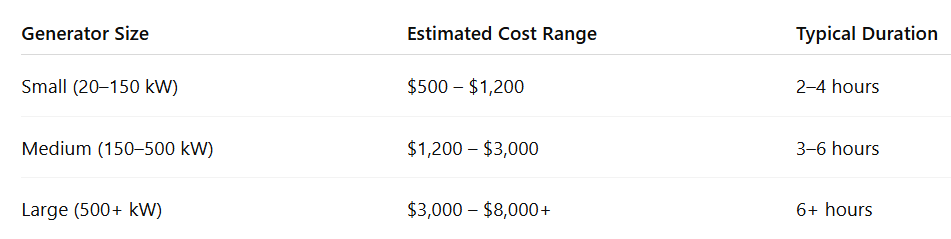
These figures are estimates, but they reflect common pricing seen across service providers in Florida.
Factors That Affect Cost
Several elements influence the final cost of testing. Understanding these can help you plan your budget more accurately.
Key factors include:
-
Generator size and capacity: Larger systems require more equipment and longer testing time.
-
Type of load bank used: Combined resistive-reactive testing typically costs more than resistive-only testing.
-
Testing duration: Extended runtime increases labor and equipment usage.
-
Site accessibility: Hard-to-reach locations may require additional setup time.
-
Emergency or after-hours service: Urgent testing often comes at a premium rate.
Cost vs Risk: Why Testing Is Worth the Investment
While testing may seem like an added expense, the cost of failure is far higher.
Consider the risks of an untested generator:
-
Business downtime
-
Equipment damage
-
Safety hazards
-
Loss of revenue
Compared to these risks, load bank testing is a practical and cost-effective step. It helps avoid unexpected failures and protects long-term operations.
Choosing the Right Load Bank Testing Service in Tampa
What to Look for in a Service Provider
Not all testing services offer the same level of quality. Choosing the right provider makes a major difference in results.
Here are a few things to look for:
-
Experience with commercial and industrial systems
-
Modern and well-maintained load bank equipment
-
Knowledge of local and national standards
-
Clear testing procedures and reporting
A reliable provider should also be able to explain their process in simple terms.
Questions to Ask Before Hiring
Before selecting a service, it helps to ask the right questions. This ensures you get the service your system needs.
Some useful questions include:
-
What type of load bank testing do you provide?
-
Do you follow NFPA guidelines?
-
What does your final report include?
-
How long will the testing take?
-
Can you handle emergency service requests?
Clear answers to these questions show professionalism and expertise.
Importance of Licensed and Insured Technicians
Generator testing involves electrical systems and high loads. This makes safety critical.
Always choose a provider with:
-
Licensed electricians
-
Proper insurance coverage
-
Trained technicians
This protects both your facility and your equipment during testing.
Generator Load Bank Testing Process Timeline
How Long Testing Typically Takes
The time required for load bank testing depends on the generator size and testing scope.
In most cases:
-
Small systems take a few hours
-
Medium systems may take half a day
-
Large systems can take a full day or more
Planning ahead helps avoid disruption to operations.
Planning Around Business Operations
Testing can often be scheduled during off-peak hours. This reduces the impact on daily activities.
Many Tampa businesses choose:
-
Early morning testing
-
Weekend scheduling
-
Planned maintenance windows
Good coordination ensures smooth testing without affecting productivity.
Minimizing Downtime During Testing
Experienced technicians take steps to keep downtime low.
These include:
-
Efficient setup and teardown
-
Clear communication with facility managers
-
Using proper equipment for faster testing
With proper planning, most businesses experience minimal disruption.
Common Problems Detected During Load Bank Testing
Cooling System Failures
Generators produce heat during operation. If the cooling system is not working properly, overheating can occur.
Load testing often reveals:
-
Blocked radiators
-
Low coolant levels
-
Faulty fans
These issues may not appear during light use but become clear under load.
Fuel System Issues
Fuel delivery must be consistent for stable performance.
Testing can expose problems such as:
-
Clogged fuel filters
-
Air in fuel lines
-
Poor fuel quality
Fixing these issues improves efficiency and reliability.
Voltage Irregularities
Stable voltage is essential for protecting equipment.
Load bank testing can detect:
-
Voltage drops under load
-
Fluctuations during operation
-
Regulator issues
These problems can damage connected systems if left unresolved.
Control Panel Malfunctions
The control panel manages the generator’s operation. Any fault here can affect performance.
Common issues include:
-
Faulty sensors
-
Incorrect readings
-
Delayed system response
Testing helps confirm that all controls function correctly.
Preventive Maintenance Tips After Load Bank Testing
Routine Inspection Checklist
After testing, regular inspections should continue.
A basic checklist includes:
-
Checking fluid levels
-
Inspecting connections
-
Monitoring battery condition
-
Looking for leaks or wear
These simple steps help maintain performance.
Fuel System Maintenance
Clean fuel is essential for generator health.
Best practices include:
-
Replacing filters regularly
-
Testing fuel quality
-
Keeping tanks clean
This reduces the risk of system failure.
Battery and Electrical System Care
The generator depends on a strong electrical system.
Make sure to:
-
Test batteries regularly
-
Clean terminals
-
Replace weak components
A reliable start depends on a healthy battery.
Scheduling Future Testing
Load bank testing should be part of a long-term plan.
Most businesses schedule:
-
Annual testing
-
Additional tests after major repairs
-
Pre-season testing before storms
A consistent schedule keeps your system ready.
Why Local Expertise Matters for Generator Testing in Tampa
Understanding Florida Climate Challenges
Tampa’s climate affects generator performance. Heat and humidity can place extra stress on equipment. Local experts understand how to manage these conditions and adjust testing accordingly.
Fast Response Times for Emergency Services
In emergencies, time matters. A local service provider can respond quickly when urgent testing or repairs are needed. This reduces downtime and keeps operations running.
Knowledge of Local Codes and Regulations
Local professionals are familiar with Tampa and Florida regulations. This helps ensure your system meets all requirements. It also simplifies inspections and compliance.
How Generator Load Bank Testing Supports Business Continuity
Avoiding Downtime Losses
Power outages can lead to lost revenue and disrupted operations. Load bank testing reduces this risk by ensuring generators are ready to perform.
Protecting Critical Operations
For many businesses, power is essential.
Testing ensures that:
-
Systems stay online
-
Equipment remains protected
-
Operations continue without interruption
Enhancing Disaster Preparedness
Preparation is key in a region prone to storms. A tested generator gives businesses confidence. It ensures they are ready for unexpected events.
Future Trends in Generator Testing and Power Reliability
Smart Monitoring and IoT Integration
Modern generators are becoming more advanced. Many now include smart monitoring systems.
These systems allow:
-
Real-time performance tracking
-
Remote diagnostics
-
Early issue detection
Automated Testing Systems
Some facilities are moving toward automated testing solutions.
These systems can:
-
Run scheduled tests
-
Record performance data
-
Reduce manual effort
Increased Demand for Reliable Backup Power
As businesses rely more on technology, the need for reliable power continues to grow. This trend is especially strong in Tampa, where outages can have a major impact.
Final Thoughts on Generator Load Bank Testing in Tampa, Florida
Generator load bank testing is essential for reliable backup power. It confirms your system can perform under real demand, not just during basic checks. In a place like Tampa, where outages can last and conditions can be harsh, this level of assurance matters.
Regular testing helps prevent failure, improves efficiency, and supports compliance. It also protects your investment and keeps your operations running when power is not guaranteed.
If your generator has not been tested recently, it is worth taking action now rather than waiting for a problem to appear.
Need reliable load bank testing? Call +1 863-624-7000 or email ray@hylton-electric.com. We’ll help make sure your generator is ready when it matters most.
FAQs About Generator Load Bank Testing
What is generator load bank testing, and how does it work?
Generator load bank testing is a method used to verify that a generator can handle real electrical demand. Instead of waiting for an outage, technicians connect a load bank that simulates actual usage.
During the test:
-
The generator is run at different load levels (25%, 50%, 75%, 100%)
-
Key metrics like voltage, frequency, and temperature are monitored
-
Performance is recorded and analyzed
This process ensures the generator does more than just start—it proves it can deliver stable power under pressure. It also helps identify hidden issues that only appear during full operation, making it a critical part of reliable backup power management.
Why is load bank testing important for generators in Tampa, Florida?
Load bank testing is especially important in Tampa due to frequent storms, high humidity, and extended outage risks. Generators in this region often need to run for long periods, so performance must be reliable.
Key reasons include:
-
Hurricanes and severe weather increase outage frequency
-
High temperatures can affect generator efficiency
-
Businesses rely heavily on uninterrupted power
Testing ensures the generator can handle real conditions, not just light operation. It also reduces the risk of failure during emergencies, which is critical for industries like healthcare and commercial facilities.
How often should a generator undergo load bank testing?
Most generators should be load bank tested at least once a year. However, the exact frequency depends on usage, industry standards, and regulatory requirements.
General guidelines:
-
Annual testing: Standard for most commercial systems
-
More frequent testing: Required for critical facilities like hospitals
-
After repairs or installation: Always recommended
Regular testing ensures the generator remains in good condition and meets compliance standards. It also helps detect issues early, reducing the risk of unexpected failure during power outages.
Is load bank testing required by law in Florida?
In many cases, yes. While not all generators are legally required to undergo load bank testing, certain industries must comply with strict standards.
Facilities often required to test include:
-
Hospitals and healthcare centers
-
Emergency response buildings
-
High-rise commercial properties
Standards such as NFPA guidelines often mandate testing under load conditions.
Even when not legally required, testing is strongly recommended. It provides documented proof of performance, which is useful during inspections and helps ensure safety and reliability.
What is the difference between load bank testing and routine generator maintenance?
Load bank testing and routine maintenance serve different but complementary purposes.
Routine maintenance focuses on:
-
Oil changes and filter replacements
-
Battery checks
-
Visual inspections
Load bank testing focuses on:
-
Performance under real electrical load
-
Detecting hidden faults
-
Verifying full capacity
While maintenance keeps the generator running, load bank testing proves it can perform when needed. Both are necessary for a complete maintenance strategy and should be done regularly.
What is wet stacking, and how does load bank testing prevent it?
Wet stacking occurs when a diesel generator runs at low load for extended periods. This leads to unburned fuel accumulating in the exhaust system.
Common signs include:
-
Black smoke
-
Carbon buildup
-
Reduced efficiency
Load bank testing prevents this by running the generator at higher loads.
This process:
-
Burns off excess fuel deposits
-
Cleans internal engine components
-
Improves overall performance
Regular testing helps avoid long-term damage and keeps the generator operating efficiently.
How long does generator load bank testing take?
The duration of load bank testing depends on the generator size and testing requirements.
Typical timelines include:
-
Small generators: 2–4 hours
-
Medium systems: 3–6 hours
-
Large systems: 6 hours or more
Testing may take longer if issues are found or if extended runtime is required for compliance.
Planning ahead allows businesses to schedule testing during low-demand periods, minimizing disruption while ensuring thorough evaluation.
Can load bank testing damage a generator?
No, load bank testing does not damage a generator when performed correctly. In fact, it helps protect the system.
Benefits include:
-
Identifying issues before they become serious
-
Improving engine efficiency
-
Preventing carbon buildup
Professional technicians follow controlled procedures, gradually increasing load levels to avoid stress. When done properly, testing strengthens the generator’s reliability rather than harming it.
What types of load bank testing are available?
There are three main types of load bank testing, each serving a different purpose.
-
Resistive testing:
-
Simulates basic electrical loads
-
Common and cost-effective
-
-
Reactive testing:
-
Mimics inductive loads like motors
-
Tests the power factor and system behavior
-
-
Combined testing:
-
Uses both resistive and reactive loads
-
Provides the most accurate real-world simulation
-
The right type depends on your facility and equipment requirements.
How much does generator load bank testing cost in Tampa?
Costs vary based on generator size, testing type, and duration.
Typical ranges:
-
Small generators: $500 – $1,200
-
Medium systems: $1,200 – $3,000
-
Large systems: $3,000+
Factors that affect cost include:
-
Equipment needed
-
Accessibility of the site
-
Testing complexity
While costs vary, testing is a worthwhile investment compared to the potential losses from generator failure.
What problems can load bank testing detect?
Load bank testing reveals issues that may not appear during routine checks.
Common problems include:
-
Cooling system failures
-
Fuel delivery issues
-
Voltage instability
-
Control panel malfunctions
These issues often only surface under full load conditions. Identifying them early allows for timely repairs, reducing the risk of unexpected breakdowns.
Do all generators need load bank testing?
Not all generators are legally required to undergo load bank testing, but most benefit from it.
Testing is especially important for:
-
Backup generators used during emergencies
-
Systems in critical facilities
-
Generators that run infrequently
Even smaller systems can develop hidden issues over time. Regular testing ensures reliable performance and helps extend the life of the equipment.
What size load bank is needed for my generator?
The size of the load bank depends on the generator’s capacity and testing goals.
Key considerations:
-
Generator rating (kW or kVA)
-
Required load percentage
-
Type of testing (resistive or combined)
A professional technician will calculate the correct load bank size to ensure accurate testing. Using the right size is essential for safe and effective performance evaluation.
Can load bank testing be done on-site?
Yes, most load bank testing is performed on-site. Portable load banks are commonly used for this purpose.
Advantages of on-site testing include:
-
No need to move equipment
-
Minimal disruption to operations
-
Faster setup and execution
Technicians bring the necessary equipment and connect it directly to the generator system. This makes the process convenient and efficient for most businesses.
What industries benefit most from load bank testing?
Several industries rely heavily on load bank testing due to their need for uninterrupted power.
These include:
-
Healthcare facilities
-
Data centers
-
Manufacturing plants
-
Commercial buildings
-
Government infrastructure
In these environments, even a short outage can have serious consequences. Testing ensures generators are ready to handle real demand when needed.
What happens if a generator fails during testing?
If a generator fails during testing, it indicates an issue that needs attention.
Common responses include:
-
Identifying the root cause
-
Performing necessary repairs
-
Retesting after fixes
While failure may seem concerning, it is better to discover problems during testing than during an actual outage. Testing provides a safe environment to identify and resolve issues before they impact operations.
Is load bank testing safe?
Yes, load bank testing is safe when performed by trained professionals.
Safety measures include:
-
Controlled load application
-
Proper grounding and connections
-
Monitoring during the entire process
Technicians follow strict procedures to ensure both equipment and personnel safety. When done correctly, testing poses no risk and provides valuable performance insights.
How do I prepare for a load bank test?
Preparation helps ensure smooth and efficient testing.
Steps include:
-
Checking fuel and fluid levels
-
Ensuring access to the generator
-
Informing staff about the test schedule
Technicians may also perform a pre-test inspection before starting. Proper preparation reduces delays and allows the test to be completed effectively.
Does load bank testing improve generator lifespan?
Yes, regular load bank testing can extend the lifespan of a generator.
It helps by:
-
Preventing carbon buildup
-
Identifying wear and tear early
-
Maintaining optimal performance
By addressing issues early, testing reduces strain on components and prevents major failures. This leads to longer equipment life and lower long-term costs.
When is the best time to schedule load bank testing in Tampa?
The best time to schedule testing is before periods of high demand, especially before hurricane season.
Recommended timing:
-
Before storm season
-
After major repairs
-
During planned maintenance windows
Scheduling testing in advance ensures your generator is ready when needed most. For Tampa businesses, proactive testing is key to staying prepared for unexpected outages.
Leave a Reply