Power outages can happen without much warning. In Florida, severe storms, hurricanes, and strong winds often leave homes and businesses without electricity for hours or even days. During these situations, generators provide a reliable source of backup power. However, using a generator incorrectly can create serious safety risks.
Many people focus on keeping the lights on and essential equipment running. While that is important, safety should always come first. Portable and standby generators can cause carbon monoxide poisoning, electrical shock, fires, and equipment damage if they are not used properly.
Whether you are a homeowner preparing for hurricane season or a business owner protecting daily operations, understanding generator safety is essential. A few simple precautions can help protect your family, employees, customers, and property during an outage.
In this guide, we will cover the most important generator safety tips during power outages. You will learn how to prevent common hazards, use your equipment safely, and know when it is time to involve a licensed electrician.
Key Electrical Statistics
Generator safety is more important than many people realize. The following statistics highlight some of the most common risks associated with power outages and backup power systems.
-
The CDC recommends operating generators at least 20 feet away from homes to reduce carbon monoxide exposure.
-
Carbon monoxide from generators is odorless and colorless, and can become deadly within minutes in enclosed spaces.
-
The U.S. Consumer Product Safety Commission identifies carbon monoxide poisoning as a leading cause of generator-related fatalities.
-
OSHA warns that portable generators can create electrocution, fire, and burn hazards when used improperly.
These numbers show why generator safety should never be treated as an afterthought. Proper installation, operation, and maintenance can significantly reduce risks during an outage.
Why Generator Safety Is Critical During Power Outages
Backup generators provide peace of mind when utility power is unavailable. They keep refrigerators running, power critical medical equipment, maintain security systems, and support business operations. However, generators must be used correctly to provide those benefits safely.
The Growing Dependence on Backup Power
More homeowners and businesses are investing in backup power systems than ever before. Extreme weather events, aging utility infrastructure, and increased reliance on electronics have made generators a common part of emergency preparedness plans.
For homeowners, a generator can keep food from spoiling and maintain comfort during an extended outage. For businesses, backup power may protect inventory, computer systems, and essential operations. Industrial facilities often rely on generators to reduce downtime and prevent costly disruptions.
As generator use increases, so does the importance of following proper safety practices.
Florida Weather and Extended Power Outages
Florida residents are no strangers to severe weather. Hurricanes, tropical storms, lightning strikes, and strong winds regularly affect electrical service throughout the state.
Lakeland, Polk County, and the Greater Tampa area can experience outages ranging from a few hours to several days depending on storm severity. During these situations, many people rush to start generators without fully understanding safe operating procedures.
Unfortunately, this is when accidents often occur. Improper placement, unsafe fueling practices, and incorrect electrical connections become more common when people are focused on restoring power quickly.
Preparing before a storm arrives helps reduce these risks and ensures your generator can operate safely when it is needed most.
Residential vs Commercial Generator Risks
Generator safety concerns vary depending on the type of property.
In residential settings, the most common issues include carbon monoxide exposure, improper extension cord use, and overloaded generators. Homeowners may also unknowingly place portable units too close to doors, windows, or garages.
Commercial properties face additional challenges. Businesses often depend on larger backup systems that support multiple circuits, sensitive electronics, refrigeration equipment, and security systems. Improper installation or maintenance can lead to equipment damage, operational downtime, and safety hazards for employees and customers.
Industrial facilities have even greater power demands. These locations often require professionally designed generator systems, transfer switches, and regular inspections to maintain safe and reliable operation.
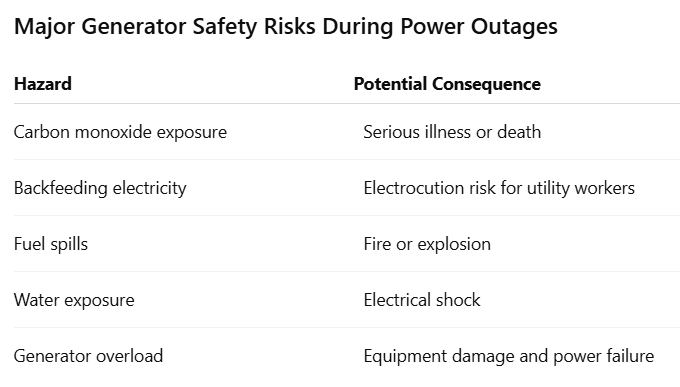
Most Common Generator Accidents Reported After Storms
Many generator-related accidents share the same causes.
Common incidents include:
-
Carbon monoxide poisoning from indoor generator use
-
Electrical shock caused by wet operating conditions
-
Fires resulting from improper fuel storage
-
Burns caused by refueling hot generators
-
Backfeeding electricity into utility lines
-
Equipment failures caused by overloaded generators
The good news is that most of these accidents are preventable. Following proven safety guidelines and using properly installed equipment can greatly reduce the likelihood of injury or property damage during a power outage.
Understanding the Biggest Generator Hazards
Generators are designed to provide temporary power during outages. While they are useful, they can also create serious dangers when used incorrectly. Understanding these hazards is the first step toward preventing accidents and keeping your property safe.
Carbon Monoxide Poisoning
Carbon monoxide is one of the most dangerous generator-related hazards. This gas is produced whenever fuel burns. Because it is colorless and odorless, people often do not realize they are being exposed until symptoms appear.
A generator should never be operated inside a home, garage, shed, basement, crawl space, or any partially enclosed area. Even if windows or doors are open, carbon monoxide can build up quickly and spread indoors.
Common symptoms of carbon monoxide poisoning include:
-
Headache
-
Dizziness
-
Nausea
-
Weakness
-
Confusion
-
Vomiting
-
Loss of consciousness
If anyone experiences these symptoms while a generator is running, move them to fresh air immediately and seek emergency medical attention.
Installing carbon monoxide detectors throughout your home or facility adds another layer of protection. Test them regularly and replace batteries as recommended by the manufacturer.
Electrical Shock and Electrocution
Generators produce electricity, which means improper use can result in severe shock or electrocution. One of the most common causes of electrical injury occurs when generators are used in wet conditions. Water increases the risk of electricity traveling through unintended paths, creating dangerous situations for anyone nearby.
To reduce electrical hazards:
-
Place generators on dry, level surfaces.
-
Keep them away from standing water.
-
Use outdoor-rated extension cords.
-
Inspect cords before every use.
-
Avoid touching electrical equipment with wet hands.
If severe weather is expected, consider a properly designed generator cover that allows ventilation while protecting the equipment from rain.
Fire and Explosion Risks
Generators use gasoline, diesel, propane, or natural gas. All of these fuel sources require careful handling. Fuel spills near hot engine components can ignite quickly. Improper storage also increases the risk of fire.
Follow these fuel safety practices:
-
Store fuel in approved containers.
-
Keep fuel away from living spaces.
-
Never smoke while refueling.
-
Clean up spills immediately.
-
Keep combustible materials away from the generator.
Many generator fires occur because fuel containers are stored too close to operating equipment. Maintaining adequate clearance around the unit helps prevent these incidents.

Generator Overload Damage
Every generator has a maximum power capacity. When too many appliances or systems are connected at once, the generator can become overloaded.
An overloaded generator may:
-
Shut down unexpectedly
-
Damage connected appliances
-
Overheat components
-
Trip breakers
-
Shorten equipment lifespan
Before an outage occurs, calculate the power requirements of critical devices you plan to run. Prioritize essential equipment and avoid connecting unnecessary loads. For larger homes and commercial buildings, professional load calculations help ensure the generator is properly sized for the application.
Backfeeding Utility Lines
Backfeeding occurs when generator power flows backward through a building’s electrical system and into utility lines. This situation creates a serious danger for utility crews working to restore power. A line believed to be de-energized may still carry electricity from a generator. Backfeeding can also damage electrical equipment and create code violations.
The safest way to prevent backfeeding is through a properly installed transfer switch. These devices isolate the generator from the utility grid and ensure power flows only where it should.

Generator Safety Tips Before a Power Outage
The best time to prepare for a power outage is before one occurs. Waiting until a storm arrives often leads to rushed decisions and overlooked safety steps. A little preparation helps ensure your generator operates safely and reliably when you need it most.
Read the Manufacturer’s Instructions
Every generator model is different.
Manufacturers provide important information regarding:
-
Startup procedures
-
Shutdown procedures
-
Fuel requirements
-
Maintenance schedules
-
Grounding instructions
-
Load limitations
Even experienced generator owners should review the owner’s manual periodically. Safety recommendations and operating procedures vary between models.
Schedule Preventive Maintenance
Generators need routine maintenance to remain dependable.
Common maintenance tasks include:
-
Oil changes
-
Air filter replacement
-
Spark plug inspection
-
Battery testing
-
Fuel system inspection
-
Cooling system checks
Ignoring maintenance increases the chance of failure during an outage.
Standby generators should be inspected according to the manufacturer’s recommendations. Commercial and industrial systems may require more frequent service depending on usage.
Test the Generator Regularly
A generator that sits unused for months may not perform properly when needed. Routine testing helps identify issues before an emergency occurs.
A basic testing schedule should include:
-
Monthly startup checks
-
Inspection of warning lights
-
Battery condition verification
-
Fuel level confirmation
-
Operating performance review
For standby generators, automatic exercise cycles should be monitored to ensure the system functions correctly.
Store Fuel Safely
Fuel management is often overlooked until an outage occurs. Proper fuel storage improves safety and helps maintain generator readiness.
Follow these guidelines:
-
Use approved fuel containers.
-
Store fuel in cool, dry locations.
-
Keep fuel away from ignition sources.
-
Follow local storage regulations.
-
Rotate stored fuel when appropriate.
Businesses with larger fuel supplies should establish documented storage and inspection procedures.
Inspect Extension Cords and Connections
Damaged extension cords create fire and shock hazards.
Before storm season begins, inspect all cords for:
-
Cuts
-
Cracks
-
Missing insulation
-
Loose connections
-
Bent prongs
Only use heavy-duty outdoor-rated cords designed for generator applications. Replacing a damaged cord is far less expensive than dealing with equipment damage or injury.
Install Carbon Monoxide Detectors
Carbon monoxide alarms provide critical protection during generator operation.
Install detectors:
-
Near sleeping areas
-
On every level of the home
-
Near attached garages
-
In occupied commercial spaces where appropriate
Test alarms regularly and replace batteries as recommended. A functioning detector can provide early warning before dangerous conditions develop.
Create a Household Emergency Checklist
Preparation becomes easier when everyone knows what to do.
A generator emergency checklist should include:
-
Generator location
-
Startup procedures
-
Fuel storage location
-
Emergency contact information
-
Carbon monoxide safety reminders
-
Shutdown procedures
Businesses should expand this checklist to include employee responsibilities, equipment priorities, and emergency communication plans.
Generator Readiness Before Storm Season
Use this checklist before hurricane season or severe weather events:
-
Read the owner’s manual.
-
Inspect the generator.
-
Test startup and operation.
-
Change oil if needed.
-
Verify fuel supply.
-
Inspect extension cords.
-
Test carbon monoxide detectors.
-
Review emergency procedures.
-
Confirm transfer switch operation.
-
Schedule professional service if necessary.
Preparing ahead of time helps reduce stress during an outage and improves overall generator safety.
Generator Safety Tips During Power Outages
When the power goes out, it is tempting to focus on getting electricity restored as quickly as possible. However, generator safety should remain the top priority. Most generator-related accidents occur during active outages when people rush through setup or overlook important precautions. Following proper operating procedures helps protect your family, employees, property, and equipment.

Place the Generator in the Correct Location
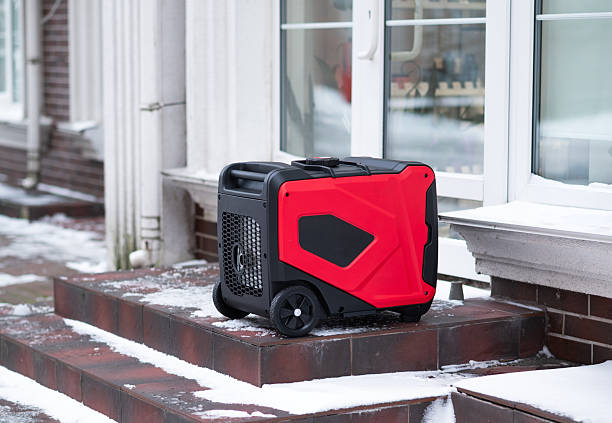
Proper placement is one of the most important generator safety tips. A portable generator should always be operated outdoors in a well-ventilated area. Keep the unit at least 20 feet away from doors, windows, vents, crawl space openings, and attached garages.
Generator exhaust contains carbon monoxide, which can enter buildings even when doors or windows appear closed. Position the exhaust so it points away from occupied areas whenever possible.
Never place a generator:
-
Inside a home
-
Inside a garage
-
Under open windows
-
In a basement
-
In a shed
-
In a crawl space
-
Near air intake vents
Following the 20-foot rule greatly reduces the risk of carbon monoxide exposure.
Keep Generators Dry
Water and electricity create a dangerous combination. Generators should be operated on a dry, stable surface. Standing water, wet grass, and flooded areas increase the risk of electrical shock. If rain is expected, use a manufacturer-approved cover or open canopy structure designed for generator use. The cover must allow proper ventilation while protecting the equipment from direct rainfall.
Avoid:
-
Operating generators during heavy rain without protection
-
Handling electrical cords with wet hands
-
Placing generators in puddles or flooded areas
A dry operating environment helps improve both safety and equipment reliability.
Never Operate a Generator Indoors
Many carbon monoxide incidents occur because people believe a partially enclosed space is safe. It is not.
Opening a garage door or window does not provide enough ventilation to prevent carbon monoxide buildup. The gas can spread rapidly and enter nearby living spaces. Safe generator operation always means operating outdoors and away from occupied buildings.
If severe weather makes outdoor operation difficult, consider investing in a professionally installed standby generator system designed for long-term use.
Use Heavy-Duty Outdoor-Rated Extension Cords
Extension cords play an important role during power outages. Using the wrong cord can lead to overheating, equipment damage, or fire.
Choose extension cords that are:
-
Rated for outdoor use
-
Free from cuts or damage
-
Equipped with grounding prongs
-
Sized for the electrical load
Inspect cords before every use. Replace damaged cords immediately rather than attempting temporary repairs.
Avoid Overloading the Generator
Every generator has operating limits. Connecting too many appliances at once can overload the system and reduce performance.
Common signs of overloading include:
-
Tripped breakers
-
Flickering lights
-
Voltage fluctuations
-
Engine strain
-
Unexpected shutdowns
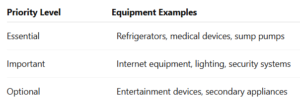
Focus on powering essential equipment first.
Typical priority loads include:
-
Refrigerators
-
Freezers
-
Medical equipment
-
Sump pumps
-
Communication devices
-
Security systems
Commercial properties should identify critical systems before an outage occurs and establish a power priority plan.
Prioritize Essential Appliances
Not every device needs backup power. Attempting to run everything at once often creates unnecessary strain on the generator. A practical approach is to divide loads into three categories:

This approach helps maximize runtime while reducing overload risks.
Monitor Fuel Levels Safely
Running out of fuel during operation can interrupt power to important equipment. Monitor fuel levels regularly, especially during extended outages. However, never attempt to add fuel while the generator is running.
Always:
-
Turn off the generator
-
Allow it to cool completely
-
Move fuel containers away from ignition sources
-
Refuel carefully to avoid spills
A few extra minutes of caution can prevent serious accidents.
Keep Children and Pets Away
Generators become extremely hot during operation. Moving parts, electrical connections, and hot exhaust components can cause injuries if touched. Establish a safety zone around the generator and keep children and pets away at all times. For businesses and commercial properties, restrict access to generator areas and post safety signage when appropriate.
Watch for Warning Signs of Malfunction
Generators often provide early signs when something is wrong.
Pay attention to:
-
Unusual noises
-
Excessive vibration
-
Strong fuel odors
-
Visible smoke
-
Warning lights
-
Frequent breaker trips
-
Difficulty maintaining power output
If any of these issues occur, shut down the generator safely and inspect the equipment before continuing operation.
Step-by-Step Process: Safely Starting a Generator During an Outage
Follow these steps whenever generator power is needed:
-
Move the generator to a safe outdoor location.
-
Verify the unit is on a level, dry surface.
-
Check fuel and oil levels.
-
Inspect extension cords and connections.
-
Disconnect unnecessary loads.
-
Start the generator according to manufacturer’s instructions.
-
Allow the engine to stabilize.
-
Connect appliances one at a time.
-
Monitor operation periodically.
-
Shut down safely before refueling.
Need help preparing your backup power system before the next outage?
Hylton Electric serves Lakeland, Polk County, and the Greater Tampa area with residential, commercial, and industrial electrical services. If you need generator installation, transfer switch upgrades, or backup power planning, call +1 863-624-7000 or email ray@hylton-electric.com. Free quotes are available for commercial and industrial projects.
What Is the 20-20-20 Generator Safety Rule?
Many homeowners hear about the 20-foot recommendation but are not always sure what it means. The 20-20-20 generator safety rule is a simple way to remember one of the most important safety guidelines during a power outage.
What the Rule Means
The rule emphasizes maintaining adequate distance between a portable generator and any occupied structure. The primary goal is to reduce the risk of carbon monoxide entering the building and exposing occupants to dangerous fumes. Although recommendations may vary slightly by manufacturer, the general guideline remains the same: keep generators well away from doors, windows, and ventilation openings.
Why the 20-Foot Distance Matters
Carbon monoxide can travel farther than many people realize.
Even if a generator is operating outside, exhaust gases can be pulled indoors through:
-
Open windows
-
Air conditioning systems
-
Dryer vents
-
Soffit vents
-
Garage openings
Maintaining at least 20 feet of separation helps reduce the likelihood of exhaust entering the building. This simple precaution has become one of the most widely recommended generator safety practices in the United States.
Common Placement Mistakes
Many unsafe placements occur because they seem convenient during an emergency.
Common mistakes include:
-
Placing generators inside garages
-
Positioning units near open windows
-
Operating under enclosed patios
-
Using generators inside sheds
-
Locating equipment beside the air intake vents
These locations may appear safe, but they can allow dangerous exhaust gases to accumulate.
Following proper placement guidelines significantly improves generator safety and reduces the risk of carbon monoxide exposure during extended power outages.
Safe Refueling Procedures
Fuel-related accidents are among the most preventable generator incidents. Yet every year, fires and burns occur because generators are refueled improperly during power outages. Taking a few extra precautions when handling fuel can greatly reduce the risk of injury and property damage.
Why Refueling a Hot Generator Is Dangerous
Generators generate significant heat while operating. Engine components, exhaust systems, and surrounding surfaces can remain hot long after the unit is turned off.
If gasoline is spilled onto a hot surface, it can ignite almost instantly. This creates a serious fire hazard that can spread quickly to nearby structures, vehicles, or stored fuel containers.
Before adding fuel:
-
Turn off the generator completely.
-
Allow the unit to cool down.
-
Follow manufacturer recommendations for cooling time.
-
Move fuel containers away from the generator before opening them.
Patience during refueling is one of the simplest ways to prevent generator fires.
Correct Fuel Storage Methods
Proper fuel storage is just as important as safe generator operation. Fuel should always be stored in approved containers designed for the specific fuel type. Containers should remain tightly sealed when not in use.
Store fuel:
-
In a cool, dry location
-
Away from direct sunlight
-
Away from ignition sources
-
Outside living spaces
-
In accordance with local regulations
Never store fuel inside occupied areas where fumes can accumulate. For commercial and industrial facilities, larger fuel storage systems may require additional safety measures and periodic inspections.
Fuel Container Requirements
Not all containers are suitable for fuel storage.
Approved fuel containers are designed to:
-
Prevent leaks
-
Reduce vapor release
-
Withstand handling and transportation
-
Minimize fire risks
Avoid using makeshift containers or transferring fuel into unmarked containers. Clearly labeled containers improve safety and help prevent accidental misuse.
Common Fuel Handling Mistakes
Many generator-related fires can be traced to a handful of common mistakes.
Avoid the following:
-
Refueling while the generator is running
-
Refueling while engine components are hot
-
Smoking near fuel containers
-
Overfilling the fuel tank
-
Storing fuel near ignition sources
-
Using damaged fuel containers
-
Leaving fuel spills uncleaned
Simple precautions can help prevent costly accidents during extended outages.
Generator Refueling Safety Checklist
Before refueling:
-
Turn off the generator.
-
Allow the unit to cool completely.
-
Move to a well-ventilated area.
-
Use approved fuel containers.
-
Inspect containers for leaks.
-
Avoid overfilling the tank.
-
Clean any spills immediately.
-
Secure fuel containers after use.
Following this checklist helps keep generator operation safe throughout an outage.
Portable Generator vs Standby Generator Safety
Both portable and standby generators provide backup power, but they differ significantly in terms of safety, convenience, and long-term reliability. Understanding these differences helps homeowners and business owners choose the right solution for their needs.
Portable Generator Advantages and Risks
Portable generators remain a popular option because of their lower upfront cost and flexibility.
Advantages include:
-
Lower purchase cost
-
Mobility
-
Temporary power during emergencies
-
Suitable for smaller loads
However, portable generators also present greater safety challenges.
Common risks include:
-
Carbon monoxide exposure
-
Improper placement
-
Fuel handling accidents
-
Extension cord hazards
-
Backfeeding risks
Because setup is performed manually, user error is more common with portable systems.

Standby Generator Advantages and Risks
Standby generators are permanently installed and connected to the building’s electrical system.
Advantages include:
-
Automatic operation
-
Reduced extension cord use
-
Integrated transfer switches
-
Improved convenience
-
Better protection during extended outages
Standby systems are often fueled by natural gas or propane, reducing many of the fuel storage concerns associated with portable generators.
While standby systems are generally safer, they still require:
-
Professional installation
-
Routine maintenance
-
Periodic inspections
-
Proper ventilation
A poorly maintained standby generator can still create operational and safety concerns.
Which Option Is Safer for Long-Term Backup Power?
For many homes and businesses, standby generators offer a safer long-term solution. Their permanent installation allows electrical connections, transfer switches, fuel systems, and ventilation requirements to be designed according to electrical codes and manufacturer recommendations. Portable generators remain useful for temporary applications, but they require greater attention from the operator.
The safest choice often depends on:
-
Property size
-
Power requirements
-
Budget
-
Duration of expected outages
-
Critical equipment needs
A licensed electrician can help determine which option best fits your situation.

Transfer Switch Safety and Why It Matters
A transfer switch is one of the most important safety components in a backup power system. Many property owners focus on the generator itself but overlook the role a transfer switch plays in protecting people, equipment, and utility workers.
What Is Generator Backfeeding?
Backfeeding occurs when generator power flows backward through a building’s electrical system and into utility lines. This can happen when generators are connected improperly to electrical panels or household wiring.
Backfeeding creates extremely dangerous conditions because utility lines that appear de-energized may still carry electricity. Utility crews working to restore service can be seriously injured if unexpected power is present.
Backfeeding can also damage:
-
Electrical panels
-
Appliances
-
Generators
-
Utility equipment
For these reasons, improper generator connections should never be attempted.
Why Backfeeding Is Illegal and Dangerous
Electrical codes prohibit unsafe generator connections for good reason.
Backfeeding can:
-
Endanger utility workers
-
Damage electrical equipment
-
Increase fire risks
-
Create liability issues
-
Violate local electrical codes
Unfortunately, some property owners attempt temporary wiring methods during outages without understanding the risks involved. Safe generator installations always include proper isolation between generator power and utility power.
How Transfer Switches Protect Your Property
A transfer switch safely separates generator power from utility power. When utility service is interrupted, the transfer switch directs power from the generator to designated circuits.
This provides several important benefits:
-
Prevents backfeeding
-
Protects utility workers
-
Reduces equipment damage
-
Simplifies generator operation
-
Improves electrical safety
Many standby generator systems include automatic transfer switches that operate without manual intervention. This helps maintain power while reducing the possibility of user error.
Signs Your Transfer Switch Needs Inspection
Like any electrical component, transfer switches should be inspected periodically.
Warning signs may include:
-
Delayed switching
-
Visible corrosion
-
Unusual noises
-
Burn marks
-
Power interruptions
-
Failure to transfer loads correctly
If any of these issues occur, the system should be evaluated by a licensed electrician. Routine inspections can help identify problems before they affect backup power performance.
When a Panel Upgrade May Be Required
Some older electrical systems may not be compatible with modern backup power equipment.
A panel upgrade may be necessary when:
-
Existing panels are outdated
-
Additional circuits are required
-
Generator capacity increases
-
Transfer switch installation requires modifications
-
Electrical code updates apply
An electrical assessment can determine whether upgrades are needed before generator installation begins. Proper planning helps ensure safe, reliable backup power during future outages.
For larger homes, commercial properties, and industrial facilities, panel upgrades and transfer switch installations often work together to create a safer and more dependable backup power system.
Generator Safety Tips for Businesses and Facilities
Power outages can be expensive for businesses. A loss of power may stop operations, affect customer service, damage inventory, and create safety concerns for employees. That is why many commercial and industrial facilities rely on backup generators. However, larger electrical systems often come with greater risks. The more equipment a generator supports, the more important safety becomes. Proper planning, regular maintenance, and safe operating procedures help businesses stay productive while reducing risks during an outage.
Protecting Critical Operations
Not every piece of equipment needs backup power. Businesses should first identify the systems that are essential to daily operations.
These often include:
-
Security and access control systems
-
Emergency lighting
-
Refrigeration and cold storage equipment
-
Computer servers and network equipment
-
Communication systems
-
Manufacturing equipment
-
Medical and healthcare equipment
Prioritizing critical loads helps prevent generator overload and ensures the most important systems continue operating when utility power is unavailable.
Emergency Power Planning for Commercial Buildings
The best time to prepare for an outage is before one happens. Every commercial property should have a backup power plan that outlines exactly what needs to happen when power is lost.
A basic plan should include:
-
Generator startup procedures
-
Fuel management guidelines
-
Emergency contact information
-
Equipment inspection schedules
-
Employee responsibilities
-
Safe shutdown procedures
Regular testing is equally important. Employees should understand the plan and know what actions to take during an emergency.
Industrial Generator Safety Considerations
Industrial facilities often depend on generators to support large electrical loads and critical production processes.
These systems may power:
-
Production machinery
-
Distribution equipment
-
Process control systems
-
High-capacity motors
-
Critical facility infrastructure
Because industrial generators handle greater demands, routine inspections and professional maintenance are essential. Small issues can quickly become costly failures if they go unnoticed.
Protecting Sensitive Equipment
Many businesses depend on electronics and automated systems to operate efficiently.
Even minor voltage fluctuations can damage sensitive equipment, including:
-
Computers
-
Servers
-
Network hardware
-
Security systems
-
Manufacturing controls
-
Medical devices
Proper generator sizing plays a major role in equipment protection. Transfer switches, surge protection devices, and professional installation also help reduce the risk of costly damage during an outage.
OSHA Considerations for Facilities
Workplace safety remains important even during emergency situations.
Employers should establish generator safety procedures that address:
-
Electrical hazards
-
Fuel handling practices
-
Equipment inspections
-
Restricted access areas
-
Employee training
Clear procedures help reduce risks while supporting business continuity. A well-prepared facility can respond to outages more safely and return to normal operations faster.
Common Generator Safety Mistakes to Avoid
Most generator accidents are preventable. In many cases, the same mistakes appear again and again after major storms and power outages. Knowing what to avoid can help protect people, property, and electrical equipment.
Running a Generator in a Garage
This is one of the most dangerous mistakes a property owner can make. Many people assume an open garage door provides enough ventilation. It does not. Carbon monoxide can build up quickly and spread into nearby rooms. Generators should always be operated outdoors and well away from buildings.
Ignoring Carbon Monoxide Alarms
Carbon monoxide alarms save lives. If an alarm sounds while a generator is operating, treat it as an emergency.
Take the following steps immediately:
-
Move everyone to fresh air.
-
Shut down the generator if it is safe to do so.
-
Call emergency services if anyone feels unwell.
Never assume the alarm is malfunctioning without investigating the cause.
Using Damaged Extension Cords
Extension cords take a lot of wear during emergency use.
A damaged cord can create:
-
Electrical shock hazards
-
Fire risks
-
Equipment damage
-
Power interruptions
Inspect cords before every use and replace damaged ones immediately.
Connecting a Generator Directly to Building Wiring
Some property owners try to power their buildings by connecting a generator directly to an electrical panel. This practice is extremely dangerous.
It can create backfeeding, which sends electricity into utility lines and puts utility workers at risk. It can also damage electrical equipment throughout the property.
A properly installed transfer switch is the safe and code-compliant solution.
Refueling While the Generator Is Running
Refueling a hot generator can quickly lead to a fire. Gasoline vapors ignite easily when they come into contact with hot engine components.
Always:
-
Turn the generator off
-
Allow it to cool
-
Refuel carefully
-
Clean any spills immediately
Waiting a few extra minutes is worth the added safety.
Skipping Routine Maintenance
Many generator failures happen because maintenance was delayed or ignored.
Regular inspections can identify:
-
Low oil levels
-
Battery problems
-
Fuel issues
-
Worn components
-
Cooling system concerns
Preventive maintenance improves reliability and helps ensure the generator works when it is needed most.
Improper Fuel Storage
Fuel should always be stored safely and in approved containers.
Poor storage practices increase the risk of:
-
Fires
-
Fuel contamination
-
Leaks
-
Accidental ignition
Store fuel away from heat sources and follow local safety requirements.
When to Call a Licensed Electrician
Some generator projects require professional expertise. While basic generator operation may be straightforward, installation and electrical modifications should be handled by a licensed electrician.
Professional service helps improve safety, code compliance, and long-term reliability.
Generator Installation Projects
Installing a standby generator involves much more than simply placing equipment outside.
The process often includes:
-
Electrical connections
-
Load calculations
-
Fuel system coordination
-
Permit requirements
-
Transfer switch installation
-
Code compliance inspections
Professional installation helps ensure the system performs safely and reliably during future outages.
Transfer Switch Installation
A transfer switch is one of the most important safety components in any backup power system.
Improper installation can result in:
-
Backfeeding
-
Equipment damage
-
Fire hazards
-
Safety violations
A licensed electrician can ensure the transfer switch is properly installed and matched to the generator and electrical system.
Whole-Home Backup Systems
Whole-home generators require careful planning.
An electrician must determine:
-
Total power demand
-
Critical circuits
-
Generator capacity
-
Future electrical needs
Proper sizing helps prevent overloads while ensuring reliable backup power during extended outages.
Commercial Generator Systems
Commercial and industrial facilities often have more complex electrical requirements.
A professional evaluation can identify:
-
Critical operational loads
-
Generator sizing requirements
-
Transfer switch needs
-
Future expansion opportunities
This approach helps businesses invest in a backup power system that supports both current and future needs.
Troubleshooting Generator Power Issues
Professional assistance is recommended if you notice:
-
Frequent shutdowns
-
Starting problems
-
Voltage fluctuations
-
Transfer switch issues
-
Unusual noises or smells
Electrical troubleshooting should never involve guesswork. A trained electrician can identify the root cause and recommend the appropriate solution.
Electrical Code Compliance in Florida
Generator installations in Florida must comply with applicable electrical codes and permitting requirements.
Professional installation helps ensure:
-
Safe operation
-
Proper inspections
-
Code compliance
-
Reliable performance
For homeowners, business owners, and facility managers, working with a licensed electrician provides confidence that the system will operate safely when the next outage occurs.
Conclusion
Power outages are unpredictable, but generator-related accidents do not have to be. Whether you use a portable generator during storms or rely on a permanent standby system, following proper safety practices can make a major difference. A generator can keep essential equipment running and provide peace of mind during an outage, but only when it is used correctly.
The most important generator safety tips are also the simplest. Always operate generators outdoors, keep them at least 20 feet away from buildings, avoid overloading the system, handle fuel carefully, and never bypass safety devices such as transfer switches.
Regular maintenance is equally important. A generator that is inspected, tested, and serviced on schedule is more likely to perform safely when you need it most.
For businesses and industrial facilities, backup power planning should go beyond the generator itself. Load management, transfer switch protection, fuel storage, and routine inspections all play a role in maintaining a safe and reliable system.
By preparing before severe weather arrives, property owners can reduce risks, protect valuable equipment, and improve safety for everyone on site.
Need help with generator installation or backup power planning?
Hylton Electric provides generator installation, transfer switch installation, panel upgrades, and electrical services throughout Lakeland, Polk County, Tampa, and surrounding areas. Call +1 863-624-7000 or email ray@hylton-electric.com. Free quotes are available for commercial and industrial projects.
FAQs About Generator Safety Tips
How far should a generator be from a house?
A generator should generally be placed at least 20 feet away from your home or building. This distance helps reduce the risk of carbon monoxide entering through doors, windows, vents, or other openings.
The exhaust should also be directed away from occupied areas whenever possible. Even if a generator is outside, dangerous fumes can still travel indoors if the unit is placed too close to the structure.
Before operating a generator, always review the manufacturer’s recommendations. Some models may require even greater clearance distances depending on design and operating conditions.
Can I run a generator in my garage if the door is open?
No. Running a generator inside a garage is unsafe, even if the garage door is fully open.
Carbon monoxide can accumulate quickly and spread into nearby living areas. Because the gas is colorless and odorless, occupants may not realize there is a problem until symptoms appear.
Generators should always be operated outdoors in a well-ventilated area and positioned at least 20 feet away from the building. This remains one of the most important generator safety recommendations.
What are the symptoms of generator carbon monoxide poisoning?
Carbon monoxide poisoning symptoms often resemble the flu but occur without a fever.
Common symptoms include:
-
Headache
-
Dizziness
-
Nausea
-
Weakness
-
Fatigue
-
Confusion
-
Vomiting
As exposure increases, symptoms can become severe and may result in unconsciousness or death.
If anyone experiences these symptoms while a generator is operating, move them to fresh air immediately and seek emergency medical assistance.
Is it safe to use a generator during rain?
Generators should not be exposed directly to rain or standing water.
Wet conditions increase the risk of electrical shock and equipment damage. However, generators can often be operated under a properly designed canopy or manufacturer-approved cover that provides protection while maintaining adequate ventilation.
Never place a generator indoors to keep it dry. The risk of carbon monoxide poisoning far outweighs the inconvenience of outdoor operation.
Why is backfeeding dangerous?
Backfeeding occurs when generator power flows into utility lines through improper electrical connections.
This creates serious hazards because utility workers may believe the lines are de-energized when they are still carrying electricity.
Backfeeding can also damage:
-
Electrical panels
-
Appliances
-
Generators
-
Utility equipment
A properly installed transfer switch helps prevent backfeeding and is considered one of the most important generator safety devices.
Do I need a transfer switch for a generator?
A transfer switch is strongly recommended and is often required when connecting a generator to a building’s electrical system.
The transfer switch safely isolates generator power from utility power and helps prevent dangerous backfeeding.
Benefits include:
-
Improved safety
-
Easier operation
-
Better code compliance
-
Protection for electrical equipment
For standby generators, transfer switches are typically a standard part of the installation.
How often should a generator be serviced?
Maintenance schedules vary depending on the generator manufacturer and operating conditions.
Most generators should be inspected at least once a year. Units that operate frequently may require more frequent service.
Common maintenance tasks include:
-
Oil changes
-
Battery inspections
-
Air filter replacement
-
Fuel system inspections
-
Cooling system checks
Routine maintenance helps improve reliability and reduces the risk of unexpected failures during an outage.
What appliances should I power first during an outage?
Focus on essential equipment before connecting optional loads.
Priority items often include:
-
Refrigerators
-
Freezers
-
Medical devices
-
Sump pumps
-
Security systems
-
Communication equipment
After essential loads are connected, additional equipment can be added if the generator has sufficient capacity. Avoid overloading the generator by attempting to power everything at once.
Can a portable generator power an entire home?
Most portable generators cannot power an entire home, especially larger residences with central air conditioning and multiple major appliances.
Portable units are generally intended to support selected circuits or essential appliances.
A whole-home standby generator is usually the better option for complete backup power coverage. A licensed electrician can perform load calculations to determine the appropriate generator size for your needs.
How long can a generator run continuously?
Runtime depends on the generator type, fuel supply, load demand, and manufacturer specifications.
Many portable generators can operate for 8 to 12 hours on a full tank under moderate loads. Standby generators connected to natural gas or large propane supplies can often operate much longer.
Periodic inspections during operation are important. Check fuel levels, monitor performance, and follow maintenance recommendations during extended outages.
What type of extension cord should I use with a generator?
Only use heavy-duty extension cords rated for outdoor use and designed to handle the generator’s electrical output.
A suitable extension cord should:
-
Include a grounding prong
-
Be free from cuts or damage
-
Match the intended load
-
Be rated for outdoor environments
Undersized or damaged cords can overheat and create fire hazards.
Is a standby generator safer than a portable generator?
In many situations, yes.
Standby generators are permanently installed and typically include automatic transfer switches. This reduces the likelihood of user error and eliminates many of the risks associated with manual setup.
They also reduce the need for extension cords and often use permanent fuel supplies such as natural gas or propane.
However, regular maintenance and professional installation remain essential for safe operation.
How much fuel should I store for emergency power?
The amount depends on generator size, expected runtime, and local regulations.
Property owners should store enough fuel to support anticipated outages while following all safety requirements.
Keep fuel:
-
In approved containers
-
Away from living spaces
-
Away from ignition sources
-
In cool, dry locations
Businesses may require larger fuel reserves and should establish documented fuel management procedures.
When should I replace an older generator?
Replacement may be worth considering if the generator:
-
Experiences frequent breakdowns
-
Struggles to start
-
No longer meets power demands
-
Has major component failures
-
Lacks modern safety features
A professional inspection can help determine whether repairs or replacement provide the better long-term value.
Should businesses have generator maintenance contracts?
Yes. Maintenance contracts help ensure backup power systems receive regular inspections and service.
A typical maintenance program may include:
-
Scheduled testing
-
Oil and filter changes
-
Battery inspections
-
Fuel system evaluations
-
Transfer switch inspections
Routine maintenance reduces the likelihood of unexpected failures and helps businesses maintain reliable backup power during emergencies.


Leave a Reply