Power outages are becoming more common across Florida. Severe storms, hurricanes, fallen trees, and utility equipment failures can leave homes without electricity for hours or even days. During these situations, many homeowners rely on portable generators to keep essential appliances running.
However, connecting a generator safely is just as important as having one. Improper connections can create serious electrical hazards, damage equipment, and put utility workers at risk. This is where a GenerLink transfer switch can help.
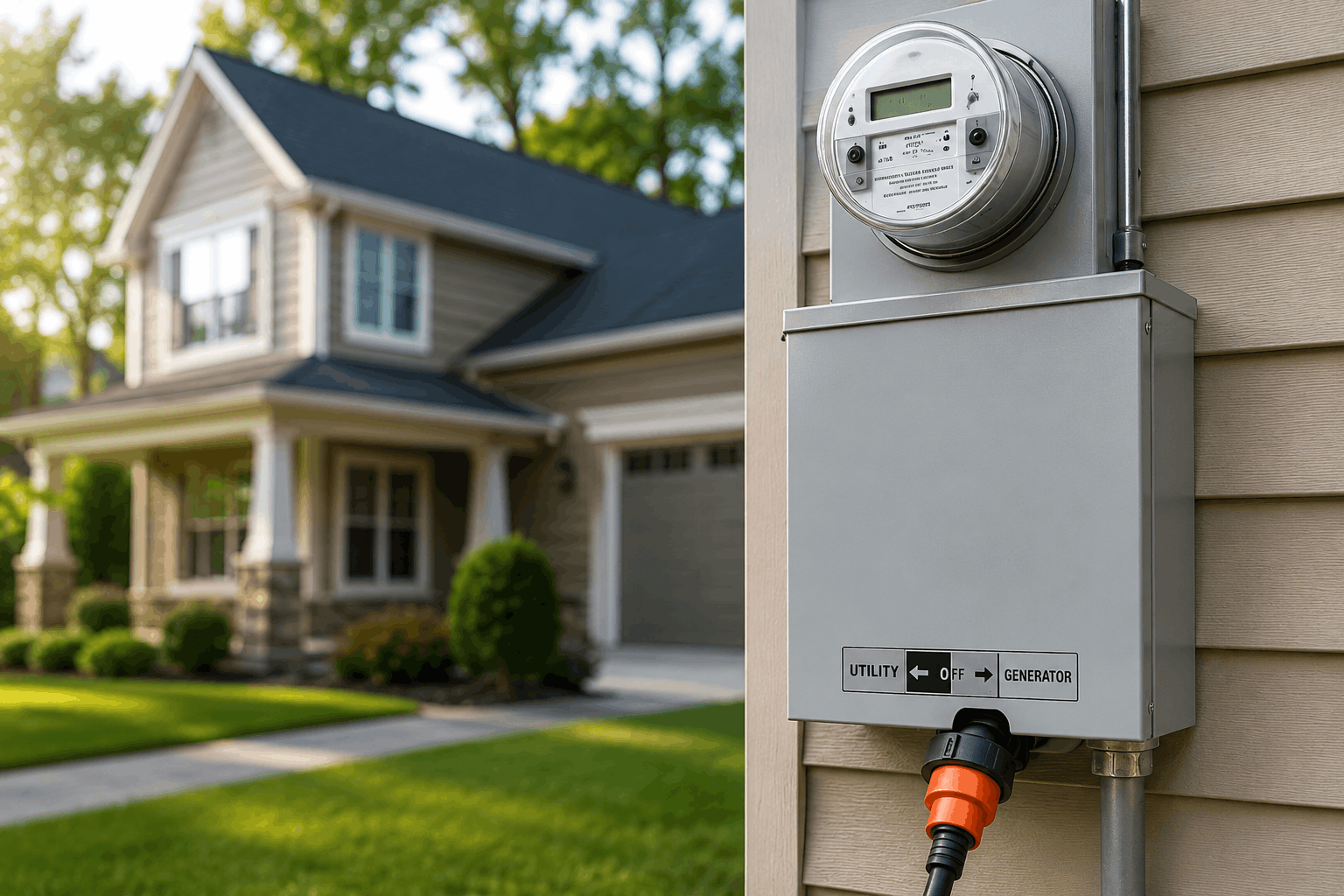
A GenerLink transfer switch is a meter-mounted device that allows homeowners to connect a portable generator directly to their home’s electrical system. Unlike many traditional transfer switches, it does not usually require a separate subpanel or extensive rewiring inside the home.
As a result, many homeowners view it as a practical backup power solution for emergency situations.
In this GenerLink Transfer Switch Guide, you’ll learn:
-
What a GenerLink transfer switch is
-
How it works during a power outage
-
The main components of the system
-
How it compares to traditional transfer switches
-
Installation requirements and safety considerations
-
Costs, benefits, and limitations
Whether you are preparing for hurricane season or looking for a safer alternative to extension cords, understanding how a GenerLink system works can help you make a more informed decision.
Key Electrical Statistics
Reliable backup power is becoming increasingly important for homeowners across Florida and the United States. The following statistics highlight why generator safety and emergency power planning matter.
-
More than 60% of major power outages are caused by severe weather events. Source: National Oceanic and Atmospheric Administration (NOAA)
-
Carbon monoxide from portable generators causes hundreds of injuries annually. Source: U.S. Consumer Product Safety Commission (CPSC)
-
Improper generator connections can create dangerous backfeed conditions. Source: Occupational Safety and Health Administration (OSHA)
-
Severe storms remain one of the leading causes of extended electrical outages. Source: Federal Emergency Management Agency (FEMA)
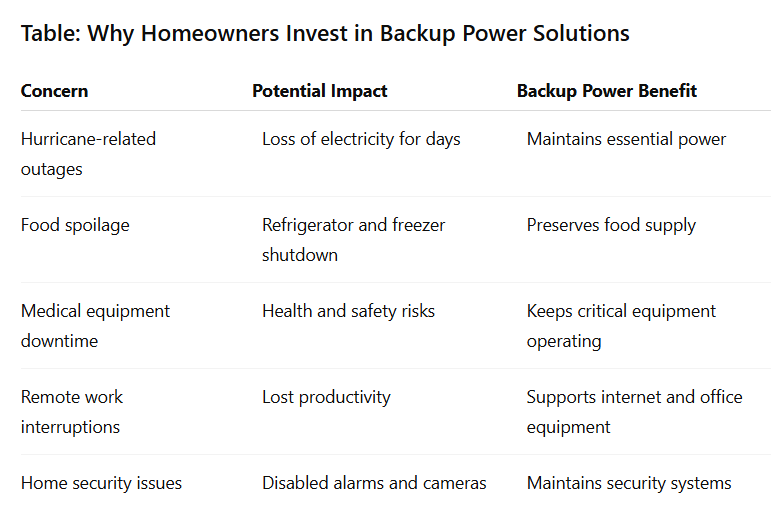
These statistics show why many homeowners are looking for safer and more efficient ways to connect portable generators during emergencies.
What Is a GenerLink Transfer Switch?
A GenerLink transfer switch is a meter-mounted transfer device installed between your electric meter and the utility meter socket. It provides a direct connection point for a portable generator while helping isolate utility power during an outage.
Unlike many traditional transfer switches, the GenerLink system is installed at the electric meter rather than inside the home. This design reduces the need for additional wiring and often makes installation simpler.
When utility power fails, homeowners can connect a compatible portable generator to the GenerLink unit using an approved power cord. The device then allows generator power to flow safely into the home’s electrical system.
One of the biggest advantages of the system is flexibility. Instead of being limited to a few pre-selected circuits, homeowners can typically choose which loads to operate by managing breakers in the main electrical panel.
Understanding the GenerLink System
The GenerLink system acts as a bridge between the utility supply and your portable generator.
Its primary purpose is to:
-
Provide a safe generator connection point
-
Prevent utility backfeeding
-
Supply power to selected household circuits
-
Reduce reliance on extension cords
-
Improve overall generator safety
The device is installed directly behind the utility meter and becomes part of the home’s electrical service equipment.
How a GenerLink Transfer Switch Works
The operating process is relatively simple.
During normal conditions:
-
Utility power flows through the meter.
-
Electricity enters the home’s electrical panel.
-
Household circuits operate normally.
When a power outage occurs:
-
Utility power stops.
-
The homeowner connects a portable generator.
-
The generator plugs into the GenerLink connection port.
-
The GenerLink transfer mechanism isolates utility power.
-
Generator power is supplied to the home.
This isolation process is critical because it helps prevent backfeeding into utility lines. Backfeeding occurs when generator power travels back toward the electrical grid. This creates a serious hazard for utility workers who may be repairing damaged power lines.
Main Components of a GenerLink System
A typical GenerLink installation includes several important components.
- Meter Collar
The meter collar sits between the utility meter and the meter socket. This is the primary housing for the transfer switch system.
- Generator Connection Port
This weather-resistant port allows homeowners to connect a portable generator safely.
- Transfer Mechanism
The internal transfer system helps isolate utility power while generator power is being used.
- Power Cord Connection
A compatible heavy-duty cord connects the generator to the GenerLink device.
- Optional Surge Protection
Some GenerLink models include integrated surge protection features that help reduce damage from voltage spikes.
Who Typically Uses GenerLink Systems?
GenerLink transfer switches are commonly used by homeowners who want backup power without installing a permanent standby generator.
They are especially popular among:
-
Florida homeowners preparing for hurricane season
-
Rural property owners with frequent outages
-
Homeowners using portable generators
-
Seasonal residents
-
Property owners seeking a simpler backup power solution
For many households, a GenerLink transfer switch provides a practical middle ground between extension cords and a full standby generator system. The result is a safer and more convenient way to power essential household equipment when utility service is unavailable.
GenerLink vs Traditional Transfer Switch
Homeowners comparing backup power options often ask the same question: Is a GenerLink transfer switch better than a traditional transfer switch? The answer depends on your home’s electrical setup, your generator size, and how you plan to use backup power during outages.
Both systems are designed to connect a generator safely to a home’s electrical system. However, they work differently and offer different benefits. Understanding those differences can help you choose the right solution for your property.
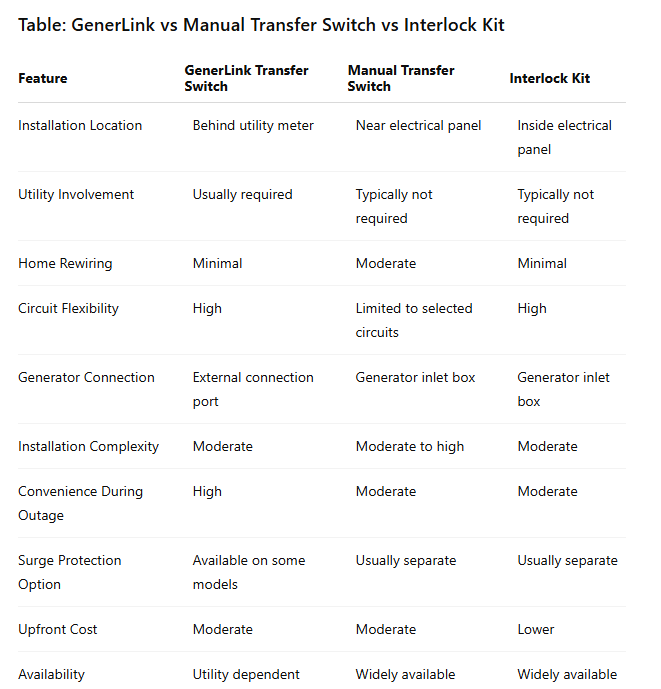
While all three options improve generator safety, each serves a different type of homeowner.
Advantages of a GenerLink Transfer Switch
A GenerLink system offers several practical benefits that appeal to homeowners who want backup power without major electrical modifications.
- Faster Installation
Because the device mounts at the utility meter, there is often less interior wiring compared to traditional transfer switch installations.
- Flexible Circuit Selection
Many traditional transfer switches only power specific, pre-selected circuits. With a GenerLink system, homeowners can often choose which loads to run by managing breakers in the main electrical panel. This flexibility becomes useful during extended outages.
- Reduced Need for Extension Cords
Extension cords running through windows, doors, and hallways create safety concerns. A GenerLink system allows power to enter the home’s electrical system directly, reducing clutter and trip hazards.
- Improved Generator Safety
The transfer mechanism helps prevent dangerous backfeeding into utility lines. This protects utility workers and helps maintain compliance with electrical safety standards.
Optional Surge Protection
Some GenerLink models include built-in surge protection features. This can help reduce damage to electronics and appliances during voltage fluctuations.
Potential Drawbacks to Consider
Although GenerLink systems offer several benefits, they are not the right solution for every home. Before making a decision, homeowners should understand the potential limitations.
- Utility Approval May Be Required
One of the biggest differences between GenerLink and other transfer options is utility involvement. Not all utility companies allow GenerLink installations. Some utilities approve them, while others may have restrictions or compatibility requirements. Because of this, homeowners should always verify local utility policies before planning an installation.
- Meter Compatibility Limitations
GenerLink devices are designed to work with specific meter configurations. Older meter bases or uncommon utility equipment may require additional evaluation. In some situations, a GenerLink installation may not be possible without upgrades.
- Portable Generator Dependence
Unlike a standby generator system, a GenerLink setup still relies on a portable generator.
This means homeowners must:
-
Store fuel safely
-
Move the generator into position
-
Connect the generator manually
-
Start the generator during outages
For some homeowners, that process is acceptable. Others may prefer the convenience of a permanently installed standby generator.
- Power Management Is Still Required
Even though GenerLink provides access to more circuits, homeowners must still manage electrical loads carefully. Running too many appliances at once can overload the generator. Proper load management remains essential during outages.
Which Option Is Best for Most Homeowners?
The best backup power solution depends on several factors:
-
Budget
-
Generator size
-
Frequency of outages
-
Utility company requirements
-
Desired level of convenience
In general:
-
A GenerLink system works well for homeowners who already own or plan to purchase a portable generator.
-
A manual transfer switch works well when only a few critical circuits need backup power.
-
An interlock kit can be a cost-effective solution when permitted by local codes and properly installed.
No matter which option you choose, professional installation is important. A licensed electrician can evaluate your electrical system, verify code compliance, and help determine which backup power setup fits your home’s needs.
Why Florida Homeowners Consider GenerLink Systems
Florida residents face unique electrical challenges compared to many other parts of the country. Strong thunderstorms, tropical storms, hurricanes, and utility disruptions can all result in unexpected power outages. Because of this, many homeowners look for practical backup power solutions that are reliable, safe, and easy to use.
A GenerLink transfer switch has become an attractive option for many Florida households because it offers a simpler way to connect a portable generator during emergencies.
Hurricane Season Power Outage Risks
Florida experiences some of the highest weather-related outage risks in the United States.
Even a moderate storm can cause:
-
Fallen trees
-
Damaged utility poles
-
Downed power lines
-
Neighborhood-wide outages
In areas such as Lakeland, Polk County, and the Greater Tampa region, severe weather can leave homes without power for extended periods.
During these outages, homeowners often need electricity for:
-
Refrigerators
-
Freezers
-
Medical equipment
-
Internet service
-
Home security systems
-
Well pumps
-
Essential lighting
Having a safe generator connection can make these situations much easier to manage.
Backup Power Without Major Electrical Modifications
One reason homeowners consider GenerLink systems is that they typically require fewer electrical modifications than some traditional transfer switch installations.
Instead of installing a dedicated transfer panel inside the home, the GenerLink device is mounted at the utility meter. This can reduce installation complexity while still providing safe generator connectivity. For homeowners who want backup power without extensive electrical work, this approach is often appealing.
Portable Generator Convenience During Emergencies
Many homeowners already own portable generators. Without a transfer system, these generators are often used with extension cords. While extension cords may work temporarily, they are not always convenient.
Common issues include:
-
Limited appliance access
-
Multiple cords throughout the home
-
Trip hazards
-
Weather exposure concerns
A GenerLink system allows generator power to enter the home’s electrical system through a dedicated connection point. This creates a cleaner and more organized backup power setup.
Protection Against Utility Backfeeding Hazards
One of the most important benefits of a GenerLink transfer switch is safety. Improper generator connections can send electricity back into utility lines. This condition is known as backfeeding.
Backfeeding can:
-
Injure utility workers
-
Damage electrical equipment
-
Create fire hazards
-
Violate electrical codes
GenerLink systems are specifically designed to help prevent these risks by isolating utility power when generator power is being used. For homeowners focused on safety and compliance, this remains one of the strongest reasons to consider a transfer switch solution.
Step-by-Step Guide to Using a GenerLink Transfer Switch
A GenerLink transfer switch is designed to make generator connections easier during a power outage. However, proper operation is still important for safety and performance.
The exact process may vary slightly depending on the utility company, generator model, and GenerLink configuration. Still, the general steps remain similar for most installations.
Step 1 – Verify Utility Approval
Before purchasing a GenerLink system, confirm that your utility company allows it. Not every utility provider approves meter-mounted transfer switches. Some utilities maintain approved equipment lists, while others have specific installation requirements.
Ask your utility provider:
-
Whether GenerLink systems are allowed
-
Which models are approved
-
Whether special inspections are required
-
If meter upgrades are necessary
Completing this step first can prevent unexpected delays later.
Step 2 – Confirm Meter Compatibility
GenerLink devices are designed to work with specific meter bases and utility meter configurations. A licensed electrician can inspect your service equipment and determine whether your existing setup is compatible.
During this evaluation, they may check:
-
Meter socket condition
-
Service entrance equipment
-
Existing grounding system
-
Electrical panel condition
-
Service amperage rating
If upgrades are needed, it is usually best to address them before installation.
Step 3 – Choose a Compatible Generator
Not all generators provide the same output or connection options. Choosing the right generator depends on the appliances and systems you want to operate during an outage.
Common household priorities include:
-
Refrigerators
-
Freezers
-
Lighting
-
Internet equipment
-
Medical devices
-
Well pumps
-
Small air conditioning systems
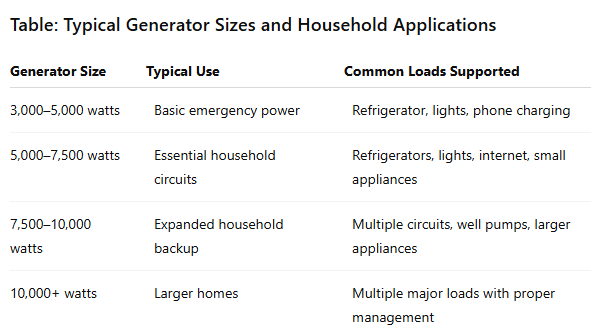
The goal is not necessarily to power the entire house. Instead, most homeowners focus on maintaining essential services until utility power returns.
Step 4 – Install the GenerLink Device
The installation process typically involves both the utility company and a licensed electrician.
In many cases:
-
The utility meter is temporarily removed.
-
The GenerLink unit is mounted at the meter location.
-
Electrical connections are verified.
-
The utility meter is reinstalled.
-
Testing is completed.
Because utility-owned equipment is involved, homeowners should never attempt this installation themselves. Professional installation helps ensure code compliance and safe operation.
Step 5 – Connect the Generator Correctly
When an outage occurs, the generator must be connected according to the manufacturer’s instructions.
The basic process generally includes:
-
Place the generator outdoors.
-
Keep it away from windows and doors.
-
Check fuel levels.
-
Connect the approved power cord.
-
Start the generator.
-
Allow it to stabilize before applying electrical loads.
Proper placement is critical.
Portable generators should never operate:
-
Inside a home
-
Inside a garage
-
Under enclosed patios
-
Near open windows
Carbon monoxide exposure can become dangerous very quickly.
Step 6 – Manage Household Electrical Loads
Even with a GenerLink system, load management remains important.
Generators have maximum power limits. Exceeding those limits can cause:
-
Generator shutdowns
-
Breaker trips
-
Equipment damage
-
Reduced generator lifespan
Many homeowners prioritize loads such as:
-
Refrigeration
-
Lighting
-
Internet service
-
Medical equipment
-
Small kitchen appliances
Large loads may need to remain off until additional capacity becomes available.
Examples include:
-
Electric water heaters
-
Electric dryers
-
Large HVAC systems
-
Pool equipment
A thoughtful load management plan helps maximize generator performance during extended outages.
Step 7 – Restore Utility Power Safely
When utility power returns, the system should be transitioned back carefully.
Typical steps include:
-
Turn off major household loads.
-
Disconnect generator-powered circuits if required.
-
Shut down the generator.
-
Disconnect the power cord.
-
Allow utility power to resume normal operation.
Always follow the manufacturer’s instructions for your specific equipment. Rushing the process can create unnecessary electrical issues.
Safe Generator Startup Checklist
Before starting your generator:
- Verify the outage is not caused by a tripped breaker
- Move the generator outdoors
- Check fuel levels
- Inspect the power cord
- Confirm all connections are secure
- Follow the manufacturer’s startup procedures
- Monitor generator operation during use
Safe Generator Shutdown Checklist
Before shutting down your generator:
- Turn off unnecessary electrical loads
- Allow the generator to cool down
- Disconnect equipment properly
- Store cords safely
- Refill fuel only after cooling
- Inspect for wear or damage
Following these simple steps helps improve safety and reliability during future outages.
If you’re planning a backup power system or need help determining whether a GenerLink transfer switch is right for your property, Hylton Electric serves residential, commercial, and industrial clients throughout Lakeland, Polk County, and Tampa. Call +1 863-624-7000 or email ray@hylton-electric.com. Free quotes are available for commercial and industrial projects.
GenerLink Transfer Switch Installation Requirements
A GenerLink transfer switch may appear simple from the homeowner’s perspective, but proper installation involves several important requirements. Utility approval, equipment compatibility, code compliance, and professional installation all play a role in ensuring the system operates safely. Understanding these requirements before purchasing equipment can save time and avoid unexpected costs.
Utility Company Requirements
The first requirement is utility approval. Because the GenerLink system is installed at the electric meter, utility companies often have specific policies regarding installation.
Requirements may include:
-
Approved GenerLink models
-
Meter compatibility verification
-
Utility inspections
-
Installation documentation
-
Coordination with licensed electricians
Some utility providers maintain a list of approved meter-mounted transfer devices. Others may prohibit their use entirely. Checking utility requirements early is one of the most important steps in the process.
Electrical Code Considerations
Like other electrical equipment, GenerLink installations must comply with applicable electrical codes.
Code requirements are intended to protect:
-
Homeowners
-
Utility workers
-
Electrical systems
-
Property
Key areas often reviewed include:
-
Grounding and bonding
-
Service equipment condition
-
Generator connection methods
-
Overcurrent protection
-
Equipment ratings
Code compliance helps reduce safety risks and ensures long-term reliability.
Permit Requirements in Florida
Permit requirements vary by jurisdiction.
Depending on the location, permits may be required for:
-
Generator inlet installations
-
Electrical modifications
-
Service equipment upgrades
-
Transfer equipment installations
Homeowners in Lakeland, Polk County, Tampa, and surrounding Florida communities should verify local permit requirements before beginning work. A licensed electrician can usually assist with permit applications and inspections.
Licensed Electrician vs Utility Responsibilities
Many homeowners are unsure which tasks belong to the electrician and which belong to the utility company. The answer depends on local utility policies and project scope.
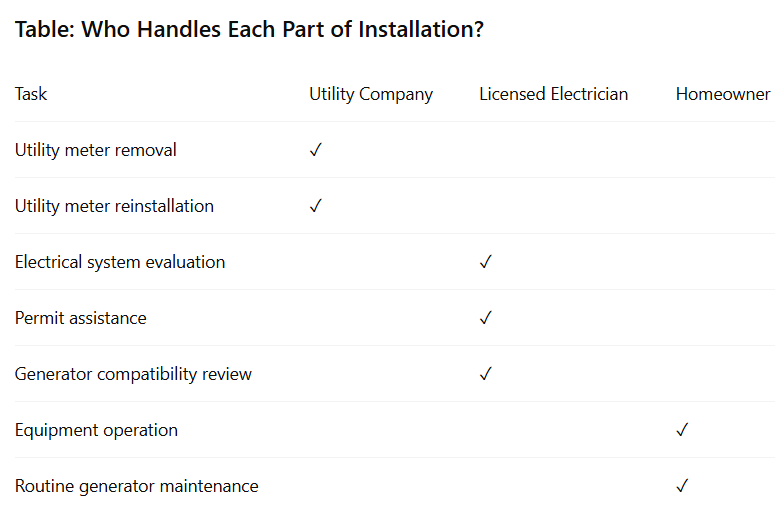
Working with qualified professionals helps ensure that each part of the project is completed safely and correctly.
Why Professional Installation Matters
Backup power systems are connected directly to a home’s electrical infrastructure.
Even small installation mistakes can lead to:
-
Electrical hazards
-
Equipment damage
-
Failed inspections
-
Utility approval issues
-
Generator performance problems
A licensed electrician can evaluate the entire system, identify potential concerns, and ensure the installation meets current electrical standards. For most homeowners, professional installation provides peace of mind and helps avoid costly mistakes later.
GenerLink Compatible Generator Guide
Choosing the right generator is just as important as choosing the transfer switch itself. A GenerLink system is designed to work with portable generators, but not every generator will provide the same results. The generator must have enough capacity to handle your essential electrical loads while remaining within safe operating limits.
Before buying a generator, it helps to identify exactly what you want to power during an outage. For some homeowners, that may only include a refrigerator, a few lights, and internet equipment. Others may want to power well pumps, sump pumps, or parts of their HVAC system. The right generator size depends on those needs.
Generator Size Requirements
Generator capacity is measured in watts. The higher the wattage, the more electrical loads the generator can support at one time. Many homeowners make the mistake of focusing only on running watts. However, some appliances require additional startup power, often called surge watts.
For example:
-
Refrigerators require extra power when the compressor starts.
-
Well pumps often have high startup demands.
-
Air conditioners may draw significantly more power during startup than during normal operation.
Because of this, it is important to calculate both running and starting watt requirements.
Recommended Wattage Ranges
Most residential GenerLink installations use portable generators ranging from 5,000 to 10,000 watts. Smaller generators can handle basic emergency needs, while larger units provide greater flexibility during longer outages. The ideal size depends on your home’s priorities.

These numbers are examples only. Actual requirements vary based on equipment ratings and usage patterns.
Portable Generator Features to Look For
Not all generators offer the same performance or convenience. When evaluating options for use with a GenerLink system, several features are worth considering.
- Reliable Power Output
Stable power output helps protect sensitive electronics. Computers, televisions, routers, and smart home equipment benefit from consistent voltage levels.
- Electric Start Capability
Electric start generators are easier to operate during emergencies. Instead of using a pull cord, homeowners can start the generator with a key or push-button system.
- Long Runtime
Extended outages are common after severe Florida storms. Generators with larger fuel tanks often require fewer refueling stops. This becomes especially valuable during overnight operation.
Low-Oil Shutdown Protection
Many modern generators automatically shut down if oil levels become too low. This helps prevent engine damage and extends equipment life.
Weather-Resistant Construction
Florida weather can be unpredictable. Durable construction helps generators withstand humidity, moisture, and outdoor conditions when operated properly.
Common Generator Compatibility Mistakes
Generator selection mistakes can create performance issues during an outage. The most common problems include choosing equipment that is either too small or unnecessarily oversized.
- Buying a Generator That Is Too Small
A generator with insufficient capacity may struggle to power essential loads.
Common signs include:
-
Frequent breaker trips
-
Generator overload warnings
-
Voltage fluctuations
-
Poor appliance performance
- Ignoring Starting Watt Requirements
Many homeowners calculate only running watts. Unfortunately, startup demands often create the biggest challenges. Motors and compressors can briefly draw significantly more power during startup.
- Using Improper Power Cords
GenerLink systems require approved connection equipment. Using incorrect cords can create safety hazards and equipment damage. Always follow manufacturer recommendations.
- Poor Generator Maintenance
Even the best generator becomes unreliable without maintenance.
Regular maintenance should include:
-
Oil changes
-
Air filter inspections
-
Spark plug inspections
-
Fuel system maintenance
-
Battery maintenance for electric-start units
Routine maintenance improves reliability when outages occur.
Can You Power 240-Volt Appliances?
Many homeowners ask whether a GenerLink system can operate 240-volt equipment. The answer depends on both the generator and the appliance.
Some compatible generators provide 240-volt output, allowing operation of equipment such as:
-
Well pumps
-
Certain HVAC equipment
-
Electric ranges
-
Electric water heaters
However, running large 240-volt appliances requires careful load management. A licensed electrician can evaluate your home’s electrical system and determine what can realistically operate during a power outage.
GenerLink Transfer Switch Cost Breakdown
Cost is often one of the first questions homeowners ask when researching backup power options. While GenerLink systems are typically less expensive than whole-home standby generators, several factors influence the final project cost. Understanding those costs can help homeowners plan more effectively.
Equipment Costs
The GenerLink device itself represents the largest equipment expense.
Pricing varies based on:
-
Model selection
-
Amperage rating
-
Utility compatibility
-
Surge protection options
-
Regional availability
Additional accessories may also be required.
These can include:
-
Generator cords
-
Power inlet accessories
-
Protective covers
-
Surge protection upgrades
Installation Costs
Installation costs vary depending on project complexity.
Factors that affect installation pricing include:
-
Utility coordination requirements
-
Existing electrical equipment condition
-
Permit requirements
-
Meter compatibility
-
Local labor rates
Simple installations generally cost less than projects involving service upgrades or additional electrical work.
Utility Service Fees
Some utility companies charge fees associated with meter-related work.
Possible charges may include:
-
Meter removal
-
Meter reinstallation
-
Equipment inspections
-
Administrative processing
These costs vary significantly by provider. Homeowners should verify utility fees before beginning the project.
Optional Surge Protection Costs
Some GenerLink models include surge protection. Others require separate surge protection equipment.
Whole-home surge protection can provide additional protection for:
-
Computers
-
Televisions
-
Smart appliances
-
HVAC equipment
-
Home office equipment
While optional, surge protection is often worth considering in Florida due to frequent thunderstorms.

Actual costs vary based on utility requirements, property conditions, equipment selection, and local labor rates.
Cost Comparison With Traditional Transfer Switches
Homeowners often compare GenerLink systems to traditional transfer switch installations. Each option has different cost considerations.

Although a GenerLink system generally costs more than an interlock kit, many homeowners appreciate the convenience and simplicity it offers. Compared to a standby generator, it is often a much lower-cost backup power solution.
Factors That Affect Total Project Cost
No two homes are exactly alike. Several variables influence final pricing:
-
Utility company requirements
-
Existing service equipment condition
-
Generator size
-
Electrical panel condition
-
Permit fees
-
Local inspection requirements
-
Surge protection selection
A professional evaluation provides the most accurate estimate. For homeowners planning a backup power upgrade, an on-site assessment can identify potential challenges before installation begins.
Safety Features of a GenerLink Transfer Switch
Safety is one of the primary reasons homeowners choose a GenerLink transfer switch. Portable generators can provide valuable backup power during an outage, but improper connections create serious risks. A properly installed transfer switch helps reduce those risks while making generator operation more convenient. Understanding the safety features of a GenerLink system can help homeowners make a more informed decision.
Backfeed Prevention Explained
Backfeeding occurs when electricity from a generator flows back into utility power lines. This is one of the most dangerous generator-related hazards.
Without proper isolation, electricity can travel through utility equipment and energize lines that workers believe are de-energized. A GenerLink transfer switch is designed to prevent this condition by separating generator power from utility power during an outage.
This protection helps:
-
Protect utility workers
-
Reduce electrical hazards
-
Prevent equipment damage
-
Support code-compliant operation
For many homeowners, backfeed protection is the most important benefit of a transfer switch.
Generator Overload Protection
Every generator has limits. Attempting to run more equipment than the generator can handle may cause:
-
Breaker trips
-
Voltage drops
-
Generator shutdowns
-
Equipment damage
A GenerLink system helps homeowners manage loads more effectively through their electrical panel. However, users still need to monitor power consumption carefully.
Good load management includes:
-
Prioritizing essential circuits
-
Avoiding unnecessary appliances
-
Staggering large electrical loads
-
Monitoring generator performance
Utility Worker Safety Benefits
After major storms, utility crews often work around the clock to restore power. Improperly connected generators can create dangerous conditions for those workers. A properly installed GenerLink transfer switch helps reduce this risk by preventing electricity from feeding back into utility lines.
This added protection benefits:
-
Utility personnel
-
Emergency responders
-
Contractors
-
Homeowners
Safety during outage recovery is one of the reasons transfer switches are strongly recommended by electrical professionals.
Surge Protection Capabilities
Florida experiences frequent lightning storms and power fluctuations. Some GenerLink models offer integrated surge protection.
Surge protection can help reduce damage to:
-
Computers
-
Televisions
-
Smart home devices
-
Appliances
-
Networking equipment
While surge protection cannot prevent all electrical damage, it can provide an additional layer of defense against voltage spikes.
Common Safety Mistakes to Avoid
Even with a GenerLink system, mistakes can still create hazards. Avoid the following common issues: Operating Generators Indoors
Portable generators should never be used:
-
Inside homes
-
Inside garages
-
In enclosed patios
-
Near windows or doors
Carbon monoxide buildup can become deadly within minutes.
- Overloading the Generator
Attempting to power too many appliances at once can reduce performance and damage equipment. Always stay within the generator’s rated capacity.
- Ignoring Maintenance
Poorly maintained generators are more likely to fail during emergencies. Routine maintenance helps ensure dependable operation.
- Using Damaged Power Cords
Worn or damaged cords can create electrical hazards. Inspect cords before every use.
Quick Safety Checklist
Before every outage:
- Test the generator
- Check fuel supplies
- Inspect cords and connections
- Review operating instructions
- Verify ventilation requirements
- Confirm load priorities
Following these simple steps can improve safety and reliability when backup power is needed most.
Common Problems and Troubleshooting
Even when properly installed, homeowners may occasionally encounter issues with their GenerLink system or portable generator. Most problems can be traced to generator setup, load management, maintenance concerns, or equipment compatibility. Understanding common issues can help reduce downtime during an outage.
Generator Not Supplying Power
If the generator starts but power does not reach the home, several causes are possible.
Common issues include:
-
Loose power cord connections
-
The generator breaker tripped
-
Improper startup sequence
-
Generator output failure
-
Damaged connection equipment
Checking these items first often resolves the issue.
Breakers Keep Tripping
Frequent breaker trips usually indicate excessive electrical demand.
Possible causes include:
-
Generator overload
-
Too many appliances running simultaneously
-
Faulty equipment
-
Short circuits
Reducing active loads often solves the problem.
Generator Overload Issues
Generators have limited capacity. When demand exceeds available power, homeowners may notice:
-
Dim lights
-
Engine strain
-
Generator alarms
-
Automatic shutdowns
Prioritizing essential loads can help maintain stable operation.
Meter Compatibility Concerns
Some homeowners discover compatibility issues during installation planning.
Potential concerns include:
-
Older meter sockets
-
Utility restrictions
-
Service equipment upgrades
-
Amperage limitations
A licensed electrician can evaluate compatibility before installation begins.
Utility Approval Delays
Because GenerLink systems involve utility-owned equipment, approvals may take time.
Delays may occur due to:
-
Utility review processes
-
Equipment availability
-
Inspection scheduling
-
Local permitting requirements
Planning ahead is especially important before hurricane season.
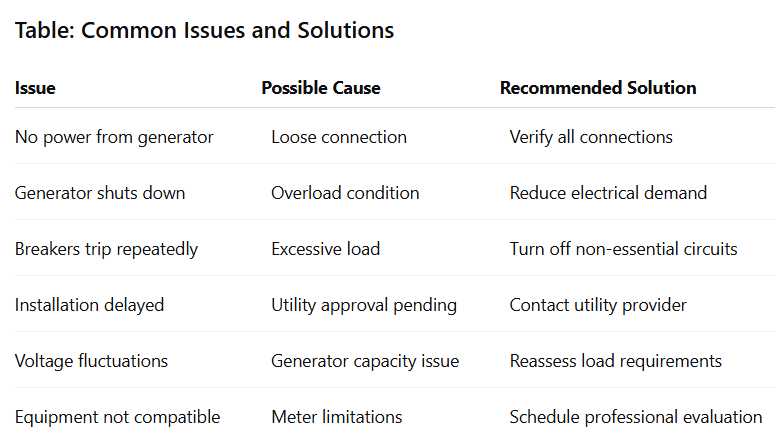
Most issues can be avoided through proper installation, maintenance, and load planning.
Is a GenerLink Transfer Switch Worth It?
For many homeowners, the answer is yes. However, the right backup power solution depends on your budget, property needs, and outage expectations. A GenerLink transfer switch offers a practical balance between convenience, safety, and cost.
Best Scenarios for Installing GenerLink
GenerLink systems are often a good fit for:
-
Homeowners who already own a portable generator
-
Areas with frequent storm-related outages
-
Properties that need flexible circuit access
-
Homeowners wanting safer generator connections
-
People seeking an alternative to extension cords
These situations often provide the greatest value.
When a Traditional Transfer Switch May Be Better
A traditional transfer switch may make sense when:
-
Only a few circuits need backup power
-
Utility approval is unavailable
-
Meter compatibility is limited
-
Existing electrical infrastructure favors a traditional setup
Each property should be evaluated individually.
When a Standby Generator Makes More Sense
Some homeowners prefer a fully automatic backup power solution.
A standby generator may be a better option if:
-
Extended outages are common
-
Continuous power is essential
-
Medical equipment requires uninterrupted operation
-
The homeowner travels frequently
-
Convenience is the top priority
While more expensive, standby systems provide automatic operation.

The best choice depends on your home’s electrical demands and long-term goals.
Signs You Should Upgrade Your Backup Power Setup
Your current backup power arrangement may no longer meet your needs. Several signs indicate it may be time for an upgrade.
- Frequent Storm-Related Outages
Repeated outages can make backup power more important than ever. A safer and more efficient connection system may improve preparedness.
- Heavy Dependence on Medical Equipment
Medical devices often require reliable electricity. Backup power becomes increasingly important in these situations.
- Remote Work Requirements
Many homeowners now depend on internet access and home office equipment. Power interruptions can affect productivity and communication.
- Business Continuity Needs
Home-based businesses often need reliable backup power to maintain operations.
- Increasing Electrical Demands
As homes add appliances, electronics, and smart technology, electrical needs continue to grow. An upgraded backup power solution may better support those demands.
When to Hire a Licensed Electrician
While homeowners can operate portable generators, installation and electrical evaluations should be handled by qualified professionals.
A licensed electrician can help ensure:
-
Safe installation
-
Code compliance
-
Proper generator sizing
-
Utility coordination
-
Long-term reliability
- Utility Coordination Requirements
Many GenerLink projects involve utility approval and scheduling. An electrician can help streamline the process.
- Generator Inlet Installation
Generator connection equipment must be installed correctly to ensure safe operation.
- Electrical Panel Evaluations
Panel condition can affect overall system performance. A professional inspection can identify potential issues.
- Backup Power System Upgrades
As power needs change, system upgrades may become necessary. Professional guidance helps ensure the right solution is selected.
- Safety Inspection and Testing
Testing verifies that all equipment operates correctly before an emergency occurs.
- Expert Insight
Backup power equipment is only valuable if it works when you need it. Professional installation, regular maintenance, and proper load planning help ensure reliable performance during storms and outages.
Future Trends in Residential Backup Power
Backup power technology continues to evolve. Several trends are shaping the future of residential energy resilience.
- Smart Load Management
Modern systems can automatically prioritize critical circuits during outages.
- Hybrid Generator and Battery Systems
Battery storage is becoming more common alongside traditional generators.
- Whole-Home Energy Resilience
Homeowners increasingly want solutions that provide greater protection during extended outages.
- Advanced Surge Protection Technologies
Improved surge protection devices continue to help protect sensitive electronics and appliances.
Conclusion
A GenerLink transfer switch provides a practical way to connect a portable generator safely during a power outage. For many homeowners, it offers a middle-ground solution between extension cords and a fully automatic standby generator system.
Its biggest advantages include improved safety, backfeed protection, flexible circuit access, and a relatively straightforward installation process when approved by the utility company.
However, it is not the right choice for every property. Utility requirements, meter compatibility, generator sizing, and electrical demands should all be considered before making a decision.
If you experience frequent outages in Lakeland, Polk County, Tampa, or surrounding Florida communities, a GenerLink transfer switch may be worth exploring as part of your emergency preparedness plan.
Considering a GenerLink transfer switch, generator installation, or backup power upgrade? Hylton Electric serves homeowners, businesses, and facilities throughout Lakeland, Polk County, and Tampa. Call +1 863-624-7000 or email ray@hylton-electric.com for expert guidance and free commercial or industrial project quotes.
FAQs About GenerLink Transfer Switch Guide
What is the main purpose of a GenerLink transfer switch?
A GenerLink transfer switch allows homeowners to connect a portable generator directly to their home’s electrical system during a power outage. Its primary purpose is to provide a safer and more convenient alternative to extension cords while preventing dangerous backfeeding into utility lines.
The system is installed behind the utility meter and helps isolate utility power when generator power is being used. This improves safety for homeowners and utility workers while allowing selected household circuits to remain operational during outages.
Does a GenerLink transfer switch work during every power outage?
Yes, provided the system is installed correctly and a compatible generator is available.
When utility power fails, homeowners can connect their generator and supply electricity to essential household loads. However, the amount of power available depends on generator capacity and load management practices.
The transfer switch itself does not generate electricity. It simply provides a safe method of connecting a portable generator to the home’s electrical system.
Is a GenerLink transfer switch safer than using extension cords?
In most situations, yes. Extension cords can create trip hazards, overload risks, and limited access to household appliances. A GenerLink transfer switch provides a dedicated generator connection that routes power through the home’s electrical system. This setup reduces clutter and improves safety while helping prevent improper generator connections that could create electrical hazards.
How much does a GenerLink transfer switch installation cost?
Costs vary depending on the model, utility requirements, installation complexity, and local labor rates. Many projects fall between $1,350 and $4,100 or more, including equipment, installation, and associated fees. The best way to determine actual costs is through a professional site evaluation and estimate.
Can a GenerLink system power an entire house?
Not necessarily. The ability to power an entire home depends on the generator’s capacity and the home’s electrical demands.
Most homeowners prioritize essential loads such as:
-
Refrigerators
-
Lighting
-
Internet equipment
-
Medical devices
-
Well pumps
Larger homes typically require careful load management during outages.
Do all utility companies allow GenerLink installations?
No. Approval varies by utility provider. Some utility companies support GenerLink installations, while others have restrictions or compatibility requirements. Homeowners should always verify utility approval before purchasing equipment.
What size generator works best with GenerLink?
The ideal generator size depends on your electrical needs. Many homeowners use generators between 5,000 and 10,000 watts for essential backup power. Larger homes or additional appliance requirements may require larger generators.
Can I install a GenerLink transfer switch myself?
No. Because installation involves utility meter equipment and electrical service components, professional installation is strongly recommended. Most installations require coordination between a licensed electrician and the utility provider.
Does GenerLink require maintenance?
The transfer switch itself generally requires very little maintenance.
However, homeowners should:
-
Inspect connections periodically
-
Follow manufacturer recommendations
-
Test generators regularly
-
Maintain generators according to manufacturer schedules
Proper maintenance improves reliability during emergencies.
Is a GenerLink system worth it in Florida?
For many Florida homeowners, yes. Frequent storms, hurricanes, and weather-related outages make backup power an important consideration. A GenerLink system can provide a safer and more convenient way to connect a portable generator while helping protect against common generator-related hazards.
Leave a Reply