
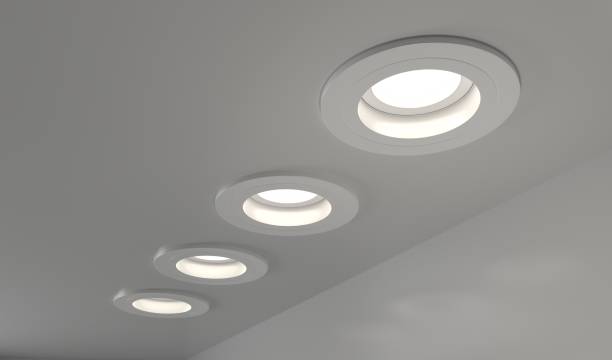
Lighting does more than brighten a room. It shapes how your home feels, how large it looks, and how comfortable it is to live in every day. In Lakeland, many homeowners are moving toward cleaner and more modern lighting styles. One of the most popular upgrades is interior recessed lighting.
You may have seen it in newer homes or recently renovated spaces. Instead of bulky fixtures hanging from the ceiling, recessed lights sit neatly inside it. The result is a smooth, open look that works well in almost any room.
At the same time, this type of lighting is not just about style. It also improves visibility, supports layered lighting, and works well with energy-efficient bulbs. Because of that, many homeowners choose it when upgrading kitchens, living rooms, and even entire homes.
Still, before installing recessed lighting, it helps to understand how it works, where it fits best, and what to expect during installation. This guide walks you through everything in a simple and practical way.
What Is Interior Recessed Lighting and Why It’s Popular in Lakeland Homes
Definition of recessed (can) lighting
Recessed lighting, often called can lighting or downlighting, is a type of fixture installed directly into the ceiling. Instead of hanging down, the light sits flush with the surface. Only the trim and bulb opening remain visible.
Because of this design, recessed lights provide a clean and uncluttered look. They blend into the ceiling rather than drawing attention to themselves. This makes them a strong choice for homeowners who prefer a simple and modern style.
In addition, recessed lighting can serve different purposes. It can provide general lighting for a room, highlight certain areas, or support task lighting in workspaces like kitchens.
Why homeowners in Lakeland prefer recessed lighting
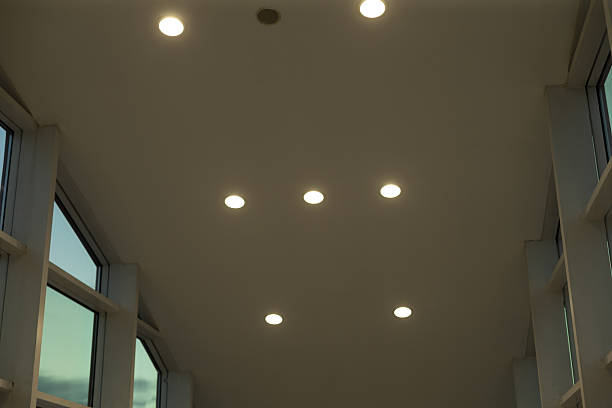
Homes in Lakeland often feature open layouts, large living spaces, and plenty of natural light. Recessed lighting fits well with these designs. It spreads light evenly without interrupting the flow of the ceiling.
Many homeowners also prefer it because it works in both new and older homes. Whether you are building from scratch or upgrading an existing space, recessed lighting can be adapted to fit your layout.
Another reason is the shift toward minimal design. People want spaces that feel open, bright, and less crowded. Since recessed lights do not hang down, they help create that effect.
Key benefits of recessed lighting
Recessed lighting offers several practical advantages. These go beyond appearance and can improve how your home functions day to day.
-
Improved brightness: Light spreads evenly across the room, reducing dark spots.
-
Clean and modern look: Fixtures stay hidden, which keeps ceilings simple and uncluttered.
-
Makes rooms feel larger: Without hanging fixtures, ceilings appear higher, and spaces feel more open.
-
Flexible lighting design: You can place lights exactly where you need them, whether for general use or specific tasks.
-
Energy efficiency with LED bulbs: Most recessed systems now use LED lights, which consume less power and last longer.
-
Increased home value: Updated lighting is a feature many buyers look for in modern homes.
Because of these benefits, recessed lighting is often part of larger home improvement projects. It works especially well when combined with other upgrades like new wiring, panel improvements, or smart home systems.
Types of Interior Recessed Lighting Fixtures
Choosing the right recessed lighting is not just about picking a style. Each type serves a different purpose. The right choice depends on your ceiling, insulation, and how you plan to use the space.
A professional electrician will usually guide you here. Still, it helps to understand the basics before making decisions.
New construction vs remodel recessed lighting
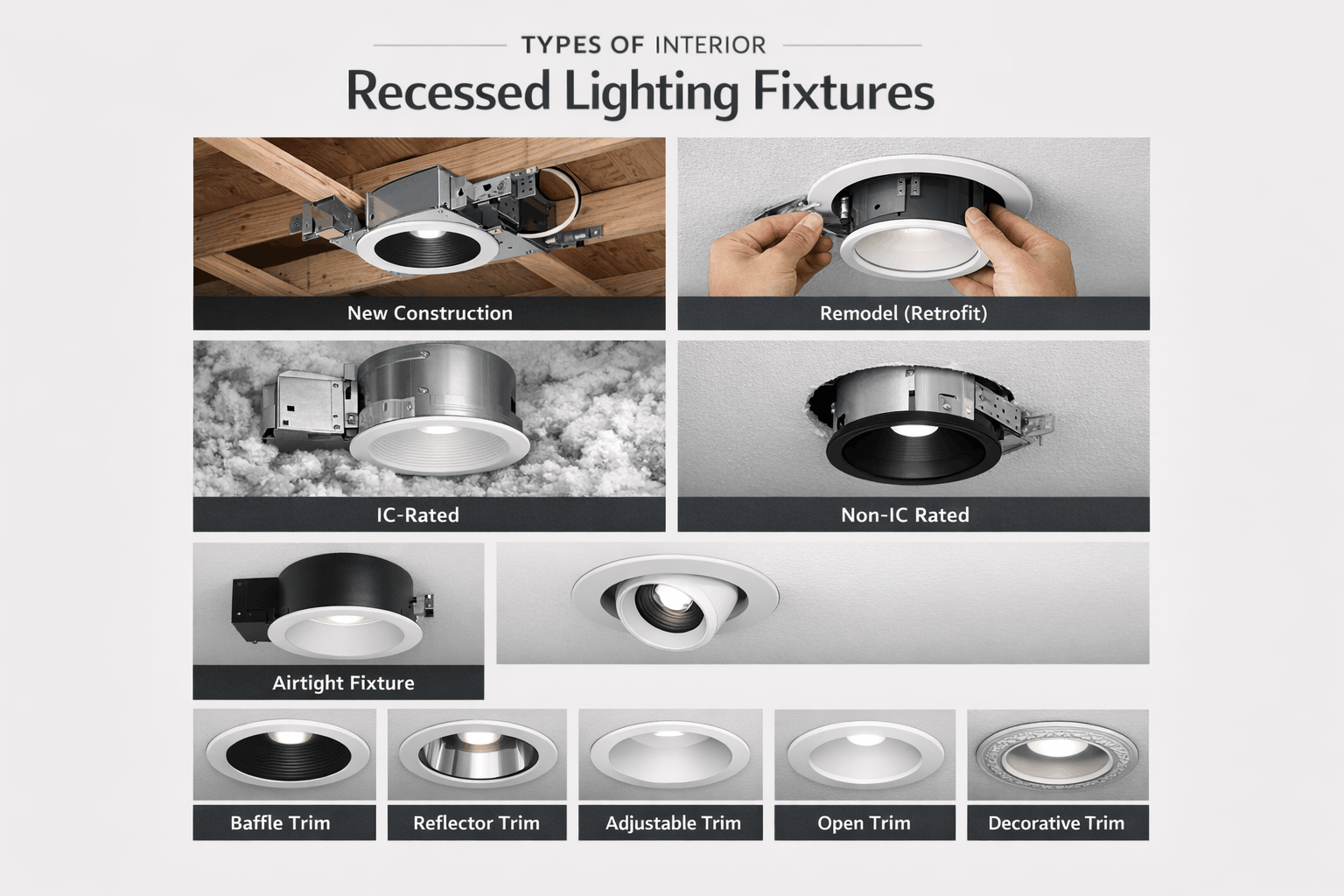
One of the first choices is between new construction and remodel (also called retrofit) fixtures.
New construction recessed lighting: These are installed before the ceiling is finished. They attach directly to ceiling joists, which makes them very secure. This option is best for:
-
New home builds
-
Major renovations where ceilings are open
-
Projects where wiring is being installed from scratch
Remodel recessed lighting: These are designed for finished ceilings. Electricians cut openings and secure the fixtures using clips. This makes them ideal for:
-
Existing homes
-
Ceiling upgrades without major construction
-
Quick lighting improvements
In Lakeland homes, remodel fixtures are more common since many projects involve upgrades rather than full rebuilds.
IC-rated vs non-IC-rated fixtures
This is a critical safety factor. It relates to how the fixture handles insulation.
IC-rated (Insulation Contact) fixtures: These can safely touch insulation without overheating. They are required in ceilings where insulation is present.
Non-IC-rated fixtures: These must have space around them. If the insulation is too close, it can create a fire risk.
Most modern homes in Lakeland use insulated ceilings. Because of that, IC-rated fixtures are usually the safer and more practical choice.
Airtight recessed lighting
Airtight fixtures are designed to prevent air from moving between your living space and the attic. While this may seem minor, it has real benefits.
-
Reduces energy loss
-
Helps maintain indoor temperature
-
Improves overall efficiency
In Florida’s warm climate, airtight lighting can help reduce cooling costs over time. It also supports better indoor comfort, especially during hot months.
Trim styles and finishes
The trim is the visible part of the recessed light. It affects both the look and how the light spreads.
Here are the most common options:
Baffle trim
-
Ribbed interior to reduce glare
-
Soft, diffused light
-
Good for living rooms and bedrooms
Reflector trim
-
Smooth, shiny surface
-
Brighter light output
-
Ideal for kitchens and work areas
Adjustable (eyeball) trim
-
Can be angled
-
Used to highlight artwork or features
Open trim
-
Simple and clean
-
Works well for general lighting
Decorative trim
-
Adds a design element
-
Less common in modern minimalist homes
Quick comparison of recessed lighting types
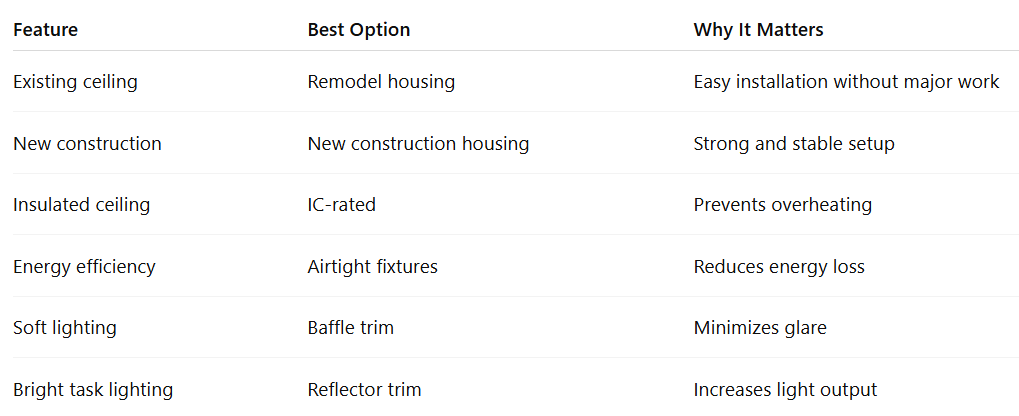
Choosing the right combination of housing, rating, and trim ensures your lighting works safely and looks great. It also prevents costly fixes later.
Best Rooms for Recessed Lighting Installation in Lakeland Homes
Recessed lighting works in almost every part of a home. However, placement matters. Each room has a different purpose, so the lighting layout should match how the space is used.
In Lakeland homes, open layouts are common. Because of that, recessed lighting is often used to create smooth transitions between areas while keeping the ceiling clean.
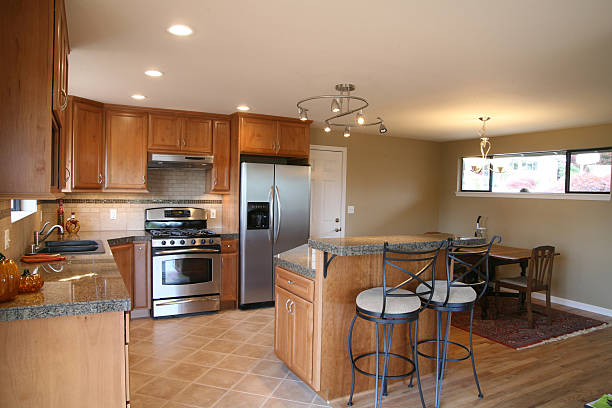
Kitchen recessed lighting layout ideas
The kitchen is one of the best places for recessed lighting. It needs bright, even light for cooking, cleaning, and daily tasks.
A good layout focuses on function first.
-
Place lights directly above countertops
-
Add lighting over the kitchen island
-
Keep spacing even to avoid shadows
It also helps to combine recessed lights with pendant lights. This creates layered lighting without overcrowding the ceiling.
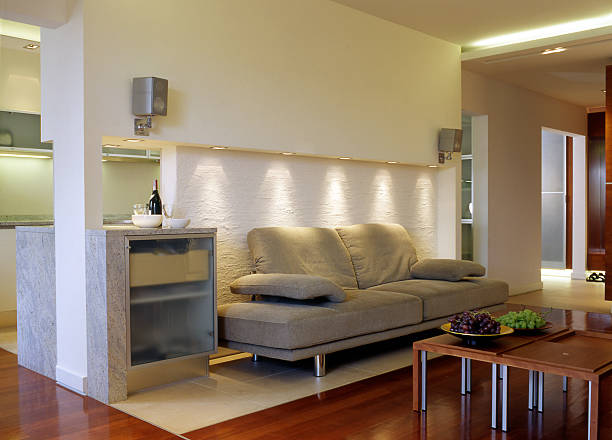
Living room recessed lighting design
Living rooms need a balance of comfort and brightness. Too much light can feel harsh, while too little can make the space dull.
Recessed lighting works well here because it can be adjusted to fit different moods.
-
Use lights around the perimeter for general lighting
-
Add dimmers for flexibility
-
Highlight features like a TV wall or artwork
This approach creates a soft, welcoming feel while still keeping the room well-lit.
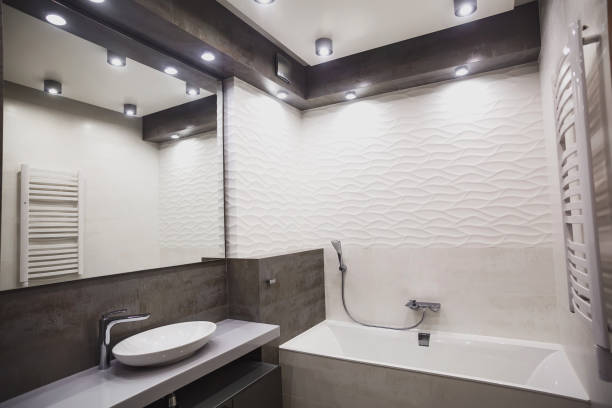
Bathroom recessed lighting safety considerations
Bathrooms require special attention due to moisture. Not all fixtures are safe for this environment.
You should always choose:
-
Damp-rated lights for general bathroom areas
-
Wet-rated lights for areas near showers or tubs
Placement also matters.
-
Install lights above the vanity for clear visibility
-
Avoid placing lights directly behind you in front of the mirror
-
Use even spacing to reduce shadows
Safety and proper ratings are essential here. This is one area where professional installation is strongly recommended.
Bedroom recessed lighting
Bedrooms benefit from softer, more relaxed lighting. Recessed lights can provide general illumination without feeling too bright.
A simple layout works best.
-
Place lights around the edges of the room
-
Avoid installing lights directly above the bed
-
Use warm color temperatures for comfort
Adding dimmers is a smart choice. It allows you to adjust brightness based on the time of day.
Hallways and entryways
Hallways and entryways often lack natural light. Recessed lighting helps keep these areas bright and safe.
-
Space lights evenly along the ceiling
-
Keep alignment straight for a clean look
-
Use consistent brightness to avoid dark spots
This creates a smooth flow from one area of the home to another.
Quick room-by-room lighting guide
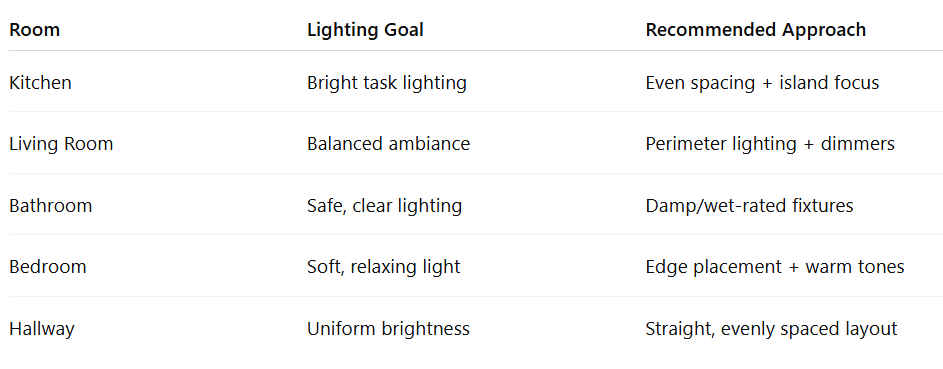
Planning lighting by room helps you avoid common mistakes. It also ensures each space feels comfortable and functional.
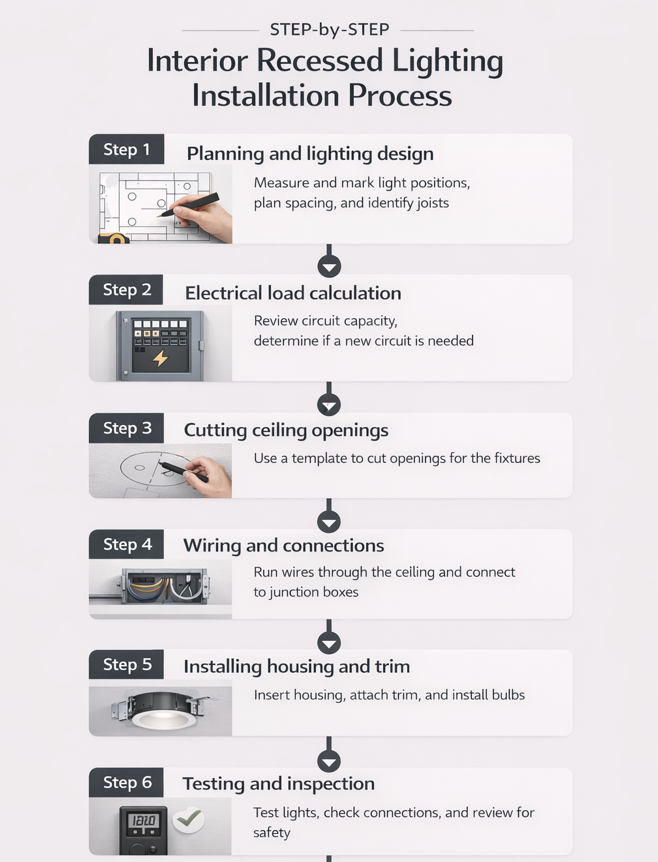
Step-by-Step Interior Recessed Lighting Installation Process
Installing recessed lighting involves more than cutting holes in the ceiling. It requires planning, electrical knowledge, and careful execution. When done correctly, the result is clean, safe, and long-lasting.
Here’s how a typical professional installation works.
Step 1: Planning and lighting design
Every project starts with a clear plan. This step sets the foundation for everything that follows.
The electrician will:
-
Measure the room
-
Mark light positions on the ceiling
-
Plan spacing based on room size and purpose
-
Identify joists, ducts, and obstacles
At this stage, you can also decide on brightness levels, trim styles, and whether you want dimmers or smart controls.
Step 2: Electrical load calculation
Before adding new lights, the electrical system must be checked. This ensures your panel and circuits can handle the extra load.
The electrician will:
-
Review the existing circuit capacity
-
Determine if a new circuit is needed
-
Plan wiring routes safely
This step helps prevent overloads, which can lead to breaker trips or safety risks.
Step 3: Cutting ceiling openings
Once the layout is finalized, openings are cut into the ceiling.
-
A template is used for accuracy
-
Cuts are made carefully to avoid damage
-
Placement is double-checked before cutting
Precision matters here. Even small errors can affect alignment and final appearance.
Step 4: Wiring and connections
Next comes the electrical work.
-
Wires are run through the ceiling
-
Connections are made inside junction boxes
-
Fixtures are linked to switches or dimmers
All wiring must follow electrical codes. This is why professional installation is strongly recommended.
Step 5: Installing housing and trim
With wiring complete, the fixtures are secured in place.
-
Housing is inserted and fixed to the ceiling
-
Trim and bulbs are installed
-
Adjustable trims are aimed if needed
At this point, the lighting starts to take its final shape.
Step 6: Testing and inspection
The final step ensures everything works safely and correctly.
-
Lights are turned on and tested
-
Switches and dimmers are checked
-
Connections are reviewed for safety
If permits are required, an inspection may also take place to confirm code compliance.
What homeowners should expect during installation
-
Most projects take a few hours to a full day
-
Minimal ceiling repair may be needed
-
Power may be turned off temporarily
A clean and professional job leaves your home looking better, not damaged.
Why professional installation matters
While some homeowners consider DIY, recessed lighting involves electrical work that must meet safety standards.
Hiring a licensed electrician helps:
-
Reduce fire and wiring risks
-
Ensure proper spacing and layout
-
Meet Florida electrical codes
-
Avoid costly mistakes
Understanding the process makes it easier to plan your project and set realistic expectations.
Recessed Lighting Layout Guide (Spacing, Placement, and Design)
A good layout makes all the difference. Even high-quality fixtures can look uneven if spacing is off. On the other hand, a well-planned layout creates smooth, balanced lighting across the room.
In Lakeland homes, where open spaces are common, proper placement helps connect areas without creating dark spots or harsh glare.
General spacing rules
There are a few simple rules electricians follow when placing recessed lights.
-
Keep lights about 4 to 6 feet apart for most rooms
-
Maintain at least 2 to 3 feet from walls
-
Adjust spacing based on ceiling height
For higher ceilings, spacing can increase slightly. For lower ceilings, lights should be closer together to maintain even brightness.
A common guideline is to divide the ceiling height by two. For example, an 8-foot ceiling works well with lights spaced about 4 feet apart.
Calculating the number of lights needed
The number of lights depends on room size, purpose, and brightness level. Instead of guessing, it’s better to estimate based on square footage.
Here’s a simple reference:
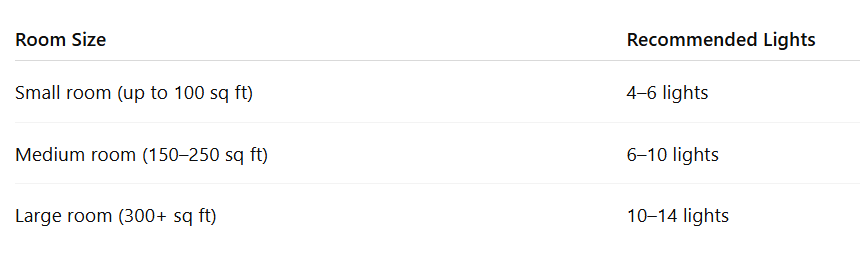
These numbers can change depending on how the room is used. For example, kitchens may need more lights for task areas, while bedrooms may need fewer for a softer feel.
Layered lighting approach
Recessed lighting works best when combined with other light sources. This creates depth and improves comfort.
There are three main layers:
-
Ambient lighting – general room brightness
-
Task lighting – focused light for work areas
-
Accent lighting – highlights features or décor
Using all three helps avoid flat lighting and makes the space feel more natural.
Avoiding common layout mistakes
Many lighting issues come from simple placement errors. These are easy to avoid with proper planning.
-
Over-lighting the room: Too many lights can feel harsh and uncomfortable
-
Uneven spacing: Misaligned lights stand out and affect the room’s appearance
-
Placing lights too close to walls: This can create unwanted shadows or glare
-
Ignoring focal points; Important areas like kitchen islands or artwork should be highlighted
-
Skipping dimmers: Fixed brightness limits flexibility
Tips for a clean and professional layout
-
Keep rows straight and aligned
-
Match spacing across the entire room
-
Plan around furniture and features
-
Use dimmers for better control
-
Test placement before cutting the ceiling
A thoughtful layout ensures your lighting looks intentional and works well in everyday use. It also helps avoid costly adjustments later.
Cost of Interior Recessed Lighting Installation in Lakeland, FL
Cost is often one of the first questions homeowners ask. The answer can vary, but most projects follow a clear pattern. The total price depends on the number of lights, the condition of your ceiling, and the complexity of the wiring.
In Lakeland, many homes already have finished ceilings. Because of that, most projects involve retrofit installations, which can affect labor time.
Average installation cost breakdown
Recessed lighting is usually priced per fixture. This includes both materials and labor.
Here’s a general estimate:
-
Per light fixture: $125 to $300
-
Basic installation (4–6 lights): $500 to $1,800
-
Larger projects (8–12+ lights): $1,500 to $3,500+
These numbers can vary depending on the home and design choices. For example, adding dimmers or smart controls can increase the overall cost.
Factors affecting pricing
Several factors influence how much you’ll pay. Some are related to your home, while others depend on your lighting choices.
Ceiling type
-
Drywall ceilings are easier to work with
-
Concrete or complex ceilings may increase labor
Existing wiring
-
Easy access lowers costs
-
New wiring or panel upgrades add to the price
Number of fixtures
-
More lights mean higher material and labor costs
-
However, the cost per light may decrease in larger projects
Fixture type and trim
-
Standard trims are more affordable
-
Specialty or adjustable trims cost more
Dimmers and smart features
-
Smart switches or app-controlled systems add convenience
-
They also increase upfront costs
Permits and inspections
-
Some projects require permits, depending on the scope
-
This can add a small additional fee
Cost comparison: DIY vs professional installation
Some homeowners consider installing recessed lighting themselves. While this may seem like a way to save money, it comes with risks.

DIY projects can lead to:
-
Incorrect wiring
-
Uneven layouts
-
Ceiling damage
-
Safety hazards
Fixing these mistakes often costs more than hiring a professional from the start.
How to get accurate pricing
The best way to estimate cost is through an on-site evaluation. Every home is different, and small details can affect the final price.
A professional electrician will:
-
Inspect your ceiling and wiring
-
Discuss your lighting goals
-
Provide a clear and detailed quote
Is recessed lighting worth the cost?
For many homeowners, the answer is yes. Recessed lighting offers long-term value.
-
Improves home appearance
-
Increases functionality
-
Reduces energy use with LED options
-
Adds resale appeal
When installed correctly, it’s an upgrade that continues to pay off over time.
Why Hiring a Licensed Electrician in Lakeland Matters
Recessed lighting may look simple from the outside. However, the work behind the ceiling involves wiring, load balancing, and safety checks. This is where hiring a licensed electrician makes a real difference.
In Lakeland, electrical work must meet state and local codes. A professional ensures everything is done correctly the first time.
Safety and fire prevention
Electrical mistakes are not always visible right away. Poor connections or overloaded circuits can create serious risks over time.
A licensed electrician helps prevent:
-
Overheating wires
-
Loose connections
-
Circuit overloads
-
Fire hazards
They also use proper tools and tested methods, which reduces the chance of future problems.
Local code compliance
Every state follows specific electrical standards. In Florida, these rules are strict, especially for residential work.
A professional electrician:
-
Follows current electrical codes
-
Uses approved materials and methods
-
Ensures safe fixture placement
This is important not only for safety but also for passing inspections.
Permits and inspections
Some recessed lighting projects require permits, especially if new wiring or circuits are added.
A licensed electrician will:
-
Determine if a permit is needed
-
Handle the application process
-
Schedule inspections if required
This saves time and avoids delays or fines.
Expertise and efficiency
Professional electricians bring experience that speeds up the entire process.
They can:
-
Plan layouts more accurately
-
Avoid obstacles inside the ceilings
-
Complete installations cleanly and efficiently
What may take a homeowner days can often be completed in a few hours by a skilled professional.
Long-term reliability
Proper installation ensures your lighting works well for years.
With professional work, you get:
-
Stable performance
-
Fewer repairs
-
Better energy efficiency
It also gives peace of mind knowing your system is safe.
When DIY might seem tempting—but isn’t worth it
Some homeowners consider doing the work themselves. While basic tasks may seem manageable, recessed lighting involves more than simple fixture replacement.
DIY risks include:
-
Incorrect wiring connections
-
Uneven light placement
-
Damage to ceilings or insulation
-
Failed inspections
In most cases, hiring a licensed electrician saves time, reduces stress, and prevents costly fixes later. Choosing the right professional ensures your recessed lighting project is done safely and correctly from start to finish.
Common Recessed Lighting Installation Mistakes to Avoid
Even a small lighting upgrade can go wrong if details are overlooked. Many issues come from planning errors, not the fixtures themselves. Knowing what to avoid helps you get a clean result that looks good and works safely.
Using the wrong bulb wattage
Not all recessed fixtures support the same wattage. Using bulbs that exceed the fixture’s rating can lead to overheating.
-
Always follow manufacturer limits
-
Choose LED bulbs for better efficiency
-
Avoid mixing different wattages in the same space
LED options are usually the safest choice. They produce less heat and last longer.
Poor spacing and alignment
Uneven spacing is one of the most common issues. It can make a room feel unbalanced, even if everything else looks right.
-
Keep spacing consistent across the ceiling
-
Align lights in straight rows
-
Double-check measurements before cutting
Once holes are cut, fixing alignment is difficult and costly.
Ignoring insulation compatibility
Installing the wrong type of housing near insulation can create safety problems.
-
Use IC-rated fixtures where insulation is present
-
Avoid placing non-IC fixtures too close to insulation
-
Ensure proper airflow when required
This step is critical for both safety and code compliance.
Overloading circuits
Adding multiple lights to an already full circuit can cause breakers to trip.
-
Check circuit capacity before installation
-
Distribute load properly across circuits
-
Consider adding a new circuit if needed
A licensed electrician will handle this during planning.
Placing lights too close to walls
Lights installed too close to walls can create harsh shadows or glare. This affects both appearance and comfort.
-
Maintain proper distance from walls (usually 2–3 feet)
-
Adjust placement based on ceiling height
-
Test the layout before final installation
Skipping dimmers
Without dimmers, lighting stays at one brightness level. This limits flexibility.
-
Install dimmer switches for better control
-
Adjust lighting based on time of day
-
Improve comfort in living rooms and bedrooms
Dimmers also help reduce energy use over time.
DIY without proper knowledge
Recessed lighting involves electrical work, ceiling cutting, and layout planning. Mistakes in any of these areas can lead to bigger problems.
Common DIY issues include:
-
Incorrect wiring
-
Misaligned fixtures
-
Ceiling damage
-
Safety risks
Professional installation helps avoid these problems and ensures a clean finish.
Quick mistake checklist
-
Incorrect bulb type or wattage
-
Uneven spacing
-
Wrong fixture rating
-
Circuit overload
-
Poor placement near walls
-
No dimmer control
Avoiding these mistakes helps your lighting look professional and function properly from day one.
LED Recessed Lighting vs Traditional Lighting
When choosing recessed lighting, one of the biggest decisions is the type of bulb. Most homeowners today choose LED, but traditional options like incandescent or halogen are still found in older homes.
Understanding the difference helps you make a better long-term choice.
Energy efficiency comparison
LED lights use far less energy than traditional bulbs. This means lower electricity bills over time.
-
LEDs convert more energy into light, not heat
-
Traditional bulbs waste energy by producing heat
-
Lower energy use reduces overall power consumption
In a warm climate like Lakeland, reduced heat output also helps keep indoor spaces more comfortable.
Lifespan differences
Another major advantage of LED lighting is how long it lasts.
-
LED bulbs can last 25,000 hours or more
-
Traditional bulbs often last 1,000 to 2,000 hours
This means fewer replacements and less maintenance over time. For recessed lighting, this is especially helpful since accessing fixtures can be less convenient.
Cost savings over time
LED bulbs usually cost more upfront. However, they save money in the long run.
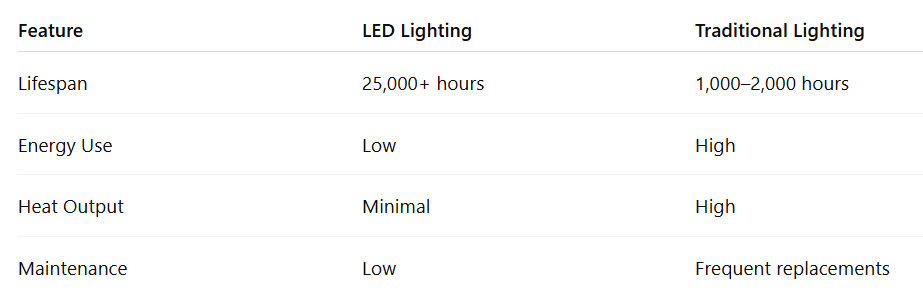
Because of these benefits, most new recessed lighting installations use LED by default.
Light quality and flexibility
LED lighting offers more control over how your space looks and feels.
-
Available in warm, neutral, and cool tones
-
Works well with dimmer switches
-
Provides consistent brightness
Traditional bulbs tend to have fewer options and may not perform as well with dimmers.
Environmental impact
LED lighting is also more environmentally friendly.
-
Uses less electricity
-
Produces less heat
-
Reduces waste due to longer lifespan
This makes it a better choice for homeowners who want to reduce their energy footprint.
Which option is best for your home?
For most Lakeland homeowners, LED recessed lighting is the better option. It offers:
-
Lower energy costs
-
Longer lifespan
-
Better performance
-
More lighting control
Traditional lighting may still be used in some older systems, but it is gradually being replaced. Choosing the right bulb type ensures your recessed lighting performs well and stays cost-effective over time.
Smart Recessed Lighting Options for Modern Homes
Lighting has become more than just a switch on the wall. Many homeowners in Lakeland now prefer smart lighting systems that offer more control, convenience, and flexibility.
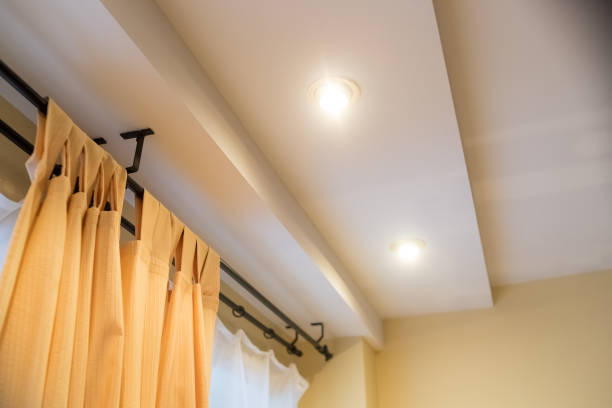
Recessed lighting works especially well with these systems because the fixtures are already integrated into the ceiling. Adding smart features makes them even more useful.
Dimmable lighting systems
Dimmers are one of the simplest upgrades, yet they make a big difference.
-
Adjust brightness based on time of day
-
Create a softer feel in living areas and bedrooms
-
Reduce energy use when full brightness is not needed
Dimmers also help extend the life of your bulbs, especially with LED lighting.
App-controlled lighting
Smart recessed lighting can be controlled through a mobile app. This allows you to manage lighting from anywhere in your home.
-
Turn lights on or off remotely
-
Adjust brightness without using a switch
-
Set schedules for daily routines
For example, you can program lights to turn on in the evening and off at night automatically.
Voice assistant integration
Many smart lighting systems connect with voice assistants. This adds another level of convenience.
-
Turn lights on or off using voice commands
-
Adjust brightness without touching a switch
-
Control multiple rooms at once
This feature is especially helpful in kitchens or when your hands are full.
Color temperature control
Smart lighting allows you to change the tone of your lights based on your needs.
-
Warm light for relaxing spaces
-
Cool light for focus and productivity
-
Adjustable settings throughout the day
This flexibility helps create the right atmosphere in each room without changing bulbs.
Zoning and scene settings
Smart systems let you divide your home into lighting zones. Each zone can have its own settings.
-
Control the kitchen, living room, and hallway separately
-
Create “scenes” like movie mode or dinner lighting
-
Adjust multiple lights with one command
This makes it easier to manage lighting in open floor plans.
Is smart recessed lighting worth it?
Smart lighting adds convenience, but it also improves how you use your space.
Benefits include:
-
Better control over lighting
-
Improved energy efficiency
-
Increased home value
-
Modern, updated feel
While the upfront cost may be higher, many homeowners find the added comfort and flexibility worth the investment. Smart features can be added during installation or as an upgrade later, depending on your setup.
Maintenance and Troubleshooting Tips
Recessed lighting is known for being low maintenance. However, like any electrical system, small issues can still come up over time. Knowing what to check can save you time and prevent bigger problems.
Flickering lights
Flickering is one of the most common issues. It can happen for several reasons.
-
Loose bulb or connection
-
Incompatible dimmer switch
-
Voltage fluctuations
-
Faulty wiring
Start with simple checks. Tighten the bulb and test the switch. If the problem continues, it’s best to call a professional.
Bulb replacement
Even though LED bulbs last a long time, they will eventually need replacement.
-
Turn off power before changing bulbs
-
Use the correct bulb type and size
-
Avoid touching bulbs with wet hands
If multiple lights fail at once, the issue may not be the bulbs. It could be related to wiring or the circuit.
Lights not turning on
If a recessed light stops working completely, check the basics first.
-
Inspect the circuit breaker
-
Test the wall switch
-
Replace the bulb
If none of these solves the issue, the problem may be inside the fixture or wiring.
Overheating or shut-off
Some recessed lights have built-in safety features. If they overheat, they may shut off automatically.
Common causes include:
-
Incorrect bulb wattage
-
Insulation placed too close to the fixture
-
Poor ventilation
If this happens often, it should be inspected to avoid long-term damage.
Wiring issues
Wiring problems are less common but more serious.
Signs include:
-
Lights turning on and off randomly
-
Burning smell near fixtures
-
Buzzing sounds
These issues require immediate attention from a licensed electrician.
When to call an electrician
Some problems should not be handled on your own. Call a professional if you notice:
-
Repeated flickering
-
Multiple lights failing together
-
Breakers tripping frequently
-
Signs of overheating or burning
Prompt action helps prevent safety risks and keeps your system working properly.
Simple maintenance tips
-
Clean trims and covers regularly
-
Check for loose bulbs
-
Use compatible dimmers and switches
-
Upgrade to LED if not already installed
Regular care keeps your recessed lighting efficient and reliable. Most issues are easy to fix when caught early.
Interior Recessed Lighting Trends in Lakeland, FL
Lighting trends continue to evolve, especially in areas like Lakeland, where homeowners value both comfort and modern design. Recessed lighting remains a top choice, but how it’s used has changed over time.
Today, the focus is on simplicity, efficiency, and better control.
Minimalist ceiling designs
Clean ceilings are becoming more popular. Homeowners prefer lighting that blends in rather than stands out.
-
Fewer visible fixtures
-
Even spacing for a smooth look
-
No bulky or hanging lights
Recessed lighting fits perfectly with this style. It keeps the ceiling uncluttered while still providing strong illumination.
Warm vs cool lighting trends
Color temperature plays a big role in how a room feels.
-
Warm light (2700K–3000K) for living rooms and bedrooms
-
Neutral light (3500K–4000K) for kitchens and work areas
-
Cool light (4000K+) for garages or task-heavy spaces
Most homeowners now prefer warmer tones for comfort. However, adjustable lighting is becoming more common.
Smart home integration growth
More homes are adding smart lighting features.
-
App-based control
-
Voice activation
-
Scheduled lighting
This trend is growing because it adds convenience and energy savings. It also allows homeowners to customize lighting throughout the day.
Energy-efficient upgrades
Energy efficiency is no longer optional. It’s expected.
-
LED recessed lighting is now standard
-
Airtight fixtures help reduce energy loss
-
Dimmers lower power usage
These upgrades not only reduce bills but also improve long-term performance.
Layered lighting design
Instead of relying on one type of light, homeowners are combining multiple sources.
-
Recessed lighting for general use
-
Pendant lights for style
-
Accent lighting for features
This approach creates depth and makes spaces feel more complete.
Choosing the Right Electrical Contractor in Lakeland
The quality of your recessed lighting depends heavily on who installs it. A skilled electrician ensures proper layout, safe wiring, and a clean finish. Choosing the right contractor takes a bit of research, but it pays off in the long run.

What to look for in an electrician
Start with the basics. A reliable contractor should have:
-
Proper licensing and insurance
-
Experience with residential lighting projects
-
Positive customer reviews
-
Clear communication
These factors help ensure the job is done safely and professionally.
Experience with recessed lighting projects
Not all electricians specialize in lighting design. Recessed lighting requires both technical skill and layout planning.
Look for someone who:
-
Understands spacing and placement
-
Can recommend the right fixtures
-
Has completed similar projects
Experience reduces the chance of mistakes and improves the final result.
Comparing local contractors
Lakeland has a mix of small contractors, larger companies, and specialized providers. Each has its own strengths.
-
Small contractors may offer lower pricing and flexible scheduling
-
Larger companies often provide faster service and more resources
-
Specialists focus on detailed, high-quality installations
The best choice depends on your budget, timeline, and expectations.
Questions to ask before hiring
Before starting your project, ask a few key questions:
-
What is included in the estimate?
-
How long will the project take?
-
Do you handle permits if needed?
-
Is there a warranty on the work?
Clear answers help avoid confusion later.
Why the right choice matters
Hiring the right electrician affects more than just installation.
-
Ensures safety and code compliance
-
Improves lighting layout and appearance
-
Reduces the risk of future repairs
A well-installed system not only looks better but also performs reliably over time.
Why Hylton Electric Is a Trusted Choice in Lakeland
Choosing the right electrician is important. However, finding one that combines experience, reliability, and fair pricing can make the decision much easier.
For homeowners in Lakeland, Hylton Electric has become a trusted name for residential electrical work, including recessed lighting installation.
Experience with lighting installations
Recessed lighting requires both technical skill and design awareness. Hylton Electric has experience working on a wide range of lighting projects.
-
Interior recessed lighting upgrades
-
Full home lighting installations
-
Kitchen and living room lighting design
This experience helps ensure each project is planned correctly and installed cleanly.
Local expertise and code knowledge
Working in Lakeland means understanding local building standards and electrical codes.
Hylton Electric:
-
Follows Florida electrical regulations
-
Ensures safe and compliant installations
-
Handles projects based on local home structures
This reduces the risk of delays, failed inspections, or future issues.
Balanced pricing and service quality
Cost matters, but so does quality. Hylton Electric focuses on offering fair pricing without cutting corners.
Homeowners benefit from:
-
Clear and upfront estimates
-
No hidden costs
-
Quality materials and workmanship
This balance helps customers get long-term value from their investment.
Residential and commercial capabilities
While many projects focus on homes, Hylton Electric also handles commercial work. This adds another layer of experience.
-
Residential lighting upgrades
-
Commercial lighting systems
-
Electrical repairs and maintenance
This range of services shows a strong understanding of different electrical needs.
Customer-focused approach
Good service goes beyond installation. It includes communication, reliability, and attention to detail.
Hylton Electric focuses on:
-
Showing up on time
-
Completing work efficiently
-
Keeping the workspace clean
-
Answering customer questions clearly
These small details make a big difference in the overall experience.
Final Thoughts: Is Recessed Lighting Worth It for Your Home?
Recessed lighting is more than a design upgrade. It improves how your home looks, feels, and functions every day. For many Lakeland homeowners, it’s a practical investment that delivers long-term benefits.
Key takeaways
-
Recessed lighting creates a clean and modern look
-
It improves brightness without cluttering the ceiling
-
LED options reduce energy use and maintenance
-
Proper layout ensures even and comfortable lighting
When it makes the most sense
Recessed lighting is especially useful if you:
-
Want a modern and open feel
-
Are upgrading older lighting fixtures
-
Need better lighting in kitchens or living areas
-
Plan to increase home value
It works well in both small upgrades and full home renovations.
Importance of professional installation
While the concept may seem simple, the installation process involves electrical work and precise planning.
Hiring a licensed electrician helps:
-
Ensure safety
-
Meet local codes
-
Achieve a clean, balanced layout
This prevents costly mistakes and ensures long-term performance.
Long-term value
Recessed lighting continues to deliver value over time.
-
Lower energy costs with LED
-
Fewer replacements
-
Improved home appeal
It’s an upgrade that supports both daily comfort and future resale potential.
Upgrade Your Home Lighting Today
If you’re ready to improve your home with recessed lighting, working with a trusted local electrician makes the process simple. Hylton Electric offers professional recessed lighting installation in Lakeland, FL, with a focus on safety, quality, and clean results.
-
Phone: +1 863-624-7000
-
Email: ray@hylton-electric.com
-
Website: https://www.hylton-electric.com/
Reach out today to schedule a consultation and take the first step toward better lighting in your home.
Leave a Reply