
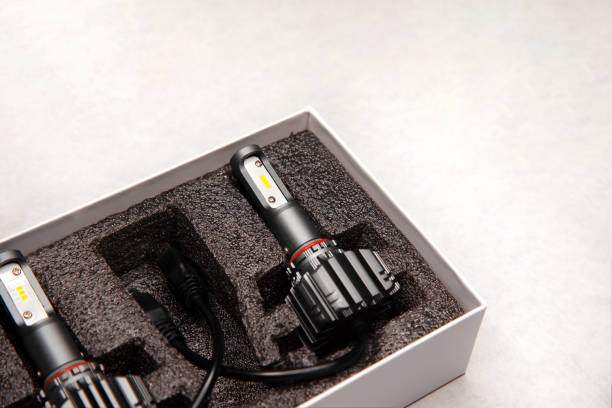
Upgrading your vehicle’s lighting system improves both safety and performance. An LED headlight conversion kit replaces traditional halogen bulbs with advanced LED technology. This upgrade delivers brighter light, better energy efficiency, and longer lifespan. In Lakeland, Florida, many drivers and businesses are making this shift due to frequent nighttime driving and changing safety expectations.
However, proper installation matters just as much as the product itself. Poor installation can reduce visibility and create electrical issues. This guide explains the process clearly, helping you understand what works, what to avoid, and when professional support is the better choice.
Key Electrical Statistics
-
LED lighting uses up to 75% less energy than halogen
-
LEDs last 25 times longer than traditional incandescent bulbs
-
Nearly 50% of fatal crashes occur at night due to poor visibility
-
Over 60% of new vehicles now use LED lighting systems globally
What Is an LED Headlight Conversion Kit
An LED headlight conversion kit is a system designed to replace standard halogen or HID bulbs with LED lighting components. These kits are built to fit existing headlight housings while improving light output and efficiency. Instead of relying on a heated filament, LEDs produce light through semiconductor technology. This reduces heat generation and energy consumption.
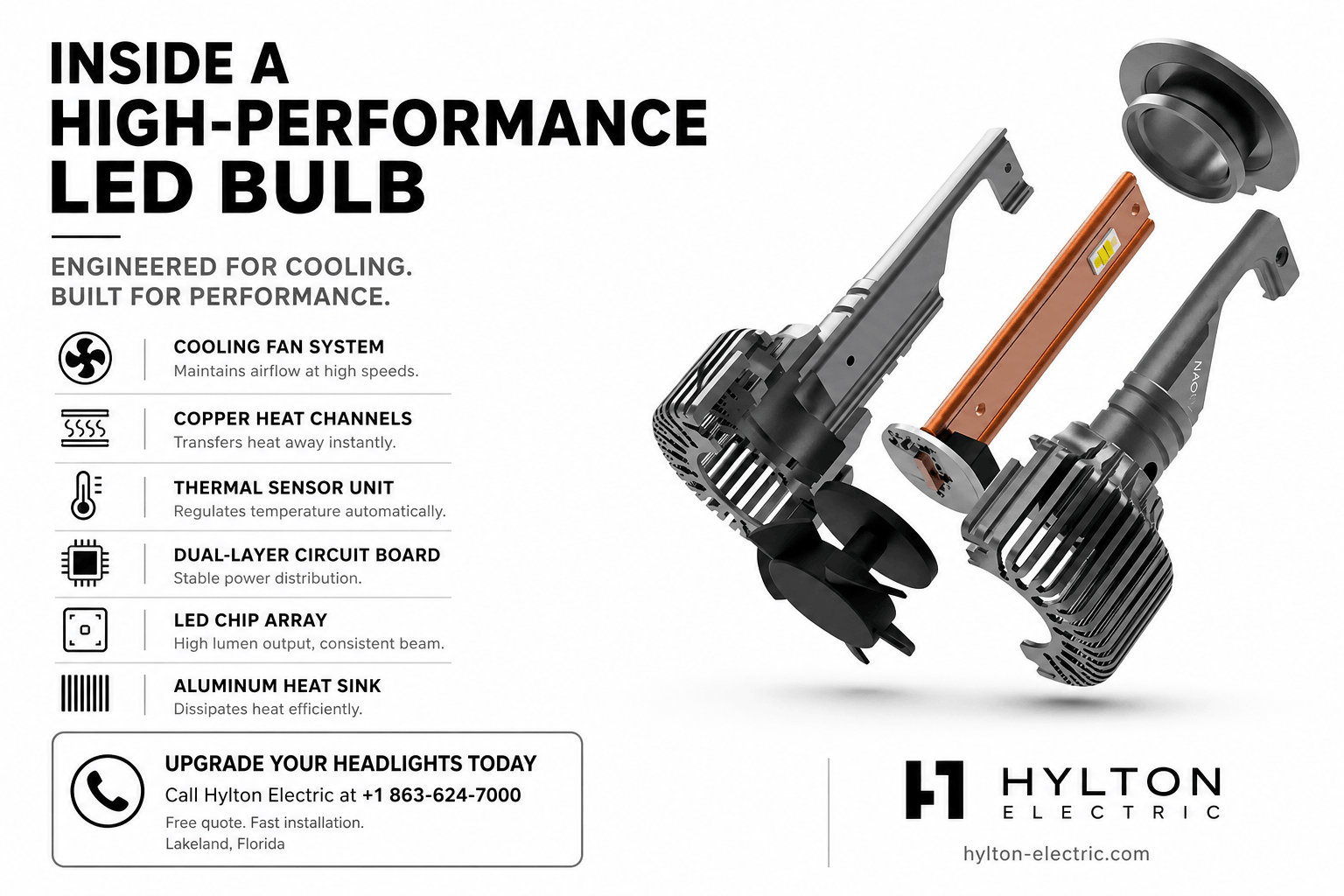
Most kits include several key components that work together. The LED bulb itself is the main light source, but it relies on additional parts for proper function. Drivers or ballasts regulate voltage and ensure consistent output. Heat sinks or cooling fans prevent overheating, which is critical for maintaining performance. Wiring adapters help connect the kit to your vehicle’s existing electrical system without major modifications.
Unlike factory-installed LED systems, conversion kits are aftermarket solutions. They offer flexibility and lower upfront costs. However, they require careful selection and proper installation to avoid issues like glare or uneven beam patterns. In Lakeland, where road conditions vary from urban streets to darker rural routes, choosing the right kit can make a noticeable difference in driving safety.
How the LED Headlight Conversion Kit Works
Understanding how these kits work helps you install and use them correctly. LED headlights operate by passing electrical current through a semiconductor chip. This process produces light without generating excessive heat. As a result, LEDs are more efficient than traditional bulbs.
The electrical flow begins when power from the vehicle battery reaches the LED driver. The driver regulates voltage to match the LED’s requirements. Without this control, the bulb could flicker or fail prematurely. Once the current reaches the LED chip, light is emitted instantly at full brightness.
Heat management plays a major role in performance. Although LEDs run cooler than halogen bulbs, they still produce heat at the base. Heat sinks or small fans dissipate this heat, preventing damage to internal components. Poor heat management is one of the most common causes of early failure.
Beam pattern is another critical factor. Headlight housings are designed to focus light in a specific way. If the LED bulb is not aligned correctly, the light may scatter. This can reduce visibility and create glare for other drivers. Proper positioning ensures the beam remains sharp and controlled, which is essential for safe driving in Lakeland’s mixed lighting conditions.
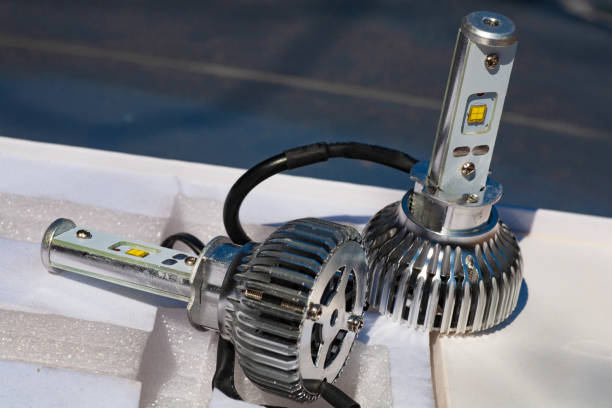
Benefits of the LED Headlight Conversion Kit
Switching to LED headlights offers several practical advantages. These benefits go beyond simple brightness and directly impact safety and long-term costs.
First, LEDs provide significantly improved visibility. The light is clearer and closer to natural daylight, which helps drivers see road signs, obstacles, and lane markings more easily. This is especially useful on poorly lit roads around Polk County.
Energy efficiency is another major benefit. LEDs draw less power from the vehicle’s electrical system. This reduces strain on the battery and alternator, which can extend their lifespan over time. Lower energy use also means less heat, reducing wear on surrounding components.
Longevity makes LEDs a cost-effective choice. While the initial investment may be higher, the extended lifespan reduces the need for frequent replacements. Many LED bulbs last tens of thousands of hours under normal conditions.
Maintenance requirements are also lower. Once installed correctly, LED systems typically require minimal attention. There are fewer failures and less downtime compared to halogen bulbs. For businesses managing fleets, this translates into reduced maintenance costs and improved operational efficiency.
Finally, LEDs offer a modern appearance. The crisp, white light enhances the overall look of a vehicle. While aesthetics may not be the primary concern, it is a noticeable upgrade that many drivers appreciate.
Types of LED Headlight Conversion Kits
Choosing the right type of kit depends on your vehicle and usage needs. Not all kits perform the same, and selecting the wrong one can lead to poor results.
- Plug-and-Play Kits
These are the simplest options available. They are designed for quick installation without major modifications. Most drivers can install them with basic tools. However, they may offer limited customization and lower output compared to advanced options.
- Advanced High-Output Kits
These kits are built for maximum brightness and performance. They produce higher lumen output, which improves visibility in dark conditions. However, they often require better cooling systems and careful installation to avoid overheating.
- CANbus-Compatible Kits
Modern vehicles often use CANbus systems to monitor electrical components. Standard LED kits may trigger error messages or flickering. CANbus-compatible kits include built-in resistors or modules to prevent these issues. They are essential for newer vehicles with advanced electronics.
Each type has its place, but the best choice depends on your vehicle’s electrical system and how you use it. In Lakeland, where both personal and commercial vehicles are common, selecting the right kit ensures reliable performance and compliance with safety standards.
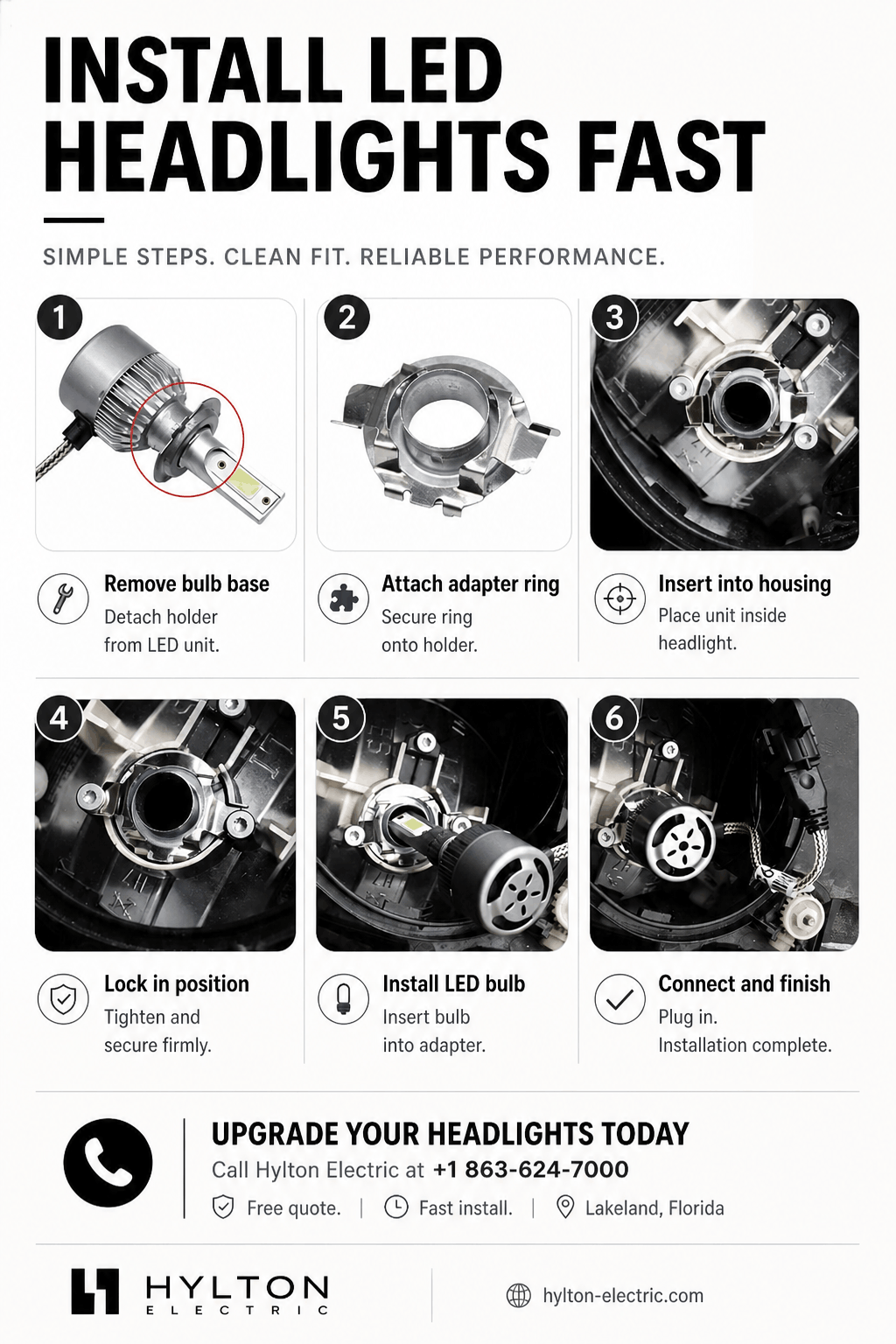
LED Headlight Conversion Kit Installation Process (Step-by-Step)
Proper installation ensures the system works safely and efficiently. While the process may seem simple, attention to detail is critical at every step.
-
Turn off the vehicle and disconnect the battery: This prevents electrical shock and protects the system during installation.
-
Remove the existing halogen bulbs: Access the headlight housing and carefully remove the old bulbs without damaging connectors.
-
Install the LED bulbs with correct alignment: Position the bulbs so the beam pattern remains focused and consistent.
-
Connect the driver and wiring harness: Ensure all connections are secure and properly fitted to avoid loose wiring.
-
Secure cooling components: Attach heat sinks or fans as required to maintain proper temperature control.
-
Test the headlights: Reconnect the battery and check for proper operation, brightness, and stability.
-
Adjust beam alignment: Fine-tune the headlight angle to prevent glare and ensure optimal road visibility.
Skipping any of these steps can lead to performance issues. Even small mistakes, such as incorrect alignment, can significantly reduce effectiveness.
Tools and Materials Required
Having the right tools makes installation smoother and safer. Basic tools are usually enough for most kits, but preparation is important.
-
Screwdrivers (flathead and Phillips)
-
Protective gloves
-
Wiring connectors or adapters
-
Voltage tester
-
Mounting brackets (if required)
These tools help ensure a clean and secure installation. Using proper equipment also reduces the risk of damaging components during the process.
Common Installation Mistakes to Avoid
Even small errors during installation can reduce performance or create safety risks. Many issues arise not from the product itself, but from how it is installed. Understanding these mistakes helps you avoid costly fixes later.
One of the most common problems is incorrect bulb alignment. LED bulbs must sit in a precise position to match the reflector housing. If misaligned, the beam scatters unevenly. This reduces forward visibility and can blind oncoming drivers. In Lakeland, where both urban and rural roads are common, this mistake can quickly become dangerous.
Another frequent issue is ignoring heat management. LEDs produce less heat than halogen bulbs, but they still require proper cooling. If the heat sink or fan is not installed correctly, the bulb can overheat. This shortens lifespan and leads to early failure.
Loose or improper wiring is another concern. Many users assume plug-and-play means no attention is needed. However, connections must be secure and properly insulated. Poor connections can cause flickering, inconsistent brightness, or complete failure.
Using incompatible kits also creates problems. Not all vehicles support every LED system. Without proper compatibility, you may face dashboard errors or electrical interference. This is especially true for newer vehicles with advanced electronics.
Finally, skipping beam adjustment after installation is a major oversight. Even if the bulbs are installed correctly, the beam angle must be fine-tuned. Proper adjustment ensures safe driving conditions and compliance with Florida regulations.
Cost of LED Headlight Conversion Kit in Lakeland, Florida
The cost of upgrading to LED headlights varies based on the type of kit and installation method. In Lakeland, pricing remains relatively consistent, but several factors can influence the final cost.
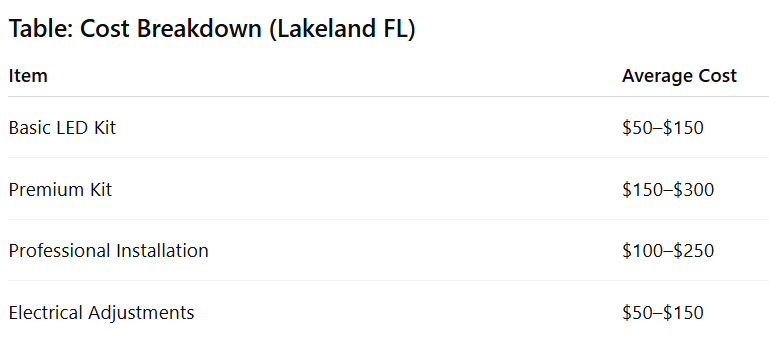
Estimated LED headlight conversion kit costs in Lakeland, Florida
Basic kits are suitable for standard vehicles and simple upgrades. They provide improved lighting without requiring complex installation. Premium kits, on the other hand, offer higher brightness and better durability. These are often used in commercial vehicles or for drivers who need maximum visibility.
Labor costs depend on vehicle complexity. Some vehicles allow easy access to headlight assemblies, while others require partial disassembly. Electrical adjustments may also be needed if compatibility issues arise.
Additional factors affecting cost include:
-
Vehicle make and model
-
Type of headlight housing
-
Need for CANbus adapters
-
Quality of the LED components
While DIY installation can reduce upfront costs, professional installation often prevents long-term issues. In many cases, paying for proper installation once is more cost-effective than fixing repeated problems later.
DIY vs Professional Installation
Choosing between DIY and professional installation depends on your experience and expectations. Both options have advantages, but they also come with trade-offs.
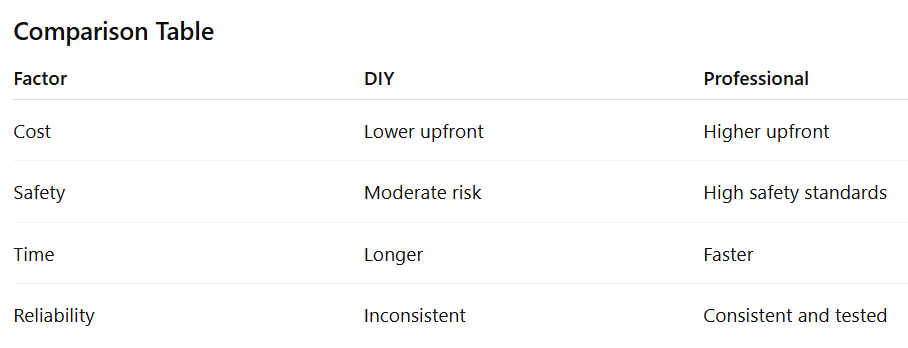
DIY vs professional LED installation comparison
DIY installation works well for simple vehicles and plug-and-play kits. It allows you to save money and complete the upgrade at your own pace. However, it requires careful attention to detail. Without proper knowledge, mistakes can lead to poor performance or safety concerns.
Professional installation offers a higher level of reliability. Licensed technicians understand electrical systems and ensure proper alignment, wiring, and compatibility. They also identify potential issues before they become problems. For business owners managing fleets, this level of consistency is often essential.
When to Hire a Licensed Electrician in Lakeland
There are situations where professional help is not just recommended, but necessary. Electrical systems can be complex, and improper handling can lead to serious issues.
If your headlights flicker after installation, this often indicates a compatibility or wiring issue. A licensed electrician can diagnose and resolve the problem quickly. Similarly, if your vehicle shows dashboard errors, a CANbus-related issue may be present.
High-end vehicles and commercial fleets also require expert installation. These systems often have advanced electronics that demand precise handling. Attempting DIY installation in such cases can lead to system damage.
You should also consider professional help if you plan to upgrade multiple vehicles. Consistency across a fleet improves safety and simplifies maintenance. Professionals ensure each installation meets the same standard.
Need help with LED upgrades? Call +1 863-624-7000 or email ray@hylton-electric.com. We provide practical solutions across Lakeland, Polk County, and Tampa for residential, commercial, and industrial needs, including free quotes for commercial projects.
Local Installation Considerations in Lakeland
Installing LED headlights in Lakeland involves more than just replacing bulbs. Local conditions and regulations play an important role in how the system performs.
Florida law requires headlights to be properly aligned and not excessively bright. While LED systems are legal, improper installation can result in non-compliance. This is why beam alignment is critical after installation.
Weather conditions in Polk County also affect performance. High humidity and heat can impact electrical components over time. Choosing a kit with strong cooling and moisture resistance helps maintain reliability.
Lakeland’s road conditions vary widely. Urban areas are well-lit, but many surrounding roads are darker. LED headlights provide better visibility in these conditions, but only if installed correctly. A poorly aligned beam can reduce visibility rather than improve it.
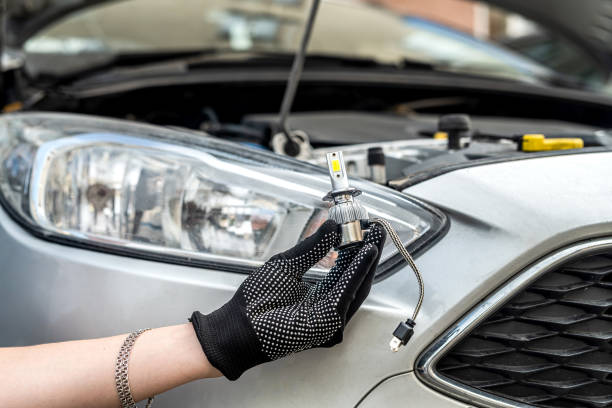
Signs You Need an LED Headlight Upgrade
Recognizing the right time to upgrade helps prevent safety issues. Many drivers continue using outdated lighting systems without realizing the impact on visibility.
Dim or yellow headlights are one of the first signs. Over time, halogen bulbs lose brightness, reducing your ability to see clearly at night. Frequent bulb replacements are another indicator. If you find yourself replacing bulbs often, switching to LEDs can reduce maintenance.
Poor night visibility is a major warning sign. If road markings and obstacles are hard to see, your lighting system may not be sufficient. Increased electrical load can also signal inefficiency. Older systems draw more power, which affects overall performance.
Upgrading to LED headlights addresses these issues while improving safety and efficiency.
Safety and Compliance Guidelines
Safety should always be the priority when upgrading any electrical component. LED headlights offer improved performance, but only when installed correctly.
Proper beam alignment is essential. Misaligned headlights can create glare, which affects other drivers. This not only reduces safety but may also violate local regulations. Ensuring the beam is focused and directed correctly prevents these issues.
Electrical safety is equally important. Always disconnect the battery before installation. This reduces the risk of shock and protects the vehicle’s electrical system. Using high-quality components also minimizes the chance of failure.
Compliance with Florida regulations ensures your vehicle remains road-legal. While LED upgrades are widely accepted, they must meet brightness and alignment standards. Following these guidelines helps you avoid fines and ensures safe driving conditions.
Real-World Example (Lakeland Case)
A local Lakeland contractor recently upgraded a small fleet of service vans from halogen to LED headlights. Before the upgrade, drivers reported poor visibility on early morning routes. Many jobs started before sunrise, especially during winter months. The older halogen bulbs produced a dim, yellow light that struggled on unlit roads.
After installing high-quality LED kits with proper alignment, the difference was immediate. Drivers noticed clearer road visibility and improved reaction time. Road signs became easier to read, and obstacles were visible at greater distances. The fleet manager also reported fewer maintenance issues. Bulb replacements dropped significantly over the following months.
Another benefit came from reduced electrical strain. The vehicles showed more stable electrical performance after the upgrade. This helped extend battery life and reduce minor electrical faults that had been occurring previously.
This example highlights a key point. The value of LED upgrades is not just brightness. It is consistency, safety, and long-term reliability. When installed correctly, these systems improve both daily operations and overall vehicle performance.
Future Trends in LED Automotive Lighting
LED technology continues to evolve rapidly. What started as a simple upgrade has now become a foundation for advanced lighting systems. Understanding these trends helps you make better long-term decisions.
One of the most important developments is adaptive lighting. These systems adjust the beam pattern based on driving conditions. For example, headlights can automatically dim when another vehicle approaches. They can also shift direction when turning, improving visibility around curves.
Integration with electric vehicles is another growing trend. EVs rely heavily on efficient electrical systems. LED lighting fits naturally into this design due to its low energy consumption. As EV adoption increases in Florida, LED systems will become even more common.
Smart lighting is also gaining traction. Some systems now connect with onboard sensors and cameras. They adjust brightness and focus in real time, depending on road conditions. While these features are still developing, they represent the future of vehicle lighting.
For now, standard LED conversion kits remain a practical and effective upgrade. They provide most of the benefits of modern lighting without the high cost of advanced systems. This makes them a strong choice for both individual drivers and businesses in Lakeland.
How This Connects to Broader Electrical Services
Lighting upgrades are often part of a larger electrical improvement strategy. While headlights are specific to vehicles, the principles behind LED efficiency apply across many systems. Businesses and property owners in Lakeland often upgrade multiple electrical components at the same time.
For example, panel capacity plays a key role in supporting modern electrical loads. If you are upgrading multiple systems, it may be worth reviewing your electrical panel.
Electric vehicle adoption is also increasing across Polk County. Many businesses and homeowners are installing charging stations. These systems require proper electrical planning and installation.
Within your property, LED lighting upgrades follow the same efficiency principles. Interior and exterior lighting improvements reduce energy costs and improve visibility.
Safety remains a core concern across all electrical systems. Regular inspections and proper installation reduce risks and improve reliability. For property owners considering upgrades, panel improvements often support long-term performance.
These connections show how a simple lighting upgrade can fit into a broader electrical strategy. Whether for vehicles or facilities, the goal remains the same: improved efficiency, safety, and reliability.
Conclusion
Upgrading your vehicle lighting is a practical step toward safer driving. A properly installed LED Headlight Conversion Kit improves visibility, reduces maintenance, and enhances overall performance. However, the benefits depend heavily on correct installation and compatibility. Taking the time to choose the right kit and follow proper procedures makes a clear difference.
In Lakeland, where driving conditions vary, reliable lighting is essential. Whether you choose a DIY approach or professional installation, the focus should remain on safety and long-term performance. A well-installed system delivers consistent results and reduces future issues.
Planning an LED headlight conversion kit installation? Contact +1 863-624-7000 or ray@hylton-electric.com for straightforward guidance and free commercial quotes across Lakeland, Polk County, and Tampa.
FAQs About LED Headlight Conversion Kit
What is an LED headlight conversion kit?
An LED headlight conversion kit is an aftermarket system that replaces traditional halogen or HID bulbs with LED lighting. It typically includes LED bulbs, drivers, and cooling components. These kits are designed to fit existing headlight housings without major modifications.
The main advantage is improved efficiency and brightness. LEDs produce a clearer, whiter light that enhances visibility. They also last longer than traditional bulbs, reducing maintenance needs.
However, proper installation is essential. Without correct alignment and wiring, the benefits may not be fully realized. Choosing a compatible kit ensures reliable performance and avoids electrical issues.
Are LED headlight conversion kits legal in Florida?
LED headlight conversion kits are generally legal in Florida, but they must meet specific requirements. The headlights must be properly aligned and should not produce excessive glare. Brightness levels must also remain within acceptable limits.
Improper installation can lead to compliance issues. For example, misaligned beams can blind other drivers, which may result in fines. Using high-quality kits and adjusting the beam correctly helps ensure compliance.
It is always a good idea to check local regulations before installation. This ensures your vehicle remains road-legal while benefiting from improved lighting.
How long do LED headlights last?
LED headlights are known for their long lifespan. Most high-quality LED bulbs can last between 20,000 and 50,000 hours. This is significantly longer than halogen bulbs, which typically last around 1,000 hours.
The lifespan depends on several factors, including build quality and heat management. Proper cooling plays a major role in maintaining performance. If heat is not managed correctly, the lifespan may decrease.
With proper installation and usage, LED headlights can last for many years without replacement. This makes them a cost-effective option over time.
Can I install an LED headlight kit myself?
Yes, many LED headlight kits are designed for DIY installation. Plug-and-play models are especially user-friendly and require only basic tools. However, the process still requires attention to detail.
Incorrect installation can lead to issues such as flickering or poor beam alignment. These problems can reduce visibility and create safety risks. For this reason, some drivers prefer professional installation.
If you are comfortable working with basic electrical components, DIY installation can be a good option. Otherwise, professional support ensures a more reliable result.
Do LED headlights use less power?
LED headlights are more energy-efficient than traditional halogen bulbs. They require less power to produce the same or greater level of brightness. This reduces the load on the vehicle’s electrical system.
Lower power consumption can help extend the life of the battery and alternator. It also reduces heat generation, which improves overall system efficiency.
For drivers and businesses looking to reduce maintenance and energy use, LEDs offer a practical solution.
Why are my LED headlights flickering?
Flickering LED headlights usually point to an electrical compatibility issue rather than a faulty bulb. Many modern vehicles use sensitive electrical monitoring systems. These systems expect a certain power draw from standard halogen bulbs. Since LEDs use less power, the system may interpret this as a fault and cause flickering.
Another common cause is an unstable voltage supply. If the driver module cannot regulate voltage properly, the LED may not receive consistent power. Loose wiring connections can also contribute to this issue, especially if connectors are not fully secured.
To resolve flickering, consider these steps:
-
Install a CANbus decoder or anti-flicker harness
-
Check all wiring connections for stability
-
Ensure the LED driver is functioning correctly
If the issue persists, a professional diagnosis is recommended. A licensed electrician can identify compatibility issues and ensure a stable setup.
Do I need a resistor or CANbus adapter?
Whether you need a resistor or CANbus adapter depends on your vehicle’s electrical system. Newer vehicles often use CANbus technology to monitor electrical components. When an LED bulb is installed, the lower power draw can trigger warning messages or cause flickering.
A CANbus adapter solves this by simulating the load of a halogen bulb. This keeps the system stable and prevents error messages. In some cases, resistors are used to achieve a similar effect, but they generate additional heat and must be installed carefully.
Older vehicles typically do not require these components. However, if you notice issues after installation, adding a CANbus adapter is often the simplest solution.
How much does installation cost in Lakeland?
Installation costs in Lakeland vary based on the complexity of the vehicle and the type of kit used. On average, professional installation ranges between $120 and $250. This includes proper fitting, wiring, and beam alignment.
Additional costs may apply if electrical adjustments are required. For example, installing CANbus adapters or resolving compatibility issues can add $60 to $150. Premium vehicles may also require more labor due to limited access to headlight assemblies.
DIY installation can reduce costs, but it carries some risk. Mistakes may lead to additional expenses later. For many drivers, professional installation offers better long-term value by ensuring the system works correctly from the start.
Are LED headlights brighter than halogen?
Yes, LED headlights are significantly brighter than halogen bulbs. They produce a more focused and intense light, which improves visibility at night. The color temperature of LEDs is closer to natural daylight, making it easier to see road details.
Halogen bulbs tend to emit a yellowish light, which can reduce contrast. This makes it harder to detect objects in low-light conditions. LEDs, on the other hand, provide a crisp white light that enhances clarity.
However, brightness alone is not enough. Proper alignment is essential to ensure the light is directed correctly. Without alignment, even bright LEDs can perform poorly.
Can LED headlights damage my vehicle wiring?
LED headlights are generally safe for vehicle wiring when installed correctly. In fact, they typically draw less power than halogen bulbs, which reduces strain on the electrical system. This makes them a safer option in many cases.
Problems can occur if low-quality components are used or if installation is done improperly. Poor wiring connections or incorrect adapters can lead to electrical issues. Overloading circuits with incompatible components may also cause damage.
To prevent these problems:
-
Use high-quality, vehicle-compatible kits
-
Follow proper installation procedures
-
Avoid modifying wiring unnecessarily
If you are unsure about compatibility, professional installation is the safest approach.
How do I align LED headlights properly?
Proper alignment ensures that your headlights provide maximum visibility without causing glare. After installation, park your vehicle on a level surface facing a wall. Turn on the headlights and observe the beam pattern.
The light should be evenly distributed and slightly angled downward. This prevents glare for oncoming drivers while maintaining forward visibility. Most vehicles have adjustment screws near the headlight housing.
Follow these steps:
-
Mark the center of the beam on the wall
-
Adjust vertically to keep the beam below eye level
-
Adjust horizontally to center the beam
Small adjustments can make a significant difference. If alignment seems difficult, professional assistance ensures accurate results.
What color temperature is best?
Color temperature affects both visibility and comfort. LED headlights typically range from 5000K to 6500K. A 5000K temperature produces a neutral white light, which is ideal for most driving conditions.
At 6000K, the light becomes slightly cooler and brighter. This improves visibility but may create more glare if not aligned properly. Temperatures above 6500K are less practical, as they can reduce visibility in fog or rain.
For Lakeland’s conditions, 5000K to 6000K is the recommended range. It provides a balance between brightness and clarity without causing excessive glare.
Do LED kits work in all vehicles?
LED headlight kits are compatible with most vehicles, but not all. Compatibility depends on factors such as headlight housing design and electrical system type. Some vehicles require additional components like CANbus adapters.
Older vehicles are generally easier to upgrade. Newer models may have more complex systems that require careful selection of components. Checking compatibility before purchase helps avoid installation issues.
If you are unsure, consult product specifications or seek professional advice. This ensures the kit will work properly with your vehicle.
How do I maintain LED headlights?
LED headlights require minimal maintenance compared to traditional bulbs. However, a few simple practices help maintain performance over time.
Keep the headlight lenses clean. Dirt and debris can reduce light output and clarity. Regular cleaning improves visibility and ensures consistent performance. Inspect wiring connections periodically to ensure they remain secure.
Also, check the cooling components. Heat sinks or fans should remain free of dust and obstruction. Proper airflow helps maintain efficiency and extends lifespan.
With basic care, LED headlights can perform reliably for many years.
Should businesses upgrade fleet vehicles to LED?
Upgrading fleet vehicles to LED headlights offers several practical benefits. Improved visibility enhances driver safety, especially for early morning or nighttime operations. This reduces the risk of accidents and improves overall efficiency.
LED systems also reduce maintenance costs. Their longer lifespan means fewer replacements, which saves both time and money. Lower energy consumption reduces strain on vehicle electrical systems, improving reliability.
For businesses in Lakeland, where fleets often operate in varying conditions, LED upgrades provide a strong return on investment. Consistent lighting performance supports safer and more efficient operations.
Leave a Reply