
Electric vehicles are growing fast across Florida. More drivers are switching to EVs for lower fuel costs and cleaner energy. But once you own an EV, one question comes up quickly—how do you charge it at home? That’s where a Level 2 EV charger comes in.
A Level 2 charger is the most practical option for homeowners. It charges much faster than a standard outlet and fits easily into daily routines. You can plug in your car at night and wake up to a full battery. No waiting. No stress. Still, many homeowners hesitate at one point—the installation cost.
The truth is, the cost of installing a Level 2 EV charger in Florida can vary a lot. Some homeowners spend under $1,000. Others may invest $4,000 or more. It all depends on your home’s electrical setup, the charger you choose, and how complex the installation is.
In this guide, we break everything down in simple terms. You’ll learn what affects the price, what to expect during installation, and how to plan your budget the right way.
What Is a Level 2 EV Charger and Why Florida Homeowners Prefer It
Level 1 vs Level 2 Charging – Key Differences
Not all EV chargers are the same. Most vehicles come with a Level 1 charger. This plugs into a standard 120-volt outlet. It works, but it is slow.
In most cases, a Level 1 charger adds about 3 to 5 miles of range per hour. That may be enough for very light driving. However, it does not work well for daily commuters.
A Level 2 charger uses a 240-volt circuit. This is the same type of power used by large appliances like dryers. Because of this, it charges much faster.
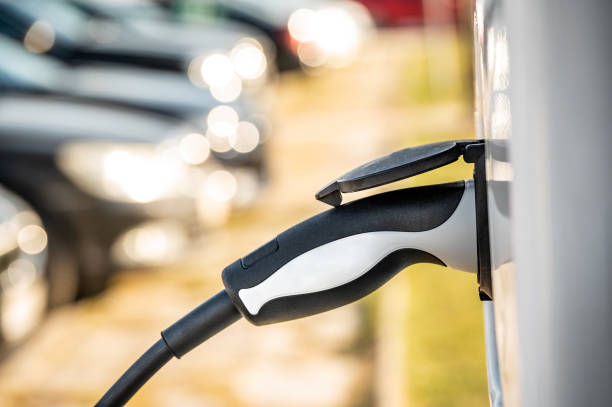
Here’s a simple comparison:
-
Level 1 Charger
-
120V outlet
-
3–5 miles of range per hour
-
Best for occasional use
-
-
Level 2 Charger
-
240V circuit
-
20–40 miles of range per hour
-
Ideal for daily driving
-
For most Florida homeowners, Level 2 is the clear choice. It saves time and keeps your vehicle ready to go.
How Level 2 Chargers Work in Residential Homes
A Level 2 EV charger connects to your home’s electrical panel. It requires a dedicated 240-volt circuit. This ensures safe and stable power delivery. Once installed, the charger is usually mounted on a garage wall or an exterior wall. Some homeowners choose a plug-in model. Others go with a hardwired unit for a cleaner setup.
Using it is simple. You plug your vehicle in, and the charger handles the rest. Many newer chargers also include smart features. These can track energy use, schedule charging times, and even connect to mobile apps. Because Florida homes often have garages or driveways, installation is usually straightforward. Still, every home is different. That is why a professional assessment is important before starting.
Average Charging Speeds and Real-Life Use Cases
Charging speed matters, especially if you drive often. With a Level 2 charger, most EVs can fully charge overnight. In real terms, that means:
-
25–30 miles of range added per hour (average)
-
Full charge in 6–10 hours, depending on battery size
This works well for everyday life in Florida.
For example:
-
Daily commuters can recharge overnight and drive worry-free the next day
-
Families with multiple vehicles can rotate charging schedules
-
Rideshare drivers can top up quickly between trips
Florida’s warm climate also plays a role. Batteries tend to perform better in moderate temperatures. However, frequent driving and longer distances make faster charging more important. That is why most EV owners in Florida upgrade to Level 2 charging soon after buying their vehicle.
Average Level 2 EV Charger Installation Cost in Florida
Typical Cost Range in Florida (2025–2026 Data)
The cost to install a Level 2 EV charger in Florida can vary based on your home and setup. Still, most projects fall within a clear range.
For a standard installation, homeowners usually pay between $800 and $2,500. This applies when your electrical panel has enough capacity, and the charger is installed close to it.
However, costs can rise when upgrades are needed. In more complex cases, the total can reach $3,500 to $5,500 or more.
Here’s a simple way to look at it:
-
Basic installation: $800 – $1,500
-
Standard installation: $1,500 – $3,000
-
Complex installation: $3,500 – $5,500+
The wide range comes down to one thing—how much electrical work your home needs.
Total Cost Breakdown Table
To understand pricing better, it helps to break the project into parts. Each component adds to the final cost.
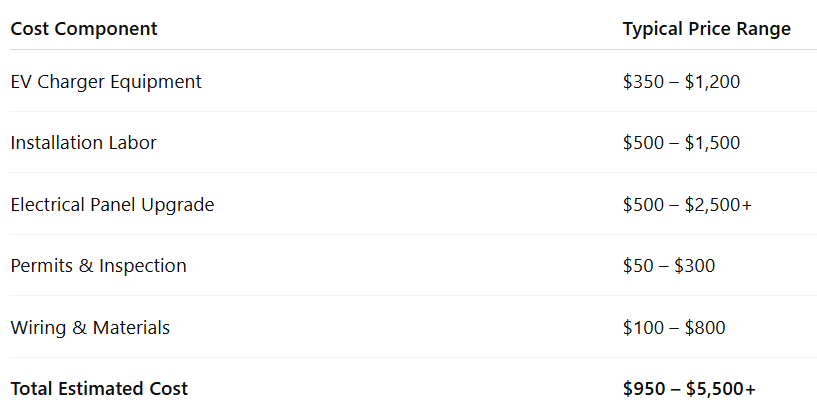
Key takeaway: Labor and electrical upgrades are often the biggest cost drivers.
Florida vs National Pricing Differences
Florida pricing is close to the national average, but there are a few differences to keep in mind.
- First, labor costs can vary by region. Larger metro areas like Tampa, Orlando, and Miami often have higher electrician rates. Smaller towns may be more affordable.
- Second, Florida homes often require outdoor or garage installations. This can add weatherproofing costs due to heat, humidity, and storms.
- Third, local permitting rules can differ by county. Some areas require inspections, which adds both time and cost.
Despite these factors, Florida remains a relatively affordable state for EV charger installation compared to high-cost regions like California or New York.
What Most Homeowners Actually Pay
While ranges are helpful, most homeowners fall into the “standard installation” category.
That means:
-
No major panel upgrade
-
Moderate wiring distance
-
Professional installation with permits
In these cases, the average cost lands around $1,500 to $3,000. This is often the sweet spot. It balances performance, safety, and long-term value.
Key Factors That Affect Installation Cost in Florida
Electrical Panel Capacity and Upgrades
Your electrical panel is the first thing an electrician will check. It controls how much power your home can safely handle. Most Level 2 chargers require a 240-volt circuit with a dedicated breaker. If your panel already has enough capacity, installation is simple and more affordable.
However, older homes often have 100-amp panels. These may not support an EV charger without upgrades. In that case, you may need:
-
A panel upgrade to 200 amps
-
A subpanel installation
-
Load management solutions
These upgrades can add $1,500 to $2,500 or more to your project. In short, the stronger your existing panel, the lower your cost.
Distance Between Panel and Charger
Distance plays a bigger role than most homeowners expect. If your charger is installed right next to the panel, costs stay low. But if it is placed farther away—like across the garage or outside—the price increases.
Why?
Because longer distances require:
-
More wiring
-
More labor
-
Possible wall or ceiling work
Here’s a quick idea of how distance impacts cost:
-
Short distance (0–10 feet): minimal added cost
-
Medium distance (10–40 feet): moderate increase
-
Long distance (40+ feet): higher material and labor costs
Keeping the charger close to the panel is one of the easiest ways to save money.
Type of Installation (Indoor vs Outdoor)
Where you install the charger also affects the total cost. Indoor installations, such as inside a garage, are usually simpler. They require less protection and fewer materials.
Outdoor installations, on the other hand, need extra steps. In Florida, this is especially important due to the weather conditions.
Outdoor setups may require:
-
Weatherproof enclosures
-
UV-resistant wiring
-
Proper mounting for storm protection
These additions can increase both material and labor costs. Still, many Florida homeowners choose outdoor installations for convenience, especially if they park in driveways.
Labor Costs and Electrician Rates
Labor is a major part of your total cost. Hiring a licensed electrician ensures the job is done safely and meets code requirements.
In Florida, electrician rates can vary based on:
-
Experience and licensing
-
Project complexity
-
Location (urban vs suburban areas)
Most installations take 2 to 6 hours, depending on the setup. More complex jobs may take a full day or longer. While it may be tempting to cut costs, hiring a qualified professional is always the safer choice. It also protects your home and your EV investment.
Permits and Local Code Requirements in Florida
In most parts of Florida, a permit is required to install a Level 2 EV charger. Permit costs are usually modest, ranging from $50 to $300. However, they are important for several reasons:
-
Ensure the installation meets safety standards
-
Allow for proper inspection
-
Protect your home during resale
Some counties may also require:
-
Final inspections
-
Documentation from a licensed electrician
Skipping permits might save money upfront, but it can lead to problems later. It’s always better to do it the right way.
Other Hidden Cost Factors to Consider
Beyond the main factors, a few smaller details can also affect pricing:
-
Trenching for detached garages
-
Upgrading outdated wiring
-
Installing smart chargers with Wi-Fi features
-
Adding multiple charging ports
These costs are not always obvious at first, but they can add up quickly. Understanding these factors helps you plan better. It also gives you more control over your budget.
Cost Scenarios Based on Real Florida Homes
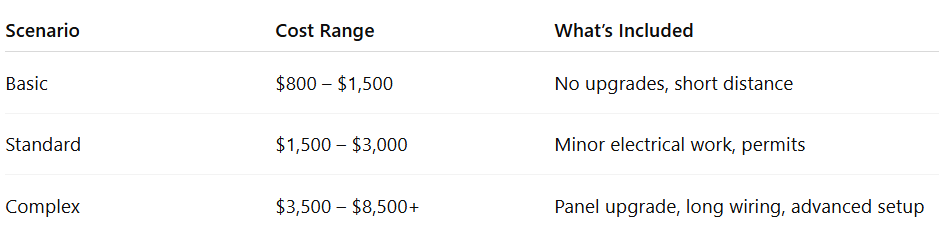
Basic Installation (Best Case Scenario)
This is the most affordable situation. It applies when your home is already well-prepared for a Level 2 charger.
In this case:
-
Your electrical panel has enough capacity
-
The charger is installed close to the panel
-
No major upgrades are needed
The electrician simply installs a dedicated 240V circuit, mounts the charger, and completes the setup.
Typical cost: $800 – $1,500
This setup is common in newer homes across Florida. It is quick, simple, and cost-effective.
Standard Installation (Most Common Scenario)
Most homeowners fall into this category.
Here, your home may need small adjustments, but nothing major. For example:
-
Minor panel work
-
Moderate wiring distance
-
Permit and inspection included
The installation is still straightforward, but it requires more time and materials than a basic setup.
Typical cost: $1,500 – $3,000
This range offers the best balance between cost and long-term convenience. It is also the most realistic expectation for many Florida homes.
Complex Installation (High-End Scenario)
This is where costs increase the most.
Complex installations usually involve:
-
Upgrading the electrical panel
-
Running long wiring distances
-
Installing the charger outdoors or far from the panel
-
Additional labor and materials
Older homes or larger properties often fall into this category.
Typical cost: $3,500 – $8,500+
While the price is higher, these upgrades improve your home’s electrical capacity. That can support future EVs or other high-power appliances.
Cost Comparison Table by Scenario
Real-World Examples
To make this more practical, here are a few common situations seen in Florida:
-
New Tampa home with attached garage: The panel is modern and located in the garage. Installation is quick. → Falls under basic to standard cost
-
Older home in Orlando with limited panel capacity: Requires a panel upgrade before installation. → Falls under complex cost
-
Miami home with outdoor driveway setup: Needs weatherproofing and longer wiring. → Falls under standard to complex cost
What Scenario Applies to You?
Most homeowners assume they fall into the lowest cost range. In reality, many land somewhere in the middle.
A quick way to estimate your situation:
-
If your home is newer → likely basic or standard
-
If your home is older → likely standard or complex
-
If the charger is far from the panel → expect a higher cost
The only way to know for sure is to get a professional assessment. Still, these scenarios give you a clear starting point.
Equipment Costs – Choosing the Right Level 2 Charger
Popular EV Charger Brands and Price Range
The charger itself is a key part of your total cost. Prices vary based on brand, features, and power output. Most Level 2 chargers fall within the range of $350 to $1,200.
Here are some popular options homeowners in Florida often choose:
-
Tesla Wall Connector
-
Designed for Tesla vehicles
-
Sleek design with high charging speed
-
Typically priced around $475 – $600
-
-
ChargePoint Home Flex
-
Works with most EV brands
-
App-based controls and energy tracking
-
Typically priced around $700 – $900
-
-
JuiceBox / Wallbox Chargers
-
Compact and smart-enabled
-
Good balance of price and features
-
Typically priced around $500 – $800
-
Each of these chargers is reliable. The best choice depends on your vehicle and how much control you want over charging.
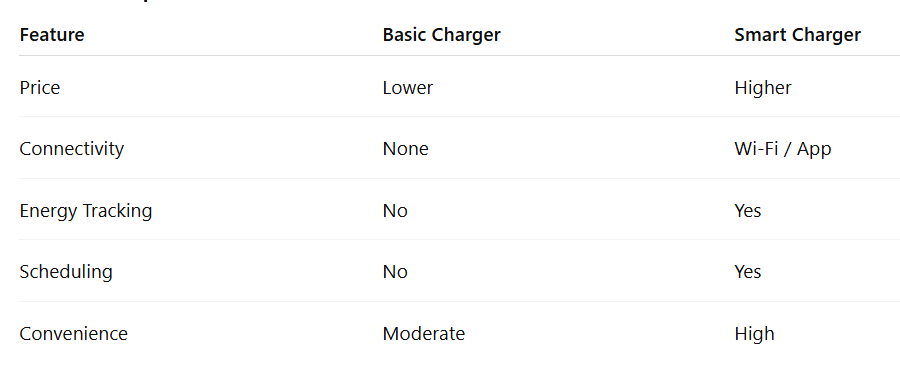
Smart vs Basic Chargers
Not all chargers offer the same features. Some are simple. Others come with advanced controls.
Basic chargers:
-
Plug and charge
-
No internet connection
-
Lower upfront cost
Smart chargers:
-
Wi-Fi or Bluetooth connectivity
-
Mobile app control
-
Energy usage tracking
-
Scheduled charging (helpful for off-peak rates)
Smart chargers cost more, but they offer better long-term value. Many Florida homeowners prefer them because they provide more control and efficiency.
Hardwired vs Plug-In Chargers
You also need to choose how the charger connects to your home.
Plug-in chargers:
-
Connect to a 240V outlet (like a dryer outlet)
-
Easier to install
-
Can be removed or replaced easily
Hardwired chargers:
-
Directly connected to your electrical system
-
Cleaner look with no visible plug
-
Often required for higher power output
Hardwired units may cost more to install, but they are more permanent and can support faster charging speeds.
Choosing the Right Charger for Your Home
When selecting a charger, think about your daily needs.
Ask yourself:
-
How far do I drive each day?
-
Do I want smart features?
-
Will I upgrade to another EV later?
For most homeowners, a mid-range smart charger offers the best value. It provides flexibility without pushing costs too high.
Quick Comparison Table
Equipment Cost vs Installation Cost
It’s important to keep this in mind: The charger itself is only part of the total cost.
In many cases:
-
Equipment = 30%–40% of total cost
-
Installation = 60%–70% of total cost
That means choosing a slightly better charger will not drastically change your overall budget. A well-chosen charger can improve your daily routine and future-proof your home.
Electrical Requirements for Level 2 Charger Installation
240V Circuit Installation Explained
A Level 2 EV charger needs a 240-volt circuit to operate. This is different from standard outlets in your home, which use 120 volts. The 240V circuit provides more power. That is why charging is much faster.
For safe operation, the charger must be connected to a dedicated circuit. This means the circuit is used only for the EV charger. It does not share power with other appliances.
A typical setup includes:
-
A double-pole breaker in your electrical panel
-
Proper gauge wiring based on charger capacity
-
A dedicated line running directly to the charger
Most chargers use 30 to 60 amps, depending on the model. The higher the amperage, the faster the charging speed.
Panel Load Capacity and Safety
Your electrical panel must have enough capacity to handle the new load. Every home has a limit on how much electricity it can safely use at one time. Adding an EV charger increases that demand. An electrician will perform a load calculation. This determines if your panel can support the charger without overloading.
Here’s what they typically check:
-
Current panel rating (100A, 150A, 200A)
-
Existing appliances and usage
-
Available breaker space
If your panel is already near capacity, you may need:
-
A panel upgrade
-
A subpanel
-
Load management devices
Safety is critical here. Overloading a panel can lead to breaker trips or even fire risks. That is why professional evaluation is always recommended.
Subpanels and Load Management Devices
If a full panel upgrade is too expensive, there are alternatives.
- Subpanels allow you to expand your electrical system without replacing the main panel. They are useful when you need additional circuits.
- Load management devices are another option. These systems balance power usage in your home. They ensure the EV charger only draws power when capacity is available.
Benefits of these solutions:
-
Lower upfront cost compared to full upgrades
-
Faster installation
-
Improved energy efficiency
However, not every home qualifies for these options. A licensed electrician can recommend the best approach based on your setup.
Breaker Size and Wiring Requirements
The size of your breaker and wiring must match the charger’s power rating.
For example:
-
A 40-amp charger typically requires a 50-amp breaker
-
A 48-amp charger often requires a 60-amp breaker
Using the correct wire size is just as important. Undersized wiring can overheat and become dangerous.
Common wire types used include:
-
Copper wiring for better conductivity
-
Weather-resistant materials for outdoor setups
These technical details may seem small, but they play a big role in safety and performance.
Indoor vs Outdoor Electrical Considerations
Florida homes often require outdoor installations. This adds a few extra requirements.
Outdoor setups may need:
-
Weatherproof conduit
-
GFCI protection (ground fault protection)
-
Proper sealing against moisture and humidity
Indoor garage installations are simpler. They usually require fewer materials and less labor. Still, both setups must meet electrical codes and safety standards.
Why Professional Installation Matters
Electrical work is not something to take lightly.
A licensed electrician ensures:
-
Code compliance
-
Safe wiring and connections
-
Proper breaker sizing
-
Reliable long-term performance
In Florida, most areas require inspections after installation. A professional will handle permits and make sure everything passes. Understanding these requirements helps you avoid surprises. It also ensures your charger runs safely and efficiently.
Permits, Codes, and Regulations in Florida
Do You Need a Permit for EV Charger Installation?
In most parts of Florida, the answer is yes.
Installing a Level 2 EV charger is not treated like a simple appliance upgrade. It involves electrical work that must meet safety standards. Because of this, local authorities usually require a permit before installation begins.
A permit ensures:
-
The work follows electrical codes
-
The installation is safe for your home
-
The system is properly inspected
Permit costs are generally affordable. Most homeowners pay between $50 and $300, depending on the county.
Skipping a permit may seem like a way to save money. However, it can lead to fines, failed inspections, or issues when selling your home later.
Florida Electrical Code Requirements
Florida follows the National Electrical Code (NEC) with state-specific updates. This code outlines how electrical systems should be installed and maintained.
For EV charger installations, key requirements include:
-
A dedicated 240V circuit
-
Proper breaker sizing
-
Ground fault protection (GFCI in many cases)
-
Correct wire sizing and insulation
These rules are in place to prevent overheating, electrical faults, and safety hazards. Working with a licensed electrician ensures your installation meets all required standards. It also reduces the risk of future issues.
Inspection Process Explained
After installation, most Florida counties require a final inspection.
Here’s how the process typically works:
-
The permit is approved before work begins
-
Installation is completed by a licensed electrician
-
The inspector visits the property
-
The system is checked for code compliance
-
Approval is granted
If everything meets code, your charger is cleared for use. If not, corrections may be required before approval. Inspections add a small step to the process, but they provide peace of mind that everything is installed correctly.
HOA and Community Rules
If you live in a neighborhood with a Homeowners Association (HOA), there may be additional guidelines.
Some HOAs require:
-
Approval before installation
-
Specific placement of the charger
-
Restrictions on visible exterior equipment
Florida law generally supports EV charger installations. However, HOA rules can still influence how and where you install the unit. It’s always best to check with your HOA before starting the project.
Utility Company Considerations
Your local utility provider may also play a role in your installation.
In Florida, companies like Florida Power & Light (FPL) may:
-
Offer rebates or incentives
-
Provide time-of-use electricity plans
-
Require notification for higher electrical loads
Switching to an off-peak charging schedule can help reduce your monthly energy costs. Many smart chargers make this easy to manage.
Why Following Local Regulations Matters
It may feel like extra paperwork, but permits and codes serve an important purpose.
They help:
-
Protect your home and family
-
Ensure long-term system reliability
-
Avoid legal or financial issues
A properly permitted installation also adds value to your home. Buyers are more confident when electrical upgrades are documented and approved. Getting the legal side right is just as important as the installation itself.
EV Charger Rebates, Tax Credits, and Incentives (Florida 2026)
Federal Tax Credit (30% Up to $1,000)
One of the biggest ways to reduce your installation cost is through the federal tax credit. Homeowners may qualify for a credit covering 30% of the total installation cost, up to $1,000. This includes both equipment and labor.
To qualify, you typically need:
-
A primary residence in the U.S.
-
Installation in an eligible location
-
Proper documentation and receipts
For example:
-
If your total cost is $2,500 → you could get $750 back
-
If your total cost is $4,000 → you could get the max $1,000 credit
This credit directly lowers your tax liability, making it one of the most valuable incentives available.
Utility Incentives in Florida
In addition to federal savings, some Florida utility companies offer incentives.
Programs vary by provider, but they may include:
-
Rebates for installing EV chargers
-
Reduced electricity rates during off-peak hours
-
Special EV charging plans
For example, utility providers like Florida Power & Light (FPL) may offer programs that help lower long-term charging costs. Even if upfront rebates are limited, time-of-use plans can make a big difference. Charging your EV at night, when rates are lower, can reduce your monthly energy bill.
Local and City-Based Incentives
Some cities and counties in Florida occasionally offer additional programs.
These may include:
-
Local rebates for EV infrastructure
-
Grants for energy-efficient upgrades
-
Pilot programs for residential charging
Availability depends on your location. These programs can change over time, so it’s important to check current offerings before installation.
How to Maximize Your Savings
Getting the most value from incentives requires a bit of planning.
Here are a few simple tips:
-
Combine incentives: Use federal tax credits along with any local or utility programs
-
Keep all receipts and documentation: This is required when claiming tax credits
-
Install a smart charger: Helps you take advantage of off-peak energy rates
-
Schedule installation strategically: Some incentives have deadlines or limited funding
Example Cost After Incentives
Here’s how incentives can impact your total cost:
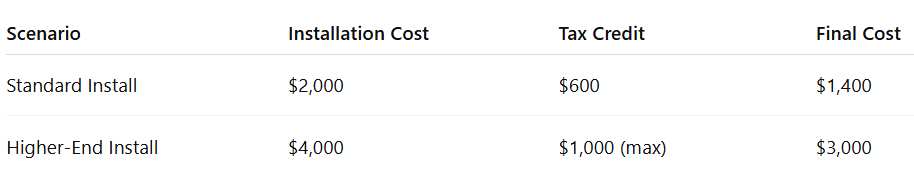
As you can see, incentives can reduce your cost by hundreds or even thousands of dollars.
Why Incentives Matter
Without incentives, EV charger installation may feel like a large upfront expense. With them, the cost becomes much more manageable. Over time, you also save on fuel costs compared to gas vehicles. That adds even more value. Planning your installation with incentives in mind can make a big difference in your total investment.
Residential vs Commercial Level 2 Charger Costs
Home Installation Costs
Residential installations are the most common and the most affordable.
In a typical home setup, you are installing:
-
One charger
-
A single dedicated circuit
-
Minimal infrastructure changes
Because of this, the process is straightforward. It usually takes a few hours to complete.
Typical residential cost:
-
$800 – $3,000 (most common range)
-
Up to $5,500+ for complex cases
These installations are designed for daily convenience. You plug in at home, charge overnight, and start your day with a full battery.
Commercial Installation Costs
Commercial EV charger installations are very different. They are larger, more complex, and built to serve multiple users.
These projects may include:
-
Multiple charging stations
-
Higher power demand
-
Dedicated electrical infrastructure
-
Parking layout planning
Because of this, costs increase significantly.
Typical commercial cost:
-
$5,000 – $15,000 for small setups
-
$20,000 – $50,000+ for larger projects
Additional costs may include:
-
Trenching and conduit work
-
ADA compliance requirements
-
Networked charging systems
-
Ongoing maintenance and software
Commercial setups are often used in:
-
Office buildings
-
Apartment complexes
-
Retail centers
-
Public charging stations
Key Differences Between Residential and Commercial Installations
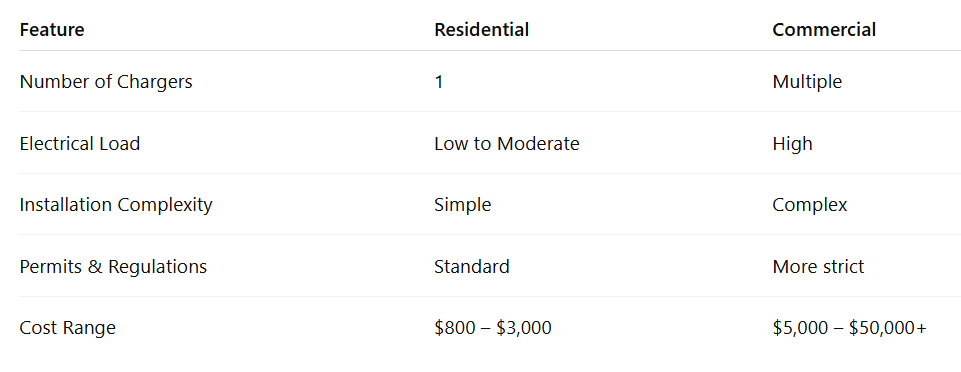
Why Commercial Costs Are Higher
There are a few key reasons why commercial installations cost more:
-
Higher power requirements: Multiple chargers require stronger electrical systems
-
Infrastructure upgrades: Transformers, panels, and wiring may need upgrades
-
Design and planning: Layout, accessibility, and user flow must be considered
-
Compliance requirements: ADA and safety regulations add complexity
Which One Applies to You?
If you are a homeowner, your project will almost always fall under residential installation. This keeps costs manageable and the process simple.
However, if you:
-
Own rental properties
-
Manage commercial buildings
-
Plan to offer public charging
Then a commercial setup may be worth considering.
Long-Term Value Comparison
Residential installations focus on convenience and savings. You reduce fuel costs and improve daily charging habits. Commercial installations, on the other hand, can generate revenue. Businesses may charge users or attract customers by offering EV charging. Both options provide value, but they serve different goals.
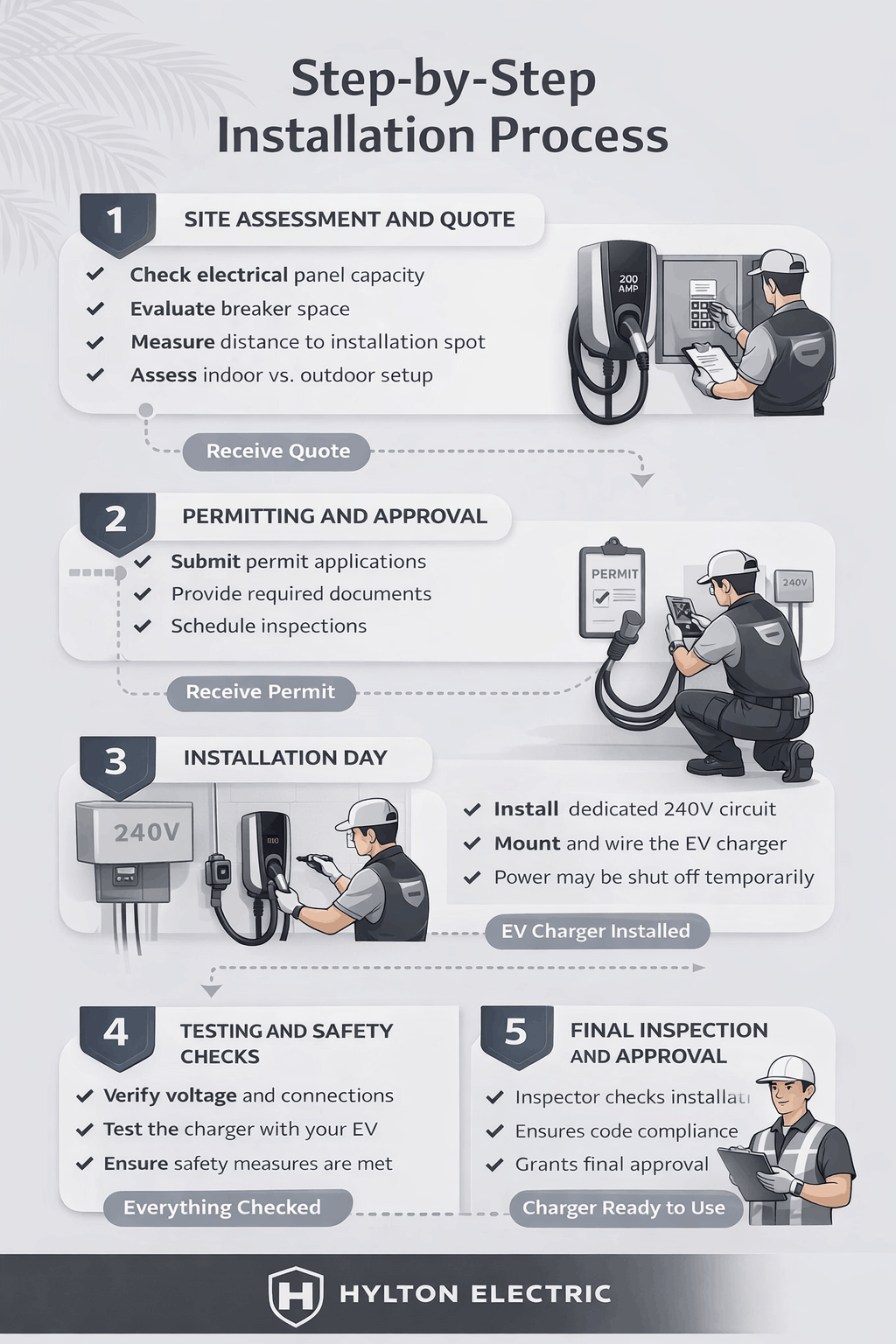
Step-by-Step Installation Process
Site Assessment and Quote
Every installation starts with a professional assessment. A licensed electrician will visit your home to evaluate:
-
Electrical panel capacity
-
Available breaker space
-
Distance to the installation location
-
Indoor or outdoor setup requirements
They may also ask about your EV model and charging needs. This helps determine the right charger size and setup. After the assessment, you’ll receive a detailed quote. It should include:
-
Equipment cost
-
Labor charges
-
Permit fees
-
Any recommended upgrades
This step is important because it prevents unexpected costs later.
Permitting and Approval
Once you approve the quote, the next step is permitting. Your electrician usually handles this process. They will:
-
Submit permit applications
-
Provide required documentation
-
Schedule inspections if needed
Approval times vary by location. Some permits are issued quickly, while others may take a few days. Although this step adds time, it ensures your installation meets all safety and legal requirements.
Installation Day
On installation day, the work begins.
The electrician will:
-
Install a dedicated 240V circuit
-
Run wiring from the panel to the charger location
-
Mount the charger securely
-
Connect all electrical components
For simple installations, this process may take 2 to 4 hours. More complex setups can take a full day. During this stage, power may be temporarily shut off for safety.
Testing and Safety Checks
After installation, the system is tested.
This includes:
-
Verifying proper voltage and connections
-
Testing the charger with your EV
-
Checking breaker performance
-
Ensuring all safety measures are in place
These checks confirm that everything is working correctly before final approval.
Final Inspection and Approval
If a permit is required, a final inspection will be scheduled.
An inspector will:
-
Review the installation
-
Check for code compliance
-
Approve or request adjustments
Once approved, your charger is officially ready for use.
What to Expect After Installation
After everything is complete:
-
You can start charging immediately
-
Smart chargers can be set up through mobile apps
-
You can monitor energy usage and schedule charging
Most homeowners quickly adjust to the new routine. Charging at home becomes simple and convenient.
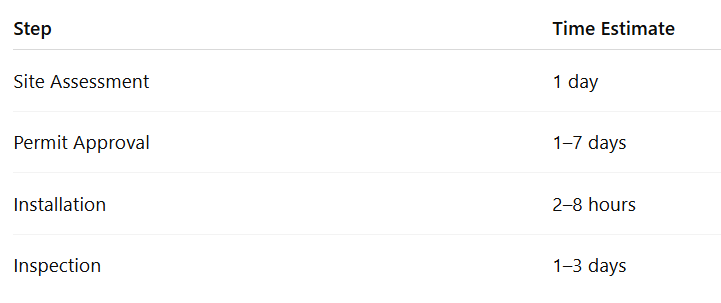
Timeline Overview
Here’s a quick look at how long the process typically takes:
Why a Professional Process Matters
A structured installation process ensures:
-
Safety
-
Code compliance
-
Reliable performance
-
Long-term durability
Skipping steps or rushing the process can lead to issues later. That’s why working with experienced electricians makes a big difference.
Common Mistakes That Increase Installation Costs
Skipping Panel Inspection
One of the most common mistakes is assuming your electrical panel can handle a Level 2 charger. Many homeowners move forward without checking capacity. Later, they discover the panel needs an upgrade. This adds unexpected costs and delays. A simple inspection up front can prevent this.
It helps:
-
Identify available capacity
-
Avoid mid-project changes
-
Provide a more accurate estimate
Choosing the Wrong Charger Location
Location plays a big role in cost.
Placing the charger far from the electrical panel increases:
-
Wiring length
-
Labor time
-
Material costs
For example, installing the charger on the opposite side of the house may seem convenient. However, it can add hundreds of dollars to the total cost.
A better approach is to:
-
Install close to the panel when possible
-
Choose a location that balances convenience and cost
Hiring Unlicensed Electricians
Trying to save money by hiring an unlicensed electrician can lead to bigger problems.
Improper installation may result in:
-
Failed inspections
-
Safety hazards
-
Voided warranties
-
Costly repairs later
In Florida, most EV charger installations require permits and inspections. Licensed electricians understand local codes and ensure everything is done correctly. Paying for quality work upfront often saves money in the long run.
Ignoring Future EV Needs
Some homeowners install a charger that only meets their current needs. Later, they upgrade to a new EV or add a second vehicle. The existing setup may not be sufficient.
This can lead to:
-
Additional upgrades
-
Rewiring
-
Higher long-term costs
It’s smarter to plan ahead.
Consider:
-
Installing a higher-capacity circuit
-
Choosing a charger that supports faster charging
-
Preparing for multiple EVs if needed
Overlooking Permit Requirements
Skipping permits might seem like a shortcut, but it can create serious issues.
Without permits:
-
Work may not meet code
-
You could face fines
-
Selling your home becomes more complicated
If an inspector flags unpermitted work, you may need to redo the installation. Following proper procedures from the start avoids these risks.
Underestimating Total Project Cost
Some homeowners focus only on the charger price and overlook installation costs.
In reality:
-
Installation often costs more than the equipment
-
Electrical upgrades can add significantly to the total
A full estimate should include:
-
Labor
-
Materials
-
Permits
-
Possible upgrades
This gives you a realistic budget and prevents surprises.
Not Considering Energy Usage
Charging an EV increases your electricity usage. If you do not plan for this, you may notice higher utility bills.
Simple solutions include:
-
Using off-peak charging times
-
Installing a smart charger
-
Monitoring energy usage
These steps help keep operating costs under control.
How to Avoid These Mistakes
A few simple steps can make the process smoother:
-
Get a professional assessment before starting
-
Choose the right location for installation
-
Hire a licensed electrician
-
Plan for future EV needs
-
Follow all permit and code requirements
Avoiding these mistakes can save you time, money, and frustration.
How to Reduce EV Charger Installation Costs
Install Close to the Electrical Panel
One of the easiest ways to lower your costs is by choosing the right location. The closer your charger is to the electrical panel, the less wiring and labor are required. This can save a few hundred dollars right away.
If possible:
-
Use your garage wall near the panel
-
Avoid long wiring paths across the house
A short, direct setup is always more cost-effective.
Choose the Right Charger Size
Not every home needs the fastest or most powerful charger. A mid-range Level 2 charger is enough for most drivers. It provides reliable overnight charging without increasing installation complexity.
Going too large may:
-
Require higher-capacity wiring
-
Increase installation costs
-
Add unnecessary expense
Match the charger to your daily driving needs.
Take Advantage of Incentives
Incentives can significantly reduce your final cost.
Make sure to:
-
Claim the federal tax credit
-
Check local utility programs
-
Look for city or county rebates
These savings can bring down your total by hundreds or even thousands of dollars.
Bundle Electrical Work Projects
If you are planning other electrical upgrades, combine them with your EV charger installation.
For example:
-
Panel upgrades
-
Adding new circuits
-
Installing backup power systems
Bundling projects reduces labor costs and avoids multiple service visits.
Get Multiple Quotes
Prices can vary between electricians.
Getting 2–3 quotes helps you:
-
Compare pricing
-
Understand scope differences
-
Choose the best value
Just make sure all quotes include permits and follow the same standards.
Is Installing a Level 2 Charger Worth It in Florida?
Cost vs Long-Term Savings
While installation has an upfront cost, the long-term savings are clear. Charging at home is cheaper than using public stations or buying gas. Over time, this adds up.
Many homeowners recover installation costs through:
-
Lower fuel expenses
-
Reduced maintenance costs
Convenience and Time Savings
Convenience is one of the biggest benefits.
Instead of visiting gas stations or public chargers, you:
-
Plug in at home
-
Charge overnight
-
Start each day with a full battery
This saves time and simplifies your routine.
Impact on Property Value
EV-ready homes are becoming more attractive to buyers. As EV adoption grows, having a Level 2 charger can:
-
Increase property appeal
-
Future-proof your home
-
Set your home apart in the market
It is a practical upgrade with long-term value.
Why Hiring a Licensed Florida Electrician Matters
Safety and Code Compliance
A licensed electrician ensures your installation meets all safety standards.
They handle:
-
Proper wiring
-
Breaker sizing
-
Grounding and protection
This reduces the risk of electrical issues.
Warranty Protection
Many EV charger manufacturers require professional installation.
Hiring a licensed electrician helps:
-
Protect your equipment warranty
-
Ensure proper documentation
Local Expertise in Florida Conditions
Florida’s environment presents unique challenges.
A local electrician understands:
-
Heat and humidity impacts
-
Outdoor installation requirements
-
Local permitting rules
This ensures your system is built to last.
Final Thoughts: Planning Your EV Charger Installation in Florida
Budget Planning Tips
Start with a realistic budget. Most homeowners spend between $1,500 and $3,000. However, your cost depends on your home’s setup.
Plan for:
-
Equipment
-
Labor
-
Permits
-
Possible upgrades
When to Install
The best time to install is:
-
Soon after purchasing your EV
-
During other electrical upgrades
-
When incentives are available
Planning ahead can save both time and money.
Getting a Professional Quote
The final step is simple—get a professional assessment.
A qualified electrician will:
-
Evaluate your home
-
Recommend the right setup
-
Provide an accurate estimate
This removes guesswork and helps you move forward with confidence.
FAQs About Level 2 EV Charger Installation Cost in Florida
How much does it cost to install a Level 2 EV charger in Florida?
The cost of installing a Level 2 EV charger in Florida usually falls between $1,500 and $3,000 for most homes. However, the final price depends on your electrical setup and installation complexity.
Key factors that affect cost include:
-
Distance from the electrical panel
-
Panel capacity and upgrades
-
Indoor vs outdoor installation
-
Permit and inspection fees
For example, a simple setup near the panel may cost under $1,500. On the other hand, older homes that require panel upgrades or long wiring runs can exceed $4,000.
The best way to get an accurate estimate is to have a licensed electrician evaluate your home.
Do I need a permit to install a Level 2 EV charger in Florida?
Yes, most Florida counties require a permit for EV charger installation. This is because the work involves adding a high-voltage circuit to your home.
Permits ensure:
-
The installation meets electrical safety codes
-
Proper inspections are completed
-
Your home remains compliant for resale
Permit costs typically range from $50 to $300, depending on your location.
Skipping permits may seem faster, but it can lead to:
-
Fines or penalties
-
Failed inspections
-
Issues when selling your home
A licensed electrician will usually handle the permit process for you, making it simple and stress-free.
Do I need to upgrade my electrical panel for a Level 2 charger?
Not always. Many newer homes already have enough capacity to support a Level 2 charger. However, older homes may need upgrades.
You may need a panel upgrade if:
-
Your panel is only 100 amps
-
There is no available breaker space
-
Your home already uses high electrical loads
In such cases, upgrading to a 200-amp panel is common. This can add $1,500 to $2,500+ to your total cost. An electrician will perform a load calculation to determine if your panel can safely handle the added demand.
How long does it take to install a Level 2 EV charger?
Most Level 2 charger installations are completed within a few hours. However, the total timeline depends on several steps.
Typical timeline:
-
Site assessment: same day or next day
-
Permit approval: 1–7 days
-
Installation: 2–6 hours
-
Inspection (if required): 1–3 days
Simple installations can often be completed in a single day. More complex projects, especially those involving panel upgrades, may take longer. Working with an experienced electrician helps keep the process efficient and avoids delays.
Can I install a Level 2 EV charger myself?
It is not recommended to install a Level 2 charger yourself. The process involves high-voltage electrical work that must meet strict safety codes.
Risks of DIY installation include:
-
Electrical hazards or fire risks
-
Incorrect wiring or breaker sizing
-
Failed inspections
-
Voided manufacturer warranty
In Florida, most installations require permits and inspections, which typically must be handled by a licensed electrician. Hiring a professional ensures the job is done safely, correctly, and in compliance with all local regulations.
What factors increase the cost of EV charger installation?
Several factors can raise the overall installation cost. Understanding them can help you plan better.
Common cost drivers include:
-
Long distance between panel and charger
-
Electrical panel upgrades
-
Outdoor installation requirements
-
Trenching or running wires through walls
-
Smart charger features
For example, installing a charger far from the panel can significantly increase labor and material costs. Keeping the setup simple and close to your existing electrical system is one of the best ways to control expenses.
Is a Level 2 EV charger worth it for home use?
Yes, for most EV owners, a Level 2 charger is worth the investment. It offers faster charging and greater convenience compared to a standard outlet.
Benefits include:
-
Full charge overnight
-
Reduced reliance on public charging stations
-
Lower long-term fueling costs
-
Increased home value
While the upfront cost may seem high, the long-term savings and convenience often outweigh it. For daily drivers in Florida, a Level 2 charger quickly becomes an essential part of owning an electric vehicle.
Will installing an EV charger increase my electricity bill?
Yes, your electricity usage will increase, but the cost is usually manageable. Charging an EV is still cheaper than buying gasoline.
Ways to reduce costs include:
-
Charging during off-peak hours
-
Using a smart charger for scheduling
-
Monitoring energy usage
For many homeowners, the monthly increase is modest compared to fuel savings. In fact, over time, EV owners often spend less on energy than they would on gas, making it a cost-effective option overall.
What is the best location to install a Level 2 charger at home?
The best location balances convenience and cost.
Ideally, the charger should be:
-
Close to the electrical panel
-
Near your primary parking spot
-
Protected from extreme weather
Garage installations are usually the easiest and most affordable. Outdoor installations are also common in Florida but may require additional weatherproofing. Choosing the right location can reduce installation costs and improve daily usability.
Are there any rebates or tax credits available for EV charger installation?
Yes, homeowners may qualify for incentives that reduce installation costs.
The most common is the federal tax credit, which covers:
-
30% of the total installation cost
-
Up to $1,000 maximum
Additional savings may come from:
-
Utility company programs
-
Time-of-use electricity rates
-
Local incentives (varies by area)
These programs can significantly lower your upfront investment. Be sure to keep all receipts and documentation, as they are required when claiming tax credits.
Leave a Reply