
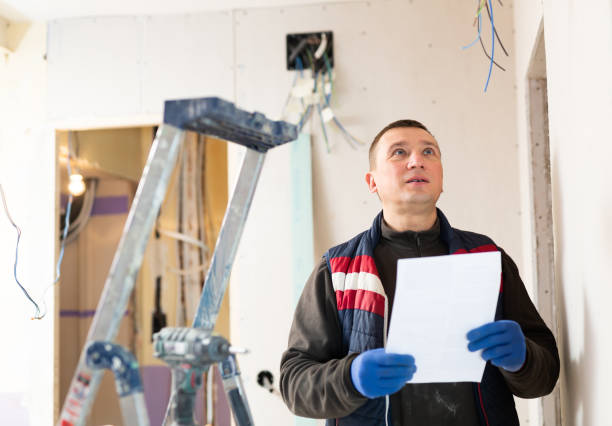
Building a new home in Florida comes with many decisions, but electrical planning is one of the most critical. A new home construction electrical checklist ensures every system is safe, code-compliant, and built for long-term performance. Florida homes face unique challenges, including high humidity, frequent storms, and lightning exposure. These factors make proper electrical design more important than in many other states.
A well-planned electrical system goes beyond wiring and outlets. It includes load calculations, surge protection, smart home readiness, and future expansion. Missing key steps during construction can lead to costly fixes later. Worse, it can create safety risks that are hard to detect until problems arise.
This guide walks through a practical, step-by-step checklist tailored for Florida homes. It is designed for homeowners, contractors, and property developers who want clarity and confidence during construction. By following this checklist, you can avoid common mistakes and ensure your home is built to last.
What Is a New Home Construction Electrical Checklist
A new home construction electrical checklist is a structured plan that outlines every electrical component required during a home build. It covers everything from initial design to final inspection. The goal is simple: ensure nothing is missed, and every system meets safety and code standards.
In Florida, this checklist becomes even more important. The environment puts extra stress on electrical systems. Moisture can damage wiring, while lightning increases the risk of surges. Without proper planning, these risks can lead to system failures or safety hazards.
This checklist also acts as a communication tool. Builders, electricians, and inspectors rely on it to stay aligned. Each stage of construction depends on the previous one being done correctly. For example, improper rough-in wiring can delay inspections or require rework before drywall installation.
Another key benefit is cost control. When electrical planning is done early, you avoid last-minute changes. These changes are often expensive and can slow down the entire project. A clear checklist keeps the project on schedule and within budget.
Finally, it helps future-proof your home. Modern homes require more power than ever. From EV chargers to smart devices, electrical demand continues to grow. A checklist ensures your system can handle both current and future needs without upgrades.
Florida Electrical Code Requirements You Must Know
Florida follows the National Electrical Code (NEC), but local jurisdictions may add their own requirements. Understanding these rules early helps avoid delays and ensures your home passes inspections the first time.
Every new home must go through multiple inspections. These typically include rough-in inspections and final inspections. Inspectors check wiring, grounding, panel installation, and safety devices. If anything does not meet code, it must be corrected before moving forward.
One of the most important requirements in Florida is GFCI and AFCI protection. GFCIs are required in areas exposed to moisture, such as kitchens, bathrooms, garages, and outdoor spaces. AFCIs are required in living areas to prevent electrical fires caused by arc faults.
Surge protection is also becoming standard. Due to Florida’s high lightning activity, many jurisdictions require whole-home surge protection systems. These systems protect appliances and electronics from voltage spikes.
Grounding and bonding are critical as well. Proper grounding ensures that excess electricity is safely directed away from the home. Without it, electrical faults can become dangerous.
Key checklist takeaway: Ensure permits, inspections, GFCI/AFCI protection, surge protection, and grounding systems are fully compliant before final approval.
Working with a licensed electrician is essential. They understand both NEC standards and local Florida codes. This reduces the risk of failed inspections and ensures your system is safe and reliable.
Pre-Construction Electrical Planning Checklist
Electrical planning starts long before any wires are installed. This stage sets the foundation for the entire system. Skipping or rushing this step often leads to problems later in the project.
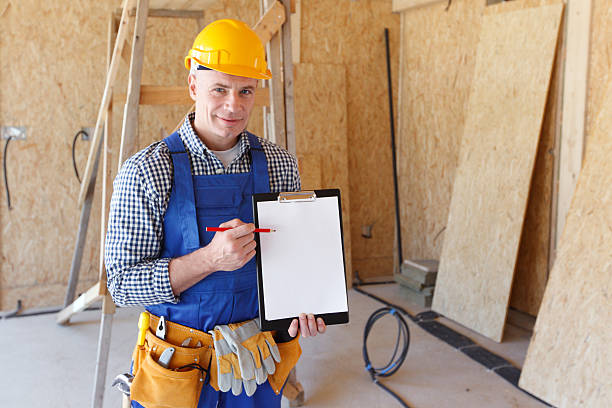
Load Calculation & Panel Planning
Load calculation determines how much power your home will need. This includes lighting, appliances, HVAC systems, and future additions. Most modern homes require at least a 200-amp service, but larger homes may need 300 or 400 amps.
Planning for future needs is just as important. If you expect to install an EV charger or backup generator, your panel must support it. Upgrading later can be expensive and disruptive.
Electrical Layout Design
A detailed layout ensures every room has proper power access. This includes outlet placement, lighting design, and switch locations. Poor planning can lead to inconvenient layouts, such as too few outlets or poorly placed switches.
Consider the following during layout design:
-
Outlet spacing based on NEC requirements
-
Dedicated circuits for major appliances
-
Outdoor lighting and security systems
-
Smart home wiring and automation systems
Lighting design also plays a key role. Layered lighting, including ambient, task, and accent lighting, improves both function and aesthetics.
Permit & Utility Coordination
Before construction begins, permits must be secured. This ensures your project meets local regulations. Utility coordination is also required to connect your home to the power grid.
Delays in permits or utility setup can slow down the entire project. Early coordination helps avoid these issues and keeps construction on track.
Rough-In Electrical Checklist (Framing Stage)
The rough-in stage is where the electrical system begins to take shape. This happens after framing but before drywall installation. At this point, wires, boxes, and conduits are installed throughout the home.
Wiring Installation
Proper wiring is essential for safety and performance. In Florida, moisture resistance is a key factor. Electricians often use materials designed to withstand humidity and heat.
Wires must be secured correctly and routed through framing members. They should also be protected from damage during construction. Any exposed wiring can fail inspection and require repairs.
Outlet & Switch Placement
Outlets and switches must follow strict spacing rules. These rules ensure convenience and reduce the need for extension cords, which can be a fire hazard.
Key placement guidelines include:
-
Outlets every 6–12 feet in living spaces
-
GFCI outlets in wet or outdoor areas
-
Dedicated circuits for kitchens and bathrooms
Switch placement should also be consistent and easy to access. Poor placement can make everyday use inconvenient.
Safety Systems
Safety devices are installed during the rough-in stage. These include smoke detectors and carbon monoxide detectors. In most cases, they must be hardwired with battery backup.
These systems are critical for early warning in case of fire or gas leaks. Proper placement ensures they function effectively throughout the home.
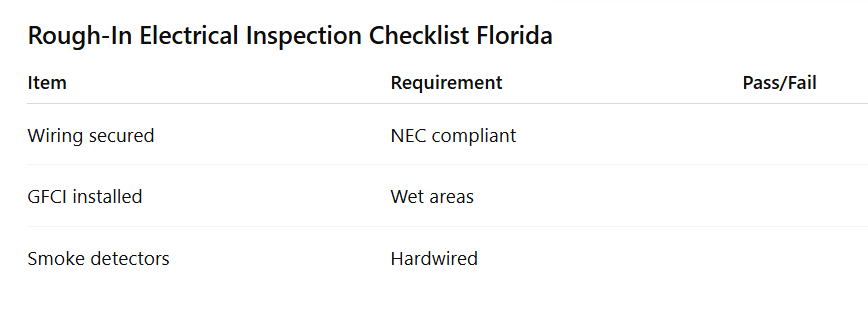
This stage is one of the most important in the entire construction process. Once drywall is installed, accessing wiring becomes difficult. That is why inspections at this stage are strict and detailed.
A successful rough-in inspection means your project can move forward without delays. It also ensures your electrical system is built on a solid foundation.
Final Electrical Installation Checklist
Once rough-in work passes inspection, the project moves into the final installation phase. This stage brings the system to life. Every component is connected, tested, and prepared for final approval. Attention to detail is critical here because even small errors can lead to failed inspections or long-term issues.
Panel Installation
The electrical panel is the control center of your home. It must be installed correctly and labeled clearly. Each circuit should be identified so future maintenance is simple and safe.
A properly installed panel includes:
-
Correct breaker sizing for each circuit
-
Clear and accurate circuit labeling
-
Secure mounting and proper spacing
-
Main disconnect accessibility
In Florida homes, panels should also support surge protection systems. Many modern panels include built-in surge options, which help protect appliances and electronics from lightning-related damage.
Fixtures & Devices
At this stage, all visible electrical components are installed. This includes outlets, switches, lighting fixtures, and appliances. Each device must be tested to ensure it functions correctly.
Installers should check:
-
Proper voltage at outlets
-
Secure mounting of switches and fixtures
-
Correct polarity and grounding
-
Smooth operation of dimmers and controls
Lighting installation is also finalized here. This includes indoor fixtures, outdoor lighting, and landscape lighting systems. Proper placement improves both safety and visual appeal.
Grounding & Bonding
Grounding protects your home from electrical faults. Bonding ensures all metal components are connected safely. These systems work together to reduce the risk of shocks and fires.
Key elements include:
-
Ground rods installed to code
-
Bonding of water pipes and metal systems
-
Continuous grounding path to the panel
In Florida, proper grounding is especially important due to frequent lightning activity. Without it, surge damage can be severe. A final inspection will confirm that all systems meet code requirements. Once approved, the home is ready for occupancy.
Florida-Specific Electrical Upgrades to Include
New construction is the best time to add upgrades that improve safety, efficiency, and convenience. These upgrades are often harder and more expensive to install after construction is complete.
One of the most important upgrades in Florida is whole-home surge protection. Frequent lightning storms make surge protection essential. It helps prevent damage to appliances, electronics, and HVAC systems.
Backup generators are another valuable addition. Power outages are common during storms and hurricanes. A generator ensures your home remains functional during outages, keeping essential systems running.
EV charger readiness is also becoming standard. Even if you do not own an electric vehicle yet, preparing for one now can save time and money later. This includes installing dedicated circuits and planning panel capacity.
Energy-efficient lighting is another smart upgrade. LED lighting reduces energy consumption and lasts longer than traditional bulbs. It also generates less heat, which is beneficial in Florida’s warm climate.
These upgrades not only improve daily living but also increase property value. They make your home more attractive to future buyers and reduce long-term operating costs.
Cost Breakdown for New Home Electrical in Florida
Electrical costs in Florida vary based on home size, design complexity, and material choices. Understanding these costs helps you budget effectively and avoid surprises during construction.
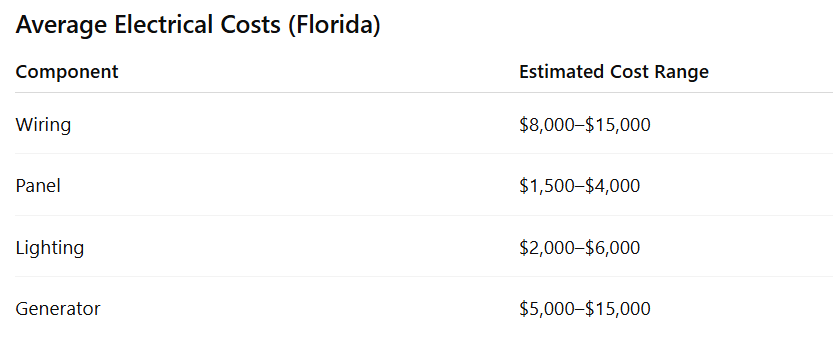
These ranges reflect average residential projects. Larger homes or custom designs may exceed these numbers.
Several factors influence the final cost. Home size is the biggest factor. More square footage means more wiring, outlets, and fixtures. The number of circuits and the complexity of the layout also play a role.
Material quality can also affect pricing. Higher-end fixtures and smart systems increase costs but offer better performance and longevity.
Labor costs vary depending on location and project complexity. In areas like Lakeland and Tampa, labor rates are competitive but can increase during peak construction seasons.
Another important factor is future-proofing. Adding capacity for EV chargers, generators, or smart systems may increase upfront costs. However, it reduces the need for expensive upgrades later.
Overall, investing in a well-designed electrical system provides long-term value. It improves safety, efficiency, and convenience while reducing maintenance costs.
Common Electrical Mistakes in New Construction
Even well-planned projects can run into issues if key details are overlooked. Understanding common mistakes helps you avoid costly problems and delays.
One of the most frequent mistakes is underestimating panel capacity. Many homeowners choose smaller panels to save money. However, this limits future upgrades and may require costly replacements later.
Poor outlet planning is another common issue. Too few outlets can make spaces inconvenient and lead to overuse of extension cords. This increases fire risk and reduces functionality.
Ignoring surge protection is a major oversight in Florida. Without it, homes are vulnerable to lightning-related damage. This can destroy appliances and sensitive electronics.
Another mistake is failing to plan for future needs. Technology is evolving rapidly, and homes require more power than ever. Skipping preparation for EV chargers or smart systems can lead to expensive retrofits.
Improper lighting design can also affect both function and aesthetics. Poor placement can create dark areas or uneven lighting.
Finally, hiring unqualified contractors can lead to code violations and failed inspections. This not only delays the project but also increases costs.
Avoiding these mistakes requires careful planning and working with experienced professionals. A strong checklist helps ensure nothing is overlooked.
Step-by-Step New Home Electrical Process
Understanding the full process helps you stay informed and prepared during construction. Each step builds on the previous one, so accuracy is essential at every stage.
-
Design & Planning: Develop electrical layout, load calculations, and system requirements.
-
Permits & Approvals: Submit plans and obtain necessary permits from local authorities.
-
Rough-In Wiring: Install wiring, boxes, and safety systems before drywall.
-
Inspection (Rough-In): Verify wiring meets code before proceeding.
-
Final Installation: Install panel, fixtures, outlets, and switches.
-
Final Inspection: Ensure full system compliance and approve for occupancy.
Each step requires coordination between builders, electricians, and inspectors. Delays in one phase can affect the entire project timeline.
When to Hire a Licensed Electrician in Florida
Hiring a licensed electrician is not just recommended—it is required for most electrical work in Florida. Electrical systems are complex and involve serious safety risks if handled incorrectly.
Licensed electricians understand both national and local codes. They ensure your system meets all requirements and passes inspections without issues. This reduces delays and avoids costly rework.
Attempting DIY electrical work during construction can lead to serious problems. Improper wiring can cause fires, shocks, or system failures. It can also void insurance coverage if damage occurs.
Professional electricians also bring valuable experience. They can identify potential issues early and recommend solutions that improve safety and efficiency. This includes proper panel sizing, surge protection, and layout optimization.
Another benefit is reliability. Licensed professionals use quality materials and follow proven installation practices. This ensures your system performs well for years to come.
Working with a trusted electrical contractor also provides peace of mind. You know your home is built to safe standards and ready for future needs.
Need help planning your new home wiring? Call +1 863-624-7000 or email ray@hylton-electric.com. We offer free quotes for commercial and industrial projects across Lakeland, Polk County, and Tampa—serving residential needs too.
Real-World Example (Florida Home Build)
Consider a new home project in Polk County. The homeowner wanted a modern, energy-efficient system with room for future upgrades. Early planning focused on load capacity and layout design.
The electrician recommended a 200-amp panel with space for expansion. They also included surge protection and pre-wiring for an EV charger. Outdoor lighting was designed for both security and aesthetics.
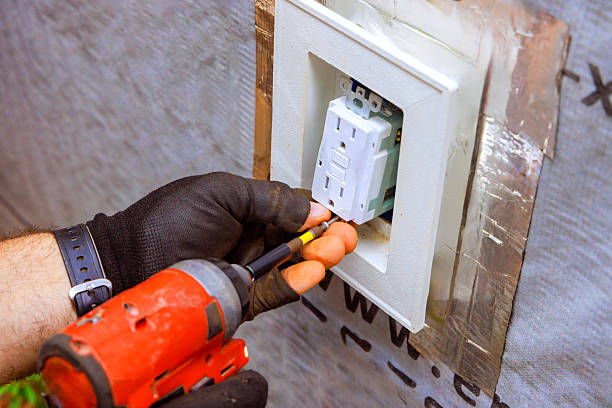
During the rough-in stage, the team ensured all wiring met Florida code requirements. GFCI outlets were installed in all required areas, and safety systems were properly positioned.
One challenge was integrating smart home features without increasing complexity. The solution was a centralized control system that simplified operation while maintaining flexibility.
The final installation included LED lighting, a backup generator connection, and a fully labeled panel. The project passed inspection on the first attempt, avoiding delays.
The result was a reliable, efficient electrical system built for long-term use. The homeowner gained peace of mind knowing their home was prepared for Florida’s unique conditions.
Future Trends in New Home Electrical Systems
Electrical systems in new homes are evolving fast. Florida homeowners are no longer focused only on basic wiring. They want smarter, more efficient, and more resilient systems. Planning for these trends during construction helps avoid costly upgrades later.
Smart home integration is leading the shift. Many homeowners now install centralized control systems. These systems manage lighting, security, HVAC, and even appliances. With proper wiring during construction, these features work seamlessly and reliably.
Solar readiness is another growing trend. While not every home installs solar panels immediately, preparing for it during construction is a smart move. This includes conduit pathways, panel capacity, and roof planning. It reduces future installation costs and simplifies the process.
Energy efficiency is also a major focus. LED lighting, energy-efficient appliances, and advanced controls reduce power consumption. In Florida, this also helps manage cooling costs, which can be a large part of energy use.
EV charging infrastructure is quickly becoming standard. More homeowners are planning for electric vehicles, even if they do not own one yet. Installing a dedicated circuit during construction is simple and cost-effective.
Resilience is another key trend. With frequent storms and outages, homeowners want systems that can handle disruptions. Backup generators, battery storage, and surge protection are becoming essential features rather than optional upgrades.
These trends show that electrical systems are no longer just functional. They are a core part of how a home operates. Planning for them early ensures your home stays modern, efficient, and reliable.
Conclusion
A well-planned electrical system is one of the most important parts of any new home. Following a new home construction electrical checklist ensures every detail is covered, from design to final inspection. It helps prevent costly mistakes, improves safety, and ensures your home meets Florida’s strict code requirements.
By focusing on proper planning, code compliance, and future-proofing, you create a system that supports your home for years to come. Whether it is surge protection, panel capacity, or smart home readiness, each decision plays a role in long-term performance.
Working with experienced professionals makes a major difference. It ensures the job is done right the first time and reduces the risk of delays or failures. In Florida, where environmental factors add extra challenges, expert guidance is even more valuable.
In the end, a strong electrical plan is an investment. It protects your home, improves efficiency, and gives you confidence in your system every day.
Planning a new construction project? Reach out at +1 863-624-7000 or ray@hylton-electric.com. Free commercial/industrial quotes available in Lakeland, Polk County, and Tampa—reliable service for every property type.
FAQs About New Home Construction Electrical Checklist
What is included in a new home construction electrical checklist?
A new home construction electrical checklist covers every stage of the electrical system, from planning to final inspection. It ensures all components are installed correctly and meet safety standards. The checklist typically includes load calculations, panel sizing, wiring layout, outlet placement, and lighting design.
It also covers safety features such as GFCI and AFCI protection, grounding systems, and smoke detectors. Each phase of construction is included, including rough-in wiring, inspections, and final installation.
Using a checklist helps prevent missed steps and reduces the risk of costly errors. It also ensures compliance with Florida electrical codes, which are strict due to environmental factors like humidity and lightning. Overall, it acts as a roadmap for a safe and efficient electrical system.
How many outlets are required per room in Florida?
Florida follows the National Electrical Code for outlet placement. In most living areas, outlets must be installed so that no point along the wall is more than six feet from an outlet. This means outlets are typically spaced every 12 feet.
Specific rooms have additional requirements. Kitchens require outlets along countertops, including GFCI protection. Bathrooms must have at least one GFCI outlet near the sink. Outdoor areas and garages also require GFCI outlets.
These requirements are designed to reduce the need for extension cords, which can create fire hazards. Proper outlet placement also improves convenience and usability. Planning this during construction ensures your home meets code and functions efficiently.
Do I need surge protection in Florida homes?
Yes, surge protection is highly recommended in Florida. The state experiences frequent lightning strikes, which can cause power surges. These surges can damage appliances, electronics, and electrical systems.
Whole-home surge protection is installed at the electrical panel. It protects all circuits from voltage spikes. This is more effective than using individual surge protectors at outlets.
In many areas, surge protection is becoming a standard requirement for new construction. Even where it is not required, it is a smart investment. It reduces the risk of costly damage and extends the life of your electrical devices.
For Florida homeowners, surge protection is not just an upgrade—it is a practical necessity.
What size electrical panel is best for new homes?
Most new homes require a 200-amp electrical panel. This size provides enough capacity for modern electrical demands, including appliances, HVAC systems, and lighting.
Larger homes or homes with additional features may require 300 or 400 amps. This is especially true if you plan to install EV chargers, generators, or smart systems.
Choosing the right panel size during construction is important. Upgrading later can be expensive and disruptive. It is better to plan for future needs from the start.
A licensed electrician can perform load calculations to determine the correct panel size. This ensures your system is both efficient and scalable.
How long does an electrical installation take?
The timeline for electrical installation depends on the size and complexity of the home. In most cases, the process is completed in stages over several weeks.
The rough-in stage usually takes a few days to a week. This includes installing wiring, boxes, and safety systems. After inspection, the project moves to the final installation stage, which also takes several days.
Delays can occur if inspections fail or if design changes are made during construction. Proper planning helps avoid these issues and keeps the project on schedule.
Overall, electrical work is coordinated with other construction activities. This ensures each phase is completed efficiently.
What inspections are required in Florida?
Florida requires multiple electrical inspections during new home construction. These inspections ensure the system meets code requirements and is safe to use.
The main inspections include:
-
Rough-in inspection before drywall installation
-
Final inspection after all components are installed
Inspectors check wiring, panel installation, grounding, and safety devices. If any issues are found, they must be corrected before approval.
Passing inspections is essential for completing the project. It ensures your home is safe and compliant with local regulations.
Can I customize my electrical layout?
Yes, new construction offers full flexibility for customizing your electrical layout. This is one of the biggest advantages of building a new home.
You can choose outlet locations, lighting design, switch placement, and smart home features. Customization allows you to design a system that fits your lifestyle and preferences.
It is important to plan these details early. Changes made later in construction can be costly and difficult to implement.
Working with an experienced electrician helps you create a layout that is both functional and efficient. They can also recommend improvements you may not have considered.
How much does wiring a new home cost in Florida?
The cost of wiring a new home in Florida depends on several factors, including size, layout, and material choices. On average, wiring costs range between $8,000 and $15,000 for a standard residential build. Larger homes or custom designs can exceed this range.
Several elements influence the total cost:
-
Square footage of the home
-
Number of circuits and outlets
-
Type of wiring and materials used
-
Labor rates in your area
Additional features such as smart home systems, EV charger circuits, or upgraded lighting will increase costs. While it may be tempting to reduce expenses, cutting corners on electrical work can lead to safety risks and future repairs.
Planning your system carefully helps control costs. Investing in quality installation during construction often saves money over time by reducing maintenance and upgrades.
Are smart home systems worth installing during construction?
Yes, installing smart home systems during construction is often the most efficient and cost-effective approach. At this stage, wiring can be installed behind walls without the need for modifications later.
Smart systems allow you to control lighting, security, temperature, and appliances from a central interface. This improves convenience and can also increase energy efficiency.
Benefits of installing during construction include:
-
Lower installation costs compared to retrofitting
-
Cleaner and more organized wiring
-
Better system integration
While smart systems require an upfront investment, they add long-term value. They also make your home more appealing to future buyers. Planning these features early ensures they are fully integrated into your electrical system.
What are GFCI and AFCI requirements?
GFCI (Ground Fault Circuit Interrupter) and AFCI (Arc Fault Circuit Interrupter) devices are required for safety in modern homes. Both serve different purposes but are essential for preventing electrical hazards.
GFCIs protect against electric shock. They are required in areas where water is present, such as kitchens, bathrooms, garages, and outdoor spaces. They shut off power if they detect a ground fault.
AFCIs protect against electrical fires caused by arc faults. These are required in living areas such as bedrooms and living rooms. They detect dangerous electrical patterns and cut power before a fire can start.
Installing both devices ensures your home meets code requirements and provides maximum safety. A licensed electrician will ensure proper placement and functionality.
Do I need a backup generator in Florida?
A backup generator is highly recommended for Florida homes. The state experiences frequent storms and hurricanes, which often cause power outages. A generator keeps essential systems running during these events.
Generators can power:
-
Refrigeration and lighting
-
HVAC systems
-
Medical equipment
-
Security systems
Installing a generator during construction is easier and more cost-effective than adding one later. It allows for proper integration with your electrical system.
While not required by code, a generator provides peace of mind. It ensures your home remains functional during outages and protects against disruptions.
When should I hire an electrician during construction?
You should involve a licensed electrician at the very beginning of your project. Early involvement ensures proper planning and avoids costly mistakes later.
An electrician helps with:
-
Load calculations and panel sizing
-
Electrical layout design
-
Code compliance and permits
They remain involved throughout construction, from rough-in wiring to final installation and inspections. This ensures consistency and quality at every stage.
Waiting too long to hire an electrician can lead to design issues and delays. Early planning allows for better coordination with other contractors and ensures a smooth construction process.
What are common code violations?
Common electrical code violations often occur when proper planning or professional installation is overlooked. These violations can delay inspections and increase costs.
Typical issues include:
-
Improper grounding or bonding
-
Missing GFCI or AFCI protection
-
Overloaded circuits
-
Incorrect outlet spacing
Other violations may involve poorly secured wiring or incorrect panel installation. These problems are usually identified during inspections and must be corrected before approval.
Working with a licensed electrician reduces the risk of violations. They ensure your system meets all requirements and passes inspections without delays.
How do I future-proof my electrical system?
Future-proofing your electrical system means preparing it for evolving technology and increased power demand. This is especially important in new construction, where upgrades are easier to include from the start.
Key strategies include:
-
Installing a larger electrical panel
-
Adding extra circuits for future use
-
Preparing for EV chargers or solar systems
It is also important to consider smart home integration and energy-efficient upgrades. These features improve functionality and reduce long-term costs.
Planning for the future ensures your system remains reliable and adaptable. It also increases your home’s value and reduces the need for major upgrades later.
Leave a Reply