
Modern industries depend on automation every day. Factories, warehouses, and processing plants all need systems that improve efficiency and reduce downtime. That is why many businesses now invest in Programmable Logic Controllers Installation services.
Programmable Logic Controllers, or PLCs, help automate industrial equipment. These systems control machines, monitor operations, and improve safety. They also help businesses reduce manual work and improve production speed.
Many facilities in Tampa still use older relay-based systems. These systems often create delays, maintenance problems, and higher operating costs. PLC systems solve many of these issues by providing faster and more reliable control.
Industrial growth across Tampa and Central Florida also increases the demand for automation. Warehouses, manufacturing facilities, and commercial buildings now need smarter electrical systems that can support long-term growth.
Professional PLC installation is important for safety and performance. Poor wiring, incorrect programming, or overloaded systems can damage expensive equipment. Licensed electricians help ensure the system works correctly and follows electrical codes.
Hylton Electric provides commercial and industrial electrical services across Florida. The company works with businesses that need reliable automation systems, electrical upgrades, and industrial control solutions.
What Are Programmable Logic Controllers?
Programmable Logic Controllers are industrial computers used to control machines and automated systems. Most industrial facilities use PLCs to improve efficiency, accuracy, and equipment performance.
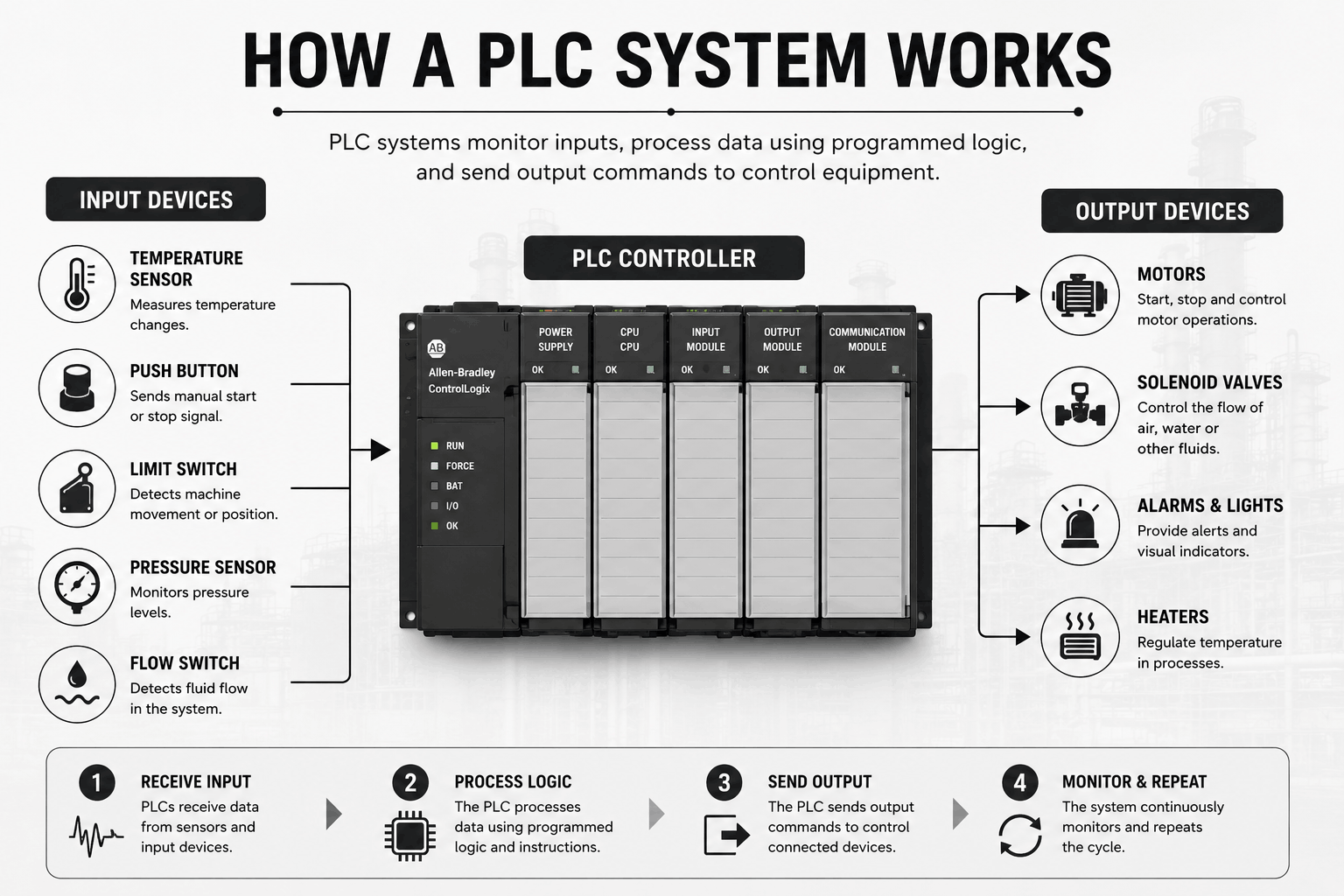
A PLC system receives information from sensors, switches, or machines. It processes the information and sends commands to connected equipment. This process happens very quickly and allows machines to operate automatically.
PLC systems are common in manufacturing plants, warehouses, water treatment facilities, and food processing plants. They help businesses reduce manual work and improve system reliability.
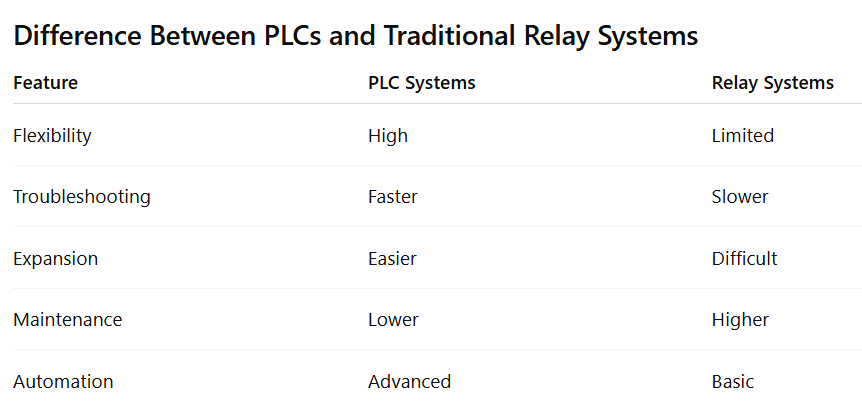
Older relay-based systems required large amounts of wiring and maintenance. PLC systems simplify these operations because most functions are software-controlled. This makes troubleshooting and future upgrades much easier.
Modern PLC systems also support remote monitoring. Facility managers can track equipment performance, monitor alarms, and identify problems faster. This helps reduce downtime and improve maintenance planning.
Basic Definition of PLC Systems
A PLC works like the control center of an automated system. It receives signals from equipment and decides what action should happen next.
For example, a conveyor belt may stop automatically if a sensor detects a blockage. The PLC processes the signal and shuts down the motor immediately.
This type of automation improves both safety and efficiency.
Main Components of a PLC System
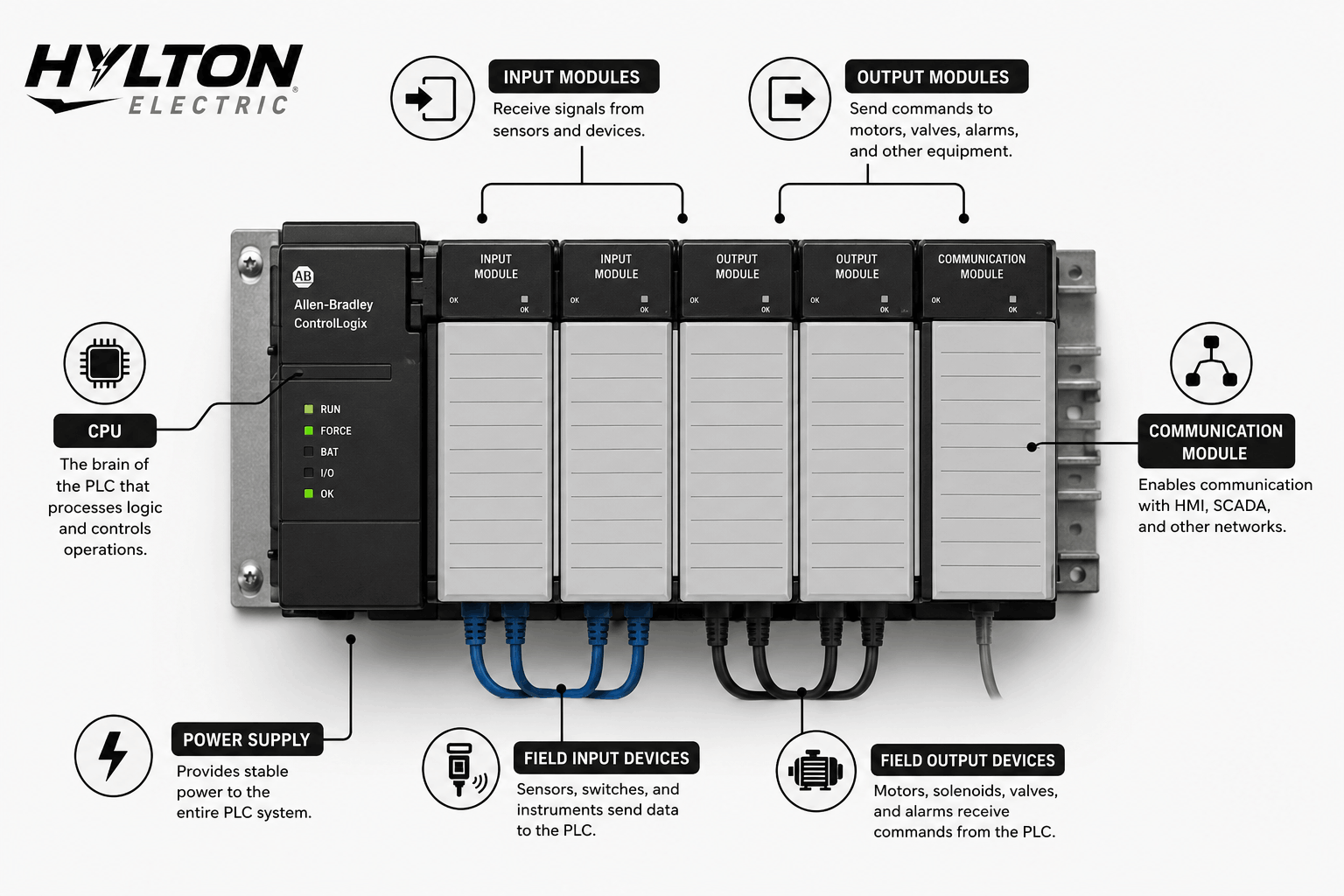
Most PLC systems include several important components:
-
Input modules
-
Output modules
-
Power supplies
-
Communication modules
Each component helps the system operate correctly. The CPU processes commands, while input and output modules connect the PLC to equipment and sensors.
How PLC Systems Work
PLC systems operate in a repeating cycle:
-
Receive input signals
-
Process programmed instructions
-
Send output commands
-
Repeat continuously
This process happens within milliseconds. Because of this speed, PLC systems can control complex industrial operations with high accuracy.
Common PLC Brands Used in Industrial Facilities
Several manufacturers are widely used in industrial automation:
-
Allen-Bradley
-
Siemens
-
Schneider Electric
-
Mitsubishi Electric
The right system depends on the facility size, equipment type, and operational needs.
Why Tampa Businesses Are Upgrading to PLC Automation
Industrial automation continues growing across Tampa and Central Florida. Businesses now need faster and more reliable systems to stay competitive. PLC automation helps facilities improve operations while reducing downtime and maintenance costs.
Many industrial buildings still use outdated control systems. Older systems often struggle with efficiency, expansion, and equipment monitoring. PLC systems solve these problems by providing better control and smarter automation.
Automation also improves workplace productivity. Machines can operate more consistently with fewer interruptions. This helps businesses complete more work while reducing equipment failures.
Industrial Growth in Tampa and Greater Florida
Tampa has become a major industrial and logistics hub. The region continues attracting warehouses, manufacturing facilities, and distribution centers.
Several industries now depend heavily on automation:
-
Manufacturing
-
Warehousing
-
Food processing
-
Water treatment
-
Commercial processing facilities
As these industries grow, the demand for PLC systems continues increasing.
Rising Demand for Automated Operations
Businesses want systems that improve efficiency and reduce delays. PLC automation helps facilities manage equipment more effectively.
Benefits of automated operations include:
-
Faster production cycles
-
Better process consistency
-
Reduced manual errors
-
Improved equipment coordination
-
Lower operational downtime
Automation also helps operators identify problems before they become major failures.
Energy Efficiency Benefits
Energy costs remain a major concern for industrial facilities. PLC systems help reduce unnecessary power usage by controlling equipment based on demand. For example, motors and pumps can operate only when needed instead of running continuously. Automated lighting systems can also reduce wasted electricity. Over time, these improvements can lower operating costs significantly.
Reduced Equipment Downtime
Unexpected shutdowns can become expensive very quickly. Downtime affects production schedules, staffing, and customer deadlines.
PLC systems help reduce downtime by:
-
Monitoring equipment performance
-
Detecting faults early
-
Providing real-time alerts
-
Simplifying troubleshooting
Some advanced systems also support predictive maintenance. This allows facilities to repair equipment before major failures happen.
Need help with industrial automation or PLC upgrades? Call +1 863-624-7000 or email ray@hylton-electric.com for free commercial and industrial quotes. We serve clients across Lakeland, Polk County, and Tampa.
Types of PLC Installation Services
Different facilities require different types of PLC systems. Some businesses need a completely new automation setup, while others only need upgrades or repairs. The right solution depends on the equipment, production goals, and existing electrical infrastructure.
Modern PLC systems can support small operations or large industrial facilities. They can control a single machine or an entire production line. Because of this flexibility, PLC systems are used in many industries across Tampa and Central Florida.
Professional installation also helps businesses avoid future problems. A properly designed system improves performance, supports future expansion, and reduces maintenance issues.
New PLC System Installation
New PLC installations are common in facilities building automated operations from the ground up. These systems are designed specifically for the equipment and production process.
A new installation often includes:
-
Control panel installation
-
Electrical wiring
-
Equipment integration
-
PLC programming
-
Safety system setup
-
HMI configuration
The installation process usually starts with a full site evaluation. Electricians review the facility layout, equipment requirements, and electrical capacity. This helps ensure the system operates safely and efficiently.
New PLC systems also allow businesses to prepare for future growth. Many facilities install scalable systems that can support additional equipment later.
PLC System Upgrades
Many older facilities still use outdated relay controls or aging PLC hardware. These systems may create maintenance problems and limit production efficiency.
PLC upgrades improve system performance without replacing every piece of equipment. In many cases, electricians can retrofit modern controls into existing systems.
Common PLC upgrades include:
-
Replacing outdated controllers
-
Expanding input and output capacity
-
Updating software
-
Improving communication systems
-
Adding remote monitoring features
Upgrades also help facilities reduce downtime and improve troubleshooting. Modern systems provide better diagnostics and easier maintenance access.
PLC Programming and Configuration
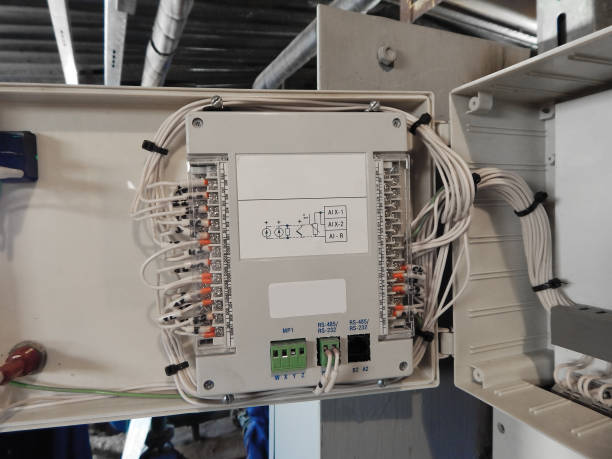
Programming is one of the most important parts of any PLC installation. The PLC software controls how equipment responds during operation.
Programming may include:
-
Motor control sequences
-
Safety shutdown procedures
-
Alarm systems
-
Conveyor automation
-
Temperature controls
-
Pump operation logic
Every facility has different operational needs. Because of this, PLC programming must be customized carefully.
Proper programming improves efficiency and helps reduce equipment damage. Poorly programmed systems can create operational problems, safety risks, and unnecessary downtime.
PLC Troubleshooting and Repairs
PLC systems occasionally experience failures due to power issues, damaged wiring, overheating, or hardware problems. Fast troubleshooting is important because many facilities depend on automation to maintain production.
Common PLC problems include:
-
Communication failures
-
Faulty sensors
-
Input/output errors
-
Software faults
-
Power supply failures
Experienced electricians use diagnostic tools to identify the problem quickly. In many cases, repairs can restore operations without replacing the full system.
Regular maintenance also helps prevent emergency failures.
Remote Monitoring Integration
Modern PLC systems often include remote monitoring capabilities. This allows facility managers to view system performance from computers, tablets, or mobile devices.
Remote monitoring helps businesses:
-
Track equipment status
-
Monitor alarms
-
Identify faults quickly
-
Reduce downtime
-
Improve maintenance planning
Many industrial facilities now use SCADA systems alongside PLC controls. These systems provide centralized monitoring for large operations.
Industries That Use PLC Systems in Tampa
PLC systems are used in many industries because they improve automation, safety, and operational control. Tampa’s industrial growth continues increasing the demand for reliable automation systems.
Many businesses now depend on PLC systems to keep operations running smoothly. These systems help facilities reduce downtime, improve production accuracy, and manage equipment more efficiently.
Manufacturing Facilities
Manufacturing plants rely heavily on PLC systems for automated production. These systems control conveyors, motors, robotic equipment, and assembly processes.
PLC automation helps manufacturers:
-
Improve production speed
-
Reduce manual labor
-
Maintain consistent quality
-
Monitor equipment performance
-
Reduce operational downtime
Many modern production lines cannot operate efficiently without automated controls.
Food and Beverage Plants
Food processing facilities use PLC systems to control mixing equipment, packaging systems, refrigeration, and sanitation processes. Automation is important because food production requires consistent temperatures, timing, and quality control. PLC systems also help facilities maintain safety standards and reduce product waste.
Water Treatment Facilities
Water treatment operations use PLC systems to monitor pumps, valves, filtration systems, and chemical processing equipment. These systems help operators monitor water flow and maintain stable treatment conditions. Automation also improves reliability during high-demand periods and emergency situations.
Warehouses and Distribution Centers
Modern warehouses use automation to improve logistics and inventory handling. PLC systems help control conveyor systems, sorting equipment, and automated storage systems. These systems improve efficiency by reducing delays and improving material handling speed. As Tampa’s logistics industry grows, more distribution centers continue investing in automation.
Commercial Buildings
Large commercial properties also use PLC systems for building automation. These systems may control:
-
HVAC equipment
-
Lighting systems
-
Energy management systems
-
Security systems
-
Backup power operations
Building automation helps reduce energy usage and improve system reliability.
Industrial Processing Plants
Industrial processing facilities often operate heavy machinery and large electrical systems. PLC controls help manage these operations safely and efficiently.
Automation systems are commonly used for:
-
Pump controls
-
Mixing systems
-
High-voltage equipment
-
Temperature management
-
Emergency shutdown systems
Reliable PLC systems are critical for maintaining safe industrial operations.
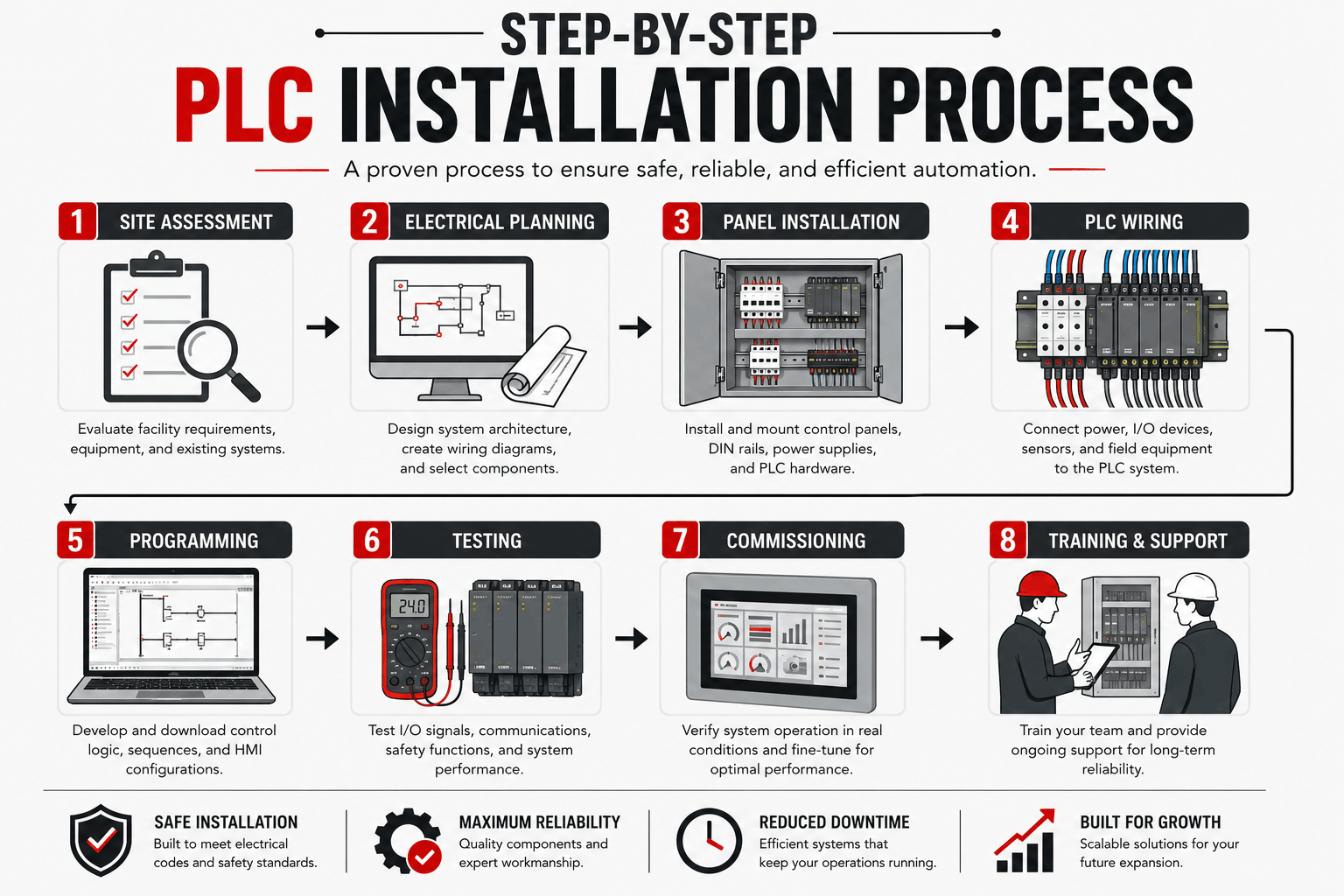
Step-By-Step PLC Installation Process
PLC installation involves much more than simply connecting equipment. The process requires careful planning, electrical expertise, and detailed testing. A properly installed system improves reliability, safety, and long-term performance. Most industrial projects follow several important steps to ensure the system operates correctly.
Site Assessment and System Planning
The first step is evaluating the facility and understanding operational needs. Electricians inspect existing equipment, electrical infrastructure, and production requirements.
This process often includes:
-
Reviewing electrical loads
-
Identifying equipment requirements
-
Checking panel capacity
-
Planning conduit routes
-
Evaluating future expansion needs
Proper planning helps avoid delays and expensive changes later.
Electrical Infrastructure Preparation
Some facilities require electrical upgrades before installing PLC systems. Older buildings may not have enough power capacity or proper wiring infrastructure.
Preparation work may include:
-
Panel upgrades
-
New circuits
-
Conduit installation
-
Transformer upgrades
-
Surge protection systems
A strong electrical foundation is important for reliable automation performance.
Planning a PLC installation or industrial upgrade? Call +1 863-624-7000 or email ray@hylton-electric.com for free commercial and industrial quotes across Tampa, Lakeland, and Polk County.
PLC Hardware Installation
After preparing the electrical infrastructure, electricians install the PLC hardware and related components. This stage includes mounting equipment, connecting wiring, and integrating field devices.
The installation process must follow electrical codes and manufacturer specifications. Poor installation practices can lead to communication failures, overheating, and equipment damage.
PLC hardware installation often includes:
-
Mounting control panels
-
Installing PLC controllers
-
Connecting sensors and switches
-
Wiring motors and equipment
-
Labeling circuits and terminals
-
Installing communication modules
Proper wire management is also important. Organized wiring improves airflow inside the panel and makes future maintenance easier.
Industrial environments can be harsh, especially in facilities with moisture, dust, or high temperatures. Because of this, electricians often use protective enclosures and industrial-grade components.
PLC Programming
Programming tells the PLC how the system should operate. Every machine or process follows specific instructions based on operational requirements.
For example, a conveyor system may need to stop automatically if sensors detect a blockage. A cooling system may need to activate when temperatures rise above a certain level.
PLC programming usually includes:
-
Input and output mapping
-
Equipment sequencing
-
Safety controls
-
Alarm programming
-
Timer functions
-
Communication settings
Well-written programming improves system efficiency and reduces equipment stress. It also helps operators troubleshoot problems more quickly.
Modern PLC systems often include touchscreen HMIs. These interfaces allow operators to monitor system conditions and control equipment more easily.
System Testing and Commissioning
Testing is one of the most important parts of the installation process. Before the system becomes operational, electricians perform multiple tests to confirm everything works correctly.
This process helps identify problems before production begins.
Testing and commissioning may include:
-
Verifying wiring connections
-
Testing safety systems
-
Checking communication signals
-
Simulating operating conditions
-
Confirming alarm functions
-
Monitoring equipment performance
Electricians also ensure the PLC communicates correctly with connected devices such as motors, sensors, and drives.
A complete commissioning process improves reliability and reduces future downtime.
Employee Training and Documentation
After installation, facility staff must understand how to operate the new system safely. Training helps operators respond correctly to alarms, shutdowns, and equipment faults.
Most professional PLC projects include:
-
Operator training
-
Maintenance instructions
-
System diagrams
-
Backup procedures
-
Emergency shutdown guidance
Clear documentation also makes future troubleshooting easier. This becomes especially important during maintenance or future upgrades.
Signs Your Facility Needs PLC Upgrades
Many industrial facilities continue using outdated control systems long after performance problems begin. Older systems may still operate, but they often create hidden costs through downtime, maintenance issues, and reduced efficiency.
Modern PLC upgrades help businesses improve performance and reduce operational risks.
Frequent Equipment Failures
Repeated equipment failures often indicate problems with outdated control systems. Older relays and aging PLC hardware may struggle to handle modern production demands.
Frequent shutdowns can affect:
-
Production schedules
-
Customer deadlines
-
Maintenance costs
-
Employee productivity
Upgrading the PLC system often improves reliability and reduces unexpected breakdowns.
Outdated Relay Controls
Relay-based systems were once common in industrial operations. However, these systems require more wiring, more maintenance, and slower troubleshooting.
Modern PLC systems replace large relay networks with software-based controls. This simplifies maintenance and improves flexibility.
Facilities using outdated relay systems often experience:
-
Complicated troubleshooting
-
Increased downtime
-
Limited expansion capability
-
Higher maintenance costs
High Downtime
Downtime is expensive for any industrial operation. Even short shutdowns can interrupt production and reduce profitability. Older PLC systems may experience communication failures, programming limitations, or hardware problems that increase downtime risks. Modern systems improve monitoring and provide faster diagnostics. Operators can identify problems quickly and restore operations faster.
Lack of Remote Monitoring
Many older systems do not support remote access or centralized monitoring. This makes it difficult for facility managers to track equipment performance efficiently.
Modern PLC systems allow operators to:
-
View alarms remotely
-
Monitor production data
-
Track equipment conditions
-
Identify faults quickly
Remote monitoring improves maintenance planning and operational visibility.
Increasing Production Demands
As businesses grow, older systems may struggle to support additional equipment or higher production volumes.
Facilities expanding operations often need:
-
More input/output capacity
-
Faster processing speeds
-
Better communication systems
-
Improved automation controls
PLC upgrades help facilities scale operations without replacing every piece of equipment.
Difficulty Finding Replacement Parts
Some older PLC systems are no longer supported by manufacturers. Replacement parts may become expensive or difficult to find. Unsupported systems increase operational risks because failures may take longer to repair. Upgrading to modern hardware improves long-term reliability and parts availability.
Common PLC Installation Mistakes
PLC systems can improve efficiency and reliability when installed correctly. However, poor planning or improper installation can create serious operational problems. Many system failures happen because important details were overlooked during installation.
Improper System Planning
Poor planning often leads to performance issues later. Some facilities install systems without considering future expansion, operational changes, or electrical load requirements.
A proper installation plan should include:
-
Equipment requirements
-
Future growth plans
-
Power capacity
-
Environmental conditions
-
Safety requirements
Careful planning reduces expensive modifications later.
Choosing the Wrong PLC Size
Some facilities install PLC systems that cannot support future operational needs. Small systems may lack enough input/output capacity for expansion. Oversized systems can also create unnecessary costs.
Choosing the right PLC depends on:
-
Equipment quantity
-
Operational complexity
-
Communication requirements
-
Future scalability
An experienced industrial electrician helps businesses select the correct system size.
Poor Wiring Practices
Poor wiring can create communication failures, overheating, and unreliable operation.
Common wiring problems include:
-
Loose connections
-
Improper grounding
-
Poor cable management
-
Electrical interference
-
Incorrect wire sizing
Organized and properly installed wiring improves reliability and simplifies troubleshooting.
Lack of Surge Protection
Industrial facilities often experience voltage fluctuations and power disturbances. Without surge protection, PLC components may become damaged.
Surge protection helps protect:
-
PLC controllers
-
Communication modules
-
Sensitive electronics
-
Industrial drives
This protection is especially important in facilities with heavy equipment or unstable power conditions.
Ignoring Future Expansion Needs
Some businesses only plan for current production needs. This becomes a problem when operations grow and the system cannot support additional equipment. Future expansion should always be part of PLC system planning.
Scalable systems make it easier to add:
-
New production lines
-
Additional motors
-
Remote monitoring systems
-
Energy management controls
-
Extra automation equipment
Planning for future growth can save significant money later.
Hiring Unlicensed Contractors
Industrial automation systems require specialized electrical knowledge. Hiring unlicensed or inexperienced contractors increases the risk of wiring problems, code violations, and unsafe installations.
Poor installation can lead to:
-
Equipment damage
-
Production downtime
-
Safety hazards
-
Failed inspections
-
Expensive repairs
Licensed electricians understand industrial electrical systems, automation requirements, and safety standards.
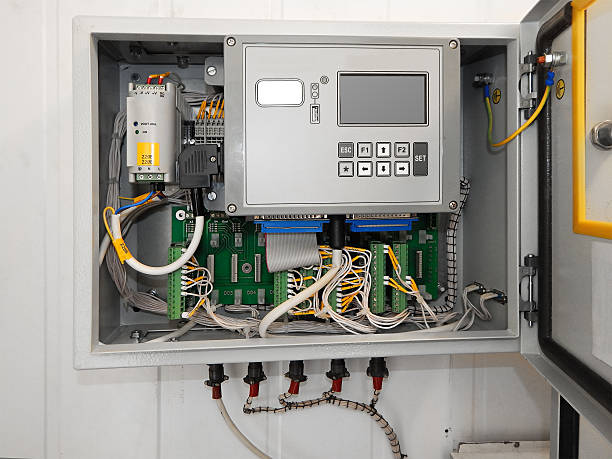
PLC Installation Costs in Tampa, Florida
PLC installation costs vary depending on the facility size, equipment requirements, and system complexity. Small automation projects may cost only a few thousand dollars, while large industrial systems can require significant investment.
The total cost depends on both hardware and labor. Programming, wiring, and electrical upgrades also affect the final price.
Businesses should view PLC systems as long-term operational investments. A properly installed system can improve productivity, reduce downtime, and lower maintenance costs over time.
Factors Affecting PLC Installation Costs
Several factors influence the total project cost.
- Facility Size
Larger facilities usually require more wiring, additional control panels, and expanded communication systems. This increases both material and labor costs.
- Number of Control Points
Systems controlling multiple motors, sensors, or production lines require more programming and hardware. A small machine control system costs much less than a fully automated production facility.
- Programming Complexity
Basic automation systems may require simple programming. More advanced operations often involve:
-
Safety controls
-
Multiple machine sequences
-
Remote monitoring
-
Communication networks
-
Data collection systems
Complex programming increases installation time and project costs.
- Electrical Infrastructure Upgrades
Some facilities need electrical upgrades before installing automation systems.
Additional costs may include:
-
Panel replacements
-
Transformer upgrades
-
New circuits
-
Conduit installation
-
Surge protection systems
Older industrial buildings often require these upgrades to support modern automation equipment safely.
Average PLC Installation Cost Ranges
The following estimates reflect average industrial automation costs in Florida. Actual pricing depends on project scope and facility requirements.
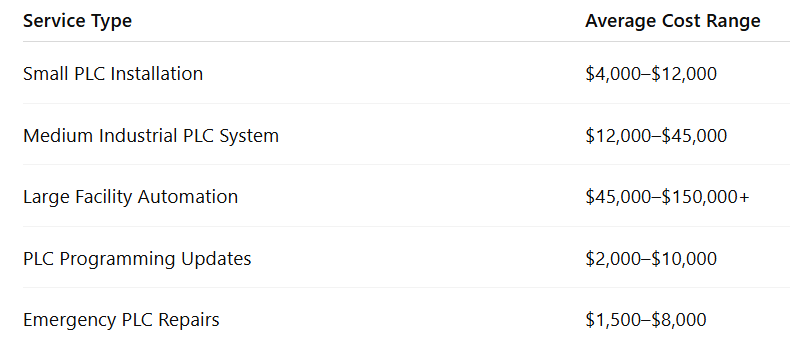
Large industrial automation projects may cost more when facilities require extensive electrical upgrades or complex system integration.
Cost of PLC Upgrades vs Full Replacement
Many businesses wonder whether upgrading an existing system is better than replacing everything completely.
In some cases, upgrading the current system provides enough improvement without major reconstruction. Facilities may keep existing equipment while replacing outdated controllers and software.
A full replacement may become necessary when:
-
Equipment is no longer supported
-
Replacement parts are unavailable
-
Existing systems create safety concerns
-
Production demands exceed system capacity
A professional site evaluation helps determine the best option.
Long-Term ROI From Automation
PLC systems often provide long-term financial benefits through improved efficiency and reduced downtime.
Automation can help businesses:
-
Reduce production delays
-
Lower maintenance costs
-
Improve energy efficiency
-
Reduce manual labor
-
Increase operational consistency
Although the initial investment may seem high, many facilities recover costs over time through improved productivity.
PLC Safety Standards and Electrical Codes
Industrial automation systems must meet strict safety requirements. PLC installations involve electrical equipment, machinery, and automated controls that can create serious hazards if installed incorrectly.
Following safety standards helps protect employees, equipment, and facility operations.
OSHA Requirements
The Occupational Safety and Health Administration (OSHA) provides workplace safety regulations for industrial facilities.
PLC installations must comply with safety practices related to:
-
Electrical hazards
-
Machine guarding
-
Emergency shutdown systems
-
Lockout/tagout procedures
-
Arc flash protection
Employers are responsible for maintaining safe working environments around automated systems.
NFPA 70 and NEC Compliance
The National Electrical Code (NEC) establishes electrical installation standards throughout the United States.
PLC systems must follow NEC requirements for:
-
Wiring methods
-
Grounding
-
Circuit protection
-
Panel installations
-
Conductor sizing
Proper code compliance improves safety and helps facilities pass inspections.
Industrial Lockout/Tagout Procedures
Lockout/tagout procedures help protect workers during maintenance or repairs. These procedures prevent machinery from restarting unexpectedly while technicians work on equipment.
PLC-controlled systems should include proper lockout procedures for:
-
Motors
-
Conveyors
-
Pumps
-
Production equipment
-
High-voltage systems
Clear safety procedures reduce workplace injury risks significantly.
Importance of Licensed Electricians
Industrial PLC systems require specialized knowledge. Licensed electricians understand automation controls, industrial wiring methods, and electrical safety standards.
Experienced contractors also help businesses:
-
Avoid code violations
-
Improve system reliability
-
Reduce downtime risks
-
Ensure safe installation practices
Professional installation protects both equipment and employees.
PLC Systems and Industrial Power Distribution
PLC systems work closely with industrial power distribution systems. Automation controls depend on a stable electrical infrastructure to operate safely and efficiently. Poor power quality or overloaded electrical systems can damage PLC components and interrupt operations.
Relationship Between PLCs and Power Distribution
Most industrial facilities operate large electrical systems that power motors, pumps, conveyors, and production equipment.
PLC systems help manage these operations by controlling:
-
Motor startups
-
Equipment sequencing
-
Power usage
-
Emergency shutdown systems
Automation improves electrical system coordination and operational efficiency.
Motor Control Integration
Many PLC systems control electric motors throughout industrial facilities.
Common motor control applications include:
-
Conveyor systems
-
Pump operations
-
Ventilation systems
-
Industrial mixers
-
Manufacturing equipment
PLC controls help reduce mechanical stress during startup and shutdown operations.
Backup Power and Generator Integration
Some facilities integrate PLC systems with backup generators and emergency power systems. This setup helps critical operations continue during power outages.
Automation systems may control:
-
Automatic transfer switches
-
Generator startup sequences
-
Emergency shutdown procedures
-
Critical equipment prioritization
Reliable backup power is especially important for manufacturing plants and processing facilities.
Need industrial electrical upgrades or automation support? Call +1 863-624-7000 or email ray@hylton-electric.com for free commercial and industrial quotes throughout Lakeland, Polk County, and Tampa.
Monitoring Energy Consumption
Modern PLC systems help facilities track and manage energy usage more effectively. Businesses can monitor how much electricity different machines or systems consume throughout the day.
This information helps operators identify inefficiencies and reduce unnecessary energy waste.
PLC systems can monitor:
-
Motor energy usage
-
Equipment runtime
-
Peak demand periods
-
Lighting controls
-
HVAC performance
Energy monitoring also helps businesses plan future upgrades and reduce operational costs over time.
Smart Industrial Automation Trends
Industrial automation continues evolving quickly. Modern facilities now use smarter systems that improve efficiency, safety, and operational visibility.
PLC technology has also advanced significantly in recent years. Businesses now expect systems that provide real-time monitoring, remote access, and better equipment diagnostics.
Many Tampa industries are upgrading automation systems to remain competitive and improve long-term performance.
Remote Industrial Monitoring
Remote monitoring has become one of the most important automation features in modern facilities. Operators can now monitor equipment conditions from computers, tablets, or mobile devices. This allows businesses to respond faster when problems occur.
Remote monitoring systems help facilities:
-
Track equipment performance
-
View system alarms
-
Monitor production data
-
Reduce response times
-
Improve maintenance planning
This technology is especially useful for facilities operating multiple production areas or large industrial sites.
IoT and Smart Sensors
Industrial automation systems now use smart sensors and Internet of Things (IoT) technology more than ever before. These sensors collect real-time information from equipment and send it directly to PLC systems.
Smart sensors can monitor:
-
Temperature
-
Pressure
-
Vibration
-
Energy usage
-
Equipment speed
-
Fluid levels
This data helps operators identify small problems before they turn into major failures.
Predictive Maintenance Systems
Traditional maintenance often happens after equipment breaks down. Predictive maintenance works differently by identifying warning signs before failures occur.
Modern PLC systems can monitor machine conditions continuously. When the system detects unusual behavior, operators receive alerts immediately.
Predictive maintenance helps reduce:
-
Emergency repairs
-
Production downtime
-
Equipment damage
-
Maintenance costs
This approach also improves equipment lifespan and operational reliability.
AI-Assisted Industrial Automation
Artificial intelligence is becoming more common in industrial automation systems. AI tools help facilities analyze operational data and improve production efficiency.
Some advanced systems can:
-
Detect operational patterns
-
Predict maintenance needs
-
Optimize production flow
-
Reduce energy waste
-
Improve quality control
Cybersecurity for PLC Networks
Modern PLC systems often connect to internal networks and remote monitoring platforms. Because of this, cybersecurity has become increasingly important.
Industrial facilities must protect automation systems from:
-
Unauthorized access
-
Malware attacks
-
Data breaches
-
Network disruptions
Cybersecurity measures may include:
-
Secure network configurations
-
Firewalls
-
Password protection
-
Access restrictions
-
Software updates
Protecting industrial automation systems helps maintain safe and reliable operations.
When To Hire a Licensed PLC Electrician
PLC systems involve complex electrical infrastructure, automation controls, and industrial safety requirements. Businesses should always work with licensed professionals when installing or upgrading these systems.
Experienced electricians help ensure the system operates safely and follows electrical codes.
Complex Industrial Installations
Large industrial projects require careful planning and specialized knowledge. Facilities with multiple production lines or heavy machinery often need advanced automation systems.
Complex projects may involve:
-
High-voltage equipment
-
Motor controls
-
Large control panels
-
Backup power systems
-
Communication networks
Licensed electricians understand how these systems work together safely.
Facility Expansion Projects
Many facilities eventually expand operations or add new equipment. Older automation systems may not support additional production demands. Professional electricians can evaluate the existing system and determine whether upgrades are necessary.
Expansion projects may require:
-
Additional PLC capacity
-
New electrical circuits
-
Updated programming
-
Expanded communication systems
Planning upgrades properly helps businesses avoid future operational problems.
Emergency PLC Failures
Unexpected PLC failures can stop production immediately. Fast troubleshooting becomes critical when facilities depend on automated systems.
Emergency service may be necessary for:
-
System shutdowns
-
Communication failures
-
Equipment faults
-
Power supply issues
-
Control panel failures
Experienced industrial electricians can diagnose problems quickly and restore operations safely.
Compliance and Inspection Requirements
Industrial electrical systems must follow local and national safety standards. Improper installations can fail inspections and create liability risks.
Licensed contractors help facilities comply with:
-
OSHA requirements
-
NEC regulations
-
Industrial safety standards
-
Local building codes
Code-compliant installations improve both safety and long-term reliability.
Choosing the Best PLC Installation Contractor in Tampa
Choosing the right contractor is one of the most important parts of any industrial automation project. A qualified electrician helps businesses avoid costly mistakes and ensures the system performs reliably.
Industrial PLC systems require experience with automation controls, electrical infrastructure, and safety procedures.
Important Qualifications To Look For
Businesses should evaluate contractors carefully before starting a project.
Important qualifications include:
-
Licensed and insured electricians
-
Industrial automation experience
-
Knowledge of PLC programming
-
Safety-focused work practices
-
Emergency service availability
-
Experience with large facilities
Contractors should also understand local Florida electrical requirements and industrial operating environments.
Questions To Ask Before Hiring
Asking the right questions helps businesses choose the right contractor.
Important questions include:
-
Have you worked with similar facilities?
-
Which PLC brands do you support?
-
Do you provide troubleshooting services?
-
Can the system support future expansion?
-
Do you offer emergency repairs?
-
Will you provide system documentation?
These questions help businesses understand the contractor’s experience and capabilities.
Importance of Local Florida Experience
Florida facilities often face environmental challenges such as heat, humidity, and storm-related power issues. Contractors with local experience understand how these conditions affect industrial electrical systems.
Local experience also helps contractors:
-
Understand regional code requirements
-
Recommend proper surge protection
-
Design systems for harsh environments
-
Respond faster during emergencies
Working with an experienced Florida contractor improves long-term system reliability.
Conclusion
Industrial facilities depend on speed, reliability, and consistent performance. That is why many businesses now invest in modern automation systems. PLC systems help control equipment, improve efficiency, and reduce unexpected downtime.
Older control systems often create maintenance problems and slow production. They may also struggle to support newer equipment or expanding operations. Upgrading to a modern PLC system helps businesses improve reliability while preparing for future growth.
PLC automation also improves workplace safety. These systems can monitor equipment, detect faults early, and trigger emergency shutdowns when necessary. Many facilities also use PLC systems to reduce energy waste and improve operational control.
Businesses across Tampa continue adopting automation because it helps them stay competitive. Warehouses, manufacturing facilities, processing plants, and commercial buildings all benefit from smarter control systems.
Programmable Logic Controllers Installation Tampa, Florida services are especially important for facilities planning long-term expansion. A properly designed system improves performance, simplifies troubleshooting, and supports future upgrades more easily.
Working with licensed industrial electricians also helps reduce risks. Professional installation ensures the system follows safety standards, electrical codes, and operational requirements.
Need help with industrial automation or PLC upgrades? Call +1 863-624-7000 or email ray@hylton-electric.com for free commercial and industrial quotes across Tampa, Lakeland, and Polk County.
FAQs About Programmable Logic Controllers Installation Tampa, Florida
What does a programmable logic controller do?
A programmable logic controller, or PLC, is an industrial computer used to automate machines and electrical systems. It controls how equipment operates by receiving signals from sensors and sending commands to connected devices.
For example, a PLC can automatically start or stop motors, monitor temperatures, or control conveyor systems. These systems improve efficiency because machines can operate with less manual involvement.
PLCs are commonly used in:
-
Manufacturing plants
-
Warehouses
-
Food processing facilities
-
Water treatment systems
-
Commercial automation systems
Modern PLC systems also help improve safety and troubleshooting. Operators can monitor alarms, identify faults quickly, and reduce equipment downtime. Many systems now include remote monitoring features for easier operation management.
How much does PLC installation cost in Tampa?
PLC installation costs depend on the size of the project and the complexity of the automation system. Small automation projects may cost a few thousand dollars, while large industrial systems can cost significantly more.
Several factors affect pricing, including:
-
Facility size
-
Number of machines
-
Programming requirements
-
Electrical upgrades
-
Remote monitoring features
-
Safety system integration
Small PLC installations in Florida often range between $4,000 and $12,000. Medium industrial systems may cost between $12,000 and $45,000. Large automation projects can exceed $100,000 when major electrical upgrades or complex controls are involved.
Older facilities may also need panel upgrades or additional wiring before installation begins.
Can old industrial systems be upgraded with PLC controls?
Yes. Many older industrial systems can be upgraded with modern PLC controls without replacing every piece of equipment. This process is called a retrofit upgrade.
Retrofit projects help facilities modernize operations while reducing replacement costs. Electricians can often connect new PLC systems to existing motors, pumps, conveyors, and production equipment.
PLC upgrades usually improve:
-
Equipment reliability
-
Production efficiency
-
Troubleshooting speed
-
Energy management
-
Safety monitoring
Many facilities choose upgrades because older relay systems are harder to maintain and expand. Modern PLC systems also support remote monitoring and better diagnostics.
A site evaluation helps determine whether upgrading or full replacement is the better option.
How long does PLC installation take?
The installation timeline depends on the size and complexity of the project. Small systems may take only a few days, while large industrial automation projects can require several weeks.
The timeline usually depends on:
-
Facility size
-
Wiring requirements
-
Programming complexity
-
Equipment integration
-
Electrical upgrades
-
Testing procedures
Simple machine automation systems are often completed faster. Large facilities with multiple production lines require more planning, wiring, and testing.
The commissioning process is also important. Electricians must verify that all equipment communicates correctly and operates safely before the system becomes fully operational.
Good planning helps reduce delays and keeps installation projects organized.
What industries commonly use PLC systems?
PLC systems are used in many industries because they improve automation and operational control. Any facility using machinery or automated equipment may benefit from PLC technology.
Industries commonly using PLC systems include:
-
Manufacturing
-
Warehousing
-
Food processing
-
Water treatment
-
Chemical processing
-
Commercial buildings
-
Logistics facilities
These systems help businesses automate repetitive tasks and improve production consistency.
For example, manufacturing plants use PLCs to control conveyors and robotic equipment. Commercial buildings may use PLC systems for lighting, HVAC controls, and energy management.
Modern automation systems are now common across many industries in Florida.
Do PLC systems reduce energy costs?
Yes. PLC systems can help reduce energy costs by improving how equipment operates throughout the facility.
Automation systems monitor production demand and control equipment more efficiently. Motors, pumps, and ventilation systems can operate only when needed instead of running continuously.
PLC systems may help reduce:
-
Unnecessary motor operation
-
Idle equipment runtime
-
Lighting waste
-
HVAC energy usage
-
Peak power demand
Many facilities also use PLC systems to monitor energy consumption in real time. This helps operators identify areas wasting electricity and improve operational efficiency.
Although energy savings vary by facility, automation often helps lower long-term operating costs.
Are PLC systems safe?
PLC systems are designed to improve operational safety when installed correctly. Many automation systems include safety controls that help protect workers and equipment.
Modern PLC systems may include:
-
Emergency shutdown controls
-
Alarm systems
-
Equipment monitoring
-
Safety interlocks
-
Fault detection systems
For example, a PLC may automatically stop machinery if sensors detect unsafe operating conditions.
However, proper installation is critical. Poor wiring or incorrect programming can create safety risks. Licensed industrial electricians help ensure the system follows OSHA regulations and electrical code requirements. Routine maintenance and testing also help maintain safe operation over time.
What is the lifespan of a PLC system?
Most PLC systems last between 10 and 20 years, depending on the environment, maintenance quality, and equipment usage. Some industrial systems operate even longer when facilities perform regular inspections and upgrades.
Several factors affect PLC lifespan, including:
-
Heat and humidity
-
Dust or moisture exposure
-
Power quality issues
-
Heavy operational workloads
-
Maintenance frequency
Industrial environments can be tough on electrical equipment. Excessive heat, vibration, or poor ventilation may shorten system life over time.
Many older PLC systems still operate reliably, but replacement parts may become difficult to find. Software support may also become limited as manufacturers discontinue older models.
Routine maintenance helps extend system lifespan. Facilities should regularly inspect wiring, cooling systems, communication modules, and backup power systems to reduce failure risks.
Can PLC systems integrate with generators and backup power?
Yes. Many industrial facilities connect PLC systems with generators and backup power systems to maintain operations during outages.
This setup is especially important for facilities that cannot afford downtime, including:
-
Manufacturing plants
-
Processing facilities
-
Warehouses
-
Water treatment plants
-
Commercial operations
PLC systems can automatically manage generator operations and power transfer systems. During an outage, the PLC may trigger generator startup procedures and control how critical equipment receives power.
Integrated systems often control:
-
Automatic transfer switches
-
Emergency shutdown systems
-
Critical equipment prioritization
-
Backup power sequencing
This automation helps facilities maintain safer and more stable operations during power disruptions.
Professional installation is important because backup power systems involve complex electrical coordination and safety requirements.
Do PLC systems require maintenance?
Yes. Regular maintenance is important for keeping PLC systems reliable and preventing unexpected failures.
Although PLC systems are durable, they still require inspections and testing over time. Dust, heat, vibration, and power fluctuations can affect system performance.
Routine PLC maintenance may include:
-
Checking wiring connections
-
Inspecting cooling fans
-
Testing communication systems
-
Reviewing alarms and fault logs
-
Updating software or firmware
-
Inspecting power supplies
Facilities should also monitor environmental conditions around control panels. Excessive moisture or poor ventilation can damage sensitive electronic components.
Preventive maintenance helps businesses reduce downtime and avoid expensive emergency repairs. It also helps identify small problems before they become major system failures.
What are common PLC problems?
PLC systems are reliable, but problems can still happen due to electrical issues, hardware failures, or environmental conditions.
Some of the most common PLC problems include:
-
Communication failures
-
Faulty sensors
-
Loose wiring connections
-
Overheating
-
Power supply problems
-
Software or programming faults
Electrical interference can also create operational issues in industrial environments. Facilities with heavy machinery sometimes experience voltage fluctuations that affect automation systems.
Overheating is another common issue. Poor ventilation inside control panels may damage sensitive electronic components over time.
Regular maintenance helps reduce these risks significantly. Many facilities also install surge protection systems to protect PLC equipment from power disturbances.
Fast troubleshooting is important because automation failures can stop production quickly.
Why should businesses hire licensed electricians for PLC installation?
PLC systems involve complex electrical infrastructure and industrial automation controls. Licensed electricians help ensure the system operates safely, efficiently, and according to code requirements.
Improper installation can create serious problems, including:
-
Equipment damage
-
Safety hazards
-
Failed inspections
-
Production downtime
-
Communication failures
Experienced industrial electricians understand:
-
PLC programming basics
-
Industrial wiring methods
-
Motor controls
-
Power distribution systems
-
OSHA safety requirements
-
NEC electrical code standards
Professional installation also improves long-term reliability. Properly installed systems are easier to troubleshoot, maintain, and expand later. Businesses investing in automation should work with contractors experienced in industrial electrical systems and PLC integration.
Leave a Reply