
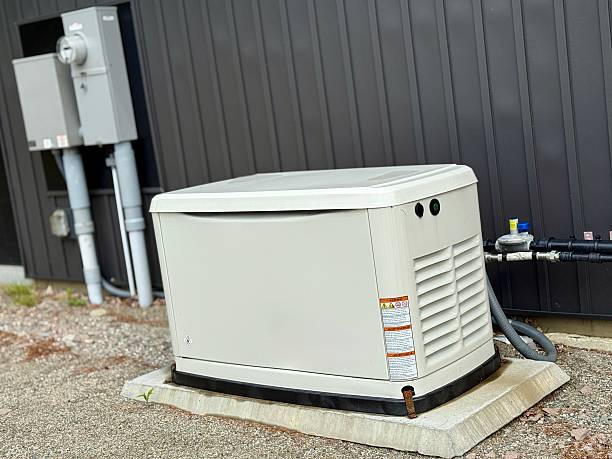
Essential Tips for Generator Installs in Florida
Installing a generator is a smart move for any home or business. It ensures power during outages and enhances property value.
However, generator installs require careful planning and professional expertise. This is especially true for generator installation Florida projects, where weather conditions can be extreme.
Choosing the right generator and placement is crucial. It involves understanding your power needs and local regulations.
Professional installation minimizes risks and ensures compliance with safety standards. It also provides peace of mind knowing your power backup is reliable.
In this guide, we’ll explore essential tips for successful generator installations. Let’s power up your home or business with confidence.
Why Professional Generator Installation Matters
Opting for a professional installation isn’t merely about convenience. It’s about ensuring safety and compliance with all relevant codes. Licensed professionals can identify the ideal type and size of generator for your needs.
Mistakes in DIY generator installations can lead to serious hazards. These include electrical fires or carbon monoxide poisoning. Professional electricians know how to manage these risks effectively.

Additionally, experienced installers understand the complexities of various setups. This includes integrating with existing systems or considering future upgrades. They offer valuable insights that you might overlook.
Choosing professionals guarantees a seamless and hassle-free installation process. Here’s why it’s essential:
- They ensure compliance with local and national standards.
- They provide expert advice on generator placement and fuel options.
- They offer warranties and maintenance packages for long-term care.
Investing in professional installation safeguards both your property and peace of mind. For businesses, a qualified commercial electrician contractor can also coordinate permitting, load calculations, and commissioning.
Key Steps in Planning Your Generator Installation
Planning for a generator installation begins with a thorough assessment of power needs. Calculate the wattage required to support essential appliances and systems during an outage. This step is crucial for selecting an appropriately sized generator.
Consulting with commercial electrical contractors Melbourne FL can streamline this process. These professionals provide valuable insights and help determine the best generator type for your needs.
Understanding the site conditions is also vital. Consider factors such as available space, noise levels, and proximity to fuel sources. Proper placement ensures optimal performance and safety.

Preparing for necessary permits is a key part of planning. Permits ensure compliance with local building codes and regulations. Working with professionals simplifies this step, ensuring all paperwork is correctly filed.
Key planning steps include:
- Assessing your power needs
- Consulting with professional contractors
- Understanding site placement considerations
- Preparing for necessary permits and inspections
- Selecting the appropriate generator type
By following these steps, your generator installation will be smooth and efficient. Proper planning reduces issues and guarantees long-term satisfaction.
Choosing the Right Generator for Your Needs
Selecting the right generator ensures seamless operation during power outages. The first step is understanding the different types of generators available. Options typically include standby generators, portable generators, and inverter generators, each suited for different requirements.
Consider the fuel type when making your selection. Generators can run on diesel, propane, or natural gas. Each fuel has its benefits and potential drawbacks. Assess availability and the cost of fuel in your area before deciding.
Power output is another crucial factor. Larger homes or businesses may require a higher capacity generator. Consulting with a generator installation services provider can help in accurately determining your needs.

Here are essential factors to consider when choosing a generator:
- Type of generator: standby, portable, inverter
- Fuel type: diesel, propane, natural gas
- Power output capacity
- Brand reputation and warranty options
Properly evaluating these aspects will help you choose a generator that fits your specific requirements and provides reliable power support when needed.
Site Assessment and Placement Considerations
Before installing a generator, a site assessment is crucial for optimal placement. This step ensures that your generator operates efficiently and safely. It also prevents potential hazards related to exhaust and noise.
Begin by evaluating the area where the generator will be installed. Ensure there is enough ventilation and that it is away from windows and doors. Protection from weather conditions is another critical aspect to examine.
Noise levels can affect nearby areas, especially in residential settings. Consider any existing noise regulations in your area. Engage professionals from commercial electrician services to evaluate and recommend the best location.
Key points for site assessment:
- Adequate ventilation
- Distance from windows and doors
- Protection from weather
- Compliance with noise regulations
A thorough site assessment can contribute to the seamless operation of your generator, enhancing its efficiency and safety.
Permits, Codes, and Compliance in Florida
Obtaining permits and adhering to codes is crucial for generator installations in Florida. For generator installation Florida homeowners and businesses, compliance ensures your installation is legal and safe. It also helps prevent fines and delays.
Florida has specific regulations for generator installs, especially regarding hurricane preparedness. It’s essential to check both state and local codes. Requirements can vary by jurisdiction—from generator installation Tampa guidelines to coastal wind-load rules—so always verify with your local building department.
Here are some key compliance considerations:
- Obtain necessary permits from local authorities
- Follow state and local building codes
- Consider hurricane preparedness guidelines
Professional installation services can help navigate these regulatory requirements. Their experience ensures your generator meets all necessary standards, giving you peace of mind.
Electrical Panel Upgrades and Integration with Solar
Upgrading your electrical panel might be necessary when installing a generator, especially with solar systems. An up-to-date panel ensures efficiency and safety. It can handle the increased load from both solar energy and the generator.
For solar integration, a compatible panel is essential. This allows seamless energy management and optimizes power usage. An electrical panel upgrade for solar setups ensures compatibility and efficiency.
Consider these points for integration:
- Ensure your panel is solar-compatible
- Upgrade to meet increased load demands
- Plan for future scalability
Engaging with experienced electricians can simplify panel upgrades and integration. They ensure that both your generator and solar systems run effectively, supporting your power needs and environmental goals.
Commercial Generator Installations: Special Considerations
Commercial generator installations require tailored approaches due to their complexity. Businesses often face unique challenges when planning generator installs. It’s crucial to choose a system that matches operational needs.
Factors such as load requirements and business continuity play significant roles. Installations should ensure minimal disruption. Engage commercial electrician services for expertise. They help navigate these complexities smoothly. The strong regional demand for commercial electrician jobs can also affect scheduling, so plan ahead during peak seasons.
Considerations for commercial installations include:
- Adequate load capacity for all critical systems
- Noise and emission regulations compliance
- Seamless integration with existing electrical infrastructure

Commercial electrical contractors are equipped to handle large-scale generator projects. They provide solutions that support energy management and operational efficiency. These experts understand the specific requirements of various industries. By relying on their expertise, businesses can ensure optimal generator performance and reliability, keeping operations running smoothly during power outages. If outages do occur, prompt emergency commercial electrical repair keeps critical systems online.
Emergency Power Solutions and Backup Strategies
Businesses and homes need reliable backup power. Emergency power solutions provide security during unexpected outages. An effective strategy includes a well-maintained backup generator.
Identify critical systems that must remain operational. This ensures business continuity and safety. Also, consider automatic transfer switches for seamless transition to backup power.
Key emergency power considerations:
- Prioritize essential equipment and systems
- Implement automatic transfer switches
- Maintain regular generator testing and upkeep
A commercial emergency electrician can help design and implement a robust power strategy. They ensure that emergency systems activate quickly and efficiently, minimizing downtime and potential losses. Reliable backup solutions are vital for reducing risks and maintaining peace of mind.
Maintenance, Monitoring, and Long-Term Care
Regular maintenance is key to prolonging generator life. It ensures your system works when needed. Schedule inspections by professionals to identify potential issues early.
Monitoring systems enhance management by providing real-time data. This helps in detecting faults quickly and efficiently. Remote monitoring options can alert you to performance issues instantly.
Essential maintenance tips include:
- Schedule biannual professional inspections
- Regularly check fuel levels and filters
- Test generator performance under load conditions

Investing in a long-term care plan helps avoid costly repairs. Such plans ensure reliability during emergencies. Preventative maintenance is crucial for seamless generator operation and peace of mind.
Cost Factors and Financing Options
Generator installation costs can vary widely based on several factors. These include the generator type, size, and complexity of the installation. It’s crucial to consider long-term expenses like maintenance and fuel costs as well.
Financing options can make installation more accessible. Many companies offer flexible payment plans to suit different budgets. Evaluating these can alleviate initial financial burdens.
Key cost considerations:
- Initial purchase price
- Installation complexity and labor
- Ongoing maintenance and fuel expenses
Understanding these cost factors helps in making informed financial decisions for generator installations.
Choosing the Right Electrical Contractor in Florida
Selecting the right electrical contractor is crucial for a successful generator installation. Florida’s climate and regulatory requirements make expertise essential. Look for contractors experienced with local conditions.
Consider the following when choosing a contractor:
- Licensing and insurance coverage
- Experience with generator installations
- Customer reviews and references
Reputable contractors offer peace of mind through professional service and reliability. They navigate permits and ensure compliance with all codes. When researching online, verify listings for commercial electrical contractors Melbourne FL and confirm the commercial electrical contractors orlando melbourne fl address details before you book. You might compare well-reviewed firms—such as Lakeland Electrical Services or Master Electrical Services LLC—for availability and scope. The right partner will also coordinate specialized generator installation Tampa projects and provide comprehensive commercial electrician services as needed.

Frequently Asked Questions About Generator Installations
Generator installations bring many questions to the table. Understanding the process and options available is key. Here are common questions answered to clear up your doubts.
What is the typical installation time?
- Installation can take a few hours to a couple of days, depending on complexity.
Do I need a permit for installation?
- Yes, permits are generally required. Your contractor will manage the paperwork.
Can I install a generator myself?
- Professional installation is recommended to ensure safety and compliance. It minimizes risks and maximizes efficiency.
If other questions arise, consult a commercial emergency electrician or a provider of generator installation services for expert advice.
Conclusion: Powering Your Home or Business with Confidence
Investing in a generator is a step toward uninterrupted power. With proper planning and professional support, you can ensure a reliable backup system. This provides peace of mind during power outages.
Choosing the right contractor enhances your installation experience. This decision ensures quality and long-term reliability. With expert guidance, you can confidently power your home or business, no matter the circumstances.
Q&A
Question: How do I choose the right size and type of generator for a Florida home or business?
Short answer: Start by calculating the wattage needed to keep essential appliances and systems running during an outage, including any high‑draw equipment with starting (surge) loads. Then select a generator type that fits your use case—standby for automatic, whole‑home/business coverage; portable for limited, short‑term needs; inverter for quieter, sensitive‑electronics use. Consider fuel availability and cost (diesel, propane, natural gas), brand reliability, and warranty. In Florida, plan for future capacity (e.g., HVAC upgrades, EV chargers) and consult licensed professionals or commercial electrical contractors to perform load calculations and recommend a properly sized, code‑compliant system.
Question: Where should I place the generator, and what Florida-specific factors matter most?
Short answer: Choose a location with ample ventilation, adequate clearance from windows and doors, and protection from weather—while meeting local noise limits. Ensure safe proximity to fuel sources and room for service access. In Florida, also account for hurricane preparedness (anchoring/mounting per local rules), potential flooding around the site, and corrosion risks in coastal areas. A professional site assessment verifies setbacks, airflow, noise compliance, and maintenance access so the unit operates safely and efficiently.
Question: What permits and codes apply to generator installation in Florida?
Short answer: Most installations require permits from your local building department and must follow state and local building and electrical codes. Florida jurisdictions may add rules tied to hurricane preparedness, wind-load requirements, setbacks, noise ordinances, and inspections—these can vary from coastal areas to cities like Tampa. Working with licensed installers helps ensure the correct permits are filed, equipment and automatic transfer switches are code-compliant, and the project passes all inspections without delays or fines.
Question: Can a generator work with my solar system, and will I need panel upgrades?
Short answer: Yes—generators can integrate with solar when the electrical panel and transfer equipment are compatible. Many homes and businesses benefit from panel upgrades to handle combined loads, enable safe isolation (so solar doesn’t backfeed during outages), and support future capacity. A compatible automatic transfer switch and properly configured interconnection ensure seamless transitions and effective energy management. Experienced electricians can design a setup that keeps critical loads powered while maintaining safety and efficiency.
Question: What ongoing maintenance and monitoring keep the generator reliable for storm season?
Short answer: Schedule professional inspections at least twice a year, test the generator under load, and routinely check fuel levels and filters. Keep the area clear for ventilation and service, and consider remote monitoring to catch issues early. Before hurricane season, perform a full function test—including the automatic transfer switch—to confirm readiness. Many professional installers offer warranties and maintenance plans that simplify long‑term care and improve reliability during emergencies.
Leave a Reply