
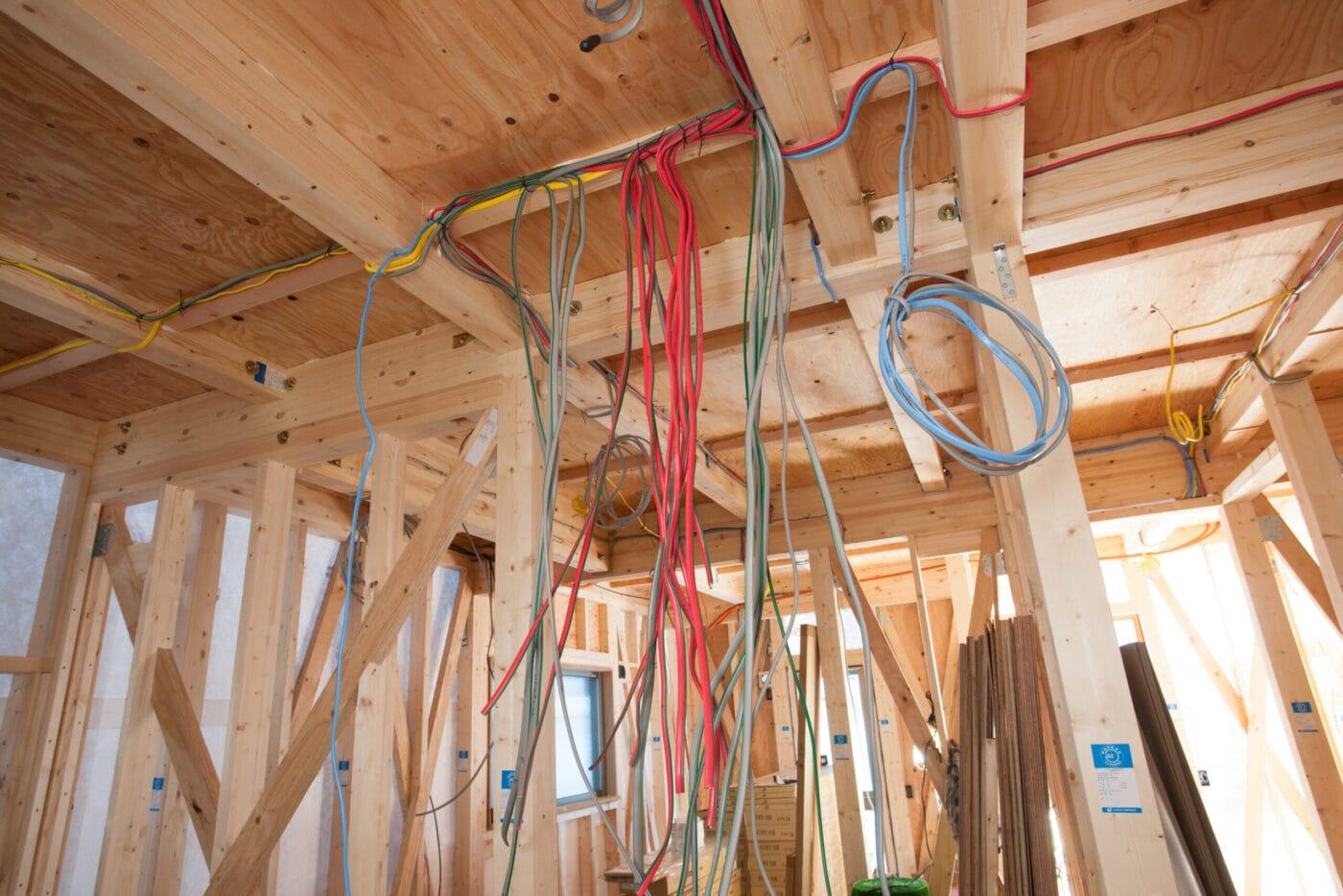
When you build a new home or remodel an existing one, electrical work starts long before you see switches or lights. The first major step is called rough-in electrical wiring. This phase happens after framing is complete but before drywall goes up. It sets the foundation for the entire electrical system.
In simple terms, rough-in wiring is where electricians install wires, electrical boxes, and the main panel connections. At this stage, nothing is visible from the outside once the walls are finished. That is why it matters so much. If something is wrong here, fixing it later can mean opening walls again, which adds time and cost.
In Polk County, Florida, rough-in electrical work must follow strict rules. Local inspections are required before moving forward. Inspectors check everything behind the walls to make sure it meets safety standards. If the work fails inspection, progress stops until corrections are made.
This step is not just about running wires. It is about planning how electricity will flow through the entire property. Each room must have the right number of outlets. Heavy appliances need dedicated circuits. Safety systems like grounding and breaker panels must be installed correctly.
For homeowners, this stage often goes unnoticed. However, it directly affects daily comfort. Poor planning can lead to overloaded circuits, limited outlet access, or future upgrade issues. For contractors, rough-in wiring is where coordination matters most. Electricians must work closely with framers, HVAC teams, and plumbers to avoid conflicts inside walls.
Choosing the right approach during this phase helps avoid delays and keeps your project on schedule. It also ensures your home or building is safe, efficient, and ready for modern electrical demands.
What Is Rough In Electrical Wiring? (Simple Breakdown)
Definition of Rough-In Wiring
Rough-in electrical wiring is the process of installing the core electrical structure of a building. This includes running wires through walls, ceilings, and floors. Electricians also install outlet boxes, switch boxes, and junction boxes during this stage.
At this point, wires are not connected to devices like outlets or light fixtures. Instead, they are left ready for the final phase, often called “finish electrical work.” The goal is to prepare everything behind the scenes so the system works smoothly later.
You can think of rough-in wiring as the skeleton of the electrical system. Once it is complete and approved, the visible parts are added later.
Rough-In vs Finish Electrical Work
Understanding the difference between rough-in and finish work helps clarify the process. Each phase has a specific role, and both must be done correctly.
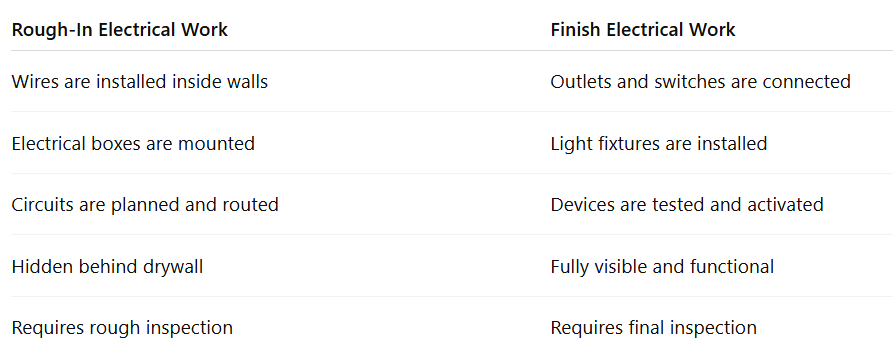
Rough-in work focuses on structure and placement. Finish work focuses on usability and appearance.
Why Rough-In Determines System Safety
The rough-in stage plays a major role in electrical safety. Every wire, connection point, and circuit layout is decided here. If something is installed incorrectly, it can lead to serious problems later.
For example, using the wrong wire size can cause overheating. Poor circuit planning can overload breakers. Missing grounding can increase the risk of electric shock.
Since all wiring is hidden after drywall installation, mistakes are harder to detect. That is why inspections are required before moving forward. Inspectors check for proper wire routing, correct spacing, and code compliance.
A well-done rough-in ensures:
-
Balanced electrical load across circuits
-
Proper placement of outlets and switches
-
Safe grounding and bonding
-
Compliance with local and national codes
In Polk County, passing the rough-in inspection is a key milestone. It confirms that the system is safe and ready for the next phase.
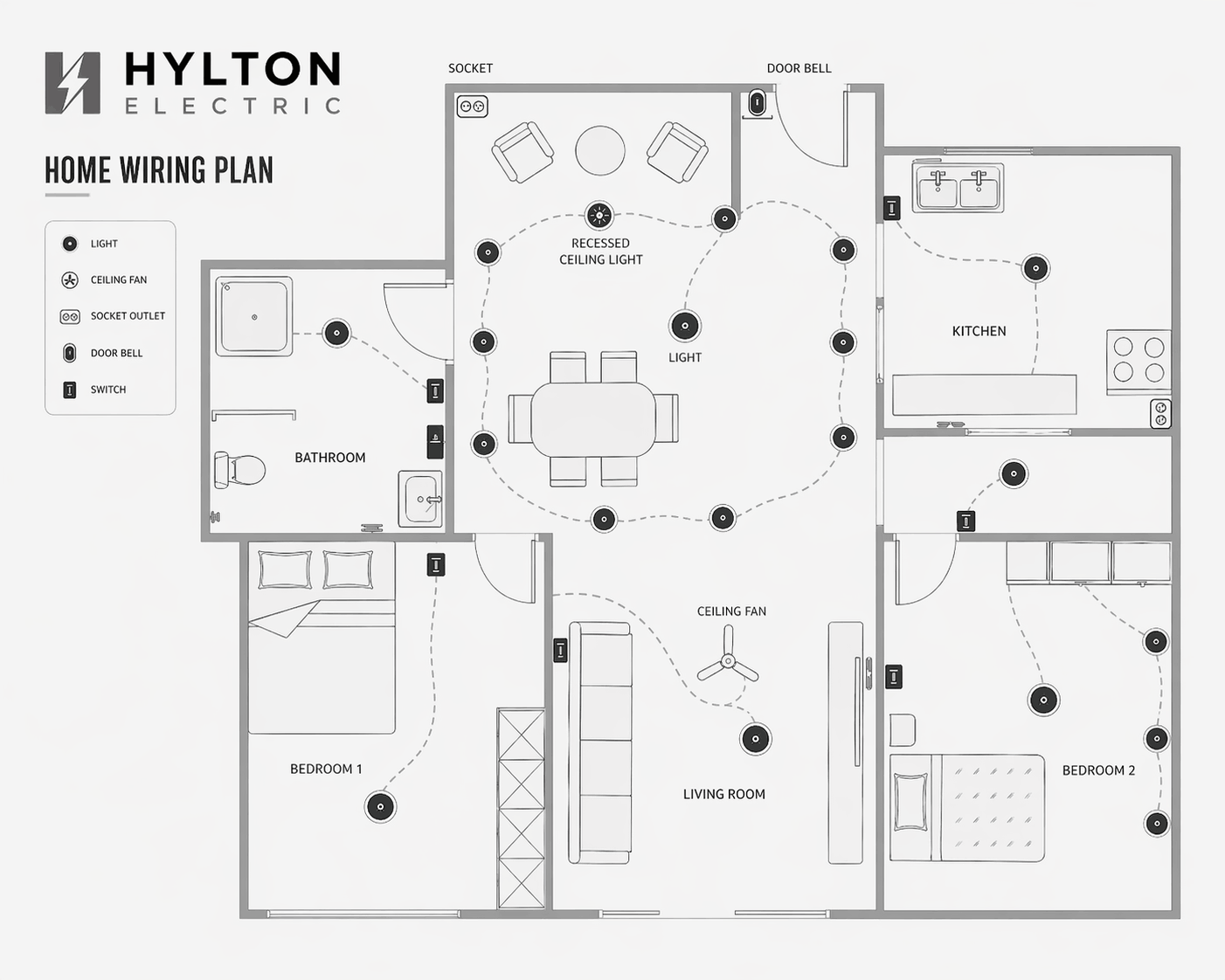
Rough In Electrical Wiring Process Step-by-Step
Understanding how rough-in wiring is done helps you plan better and avoid delays. Each step builds on the previous one. Skipping or rushing any part can lead to inspection issues or costly changes later.
Step 1: Electrical Planning & Load Calculation
Every rough-in project starts with a clear electrical plan. This step defines how power will be distributed throughout the property.
Electricians calculate the expected load based on:
-
Room sizes
-
Number of outlets and switches
-
Major appliances like HVAC systems, ovens, and dryers
-
Future needs, such as EV chargers or home offices
They also decide how many circuits are required and where the main panel will be located. Kitchens, bathrooms, and laundry areas usually need dedicated circuits because of higher demand. Good planning ensures the system can handle daily use without overloading. It also allows room for future upgrades.
Step 2: Permit Application in Polk County
Before any work begins, an electrical permit must be obtained. In Polk County, this step is required for both new construction and major renovations.
Permits confirm that:
-
The work will follow current electrical codes
-
Licensed professionals are handling the installation
-
Inspections will be scheduled at the right stages
Permit costs vary depending on the size and type of the project. Smaller residential jobs cost less, while larger builds or commercial projects cost more.
Skipping permits may seem faster, but it often leads to fines, failed inspections, or problems when selling the property later.
Step 3: Installing Electrical Boxes
Once permits are approved, electricians begin installing electrical boxes. These boxes hold outlets, switches, and other devices.
Common types include:
-
Outlet boxes for standard plug points
-
Switch boxes for lighting controls
-
Junction boxes for wire connections
-
Ceiling boxes for fans and light fixtures
Boxes are mounted securely to wall studs or ceiling joists. Placement must follow code requirements, including height and spacing rules. Accurate box placement ensures convenience later. It also prevents the need for changes after drywall is installed.
Step 4: Running Electrical Wiring
After the boxes are in place, wiring begins. This is the most time-intensive part of the rough-in phase.
Electricians run cables through:
-
Wall studs
-
Ceiling joists
-
Floor systems
In most residential projects, non-metallic (NM) cable is used. In commercial settings, conduit systems are more common.
Wires are routed carefully to avoid sharp bends and physical damage. They are secured with staples and kept at safe distances from edges to prevent future drilling or nailing issues.
Each wire is labeled or organized based on its circuit. This makes final connections easier and reduces confusion during inspections.
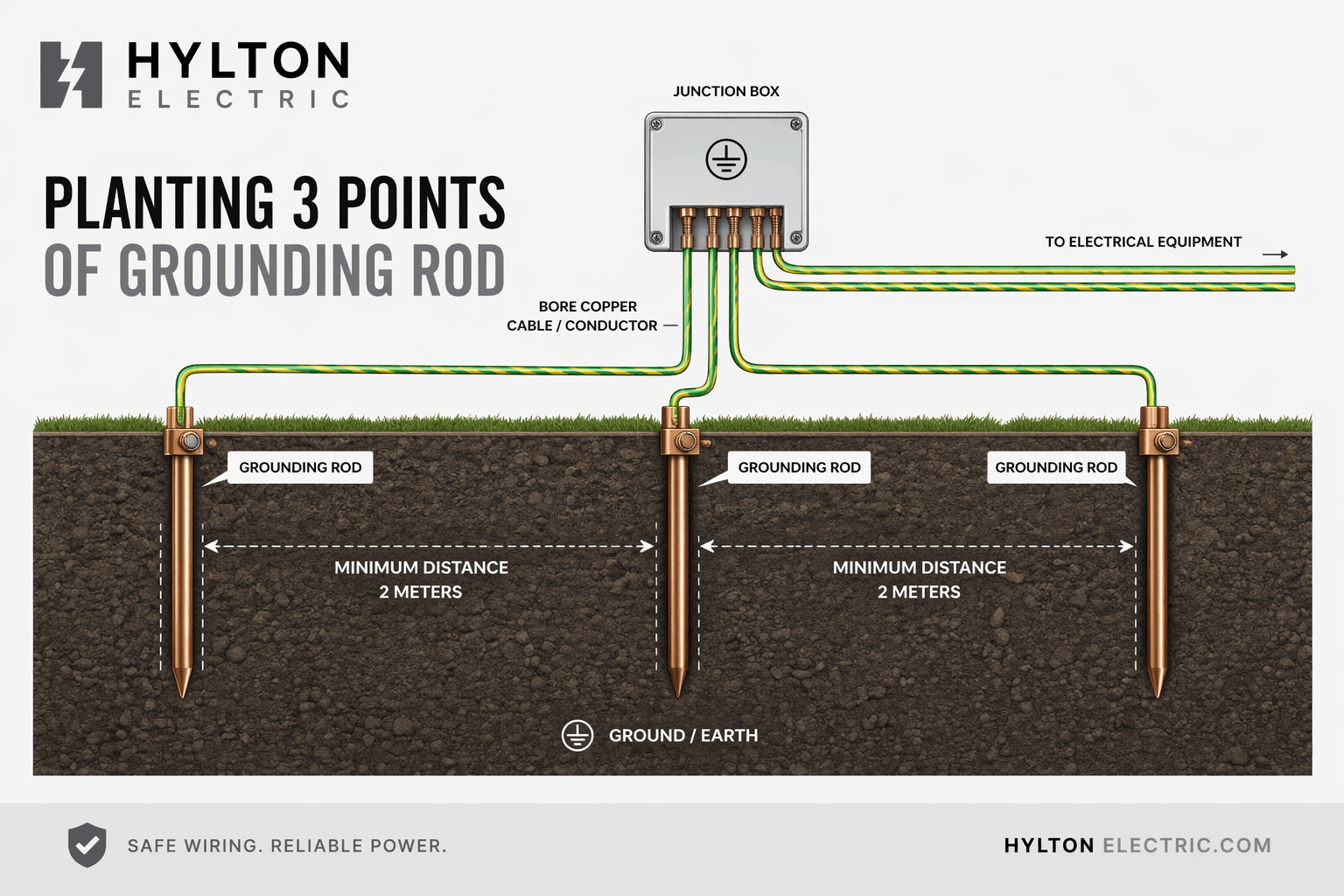
Step 5: Grounding and Bonding Setup
Grounding is a key safety feature in any electrical system. It protects people and equipment from electrical faults.
During this step, electricians:
-
Install grounding rods outside the building
-
Connect the grounding wires to the main panel
-
Bond metal components to ensure a safe path for fault currents
Without proper grounding, electrical faults can lead to shocks or fire hazards. This is one of the most important parts of the entire rough-in process.
Step 6: Rough-In Inspection
Before walls are closed, a rough-in inspection is required. In Polk County, this step must be completed and approved before moving forward.
Inspectors review:
-
Wire sizes and types
-
Proper routing and support
-
Box installation and spacing
-
Grounding and bonding
-
Overall code compliance
If everything meets standards, the project moves to the next stage. If not, corrections must be made before re-inspection. Passing this inspection confirms that the hidden electrical system is safe and properly installed.
Electrical Codes & Requirements in Polk County, Florida
Electrical work must follow strict codes to ensure safety and reliability. In Polk County, both national and local rules apply. Understanding these requirements helps prevent delays and failed inspections.
National Electrical Code (NEC) Compliance
The National Electrical Code (NEC) sets the standard for safe electrical design across the United States. Electricians must follow these guidelines during rough-in wiring.
The NEC covers:
-
Wire sizing based on load
-
Circuit protection using breakers
-
Proper grounding methods
-
Outlet and switch placement
These rules are updated regularly to reflect new safety practices and technologies. Following the NEC ensures that electrical systems are safe, efficient, and built to last.
Local Polk County Regulations
In addition to national standards, Polk County has its own requirements. These rules focus on permits, inspections, and local safety practices.
Key points include:
-
Permits must be approved before work begins
-
Rough-in inspections are mandatory
-
Work must be performed or supervised by licensed electricians
Local authorities enforce these rules to protect homeowners and ensure consistent quality across all projects.
Failing to follow local regulations can lead to:
-
Project delays
-
Additional fees
-
Required rework
Common Code Requirements
While every project is different, some code rules apply to most rough-in jobs.
These include:
-
Outlet placed every 6 to 12 feet along walls
-
GFCI protection in kitchens, bathrooms, and outdoor areas
-
AFCI protection for most living spaces
-
Dedicated circuits for large appliances
These requirements are designed to improve safety and convenience. They also help ensure that modern electrical systems can handle today’s power demands.
Types of Rough In Electrical Wiring Services
Rough-in wiring is not the same for every project. The scope changes based on the type of property and how the space will be used. In Polk County, electricians handle a wide range of rough-in services for homes, businesses, and industrial sites.
Each type requires a different approach, tools, and level of planning.
Residential Rough Wiring Services
Residential rough-in wiring focuses on comfort, safety, and daily usability. It is designed to support modern living while meeting code requirements.
Common residential services include:
-
New home construction wiring: Full system setup from panel to every room
-
Home additions: Extending existing circuits to new spaces
-
Garage wiring: Outlets, lighting, and sometimes EV charger preparation
-
Basement or attic finishing: Adding circuits to unused or converted areas
Electricians must plan for how homeowners actually use their space. For example, kitchens need more circuits than bedrooms. Living rooms often require multiple outlets for entertainment systems. Proper planning during rough-in helps avoid extension cords, overloaded outlets, and future rewiring.
Commercial Rough Wiring Services
Commercial rough-in wiring is more complex. It must handle higher electrical loads and support business operations.
Typical commercial projects include:
-
Office buildings
-
Retail stores
-
Restaurants
-
Medical or service facilities
These spaces often require:
-
Larger electrical panels
-
Dedicated circuits for equipment
-
Structured cabling for the internet and communication systems
-
Emergency and exit lighting systems
In commercial settings, downtime costs money. That is why rough-in work must be precise and efficient. Electricians also coordinate closely with other trades to meet project deadlines.
Industrial Rough Wiring
Industrial rough-in wiring involves heavy-duty electrical systems. These projects require advanced planning and specialized knowledge.
Common industrial applications include:
-
Manufacturing facilities
-
Warehouses
-
Processing plants
Key features of industrial rough wiring:
-
Three-phase power systems
-
High-voltage equipment connections
-
Motor control circuits
-
Large conduit installations
Safety is even more critical in industrial environments. Systems must handle continuous operation and high loads without failure.
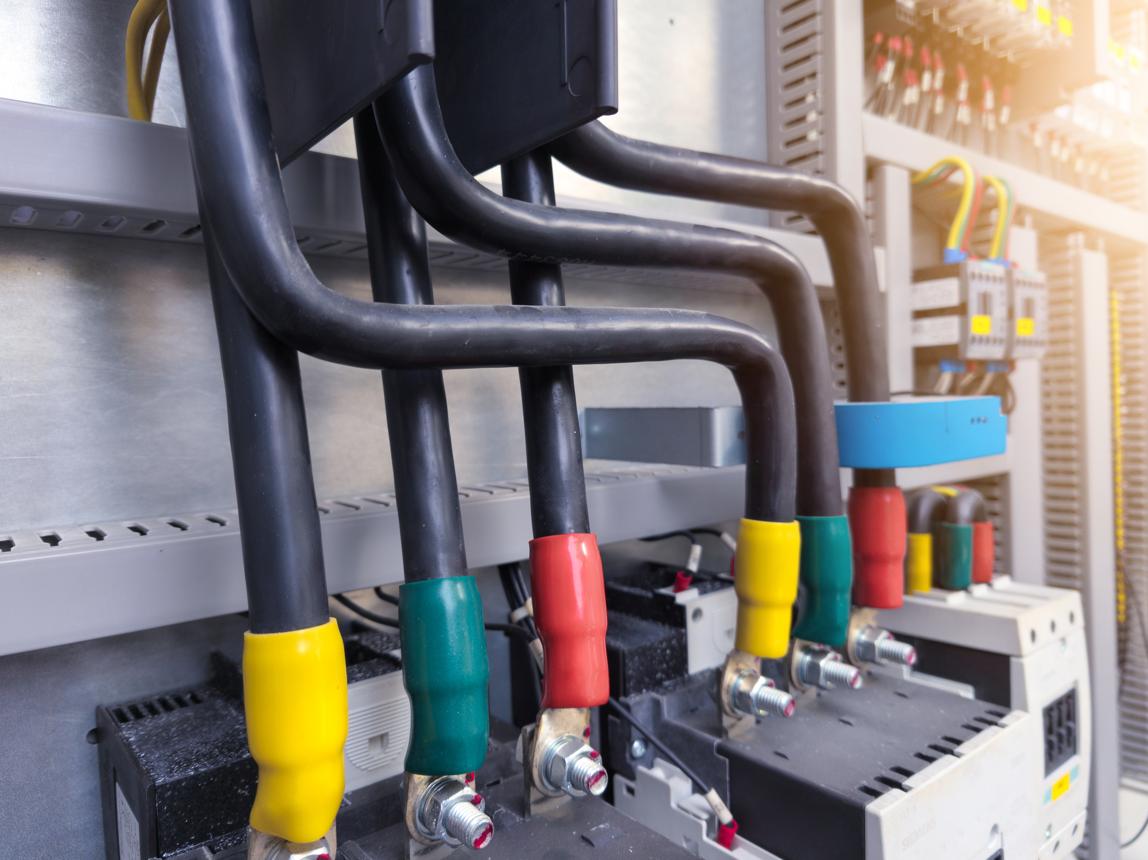
Tools & Materials Used in Rough-In Wiring
Rough-in electrical work relies on specific tools and materials. Each one plays a role in ensuring safe and efficient installation.
Common Tools Electricians Use
Electricians use a mix of hand tools and power tools during rough-in work.
Some of the most common include:
-
Fish tape – used to pull wires through walls and conduits
-
Wire strippers – remove insulation without damaging the wire
-
Power drills – create holes in studs and joists
-
Voltage testers – check for live circuits and safety
-
Measuring tools – ensure accurate placement of boxes and wiring
Using the right tools improves accuracy and reduces installation time.
Wiring Materials
The materials used during rough-in determine the durability and safety of the system.
Key materials include:
-
Copper wiring: The most common choice for residential and commercial systems due to reliability
-
Non-metallic (NM) cable: Often used in homes for interior wiring
-
Conduits (PVC or metal): Protect wires in commercial and industrial settings
-
Electrical boxes: Secure connection points for outlets and switches
-
Breaker panels: Distribute power and protect circuits from overload
Material selection depends on the project type, budget, and code requirements. In Polk County, all materials must meet approved standards.
Cost of Rough In Electrical Wiring in Polk County, Florida
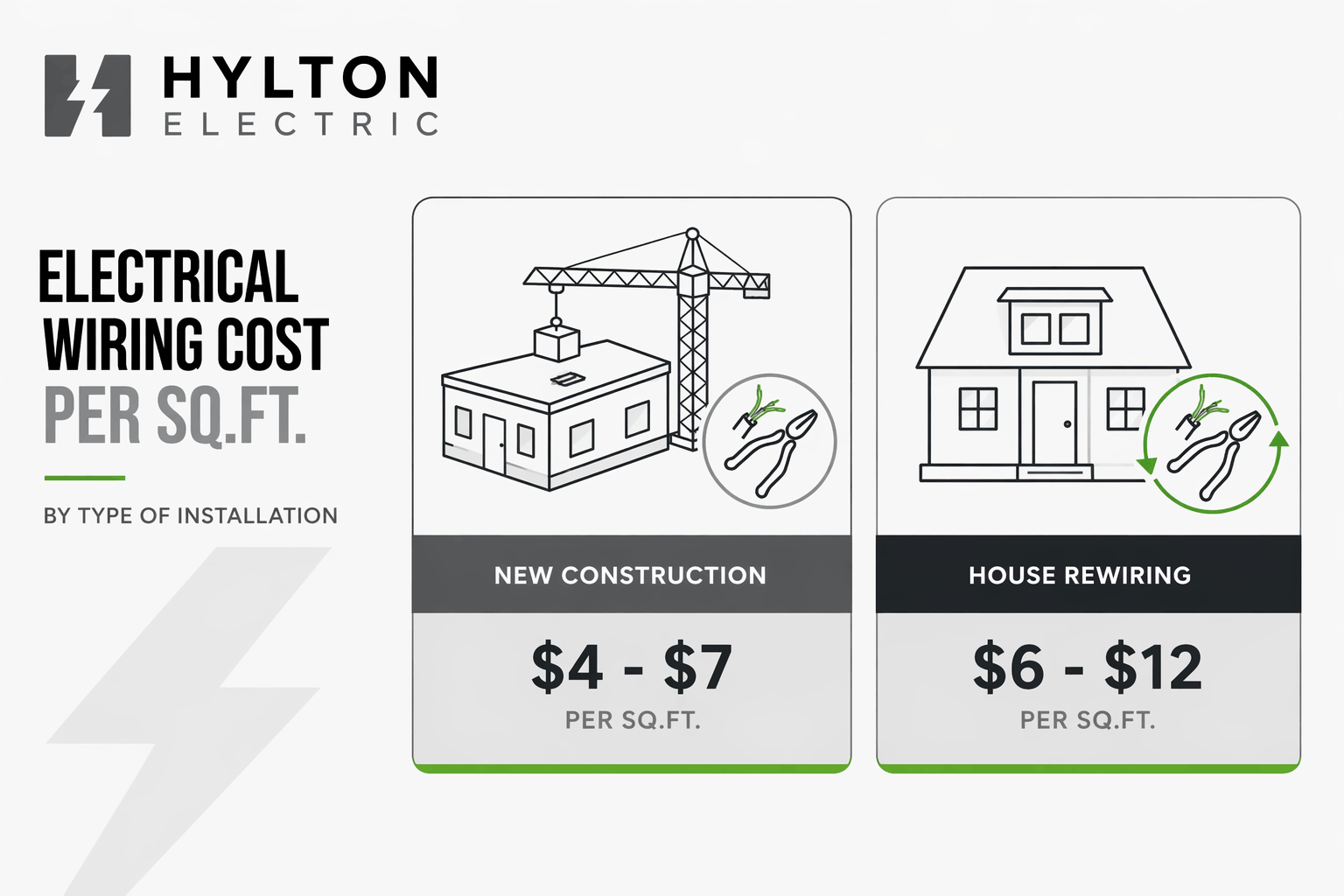
The cost of rough-in electrical wiring can vary widely. It depends on the size of the project, the level of complexity, and labor rates in the area. Understanding these costs helps homeowners and contractors plan their budgets more effectively.
Average Cost Breakdown
Below is a general estimate for rough-in electrical wiring services:
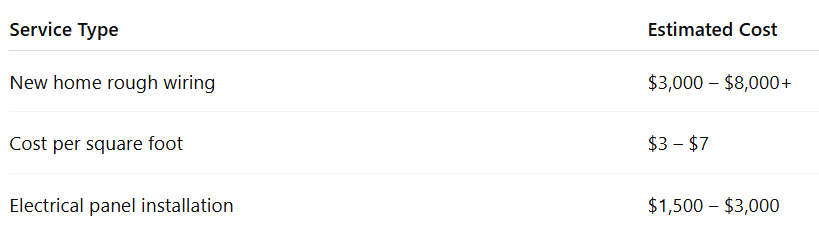
These numbers can change based on materials, labor, and project requirements.
Permit Costs in Polk County
Permit fees are part of the total cost. These fees vary depending on the size and type of work being done.
Typical permit costs include:
-
Small residential projects: lower fee range
-
Larger or complex projects: higher fees based on valuation
Permits are not optional. They ensure that the work will be inspected and approved before completion.
Factors That Affect Pricing
Several factors influence the total cost of rough-in wiring:
-
Property size: Larger spaces require more materials and labor
-
Number of circuits: More circuits increase complexity
-
Accessibility: Tight or complex layouts take more time
-
Material choices: Higher-quality materials cost more but last longer
-
Labor rates: Skilled electricians may charge higher rates for quality work
Planning ahead and working with experienced electricians helps keep costs under control while ensuring quality results.
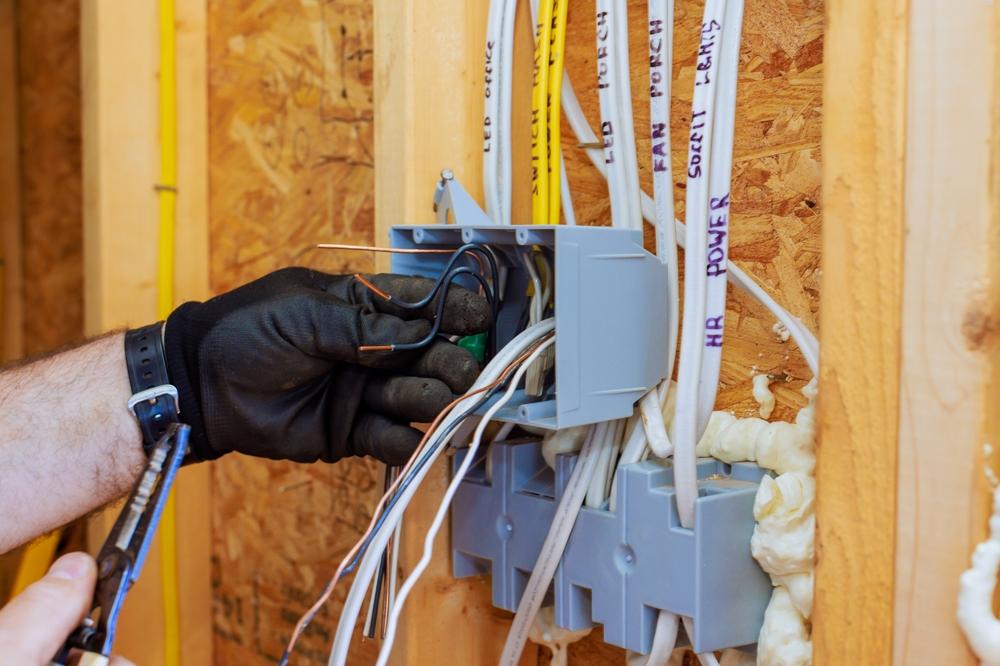
Rough In Electrical Inspection Checklist
Before drywall is installed, the electrical system must pass a rough-in inspection. This step confirms that all hidden wiring is safe and meets code requirements. In Polk County, this inspection is required for both residential and commercial projects. A failed inspection can delay the project. It may also increase costs if corrections are needed. That is why preparation is important.
What Inspectors Look For
Inspectors follow a detailed checklist when reviewing rough-in work. They focus on safety, accuracy, and code compliance.
Key areas they check include:
-
Correct wire size: Wires must match the circuit load to prevent overheating
-
Proper wire routing: Wires should be secured and protected from damage
-
Box installation: Boxes must be firmly attached and placed at the correct depths
-
Box fill compliance: Each box must have enough space for the number of wires inside
-
Grounding and bonding: The system must safely direct fault currents
-
Stapling and support: Wires should be fastened at proper intervals
Inspectors also look for overall neatness. Clean, organized work makes it easier to verify compliance.
Common Reasons for Inspection Failure
Even small mistakes can lead to a failed inspection. Many of these issues are preventable with proper planning and attention to detail.
Common problems include:
-
Overloaded circuits: Too many outlets or devices on one circuit
-
Incorrect wire sizing: Using smaller wires than required
-
Loose or unsecured wiring: Wires not properly fastened to framing
-
Missing GFCI or AFCI protection: Required safety devices not included
-
Improper box placement: Boxes installed too deeply or misaligned
When these issues are found, the electrician must fix them and schedule a re-inspection. This can slow down the entire construction timeline.
Common Mistakes in Rough In Wiring
Rough-in wiring requires precision. Mistakes at this stage are harder to fix later because everything is hidden behind walls. Both DIY attempts and inexperienced contractors can run into problems.
DIY Errors to Avoid
Some homeowners try to handle rough-in wiring themselves. While this may seem cost-effective, it often leads to safety risks and inspection failures.
Common DIY mistakes include:
-
Running wires too tight or too loose: This can damage insulation or create slack issues
-
Improper drilling through studs: Weakens structural elements or violates code
-
Incorrect breaker sizing: Leads to overheating or frequent tripping
-
Skipping permits: Results in fines and possible removal of work
Electrical work must meet strict standards. Without proper training, it is easy to overlook key details.
Contractor Mistakes
Even experienced contractors can make errors if planning is rushed or coordination is poor.
Typical contractor mistakes include:
-
Poor circuit planning: Leads to uneven load distribution
-
Ignoring future needs; No extra capacity for upgrades
-
Not following updated codes: Using outdated practices
-
Coordination issues with other trades: Conflicts with plumbing or HVAC systems
Avoiding these mistakes requires clear planning, communication, and attention to detail throughout the project.
Safety Considerations in Rough Wiring
Safety is the main reason electrical codes exist. Rough-in wiring must be done correctly to reduce the risk of fire, shock, and system failure.
Fire Prevention Measures
Electrical fires often start from overheating or faulty wiring. Proper installation reduces these risks.
Important safety steps include:
-
Using the correct wire size for each circuit
-
Avoiding overloaded circuits
-
Securing wires to prevent damage
-
Keeping wires away from sharp edges
Heat buildup is one of the biggest concerns. Proper spacing and load distribution help prevent this issue.
Shock Protection
Shock protection is built into the system during the rough-in phase. It ensures that electricity flows safely and does not pose a risk to people.
Key protection methods include:
-
Grounding systems: Provide a safe path for excess electricity
-
Circuit breakers: Shut off power during faults
-
GFCI protection: Prevents shocks in wet areas like kitchens and bathrooms
When these elements are installed correctly, they reduce the chances of injury and equipment damage.
Benefits of Hiring Professional Electricians in Polk County
Hiring a licensed electrician is one of the best decisions you can make during a rough-in project. Professional work ensures safety, compliance, and long-term reliability.
Code Compliance Assurance
Licensed electricians understand both national and local electrical codes. They know how to meet inspection requirements and avoid common mistakes.
This reduces the risk of:
-
Failed inspections
-
Project delays
-
Costly rework
Faster Permit Approval
Professionals are familiar with the permit process in Polk County. They prepare proper documentation and follow correct procedures.
This helps:
-
Speed up approvals
-
Avoid paperwork errors
-
Keep the project on schedule
Long-Term Cost Savings
While hiring professionals may cost more upfront, it saves money over time.
Benefits include:
-
Fewer repairs after completion
-
Reduced risk of electrical issues
-
Better system performance
-
Increased property value
A properly installed rough-in system lasts for years without major problems. It also makes future upgrades easier and more affordable.
Timeline for Rough In Electrical Wiring Projects
The time required for rough-in electrical wiring depends on the size and complexity of the project. While some small jobs can be completed quickly, larger builds take more coordination and planning. Understanding the timeline helps set realistic expectations and keeps the project on track.
Typical Duration
Here is a general idea of how long rough-in wiring takes:
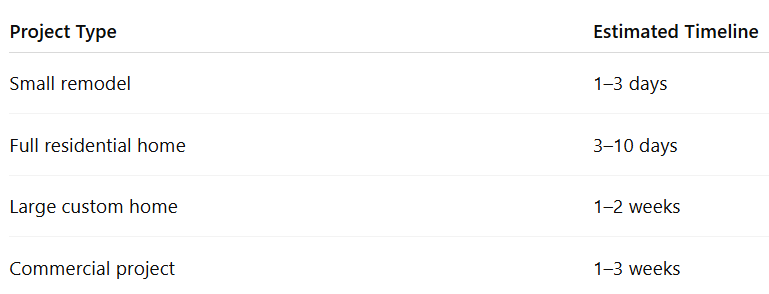
These timelines assume proper planning and no major delays.
Factors Affecting Timeline
Several factors can speed up or slow down the rough-in process:
-
Permit approval time: Delays in permits can push the entire schedule back
-
Project size and layout: Larger or more complex designs require more time
-
Coordination with other trades: Electricians must work around plumbing and HVAC installations
-
Material availability: Delays in supplies can affect progress
-
Crew size and experience: Skilled teams complete work faster and with fewer issues
Planning ahead and working with an experienced team helps keep the project moving smoothly.
Rough Wiring for Smart Homes & Modern Systems
Modern homes and businesses require more than basic wiring. Today’s systems must support technology, automation, and higher energy demands. Planning for these features during rough-in saves time and avoids future upgrades.
Smart Home Pre-Wiring
Smart homes rely on strong and organized wiring systems. During rough-in, electricians can prepare the property for advanced features.
Common smart wiring includes:
-
Data cables (Cat6 or higher) – For fast internet and network connections
-
Security system wiring – Cameras, alarms, and access controls
-
Smart lighting systems – Centralized control for lights and dimmers
-
Home automation hubs – Integration of multiple smart devices
Installing these systems during rough-in is more efficient than adding them later.
EV Charger & Solar Preparation
As energy needs change, many homeowners plan for electric vehicles and solar power systems.
Rough-in wiring can include:
-
Dedicated circuits for EV chargers: Ensures safe and reliable charging at home
-
Panel upgrades: Supports increased electrical demand
-
Solar-ready wiring: Prepares the system for future solar panel installation
Planning ahead reduces future installation costs and avoids major system changes later.
When Do You Need Rough In Electrical Services?
Rough-in wiring is required in several situations. Knowing when to schedule this service helps keep your project organized.
New Construction Projects
Every new building requires rough-in electrical wiring. This step happens after framing and before insulation or drywall. It ensures the entire system is installed correctly from the start.
Major Renovations
If you are remodeling a large portion of your home, rough-in wiring may be necessary.
This includes:
-
Replacing old wiring
-
Adding new circuits
-
Updating panels
Older homes often need upgrades to meet modern electrical demands.
Home Additions
Adding new rooms or expanding existing spaces requires new wiring.
Examples include:
-
Room additions
-
Garage conversions
-
Outdoor structures
Rough-in wiring connects the new space to the existing electrical system safely and efficiently.
Choosing the Right Rough In Electrical Contractor in Polk County
Selecting the right contractor can make a big difference in the success of your project. A skilled electrician ensures the work is safe, compliant, and completed on time.
What to Look For
When hiring a contractor, consider the following:
-
Licensed and insured professionals: Protects you and ensures legal compliance
-
Experience with local projects: Familiarity with Polk County codes and inspections
-
Strong portfolio of past work: Shows reliability and quality
-
Clear communication: Keeps you informed throughout the project
Questions to Ask Before Hiring
Before making a decision, ask a few key questions:
-
Do you handle permits and inspections?
-
How do you ensure code compliance?
-
What is the estimated timeline?
-
Can you provide a detailed cost breakdown?
These questions help you understand the contractor’s process and avoid surprises later.
Rough In Wiring vs Rewiring Existing Homes
Rough-in wiring and rewiring are related but different services. Understanding the difference helps you choose the right solution.
Key Differences
-
Rough-in wiring: Installed in new construction or open structures
-
Rewiring: Replaces old or damaged wiring in finished homes
Rewiring often requires opening walls, which adds time and cost. Rough-in work, on the other hand, is done before walls are closed, making it more efficient.
Environmental & Energy Efficiency Considerations
Energy efficiency is an important part of modern electrical design. Rough-in wiring plays a role in reducing energy waste and improving system performance.
Energy Efficient Wiring Layout
A well-planned system reduces unnecessary energy use.
This includes:
-
Balanced circuit distribution
-
Proper wire sizing
-
Efficient routing to reduce resistance
These steps help improve overall efficiency and system reliability.
Future-Proofing Your Electrical System
Planning for the future during rough-in saves time and money later.
Consider adding:
-
Extra circuits for future expansion
-
Space in the panel for upgrades
-
Wiring for smart systems and automation
A future-ready system adapts to changing needs without major modifications.
Final Thoughts on Rough In Electrical Wiring Services in Polk County, Florida
Rough-in electrical wiring is one of the most important steps in any construction or renovation project. It lays the groundwork for a safe and reliable electrical system.
Taking the time to plan properly, follow local codes, and work with experienced professionals helps avoid delays and costly mistakes. It also ensures your system can handle modern electrical demands and future upgrades.
If you are planning a project, investing in quality rough in electrical wiring services in Polk County, Florida, will provide long-term safety, efficiency, and peace of mind.
Need help with your project? Call us at +1 863-624-7000 or email ray@hylton-electric.com—we’re happy to walk you through your rough-in wiring needs.
FAQs About Rough In Electrical Wiring Services in Polk County, Florida
What is rough-in electrical wiring, and why is it important?
Rough-in electrical wiring is the stage where all wires, electrical boxes, and circuits are installed before walls are closed. It forms the foundation of the entire electrical system.
This phase matters because:
-
It determines how electricity flows through the property
-
It affects safety, load balance, and system performance
-
Mistakes at this stage are expensive to fix later
During rough-in, electricians plan circuits, run wires through framing, and prepare everything for final connections. Once drywall is installed, accessing these components becomes difficult. That is why inspections are required before moving forward. A properly completed rough-in ensures your system is safe, efficient, and ready for long-term use without frequent issues.
How much does rough-in electrical wiring cost in Polk County, Florida?
The cost of rough-in wiring depends on the size and complexity of the project. Most residential projects fall within a broad range, but exact pricing varies.
Typical cost factors include:
-
Home size and square footage
-
Number of circuits and outlets
-
Type of materials used
-
Labor rates in Polk County
On average:
-
Small projects cost less due to limited wiring
-
Larger homes or custom builds cost more
Additional expenses may include permit fees and panel upgrades. While it may seem costly upfront, proper rough-in work reduces future repair costs and ensures long-term reliability. Investing in quality installation helps avoid rewiring or inspection failures later.
Do I need a permit for rough-in electrical work in Polk County?
Yes, permits are required before starting any rough-in electrical work in Polk County. This applies to both new construction and major renovations.
Permits are important because they:
-
Ensure the work follows electrical codes
-
Allow inspections at key stages
-
Protect homeowners from unsafe installations
Without a permit:
-
You may face fines or delays
-
The work may need to be removed or redone
-
Selling the property later can become difficult
The permit process usually involves submitting project details and scheduling inspections. Licensed electricians often handle this step, making the process smoother. Following proper procedures helps keep your project on track and compliant.
How long does rough-in electrical wiring take to complete?
The timeline for rough-in wiring depends on the project size and complexity. Smaller projects move faster, while larger builds require more coordination.
Typical timelines include:
-
Small remodels: 1–3 days
-
Standard homes: 3–10 days
-
Large or custom homes: up to 2 weeks
Factors that affect timing:
-
Permit approval delays
-
Coordination with other trades
-
Availability of materials
-
Crew size and experience
Proper planning helps avoid delays. When electricians work efficiently and inspections are scheduled on time, the project stays on track. Rushing this stage, however, can lead to mistakes and failed inspections.
What happens during a rough-in electrical inspection?
A rough-in inspection is required before drywall installation. It ensures that all wiring and components meet safety and code standards.
Inspectors typically check:
-
Wire size and type
-
Proper routing and support
-
Box placement and installation
-
Grounding and bonding
They also look for:
-
Compliance with spacing rules
-
Proper circuit distribution
-
Overall workmanship quality
If the work meets all requirements, the project moves forward. If not, corrections must be made before re-inspection. This step is critical because it verifies the safety of all hidden electrical components before they are covered.
Can I do rough-in electrical wiring myself?
While some homeowners attempt DIY electrical work, rough-in wiring is not recommended without proper training and licensing.
Challenges include:
-
Understanding electrical codes
-
Correctly sizing wires and circuits
-
Passing required inspections
Risks of DIY work:
-
Safety hazards such as shocks or fires
-
Failed inspections leading to delays
-
Costly corrections or rewiring
In Polk County, permits and inspections are required, which makes professional involvement important. Hiring a licensed electrician ensures the work is done correctly, meets code requirements, and avoids future issues. It also gives peace of mind knowing the system is safe.
What materials are used in rough-in electrical wiring?
Rough-in wiring uses a variety of materials to build a safe and reliable system.
Common materials include:
-
Copper wiring for conductivity and durability
-
Non-metallic (NM) cables for residential use
-
Conduits for protection in commercial settings
-
Electrical boxes for outlets and switches
-
Breaker panels for circuit control
Material selection depends on:
-
Project type (residential or commercial)
-
Local code requirements
-
Budget and long-term needs
Using high-quality materials improves system performance and reduces maintenance issues. It also ensures compliance with safety standards.
What is the difference between rough-in and finish electrical work?
Rough-in and finish electrical work are two separate phases of the installation process.
Rough-in work includes:
-
Running wires through walls and ceilings
-
Installing electrical boxes
-
Planning circuits
Finish work includes:
-
Installing outlets, switches, and fixtures
-
Connecting devices to the system
-
Testing functionality
The key difference is visibility. Rough-in work is hidden behind walls, while finish work is visible and functional. Both stages are important, but rough-in sets the foundation. If it is done correctly, the finish stage becomes much smoother.
What are common mistakes in rough-in electrical wiring?
Mistakes during rough-in wiring can lead to safety risks and costly repairs. Many issues arise from poor planning or lack of experience.
Common mistakes include:
-
Incorrect wire sizing
-
Overloading circuits
-
Poor wire routing or support
-
Missing required safety devices
Other issues:
-
Improper box placement
-
Ignoring future electrical needs
-
Skipping permits or inspections
Avoiding these mistakes requires careful planning and attention to detail. Hiring experienced electricians helps ensure the system is installed correctly and meets all code requirements.
Why is grounding important in rough-in wiring?
Grounding is a key safety feature in any electrical system. It provides a safe path for excess electricity during faults.
Grounding helps:
-
Prevent electrical shocks
-
Reduce fire risks
-
Protect appliances and equipment
During rough-in:
-
Grounding wires are installed
-
Connections are made to the main panel
-
Systems are bonded for safety
Without proper grounding, electrical faults can become dangerous. This is why inspectors pay close attention to grounding during the rough-in stage. A well-grounded system ensures safe operation and long-term reliability.
How many outlets and circuits should a home have?
The number of outlets and circuits depends on the size of the home and how each space is used.
General guidelines include:
-
Outlets every 6–12 feet along walls
-
Dedicated circuits for kitchens, bathrooms, and laundry areas
-
Separate circuits for large appliances
Factors to consider:
-
Modern power needs (electronics, appliances)
-
Future expansion plans
-
Code requirements
Proper planning ensures:
-
Balanced electrical load
-
Reduced risk of overload
-
Convenient access to power
An experienced electrician will design a layout that meets both code standards and daily usage needs.
What is included in rough-in wiring for smart homes?
Smart home systems require additional wiring during the rough-in phase. Planning ahead makes installation easier and more efficient.
Common smart wiring includes:
-
Data cables for internet connectivity
-
Security system wiring
-
Smart lighting controls
-
Automation system connections
Benefits of early installation:
-
Reduces future upgrade costs
-
Keeps wiring organized
-
Improves system performance
Adding these features during rough-in ensures the home is ready for modern technology without major modifications later.
How do electricians plan circuits during rough-in?
Circuit planning is one of the most important parts of rough-in wiring. It ensures the system can handle electrical demand safely.
Electricians consider:
-
Room usage and appliance needs
-
Load calculations for each circuit
-
Placement of outlets and switches
They also plan for:
-
Dedicated circuits for heavy loads
-
Balanced distribution across the panel
-
Future expansion
Proper circuit planning prevents overloads and improves efficiency. It also ensures compliance with electrical codes and inspection requirements.
What factors affect the cost of rough-in electrical wiring?
Several factors influence the total cost of rough-in wiring. Understanding these helps with budgeting and planning.
Key cost factors include:
-
Property size and layout
-
Number of circuits and outlets
-
Material quality
-
Labor rates
Other considerations:
-
Permit fees
-
Complexity of the design
-
Accessibility of installation areas
More complex projects require more time and materials, which increases costs. Working with experienced electricians helps control expenses while maintaining quality.
When should rough-in electrical wiring be scheduled in construction?
Rough-in wiring is scheduled after framing is complete, but before insulation and drywall installation.
This timing is important because:
-
Walls are open for easy access
-
Electricians can coordinate with other trades
-
Inspections can be completed before closing walls
Typical sequence:
-
Framing
-
Rough-in electrical, plumbing, and HVAC
-
Inspection
-
Insulation and drywall
Scheduling rough-in at the right time prevents delays and ensures smooth project flow. Proper coordination keeps construction on track and avoids rework.
Leave a Reply