
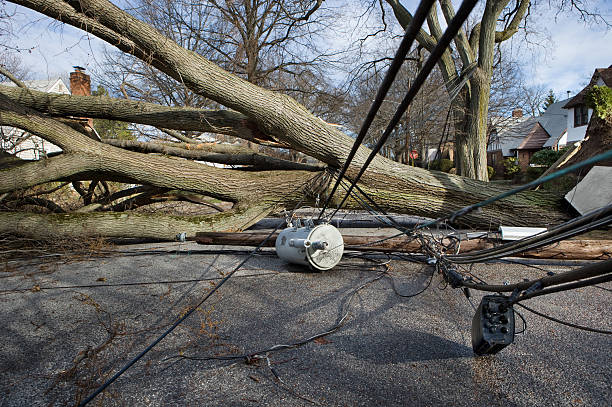
Storms are a part of life in Lakeland. Heavy rain, strong winds, and lightning can hit fast and leave serious damage behind. While most people focus on roofs and windows, electrical systems often take the biggest hit—and the risk is not always visible.
After a storm, your home’s wiring, outlets, and electrical panel may not work the same way. Sometimes the damage is obvious, like a power outage or burnt outlets. Other times, it stays hidden inside the system. That hidden damage can lead to fires, shocks, or costly repairs later.
This guide explains everything you need to know about storm damage electrical repair in Lakeland. You will learn how storms affect your electrical system, what warning signs to watch for, and why quick action matters. Whether the damage is small or severe, knowing what to do next can protect your home and your family.
Understanding Storm Damage to Electrical Systems in Lakeland
Storms in Florida are not just strong—they are unpredictable. Because of that, electrical systems often face multiple types of stress at once. Rain, wind, and lightning can all damage different parts of your system in different ways.
Why Florida Storms Are Especially Hard on Electrical Systems
Lakeland sits in a region where storms build quickly. Lightning strikes are common, and humidity levels stay high throughout the year. These conditions create a perfect environment for electrical problems.
For example, lightning can send a sudden surge through your wiring. That surge can damage appliances, trip breakers, or even destroy your electrical panel. At the same time, heavy rain can seep into outdoor outlets or underground wiring. Moisture and electricity do not mix, which increases the risk of shorts and corrosion.
Wind also plays a role. Strong gusts can knock down trees or power lines. When that happens, your home’s electrical system may face sudden interruptions or physical damage.
Because these factors often occur together, storm-related electrical damage is rarely simple. It usually affects more than one part of the system.
Common Types of Electrical Damage After Storms
After a storm, several types of electrical issues can appear. Some happen right away, while others develop over time.
Here are the most common problems homeowners in Lakeland face:
-
Power surges that damage electronics and appliances
-
Water intrusion causing short circuits or corrosion
-
Broken or exposed wiring from fallen trees or debris
-
Damaged electrical panels due to overload or moisture
-
Outdoor electrical system failure, including lighting and outlets
In many cases, the damage is not limited to one area. For instance, a surge may affect both your panel and your appliances at the same time. That is why a full inspection is always important after a major storm.
Why Immediate Electrical Repair Is Critical
Waiting too long to fix electrical damage can make things worse. Even small issues can turn into serious hazards if ignored.
First, damaged wiring increases the risk of electrical fires. A loose or corroded connection can overheat without warning. Second, wet or exposed components can lead to electric shock. This is especially dangerous in areas with standing water.
There is also the risk of hidden damage. Your system may seem fine, but internal components could already be weakened. Over time, that can lead to sudden failures or expensive repairs.
Acting quickly helps you avoid these risks. A professional inspection can catch problems early and restore your system safely.
Verified Storm Damage & Electrical Repair Statistics
- 23,700 electrical malfunction fires occur annually in U.S. homes, causing 305 deaths and $1.5 billion in losses — U.S. Fire Administration
- Electrical distribution and lighting issues cause ~32,620 home fires per year, leading to 430 deaths and $1.3 billion in damage — National Fire Protection Association
- In 2021 alone, 24,200 residential electrical fires resulted in $1.2 billion property loss — Federal Emergency Management Agency
- Lightning causes ~17,400 fires annually, often damaging wiring, roofs, and electrical systems — U.S. Fire Administration
- Electrical issues account for ~13% of all home fires and 18% of related deaths, highlighting high risk despite lower frequency — National Fire Protection Association
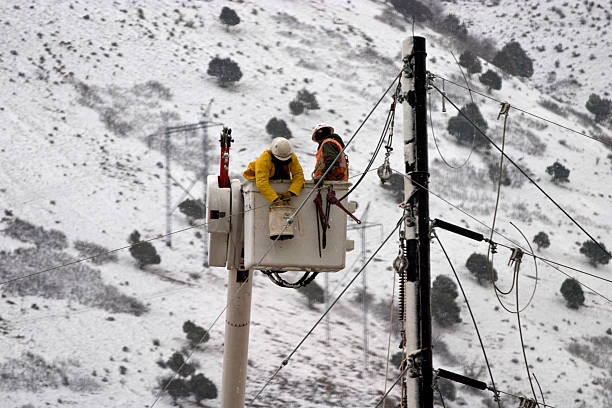
Signs You Need Storm Damage Electrical Repair Immediately
Not all electrical problems show up right away. Some signs are clear, while others are easy to miss. Knowing what to look for can help you take action before the problem gets worse.
Obvious Warning Signs You Should Never Ignore
Some issues require immediate attention. If you notice any of the following, it is best to call a professional right away:
-
Complete or partial power loss in your home
-
Burning smells coming from outlets or panels
-
Sparks or visible damage to wires or switches
-
Buzzing or humming sounds from the breaker panel
-
Wet outlets or switches, especially after flooding
These signs often point to serious damage. Ignoring them can increase the risk of fire or injury.
Hidden Electrical Problems After a Storm
Other problems are less obvious but still dangerous. They may appear slowly or seem minor at first.
Watch for these signs:
-
Flickering or dimming lights
-
Outlets that feel warm to the touch
-
Frequent breaker trips
-
Appliances not working properly
-
Unusual increases in your electricity bill
These issues often indicate internal damage. Even if everything still works, your system may not be safe.
When to Call an Emergency Electrician in Lakeland
Timing matters after a storm. In general, you should call an electrician if:
-
You experienced lightning near your home
-
There was flooding or water exposure
-
You notice any of the warning signs above
-
Your power does not return to normal quickly
It is better to act early than to wait for the problem to grow. A licensed electrician can assess the damage, explain what needs repair, and help restore your system safely.
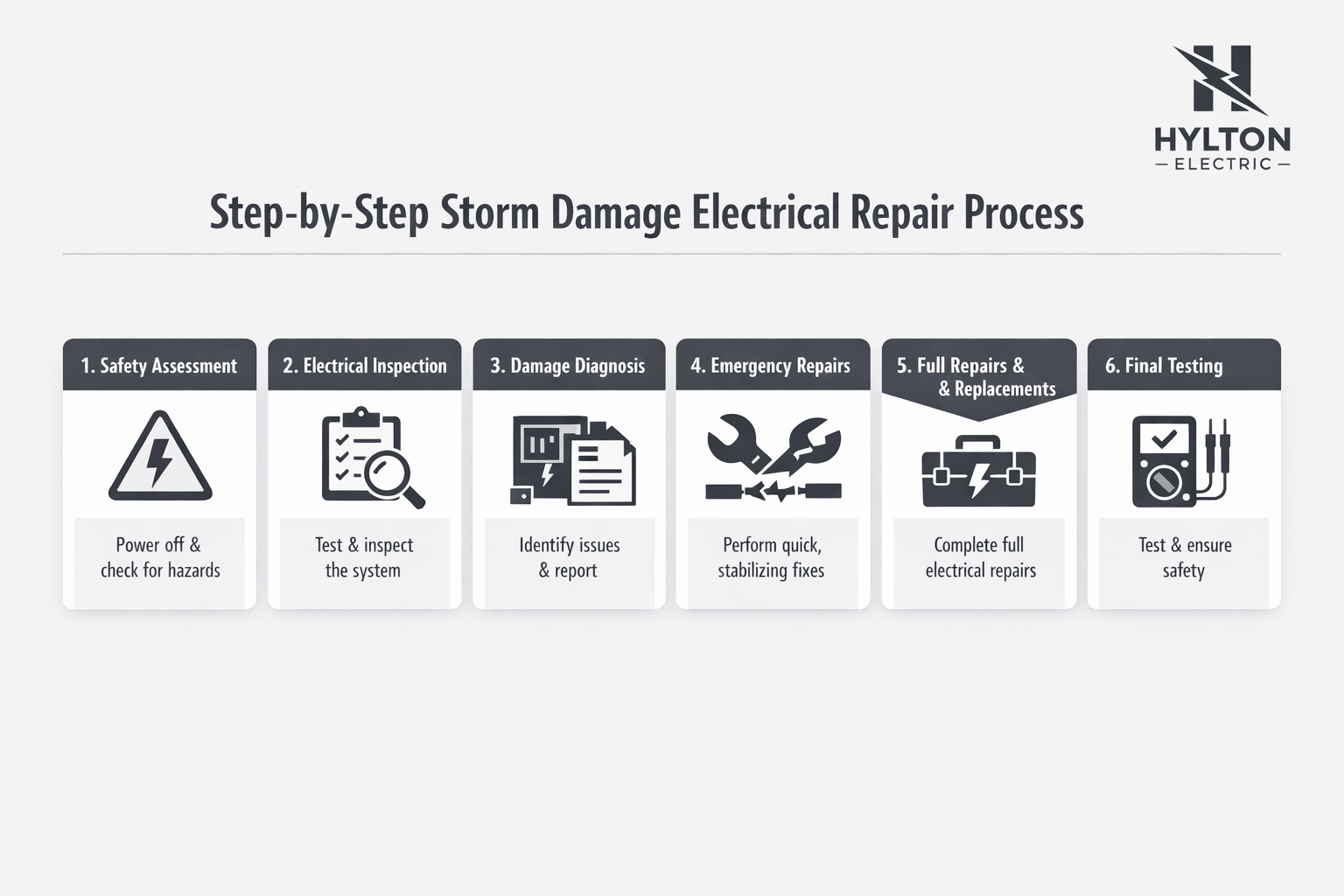
Step-by-Step Storm Damage Electrical Repair Process
After a storm, many homeowners feel unsure about what happens next. The repair process may sound complex, but it usually follows a clear path. Understanding each step helps you stay informed and make better decisions.
Step 1: Initial Safety Assessment
The first step always focuses on safety. Before anything else, the power supply may need to be turned off. This reduces the risk of shock or fire.
A quick visual check is also done at this stage. Electricians look for:
-
Exposed or broken wires
-
Burn marks or melted components
-
Water near electrical fixtures
-
Damaged outdoor equipment
If there is standing water, the situation becomes more serious. Electricity and water together create a high-risk environment. In such cases, no repairs begin until the area is safe.
Step 2: Professional Electrical Inspection
Once the area is secure, a full inspection begins. This step goes beyond what you can see on the surface.
Electricians test different parts of your system, including:
-
Electrical panels and breakers
-
Circuits and wiring
-
Outlets, switches, and fixtures
-
Grounding systems
Special tools help detect hidden problems, such as internal wire damage or weak connections. Even if your system seems to work, these tests can reveal issues that may cause trouble later.
Step 3: Damage Diagnosis and Reporting
After the inspection, the electrician identifies the exact problems. This step is important because storm damage is rarely limited to one area.
You will receive a clear explanation of:
-
What is damaged
-
What needs repair or replacement
-
How serious the issue is
-
Estimated cost and timeline
This is also the stage where documentation may be prepared for insurance claims. Having a detailed report can make the claims process smoother.
Step 4: Emergency Repairs and Stabilisation
If there are urgent risks, temporary repairs are done first. The goal is to stabilise the system and prevent further damage.
This may include:
-
Securing loose or exposed wires
-
Replacing damaged breakers
-
Isolating unsafe circuits
-
Restoring partial power safely
These fixes are not always permanent. However, they make your home safe to use while full repairs are planned.
Step 5: Full Electrical Repairs and Replacements
Once the system is stable, permanent repairs begin. The scope of work depends on the level of damage.
Common repairs include:
-
Replacing damaged wiring
-
Repairing or upgrading the electrical panel
-
Installing new outlets and switches
-
Fixing surge-related damage
In some cases, parts of the system may need a full upgrade. This is especially true if the damage exposed older or outdated wiring.
Step 6: Final Testing and Safety Compliance
After repairs are complete, the system is tested again. This ensures everything works properly and meets safety standards.
Electricians check for:
-
Proper voltage levels
-
Stable circuit performance
-
Safe grounding
-
Compliance with local electrical codes
Only after passing these tests is the system considered safe for regular use.
Types of Storm-Related Electrical Repairs in Lakeland
Storm damage can affect different parts of your electrical system. Each type of repair serves a specific purpose, depending on what was damaged.
Electrical Panel Repairs and Upgrades
The electrical panel is the heart of your system. During a storm, it can suffer from power surges or moisture exposure.
Repairs may include:
-
Replacing faulty breakers
-
Fixing damaged connections
-
Upgrading the panel to handle modern loads
In many Lakeland homes, older panels may already be under strain. A storm can make that problem worse, which is why upgrades are sometimes recommended.
Wiring Repair and Replacement
Wiring often takes hidden damage. Water, heat, or physical impact can weaken it over time.
Common wiring issues include:
-
Corrosion from moisture
-
Melted insulation from surges
-
Breaks caused by debris or fallen trees
Depending on the damage, repairs may be limited to certain areas or involve partial rewiring.
Outlet and Switch Repairs
Outlets and switches are exposed points in your system. Because of that, they are more likely to show visible damage.
Signs of trouble include:
-
Burn marks
-
Loose connections
-
Non-functioning outlets
In many cases, replacing these components is the safest option, especially if water was involved.
Surge Damage Repair
Power surges are one of the most common storm-related issues. Even a short surge can damage sensitive electronics and internal wiring.
Repairs may involve:
-
Replacing damaged circuits
-
Repairing affected appliances
-
Installing surge protection systems
Without proper protection, future storms can cause the same problem again.
Generator Installation and Backup Systems
After experiencing a storm, many homeowners look for ways to stay prepared. Backup power systems are a practical solution.
Options include:
-
Portable generators for short-term use
-
Whole-home generators for full coverage
These systems help maintain power during outages and reduce disruption. They also add an extra layer of safety for essential appliances.
Electrical Safety Tips After a Storm
After a storm passes, it is natural to want everything back to normal right away. However, electrical systems need careful attention before you turn things on or start using appliances again. Taking a few simple precautions can prevent serious risks.
What to Do Immediately After Storm Damage
Start by checking your surroundings, but do not touch anything that looks unsafe. If there is water near outlets or electrical equipment, keep your distance.
Here are a few safe steps to follow:
-
Turn off the main power supply if you suspect damage
-
Use a flashlight instead of candles to avoid fire risk
-
Check for visible damage from a safe distance
-
Keep children and pets away from affected areas
-
Call a licensed electrician for an inspection
If your home experienced flooding, avoid turning the power back on until a professional confirms it is safe. Water can hide inside walls and wiring, which increases danger.
What NOT to Do (Critical Safety Mistakes)
Many homeowners try to handle small issues themselves. While this may seem practical, electrical systems are not safe to repair without training.
Avoid these common mistakes:
-
Do not touch wet electrical panels or outlets
-
Do not reset breakers repeatedly if they keep tripping
-
Do not use damaged appliances
-
Do not attempt DIY electrical repairs
Even a small mistake can lead to injury or fire. It is always safer to let a professional handle the repair.
How to Keep Your Family Safe
Safety should remain a priority until your system is fully inspected and repaired.
You can reduce risk by:
-
Keeping emergency supplies ready, such as flashlights and batteries
-
Staying away from downed power lines
-
Unplugging sensitive electronics if the power is unstable
-
Monitoring your home for unusual smells or sounds
These steps may seem simple, but they make a big difference during recovery.
Cost of Storm Damage Electrical Repair in Lakeland
One of the first questions homeowners ask is about cost. The answer depends on the type and extent of the damage. Some repairs are minor, while others require major work.
Average Repair Costs by Service Type
Below is a general idea of what you can expect:
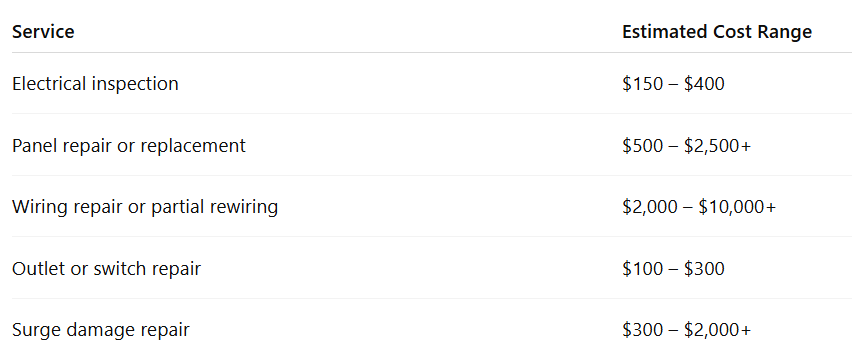
These numbers can vary based on your home and the severity of the storm.
Factors That Affect Pricing
Several factors influence the final cost:
-
Extent of damage: Small repairs cost less than full system replacements
-
Size of the property: Larger homes require more materials and labor
-
Accessibility: Hard-to-reach wiring increases labor time
-
Emergency services: Urgent repairs may cost more
Because every situation is different, a professional inspection is the best way to get an accurate estimate.
Cost vs Risk: Why Delaying Repairs Is Expensive
Delaying repairs may seem like a way to save money, but it often leads to higher costs later.
For example:
-
Damaged wiring can cause electrical fires
-
Small issues can spread to other parts of the system
-
Insurance claims may become harder to file
Fixing the problem early is usually faster, safer, and more affordable in the long run.
Does Insurance Cover Storm Damage Electrical Repairs?
Insurance can help reduce the financial burden, but coverage depends on your policy and the cause of the damage.
What Most Homeowners’ Insurance Covers
In many cases, standard policies cover sudden and unexpected damage caused by storms.
This often includes:
-
Lightning strikes
-
Power surges caused by storms
-
Damage from fallen trees affecting electrical systems
If the damage is clearly linked to a storm event, there is a good chance it will be covered.
What May NOT Be Covered
Not all situations qualify for coverage. Insurance companies may deny claims if the issue is linked to neglect or pre-existing conditions.
Examples include:
-
Outdated or poorly maintained wiring
-
Previous damage that was never repaired
-
General wear and tear
This is why regular maintenance is important, especially in storm-prone areas like Lakeland.
How to File a Claim Successfully
Filing a claim becomes easier when you have proper documentation.
Follow these steps:
-
Take clear photos and videos of the damage
-
Keep records of any temporary repairs
-
Request a detailed inspection report from a licensed electrician
-
Contact your insurance provider as soon as possible
Being organized can speed up the process and improve your chances of approval.
Choosing the Right Storm Damage Electrician in Lakeland
Not all electricians handle storm damage the same way. Some focus on general repairs, while others specialize in emergency and post-storm work. Choosing the right professional can save time, reduce stress, and ensure your system is truly safe.
Key Qualities to Look For
When searching for an electrician in Lakeland, keep these factors in mind:
-
Licensed and insured to meet Florida safety standards
-
Experience with storm damage repairs, not just routine work
-
Availability for emergency services, especially after severe weather
-
Clear communication about costs and timelines
A qualified electrician should be able to explain the problem in simple terms. You should feel confident about the work being done in your home.
Questions to Ask Before Hiring
Before you make a decision, it helps to ask a few direct questions:
-
Do you have experience with storm-related electrical damage?
-
Can you provide a full inspection and written report?
-
Do you offer emergency or same-day services?
-
Will you help with insurance documentation if needed?
These questions can quickly show whether the electrician is the right fit for your situation.
Why Local Experience Matters in Lakeland
Lakeland has its own set of challenges. Storm patterns, humidity, and local building codes all play a role in how electrical systems are repaired.
A local electrician understands:
-
Florida-specific electrical codes
-
Common storm-related issues in the area
-
How to respond quickly after severe weather
This local knowledge often leads to faster and more effective repairs.
Preventing Future Storm Damage to Your Electrical System
While you cannot stop storms, you can reduce the damage they cause. A few proactive steps can protect your electrical system and lower future repair costs.
Install Whole-Home Surge Protection
Power surges are one of the biggest threats during storms. A whole-home surge protector helps block excess voltage before it reaches your wiring and appliances.
Benefits include:
-
Protection for sensitive electronics
-
Reduced risk of internal wiring damage
-
Longer lifespan for appliances
This is one of the most effective upgrades for storm protection.
Upgrade Your Electrical Panel
Older panels may not handle modern power demands. During a storm, this weakness becomes more noticeable.
Upgrading your panel can:
-
Improve system reliability
-
Reduce overload risks
-
Support surge protection systems
If your panel is outdated, an upgrade is often a smart long-term investment.
Schedule Regular Electrical Inspections
Routine inspections help catch small issues before they turn into major problems.
An inspection can identify:
-
Worn or damaged wiring
-
Loose connections
-
Early signs of corrosion
In storm-prone areas like Lakeland, regular checks add an extra layer of safety.
Trim Trees and Protect Outdoor Systems
Physical damage is another common issue during storms. Trees, branches, and debris can impact wiring and outdoor equipment.
Simple steps include:
-
Trimming trees near power lines
-
Securing outdoor electrical fixtures
-
Protecting exposed wiring
These actions reduce the risk of direct damage during high winds.
Emergency Electrical Services in Lakeland: What to Expect
After a storm, quick response matters. Emergency electrical services are designed to restore safety and power as soon as possible.
24/7 Response Times
Many electricians in Lakeland offer round-the-clock service. This means help is available even during nights or weekends.
Fast response helps:
-
Reduce safety risks
-
Prevent further damage
-
Restore essential power quickly
Temporary vs Permanent Repairs
Emergency services often begin with temporary solutions. These are designed to stabilize your system.
Examples include:
-
Isolating damaged circuits
-
Securing exposed wiring
-
Restoring limited power
Once the situation is stable, permanent repairs are scheduled to fully restore the system.
Timeline for Full Electrical Recovery
Recovery time depends on the level of damage.
-
Minor repairs may take a few hours
-
Moderate damage can take one to two days
-
Major repairs or rewiring may take several days
A professional electrician will provide a clear timeline after inspection.
Residential vs Commercial Storm Damage Electrical Repair
Storm damage affects homes and businesses differently. Each requires a tailored approach.
Key Differences in Repair Needs
Residential repairs usually focus on:
-
Restoring power
-
Ensuring safety for occupants
-
Repairing appliances and wiring
Commercial repairs often involve:
-
Keeping business operations running
-
Meeting strict safety and compliance standards
-
Handling larger electrical loads
Because of these differences, commercial systems often require more complex solutions.
Specialized Equipment and Systems
Commercial properties may include:
-
Large electrical panels
-
Backup power systems
-
Specialized machinery
These systems require experienced professionals who understand advanced electrical setups.
Why Professional Storm Damage Electrical Repair Is Worth It
Trying to cut corners with electrical repairs can lead to serious problems. Professional work ensures safety, reliability, and long-term performance.
Safety and Compliance
Licensed electricians follow strict codes and standards. This reduces the risk of fire, shock, and system failure.
Long-Term Reliability
Proper repairs prevent recurring issues. Instead of fixing the same problem again, the system is restored correctly the first time.
Peace of Mind After a Storm
Knowing your electrical system is safe allows you to focus on recovery. You do not have to worry about hidden risks or future breakdowns.
Why Choose Hylton Electric for Storm Damage Electrical Repair in Lakeland
When it comes to storm damage, experience and response time matter. Hylton Electric provides reliable service tailored to Lakeland homes and businesses.
Fast Emergency Response
Quick action helps reduce damage and restore safety. The team responds promptly after storms to assess and repair issues.
Experienced Local Electricians
With strong knowledge of local conditions, Hylton Electric understands the unique challenges Lakeland homeowners face.
Transparent Pricing and Honest Advice
Clear estimates and straightforward communication help you make informed decisions without surprises.
Full-Service Electrical Repair Solutions
From inspections to full system repairs, every step is handled with care and attention to detail.
Leave a Reply