
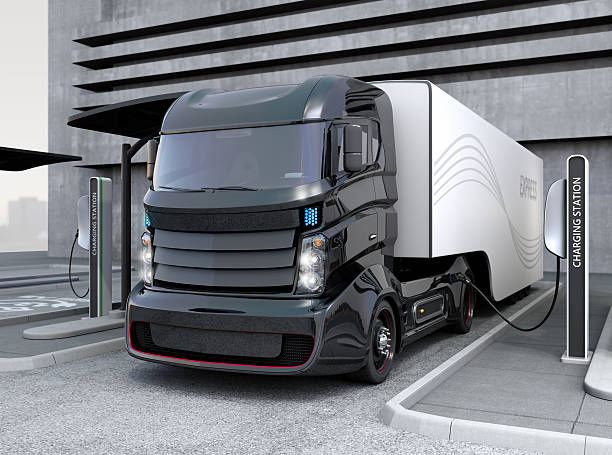
The EV charging industry is growing at a fast pace. More drivers are switching to electric vehicles every year. As a result, the demand for charging stations continues to increase across the United States.
This growth is creating new opportunities for businesses, property owners, and facility managers. Retail centers, apartment complexes, warehouses, office buildings, and industrial facilities are all exploring EV charging solutions. Many see charging stations as a way to attract customers, support employees, and prepare for future transportation needs.
Florida is also seeing strong growth in electric vehicle adoption. Cities throughout Lakeland, Polk County, Tampa, and surrounding areas are adding more charging infrastructure. Public agencies, businesses, and private property owners are investing in new charging stations to meet rising demand.
At the same time, EV charging technology continues to improve. Charging speeds are increasing. Smart energy management systems are becoming more common. Fleet charging solutions are expanding. These changes are helping make electric vehicle ownership more practical for drivers and more attractive for businesses.
For property owners considering an EV charging project, understanding current industry trends is important. The right decisions today can help reduce costs, improve reliability, and support future growth.
In this guide, we will look at the biggest trends shaping the EV charging industry and what they mean for commercial, industrial, and residential properties.
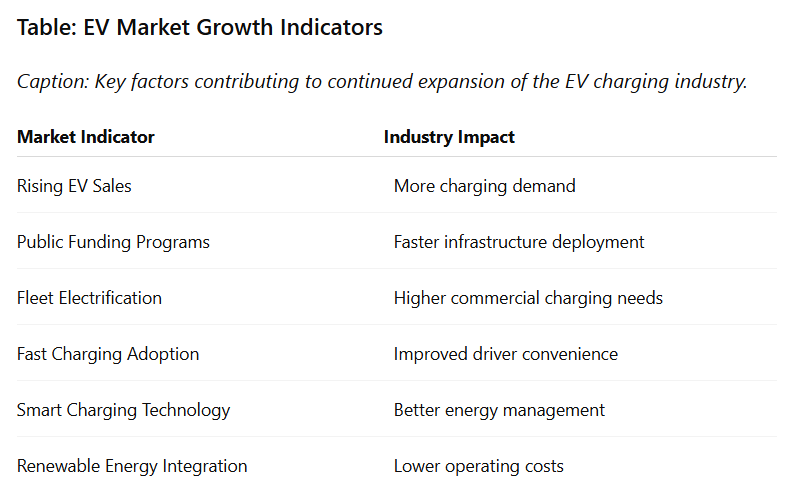
The combination of these factors continues to push the EV charging market forward. As adoption increases, businesses that plan ahead may be better positioned to support customers, tenants, and employees.
Why the EV Charging Industry Is Growing So Fast
Several factors are driving growth across the EV charging industry. Some are related to vehicle adoption. Others are connected to technology improvements and infrastructure investments. Together, these trends are creating strong demand for new charging stations throughout the country.
Rising EV Adoption Across Residential and Commercial Markets
Electric vehicle ownership continues to grow each year. Many drivers are choosing EVs because of lower fuel costs, reduced maintenance requirements, and improved vehicle performance.
Manufacturers are also expanding their electric vehicle lineups. Consumers now have more options than ever before. This wider selection is helping increase adoption among both residential and commercial users.
Businesses are making the switch as well. Delivery companies, service fleets, municipalities, and transportation providers are gradually adding electric vehicles to their operations.
As more vehicles enter the market, charging infrastructure must keep pace.
Government Incentives and Infrastructure Investments
Federal, state, and local programs have helped accelerate charging station deployment.
Many incentive programs support:
-
Commercial charging station installations
-
Fleet electrification projects
-
Public charging infrastructure
-
Workplace charging programs
-
Multi-family property charging systems
These investments help reduce barriers for businesses considering EV charging projects.
At the same time, utility companies are expanding support programs designed to strengthen electrical infrastructure and improve grid readiness.
Florida’s Growing EV Market
Florida remains one of the fastest-growing EV markets in the country. Population growth, tourism activity, and expanding business development are increasing the demand for charging infrastructure throughout the state.
Property owners in Lakeland, Polk County, and the Greater Tampa area are beginning to evaluate how EV charging fits into their long-term plans. For many businesses, installing charging stations is becoming part of broader facility modernization efforts.
Common examples include:
-
Shopping centers
-
Office buildings
-
Hotels
-
Apartment communities
-
Warehouses
-
Manufacturing facilities
Businesses Are Preparing for Future Demand
Many organizations are no longer asking if they need EV charging. Instead, they are asking when and how to install it. This shift is happening because electric vehicle adoption is expected to continue growing over the next decade.
Businesses that plan early often have more flexibility when it comes to:
-
Electrical system upgrades
-
Charger placement
-
Utility coordination
-
Future expansion
-
Budget planning
Waiting until demand becomes urgent can sometimes lead to higher costs and more complicated installations.
Technology Improvements Are Supporting Growth
Modern charging systems are more efficient than earlier generations.
Today’s chargers often include:
-
Remote monitoring
-
Energy usage tracking
-
Smart load management
-
Mobile app integration
-
Automated billing systems
These features make charging stations easier to manage and maintain. For commercial and industrial facilities, smart charging can also help control energy costs and reduce strain on existing electrical systems.
Growing Focus on Sustainability
Many organizations are pursuing sustainability goals. EV charging infrastructure often supports these initiatives.
Businesses may install charging stations to:
-
Reduce emissions
-
Support corporate sustainability programs
-
Improve employee benefits
-
Attract environmentally conscious customers
-
Prepare for future regulations
While sustainability remains important, practical business considerations are also driving adoption. Many companies view EV charging as a long-term infrastructure investment rather than simply an environmental initiative.
As electric vehicle ownership continues to increase, the need for reliable charging infrastructure will remain one of the biggest drivers shaping the EV charging industry.
Trend #1 — Ultra-Fast Charging Becomes the New Standard
The EV charging industry is moving toward faster charging speeds. Drivers want shorter charging sessions. Businesses want charging stations that can serve more vehicles each day. As a result, ultra-fast charging is becoming a major focus across the industry.
What Ultra-Fast Charging Means
Traditional Level 2 chargers are still common. They work well for homes, workplaces, and long-duration parking. However, many commercial locations need faster charging options.
Ultra-fast chargers typically deliver:
-
150 kW charging speeds
-
250 kW charging speeds
-
350 kW charging speeds
-
Future megawatt charging capabilities
These systems can significantly reduce charging times compared to standard chargers.
For drivers, shorter charging sessions create a better experience. For businesses, faster turnover allows more vehicles to use the same charging station.
Why Businesses Are Investing in Faster Chargers
Customer expectations continue to change. Many EV owners now expect charging experiences similar to traditional fuel stops. They want to recharge quickly and continue their trip. Businesses are responding by installing higher-powered charging systems.
Benefits include:
-
Increased customer convenience
-
More charging sessions per day
-
Greater site utilization
-
Improved property value
-
Competitive advantage
Retail centers, travel plazas, and commercial developments often benefit most from fast charging installations.
Industries Leading Fast Charging Adoption
Several sectors are adopting fast charging at a rapid pace.
These include:
-
Transportation companies
-
Delivery fleets
-
Logistics facilities
-
Highway travel centers
-
Public charging networks
Fleet operators especially benefit from reduced vehicle downtime. Every minute a vehicle spends charging can affect productivity. Faster charging helps keep vehicles on the road.
Electrical Challenges Behind Fast Charging
Fast charging requires much more power than standard charging systems. Many properties need electrical upgrades before installation.
Common upgrades include:
-
Service entrance upgrades
-
Panel replacements
-
Transformer upgrades
-
Switchgear improvements
-
Utility coordination
This is why early planning is important.
A licensed electrical contractor can evaluate existing infrastructure and identify potential limitations before installation begins.
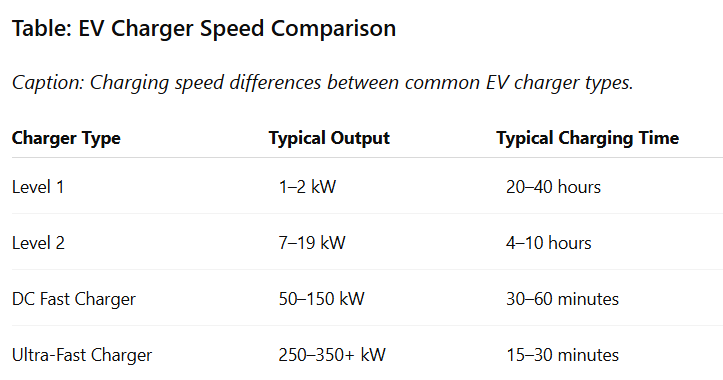
The demand for fast charging will likely continue growing. As EV adoption increases, many businesses will look for ways to reduce charging times and improve user experience.
Trend #2 — Smart EV Charging and Energy Management
Installing charging stations is only part of the equation. Managing energy efficiently is becoming just as important. This is where smart charging technology comes into play. Smart charging systems help businesses control energy use, reduce operating costs, and improve charger performance.
How Smart Charging Works
Smart charging uses software and communication systems to manage power distribution. Instead of delivering maximum power at all times, the system adjusts charging rates based on demand and available capacity. This approach helps facilities avoid unnecessary electrical strain.
Key functions often include:
-
Load balancing
-
Demand management
-
Usage monitoring
-
Remote diagnostics
-
Automated scheduling
These features allow businesses to operate charging stations more efficiently.
Benefits of Smart Charging for Commercial Properties
Energy costs remain a major concern for many facility owners. Smart charging helps address this challenge.
Benefits often include:
-
Lower utility expenses
-
Reduced peak demand charges
-
Better equipment utilization
-
Improved scalability
-
Enhanced reliability
For properties with multiple chargers, these savings can become significant over time.
Load Management Is Becoming Essential
Many commercial buildings were not originally designed for large EV charging loads. Adding several chargers without proper planning can create capacity issues. Load management helps solve this problem.
The system automatically distributes available power among chargers based on real-time demand. As a result, facilities can often add more charging stations without immediately upgrading electrical infrastructure.
Remote Monitoring Improves Reliability
Downtime can frustrate drivers and reduce station usage. Modern charging systems often include remote monitoring capabilities.
Operators can:
-
Track charger performance
-
Receive fault alerts
-
Monitor energy consumption
-
Schedule maintenance
-
Diagnose problems remotely
This proactive approach helps improve charger uptime and customer satisfaction.
Smart Charging and Renewable Energy
Many businesses are combining EV charging with renewable energy systems.
Smart charging platforms can coordinate:
-
Solar power generation
-
Battery storage systems
-
Grid power usage
-
Charging demand
This integration can improve efficiency and reduce overall operating costs.
Common Smart Charging Features
Today’s charging networks often include advanced management tools.
Popular features include:
-
Mobile applications
-
User authentication
-
Automated billing
-
Energy analytics
-
Fleet management dashboards
As charging networks continue expanding, smart energy management will become increasingly important. Businesses that invest in these capabilities today may be better prepared for future growth.
Trend #3 — Fleet Charging Expansion
Fleet electrification is one of the biggest forces shaping the EV charging industry. Companies across multiple industries are replacing traditional vehicles with electric alternatives. This transition is creating strong demand for fleet charging infrastructure.
Why Fleet Electrification Is Accelerating
Organizations are adopting electric fleets for several reasons.
Common drivers include:
-
Lower operating costs
-
Reduced fuel expenses
-
Sustainability goals
-
Regulatory requirements
-
Improved vehicle efficiency
As vehicle technology improves, more businesses are finding electric fleets practical for daily operations.
Industries Leading Fleet Charging Growth
Fleet charging demand extends across many sectors.
Industries investing heavily in EV fleets include:
-
Delivery companies
-
Municipal agencies
-
Utility providers
-
Logistics firms
-
Transportation services
-
Maintenance contractors
Many of these organizations operate large vehicle fleets that require dependable charging infrastructure.
Fleet Charging Requires Different Planning
Fleet charging projects differ from public charging installations. The primary goal is to keep vehicles operational and ready for service.
Planning typically involves:
-
Reviewing fleet schedules.
-
Evaluating daily mileage.
-
Assessing charging windows.
-
Determining power requirements.
-
Planning future expansion.
Each step helps ensure the charging system supports operational needs.
Common Fleet Charging Configurations
Different fleets require different charging solutions.
Common approaches include:
-
Overnight depot charging
-
Workplace charging
-
Mixed charging systems
-
Fast charging hubs
-
Opportunity charging stations
The best solution depends on vehicle usage patterns and operational goals.
Fleet Charging Infrastructure Challenges
Large charging installations often require significant electrical capacity.
Common challenges include:
-
Limited utility service
-
High power demand
-
Infrastructure upgrade costs
-
Space constraints
-
Future scalability requirements
Addressing these challenges early can reduce project delays and unexpected costs.
Case Example: Warehouse Fleet Charging Upgrade
Consider a warehouse operating a growing fleet of electric delivery vehicles.
The facility initially installed several Level 2 chargers. As the fleet expanded, charging demand increased significantly.
A detailed electrical assessment revealed the need for:
-
Service upgrades
-
Additional distribution equipment
-
Smart load management
-
Future charging expansion space
After completing these improvements, the facility gained the flexibility to support additional vehicles without major disruptions.
This example highlights an important lesson. Fleet charging projects work best when infrastructure planning considers both current and future needs.
As more organizations electrify their fleets, fleet charging will remain one of the fastest-growing segments of the EV charging industry.
Trend #4 — Charging-as-a-Service Models Continue Growing
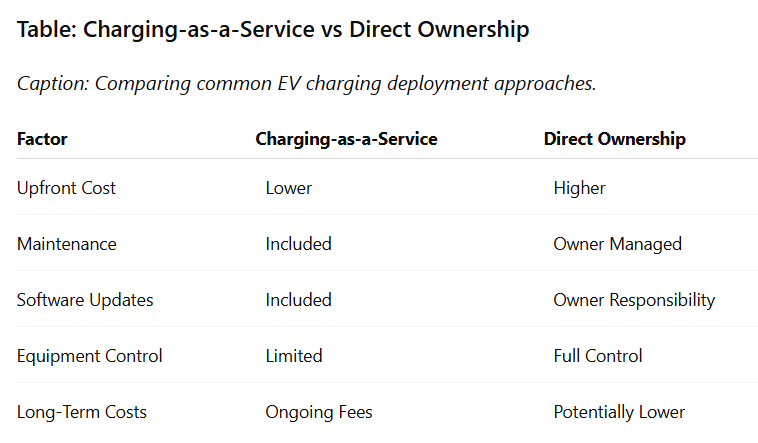
Not every business wants to own and manage charging infrastructure. Many property owners are looking for simpler options. This has led to the growth of Charging-as-a-Service, often called CaaS. Under this model, a third-party provider handles much of the charging system deployment and management.
What Is Charging-as-a-Service?
Charging-as-a-Service allows businesses to install EV charging stations without making a large upfront investment.
The service provider may handle:
-
Equipment procurement
-
Installation coordination
-
Software management
-
Maintenance
-
Monitoring
-
Upgrades
Instead of purchasing the system outright, businesses typically pay a monthly fee or service agreement cost.
Why Businesses Are Considering CaaS
One of the biggest advantages is reduced capital spending. Many organizations prefer predictable operating expenses instead of large infrastructure investments.
Benefits often include:
-
Lower upfront costs
-
Simplified budgeting
-
Professional maintenance
-
Software updates included
-
Reduced operational responsibilities
This model can be especially attractive for businesses entering the EV charging market for the first time.
Properties That Benefit Most
Charging-as-a-Service works well for:
-
Office buildings
-
Shopping centers
-
Hotels
-
Apartment communities
-
Mixed-use developments
-
Small business properties
These locations often want charging amenities without managing the technical side of the system.
Is CaaS Right for Every Business?
Not always. Large industrial facilities and fleet operators may prefer ownership because of greater control and long-term savings. However, businesses with limited budgets or smaller charging needs often find the service model attractive. As EV charging demand grows, Charging-as-a-Service is expected to remain an important option for commercial properties.
Trend #5 — Workplace and Multi-Family Charging Growth
Employees, tenants, and residents increasingly expect access to EV charging where they live and work. Because of this shift, workplace charging and residential community charging are expanding quickly. Many businesses now view charging stations as a valuable amenity rather than a specialty feature.
Why Employers Are Installing EV Chargers
Workplace charging offers several advantages. It helps employees charge vehicles during the workday while supporting sustainability initiatives.
Employers often install chargers to:
-
Improve employee satisfaction
-
Support company sustainability goals
-
Attract talent
-
Prepare for future demand
-
Enhance workplace amenities
For many office properties, EV charging is becoming part of long-term facility planning.
Apartment and Condo Charging Demand Is Increasing
Multi-family properties face growing pressure to provide charging access. Residents who own electric vehicles often consider charging availability when choosing where to live.
Property managers are responding by adding charging infrastructure to:
-
Apartment complexes
-
Condominium communities
-
Mixed-use developments
-
Student housing properties
This trend is expected to continue as EV ownership increases.
Common Electrical Challenges
Many existing properties were built before EV charging became common. As a result, electrical limitations can create installation challenges.
Common issues include:
-
Limited panel capacity
-
Aging electrical systems
-
Insufficient transformer capacity
-
Restricted parking layouts
-
Limited utility service availability
A professional electrical assessment helps identify these issues before installation begins.
Signs a Property May Need Electrical Upgrades
Not every property can immediately support multiple charging stations.
Warning signs often include:
-
Frequent breaker trips
-
Outdated electrical panels
-
Overloaded circuits
-
Limited spare capacity
-
Aging service equipment
Addressing these concerns early helps avoid future reliability problems.
Common Electrical Upgrades for EV Charging
Depending on the property’s condition, upgrades may include:
-
Panel replacements
-
Service upgrades
-
Transformer upgrades
-
Distribution equipment improvements
-
Load management systems
These improvements support both current charging needs and future expansion.
Workplace Charging Benefits Beyond Convenience
Charging stations can create additional value for businesses.
Potential benefits include:
-
Improved property appeal
-
Enhanced tenant retention
-
Increased employee engagement
-
Positive public perception
-
Future-ready infrastructure
For many organizations, charging stations are becoming part of broader modernization efforts.
Trend #6 — Renewable Energy Integration With EV Charging
As electricity demand increases, many businesses are looking for ways to improve efficiency. One solution is combining EV charging with renewable energy systems. Solar power and battery storage are becoming more common partners for charging infrastructure.
Why Renewable Energy Matters
Charging stations increase electrical consumption. For larger facilities, this can significantly impact utility costs. Renewable energy systems help offset some of this demand.
Benefits may include:
-
Lower operating expenses
-
Reduced grid dependence
-
Improved sustainability performance
-
Better energy resilience
These advantages are attracting interest from commercial and industrial property owners.
Solar-Powered Charging Systems
Solar energy is one of the most common renewable solutions paired with EV charging. Solar panels generate electricity during daylight hours, helping support charging operations.
Common applications include:
-
Corporate campuses
-
Warehouses
-
Parking garages
-
Retail centers
-
Industrial facilities
While solar alone may not supply all charging demand, it can reduce reliance on utility power.
Battery Energy Storage Is Expanding
Battery storage systems are becoming increasingly important. These systems store electricity for later use.
Businesses often use battery storage to:
-
Reduce peak demand charges
-
Improve energy reliability
-
Support fast charging stations
-
Store excess solar production
Battery technology continues to improve, making these systems more practical for larger charging projects.
Smart Energy Management Improves Results
Renewable energy works best when paired with smart controls.
Energy management systems help coordinate:
-
Solar generation
-
Battery storage
-
Utility power
-
Charging demand
This creates a more efficient and balanced charging environment.
Common Mistakes During Renewable Integration
Some projects face challenges because future growth was not considered.
Common mistakes include:
-
Undersized solar systems
-
Insufficient battery capacity
-
Poor load forecasting
-
Limited expansion planning
-
Ignoring peak demand patterns
Careful planning helps avoid these costly issues.
What the Future Looks Like
Renewable energy integration will likely become more common as EV charging expands. Businesses are looking for ways to manage energy costs while supporting sustainability goals. At the same time, technology improvements continue making solar and battery systems more effective.
For commercial and industrial facilities, combining renewable energy with EV charging may become a standard part of infrastructure planning over the next decade.
Trend #7 — Reliability and Charger Uptime Become Priorities
As the EV charging industry grows, reliability is becoming just as important as expansion.
A charging station only provides value when it works properly. Drivers expect chargers to be available when needed. Businesses expect the charging infrastructure to operate consistently.
Because of this, the industry is placing greater emphasis on charger uptime and system performance.
Why Reliability Matters
Early EV charging networks focused heavily on increasing the number of charging stations. Today, the focus is shifting toward performance.
A reliable charger helps:
-
Improve user satisfaction
-
Increase station usage
-
Reduce maintenance costs
-
Protect business reputation
-
Support fleet operations
For commercial properties, an out-of-service charger can create frustration for customers and tenants.
Common Causes of Charger Downtime
Several issues can affect charging station reliability.
Common causes include:
-
Software failures
-
Network communication issues
-
Damaged charging cables
-
Electrical faults
-
Lack of preventive maintenance
Many of these problems can be reduced through routine inspections and monitoring.
Preventive Maintenance Is Becoming Standard
Property owners are increasingly adopting maintenance programs for charging infrastructure.
Routine maintenance may include:
-
Visual inspections
-
Electrical testing
-
Software updates
-
Cable inspections
-
Performance monitoring
Regular maintenance often helps identify small problems before they become major repairs.
Remote Monitoring Supports Higher Uptime
Modern charging systems frequently include remote monitoring tools.
These systems allow operators to:
-
Detect faults quickly
-
Monitor performance trends
-
Schedule maintenance
-
Receive automatic alerts
-
Track charger usage
The result is faster response times and improved reliability.
Checklist: EV Charging Maintenance Best Practices
-
Inspect chargers monthly
-
Check cables for wear and damage
-
Review software updates regularly
-
Monitor charging performance
-
Schedule annual electrical inspections
-
Address faults immediately
-
Document maintenance activities
As EV adoption increases, reliability will become a major competitive advantage for charging station owners.
Trend #8 — Industrial EV Charging Infrastructure Expansion
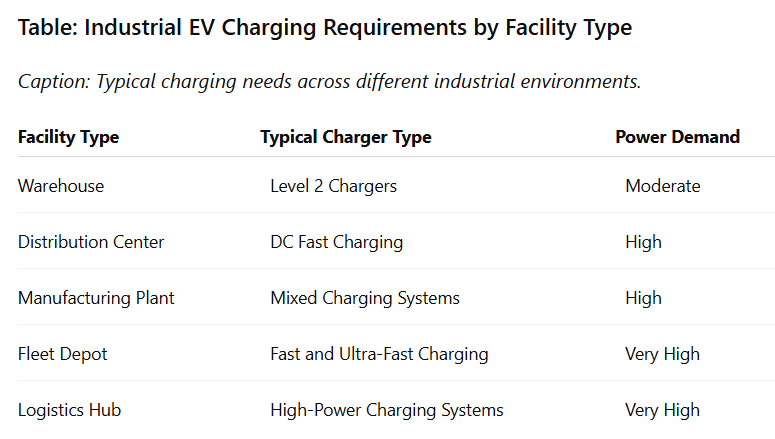
Industrial facilities are becoming an important part of the EV charging market. Warehouses, manufacturing plants, logistics centers, and distribution hubs are investing heavily in charging infrastructure. Many of these facilities operate fleets or support transportation operations that require dependable charging systems.
Why Industrial Charging Demand Is Rising
Several factors are driving industrial charging growth.
These include:
-
Fleet electrification
-
Sustainability initiatives
-
Rising fuel costs
-
Operational efficiency goals
-
Government incentives
Industrial operators are increasingly viewing EV charging as a long-term infrastructure investment.
Warehouses and Distribution Centers Lead Adoption
Distribution centers are among the largest adopters of industrial charging systems.
Many facilities now support:
-
Delivery vans
-
Electric forklifts
-
Yard trucks
-
Service vehicles
-
Future fleet expansion
Charging infrastructure helps support daily operations while reducing dependence on traditional fuels.
Industrial Charging Requires Significant Electrical Capacity
Unlike small commercial installations, industrial charging projects often involve substantial power requirements.
Facilities may require:
-
Utility coordination
-
Service upgrades
-
Transformer replacements
-
New switchgear
-
Distribution system improvements
These projects typically require detailed planning and electrical engineering support.
Facility Modernization Is Driving Installations
Many industrial operators are upgrading aging electrical infrastructure.
These projects often include:
-
Power distribution upgrades
-
Lighting improvements
-
Equipment modernization
-
Backup power systems
-
EV charging integration
Combining multiple upgrades into a single project can improve efficiency and reduce future disruptions.
Long-Term Planning Is Essential
Industrial charging projects are often designed with future growth in mind.
Businesses should consider:
-
Future fleet expansion
-
Additional charger locations
-
Utility capacity requirements
-
Equipment replacement cycles
-
Long-term energy costs
Proper planning helps facilities avoid costly redesigns later.
Trend #9 — EV Charging and Electrical Infrastructure Upgrades
One of the biggest challenges in the EV charging industry is electrical capacity. Many buildings were designed long before EV charging became common. As charging demand increases, existing infrastructure may need upgrades.
This is especially true for commercial and industrial properties.
Why Infrastructure Upgrades Are Becoming More Common
Charging stations place additional demand on electrical systems. When multiple chargers operate at the same time, power requirements can increase significantly. As a result, many facilities need upgrades before installing charging equipment.
Common Electrical Upgrades Supporting EV Charging
The most common improvements include:
-
Panel upgrades
-
Service entrance upgrades
-
Transformer upgrades
-
Switchgear replacements
-
Circuit expansions
These upgrades help ensure safe and reliable charging operations.
Signs Your Facility May Need an Upgrade
Several warning signs can indicate limited electrical capacity.
These include:
-
Frequent breaker trips
-
Overloaded panels
-
Aging electrical equipment
-
Limited available circuits
-
Utility service constraints
A professional electrical assessment can identify these issues before construction begins.
Factors That Affect Project Costs
No two charging projects are identical.
Several variables influence installation costs.
Common factors include:
-
Existing electrical capacity
-
Charger quantity
-
Charger type
-
Site layout
-
Trenching requirements
-
Utility coordination
-
Future expansion planning
Facilities with strong existing infrastructure often face lower upgrade costs.
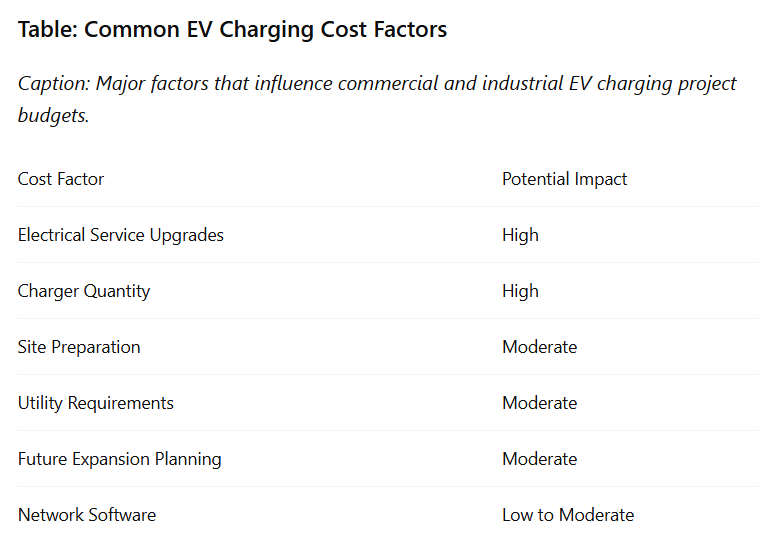
Caption: Major factors that influence commercial and industrial EV charging project budgets.
Why Early Planning Saves Money
Many businesses wait until EV charging demand becomes urgent. Unfortunately, this approach can create unnecessary costs.
Early planning helps organizations:
-
Budget effectively
-
Coordinate with utilities
-
Schedule upgrades efficiently
-
Support future growth
-
Minimize project disruptions
For many facilities, infrastructure readiness is becoming one of the most important aspects of EV charging planning.
Need help evaluating electrical capacity for future EV charging projects? Hylton Electric provides free commercial and industrial quotes throughout Lakeland, Polk County, and Tampa. Call +1 863-624-7000 or email ray@hylton-electric.com to discuss your facility’s electrical needs.
Trend #10 — Future Technologies Shaping the EV Charging Industry
The EV charging industry continues to evolve. New technologies are being developed to improve charging speed, efficiency, and flexibility. Some innovations are already being tested in real-world projects. Others are expected to become more common over the next several years. Businesses that understand these trends can make better long-term infrastructure decisions.
Vehicle-to-Grid (V2G) Technology
Vehicle-to-Grid technology allows electric vehicles to send power back to the electrical grid. Traditionally, electricity only flows from the grid to the vehicle. V2G changes that relationship.
Potential benefits include:
-
Grid stabilization
-
Emergency backup power
-
Better energy management
-
Additional revenue opportunities
While adoption remains limited today, many experts expect growth as EV ownership increases.
Bidirectional Charging Is Expanding
Bidirectional charging is closely related to V2G. It allows electricity to move both to and from a vehicle battery.
This technology may allow EVs to support:
-
Homes during power outages
-
Commercial facilities
-
Battery storage systems
-
Renewable energy projects
As charging equipment improves, bidirectional charging is expected to become more accessible.
Wireless EV Charging
Wireless charging removes the need for traditional charging cables. Vehicles charge through induction technology built into parking surfaces.
Potential advantages include:
-
Improved convenience
-
Reduced cable wear
-
Easier accessibility
-
Cleaner installation appearance
Although wireless charging remains a developing technology, several pilot projects are already underway worldwide.
Megawatt Charging Systems
Heavy-duty transportation requires more power than passenger vehicles. To support this demand, manufacturers are developing megawatt charging systems.
These chargers are designed for:
-
Commercial trucks
-
Freight transportation
-
Industrial vehicles
-
Large fleet operations
Megawatt charging could significantly reduce charging times for commercial transportation fleets.
Improved Battery Technology
Battery improvements continue to influence charging infrastructure.
Advancements include:
-
Faster charging acceptance
-
Higher energy density
-
Longer battery life
-
Improved efficiency
As batteries improve, charging systems will continue adapting to support higher performance levels.
Artificial Intelligence and Predictive Maintenance
Artificial intelligence is becoming more common within charging networks.
AI-powered systems can:
-
Predict equipment failures
-
Optimize energy use
-
Improve charger availability
-
Analyze usage patterns
-
Support maintenance planning
These capabilities may help reduce downtime and improve operating efficiency.
What Businesses Should Watch Over the Next Five Years
Several technologies have the potential to reshape charging infrastructure.
Property owners should monitor:
-
Vehicle-to-Grid adoption
-
Bidirectional charging capabilities
-
Wireless charging development
-
Battery storage growth
-
Megawatt charging deployment
-
Smart energy management systems
Not every technology will become mainstream immediately. However, understanding these developments can help businesses make smarter investment decisions.
How Businesses Can Prepare for EV Charging Industry Changes
The EV charging industry is moving quickly. Businesses that plan ahead are often better positioned for future growth. Preparation starts with understanding the current infrastructure and future needs.
Evaluate Existing Electrical Capacity
Before installing charging stations, businesses should assess available electrical capacity.
Important considerations include:
-
Existing service size
-
Panel capacity
-
Distribution equipment
-
Future expansion potential
-
Utility requirements
An electrical assessment provides a clear picture of what upgrades may be necessary.
Build for Future Expansion
Many organizations initially install only a few charging stations. However, demand often increases over time. Planning for expansion today can reduce future costs.
Consider:
-
Additional conduit pathways
-
Reserved electrical capacity
-
Future charger locations
-
Scalable management software
A future-ready design can save significant money later.
Understand User Demand
Different properties require different charging solutions.
Questions to ask include:
-
Who will use the chargers?
-
How long will vehicles remain parked?
-
How many vehicles need charging daily?
-
Is fleet charging required?
-
Will demand increase over time?
The answers help determine the most suitable charging strategy.
Coordinate With Utility Providers Early
Utility coordination can affect project timelines.
Early discussions help identify:
-
Service limitations
-
Upgrade requirements
-
Incentive opportunities
-
Construction timelines
This step often prevents delays during installation.
Focus on Reliability and Maintenance
Installing chargers is only the beginning.
Long-term success requires:
-
Preventive maintenance
-
Monitoring systems
-
Software updates
-
Regular inspections
Reliable charging infrastructure provides a better experience for users and protects the investment.
Expert Recommendations for Florida Property Owners
Businesses across Lakeland, Polk County, Tampa, and surrounding areas should focus on long-term planning.
Recommended priorities include:
-
Assess the electrical infrastructure early
-
Plan for future charger growth
-
Consider smart energy management
-
Evaluate fleet charging needs
-
Explore renewable energy opportunities
Taking these steps today can help support future charging demands while minimizing unexpected costs.
Conclusion
The EV charging industry is changing rapidly.
Growing EV adoption continues to increase demand for charging infrastructure across residential, commercial, and industrial markets. At the same time, new technologies are improving charging speed, reliability, and energy efficiency.
Several trends stand out. Ultra-fast charging is becoming more common. Smart charging systems are helping manage energy use. Fleet electrification is creating large-scale charging demand. Renewable energy integration continues expanding. Reliability and uptime are receiving greater attention throughout the industry.
For businesses, these changes create both opportunities and challenges. Successful projects require careful planning, strong electrical infrastructure, and a clear understanding of future needs.
Organizations that prepare early are often better positioned to support customers, employees, tenants, and fleet operations as electric vehicle adoption continues to grow.
Thinking about EV charging infrastructure for your property or facility? Hylton Electric provides free commercial and industrial quotes throughout Lakeland, Polk County, and Tampa. Call +1 863-624-7000 or email ray@hylton-electric.com for practical guidance and project planning support.
FAQs About the EV Charging Industry
What is driving growth in the EV charging industry?
The primary driver is the rapid increase in electric vehicle adoption. As more consumers and businesses purchase EVs, the need for charging infrastructure grows.
Additional factors include:
-
Government incentives
-
Fleet electrification
-
Improved charging technology
-
Sustainability initiatives
-
Expanding public charging networks
Together, these factors are creating strong demand for both public and private charging stations.
How fast is the EV charging industry growing?
The EV charging market is experiencing significant growth worldwide.
Growth is being supported by:
-
Rising EV sales
-
Infrastructure funding programs
-
Commercial investments
-
Fleet charging projects
-
Technology improvements
Industry forecasts continue to predict strong expansion over the next decade as electric vehicle ownership increases across multiple sectors.
What is the difference between Level 2 and DC fast charging?
Level 2 chargers provide slower charging speeds and are commonly used for homes, workplaces, and long-term parking.
DC fast chargers deliver significantly more power and can charge vehicles much faster.
General differences include:
-
Level 2: Several hours
-
DC Fast Charging: Less than one hour
-
Ultra-Fast Charging: Approximately 15–30 minutes
The best option depends on vehicle usage patterns and property requirements.
Are commercial EV charging stations profitable?
Commercial charging stations can provide value in several ways.
Potential benefits include:
-
Increased customer visits
-
Longer customer dwell times
-
Improved property attractiveness
-
Additional revenue opportunities
-
Support for sustainability goals
Profitability depends on charger usage, operating costs, electricity pricing, and site location.
How much power does a commercial EV charger require?
Power requirements vary by charger type.
Typical ranges include:
-
Level 2 Chargers: 7–19 kW
-
DC Fast Chargers: 50–150 kW
-
Ultra-Fast Chargers: 250–350+ kW
A professional electrical assessment helps determine whether existing infrastructure can support the required load.
Can apartment complexes install EV charging stations?
Yes. Apartment complexes are one of the fastest-growing segments of the EV charging market.
Many residents now expect access to charging where they live. Property owners are responding by adding charging stations to attract and retain tenants.
Before installation, apartment managers should evaluate:
-
Available electrical capacity
-
Parking layouts
-
Resident demand
-
Future expansion needs
-
Billing and access controls
In some cases, electrical upgrades may be required. However, planning for growth early often makes future expansions easier and more cost-effective.
What are the biggest challenges facing EV charging infrastructure?
Several challenges continue to affect charging infrastructure development.
Common obstacles include:
-
Limited electrical capacity
-
Utility upgrade requirements
-
High installation costs
-
Equipment maintenance needs
-
Site design constraints
Despite these challenges, technology improvements and infrastructure investments continue helping businesses overcome many of these barriers.
Proper planning remains one of the most effective ways to reduce project risks and unexpected expenses.
How often should EV charging stations be maintained?
Regular maintenance is essential for reliable charger performance.
Most charging stations benefit from:
-
Monthly visual inspections
-
Routine software updates
-
Annual electrical testing
-
Cable inspections
-
Performance monitoring
Facilities with high charger usage may require more frequent inspections. Preventive maintenance helps identify issues early, reduce downtime, and extend equipment life.
Can solar panels power EV charging stations?
Yes. Solar energy can support EV charging infrastructure and reduce dependence on utility power.
Many commercial properties combine solar systems with charging stations to improve energy efficiency.
Benefits may include:
-
Lower electricity costs
-
Reduced peak demand charges
-
Sustainability improvements
-
Better energy resilience
For larger charging projects, solar systems are often paired with battery storage and smart energy management platforms for maximum efficiency.
What should businesses consider before installing chargers?
Businesses should evaluate both current and future needs.
Important considerations include:
-
Available electrical capacity
-
Property layout
-
User demand
-
Charger type selection
-
Future expansion plans
-
Utility requirements
A detailed site assessment helps determine the most practical and cost-effective approach. Planning for future growth is often just as important as meeting current charging needs.
What future EV charging technologies are expected to become mainstream?
Several technologies are expected to gain wider adoption over the coming years.
Examples include:
-
Vehicle-to-Grid systems
-
Bidirectional charging
-
Wireless charging
-
Megawatt charging
-
Advanced battery storage
-
AI-powered energy management
While adoption timelines vary, these technologies could significantly improve charging flexibility and efficiency.
How do EV charging stations affect commercial property value?
Many commercial property owners view EV charging as a long-term amenity investment.
Charging infrastructure may help:
-
Attract tenants
-
Improve customer convenience
-
Increase property competitiveness
-
Support sustainability goals
-
Prepare for future demand
As EV ownership grows, charging availability may become a more important factor in site selection decisions for both businesses and consumers.
Do industrial facilities need special electrical upgrades for EV charging?
Often, yes.
Industrial charging projects typically require more power than residential or small commercial installations.
Common upgrades may include:
-
Service entrance upgrades
-
Transformer replacements
-
Switchgear improvements
-
Distribution system upgrades
-
Smart load management systems
The exact requirements depend on the charger quantity, the charger type, and future expansion plans.
Are fleet charging projects different from public charging stations?
Yes. Fleet charging systems are designed around operational requirements rather than public convenience.
Fleet operators typically focus on:
-
Vehicle availability
-
Charging schedules
-
Energy management
-
Infrastructure scalability
-
Operating costs
Public charging projects often prioritize customer accessibility, while fleet projects emphasize operational efficiency.
How can businesses reduce EV charging operating costs?
Several strategies can help lower operating expenses.
Common approaches include:
-
Smart load management
-
Off-peak charging schedules
-
Solar energy integration
-
Battery storage systems
-
Preventive maintenance programs
These strategies help improve efficiency while supporting long-term infrastructure performance.
Leave a Reply