
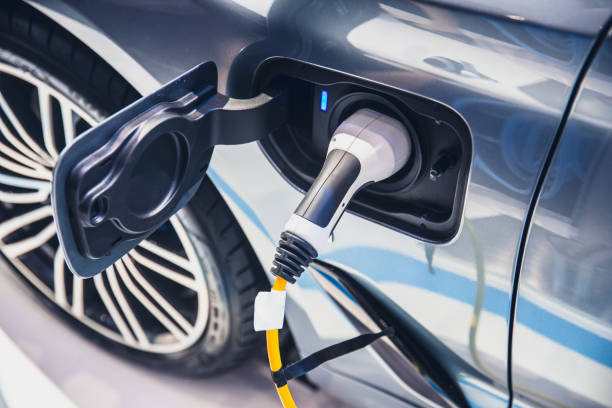
Electric vehicles are no longer a future concept. They are part of everyday life for homeowners, businesses, and commercial facilities. As more people switch to electric cars, one question comes up again and again: how should you charge them?
You may have heard about Level 1 and Level 2 charging. At first glance, they sound technical. In reality, the difference is simple. It comes down to how fast your vehicle charges, what kind of electrical setup you need, and how you plan to use your EV.
If you run a business, manage a property, or handle facility operations, this choice matters even more. Charging speed affects productivity. Installation affects cost. And the right setup can add long-term value to your property.
This guide breaks everything down in clear, practical terms. No jargon. Just what you need to make the right decision.
Introduction to EV Charging Levels
Before comparing Level 1 and Level 2, it helps to understand what “charging levels” actually mean.
EV charging levels are categorized based on voltage and power output. In simple terms, they define how quickly electricity flows into your vehicle’s battery.
There are three main levels:
-
Level 1: Basic charging using a standard outlet
-
Level 2: Faster charging using a 240-volt system
-
Level 3 (DC Fast Charging): High-speed commercial charging (not the focus here)
Think of it like filling a water tank. A small tap takes time. A larger pipe fills it faster. That’s the core difference.
Why Charging Levels Matter
Choosing the right charging level affects more than just speed.
It impacts:
-
Daily convenience
-
Energy efficiency
-
Electrical load on your building
-
Long-term operating costs
For homeowners, this choice affects how easily they can charge overnight. For businesses, it can influence customer experience, employee satisfaction, and even revenue opportunities.
Where Level 1 and Level 2 Fit In
Most EV owners start with Level 1 because it comes with the vehicle. It requires no setup, which makes it appealing at first. However, many eventually move to Level 2. The reason is simple: time.
Level 2 charging reduces wait time significantly. It also supports higher daily usage, which is critical for commercial spaces, fleet vehicles, and busy households.
What Is Level 1 Charging? (Simple Home Charging Explained)
Level 1 charging is the most basic way to charge an electric vehicle. It uses the same type of outlet you would use for household appliances.

Definition and How It Works
Level 1 charging runs on a standard 120-volt outlet. There is no special equipment required beyond the charging cable that usually comes with your EV.
You plug the charger into the wall, connect it to your vehicle, and charging begins. Because it uses existing electrical infrastructure, it does not require:
-
Panel upgrades
-
Dedicated circuits
-
Professional installation
This makes it the easiest entry point for new EV owners.
Charging Speed and Power Output
The simplicity of Level 1 charging comes with a trade-off: speed.
It typically delivers:
-
Around 1 to 2.4 kilowatts of power
-
Roughly 3 to 5 miles of range per hour
That means a full charge can take anywhere from 12 to 24 hours, depending on the vehicle’s battery size. For someone who drives short distances each day, this may be enough. You can plug in overnight and wake up with a charged vehicle. However, for higher daily mileage, this slow rate becomes a limitation.
Advantages of Level 1 Charging
Level 1 charging works well in specific situations. Its main benefits include:
-
No installation cost
-
Simple setup with no technical work required
-
Portability, since you can plug in almost anywhere
-
Low upfront investment
It is a practical option for:
-
Occasional drivers
-
Backup charging needs
-
Temporary setups
Limitations of Level 1 Charging
Despite its simplicity, Level 1 charging is not ideal for everyone.
Common limitations include:
-
Very slow charging speed
-
Not suitable for daily long-distance driving
-
Limited scalability for commercial use
-
Inconvenience for multiple EVs
For businesses or properties with higher demand, Level 1 quickly becomes inefficient. It simply cannot keep up with consistent usage.
What Is Level 2 Charging? (Faster, Professional Charging Solution)
Level 2 charging is where electric vehicle charging becomes practical for daily use. It is faster, more reliable, and designed for both residential and commercial settings.
While Level 1 works as a starting point, Level 2 is what most EV owners move to once they need consistent, dependable charging.
Definition and How It Works
Level 2 charging uses a 240-volt power supply, similar to what powers large appliances like dryers or HVAC systems.
Unlike Level 1, it requires:
-
A dedicated circuit
-
A charging unit (EV charger or EVSE)
-
Professional installation
The charger is usually mounted on a wall in a garage, parking area, or commercial space. Once installed, it provides a stable and much faster charging experience.
Most electric vehicles in North America use a standard connector, so compatibility is not an issue.
Charging Speed and Power Output
The biggest advantage of Level 2 charging is speed.
It typically delivers:
-
Around 7 to 11 kilowatts of power
-
About 10 to 30 miles of range per hour
This means most EVs can reach a full charge in 4 to 10 hours, depending on battery size.
In practical terms, you can plug in after work and have a fully charged vehicle by morning. For businesses, this allows multiple vehicles to cycle through charging during the day.
Advantages of Level 2 Charging
Level 2 charging solves most of the limitations of Level 1. It offers:
-
Much faster charging times
-
Reliable daily use for commuters
-
Scalability for multiple vehicles
-
Better efficiency and reduced energy loss
It is well-suited for:
-
Homeowners with daily driving needs
-
Commercial properties
-
Office buildings and retail centers
-
Fleet operations
For businesses, it also adds value. Offering EV charging can attract customers, support employees, and improve property appeal.
Limitations of Level 2 Charging
Level 2 charging is more capable, but it does require planning.
Some key considerations include:
-
Upfront installation cost
-
Possible electrical panel upgrades
-
Need for a licensed electrician
-
Less portability compared to Level 1
However, these are usually one-time efforts. Once installed, the system provides long-term convenience and performance.
Why Level 2 Is the Preferred Choice for Most Users
As EV adoption grows, Level 2 charging is becoming the standard for both homes and businesses.
The reason is simple. It balances:
-
Speed
-
Cost
-
Practical daily use
For anyone who drives regularly or manages a commercial property, Level 2 offers a reliable solution that keeps up with demand without unnecessary delays.
Level 1 vs Level 2 Charging: Side-by-Side Comparison
Now that you understand how each charging level works, it helps to see them side by side. This makes the differences clearer and easier to apply to real situations.
Quick Comparison Table
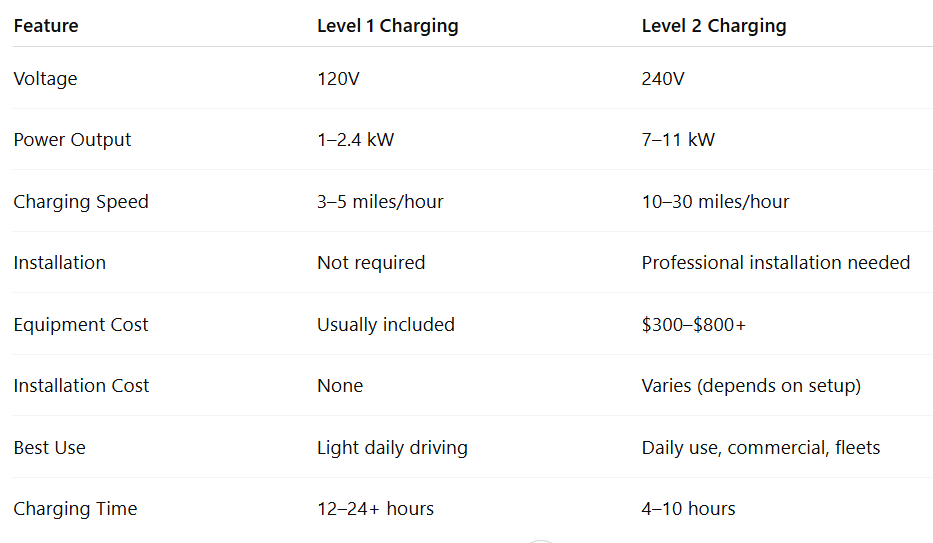
This comparison shows one clear point. The main difference is time and efficiency. Level 1 is slow but simple. Level 2 is faster but requires setup.
Key Differences That Matter in Real Life
When choosing between Level 1 and Level 2, most decisions come down to how you use your vehicle.
Here are the factors that matter most:
-
Daily driving distance: If you drive short distances, Level 1 may be enough. For longer commutes, Level 2 is more practical.
-
Charging time availability: Level 1 requires long charging windows. Level 2 fits into overnight or workday schedules.
-
Number of vehicles: One EV might manage with Level 1. Multiple vehicles almost always need Level 2.
-
Property type: Homes can start with Level 1. Businesses and commercial sites benefit more from Level 2.
Which One Feels More Convenient Day to Day
Convenience is where the difference becomes obvious.
With Level 1:
-
You need to plan ahead
-
Charging can take an entire day
-
Missed charging time can affect your next trip
With Level 2:
-
Charging becomes routine
-
Overnight charging is usually enough
-
You have more flexibility during busy days
For most users, Level 2 removes the stress of “will my car be ready?”
Performance Comparison in Daily Use
Let’s look at a simple example.
If you drive 40–60 miles per day:
-
Level 1 may not fully recharge overnight
-
Level 2 will easily recover that range in a few hours
Over time, this gap becomes more noticeable. Level 2 supports consistent usage without delays.
Cost vs Value Perspective
At first, Level 1 seems more cost-effective because it has no setup cost. However, Level 2 often delivers better long-term value because:
-
It saves time every day
-
It supports higher usage
-
It adds functionality to your property
For commercial spaces, this value increases even more. Charging stations can attract customers and support operations.
Summary of the Core Difference
If you simplify everything down to one idea:
-
Level 1 = convenience with limitations
-
Level 2 = performance with upfront investment
Choosing the right one depends on how much you drive, how quickly you need charging, and whether you want a long-term solution.
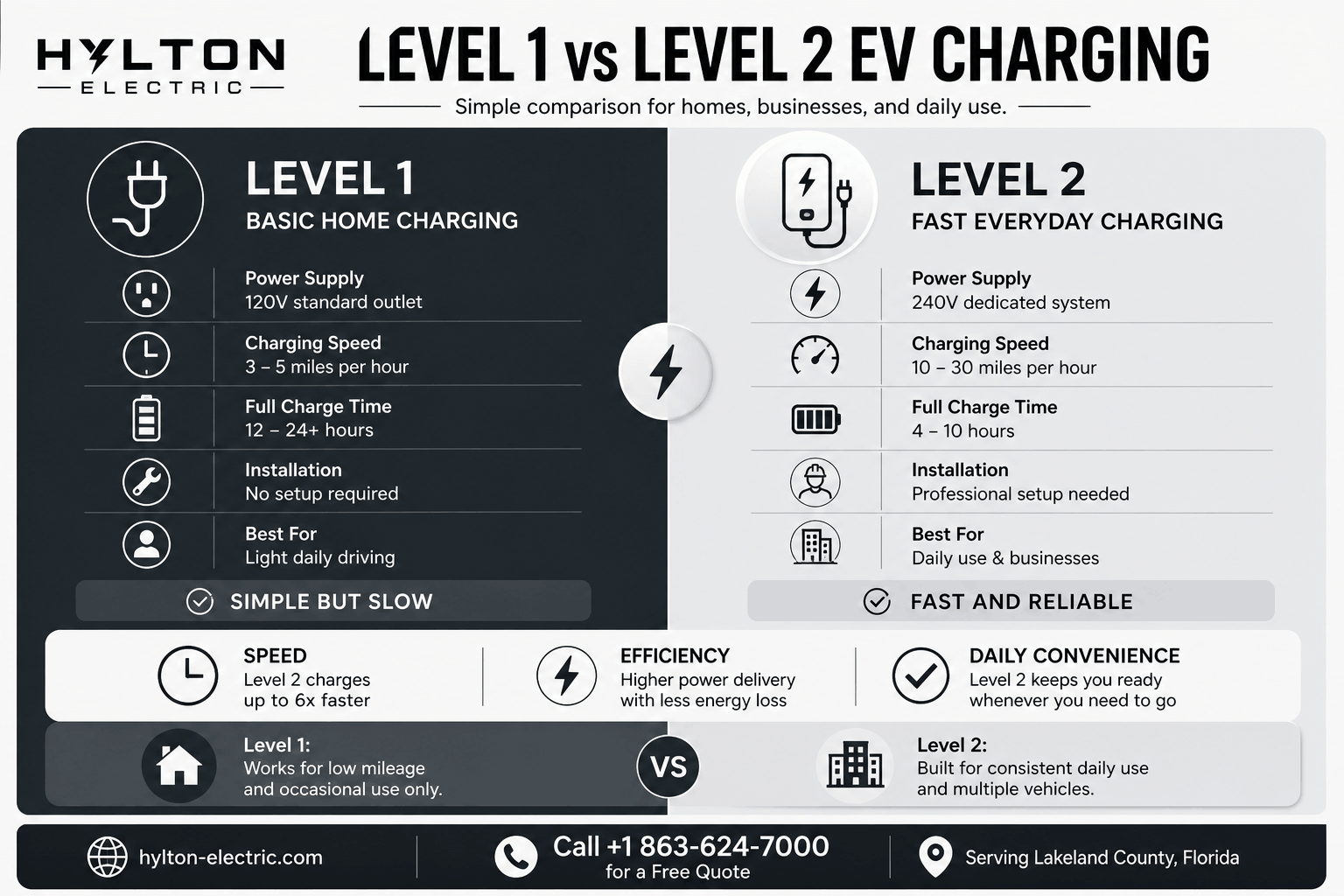
Charging Time Comparison (Real-Life Scenarios)
Understanding specs is helpful. But what really matters is how charging works in everyday situations. Let’s look at a few simple examples. These will show how Level 1 and Level 2 perform with real driving habits.
Example: Charging a 60 kWh EV Battery
A 60 kWh battery is common in many electric vehicles today. It gives a good baseline for comparison.
-
Level 1 Charging: Can take 20 hours or more for a full charge
-
Level 2 Charging: Typically takes 6 to 8 hours for a full charge
The difference comes down to power delivery. Higher voltage allows more energy to flow into the battery in less time.
Daily Commute Scenario (Light Usage)
Let’s say you drive 20–30 miles per day.
-
Level 1: Can usually recover this range overnight. Works if charging is consistent every night
-
Level 2: Charges the same range in 1–3 hours. Leaves extra time for flexibility
In this case, Level 1 can work. However, Level 2 still offers more convenience.
Daily Commute Scenario (Moderate to Heavy Usage)
Now consider a 40–80 mile daily commute.
-
Level 1: May struggle to fully recharge overnight. Can lead to gradual battery drain over days
-
Level 2: Easily restores full daily usage. Keeps the vehicle ready at all times
This is where Level 2 becomes the better choice. It keeps up with regular driving without delays.
Multi-Vehicle Household Scenario
If your home has more than one EV, charging demand increases quickly.
-
Level 1: Not practical for sharing between vehicles. Long wait times between charges
-
Level 2: Can support multiple charging schedules. Faster turnaround between vehicles
For growing households, Level 2 offers a more scalable solution.
Commercial Use Scenario
For businesses, charging needs are higher and more consistent.
-
Level 1: Too slow for employee or customer use. Not suitable for operational efficiency
-
Level 2: Supports multiple users throughout the day. Keeps vehicles moving without downtime
This is why most commercial installations rely on Level 2 systems.
What These Scenarios Show
Across all examples, one pattern is clear:
-
Level 1 works for low-demand situations
-
Level 2 supports daily and high-demand use
If your schedule is predictable and light, Level 1 may be enough. But as usage increases, the limitations become noticeable.
Why Charging Time Impacts More Than Convenience
Charging speed is not just about saving time. It affects how you plan your day.
With slower charging:
-
You need strict routines
-
Missed charging can cause delays
-
Flexibility is limited
With faster charging:
-
You gain time back
-
Charging fits your schedule
-
You reduce downtime
For businesses, this also translates into better productivity and smoother operations.
Installation Requirements (Home & Commercial)
Charging speed is important, but installation is where many decisions are made. The setup affects cost, timeline, and long-term performance.
Level 1 and Level 2 differ significantly in how they are installed. One is simple and immediate. The other requires planning, but delivers better results over time.
Level 1 Installation
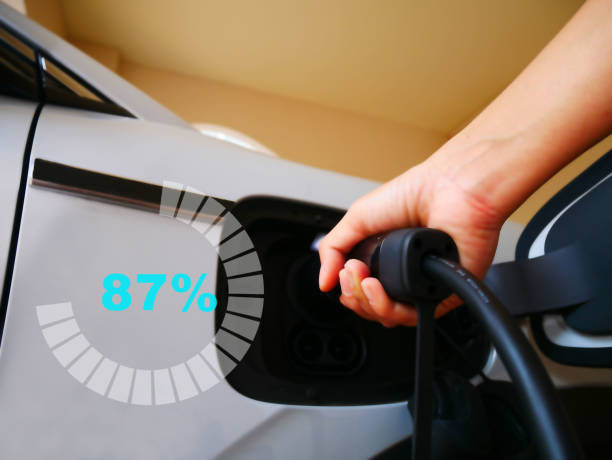
Level 1 charging is as simple as it gets.
It uses a standard 120-volt outlet, which is already available in most homes and buildings. There is no special equipment required beyond the charging cable that comes with your vehicle.
What installation looks like?
-
Plug the charger into a wall outlet
-
Connect it to your vehicle
-
Charging begins immediately
Key points:
-
No electrician required
-
No permits or inspections
-
No electrical upgrades
This makes Level 1 ideal for quick setups or temporary use. However, it is important to ensure the outlet is in good condition and can handle a continuous load safely.
Level 2 Installation
Level 2 charging requires a more structured setup. It uses a 240-volt electrical system, which is not typically available at standard outlets.
Because of this, installation involves professional work.
Typical installation includes:
-
Installing a dedicated 240V circuit
-
Mounting a Level 2 charging unit (EV charger)
-
Connecting the system to the electrical panel
In many cases, a licensed electrician will:
-
Evaluate your panel capacity
-
Run new wiring
-
Install proper circuit protection
Additional considerations:
-
Some properties may need a panel upgrade
-
Permits and inspections may be required
-
The installation location (garage, exterior wall, parking lot) affects cost
While this setup requires an upfront investment, it creates a reliable and long-term charging solution.
Residential Installation Considerations
For homeowners, the process is usually straightforward.
Key factors include:
-
Distance between panel and charger location
-
Available panel capacity
-
Garage vs outdoor installation
Most homes can support Level 2 charging with minor upgrades. Once installed, it becomes part of your daily routine, similar to any other major appliance.
Commercial Installation Considerations
Commercial properties require a more detailed approach.
Important factors:
-
Total electrical load of the building
-
Number of charging stations needed
-
Usage patterns (employees, customers, fleet vehicles)
-
Future expansion plans
Businesses often install multiple chargers, which may require:
-
Load management systems
-
Upgraded electrical infrastructure
-
Strategic placement for accessibility
A well-planned installation can improve efficiency and support long-term growth.
Safety and Compliance
Regardless of the charging level, safety should always be a priority.
For Level 2 installations, especially, proper setup ensures:
-
Safe power distribution
-
Protection from overloads
-
Compliance with local electrical codes
Using certified equipment and experienced professionals helps avoid risks and ensures the system performs reliably.
What This Means for Your Decision
If you want something quick and simple, Level 1 requires no setup. If you want a long-term, dependable solution, Level 2 installation is worth the effort.
The upfront work pays off in:
-
Faster charging
-
Better performance
-
Greater convenience
Cost Breakdown (Upfront vs Long-Term)
Cost is often the deciding factor when choosing between Level 1 and Level 2 charging. At first glance, Level 1 looks like the cheaper option. However, the full picture becomes clearer when you consider long-term use.
Let’s break it down in simple terms.
Level 1 Costs
Level 1 charging has almost no upfront cost.
What you can expect:
-
The charging cable is usually included with the EV
-
No installation expenses
-
No additional equipment required
This makes it an easy starting point, especially for new EV owners.
Ongoing costs:
-
Standard electricity usage
-
Slightly higher energy loss due to longer charging time
While the upfront cost is low, the trade-off comes in time and efficiency.
Level 2 Costs
Level 2 charging requires an initial investment, but it provides more value over time.
Typical upfront costs include:
-
Charging unit: $300 to $800+
-
Installation: varies based on property setup
Installation costs depend on:
-
Distance from the electrical panel
-
Complexity of wiring
-
Panel capacity and potential upgrades
Some properties may need:
-
Electrical panel upgrades
-
Additional permits and inspections
Operating Costs (Electricity Use)
Both Level 1 and Level 2 use electricity from your utility provider. The cost per charge is generally similar, but efficiency differs.
Level 1:
-
Longer charging time
-
Slightly higher energy loss
Level 2:
-
Faster charging
-
More efficient energy transfer
Many users also take advantage of:
-
Off-peak electricity rates
-
Scheduled charging to reduce costs
Incentives and Rebates
Depending on your location, you may qualify for incentives when installing Level 2 chargers.
These can include:
-
Utility rebates
-
Tax credits
-
Business incentives for commercial installations
These programs can significantly reduce the upfront cost and improve return on investment.
Cost vs Value Perspective
Looking only at upfront cost can be misleading.
Here’s a more practical way to think about it:
-
Level 1: Lower cost, but limited performance
-
Level 2: Higher initial cost, but better daily usability
Over time, Level 2 often becomes the more cost-effective choice because:
-
It saves time every day
-
It supports consistent usage
-
It reduces inconvenience
For businesses, the value goes even further. Charging stations can:
-
Attract customers
-
Support employees
-
Increase property appeal
Long-Term Investment Considerations
If you plan to use an EV regularly, or if your property supports multiple vehicles, Level 2 is usually the smarter investment.
It prepares your property for:
-
Increased EV adoption
-
Future expansion
-
Higher energy demand
What This Means for Your Decision
If your goal is to start with minimal cost, Level 1 works. If your goal is efficiency, reliability, and long-term use, Level 2 offers better overall value.
Efficiency and Performance Differences
Speed and cost are important, but efficiency is what affects daily performance over time. It determines how much energy is actually used, how smoothly charging fits into your routine, and how reliable the system feels day to day.
Both Level 1 and Level 2 charging are safe and effective. However, they do not perform the same under regular use.
Energy Efficiency
Energy efficiency refers to how much electricity from your outlet actually makes it into your vehicle’s battery.
Level 1 charging:
-
Takes longer to complete a charge
-
Experiences more energy loss over time
-
Less efficient due to extended charging duration
Level 2 charging:
-
Transfers energy more quickly
-
Reduces overall energy loss
-
Uses power more efficiently
The difference may seem small at first. But over months or years, improved efficiency can lead to noticeable savings.
Charging Performance in Daily Use
Performance is not just about speed. It is about consistency.
With Level 1:
-
Charging depends heavily on long-time windows
-
Delays can affect your next trip
-
Performance feels limited for regular use
With Level 2:
-
Charging becomes predictable
-
Vehicles are ready when needed
-
It supports busy schedules without stress
For users who rely on their EV daily, this difference is significant.
Battery Health Considerations
A common concern is whether faster charging affects battery life.
In normal conditions:
-
Both Level 1 and Level 2 are safe for EV batteries
-
Neither causes significant long-term damage when used properly
Level 2 charging can actually be more practical for battery health because:
-
It completes charging cycles faster
-
It reduces prolonged heat exposure from long sessions
The key factor is not the level itself, but consistent and proper charging habits.
Load Management and Electrical Performance
From an electrical standpoint, Level 2 systems are designed for controlled, stable power delivery.
This allows:
-
Better load distribution in homes and buildings
-
Integration with energy management systems
-
Support for multiple charging units
Level 1, on the other hand, is limited by standard outlets and cannot scale effectively.
Real-World Efficiency Comparison
In everyday use:
-
Level 1 works best when demand is low and time is not a concern
-
Level 2 performs better when efficiency, speed, and consistency matter
For homeowners with regular commutes, and especially for commercial properties, Level 2 offers a smoother and more reliable experience.
What This Means for You
If your goal is occasional charging, Level 1 can meet basic needs. If your goal is efficient, consistent, and dependable performance, Level 2 is the better choice. It reduces wasted energy, saves time, and supports long-term use without limitations.
Best Use Cases for Level 1 Charging
Level 1 charging is not designed for high demand. However, it still has a place in certain situations. When used correctly, it can be a simple and practical solution. The key is knowing when it works—and when it does not.
Low Daily Driving Needs
Level 1 works best for drivers with short, predictable routines.
If you drive:
-
Around 20 to 30 miles per day
-
Mostly local routes
-
With consistent overnight parking
Then Level 1 can usually keep up.
As long as the vehicle is plugged in every night, it can recover the energy used during the day.
Overnight Charging Availability
Time is the biggest factor with Level 1.
If you have:
-
A full night to charge (8–12+ hours)
-
A stable parking spot near an outlet
Then the slower speed becomes less of a problem. This setup works well for homeowners with steady schedules.
Apartment or Temporary Living Situations
Level 1 is often the only option in certain living environments.
It can be useful for:
-
Apartment residents without a dedicated charging infrastructure
-
Rental properties where installation is not allowed
-
Temporary housing situations
Since it requires no installation, it offers flexibility where permanent solutions are not possible.
Backup Charging Option
Even if you install Level 2, Level 1 can still serve as a backup.
It is helpful when:
-
Traveling to locations without EV infrastructure
-
Facing temporary power limitations
-
Using a secondary charging method in emergencies
Having access to Level 1 ensures you always have a basic way to charge.
Single-Vehicle Households with Light Usage
If your home has:
-
One EV
-
Low daily mileage
-
No urgent charging needs
Then Level 1 can be enough.
However, this setup becomes less practical as usage increases or if another EV is added.
Situations Where Level 1 Falls Short
It is just as important to understand where Level 1 does not work well.
It may not be suitable if:
-
You drive long distances daily
-
You need quick turnaround times
-
You manage multiple vehicles
-
You operate a business or commercial property
In these cases, the slow charging speed creates delays and limits efficiency.
What This Means for Your Setup
Level 1 charging is best seen as:
-
A starting point
-
A low-demand solution
-
Or a backup option
It works when your needs are simple and predictable. But as demand grows, its limitations become more noticeable.
Best Use Cases for Level 2 Charging
Level 2 charging is designed for regular, real-world use. It supports faster charging, higher demand, and long-term reliability. For most EV owners and businesses, this is where charging becomes practical.
Let’s look at where Level 2 fits best.
Daily Commuters and Regular Drivers
If you drive your EV every day, Level 2 quickly becomes essential.
It works best for:
-
40+ miles daily driving
-
Busy schedules with limited charging time
-
Drivers who need consistent readiness
Instead of waiting all day, you can charge overnight and start each day fully powered. This removes the need to plan around charging time.
Homes with Multiple Electric Vehicles
As more households adopt EVs, charging demand increases.
Level 2 supports:
-
Faster turnaround between vehicles
-
Shared charging schedules
-
Consistent charging without delays
For homes with two or more EVs, Level 1 is usually not enough. Level 2 provides the flexibility needed to keep both vehicles ready.
Commercial and Business Properties
Level 2 charging is widely used in commercial settings because it balances speed and cost.
It is ideal for:
-
Office buildings
-
Retail centers
-
Hotels and hospitality spaces
-
Warehouses and industrial sites
Businesses can offer charging to employees and customers without requiring high-cost infrastructure.
Fleet Operations
For companies that operate multiple vehicles, charging efficiency directly affects operations.
Level 2 allows:
-
Reliable overnight fleet charging
-
Reduced downtime between uses
-
Better scheduling and energy management
It supports consistent vehicle availability, which is critical for daily operations.
Property Owners and Developers
Installing Level 2 charging can increase property value and attract tenants.
It adds:
-
Modern infrastructure
-
Long-term appeal for EV owners
-
Competitive advantage in the market
As EV adoption grows, properties without charging options may fall behind.
Workplace Charging
Many businesses now provide charging as an employee benefit.
Level 2 works well because:
-
Employees can charge during work hours
-
Vehicles gain meaningful range during a shift
-
It supports sustainability goals
This setup improves convenience without requiring fast-charging infrastructure.
Public and Shared Charging Locations
Level 2 is commonly used in public spaces where vehicles stay parked for a few hours.
Examples include:
-
Shopping centers
-
Parking garages
-
Municipal buildings
It provides enough charging speed to be useful without the cost of high-speed systems.
What Makes Level 2 the Practical Choice
Level 2 stands out because it balances:
-
Charging speed
-
Installation cost
-
Daily usability
It is fast enough for regular use, yet affordable enough for homes and businesses.
When Level 2 Is the Right Decision
Level 2 is the better choice if:
-
You rely on your EV daily
-
You need faster charging times
-
You manage multiple vehicles
-
You want a long-term solution
In most cases, it becomes the standard setup once basic charging is no longer enough.
Residential vs Commercial EV Charging Needs
Charging needs are not the same for every property. A single-family home has very different demands compared to a commercial site. Understanding these differences helps you choose the right setup and avoid future upgrades.
Residential Charging Needs
For most homeowners, EV charging is about convenience and routine. The goal is simple: charge the vehicle overnight and have it ready the next day.
Typical residential priorities include:
-
Reliable overnight charging
-
Easy access in a garage or driveway
-
Minimal disruption to daily life
Level 1 can work in low-use cases. However, many homeowners move to Level 2 for faster and more consistent charging.
Why Level 2 works better at home:
-
It fits into overnight schedules
-
It supports daily commuting
-
It prepares the home for future EV use
Homes with multiple vehicles or higher mileage benefit even more from Level 2.
Commercial Charging Needs
Commercial properties operate very differently. Charging is no longer just about one vehicle. It involves multiple users, varying schedules, and higher demand.
Common commercial use cases:
-
Employee charging during work hours
-
Customer charging in retail or hospitality spaces
-
Fleet vehicle operations
Because of this, Level 1 is rarely practical in commercial settings.
Key requirements for commercial charging:
-
Faster charging speeds
-
Multiple charging stations
-
Scalable infrastructure
Level 2 becomes the standard because it balances performance and cost without requiring complex systems.
Key Differences Between Residential and Commercial Setups
Here is how they compare in real-world use:
-
Number of users Residential: One or two vehicles Commercial: Multiple users throughout the day
-
Charging frequency Residential: Once daily Commercial: Continuous or repeated use
-
Speed requirement Residential: Moderate Commercial: Higher and more consistent
-
System scalability Residential: Limited expansion Commercial: Needs future growth planning
Planning for Future Demand
Both homeowners and businesses should think beyond current needs.
For homes:
-
A second EV may be added later
-
Driving habits may change
For businesses:
-
EV adoption will continue to grow
-
Demand for charging will increase
Installing Level 2 from the start helps avoid costly upgrades later.
Why the Right Setup Matters
Choosing the right charging system affects:
-
Daily convenience
-
Energy efficiency
-
Long-term cost
For homeowners, it means less waiting and more flexibility. For businesses, it means better service, improved operations, and added value to the property.
What This Means for Your Property
If your needs are simple and limited, a basic setup may work for now. But if you expect growth, higher usage, or multiple vehicles, investing in the right charging infrastructure early makes a big difference.
Level 2 Charging for Businesses (Why It Matters More Than Ever)
As electric vehicles become more common, businesses are starting to treat EV charging as part of their infrastructure—not an extra feature. Level 2 charging, in particular, offers a practical solution. It is fast enough for daily use and cost-effective enough to scale across commercial properties.
Why Businesses Are Installing Level 2 Chargers
There are several reasons businesses are adding EV charging stations.
1. Attracting and Retaining Customers
Customers are more likely to visit and stay longer at locations where they can charge their vehicles. This is especially true for:
-
Retail centers
-
Restaurants
-
Shopping plazas
Charging adds convenience, which can directly influence foot traffic.
2. Supporting Employees
Workplace charging has become a valued benefit.
It helps employees:
-
Charge during work hours
-
Reduce range anxiety
-
Avoid relying on public charging stations
For employers, it improves workplace satisfaction without major ongoing effort.
3. Meeting Sustainability Goals
Many companies are working toward cleaner energy and lower emissions.
Installing Level 2 chargers supports:
-
Environmental goals
-
Corporate responsibility efforts
-
Long-term sustainability plans
It also aligns with the shift toward electric fleets and cleaner transportation.
4. Increasing Property Value
Commercial properties with EV charging are becoming more attractive to tenants and buyers.
Level 2 chargers can:
-
Differentiate your property in the market
-
Future-proof your infrastructure
-
Appeal to modern businesses and customers
Ideal Locations for Level 2 Charging
Level 2 chargers work best in places where vehicles are parked for a few hours.
Common locations include:
-
Office buildings
-
Hotels and hospitality properties
-
Retail parking lots
-
Warehouses and industrial facilities
These environments allow enough time for meaningful charging without requiring fast-charging systems.
Operational Benefits for Businesses
Beyond convenience, Level 2 charging improves operations.
It allows:
-
Better vehicle turnaround for fleets
-
Reduced downtime
-
More predictable energy use
For businesses that rely on transportation, this can directly impact efficiency.
Scalability and Future Expansion
One of the biggest advantages of Level 2 systems is scalability.
Businesses can:
-
Start with a few chargers
-
Expand as demand grows
-
Integrate load management systems
This makes it easier to plan for future needs without replacing existing infrastructure.
What Businesses Should Consider Before Installation
Before installing Level 2 charging, it is important to evaluate:
-
Electrical capacity of the building
-
Number of users expected
-
Parking layout and accessibility
-
Future expansion plans
Working with experienced electrical professionals ensures the system is designed correctly from the start.
Why Level 2 Is the Standard for Commercial Charging
Level 2 strikes the right balance between:
-
Performance
-
Cost
-
Practical use
It is not as slow as Level 1, and it does not require the heavy investment of high-speed charging systems. For most businesses, it provides everything needed to support EV users effectively.
Electrical Requirements and Safety Considerations
Installing an EV charger is not just about plugging in equipment. It involves proper electrical planning to ensure safety, reliability, and long-term performance.
Level 1 has minimal requirements. Level 2, however, needs careful setup to handle higher power safely.
Load Capacity and Panel Upgrades
Every building has a limit on how much electrical load it can handle. EV charging adds a continuous load, especially with Level 2 systems.
Before installation, it is important to evaluate:
-
Available capacity in the electrical panel
-
Existing load from other equipment
-
Future expansion needs
If the panel is already near capacity, an upgrade may be required.
Why this matters:
-
Prevents overloading circuits
-
Ensures stable performance
-
Supports additional chargers in the future
For commercial properties, load calculations become even more critical due to multiple charging units.
Dedicated Circuits for EV Charging
Level 2 chargers require a dedicated circuit. This means the charger is not sharing power with other devices.
This setup provides:
-
Consistent power delivery
-
Reduced risk of tripping breakers
-
Better overall safety
Level 1 may use existing outlets, but even then, it is important to avoid overloading circuits with other appliances.
Proper Wiring and Equipment
Using the right materials and certified equipment is essential.
This includes:
-
Correct wire size for the load
-
Quality breakers and protection devices
-
Certified EV charging units
Poor wiring or incorrect components can lead to:
-
Overheating
-
Equipment damage
-
Safety hazards
Professional installation helps avoid these issues.
Grounding and Protection Systems
Grounding ensures that any fault in the system is safely managed.
EV charging systems should include:
-
Proper grounding
-
Surge protection
-
Ground fault protection
These features protect both the vehicle and the electrical system.
Outdoor vs Indoor Installation Considerations
Installation location affects both safety and durability.
Indoor installations (garages):
-
More controlled environment
-
Less exposure to the weather
Outdoor installations:
-
Require weather-resistant equipment
-
Need proper sealing and protection
Choosing the right equipment for the environment ensures long-term reliability.
Code Compliance and Inspections
Electrical work must follow local codes and standards.
This typically includes:
-
Permits before installation
-
Inspection after completion
-
Compliance with national and local electrical codes
Code-compliant installations:
-
Reduce risk
-
Ensure insurance coverage
-
Provide long-term reliability
Load Management for Multiple Chargers
For commercial setups or multi-vehicle homes, load management systems can be used.
These systems:
-
Distribute power efficiently
-
Prevent overload
-
Allow multiple chargers to operate safely
This is especially useful when expanding charging capacity over time.
Why Professional Installation Matters
Level 2 charging is not a DIY project. It requires expertise to ensure everything works safely and efficiently.
Professional electricians can:
-
Assess your electrical system
-
Design the right setup
-
Install equipment correctly
-
Ensure compliance with all regulations
This reduces risk and ensures the system performs as expected.
What This Means for Your Setup
A properly installed charging system is:
-
Safe
-
Reliable
-
Built for long-term use
Cutting corners during installation can lead to higher costs later.
Future of EV Charging (Why Level 2 Is Becoming Standard)
Electric vehicles are growing fast. As adoption increases, charging expectations are also changing. What worked a few years ago may no longer meet today’s demand.
Level 2 charging is quickly becoming the standard because it fits how people actually use EVs every day.
Rising EV Adoption
More drivers are switching to electric vehicles each year. This growth is happening across:
-
Residential households
-
Commercial properties
-
Fleet operations
As more EVs come on the road, the need for faster and more reliable charging increases. Level 1 charging cannot keep up with this demand. It was never designed for widespread, daily use at scale.
Shift Toward Convenience and Speed
Early EV users were willing to wait longer for charging. Today, expectations are different.
Drivers now expect:
-
Faster charging times
-
Minimal planning
-
Consistent availability
Level 2 meets these expectations by providing a balance between speed and practicality.
It allows users to charge:
-
Overnight at home
-
During work hours
-
While parked at commercial locations
Growing Demand in Commercial Spaces
Businesses are seeing increased demand for EV charging.
Customers and employees now look for:
-
Convenient charging access
-
Reliable performance
-
Shorter wait times
Level 2 systems are being installed in:
-
Offices
-
Retail centers
-
Hotels
-
Parking facilities
This trend is expected to continue as EV ownership increases.
Government Incentives and Infrastructure Growth
Many regions are encouraging EV adoption through incentives.
These programs often support:
-
Installation of Level 2 chargers
-
Infrastructure upgrades
-
Business adoption of EV charging
As a result, more properties are adding charging capabilities to stay competitive and meet regulations.
Homes Are Adapting to New Energy Needs
Modern homes are evolving to support higher electrical demand.
With EVs becoming common, homeowners are:
-
Upgrading electrical panels
-
Installing Level 2 chargers
-
Preparing for multiple EVs
What was once optional is becoming part of standard home infrastructure.
Why Level 2 Fits Long-Term Needs
Level 2 charging offers a practical balance:
-
Faster than Level 1
-
More affordable than high-speed charging systems
-
Suitable for both homes and businesses
It supports:
-
Daily driving habits
-
Multiple users
-
Future expansion
Because of this, it is becoming the go-to solution for most installations.
Preparing for the Future
Whether you are a homeowner or a business owner, planning ahead matters.
Installing Level 2 now can help you:
-
Avoid future upgrades
-
Support growing demand
-
Increase property value
As EV adoption continues, properties without proper charging may fall behind.
What This Means Going Forward
Level 1 will remain useful for basic needs and backup situations. However, it is no longer the primary solution for most users.
Level 2 is becoming the standard because it aligns with:
-
Real-world usage
-
Modern expectations
-
Long-term infrastructure planning
Level 1 vs Level 2: Which One Should You Choose?
By now, the differences are clear. The real question is which option fits your situation best. The right choice depends on how you drive, how often you charge, and whether you are planning for the future.
Choose Level 1 If Your Needs Are Simple
Level 1 can work well when your usage is limited and predictable.
It may be the right choice if:
-
You drive less than 30–40 miles per day
-
You have long overnight charging windows
-
You want no upfront installation cost
-
You are using it as a temporary or backup solution
In these cases, Level 1 provides a simple and low-cost way to keep your vehicle charged. However, it requires consistency. Missing a charging session can affect your next day’s range.
Choose Level 2 If You Need Speed and Reliability
Level 2 is the better option for most users, especially when daily demand is higher.
It is the right choice if:
-
You drive regularly or long distances
-
You need faster charging times
-
You have more than one EV
-
You want a long-term solution
For businesses, Level 2 is almost always the preferred option due to higher usage and operational needs.
Think About Your Future Needs
It is easy to choose based on current use. However, it is better to think ahead.
Ask yourself:
-
Will your driving increase over time?
-
Will you add another EV?
-
Will your property need to support more users?
If the answer is yes, investing in Level 2 now can prevent upgrades later.
Balancing Cost and Convenience
Level 1 is cheaper upfront, but it comes with limitations.
Level 2 requires an initial investment, but it offers:
-
More flexibility
-
Faster charging
-
Better daily usability
Over time, the added convenience often outweighs the upfront cost.
Practical Decision Summary
To simplify:
-
Level 1 works for low-demand, basic use
-
Level 2 works for daily, consistent use
If you rely on your EV, Level 2 provides a smoother experience.
Final Thought on Choosing the Right Option
The goal is not just to charge your vehicle. It is to do it in a way that fits your routine without added stress. If your current setup feels slow or limiting, it may be time to upgrade.
Conclusion
Choosing between Level 1 and Level 2 charging comes down to how you use your electric vehicle.
Level 1 offers a simple starting point. It works for light driving and situations where time is not a concern. However, it has clear limits when demand increases.
Level 2 provides a faster and more practical solution. It supports daily use, multiple vehicles, and long-term reliability. For both homeowners and businesses, it removes the delays and uncertainty that come with slower charging.
As EV adoption continues to grow, having the right charging setup is no longer optional. It is part of building an efficient and future-ready property.
Need a reliable EV charging setup for your business or facility? Hylton Electric provides expert Level 2 charger installation for commercial and industrial spaces. Call +1 863-624-7000 or email ray@hylton-electric.com for a free custom quote.
FAQs About What is Level 1 vs Level 2 Charging
What is the main difference between Level 1 and Level 2 EV charging?
The main difference comes down to speed and power supply. Level 1 uses a standard 120V outlet, while Level 2 uses a 240V system.
Here’s how that impacts real use:
-
Level 1: Adds about 3–5 miles of range per hour
-
Level 2: Adds about 10–30 miles per hour
Level 1 is simple and requires no installation. However, it is slow and best for light use. Level 2 requires professional setup but delivers much faster and more consistent charging.
For most users, Level 2 becomes the preferred option because it fits daily routines without long wait times. The choice depends on how often and how far you drive.
Is Level 2 charging worth the installation cost?
In most cases, yes. Level 2 charging offers long-term value that often outweighs the upfront cost.
Here’s why:
-
It reduces charging time significantly
-
It supports daily driving without delays
-
It improves convenience and flexibility
While installation costs vary, the benefits include:
-
Faster overnight charging
-
Better energy efficiency
-
Increased property value
For businesses, the return can be even higher through customer attraction and operational efficiency.
If you plan to use your EV regularly, Level 2 is usually a smart investment rather than an expense.
How long does it take to charge an EV with Level 1 vs Level 2?
Charging time depends on battery size, but the difference between the two levels is clear.
Typical estimates:
-
Level 1: 12 to 24+ hours for a full charge
-
Level 2: 4 to 10 hours for a full charge
In daily use:
-
Level 1 may only recover short driving distances overnight
-
Level 2 can fully recharge most vehicles overnight
This difference matters for routine use. If your daily driving exceeds what Level 1 can recover, you may face delays. Level 2 solves this by providing faster, more reliable charging within shorter time windows.
Can I install a Level 2 charger at home?
Yes, most homes can support Level 2 charging with proper installation.
The process usually involves:
-
Adding a dedicated 240V circuit
-
Installing a wall-mounted charging unit
-
Evaluating your electrical panel capacity
In some cases, a panel upgrade may be needed.
A licensed electrician will:
-
Assess your system
-
Ensure safe wiring
-
Meet local code requirements
Once installed, Level 2 charging becomes part of your daily routine. It offers a reliable and efficient way to charge your EV at home.
Does Level 2 charging increase electricity bills significantly?
Level 2 charging uses more power at once, but it does not necessarily increase total energy use compared to Level 1.
Key points:
-
You pay for total electricity used, not charging speed
-
Faster charging can reduce energy loss
-
Off-peak charging can lower costs
Your bill will depend on:
-
How often you charge
-
Your local electricity rates
-
Your driving habits
In many cases, Level 2 is more efficient, which can balance out costs over time. Planning charging during lower-rate hours can further reduce expenses.
Is Level 1 charging safe for daily use?
Yes, Level 1 charging is safe when used properly.
However, there are a few considerations:
-
Use a properly grounded outlet
-
Avoid sharing the outlet with heavy appliances
-
Ensure wiring is in good condition
Level 1 is designed for continuous use, but its slower speed can make it less practical for daily high-demand charging.
For light usage, it works well. For regular or heavy use, Level 2 is often safer and more reliable because it uses dedicated circuits designed for higher loads.
Can Level 1 charging damage an EV battery?
No, Level 1 charging does not damage your EV battery.
In fact:
-
It provides a slower, steady charge
-
It generates less heat compared to faster methods
Both Level 1 and Level 2 are considered safe for battery health when used correctly.
Battery lifespan depends more on:
-
Charging habits
-
Temperature conditions
-
Overall usage patterns
Level 2 may even be more practical because it completes charging faster, reducing long charging sessions. The key is maintaining consistent charging routines rather than focusing only on speed.
How much does it cost to install a Level 2 EV charger?
Installation costs can vary based on your property and electrical setup.
Typical costs include:
-
Charger unit: $300 to $800+
-
Installation: varies depending on complexity
Factors that affect cost:
-
Distance from the electrical panel
-
Wiring requirements
-
Panel upgrades (if needed)
While the upfront cost is higher than Level 1, it provides long-term value through faster charging and improved convenience.
For commercial properties, costs may be higher due to multiple units and infrastructure needs.
Is Level 2 charging better for businesses?
Yes, Level 2 charging is the preferred option for most businesses.
It offers:
-
Faster charging for employees and customers
-
Better support for multiple users
-
Scalable infrastructure for growth
Businesses benefit from:
-
Increased customer attraction
-
Improved employee satisfaction
-
Enhanced property value
Level 1 is too slow for commercial use. Level 2 provides the right balance between performance and cost without requiring high-speed systems.
Can I use both Level 1 and Level 2 charging together?
Yes, many EV owners use both as part of their setup.
Common approach:
-
Use Level 2 for daily charging
-
Keep Level 1 as a backup option
This provides flexibility in different situations:
-
Travel or temporary locations
-
Emergency charging needs
-
Secondary charging access
Having both options ensures you are never without a charging solution. However, for regular use, Level 2 remains the primary and more practical choice.
Leave a Reply