
Flickering lights are a common electrical problem. Sometimes the cause is minor. Other times, it can point to a dangerous issue inside your electrical system. Many homeowners notice lights flickering when the air conditioner starts. Others see it during storms or when large appliances turn on. In commercial and industrial buildings, heavy equipment can also cause power fluctuations.
If you keep asking yourself, why are my lights flickering, it is important to find the real cause early. Small electrical problems can become serious over time. Loose wiring, overloaded circuits, and failing panels may increase fire risk if ignored.
Florida properties face extra electrical stress. Heat, humidity, storms, and high energy use can wear down electrical systems faster. Older homes and buildings are especially vulnerable.
This guide explains:
-
Common causes of flickering lights
-
Warning signs to watch for
-
Safe troubleshooting steps
-
Repair costs in Florida
-
When to call a licensed electrician
Whether you own a home, manage a business, or run an industrial facility, understanding these warning signs can help you avoid larger electrical problems later.
What Does It Mean When Lights Flicker?
Lights flicker when the power flow becomes unstable. The change may last for a second or continue for longer periods. The cause can be simple or serious, depending on the situation.
A small flicker once in a while is not always dangerous. Large appliances often pull extra power when they start. Your air conditioner, refrigerator, or microwave may briefly reduce voltage on the circuit. That quick drop can cause lights to dim for a moment.
Repeated flickering is different. If the lights flicker often, the electrical system may have a problem. Loose wiring, overloaded circuits, or failing breakers are common causes.
The location of the flickering also matters. One flickering light usually points to a local issue. Flickering throughout the building may mean there is a larger electrical problem.
Watch for these warning signs:
-
Buzzing sounds near outlets
-
Burning smells
-
Warm switch plates
-
Frequent breaker trips
-
Sparks near fixtures
-
Dimming in multiple rooms
-
Flickering during normal appliance use
Commercial buildings can face similar problems. Heavy machinery, HVAC systems, and industrial equipment place extra demand on electrical systems. If the system struggles to handle the load, lights may flicker more often.
Ignoring these signs can become dangerous. Loose electrical connections create heat over time. Heat damages wires and increases fire risk. That is why repeated flickering should never be ignored.
Most Common Reasons Why Lights Flicker
Several electrical issues can cause flickering lights. Some are easy to fix. Others require professional electrical repairs. Understanding the most common causes can help you narrow down the problem faster.
Loose Light Bulbs or Improper Installation
Sometimes the issue is very simple. The bulb may not be fully tightened into the socket. When the connection becomes loose, the light flickers. LED bulbs often develop flickering problems when paired with incompatible dimmer switches. Cheap bulbs may also fail early.
Common bulb-related issues include:
-
Loose bulb connections
-
Wrong bulb wattage
-
Old fixtures
-
Damaged sockets
-
Cheap LED bulbs
-
Smart bulb compatibility problems
Try replacing the bulb first. If the flickering continues, the issue may involve the fixture or wiring.
Faulty Light Switches
Old switches wear out over time. Inside the switch are small metal contacts. These parts can loosen or corrode after years of use.
Signs of a failing switch include:
-
Flickering when touching the switch
-
Delayed response
-
Crackling sounds
-
Warm switch covers
A bad switch may seem minor, but it can become a safety hazard. Poor electrical connections create extra heat inside the device.
Circuit Overloads
Modern homes use more electricity than older systems were designed to handle. Running several high-demand appliances on one circuit can overload the wiring.
This often happens when:
-
The AC starts
-
Space heaters run
-
Microwaves turn on
-
Hair dryers operate
-
Commercial equipment powers up
When the circuit struggles to handle demand, lights may dim or flicker.
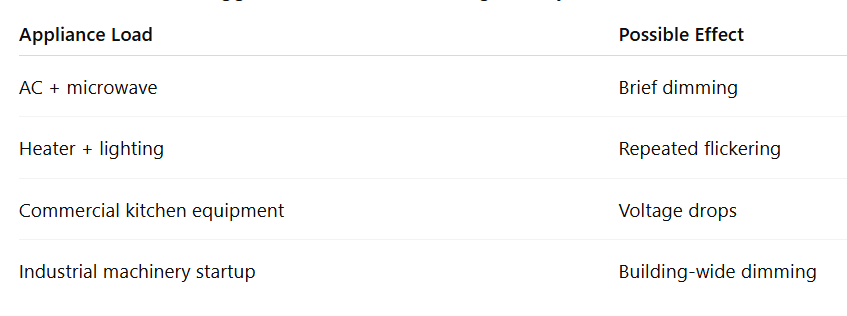
Overloaded circuits also place stress on breakers and wiring. Over time, this wear can damage the electrical system.
Loose Wiring Connections
Loose wiring is one of the most dangerous causes of flickering lights. Wires naturally expand and contract as temperatures change. Over time, connections may loosen inside outlets, switches, or junction boxes.
Loose connections interrupt normal power flow. In severe cases, electricity may jump between gaps. This is called electrical arcing. Electrical arcing creates intense heat. It also increases the risk of electrical fires.
Possible signs of loose wiring include:
-
Random flickering
-
Buzzing sounds
-
Burning odors
-
Warm outlets
-
Small sparks
-
Intermittent power loss
This problem should never be ignored. A licensed electrician should inspect the wiring immediately.
Voltage Fluctuations
Your electrical system needs a stable voltage to work properly. Most homes operate near 120 volts. Large voltage swings can cause lights to flicker or dim.
Signs of voltage problems include:
-
Lights suddenly getting brighter
-
Appliances acting strangely
-
Electronics restarting
-
LED lights pulsing rapidly
Voltage fluctuations may come from:
-
Utility company issues
-
Large equipment startup
-
Damaged service lines
-
Failing neutral wires
-
Generator problems
An electrician can test voltage levels and identify the source of the instability.
Failing Electrical Panels
Older electrical panels often struggle to handle modern power demands. Breakers wear out over time. Corrosion and moisture can also damage internal components.
Common panel warning signs include:
-
Frequent breaker trips
-
Flickering throughout the property
-
Buzzing from the panel
-
Rust or corrosion
-
Burning smells
-
Warm breakers
Florida humidity can make panel problems worse. Moisture exposure speeds up corrosion and weakens electrical connections. Some older panel brands are also known for safety issues. If your building still uses an outdated panel, it may need replacement.
Utility Service Problems
Sometimes the issue comes from outside the property. Damaged utility lines or overloaded transformers can create unstable power delivery.
Utility-related flickering often affects:
-
Multiple rooms
-
Nearby homes
-
Entire neighborhoods
Storms are another common cause. High winds and lightning can damage power equipment or interrupt electrical flow temporarily. If neighbors are also experiencing flickering, the utility company may need to inspect the area.
Need help diagnosing flickering lights? Hylton Electric provides electrical troubleshooting across Lakeland, Polk County, and Tampa. Call +1 863-624-7000 or email ray@hylton-electric.com for a free commercial or industrial quote. Residential, commercial, and industrial services available.
Why Lights Flicker During Storms in Florida
Florida storms often cause electrical problems. Lightning, heavy rain, and strong winds can affect power lines and electrical equipment. During storms, lights may flicker more often because the power supply becomes unstable.
Lightning does not need to strike your property directly to cause issues. Nearby strikes can create sudden voltage spikes across the power grid. These surges may affect homes, offices, warehouses, and industrial buildings.
Common storm-related electrical problems include:
-
Brief flickering
-
Sudden dimming
-
Power surges
-
Breaker trips
-
Temporary outages
Humidity also affects electrical systems over time. Moisture can enter outdoor fixtures, panels, and electrical connections. This causes corrosion and weakens the connection points. Older outdoor lighting systems are especially vulnerable in Florida weather.
Common moisture-related issues include:
-
Corroded wiring
-
Rusted panels
-
Flickering outdoor lights
-
Short circuits
-
Ground faults
Backup generators can also cause temporary flickering during power transfers. When utility power fails, the transfer switch needs a few seconds to move the building onto generator power. During that transition, lights may dim briefly.
Poor generator maintenance can make the problem worse. A weak generator may struggle to provide stable voltage during operation. Regular maintenance helps reduce storm-related electrical issues. Property owners should consider:
-
Whole-home surge protection
-
Electrical inspections
-
Generator servicing
-
Weather-resistant fixtures
-
Panel upgrades
Storm-related flickering should never be ignored after severe weather. Hidden electrical damage may continue long after the storm ends.
Why Are My Lights Flickering in One Room Only?
If lights flicker in only one room, the problem is usually local. That means the issue affects a specific fixture, switch, outlet, or circuit instead of the entire electrical system. This type of flickering is often easier to diagnose. Still, it should not be ignored. Small electrical problems can become larger safety risks over time.
A single-room issue may happen because of:
-
Loose wiring
-
A bad switch
-
A damaged fixture
-
An overloaded circuit
-
A faulty outlet
The first step is to identify exactly what is flickering. Is it one light fixture? Several lights in the room? Or every outlet and switch on that circuit? That information helps narrow down the source of the problem faster.
Localized Circuit Problems
Most rooms operate on dedicated electrical circuits. If the circuit develops a problem, the lights inside that area may begin flickering. Overloaded circuits are a common cause. This happens when too many devices pull power from the same wiring.
For example, these items can overload a room circuit:
-
Portable heaters
-
Window AC units
-
Gaming computers
-
Microwaves
-
Hair dryers
-
Large televisions
When demand becomes too high, the voltage may fluctuate. That causes lights to dim or flicker. Older homes are especially vulnerable because many were not designed for today’s electrical loads.
Faulty Fixtures
Sometimes the fixture itself is failing. Older fixtures wear down over time. Internal wiring can loosen, and electrical contacts may corrode.
Common fixture-related signs include:
-
Flickering in only one light
-
Buzzing sounds
-
Delayed startup
-
Visible discoloration
-
Heat around the fixture
Recessed lighting systems often develop these problems after years of heat exposure. LED drivers may also fail over time. If changing the bulb does not solve the issue, the fixture may need repair or replacement.
Switch Leg Problems
A switch leg is the wiring between the switch and the light fixture. If that wiring becomes loose or damaged, lights may flicker when the switch is used.
This issue often causes:
-
Flickering when touching the switch
-
Lights cutting in and out
-
Delayed response
-
Crackling noises
Loose switch wiring should always be inspected by a licensed electrician. Electrical arcing can occur inside the switch box if connections continue loosening.
Room-Specific Appliance Interference
Some appliances create temporary voltage drops when they start. If the same circuit powers lighting and high-demand equipment, flickering may occur regularly.
Common examples include:
-
Portable AC units
-
Space heaters
-
Vacuum cleaners
-
Air compressors
-
Mini refrigerators
This issue is common in garages, workshops, and older bedrooms with limited circuits. If the problem continues, the circuit may need upgrading or redistribution.
Why Are All the Lights in My House Flickering?
When lights flicker throughout the entire house, the problem is usually more serious. Whole-home flickering often points to a larger issue involving the electrical panel, service connection, or utility supply. This type of problem should never be ignored. In many cases, it requires immediate electrical inspection.
Whole-house flickering may happen because of:
-
Loose service connections
-
Failing electrical panels
-
Damaged neutral wires
-
Utility line issues
-
Severe voltage fluctuations
The timing and pattern matter. If flickering happens every time large appliances run, the electrical system may be overloaded. If flickering appears randomly, there may be a loose connection somewhere in the main electrical system.
Main Service Connection Problems
Your home receives power through a main service connection. This includes the meter, service cables, and main breaker. If one of these connections becomes loose or damaged, power delivery may become unstable.
Common warning signs include:
-
Lights flickering throughout the home
-
Dimming in multiple rooms
-
Buzzing near the panel
-
Burning smells
-
Warm electrical components
Loose service connections are dangerous because they can overheat quickly. In severe cases, they may cause electrical fires.
Utility Grid Instability
Sometimes the issue comes from the utility provider. Transformers, power lines, and neighborhood electrical equipment can all affect voltage stability.
Utility-related flickering often becomes more noticeable:
-
During storms
-
During peak power usage
-
After the nearby outages
-
In rapidly growing neighborhoods
If nearby homes experience the same problem, the utility company may need to inspect the local system.
Electrical Panel Failure
A failing electrical panel is one of the most common causes of widespread flickering. Older panels struggle to support modern electrical demands. Over time, breakers weaken. Internal connections may loosen or corrode. Heat buildup can also damage panel components.
Common panel warning signs include:
-
Repeated breaker trips
-
Flickering lights
-
Buzzing sounds
-
Rust inside the panel
-
Burning odors
-
Warm breakers
Homes with outdated panels may need a full electrical upgrade. This is especially common in older Florida homes with growing power demands.
Emergency Warning Signs
Some electrical symptoms require immediate action. If flickering lights appear with any of the following issues, contact an electrician immediately:
-
Burning smells
-
Smoke
-
Sparks
-
Hot outlets
-
Crackling sounds
-
Partial power loss
-
Melted wiring
These signs may point to dangerous electrical failures inside the system.

Commercial and Industrial Flickering Light Issues
Commercial and industrial buildings face different electrical challenges than homes. These properties use larger equipment, heavier electrical loads, and more complex power systems. As a result, flickering lights often involve equipment demand, power distribution problems, or lighting system compatibility issues. In some facilities, flickering becomes a daily problem. Employees may ignore it for months before the underlying issue is discovered.
High Electrical Load Equipment
Large equipment places sudden demand on electrical systems. When motors or compressors start, they pull extra power during startup.
This temporary demand can cause:
-
Brief dimming
-
LED flickering
-
Voltage drops
-
Equipment instability
Common high-load equipment includes:
-
HVAC systems
-
Industrial compressors
-
Welding machines
-
Commercial refrigeration
-
Manufacturing equipment
Older buildings often struggle to handle these loads because the electrical infrastructure was designed for lower demand.
LED Retrofit Problems in Commercial Buildings
Many businesses upgrade to LED lighting for energy savings. However, poor installation or incompatible components can create flickering problems.
Common retrofit issues include:
-
Incompatible dimmers
-
Low-quality LED drivers
-
Voltage instability
-
Incorrect transformers
Large office buildings sometimes experience widespread flickering after low-cost retrofit projects. In many cases, replacing drivers or updating controls solves the issue.
Three-Phase Power Imbalances
Industrial facilities often use three-phase electrical systems. If the electrical load becomes uneven across phases, voltage instability can occur.
This may cause:
-
Flickering lights
-
Equipment overheating
-
Reduced motor efficiency
-
Unexpected shutdowns
Power imbalance problems require professional diagnostics and load testing.
Productivity and Safety Risks
Flickering lights affect more than visibility. In workplaces, unstable lighting can reduce comfort and productivity.
Common workplace impacts include:
-
Eye strain
-
Headaches
-
Employee complaints
-
Reduced concentration
-
Safety concerns in work areas
In industrial environments, poor lighting may increase accident risks around machinery and equipment.
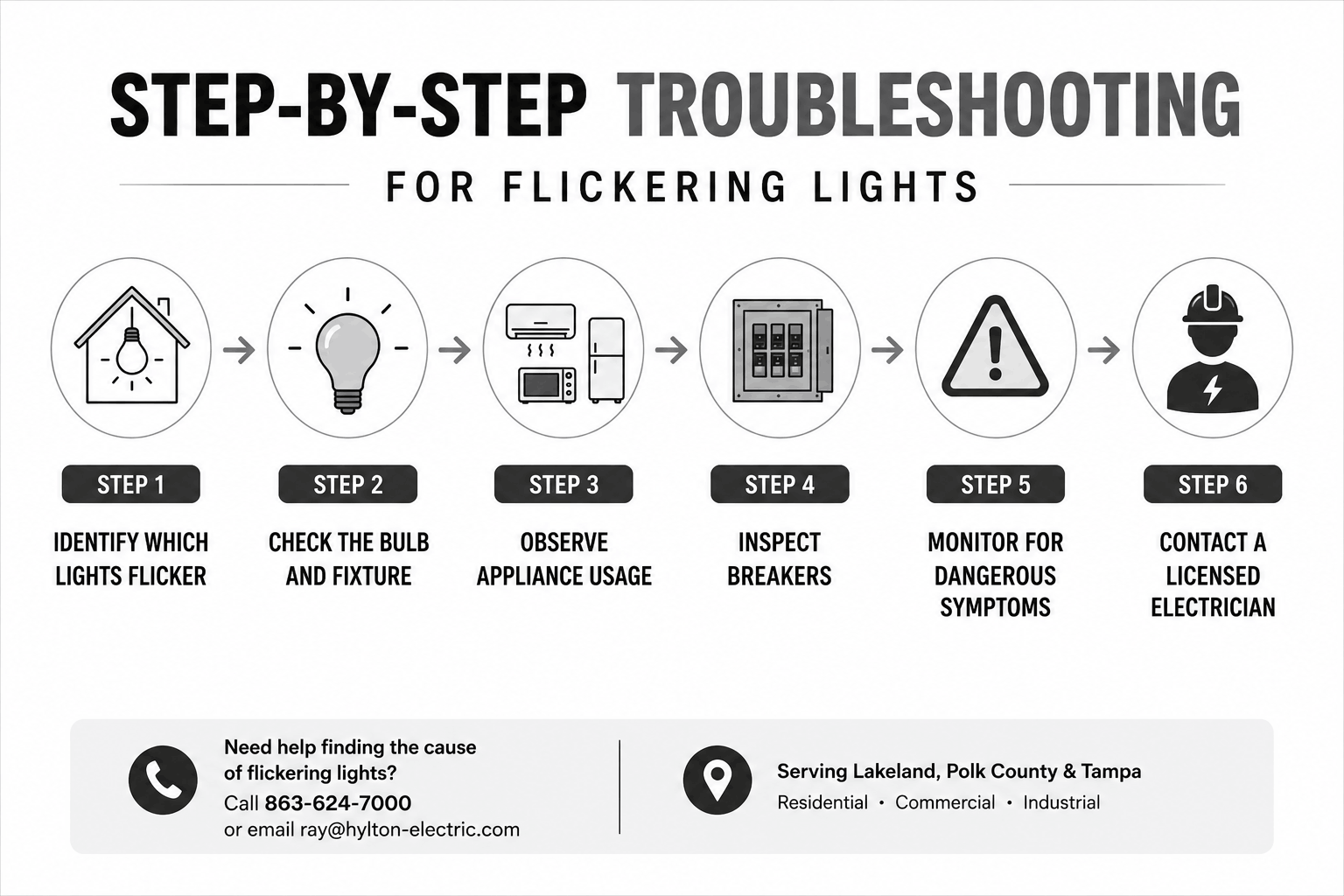
Step-by-Step Troubleshooting for Flickering Lights
Some flickering issues are easy to identify. Others require professional testing. A basic troubleshooting process can help narrow down the cause safely. Always avoid touching exposed wiring or opening electrical panels unless you are qualified to do so.
Step 1 — Identify Which Lights Flicker
Start by observing the pattern carefully.
Ask these questions:
-
Is it one light or several?
-
Does flickering happen daily?
-
Does it happen during appliance use?
-
Does it affect the entire property?
This helps determine whether the issue is local or system-wide.
Step 2 — Check the Bulb and Fixture
Inspect the bulb first. Tighten it carefully and see if the flickering stops.
If the problem continues:
-
Replace the bulb
-
Test another fixture
-
Check for discoloration
-
Listen for buzzing sounds
Old fixtures often develop loose internal connections over time.
Need help finding the cause of flickering lights? Hylton Electric serves Lakeland, Polk County, and Tampa with dependable electrical troubleshooting and repairs. Call +1 863-624-7000 or email ray@hylton-electric.com for residential service or a free commercial or industrial quote.
Step 3 — Observe Appliance Usage
Next, pay attention to when the flickering happens. Many electrical problems appear when large appliances turn on.
Watch for flickering when:
-
The AC starts
-
The microwave runs
-
The refrigerator cycles on
-
A space heater operates
-
Industrial equipment powers up
If the lights dim during appliance startup, the circuit may be overloaded. Older electrical systems often struggle with modern power demands.
Commercial buildings may see the same issue with:
-
Compressors
-
Large HVAC systems
-
Commercial kitchen equipment
-
Manufacturing machinery
Short dimming may not always be dangerous. However, frequent or severe flickering should still be inspected.
Step 4 — Inspect Breakers
Your electrical panel can reveal important warning signs. Open the panel door and check for obvious issues.
Look for:
-
Frequently tripped breakers
-
Burn marks
-
Rust or corrosion
-
Loose breaker labels
-
Buzzing sounds
-
Excessive heat
Never remove the panel covers yourself unless you are qualified. The inside of the panel contains live electrical components.
A breaker that trips repeatedly may indicate:
-
Circuit overloads
-
Short circuits
-
Ground faults
-
Failing breakers
Older breaker panels may also struggle to distribute power evenly throughout the property.
Step 5 — Monitor for Dangerous Symptoms
Some signs point to serious electrical hazards. If you notice any of these symptoms, stop using the affected circuit immediately.
Warning signs include:
-
Burning smells
-
Smoke
-
Sparks
-
Crackling sounds
-
Warm outlets
-
Melted wiring
-
Sudden power loss
These problems may indicate overheated wires or electrical arcing. Both increase the risk of fire. Do not ignore these warning signs. Small electrical problems can become dangerous very quickly.
Step 6 — Contact a Licensed Electrician
If basic troubleshooting does not solve the problem, contact a licensed electrician. Electrical systems are complex, and hidden issues may exist behind walls or inside the panel.
Professional diagnostics may include:
-
Voltage testing
-
Load analysis
-
Thermal inspections
-
Wiring inspections
-
Panel testing
A licensed electrician can safely identify the root cause and recommend the proper repair.
Signs You Need Immediate Electrical Repairs
Some flickering problems can wait for a scheduled appointment. Others require immediate attention. Knowing the difference helps protect your property and your safety. Electrical systems rarely fail without warning. In most cases, they show early signs before major problems develop.
Burning Smells Around Fixtures
A burning smell is one of the most serious electrical warning signs. Heat buildup inside outlets, fixtures, or wiring can melt insulation and damage components.
You may notice:
-
A plastic burning odor
-
Smells near switches
-
Heat around outlets
-
Discoloration on walls or plates
Turn off the power to the affected area if possible. Then contact an electrician immediately.
Breakers Constantly Tripping
Circuit breakers protect your wiring from overheating. Occasional trips may happen during overloads. Frequent trips are different.
Repeated breaker trips often point to:
-
Overloaded circuits
-
Short circuits
-
Faulty appliances
-
Failing breakers
-
Wiring problems
Ignoring repeated trips can place extra strain on the electrical system.
Flickering Combined With Buzzing Sounds
Buzzing noises are not normal. Electricity should flow quietly through the system.
Buzzing often indicates:
-
Loose wiring
-
Failing breakers
-
Damaged switches
-
Electrical arcing
If buzzing occurs with flickering lights, the issue should be inspected quickly.
Warm Switches or Outlets
Electrical devices should never feel hot during normal use. Warm outlets usually mean excess resistance or overloaded wiring.
Common causes include:
-
Loose connections
-
Worn outlets
-
Overloaded circuits
-
Improper wiring
Heat buildup increases fire risk over time.
Sparks From Outlets or Panels
Small sparks sometimes occur when plugging in devices. Large sparks or repeated sparking are dangerous.
This may indicate:
-
Short circuits
-
Damaged outlets
-
Loose wiring
-
Moisture intrusion
If sparks appear regularly, stop using the outlet immediately.
Power Loss in Multiple Areas
Partial power loss can signal a serious electrical issue. In some cases, one side of the electrical panel may fail while the other still works.
This can cause:
-
Flickering lights
-
Dead outlets
-
Appliance failure
-
Voltage instability
A damaged neutral wire or failing service connection may be responsible.
Cost to Fix Flickering Lights in Florida
The cost to repair flickering lights depends on the cause. Some problems require only a quick repair. Others involve major electrical upgrades.
Labor costs also vary depending on:
-
Building size
-
System condition
-
Accessibility
-
Permit requirements
-
Emergency service timing
Minor fixes are usually affordable. Larger electrical problems cost more because they involve additional labor and safety procedures.
Minor Repairs
Simple electrical repairs often involve bulbs, switches, or fixtures.
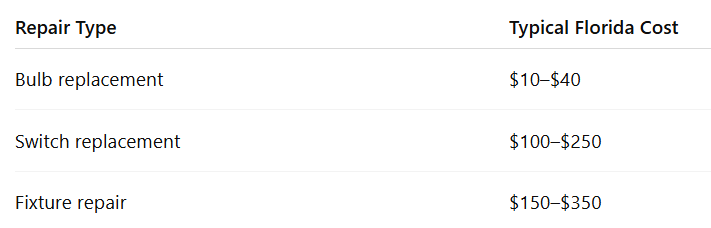
Table Caption: Common residential flickering light repair costs in Florida
These repairs are usually completed quickly. However, the electrician may still inspect the surrounding wiring for hidden issues.
Moderate Electrical Repairs
Some flickering problems involve damaged circuits or aging wiring. These repairs take more time and testing.
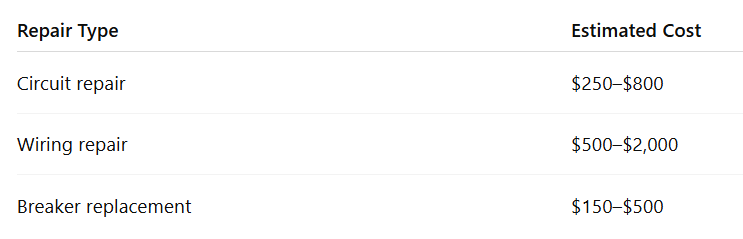
Table Caption: Mid-range electrical troubleshooting and repair pricing
Older Florida homes may require more extensive repairs because wiring systems have aged over time.
Major Electrical Repairs
Major electrical problems often involve panels, service upgrades, or commercial electrical systems.
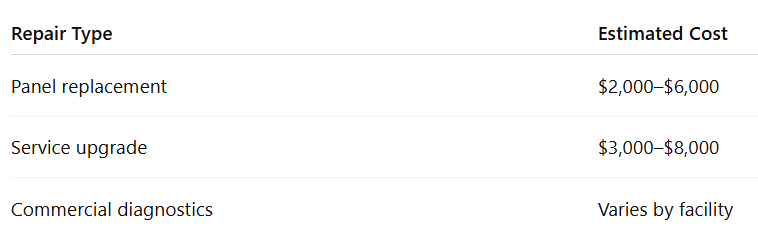
Commercial and industrial pricing depends heavily on system complexity and equipment demand.
Factors That Affect Electrical Repair Costs
Several factors influence the final repair cost.
These include:
-
Age of the building
-
Type of wiring
-
Accessibility of damaged areas
-
Permit requirements
-
Emergency service needs
-
Residential vs commercial systems
Delaying repairs may increase costs later. Small electrical issues often grow worse over time.
When Should You Call a Licensed Electrician?
Some electrical issues are safe to monitor briefly. Others require professional help immediately. Knowing when to call an electrician helps prevent safety risks and property damage. Many flickering problems involve hidden wiring or panel issues. These repairs should never be treated as DIY projects.
Problems Homeowners Should Not Handle
Certain electrical repairs require licensed training and safety equipment.
Avoid handling:
-
Electrical panel repairs
-
Service line issues
-
Exposed wiring
-
Meter connections
-
Commercial electrical systems
Electrical shock and fire risks increase when repairs are done incorrectly.
Benefits of Professional Electrical Diagnostics
Licensed electricians use specialized tools to identify electrical problems safely.
Professional testing may include:
-
Voltage measurements
-
Load testing
-
Thermal scanning
-
Breaker inspections
-
Wiring diagnostics
Accurate testing prevents unnecessary repairs and helps identify hidden hazards.
What Happens During an Electrical Inspection
A professional inspection usually begins with system testing and visual evaluation.
The electrician may check:
-
Electrical panels
-
Breakers
-
Wiring connections
-
Voltage stability
-
Circuit loads
-
Fixture conditions
After the inspection, you should receive clear recommendations for repair or upgrades.
How to Prevent Lights From Flickering
Many electrical problems can be prevented with regular maintenance and timely upgrades. Waiting until flickering becomes severe often leads to larger repair costs later. Preventive electrical care improves safety and system reliability.
Schedule Regular Electrical Inspections
Routine inspections help identify worn components before they fail.
An inspection may uncover:
-
Loose wiring
-
Aging breakers
-
Corrosion
-
Overloaded circuits
-
Unsafe connections
Older homes and commercial buildings benefit the most from regular inspections.
Upgrade Old Electrical Panels
Outdated panels often struggle with modern electrical demand. New appliances, EV chargers, and HVAC systems require more power than older systems were designed to handle.
A panel upgrade may improve:
-
Electrical stability
-
Safety
-
Circuit capacity
-
Breaker reliability
Avoid Circuit Overloading
Overloaded circuits are one of the most common causes of flickering lights. Many older homes were not designed for today’s electrical usage. Try to avoid running several large appliances on the same circuit at the same time.
Common overload situations include:
-
Space heaters and microwaves
-
AC units and kitchen appliances
-
Large TVs and gaming systems
-
Commercial refrigeration and lighting
If circuits trip often, the electrical system may need upgrading.
Install Surge Protection
Power surges can damage wiring, appliances, and lighting systems. Florida storms increase the risk of sudden voltage spikes.
Whole-home surge protection helps protect:
-
Electronics
-
Appliances
-
Smart home systems
-
Commercial equipment
Surge protection also reduces stress on sensitive electrical devices.
Use High-Quality LED Products
Cheap LED bulbs often fail early. They may flicker because of poor internal drivers or low-quality components.
For better performance:
-
Use trusted brands
-
Match bulbs with compatible dimmers
-
Avoid mixing bulb types
-
Replace aging fixtures when needed
Commercial buildings should also verify LED compatibility during retrofit projects.
Maintain Backup Generator Systems
Generators should be tested and serviced regularly. Poor maintenance can lead to unstable voltage during operation.
Routine generator maintenance should include:
-
Battery testing
-
Fuel checks
-
Transfer switch inspections
-
Voltage testing
-
Load testing
Reliable backup systems help reduce flickering during outages and storms.
Smart Home Systems and Flickering Lights
Smart home technology is becoming more common in Florida homes and businesses. The smart switches, dimmers, and automated lighting systems improve convenience, but they can also create compatibility problems. Many flickering complaints today involve smart lighting systems.
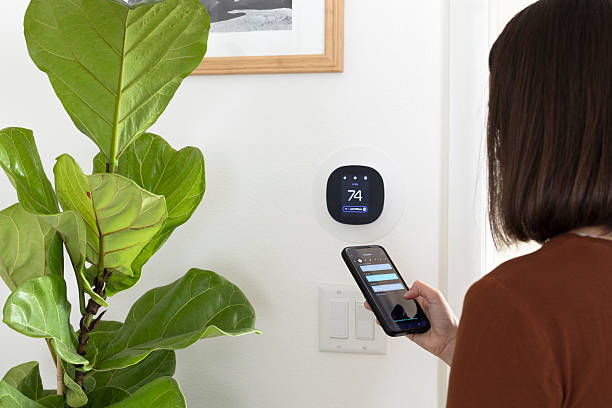
Smart Dimmer Compatibility Issues
Not all LED bulbs work with smart dimmers. Some dimmers were designed for older incandescent lighting systems.
When incompatible devices are connected, lights may:
-
Flicker continuously
-
Pulse at low brightness
-
Buzz during dimming
-
Shut off unexpectedly
Always check compatibility before installing smart dimmers or LED systems.
Wi-Fi Controlled Lighting Problems
Smart lighting systems depend on wireless communication and stable power. Weak connections or software issues may affect lighting performance.
Possible problems include:
-
Delayed response
-
Random flashing
-
Connection drops
-
Unstable brightness
Resetting the system or updating firmware may help in some cases.
Transformer and Driver Failures
Many modern lighting systems rely on drivers and transformers to regulate power. If these components fail, flickering becomes more noticeable.
Signs of driver failure include:
-
Constant flickering
-
Partial fixture failure
-
Uneven brightness
-
Shortened bulb life
Commercial LED systems often require professional diagnostics when drivers begin failing.
Best Practices for Stable Smart Lighting
To improve smart lighting performance:
-
Use compatible devices
-
Avoid cheap LED products
-
Install quality dimmers
-
Keep firmware updated
-
Use licensed electricians for installation
Proper setup helps prevent long-term lighting issues.
Common Electrical Mistakes That Cause Flickering Lights
Many flickering problems start with small mistakes. Some happen during DIY projects. Others develop slowly because electrical systems are overloaded or poorly maintained. Avoiding these mistakes can improve safety and reduce repair costs.
One common mistake is overloading extension cords and power strips. Too many high-demand devices on one outlet can strain the circuit. DIY wiring is another major issue. Incorrect wiring connections may work temporarily but become dangerous over time.
Other common electrical mistakes include:
-
Using incompatible dimmers
-
Installing the wrong bulb wattage
-
Ignoring breaker trips
-
Delaying electrical inspections
-
Using damaged outlets
-
Overlooking storm damage
Commercial properties sometimes create problems during low-cost lighting upgrades. Cheap retrofit products and improper installation often lead to flickering and voltage instability later. Ignoring early warning signs is also risky. Small electrical issues rarely fix themselves. Most problems become worse over time.
Real-World Electrical Case Examples
Real electrical problems often show how small warning signs can lead to larger repairs. These examples reflect common situations seen in Florida homes and commercial buildings.
Residential Flickering Caused by Loose Neutral Wire
A homeowner in Lakeland noticed lights flickering throughout the house every evening. The problem became worse when the air conditioner turned on. The inspection revealed a loose neutral wire inside the electrical panel. The unstable connection caused voltage fluctuations across several circuits.
Warning signs included:
-
Flickering lights
-
Dimming during appliance use
-
Warm breakers
-
Buzzing near the panel
The electrician repaired the connection and tested the system for additional damage. Once repaired, the flickering stopped completely.
Commercial Office LED Flickering Solution
An office building upgraded to LED lighting to reduce energy costs. Soon after installation, employees began reporting constant flickering. The issue was traced to incompatible dimmer controls. The original dimmers were not designed for the new LED system.
The repair included:
-
Replacing dimmer controls
-
Updating LED drivers
-
Testing voltage stability
After the upgrade, the lighting operated normally, and energy efficiency improved.
Industrial Facility Voltage Imbalance Repair
An industrial facility experienced random lighting flicker during heavy equipment operation. Some machines also showed performance issues. Electrical testing revealed a three-phase power imbalance. Uneven electrical loads created unstable voltage across parts of the building.
The repair process included:
-
Load balancing
-
Circuit redistribution
-
Power testing
-
Equipment inspection
After corrections were made, both lighting and equipment performance stabilized.
Future Trends in Lighting Stability and Electrical Systems
Electrical systems continue evolving as buildings use more power and smarter technology. Modern upgrades are improving reliability, energy efficiency, and electrical monitoring. These changes may help reduce flickering problems in the future.
Smart Electrical Panels
Smart panels monitor electrical usage in real time. They can identify overloads, voltage problems, and unusual circuit behavior quickly. Some systems even send alerts directly to smartphones.
Energy Monitoring Systems
Modern energy monitoring tools help property owners track power usage more accurately.
These systems can detect:
-
Voltage fluctuations
-
Overloaded circuits
-
Energy spikes
-
Equipment inefficiency
Commercial buildings increasingly use these systems to reduce downtime.
Advanced LED Driver Technology
Newer LED drivers provide more stable power regulation. This reduces flickering and improves bulb lifespan.
Improved LED technology also supports:
-
Better dimming
-
Lower energy use
-
More reliable brightness control
EV Chargers and Home Power Demand
Electric vehicle chargers place extra demand on residential electrical systems. Older panels may struggle to support this additional load.
As EV adoption grows, many homes will require:
-
Panel upgrades
-
Dedicated circuits
-
Service upgrades
Without these improvements, electrical instability may become more common.
Backup Battery Integration
Battery backup systems are becoming more popular in Florida. These systems help stabilize power during outages and reduce interruptions. Combined with solar systems and generators, battery backups may improve long-term electrical reliability.
Conclusion
Flickering lights should never be ignored. Sometimes the problem is simple, like a loose bulb or a bad switch. Other times, it may point to dangerous wiring or panel issues.
If you have been wondering why are my lights flickering, the safest approach is to identify the cause early. Repeated flickering, buzzing sounds, warm outlets, or burning smells all deserve immediate attention.
Florida homes and businesses face extra electrical stress because of storms, humidity, and high energy demand. Regular inspections and timely repairs help reduce safety risks and prevent expensive damage later.
Whether the issue involves a single room or an entire facility, professional electrical testing can help identify the real problem quickly and safely.
If your lights keep flickering, Hylton Electric can help identify the cause safely and efficiently. Serving Lakeland, Polk County, and Tampa. Call +1 863-624-7000 or email ray@hylton-electric.com for residential service or free commercial and industrial quotes.
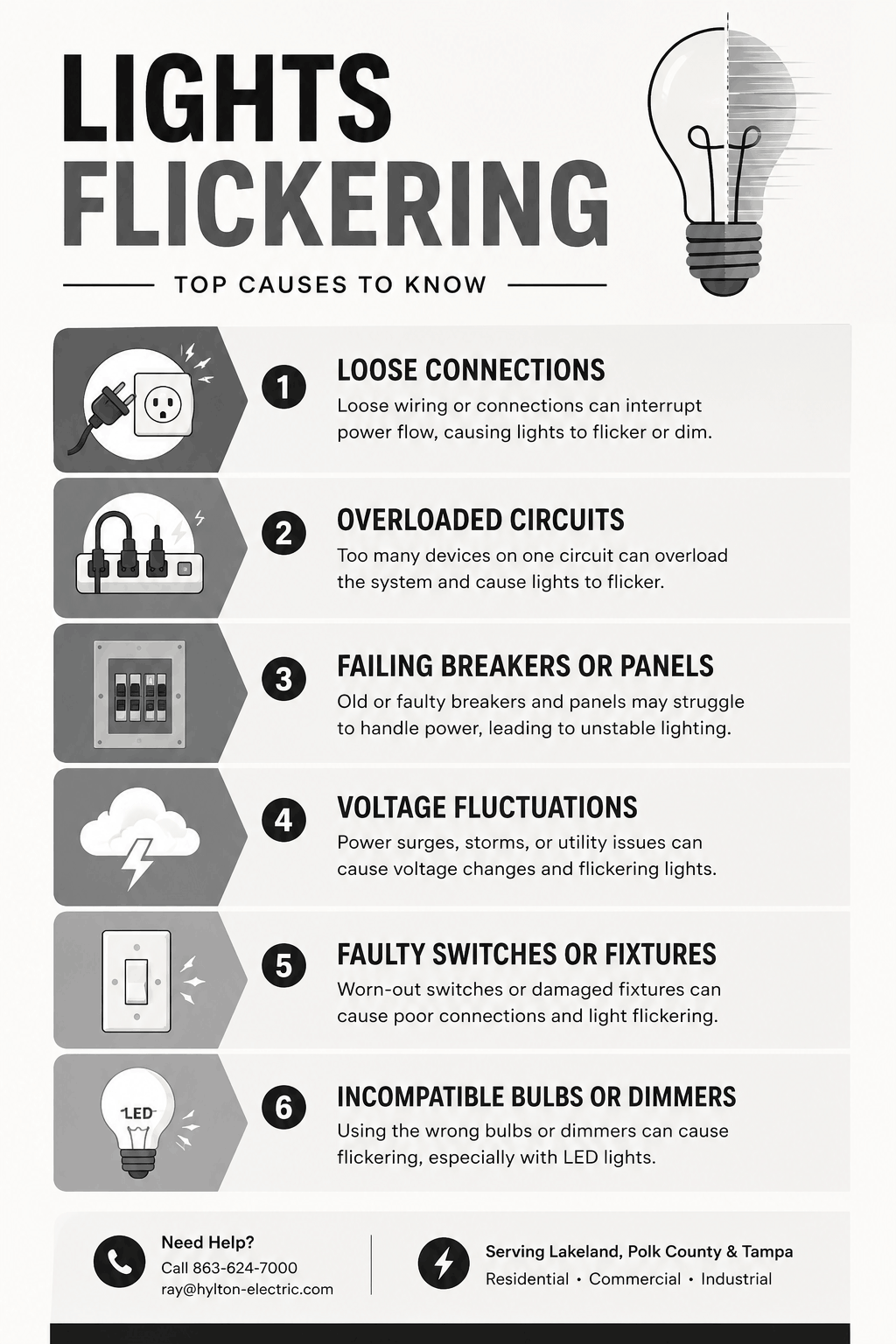
FAQs About Why Are My Lights Flickering?
Why are my lights flickering randomly?
Random flickering usually means the electrical connection is unstable somewhere in the system. The issue may involve loose wiring, overloaded circuits, voltage fluctuations, or a failing breaker.
Sometimes the flickering happens only when large appliances start. Air conditioners, refrigerators, and microwaves often pull extra power during startup. This can briefly reduce the voltage on the circuit.
However, random flickering throughout the day is more concerning. Watch for signs like:
-
Buzzing sounds
-
Burning smells
-
Warm outlets
-
Frequent breaker trips
If multiple rooms flicker at the same time, the issue may involve the electrical panel or utility connection. A licensed electrician can test the system safely and identify the source of the problem.
Are flickering lights a fire hazard?
Flickering lights can become a fire hazard if the problem involves loose wiring or damaged electrical components. Poor connections create heat over time. That heat may damage insulation and increase fire risk.
Some warning signs require immediate attention:
-
Burning odors
-
Warm outlets
-
Crackling sounds
-
Sparks
-
Smoke
Small flickering issues are not always dangerous. For example, a loose bulb may simply need tightening. However, repeated flickering should never be ignored because hidden wiring problems can worsen over time.
Electrical inspections help identify dangerous conditions before major damage occurs.
Can a bad breaker cause lights to flicker?
Yes, a bad breaker can cause lights to flicker. Circuit breakers control the flow of electricity through your electrical system. Over time, breakers wear out and may stop working properly.
A failing breaker may struggle to maintain stable power. This can lead to:
-
Flickering lights
-
Random power loss
-
Buzzing sounds
-
Warm breakers
-
Frequent tripping
Older electrical panels are more likely to develop breaker problems. Florida heat and humidity can also speed up wear inside the panel.
If flickering happens often on the same circuit, the breaker should be inspected. Ignoring the issue may increase the risk of overheating or electrical damage.
A licensed electrician can test the breaker safely and determine whether replacement is necessary.
Why are LED lights flickering?
LED lights flicker for several reasons. In many cases, the issue involves compatibility problems instead of dangerous wiring.
One common cause is an incompatible dimmer switch. Older dimmers were designed for incandescent bulbs, not LEDs. When paired incorrectly, the lights may flicker or pulse.
Other possible causes include:
-
Cheap LED bulbs
-
Failing LED drivers
-
Loose bulb connections
-
Voltage fluctuations
-
Smart lighting problems
Low-quality LED products often fail faster than premium brands. Commercial retrofit projects may also develop flickering if the wrong drivers or transformers are installed. If replacing the bulb does not solve the issue, the fixture or electrical circuit may need testing.
Should I worry if only one light flickers?
One flickering light is usually less serious than flickering throughout the entire property. In many cases, the issue involves the bulb, fixture, or switch connected to that light.
Start with simple checks first:
-
Tighten the bulb
-
Replace the bulb
-
Test another fixture
-
Check the switch for heat or buzzing
If the problem continues, there may be loose wiring inside the fixture or switch box.
You should take the issue more seriously if you notice:
-
Burning smells
-
Warm fixtures
-
Buzzing sounds
-
Flickering spreading to other rooms
Even small electrical problems can worsen over time. If basic troubleshooting does not help, contact a licensed electrician.
Can storms cause flickering lights?
Yes, storms are a major cause of flickering lights in Florida. Lightning, heavy rain, and strong winds can all affect power delivery.
Storm-related flickering often happens because:
-
Power lines move in high winds
-
Transformers become overloaded
-
Lightning creates voltage spikes
-
Utility equipment is damaged
Humidity and moisture can also damage outdoor electrical components over time. Corrosion inside fixtures or panels may lead to unstable electrical connections.
Generators may create brief flickering during transfer cycles as well. This is usually temporary. If flickering continues after a storm, the electrical system should be inspected. Hidden damage may still exist even if the power appears normal.
Why do lights flicker in older homes?
Older homes often have outdated electrical systems. Many were built before modern appliances and electronics increased electrical demand.
Older wiring may struggle to handle:
-
Large HVAC systems
-
Modern kitchen appliances
-
Home offices
-
EV chargers
-
Smart home devices
Common problems in older homes include:
-
Worn breakers
-
Loose wiring
-
Corroded connections
-
Outdated panels
-
Aluminum wiring
These issues can cause unstable voltage and repeated flickering. If flickering becomes common in an older home, a panel upgrade or wiring repair may be needed to improve safety and reliability.
How much does it cost to fix flickering lights?
The repair cost depends on the cause of the flickering. Some problems are simple and inexpensive. Others require major electrical work.
Small repairs may include:
-
Bulb replacement
-
Fixture repair
-
Switch replacement
Larger repairs may involve:
-
Circuit repairs
-
Wiring replacement
-
Breaker replacement
-
Panel upgrades
Typical Florida repair costs range from under $100 for minor fixes to several thousand dollars for major electrical upgrades.
The final price depends on:
-
Building age
-
System condition
-
Accessibility
-
Permit requirements
-
Commercial vs residential systems
A professional inspection is usually the best way to determine the exact repair cost.
Can overloaded circuits make lights flicker?
Yes, overloaded circuits are one of the most common causes of flickering lights. When too many devices use the same circuit, the wiring may struggle to handle the electrical demand.
This often happens when:
-
Space heaters run
-
AC systems start
-
Microwaves operate
-
Large equipment powers on
The extra demand creates a temporary voltage drop. That drop can make lights dim or flicker. Older homes experience this problem more often because they were not designed for modern power usage. Commercial buildings may also face overload issues from HVAC systems, refrigeration equipment, or industrial machinery. If overloads happen regularly, the circuit may need upgrading or redistribution.
Why do my lights dim and brighten repeatedly?
Lights that dim and brighten repeatedly usually indicate unstable voltage. This problem may involve the electrical panel, utility service, or wiring connections.
One possible cause is a loose neutral wire. Neutral wire problems can create uneven voltage throughout the building.
Other causes include:
-
Utility power issues
-
Failing breakers
-
Damaged service lines
-
Overloaded circuits
This type of flickering should not be ignored. Voltage instability can damage appliances and electronics over time. A licensed electrician can test voltage levels and identify the source safely.
Can generators cause flickering lights?
Yes, generators can sometimes cause lights to flicker. This usually happens during power transfer or when the generator struggles to maintain a stable voltage.
Possible causes include:
-
Delayed transfer switch operation
-
Poor generator maintenance
-
Incorrect generator sizing
-
Voltage regulation problems
Brief flickering during transfer is often normal. However, constant flickering while running on generator power may signal a larger issue. Routine maintenance helps improve generator performance and electrical stability.
Is it safe to ignore occasional flickering?
Occasional flickering is not always dangerous. A brief dimming when large appliances start is fairly common. However, repeated flickering should never be ignored. Electrical problems usually become worse over time.
Pay attention to additional warning signs such as:
-
Buzzing sounds
-
Burning smells
-
Warm outlets
-
Breaker trips
-
Sparks
If flickering becomes frequent or spreads throughout the property, the electrical system should be inspected by a licensed electrician.
Do flickering lights mean I need a panel upgrade?
Not always, but flickering can be a sign that the electrical panel is struggling to handle demand.
Older panels may not support:
-
Modern appliances
-
EV chargers
-
HVAC systems
-
Commercial equipment
-
Smart home devices
Signs that a panel upgrade may be needed include:
-
Frequent breaker trips
-
Whole-home flickering
-
Warm breakers
-
Rust or corrosion
-
Limited circuit space
An electrician can inspect the panel and determine whether upgrading is necessary.
When should I call an emergency electrician?
You should call an emergency electrician if flickering lights appear with serious warning signs.
These include:
-
Burning smells
-
Smoke
-
Sparks
-
Buzzing sounds
-
Hot outlets
-
Melted wiring
-
Partial power loss
These symptoms may point to dangerous electrical failures inside the wiring or panel. Do not continue using affected circuits until the system has been inspected safely.
Leave a Reply