
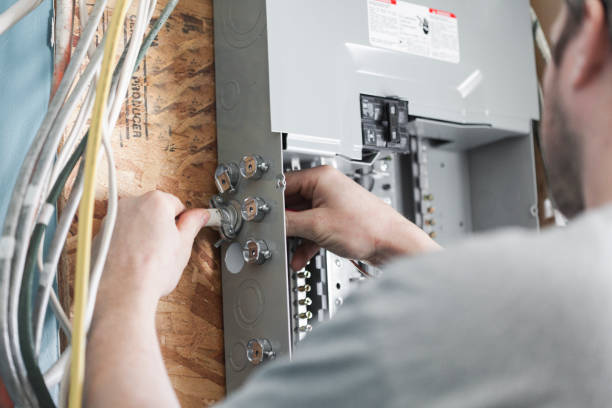
Older electrical panels can create serious safety risks. One of the most concerning types is the Zinsco panel. Many homeowners still have them without realizing the danger.
If you’re researching Zinsco panel replacement cost, you’re likely thinking about safety, insurance, or selling your home. This guide explains everything in clear, simple terms—what Zinsco panels are, why they are risky, and how much it costs to replace one in 2026.
What Is a Zinsco Electrical Panel and Why Is It Dangerous
Zinsco electrical panels were once common in homes built between the 1930s and 1970s. At the time, they were widely accepted. Today, they are known for serious safety issues.
Many electricians now recommend replacing them as soon as possible. The main concern is simple: these panels may not protect your home when something goes wrong.
Brief History of Zinsco Panels
Zinsco panels were designed to distribute electricity throughout a home. They were installed in thousands of properties across the United States.
Later, the company changed ownership. Some panels were sold under different names, including Sylvania and GTE-Sylvania. Despite the rebranding, the internal design stayed mostly the same.
Over time, electricians began noticing problems. These issues were not rare. They appeared in many homes with older Zinsco systems. Today, most professionals consider them outdated and unsafe.
Why Zinsco Panels Are a Fire Hazard
The biggest issue with Zinsco panels is how their breakers work—or fail to work. In a modern panel, breakers trip when there is too much electrical current. This stops wires from overheating. It reduces the risk of fire.
Zinsco breakers often fail to trip. That means electricity keeps flowing even during a fault.
Here’s what can happen:
-
Wires overheat without warning
-
Breakers melt and stick to the panel
-
Electrical arcs can form inside the box
-
Fire risk increases over time
Another concern is hidden damage. Even if the panel looks fine on the outside, problems can exist inside. Because of this, many insurance companies are cautious. Some may raise premiums. Others may refuse coverage until the panel is replaced.
Signs You Have a Zinsco Panel
Not sure if your home has one? There are a few clear signs to look for.
Start with the panel label. The name “Zinsco” may appear on the front. In some cases, you might see Sylvania or GTE-Sylvania instead. Next, check the breakers. Zinsco panels often use unique, colored breakers—commonly red, blue, or green.
You should also consider the age of your home. If it was built before 1980, there is a higher chance it may have one of these panels. If you’re unsure, it’s best to have a licensed electrician inspect it. A quick inspection can confirm the type and condition.
Average Zinsco Panel Replacement Cost (2026 Breakdown)
Replacing a Zinsco panel is not a small job. However, it is a necessary upgrade for safety and long-term reliability. Costs can vary, but most homeowners fall within a predictable range.
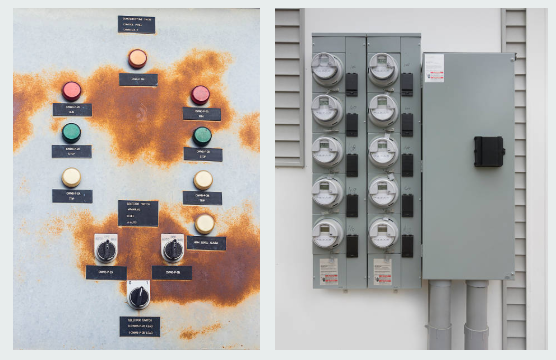
Typical Cost Range
In 2026, the average cost to replace a Zinsco panel usually falls between:
-
$1,300 and $4,000 for standard replacements
-
$4,000 to $6,000+ for full upgrades or complex jobs
The final price depends on several factors. These include panel size, wiring condition, and labor requirements. If the project is simple, costs stay on the lower end. If upgrades are needed, the price increases.
Real-World Cost Examples
Looking at real scenarios can help you understand what to expect.
-
Basic panel swap (same size): $1,200 – $2,500
-
Upgrading to a 200-amp panel: $2,800 – $4,500
-
Full system upgrades with wiring: $5,000 – $8,000+
Each home is different. For example, older homes may need extra work to meet current electrical codes.
National Average Cost
Across the U.S., most homeowners spend around:
-
$1,300 to $2,500 for a standard replacement
This average reflects simple jobs without major upgrades. It does not include extensive rewiring or service changes.
Replacing a Zinsco panel may seem costly at first. However, the long-term value is clear. You reduce fire risk, improve system reliability, and make your home safer for years to come.
Zinsco Panel Replacement Cost by Amperage
Not all panel replacements cost the same. One of the biggest factors is the panel size, also called amperage.
Amperage determines how much electrical load your home can handle. Larger panels support more appliances, but they also cost more to install.
Most homeowners upgrade during replacement. This is often the best time to increase capacity and avoid future issues.
100-Amp Panel Replacement Cost
A 100-amp panel is common in older or smaller homes. It can handle basic electrical needs, but it may struggle with modern usage.
Typical cost range:
-
$800 to $1,500 for a basic replacement
-
$1,500 to $2,500 if minor upgrades are needed
This option works if your home has limited electrical demand. However, it may not be enough for newer appliances, HVAC systems, or EV chargers.
200-Amp Panel Upgrade Cost (Most Common)
A 200-amp panel is the standard for most modern homes. It provides enough power for today’s lifestyle, including high-demand appliances.
Typical cost range:
-
$1,300 to $3,000 for straightforward upgrades
-
$3,000 to $4,500+ for more complex installations
This is the most recommended option when replacing a Zinsco panel. It gives you room to grow and reduces the chance of overload.
400-Amp Panel Cost
A 400-amp panel is used in large homes or properties with heavy electrical usage.
Typical cost range:
-
$2,000 to $4,000+ for the panel itself
-
$4,000 to $8,000+ for full installation
This setup is ideal for:
-
Large homes with multiple HVAC systems
-
Workshops or home businesses
-
Properties with electric vehicle charging setups
For most homeowners, this level is not necessary. However, it can be a smart investment for high-demand properties.
Cost Comparison Table
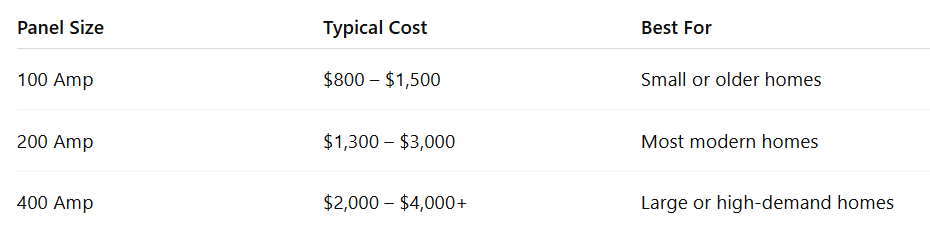
Upgrading your panel during replacement often makes sense. It may cost more upfront, but it helps avoid future electrical limits.
Key Factors That Affect Zinsco Panel Replacement Cost
The panel size is just one part of the total cost. Several other factors can raise or lower your final price. Understanding these can help you plan better and avoid surprises.
Electrical Panel Size and Capacity
Larger panels cost more due to higher material and labor needs. Also, upgrading from 100 amps to 200 amps requires additional work. This can include service line upgrades or new breakers. If your home needs more power, the upgrade is worth it.
Labor Costs
Labor is a major part of the total price.
Most electricians charge:
-
$50 to $150 per hour
A standard replacement may take:
-
8 to 10 hours for simple jobs
-
10 to 20 hours for complex upgrades
Homes with older wiring or tight spaces often take longer.
Permit and Inspection Fees
Electrical work usually requires permits. These ensure the work meets safety codes.
Typical costs:
-
$50 to $500, depending on location
Inspections are also required before the job is complete.
Wiring and Electrical Upgrades
Older homes often need wiring updates during panel replacement.
Additional costs may include:
-
Rewiring sections of the home
-
Adding grounding systems
-
Installing new circuits
These upgrades can add:
-
$600 to $4,500+ to the total cost
Location of the Panel
Where your panel is installed affects labor time.
-
Easy access = lower cost
-
Tight or hidden spaces = higher cost
If the panel needs to be moved, costs increase further. Relocation requires new wiring paths and extra labor.
Code Compliance Upgrades
Modern electrical codes require added safety features.
These may include:
-
GFCI protection
-
Whole-home surge protection
-
Exterior disconnects
These upgrades improve safety but also increase the overall cost. Replacing a Zinsco panel is more than a simple swap. It often involves updates that bring your home up to current safety standards.
Hidden Costs Most Homeowners Don’t Expect
Many homeowners focus on the panel price alone. However, the final cost can increase due to items that are not always included in the initial quote. Knowing these ahead of time helps you avoid surprises and budget more accurately.

Drywall Repair and Finishing
In many cases, electricians need to cut into the wall to access wiring or install a new panel.
After the work is done, the wall may need:
-
Patching
-
Sanding
-
Painting
Some electricians include this. Others do not.
Typical cost range:
-
$150 to $800, depending on damage and finish quality
Meter Base Replacement
If your electrical meter base is old or damaged, it may need replacement during the panel upgrade. This is common in older homes where both systems were installed at the same time.
Typical cost range:
-
$200 to $1,000+
Utility companies may also require upgrades before reconnecting power.
Service Line Replacement
The service line connects your home to the utility grid. If it cannot handle a higher amperage, it must be upgraded. This is more likely when moving from 100 amps to 200 amps.
Typical cost range:
-
$1,000 to $3,000+
In some cases, the utility company covers part of the cost. In others, the homeowner is responsible.
Permit Delays and Inspection Corrections
Permits are required for panel replacement. While the fee itself is usually manageable, delays can add indirect costs.
For example:
-
Failed inspections may require rework
-
Scheduling delays can extend labor time
-
Additional visits may increase service charges
These issues are not common, but they do happen—especially in older homes with outdated wiring. Planning for these hidden costs gives you a more realistic budget. It also helps you ask better questions before hiring an electrician.
Cost to Replace Zinsco Panel vs Upgrade Electrical System
Not all panel replacements are the same. Some homeowners choose a simple replacement, while others upgrade their entire electrical system. The right choice depends on your home’s needs and future plans.
Like-for-Like Replacement
This means replacing the Zinsco panel with a new panel of the same size.
Pros:
-
Lower upfront cost
-
Faster installation
-
Less disruption
Cons:
-
Limited electrical capacity
-
May not meet future needs
-
Could require upgrades later
This option works for small homes with low power demand. However, it is not ideal for most modern households.
Full System Upgrade
A full upgrade involves increasing panel capacity and improving the electrical system.
This may include:
-
Upgrading to a 200-amp panel
-
Adding new circuits
-
Improving grounding
-
Updating wiring
Pros:
-
Supports modern appliances
-
Reduces overload risk
-
Meets current electrical codes
Cons:
-
Higher upfront cost
-
Longer installation time
While more expensive, this option adds long-term value and reliability.
When an Upgrade Is Worth It
In many cases, upgrading is the smarter choice. It prepares your home for current and future electrical needs.
You should consider an upgrade if you plan to add:
-
Electric vehicle chargers
-
Central air conditioning systems
-
Large kitchen appliances
-
Home offices or workshops
-
Smart home systems
If your panel is already outdated, upgrading during replacement saves time and money later. Replacing a Zinsco panel is not just about fixing a problem. It’s an opportunity to improve your entire electrical system.
Why Zinsco Panels Must Be Replaced (Not Repaired)
Some homeowners ask if they can repair a Zinsco panel instead of replacing it. On the surface, repair may seem cheaper. However, it does not solve the real problem. Zinsco panels have known design flaws. These issues cannot be fixed with simple part replacements.
Replacement Parts Are Limited
Zinsco panels are no longer manufactured. That means original parts are hard to find.
In many cases:
-
Breakers are outdated or used
-
Replacement parts may not meet modern safety standards
-
Compatibility issues can occur
Even if you find parts, there is no guarantee they will work safely.
Repairs Don’t Fix Core Issues
The biggest concern is the internal design of the panel.
Zinsco panels use components that can:
-
Overheat under normal load
-
Fail to trip during faults
-
Fuse breakers to the bus bar
Replacing a breaker does not change how the panel functions. The underlying risk remains.
Safety Risks Remain Even After Repairs
Even after a repair, the panel can still fail without warning.
This creates ongoing risks such as:
-
Electrical fires
-
Damage to appliances
-
Hidden overheating inside the panel
Because of these risks, most licensed electricians recommend full replacement instead of repair.
Zinsco vs Modern Electrical Panels
Modern electrical panels are built with safety, durability, and higher demand in mind. The difference between Zinsco and newer panels is significant.
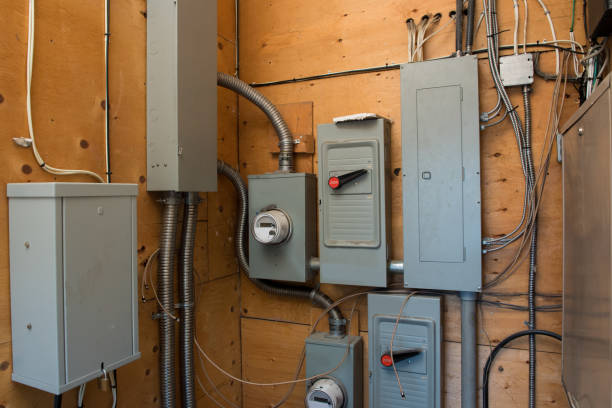
Key Differences
Here’s how Zinsco panels compare to modern systems:
-
Breaker reliability: Modern breakers trip quickly during overloads. Zinsco breakers may fail to trip.
-
Safety standards: New panels meet current electrical codes. Zinsco panels do not meet today’s standards.
-
Heat resistance: Modern materials handle heat better and reduce fire risk.
-
Capacity: New panels support higher electrical loads and modern appliances.
Modern Panel Brands to Consider
When replacing a Zinsco panel, choosing the right brand matters. Most electricians recommend trusted, widely used manufacturers.
Common options include:
-
Eaton
-
Siemens
-
Square D
-
GE
These brands are known for:
-
Reliable breakers
-
Strong safety performance
-
Wide availability of parts
Upgrading to a modern panel is more than a safety fix. It improves how your home handles electricity every day.
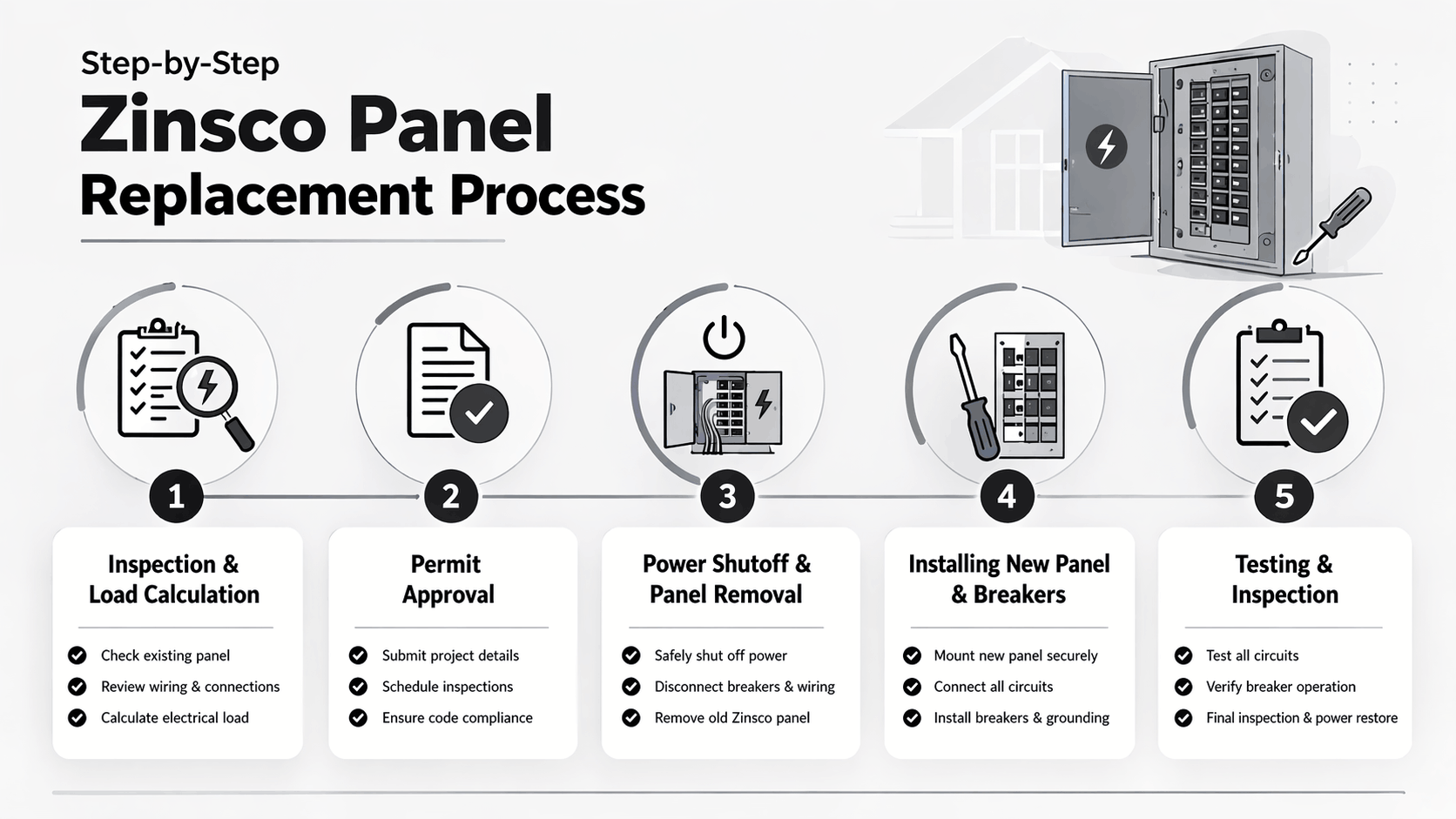
Step-by-Step Zinsco Panel Replacement Process
Replacing a Zinsco panel is a detailed job. It involves planning, safety checks, and careful installation. A licensed electrician follows a clear process to ensure everything meets code.
Here’s what typically happens.
Step 1: Inspection and Load Calculation
The process starts with a full inspection of your current system.
The electrician will:
-
Check the existing panel condition
-
Review wiring and connections
-
Calculate your home’s electrical load
This step helps determine the right panel size. It also identifies any upgrades needed before installation.
Step 2: Permit Approval
Electrical panel replacement requires a permit in most areas.
The contractor usually handles this step. It includes:
-
Submitting project details
-
Scheduling inspections
-
Ensuring code compliance
Permits protect you by making sure the work meets safety standards.
Step 3: Power Shutoff and Panel Removal
Before work begins, power must be shut off. This is done safely, often with coordination from the utility company.
Once power is off:
-
The old Zinsco panel is disconnected
-
Breakers and wiring are removed carefully
-
The panel box is taken out
This step must be done with precision to avoid damaging existing wiring.
Step 4: Installing New Panel and Breakers
Next, the new panel is installed.
The electrician will:
-
Mount the new panel securely
-
Connect all circuits
-
Install new breakers
-
Ensure proper grounding and bonding
If you are upgrading capacity, this step may include additional wiring or service upgrades.
Step 5: Testing and Inspection
After installation, the system is tested.
This includes:
-
Checking all circuits
-
Verifying breaker operation
-
Ensuring proper voltage levels
A final inspection is then completed by a local authority. Once approved, power is fully restored. Replacing a Zinsco panel may take several hours, but each step is critical for safety and long-term performance.
How Long Does Zinsco Panel Replacement Take?
Most homeowners want to know how long the process will take. The answer depends on the complexity of the job.
Typical Timeline
For a standard replacement:
-
4 to 10 hours for basic panel swaps
For more complex upgrades:
-
1 to 2 days if additional work is needed
In many cases, the power outage lasts only part of the day.
Factors That Delay Installation
Some situations can extend the timeline.
Common delays include:
-
Outdated or damaged wiring
-
Panel relocation requirements
-
Permit or inspection scheduling
-
Weather conditions (for outdoor panels)
Older homes often require extra time due to hidden electrical issues. Planning ahead can reduce delays. A professional electrician will assess these factors early and give you a realistic timeline.
DIY vs Professional Replacement (Cost vs Risk)
Some homeowners think about replacing a panel themselves to save money. While that may sound appealing, electrical panel work is not a typical DIY project. It involves high voltage, strict codes, and serious safety risks.
Why DIY Is Not Recommended
Replacing a panel requires experience and proper licensing.
Here’s why DIY is risky:
-
High risk of electric shock or injury
-
Mistakes can cause fires or system failure
-
Local codes may be violated
-
Permits and inspections may be denied
In many areas, panel replacement without a licensed electrician is not allowed. Even small errors—like loose connections—can lead to major problems later.
Benefits of Hiring a Licensed Electrician
Hiring a professional may cost more upfront, but it provides long-term safety and peace of mind.
Key benefits include:
-
Work completed to code
-
Proper permits and inspections handled
-
Safe installation and testing
-
Warranty on labor and parts
A licensed electrician also knows how to spot hidden issues. This helps prevent future repairs and unexpected costs. Choosing a professional is not just about convenience. It is about protecting your home and everyone in it.
How to Save Money on Zinsco Panel Replacement
Panel replacement is an investment, but there are ways to manage costs without cutting corners.
Get Multiple Quotes
Start by comparing at least two or three estimates.
This helps you:
-
Understand fair pricing
-
Spot unusually high or low bids
-
Choose a contractor with the right experience
Always compare scope, not just price.
Upgrade During Renovations
If you’re already planning a home renovation, combine it with your panel upgrade.
This can:
-
Reduce labor costs
-
Minimize repeat work
-
Speed up the overall project
It’s often more efficient to handle everything at once.
Look for Rebates or Tax Credits
In some cases, panel upgrades may qualify for incentives.
These may include:
-
Federal tax credits for energy-related upgrades
-
Local utility rebates
While not always available, they can help offset part of the cost.
Avoid Unnecessary Upsells
Some upgrades are useful. Others may not be needed for your home.
Before agreeing to extra work:
-
Ask why it’s necessary
-
Request a clear explanation
-
Compare with other quotes
A good electrician will recommend only what you truly need. Saving money should never mean compromising safety. Focus on value, not just the lowest price.
Does Replacing a Zinsco Panel Increase Home Value?
Yes, replacing a Zinsco panel can improve your home’s value. More importantly, it makes your home safer and easier to sell.
Impact on Home Safety
A new panel reduces the risk of electrical fires. It also improves system reliability. Buyers and inspectors often look closely at electrical systems. A modern panel gives them confidence.
Insurance Benefits
Many insurance companies are cautious about Zinsco panels.
After replacement, you may see:
-
Lower premiums
-
Easier policy approval
-
Fewer coverage restrictions
This can make a big difference over time.
Buyer Appeal and Inspection Results
During a home sale, outdated panels can raise concerns.
Replacing a Zinsco panel helps:
-
Avoid inspection issues
-
Speed up the selling process
-
Increase buyer trust
While it may not dramatically raise your home price, it removes a major objection for buyers. Upgrading your panel is both a safety improvement and a smart long-term decision.
When Should You Replace Your Zinsco Panel Immediately?
Some homeowners delay panel replacement to save money. However, waiting can increase the risk of serious damage. There are clear warning signs that mean you should act right away.
Warning Signs
If you notice any of the following, your panel may already be failing:
-
Burning smell near the panel
-
Breakers that feel warm or hot
-
Frequent breaker trips or power issues
-
Flickering lights or unstable voltage
-
Visible corrosion or damage inside the panel
These signs often point to overheating or poor connections. Both can lead to fire hazards.
Real Risk of Waiting
Delaying replacement can have serious consequences.
Possible risks include:
-
Electrical fires caused by overheating wires
-
Damage to appliances and electronics
-
Sudden power failures
-
Insurance claim denial due to outdated equipment
Zinsco panels can fail without warning. Even if everything seems fine, hidden issues may already exist. Replacing the panel early helps avoid these risks.
Zinsco Panel Replacement Cost in Lakeland, FL (Local Insight Section)
If you live in Lakeland or nearby areas, pricing may differ slightly from national averages. Local labor rates, permit rules, and home age all affect the cost.
Average Local Pricing Trends
In the Lakeland area, most homeowners can expect:
-
$3,000 to $6,000 for standard panel replacement
-
Higher costs for upgrades or complex installations
Older homes in the area may require additional work, which increases the total price.
What Affects Cost Locally
Several local factors influence pricing:
-
Permit requirements and inspection processes
-
Availability of licensed electricians
-
Age and condition of the home’s wiring
-
Demand for electrical services in the area
Homes built decades ago often need upgrades to meet current codes.
Why Hire a Local Licensed Electrician
Working with a local professional offers clear advantages.
They understand:
-
Local building codes
-
Permit procedures
-
Common electrical issues in the area
This helps the project move faster and reduces the risk of delays.
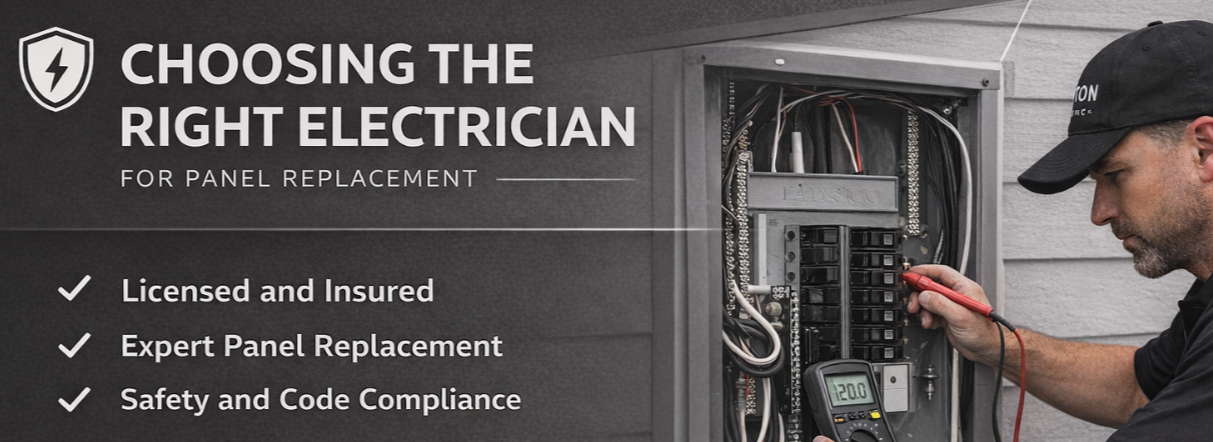
Choosing the Right Electrician for Panel Replacement
Not all electricians have the same experience. Choosing the right one can make a big difference in safety, cost, and overall quality.
What to Look For
When hiring an electrician, focus on:
-
Valid license and insurance
-
Experience with panel replacements
-
Positive reviews and references
-
Clear and detailed estimates
An experienced electrician will explain the process in simple terms and answer your questions.
Questions to Ask Before Hiring
Before you decide, ask a few key questions:
-
Have you replaced Zinsco panels before?
-
What panel size do you recommend for my home?
-
Does your quote include permits and inspections?
-
How long will the job take?
-
Do you offer a warranty?
These questions help you compare options and avoid misunderstandings.
Red Flags to Avoid
Be cautious if you notice:
-
Extremely low estimates
-
No license or proof of insurance
-
Vague pricing or unclear scope of work
-
Pressure to make a quick decision
A reliable electrician will be transparent and professional from the start.
Final Thoughts: Is Zinsco Panel Replacement Worth It?
Replacing a Zinsco panel is not just another home upgrade. It is a safety decision. These panels have known risks that cannot be fixed with simple repairs. While the cost may seem high, the long-term benefits are clear.
You improve:
-
Electrical safety
-
System reliability
-
Home value and buyer confidence
Most importantly, you reduce the risk of fire and unexpected failures.
Need a Safe Zinsco Panel Replacement in Lakeland?
If your home still has a Zinsco panel, now is the time to act. A licensed electrician can assess your system and recommend the right solution. Safe installation, proper permits, and code compliance all matter.
For professional service you can trust, contact:
Hylton Electric
Get expert help and make your home safer today.
FAQs About Interior Recessed Lighting Installation
How much does it cost to replace a Zinsco panel?
The cost to replace a Zinsco panel usually falls between $1,300 and $4,000 for a standard job. However, the final price depends on several factors.
Here’s what affects your cost:
-
Panel size (100-amp vs 200-amp)
-
Labor complexity
-
Wiring condition
-
Permit and inspection fees
If your home needs upgrades, costs can rise to $5,000–$8,000+. For example, adding new circuits or replacing old wiring increases both labor and material costs.
In most cases, homeowners choose a 200-amp upgrade, which offers better long-term value. While the upfront cost may seem high, it improves safety and prevents future electrical issues.
Is it dangerous to keep a Zinsco panel?
Yes, keeping a Zinsco panel can be risky. These panels are known for breaker failure, which means they may not shut off power during an overload.
This can lead to:
-
Overheating wires
-
Electrical fires
-
Damage to appliances
The issue is often hidden. Even if the panel appears normal, internal components may already be damaged.
Many electricians recommend replacement because:
-
The design flaw cannot be repaired
-
Replacement parts are unreliable
-
Safety standards have changed
If your home still has a Zinsco panel, replacing it is the safest option. It reduces fire risk and brings your system up to modern standards.
Can a Zinsco panel be repaired instead of replaced?
In most cases, repair is not recommended. While you may find replacement breakers, they do not fix the underlying design problems.
Here’s why repair is not effective:
-
Core design flaws remain
-
Breakers may still fail to trip
-
Internal overheating risks continue
Some homeowners attempt minor fixes, but these are only temporary solutions.
Electricians usually advise full replacement because:
-
It ensures long-term safety
-
It meets current electrical codes
-
It improves system reliability
Although replacement costs more upfront, it eliminates ongoing risks. Repairing a Zinsco panel may save money short term, but it does not provide a safe or lasting solution.
How long does it take to replace a Zinsco panel?
Most Zinsco panel replacements are completed within one day, but the exact time depends on the project.
Typical timelines include:
-
4–10 hours for a basic replacement
-
1–2 days for complex upgrades
Several factors can affect the duration:
-
Condition of existing wiring
-
Panel location
-
Permit and inspection scheduling
-
Need for service upgrades
During installation, power is usually off for several hours. A professional electrician will plan the work to minimize disruption.
In more complex cases, additional time may be needed for inspections or repairs.
Do I need a permit to replace a Zinsco panel?
Yes, most areas require a permit for electrical panel replacement. This ensures the work meets local safety codes.
The process usually includes:
-
Submitting an application
-
Scheduling an inspection
-
Getting final approval
A licensed electrician typically handles all of this for you.
Permits are important because they:
-
Confirm that the work is done safely
-
Protect your home during resale
-
Help with insurance compliance
Skipping permits can lead to fines or failed inspections later. It may also cause issues when selling your home.
Will replacing a Zinsco panel lower my insurance costs?
In many cases, yes. Insurance companies consider Zinsco panels a higher risk due to their safety issues.
After replacement, you may benefit from:
-
Lower premiums
-
Easier policy approval
-
Fewer coverage restrictions
Some insurers may even require replacement before issuing or renewing a policy.
While savings vary, upgrading your panel shows that your home meets modern safety standards. This reduces the likelihood of claims related to electrical fires.
It’s a good idea to inform your insurance provider after the replacement. They may adjust your policy based on the upgrade.
What size panel should I upgrade to when replacing a Zinsco panel?
Most homeowners upgrade to a 200-amp panel. It provides enough capacity for modern electrical needs.
A 200-amp panel supports:
-
HVAC systems
-
Kitchen appliances
-
Home offices
-
Electric vehicle chargers
Smaller homes may still use 100-amp panels, but they can be limiting. Larger homes or high-demand setups may require 400 amps. An electrician will perform a load calculation to recommend the right size.
Upgrading during replacement is often more cost-effective. It prevents the need for future upgrades and ensures your system can handle increased demand.
Can I sell my house with a Zinsco panel installed?
Yes, but it may create challenges during the sale process.
Here’s what to expect:
-
Home inspections will likely flag the panel
-
Buyers may request a replacement
-
Negotiations may lower your selling price
Some lenders and insurance companies may also require upgrades before closing.
Replacing the panel before listing your home can:
-
Improve buyer confidence
-
Speed up the sale
-
Reduce last-minute issues
While it’s not legally required in most cases, upgrading the panel makes your home more appealing and easier to sell.
What are the signs that my Zinsco panel is failing?
Zinsco panels often show warning signs before failure. However, some issues remain hidden.
Common signs include:
-
Burning smell near the panel
-
Warm or hot breakers
-
Frequent power interruptions
-
Flickering lights
-
Visible corrosion
These symptoms suggest overheating or poor connections. Even if you don’t notice these signs, the panel can still be unsafe. Internal damage may not be visible without inspection.
If you notice any of these issues, contact a licensed electrician immediately. Early action can prevent serious damage and improve safety.
Is upgrading to a modern panel worth the cost?
Yes, upgrading to a modern panel is a smart investment. It improves both safety and functionality.
Key benefits include:
-
Reduced fire risk
-
Reliable breaker performance
-
Support for modern appliances
-
Compliance with current codes
It also adds value to your home and can improve insurance options. While the cost may seem high, it prevents future problems. Electrical systems are not something to delay.
A modern panel provides long-term peace of mind. It ensures your home can safely handle today’s electrical demands and future upgrades.
Leave a Reply