
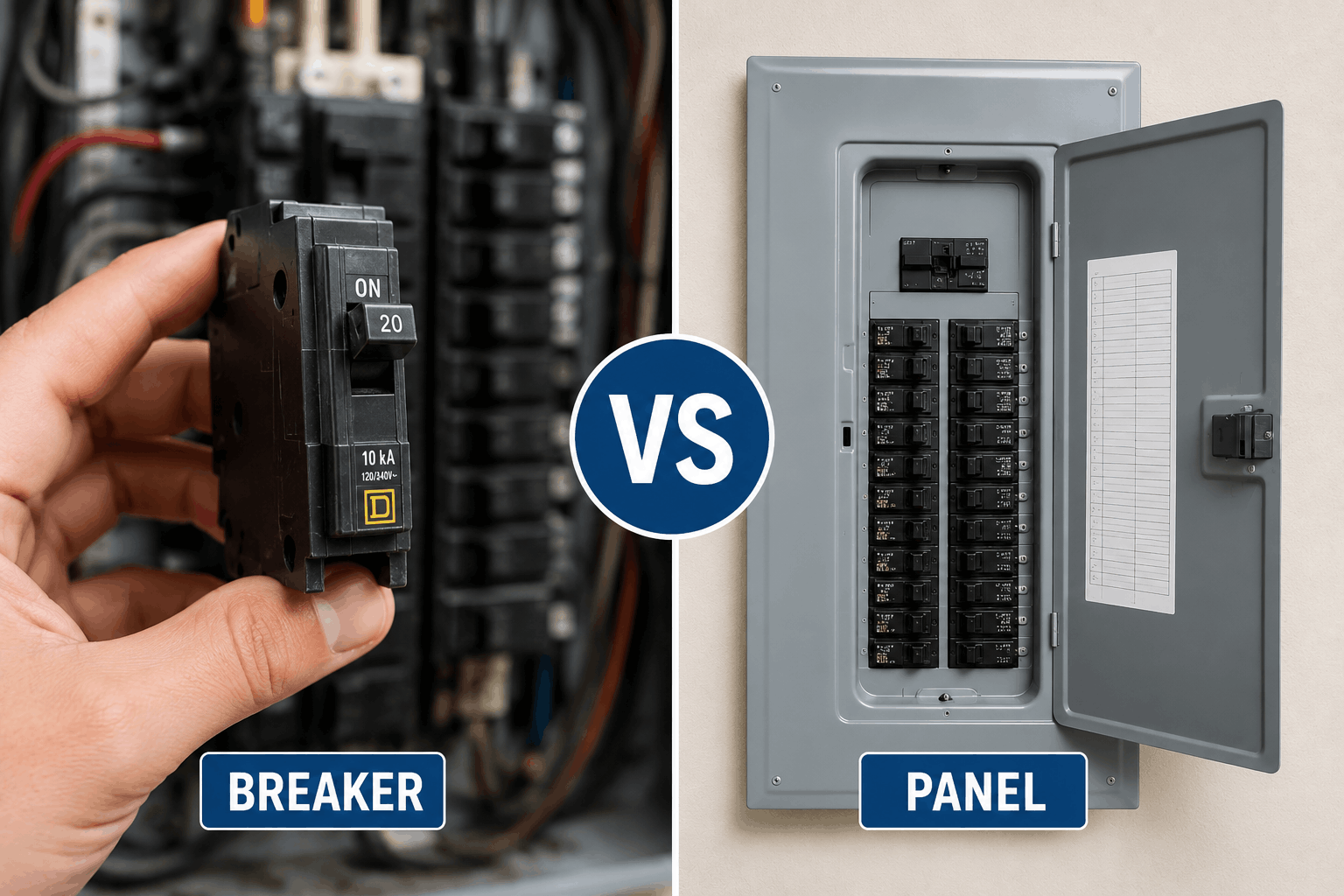
What Is a Breaker Replacement?
A breaker replacement involves removing a faulty circuit breaker and installing a new one inside the existing electrical panel. Circuit breakers protect electrical circuits from overheating, overloads, and short circuits. When a breaker fails, it may no longer protect the wiring properly.
In many cases, breaker replacement is a smaller repair. The electrical panel itself remains in place. Only the damaged breaker gets replaced. This service is common in both residential and commercial buildings.
Circuit breakers wear down over time. Frequent power surges, overloaded circuits, and aging components can all shorten breaker lifespan. A damaged breaker may continue tripping or fail to trip when needed. Both situations create safety concerns.
Common Signs You Need Breaker Replacement
Several warning signs can indicate a failing breaker:
One breaker trips repeatedly
Burning smell near the panel
Hot breaker surfaces
Crackling or buzzing sounds
The lights flicker on one circuit
Appliances lose power suddenly
The breaker refuses to reset
Sometimes the issue is not the breaker itself. Overloaded circuits or damaged wiring may also cause repeated trips. A licensed electrician should inspect the full circuit before replacing components.
How Breaker Replacement Works
The process is usually straightforward when the panel remains in good condition.
Typical Steps Include
Turning off the main power
Inspecting the affected circuit
Removing the faulty breaker
Installing a compatible replacement
Testing voltage and load levels
Confirming safe operation
Most breaker replacements can be completed within one to two hours. However, troubleshooting may take longer if hidden wiring issues exist.
Average Breaker Replacement Costs
Breaker replacement costs vary depending on amperage, breaker type, and accessibility.
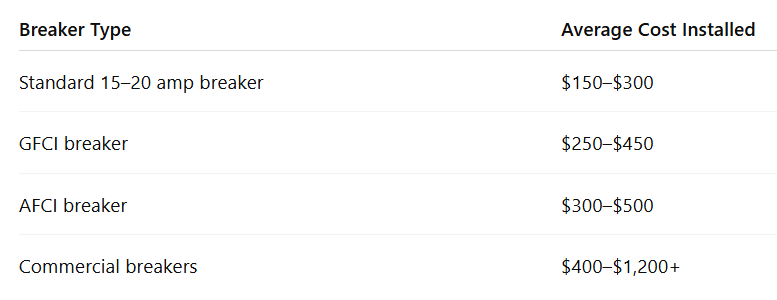
Commercial and industrial systems usually cost more because of higher voltage requirements and specialized equipment.
When Breaker Replacement Makes Sense
Breaker replacement is usually the right choice when:
The electrical panel is still modern
Only one or two breakers fail
Capacity is still sufficient
No corrosion exists inside the panel
The system meets current electrical codes
Newer panels with isolated breaker failures often only need targeted repairs instead of full upgrades.
Need Electrical Help Without the Guesswork?
Hylton Electric helps residential, commercial, and industrial clients across Lakeland, Polk County, and Tampa with practical electrical solutions. Call +1 863-624-7000 or email ray@hylton-electric.com for a free commercial or industrial quote.
What Is an Electrical Panel Replacement?
Electrical panel replacement involves removing the entire electrical panel and installing a new system. This process upgrades the building’s main power distribution center. Unlike breaker replacement, this is a major electrical upgrade.
The electrical panel controls how electricity flows throughout the property. It distributes power safely to circuits, appliances, equipment, and lighting systems. Older panels may struggle to handle modern electrical demand.
Panel replacement becomes necessary when the system is outdated, unsafe, overloaded, or damaged beyond repair. Many Florida homes and commercial buildings still operate with aging panels installed decades ago. These systems were not designed for today’s energy usage.
Modern buildings now rely on:
EV charging stations
Backup generators
Smart appliances
High-powered HVAC systems
Large office equipment
Expanded lighting systems
Older panels often cannot safely support these loads.
Common Signs You Need Electrical Panel Replacement
Electrical panels usually show warning signs before failure. Ignoring those signs can increase fire and shock risks.
- Frequent Breaker Trips Throughout the Building
Occasional breaker trips are normal. However, constant trips across multiple circuits usually indicate panel overload problems. If breakers trip every time appliances start running, the panel may no longer handle the building’s electrical demand.
- Flickering or Dimming Lights
Lights that flicker throughout the property often signal unstable electrical distribution. This problem commonly appears in older or overloaded panels. Commercial buildings may notice flickering when large equipment starts operating.
- Burning Smells or Heat Around the Panel
Electrical panels should never smell like burning plastic or hot metal. Heat buildup often indicates damaged connections or failing internal components. This issue requires immediate professional inspection.
- Rust, Corrosion, or Water Damage
Florida humidity can damage electrical equipment over time. Moisture inside the panel can corrode bus bars and electrical connections. Corrosion weakens electrical reliability and creates major safety hazards.
- Outdated or Unsafe Panel Brands
Some older panel brands have known safety concerns. Electricians often recommend replacing outdated systems before failures occur. Older fuse boxes also usually require replacement during renovations or upgrades.
- Lack of Available Circuit Space
Many older panels run out of breaker space. Property owners sometimes use unsafe double-tapped breakers to add circuits. A larger modern panel safely supports future electrical expansion.
Electrical Panel Replacement Process
Panel replacement requires careful planning and licensed electrical work. The process is more involved than simple breaker replacement.
Main Steps Include
Electrical load calculations
Permit approvals
Utility coordination
Power shutdown
Removal of the old panel
Installation of a new panel
Circuit rewiring and labeling
Grounding updates
Final inspections and testing
Depending on system size, the process may take one full day or longer. Commercial and industrial facilities may require phased electrical shutdowns to minimize downtime.
Average Electrical Panel Replacement Costs
Panel replacement pricing depends on amperage, building size, code requirements, and labor complexity.
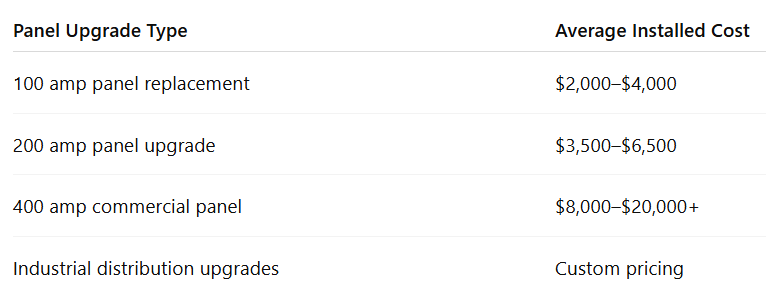
Additional costs may include:
Meter upgrades
Permit fees
Wiring corrections
Surge protection
Grounding improvements
Utility coordination
Many commercial projects also include lighting upgrades or EV charging preparation during panel replacement work.
Breaker Replacement vs Electrical Panel Replacement: Major Differences
Although both services involve the electrical system, they solve different problems. Many property owners assume replacing breakers automatically fixes larger electrical issues. In reality, an aging or overloaded panel may continue causing problems even after new breakers are installed.
Understanding the difference helps prevent temporary fixes that fail later.
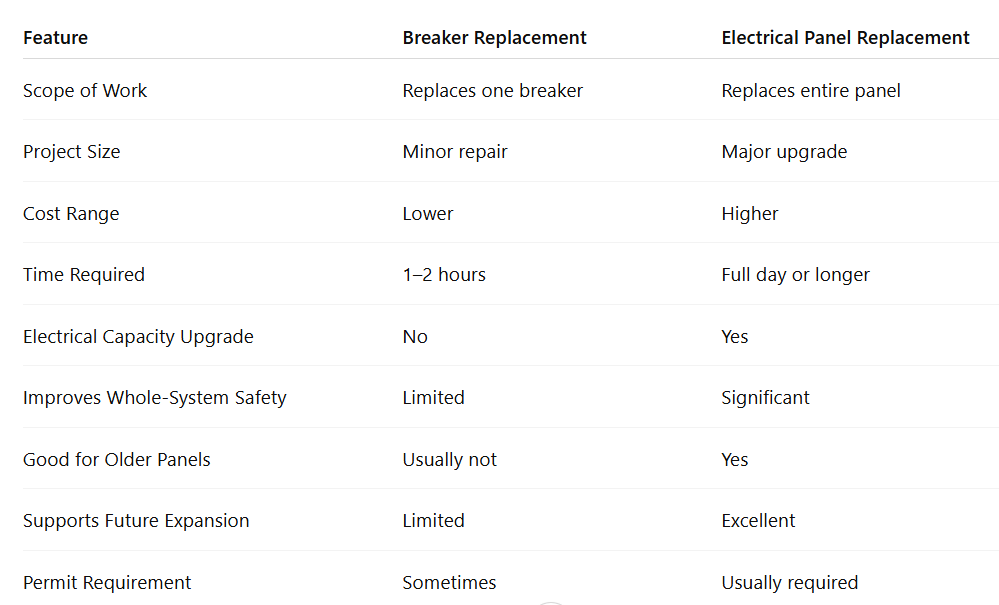
Table Caption: Comparing breaker replacement and electrical panel replacement
A breaker replacement focuses on one failed component. Panel replacement upgrades the entire electrical distribution system. If the root issue involves outdated infrastructure, replacing individual breakers may only delay larger failures.
For example, a commercial building adding EV chargers may overload an old panel repeatedly. Replacing breakers alone would not solve the capacity problem. The system itself must handle the additional electrical demand safely.
On the other hand, a newer building with one damaged breaker may only need a quick replacement. In that situation, replacing the full panel would be unnecessary.
How Electricians Decide Which Service You Need
Licensed electricians inspect several factors before recommending repairs or upgrades. A proper diagnosis helps avoid overspending while still maintaining safety and code compliance.
Age of the Electrical Panel
Panel age matters significantly. Many panels older than 25–30 years begin showing wear internally.
Older systems may contain:
Worn bus bars
Loose connections
Heat damage
Corroded terminals
Obsolete breakers
If the panel itself shows deterioration, replacing individual breakers may not provide long-term reliability.
Overall Electrical Demand
Modern buildings use far more electricity than older systems were designed for.
Common electrical load increases include:
Commercial refrigeration
Industrial machinery
Large HVAC systems
Smart home systems
Computer server equipment
An overloaded panel often struggles to distribute power safely. In these situations, panel replacement becomes the safer long-term solution.
Safety Inspection Results
Electricians inspect for signs of unsafe conditions.
These may include:
Melted breaker connections
Scorch marks
Aluminum wiring issues
Improper breaker sizing
Double-tapped circuits
Water intrusion
If multiple hazards appear, full replacement is usually recommended.
Future Expansion Plans
Future upgrades also influence recommendations.
A homeowner planning to install:
A generator
An EV charger
A hot tub
Additional HVAC systems
may benefit from upgrading the panel now instead of later.
Commercial facilities expanding operations often require larger service capacities as well.
Common Situations Where Breaker Replacement Is Enough
Not every electrical issue requires major upgrades. Many properties only need targeted breaker repairs.
Newer Residential Panels
Modern panels in good condition often last many years. If only one breaker fails, replacement usually restores safe operation quickly.
This situation commonly happens after:
Power surges
Lightning strikes
Temporary overloads
Appliance malfunctions
Isolated Circuit Problems
Sometimes, only one circuit experiences repeated issues. For example, a kitchen appliance may overload a single breaker repeatedly. If the panel passes inspection and capacity remains sufficient, replacing the breaker may fully solve the issue.
Minor Commercial Repairs
Some commercial buildings only need the replacement of one damaged breaker feeding:
Lighting systems
Office equipment
Small HVAC units
Dedicated outlets
If the overall electrical infrastructure remains modern and compliant, localized repairs are often enough.
Common Situations Where Panel Replacement Is Necessary
Certain electrical problems indicate larger infrastructure concerns.
Older Homes in Florida
Many older Florida homes still operate on outdated 100-amp systems. Modern electrical usage often exceeds what those panels can safely handle. Adding appliances, EV chargers, or backup generators may overload older systems quickly.
Commercial Property Renovations
Commercial renovations usually increase electrical demand substantially.
Restaurants, retail spaces, and office buildings often require:
Additional circuits
Larger service capacity
Updated code compliance
Dedicated equipment feeds
Older panels frequently cannot support these upgrades safely.
Industrial Equipment Expansion
Industrial facilities rely heavily on stable electrical distribution. New machinery may require:
Three-phase power
Higher amperage
Dedicated disconnects
Updated distribution panels
In these environments, panel upgrades improve both performance and operational reliability.
Insurance or Code Compliance Issues
Insurance companies sometimes flag outdated panels during inspections. Certain obsolete panel brands may increase insurance concerns because of known safety risks. Code compliance issues may also require upgrades during renovations or property sales.
Reliable Electrical Solutions Start With Proper Diagnosis
Whether you need a breaker repair or a full panel upgrade, proper inspection matters first. Hylton Electric serves Lakeland, Polk County, and Tampa with residential, commercial, and industrial electrical services. Call +1 863-624-7000 or email ray@hylton-electric.com for a free commercial or industrial quote.
Safety Risks of Delaying Electrical Repairs
Electrical problems rarely improve on their own. Delaying repairs often increases both safety risks and long-term costs.
Increased Fire Risk
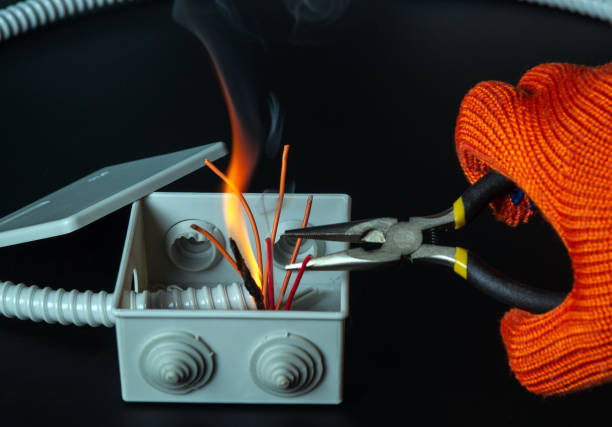
Faulty breakers and overloaded panels create excess heat. Over time, heat damages wiring insulation and nearby materials. According to the National Fire Protection Association, electrical failures remain a major cause of structure fires in the United States.
Equipment Damage
Unstable electrical systems can damage:
Computers
Refrigeration systems
HVAC equipment
Industrial machinery
Smart appliances
Voltage fluctuations and improper circuit protection shorten equipment lifespan significantly.
Unexpected Power Loss
Failing electrical panels may eventually stop distributing power reliably. Businesses can experience costly downtime, while homeowners may lose critical systems unexpectedly.
Higher Repair Costs Later
Small electrical issues often become larger repairs over time. Replacing one faulty breaker early may prevent major panel damage later.
Ignoring warning signs can eventually require:
Emergency service calls
Full rewiring
Equipment replacement
Fire restoration repairs
Can You Replace a Breaker Yourself?
Some property owners consider DIY breaker replacement after watching online tutorials. However, electrical panel work involves serious safety risks. Even when the main breaker is shut off, some panel components may still carry live voltage.
Improper breaker installation can cause:
Arc flashes
Electrical shock
Fire hazards
Code violations
Insurance complications
Additionally, not all breakers are interchangeable. Using incorrect breaker types may damage the panel or create unsafe operating conditions.
Licensed electricians understand:
Load calculations
Breaker compatibility
NEC code requirements
Grounding standards
Safe installation procedures
Professional installation also ensures inspections and permits are handled correctly when required.
How Long Do Breaker and Panel Replacements Last?
Electrical systems are long-term infrastructure investments. The lifespan depends on installation quality, electrical load, environmental conditions, and maintenance.
Breaker Lifespan
Most circuit breakers last between 25 and 40 years under normal conditions. However, heavy electrical demand and repeated tripping can shorten the lifespan significantly.
Breakers wear down faster when they regularly handle:
High electrical loads
Voltage surges
Faulty appliances
Frequent overload conditions
Commercial and industrial systems often experience more wear because of larger equipment loads and longer operating hours.
Electrical Panel Lifespan
Most modern electrical panels last around 25–40 years as well. However, Florida’s humidity, salt air, and storm activity can reduce lifespan in some areas.
Older panels may become outdated before physically failing. Modern electrical demand has increased substantially over the last two decades, especially with EV charging systems and advanced HVAC equipment.
A properly installed panel with adequate capacity usually provides long-term reliability and safer electrical distribution.
Signs Your Electrical System Is Overloaded
Overloaded electrical systems often show subtle warning signs before major failures occur. Recognizing these issues early helps prevent damage and safety hazards.
Frequent Tripping During High Usage
If breakers trip whenever multiple appliances operate together, the system may be overloaded.
This commonly happens when:
HVAC systems start
Microwaves operate
EV chargers run overnight
Commercial equipment powers on
The panel may no longer support the current electrical demand safely.
Warm Outlets or Switches
Outlets and switches should never feel hot. Heat buildup often indicates overloaded circuits or poor electrical connections. Warm electrical devices should always be inspected immediately.
Dimming Lights During Appliance Startup
Lights that dim temporarily when appliances start often indicate voltage strain.
This issue may appear when:
Air conditioners start
Compressors engage
Industrial motors activate
Heavy equipment powers on
Minor dimming occasionally happens normally, but repeated system-wide dimming often points to capacity problems.
Reliance on Extension Cords
Buildings with insufficient outlets often rely heavily on extension cords and power strips. This usually indicates the original electrical system no longer meets current needs.
Buzzing Sounds From the Panel
Electrical panels should operate quietly. Buzzing or humming sounds may indicate loose connections, overloaded breakers, or failing components. These sounds should never be ignored.
Electrical Panel Upgrades for Modern Technology
Modern electrical systems must support far more equipment than older buildings were originally designed for.
EV Charging Systems
EV chargers place a significant demand on residential and commercial electrical systems.
Level 2 chargers commonly require:
Dedicated circuits
Higher amperage capacity
Updated breakers
Load balancing considerations
Older panels may not safely support EV charging installation without upgrades. For businesses installing multiple charging stations, electrical infrastructure planning becomes even more important.
Backup Generator Integration
Generator systems require safe electrical integration with transfer switches and dedicated connections.
Older panels often lack:
Available breaker space
Proper transfer equipment
Adequate amperage capacity
Panel upgrades improve generator compatibility and overall system reliability.
Smart Home and Building Systems
Modern buildings increasingly rely on connected technologies.
Examples include:
Smart thermostats
Security systems
Automated lighting
Access control systems
Smart appliances
These systems increase overall electrical demand and circuit complexity.
Industrial Automation Equipment
Industrial facilities now use advanced automation systems requiring stable and reliable power distribution.
Electrical upgrades help support:
Variable frequency drives
PLC systems
Automated machinery
Monitoring systems
High-efficiency motors
Stable power improves operational reliability and equipment lifespan.
Breaker Replacement vs Electrical Panel Replacement for Businesses
Commercial and industrial properties face unique electrical challenges compared to residential buildings.
Business Downtime Concerns
Electrical failures can disrupt operations quickly.
Common business impacts include:
Lost productivity
Refrigeration failures
Point-of-sale outages
Equipment shutdowns
Lighting interruptions
Proper electrical maintenance helps reduce unexpected downtime.
Higher Electrical Demand
Businesses often run multiple large systems simultaneously.
Examples include:
HVAC systems
Commercial kitchen equipment
Manufacturing machinery
Data systems
Exterior lighting
Older panels may struggle to distribute power safely under these loads.
Future Scalability
Growing businesses often need electrical systems that support expansion.
Panel upgrades help prepare for:
Additional equipment
Building additions
EV fleet charging
Expanded office spaces
New production lines
Planning ahead often reduces future upgrade costs.
Compliance and Inspection Requirements
Commercial facilities must meet stricter electrical safety standards.
Panel upgrades may become necessary during:
Renovations
Occupancy changes
Insurance inspections
Equipment installations
Licensed electricians ensure systems meet current code requirements and safety standards.
How to Choose the Right Electrician
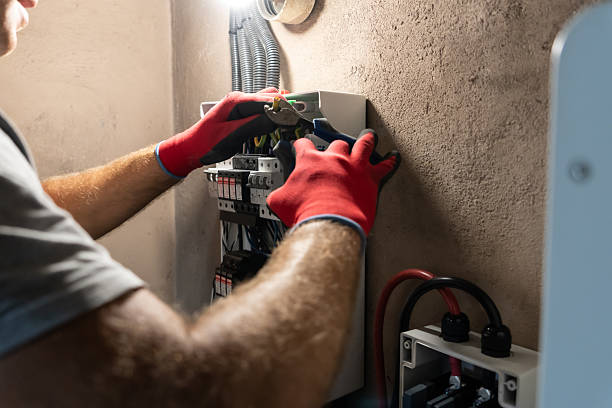
Electrical work directly impacts safety, reliability, and code compliance. Choosing the right electrician matters just as much as choosing the right repair.
Look for Proper Licensing and Insurance
Always verify:
State licensing
Liability insurance
Worker’s compensation coverage
Licensed electricians follow proper installation and safety standards.
Experience With Similar Projects
Residential, commercial, and industrial electrical systems all differ significantly. Choose electricians experienced with your type of property and equipment.
Clear Inspection Process
Professional electricians should inspect the full system before recommending upgrades.
Reliable contractors explain:
What failed
Why it failed
Available repair options
Long-term recommendations
Transparent Pricing
Detailed estimates help avoid unexpected costs later.
Quotes should clearly outline:
Labor
Materials
Permit fees
Additional upgrade recommendations
Emergency Service Availability
Electrical problems rarely happen at convenient times. Businesses especially benefit from electricians offering emergency support when critical systems fail.
Conclusion
Understanding the difference between breaker replacement and electrical panel replacement helps property owners make safer and more practical decisions. Breaker replacement usually fixes isolated circuit problems inside a healthy electrical panel. Electrical panel replacement addresses larger safety, capacity, and reliability concerns affecting the entire system.
Modern buildings demand far more electricity than older systems were designed to handle. EV chargers, generators, HVAC systems, automation equipment, and modern appliances continue increasing electrical loads across residential, commercial, and industrial properties. When electrical systems begin showing warning signs, professional inspection becomes essential.
Delaying repairs can increase fire risks, equipment damage, and operational downtime. A licensed electrician can determine whether a simple breaker replacement or a full electrical panel replacement is the safest long-term solution.
Need Practical Electrical Advice From Experienced Electricians?
Hylton Electric provides residential, commercial, and industrial electrical services throughout Lakeland, Polk County, and Tampa. Call +1 863-624-7000 or email ray@hylton-electric.com for free commercial or industrial quotes and reliable electrical support.
FAQs About Breaker Replacement vs Electrical Panel Replacement
Is breaker replacement cheaper than electrical panel replacement?
Yes, breaker replacement is significantly cheaper because it only involves replacing one faulty breaker instead of the entire electrical panel. Most residential breaker replacements cost a few hundred dollars, depending on breaker type and labor requirements. Electrical panel replacement is a much larger project involving permits, rewiring, inspections, and complete panel installation.
However, cheaper does not always mean better long-term value. If the panel itself is outdated or overloaded, replacing only the breaker may not solve recurring issues. Electricians usually inspect the full system first to determine whether the problem is isolated or part of a larger electrical concern.
Businesses and homeowners should focus on the root problem rather than only the immediate repair cost. Proper diagnosis often prevents repeated electrical failures later.
Can a bad breaker damage appliances?
Yes, a failing breaker can potentially damage appliances and electronics. Circuit breakers protect electrical circuits from overloads and short circuits. If a breaker fails to trip correctly, excessive current may continue flowing through the circuit.
This can lead to:
Overheating wires
Voltage instability
Appliance damage
Increased fire risk
Sensitive electronics like computers, refrigeration systems, and smart appliances are especially vulnerable to unstable electrical conditions.
A breaker that trips repeatedly should never be ignored. The issue may involve overloaded circuits, faulty appliances, or internal breaker failure. Professional inspection helps identify the exact cause before additional damage occurs.
How do I know if my electrical panel is outdated?
Several signs may indicate an outdated electrical panel. Older panels often struggle to handle modern electrical demand safely.
Common warning signs include:
Frequent breaker trips
Flickering lights
Burning smells near the panel
Rust or corrosion
Fuse boxes instead of breakers
Limited breaker space
Warm panel surfaces
Panels older than 25–30 years should usually be inspected by a licensed electrician, especially if the building has recently added new electrical equipment.
Outdated panels may also fail current electrical codes or insurance requirements. Many older systems were not designed for EV chargers, large HVAC systems, or modern appliance loads.
Should I replace my panel if only one breaker keeps tripping?
Not always. One breaker tripping repeatedly does not automatically mean the entire panel needs replacement. In many cases, the issue stays isolated to one circuit or one faulty breaker.
Common causes include:
Overloaded circuits
Damaged appliances
Faulty outlets
Loose wiring
Worn breakers
If the electrical panel is modern, properly sized, and free from corrosion or overheating, replacing the individual breaker may fully solve the problem.
However, if the panel is older or multiple circuits show problems, electricians may recommend further upgrades. A full inspection helps determine whether the issue involves the breaker itself or the entire electrical system.
Ignoring repeated breaker trips is risky because breakers are safety devices designed to prevent overheating and electrical fires.
How long does electrical panel replacement take?
Most residential electrical panel replacements take between one full day and two days, depending on project complexity. Smaller residential upgrades may finish within several hours, while larger commercial or industrial projects often require additional time.
Several factors affect project duration:
Panel size
Building wiring condition
Permit requirements
Utility coordination
Code upgrades
Accessibility
Commercial facilities may require phased shutdowns to minimize operational disruption. Industrial projects sometimes involve multiple distribution panels and specialized equipment connections.
Power is usually disconnected temporarily during installation. Electricians coordinate carefully to restore service safely after testing and inspections are completed.
Proper planning helps reduce downtime and ensures the upgraded system meets current electrical safety standards.
Can I upgrade my panel without rewiring the whole building?
Yes, many panel upgrades do not require complete building rewiring. In many cases, electricians can replace the panel while keeping most existing branch circuit wiring in place.
However, the final decision depends on:
Wiring condition
Electrical code compliance
System age
Grounding quality
Existing circuit capacity
If older wiring shows damage or safety concerns, partial rewiring may become necessary during the upgrade process.
For example, some older homes may still contain outdated aluminum wiring or insufficient grounding systems. Commercial buildings may also require dedicated circuits for modern equipment.
Electricians inspect the entire system before starting work. Their goal is to ensure the new panel operates safely with the existing electrical infrastructure.
Is electrical panel replacement worth the cost?
In many situations, yes. Electrical panel replacement improves safety, reliability, and long-term electrical performance. Older panels often struggle with today’s electrical demand, especially in buildings using EV chargers, generators, or large HVAC systems.
Benefits of upgrading include:
Improved fire protection
Increased electrical capacity
Better equipment reliability
Easier future expansion
Reduced breaker problems
Modern code compliance
Panel upgrades also improve convenience by providing additional circuit space for future projects.
Although the upfront cost is higher than simple breaker replacement, upgrading an unsafe or overloaded panel often prevents larger repair expenses later. Businesses also reduce downtime risks and operational disruptions with more reliable electrical infrastructure.
Can a breaker replacement increase electrical capacity?
No, replacing a breaker alone does not increase the electrical capacity of the system. The breaker still operates within the limits of the existing panel and electrical service size.
For example:
A 100-amp panel remains a 100-amp panel
A single breaker replacement does not upgrade service size
Existing wiring limits still apply
Increasing electrical capacity usually requires:
Electrical panel upgrades
Larger service entrance wiring
Utility coordination
Load calculations
This becomes especially important when adding:
EV charging systems
Backup generators
Large appliances
Commercial machinery
Installing oversized breakers without proper wiring upgrades creates major safety hazards. Licensed electricians calculate safe electrical loads before recommending capacity increases.
Are old fuse boxes dangerous?
Older fuse boxes are not automatically dangerous, but many become unsafe because they were not designed for modern electrical demand. Fuse systems were common decades ago, before circuit breakers became standard.
Common problems include:
Limited electrical capacity
Overloaded circuits
Improper fuse replacements
Lack of modern safety protection
Difficulty finding replacement parts
Some property owners improperly install oversized fuses to stop repeated outages. This bypasses electrical protection and significantly increases fire risks.
Many insurance companies also view older fuse boxes as higher-risk systems.
Modern breaker panels provide safer, more reliable protection for today’s electrical loads. Electricians often recommend upgrading fuse boxes during renovations or major electrical improvements.
Does homeowners’ insurance cover panel replacement?
Usually, homeowners’ insurance does not cover electrical panel replacement caused by normal aging or wear. Insurance policies generally focus on sudden accidental damage rather than gradual deterioration.
However, coverage may apply if panel damage results from:
Lightning strikes
Storm damage
Electrical fires
Covered disasters
Policy terms vary significantly between insurance providers. Some insurers may also require outdated electrical panels to be upgraded before renewing coverage.
Commercial insurance policies may have additional inspection and compliance requirements for older electrical systems.
Property owners should review their policy carefully and consult their insurance provider for exact coverage details before starting major electrical upgrades.
Can businesses operate during panel replacement?
Sometimes yes, but it depends on the project size and electrical layout. Smaller commercial panel upgrades may allow partial operations during the work. Larger upgrades usually require planned shutdown periods.
Electricians often coordinate carefully to reduce downtime by:
Scheduling off-hours work
Using phased shutdowns
Isolating critical systems
Planning temporary power solutions
Industrial facilities and restaurants often require specialized scheduling because electrical interruptions can affect operations significantly.
Business owners should discuss operational needs with electricians before the project begins. Proper planning helps minimize disruptions while maintaining safety throughout the installation process.
What size electrical panel do most modern homes need?
Most modern homes use either 150-amp or 200-amp electrical panels. The correct size depends on total electrical demand, appliance usage, HVAC systems, and future upgrades.
Homes with these features often require a larger capacity:
EV chargers
Multiple HVAC systems
Electric water heaters
Large kitchen appliances
Backup generators
Smart home systems
Older 100-amp panels may no longer support modern electrical usage comfortably.
Electricians perform load calculations to determine the correct panel size safely. Installing a properly sized panel helps prevent overloads and supports future electrical expansion more efficiently.
Looking for Reliable Electrical Upgrades or Repairs?
Hylton Electric serves residential, commercial, and industrial clients across Lakeland, Polk County, and Tampa with practical electrical solutions, panel upgrades, breaker replacements, generators, and EV charging support. Call +1 863-624-7000 or email ray@hylton-electric.com for free commercial or industrial quotes.
Leave a Reply