
Many older homes in Tampa still rely on outdated electrical systems. One of the most common is the fuse box. While it once served homes well, it no longer meets modern safety or power demands. If your property still uses one, understanding fuse box replacement is essential for safety, reliability, and compliance.
Tampa’s housing stock includes many properties built before modern electrical codes. These homes often struggle to support today’s appliances, HVAC systems, and electronics. As power demand increases, older fuse systems become a serious risk. They can overheat, fail, or even cause fires under heavy load.
This guide explains everything you need to know. You’ll learn how fuse boxes work, why they are outdated, and how replacement improves safety. We will also cover costs in Tampa, the replacement process, and when to hire a licensed electrician. Whether you own a home, manage a property, or run a business, this guide gives you clear, practical answers.
What Is Fuse Box Replacement
Fuse box replacement means removing an old fuse-based system and installing a modern breaker panel. This upgrade improves both safety and electrical performance. It also prepares your property for current and future power needs.
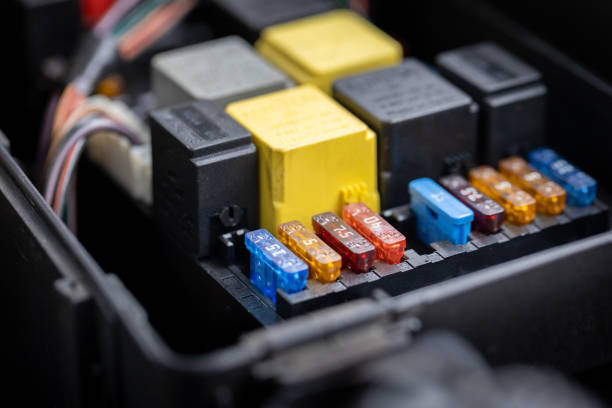
A fuse box uses small metal fuses that melt when circuits overload. This protects wiring, but it also creates inconvenience. Every time a fuse blows, it must be replaced manually. Over time, many homeowners install incorrect fuse sizes, which increases fire risk.
Fuse Box to Circuit Breaker Conversion in Lakeland Explained
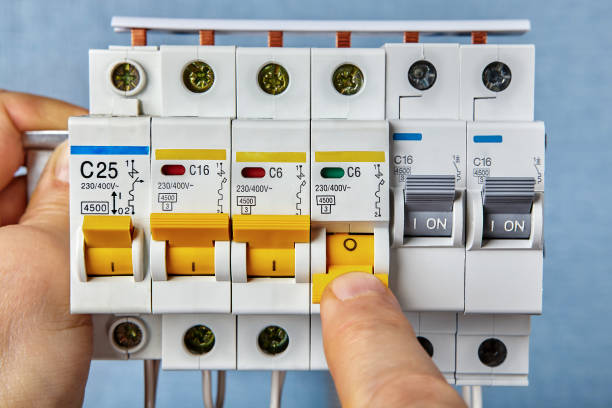
In contrast, a breaker panel uses switches instead of fuses. When a circuit overloads, the breaker trips. You simply reset it. This makes the system safer and easier to maintain.
Here’s why fuse systems are considered obsolete:
-
Limited capacity for modern electrical loads
-
No easy reset mechanism
-
Higher risk of overheating
-
Incompatibility with new appliances and systems
Replacing a fuse box is not just about convenience. It is about bringing your electrical system up to modern safety standards. A new panel allows for better load management, improved grounding, and safer operation under heavy demand.
Why Old Fuse Box Replacement Matters in Tampa, Florida
Tampa presents unique challenges for electrical systems. Heat, humidity, and frequent storms all affect performance. These conditions make outdated systems even more vulnerable.
Older neighborhoods in Tampa often still have original fuse boxes. These systems were not designed for today’s energy use. Air conditioning alone places a heavy demand on circuits. Add modern appliances, and the risk increases significantly.
Another important factor is insurance. Many Florida insurers require updated electrical systems. If your home still has a fuse box, you may face higher premiums or denied coverage. This alone makes replacement a smart investment.
Environmental factors also play a role:
-
High humidity can corrode components
-
Lightning storms increase surge risk
-
Salt air (in coastal areas) accelerates wear
Additionally, Tampa homes are seeing rising demand for new technologies. EV chargers, backup generators, and smart home systems all require stable, high-capacity panels. Fuse boxes simply cannot support these upgrades.
Replacing your fuse box ensures your system can handle:
-
Modern HVAC systems
-
High-power kitchen appliances
-
EV charging installations
-
Backup power systems
In short, upgrading your electrical panel is not optional for many Tampa properties. It is a necessary step for safety, reliability, and long-term value.
Signs You Need Fuse Box Replacement
Recognizing the warning signs early can prevent serious problems. Many homeowners ignore these issues until a failure occurs. That can lead to costly repairs or dangerous situations.
One of the most obvious signs is frequent blown fuses. If you replace fuses often, your system is overloaded. This means your electrical demand exceeds your system’s capacity.
Other signs are more subtle but equally important.
Common indicators include:
-
Lights flicker when appliances turn on
-
Circuits trip or fail unexpectedly
-
Burning smell near the fuse box
-
Warm or hot panel surface
-
Limited number of circuits available
You may also notice that your home relies heavily on extension cords. This often means there are not enough outlets or circuits. It is a sign that your system was not designed for current usage.
Another critical factor is inspection results. If you are buying or selling a property, inspectors often flag fuse boxes as outdated. Insurance companies may also issue warnings or require upgrades.
In some cases, you may not notice any symptoms at all. However, the system may still pose a hidden risk. That is why professional evaluation is important.
If you experience any of these issues, it is time to consider an upgrade. Addressing the problem early helps avoid emergencies and improves overall safety.
Fuse Box vs Circuit Breaker Panel
Understanding the difference between these systems helps you make informed decisions. While both serve the same purpose, their performance and safety levels differ greatly.
Table: Fuse Box vs Breaker Panel Comparison
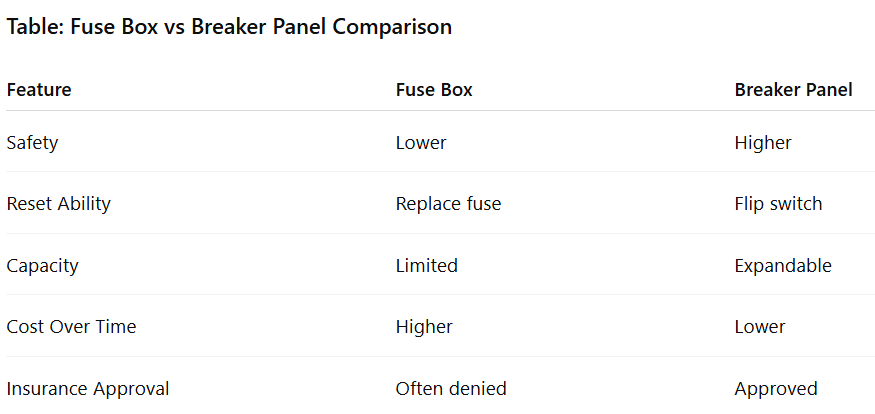
Fuse boxes rely on disposable components. Each blown fuse requires replacement. Over time, this becomes costly and inconvenient. There is also a risk of using incorrect fuse sizes, which can lead to overheating.
Breaker panels, on the other hand, offer better protection. They trip instantly when circuits overload. This reduces fire risk and prevents damage to appliances.
Another key advantage is scalability. Modern panels allow for additional circuits. This is important for future upgrades like EV chargers or solar systems.
From a long-term perspective, breaker panels provide:
-
Better safety
-
Lower maintenance costs
-
Greater flexibility
-
Easier troubleshooting
For Tampa homeowners and businesses, upgrading is a practical decision. It improves safety, supports modern technology, and ensures compliance with current standards.
Step-by-Step Fuse Box Replacement Process
Replacing a fuse box is a structured process that must follow Florida electrical codes. It is not a quick swap. Each step ensures safety, compliance, and long-term reliability. A licensed electrician will manage the process from start to finish.
The first step is a full inspection. The electrician evaluates your current system and calculates the electrical load. This determines the correct panel size. Most Tampa homes upgrade to 200 amps to support modern demand.
Next comes permit approval. In Tampa, electrical panel replacement requires permits and inspections. Skipping this step can lead to fines and failed insurance checks. A professional contractor handles this for you.
Once approved, the power is safely shut off. Coordination with the utility company may be required. The old fuse box is then removed, along with any outdated or unsafe wiring connected to it.
The new breaker panel is installed and properly grounded. If needed, circuits are redistributed or upgraded. This ensures balanced load distribution across the panel.
Finally, the system is tested and inspected. Local authorities verify that everything meets code. Only after approval is the system fully energized.
Checklist for a Safe Replacement:
-
Licensed and insured electrician
-
Proper load calculation completed
-
Permits approved before work begins
-
Panel sized for future expansion
-
Grounding and bonding updated
-
Final inspection passed
This step-by-step approach ensures your system is safe, efficient, and built to last.
Cost of Fuse Box Replacement in Tampa, Florida
The cost of upgrading an electrical system varies based on several factors. In Tampa, prices depend on the size of the home, the condition of the wiring, and the complexity of the installation. While it is an investment, it provides long-term safety and reliability.
Table: Cost Breakdown (Tampa Area)
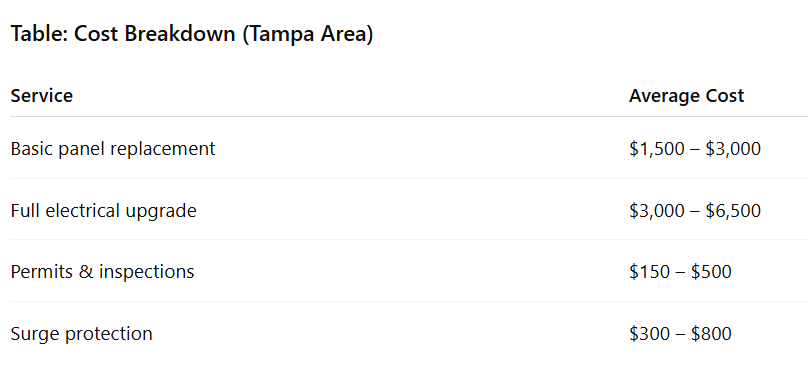
A basic replacement involves swapping the fuse box for a breaker panel. However, many homes require additional work. Older wiring may need upgrades to meet current code. This can increase the total cost.
Several factors influence pricing:
-
Panel amperage upgrade (100A to 200A)
-
Accessibility of the electrical panel
-
Age and condition of wiring
-
Need for grounding or bonding updates
-
Local permit requirements
It is also important to consider long-term value. A modern panel reduces maintenance costs and improves energy efficiency. It also increases property value and helps with insurance approval.
In Tampa, many property owners choose to upgrade beyond minimum requirements. This prepares the system for future needs such as EV chargers or backup generators.
Choosing the Right Panel for Replacement
Selecting the correct panel is a key part of the upgrade. It determines how well your system performs over time. Choosing the wrong size can lead to future limitations or costly upgrades.
Most older homes operate on 60 or 100 amps. This is no longer sufficient for modern usage. A 200-amp panel is now the standard for residential properties in Tampa.
Here’s a simple comparison:
-
100-amp panel: Suitable for small homes with limited appliances
-
200-amp panel: Ideal for most modern homes and upgrades
-
Higher capacity panels: Used for large homes or commercial spaces
Future planning is critical. Many homeowners plan to install EV chargers or generators. These systems require additional capacity. Installing a larger panel now avoids future upgrades.
EV Charger Types Explained (Complete Guide for Businesses & Homes)
You should also consider smart panels. These systems allow real-time monitoring of energy use. They help identify inefficiencies and improve overall performance.
When choosing a panel, focus on:
-
Current electrical demand
-
Future expansion needs
-
Compatibility with modern devices
-
Code compliance and safety
A properly selected panel ensures your system remains reliable for years.
Common Mistakes During Fuse Box Replacement
Mistakes during electrical upgrades can lead to serious problems. Some errors may not show immediate effects but can create long-term risks. Avoiding these issues is critical.
One of the biggest mistakes is attempting a DIY replacement. Electrical work requires training and licensing. Improper installation can result in fire hazards or system failure.
Another common issue is choosing an undersized panel. Many property owners try to save money by installing a smaller panel. This often leads to overload problems later.
Other frequent mistakes include:
-
Skipping permits and inspections
-
Ignoring outdated wiring conditions
-
Failing to upgrade grounding systems
-
Hiring unlicensed contractors
Improper grounding is especially dangerous. It increases the risk of shock and equipment damage. Tampa’s weather conditions make proper grounding even more important.
Using low-quality materials is another concern. Cheap components may fail under load. This reduces the lifespan of your electrical system.
Working with a qualified electrician helps avoid these mistakes. It ensures your system meets code and operates safely under all conditions.
When to Hire a Licensed Electrician in Tampa
Electrical panel replacement is not a basic repair. It involves high-voltage systems and strict code requirements. Hiring a licensed electrician is essential.
In Florida, electrical work must meet state and local regulations. A licensed professional understands these requirements. They ensure your installation passes inspection and remains compliant.
There are several reasons to hire a professional:
-
Safe handling of high-voltage systems
-
Accurate load calculations
-
Proper permitting and inspections
-
Compliance with Tampa electrical codes
Insurance companies also require professional installation. If work is done incorrectly, claims may be denied. This adds financial risk to unlicensed work.
A licensed electrician also completes the job faster and more efficiently. They have the tools and experience to handle unexpected issues. This reduces downtime and prevents costly delays.
For property managers and business owners, reliability is critical. Electrical failures can disrupt operations and lead to losses. Professional installation ensures consistent performance.
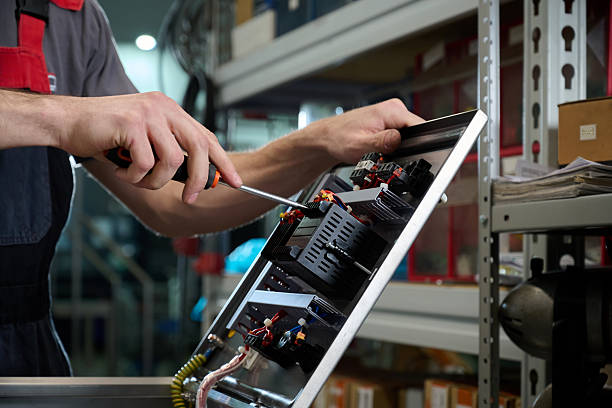
Local Expertise: Electrical Services in Tampa & Polk County
Working with a local electrical contractor provides clear advantages. Tampa has specific building codes and inspection processes. Local electricians understand these requirements and handle them efficiently.
Service areas include:
-
Lakeland
-
Polk County
-
Tampa
Local expertise also means faster response times. This is especially important for urgent electrical issues. A contractor familiar with the area can quickly diagnose and resolve problems.
Hylton Electric provides a full range of services across residential, commercial, and industrial sectors. This includes panel upgrades, system repairs, and new installations.
Their approach focuses on safety, reliability, and practical solutions. Every project is handled with attention to detail and compliance.
Need clarity on your fuse box? Call +1 863-624-7000 or email ray@hylton-electric.com. We offer free quotes for commercial and industrial projects across Lakeland, Tampa, and Polk County.
Case Example: Tampa Home Fuse Box Upgrade
A homeowner in Tampa owned a property built in the 1960s. The house still used its original fuse box. Over time, electrical demand increased due to new appliances and HVAC upgrades.
The homeowner began experiencing frequent fuse failures. Lights flickered when large appliances turned on. An inspection revealed that the system was overloaded and unsafe.
The solution involved upgrading to a 200-amp breaker panel. The electrician also replaced outdated wiring and improved grounding. The project included permits and final inspection approval.
Results included:
-
Stable power across all circuits
-
Increased capacity for future upgrades
-
Improved safety and code compliance
-
Better insurance eligibility
This example highlights the importance of timely upgrades. Addressing the issue early prevented potential hazards and improved overall system performance.
Future Trends in Electrical Panels
Electrical systems continue to evolve. Modern panels now offer features that go beyond basic protection. These advancements improve efficiency, monitoring, and integration with new technologies.
One key trend is the rise of smart panels. These systems provide real-time data on energy usage. Homeowners can track consumption and identify inefficiencies.
Another important development is integration with renewable energy. Panels are now designed to work with solar systems. This allows better energy management and storage.
Emerging trends include:
-
Remote monitoring through mobile apps
-
Automated load balancing
-
Integration with EV charging systems
-
Enhanced surge protection
As Tampa continues to grow, energy demand will increase. Upgrading to a modern panel ensures your system can adapt to future needs.
Conclusion
Upgrading from an outdated fuse system is one of the most important electrical improvements you can make. Older systems were not built for today’s power demands. In a city like Tampa, where heat, storms, and high energy use are common, this upgrade becomes even more critical. A modern breaker panel improves safety, supports new technology, and ensures your property meets current codes.
If your home or facility still relies on fuses, now is the right time to act. Delaying upgrades increases the risk of overloads, equipment damage, and even fire hazards. A properly installed panel gives you stable power, room for expansion, and peace of mind. Most importantly, it aligns your system with insurance and inspection requirements.
Choosing professional fuse box replacement ensures the work is done correctly and safely. It protects your investment and keeps your property running without interruptions.
If your property still uses a fuse box, reach out at +1 863-624-7000 or ray@hylton-electric.com. We handle residential, commercial, and industrial upgrades across Tampa, Lakeland, and Polk County.
FAQs About Fuse Box Replacement
What is fuse box replacement?
Fuse box replacement is the process of removing an outdated fuse-based electrical system and installing a modern circuit breaker panel. This upgrade improves safety, convenience, and electrical capacity. Fuse systems rely on replaceable components that melt during overloads, while breaker panels use switches that can be reset.
In simple terms, the upgrade gives you:
-
Safer operation under heavy loads
-
Easier reset during power trips
-
Better compatibility with modern appliances
Most homes with fuse boxes were built decades ago. Today’s electrical demands exceed what those systems can handle. Replacement ensures your system can support HVAC units, kitchen appliances, and other high-power devices without risk.
How long does fuse box replacement take?
The timeline for replacing a fuse box depends on the complexity of the job. In most cases, a standard replacement takes between 4 and 8 hours. However, if wiring upgrades or additional work is required, the process may extend to one or two days.
The timeline usually includes:
-
Initial inspection and preparation
-
Power shutdown coordination
-
Removal of the old fuse system
-
Installation of the new panel
-
Final testing and inspection
Permits and inspections may add extra time, especially in Tampa, where code compliance is strict. A licensed electrician will manage the entire process and keep downtime as short as possible.
Is fuse box replacement required in Tampa?
Fuse box replacement is not always legally required, but it is often strongly recommended. Many Tampa properties still operate with older systems, but they may not meet modern safety standards.
Situations where replacement becomes necessary:
-
Insurance companies require panel upgrades
-
Electrical inspections fail due to outdated systems
-
Major renovations or additions are planned
Even if not mandatory, upgrading improves safety and reduces risk. It also ensures your system can handle modern energy demands without failure.
Can I replace a fuse box myself?
Replacing a fuse box is not a DIY project. It involves high-voltage electrical work and must comply with strict codes. Attempting to do it yourself can lead to serious safety hazards, including electrical shock or fire.
Reasons to avoid DIY replacement:
-
Lack of proper tools and training
-
Risk of incorrect wiring or grounding
-
Failure to meet local code requirements
In Florida, electrical panel work typically requires permits and licensed professionals. Hiring a qualified electrician ensures the job is completed safely and passes inspection.
How much does fuse box replacement cost?
The cost of replacing a fuse box in Tampa varies based on several factors. On average, homeowners can expect to pay between $1,500 and $3,000 for a basic panel replacement. More complex upgrades may cost up to $6,500.
Key cost factors include:
-
Size of the new panel (100A vs 200A)
-
Condition of existing wiring
-
Accessibility of the installation area
-
Permit and inspection fees
While the upfront cost may seem high, the long-term benefits outweigh it. A modern panel reduces maintenance, improves safety, and increases property value.
Will power be shut off during the replacement?
Yes, power will be temporarily shut off during the replacement process. This is necessary to ensure safety while the old system is removed and the new panel is installed.
The outage typically lasts:
-
4 to 8 hours for standard replacements
-
Longer for complex upgrades
Electricians coordinate with utility providers when needed. They also plan the work to minimise disruption. Most homeowners can return to normal power use the same day.
Do I need a permit in Tampa, Florida?
Yes, permits are required for fuse box replacement in Tampa. Electrical work must meet local and state regulations. Permits ensure that the installation is inspected and approved.
The permit process includes:
-
Application submission
-
Work inspection by local authorities
-
Final approval before system use
Skipping permits can result in fines or failed inspections. It may also create issues with insurance coverage. A licensed electrician will handle this process for you.
What size panel should I upgrade to?
Most homes in Tampa upgrade to a 200-amp panel. This size provides enough capacity for modern appliances, HVAC systems, and future additions.
Panel size depends on:
-
Total electrical load
-
Size of the property
-
Future expansion plans
Smaller homes may use 100-amp panels, but they often lack flexibility. Choosing a larger panel ensures your system can handle future upgrades without additional work.
Does replacing a fuse box increase home value?
Yes, upgrading your electrical panel can increase property value. Buyers and inspectors view modern electrical systems as a major advantage.
Benefits include:
-
Improved safety and reliability
-
Better inspection results
-
Increased buyer confidence
In competitive markets like Tampa, updated systems can make a property more attractive. It also reduces concerns during the buying process.
Can old wiring stay with a new panel?
In some cases, existing wiring can remain in place. However, it must be inspected to ensure it meets current safety standards. Older wiring may need upgrades if it is damaged or outdated.
Factors that determine compatibility:
-
Age and condition of wiring
-
Type of insulation used
-
Compliance with current codes
If wiring is not suitable, partial or full replacement may be required. This ensures the new panel operates safely and efficiently.
Are fuse boxes dangerous?
Fuse boxes are not inherently dangerous, but they pose higher risks compared to modern systems. The main issue is their limited capacity and outdated design.
Common risks include:
-
Overloaded circuits
-
Incorrect fuse replacements
-
Increased fire hazards
Modern breaker panels offer better protection and faster response to overloads. Upgrading significantly reduces these risks.
Will insurance cover homes with fuse boxes?
Many insurance companies place restrictions on homes with fuse boxes. Some may deny coverage entirely, while others charge higher premiums.
Insurance concerns include:
-
Increased fire risk
-
Outdated electrical infrastructure
-
Lack of compliance with modern standards
Upgrading to a breaker panel improves eligibility and may lower insurance costs. It also simplifies the approval process during property transactions.
Leave a Reply