
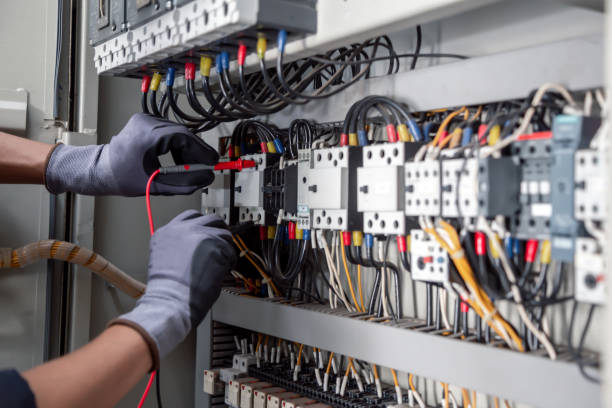
Reliable electrical work is essential for every home. It keeps your family safe and your systems running without interruption. That is why homeowners depend on experienced residential electrical contractors for everything from small repairs to major upgrades. In Lakeland, Florida, electrical systems face unique challenges due to heat, humidity, and frequent storms. These conditions increase wear on wiring, panels, and outdoor components.
A qualified contractor does more than fix problems. They assess your system, identify risks, and ensure everything meets current codes. This approach protects your property and avoids costly failures later. Whether you are building a new home, upgrading an older system, or installing modern features like EV chargers, professional electrical services make a clear difference.
In Lakeland and across Polk County, homeowners often deal with aging infrastructure. Many homes were built before modern electrical demands. Today’s appliances, smart devices, and charging systems require more power and better distribution. Without upgrades, systems can become overloaded or unsafe. Working with a licensed electrician ensures your system keeps up with current needs while remaining compliant with Florida regulations.
Key Electrical Statistics
-
Electrical failures cause 51,000 home fires annually (NFPA Report)
-
70% of U.S. homes are over 25 years old (NAHB Housing Data)
-
Faulty wiring accounts for 13% of home fire property damage (ESFI Data)
-
Florida ranks high for lightning strikes impacting electrical systems (NOAA Lightning Data)
Electrical systems are not something to overlook. These numbers highlight how common and costly electrical issues can be. In Florida, the risk is even higher due to environmental factors. That makes routine inspections and timely upgrades essential for homeowners in Lakeland.
What Residential Electrical Contractors Do
Residential electricians handle a wide range of services that go beyond simple repairs. Their role involves planning, installation, maintenance, and troubleshooting. Each task requires technical skill and strict adherence to safety standards.
Core Services Offered
Most contractors provide essential services that support daily electrical needs. These include:
-
Wiring and rewiring homes for safety and efficiency
-
Panel upgrades to handle increased electrical loads
-
Lighting installation for indoor and outdoor spaces
-
EV charger installation for modern vehicles
-
Generator installation for backup power
Each of these services plays a role in maintaining a reliable system. For example, panel upgrades ensure your home can handle appliances without frequent breaker trips. Similarly, generator installations provide peace of mind during outages, which are common during Florida storms.
Specialized Residential Services
Beyond basic work, contractors often offer specialized services designed for modern homes. These services improve comfort, efficiency, and convenience.
-
Smart home integrations for lighting and security
-
Energy-efficient upgrades like LED conversions
-
Advanced troubleshooting for recurring electrical issues
These upgrades help homeowners reduce energy costs while improving system performance. For instance, LED lighting uses less power and lasts longer than traditional bulbs. Smart systems also allow better control of energy usage.
Why This Matters in Lakeland
Lakeland homes face unique electrical challenges. The local climate and infrastructure play a major role in system performance. High humidity can affect wiring insulation over time. Frequent storms increase the risk of power surges and outages. Older homes may not meet current electrical demands.
Because of these factors, professional electrical services are not optional. They are necessary for safety and reliability. Contractors understand local conditions and design solutions that work in real-world environments. This local expertise helps prevent common issues and ensures long-term performance.
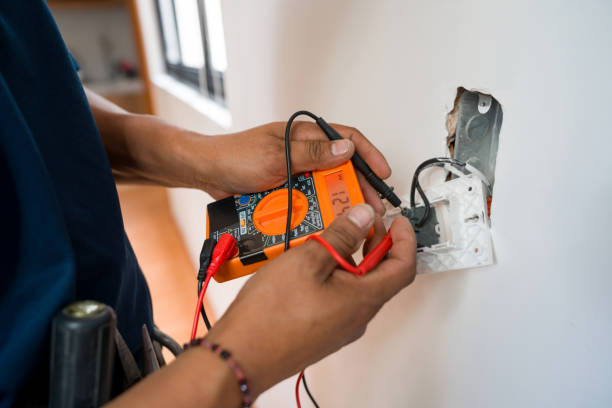
Types of Residential Electrical Services in Lakeland
Residential electrical work varies depending on the type of project. Some services focus on new construction, while others address upgrades or repairs. Understanding these categories helps homeowners choose the right solution for their needs.
New Construction Electrical
New home construction requires complete electrical system planning. This process starts with designing the layout. Electricians determine where outlets, switches, and panels should be placed. They also calculate the load requirements for appliances and future upgrades.
The installation phase follows strict building codes. Every component must meet safety standards. Inspections ensure the system is properly installed before the home is occupied. This process ensures long-term reliability and reduces the risk of future problems.
Home Renovation Electrical
Renovation projects often involve updating existing systems. Older homes may have outdated wiring or insufficient capacity. During renovations, electricians upgrade circuits and install new components to support modern usage.
Common renovation tasks include:
-
Replacing outdated wiring
-
Adding new circuits for appliances
-
Upgrading panels for increased capacity
These upgrades improve safety and allow homeowners to use modern technology without limitations.
Repairs and Emergency Services
Electrical issues can occur without warning. Problems like short circuits or power outages require immediate attention. Emergency services ensure these issues are resolved quickly and safely.
Common repair situations include:
-
Power loss in certain areas of the home
-
Burning smells from outlets or panels
-
Frequent breaker trips
A fast response is critical in these situations. Delays can increase the risk of damage or fire.
Upgrades and Installations
Modern homes require updated systems to support new technology. Upgrades improve efficiency and safety while increasing property value.
Popular upgrades include:
-
Panel and breaker replacements
-
Generator installations
-
EV charger installations
-
Outdoor and security lighting
These improvements make homes more functional and prepared for future needs. For example, EV chargers are becoming essential as electric vehicles gain popularity.
Signs You Need a Residential Electrical Contractor
Electrical issues often start small but can become serious if ignored. Recognizing early warning signs helps prevent larger problems. Homeowners should pay attention to changes in system performance.
Common signs include:
-
Frequent breaker trips during normal use
-
Flickering or dim lights in multiple rooms
-
Burning smells from outlets or switches
-
Outdated fuse boxes instead of modern panels
-
Lack of sufficient outlets for daily needs
These issues indicate underlying problems that require professional attention. Ignoring them can lead to system failure or safety hazards.
Checklist: When to Call Immediately
-
Warm or discolored outlets
-
Sparking when plugging in devices
-
Sudden power loss across multiple areas
-
Buzzing sounds from electrical panels
These situations require immediate action. Delaying repairs can increase the risk of fire or equipment damage.
Electrical systems are complex and interconnected. A single issue can affect multiple parts of the system. That is why professional diagnosis is essential. Contractors use specialized tools and experience to identify the root cause and provide effective solutions.
Cost Breakdown in Lakeland, Florida
Understanding electrical costs helps homeowners plan projects with confidence. Prices vary based on the size of the home, the complexity of the work, and permit requirements. In Lakeland, costs are generally consistent with Florida averages but can increase for older homes that require additional upgrades.
Table: Average Residential Electrical Costs in Lakeland
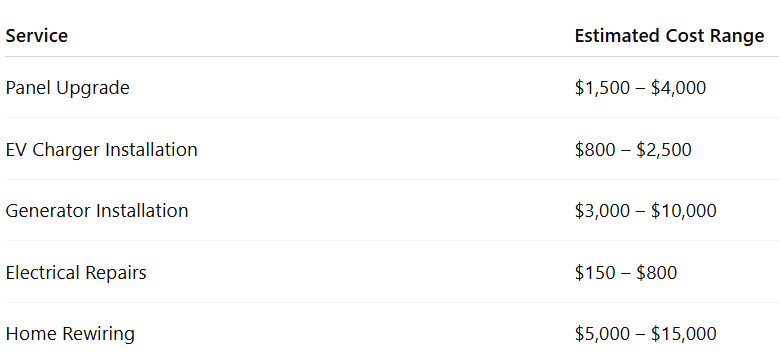
These estimates reflect typical residential projects. However, actual costs depend on several factors. For example, a panel upgrade in a newer home may cost less than in an older property with outdated wiring.
Key factors that influence pricing include:
-
Home size and layout complexity
-
Age of the electrical system
-
Permit and inspection requirements
-
Material quality and equipment used
-
Emergency versus scheduled service
Labor costs also play a significant role. Licensed electricians bring expertise and ensure code compliance, which protects your investment. While lower-cost options may seem attractive, they often lead to higher repair costs later.
Planning ahead can help reduce expenses. Scheduling non-emergency work, combining upgrades, and addressing issues early all contribute to better cost control. For example, upgrading a panel during a renovation is often more efficient than doing it separately.
How to Choose the Right Residential Electrical Contractor
Choosing the right contractor is one of the most important decisions a homeowner can make. Electrical work directly affects safety, efficiency, and long-term reliability. A qualified professional ensures the job is done correctly the first time.
Must-Have Qualifications
A reliable contractor should meet specific standards. These qualifications ensure they are capable of handling residential electrical work safely.
-
Licensed and insured in Florida
-
Experienced with local Lakeland homes and systems
-
Knowledge of National Electrical Code (NEC) requirements
-
Ability to handle permits and inspections
Licensing confirms that the electrician has completed the required training. Insurance protects both the homeowner and the contractor in case of accidents. Together, these factors provide peace of mind.
Questions to Ask
Before hiring a contractor, ask clear and direct questions. This helps you understand their experience and approach.
-
Are you licensed and insured in Florida?
-
Do you provide written estimates and timelines?
-
Can you manage permits and inspections?
-
Do you offer warranties on your work?
Clear answers indicate professionalism and transparency. Contractors who avoid these questions may not meet industry standards.
Red Flags to Avoid
Some warning signs suggest a contractor may not be reliable. Recognizing these early can prevent costly mistakes.
-
No written estimates or unclear pricing
-
Extremely low quotes compared to others
-
Lack of references or local experience
-
Pressure to make quick decisions
Choosing a contractor based solely on price often leads to problems. Quality work requires proper materials, skilled labor, and compliance with safety codes.
Residential Electrical Code Requirements in Florida
Electrical work in Florida must follow strict regulations. These rules are designed to protect homeowners and ensure safe installations. Understanding basic code requirements helps homeowners make informed decisions.
The National Electrical Code (NEC) sets the foundation for electrical standards. Florida adopts these guidelines with additional local requirements. Contractors must follow both state and local codes during installation and repairs.

Key requirements include:
-
Proper grounding and bonding of electrical systems
-
Adequate circuit protection using breakers
-
Safe placement of outlets and switches
-
Compliance with load capacity standards
Permits are required for most major electrical projects. This includes panel upgrades, rewiring, and generator installations. Inspections verify that the work meets all safety standards before it is approved.
Skipping permits may seem convenient, but it creates serious risks. Unpermitted work can lead to fines, insurance issues, and safety hazards. It may also reduce property value when selling a home.
Working with a licensed contractor ensures all requirements are met. They handle permits, schedule inspections, and ensure compliance at every stage. This approach protects both your home and your investment.
Step-by-Step: Typical Electrical Project Process
Electrical projects follow a structured process to ensure safety and efficiency. Understanding this process helps homeowners know what to expect from start to finish.
-
Initial Inspection and Consultation: The contractor evaluates your current system. They identify issues, discuss goals, and recommend solutions.
-
Load Calculation and Planning: Electrical load requirements are calculated. This ensures the system can handle current and future usage.
-
Permit Approval: Necessary permits are obtained from local authorities. This step ensures the project meets all regulations.
-
Installation or Repair Work: The contractor completes the work using proper tools and materials. Safety standards are followed throughout.
-
Final Inspection and Testing: Inspectors verify that the work meets code requirements. The system is tested to ensure proper operation.
Each step plays a critical role in the overall success of the project. Skipping or rushing any part of the process can lead to problems later. A professional contractor ensures each stage is completed correctly.
Benefits of Hiring Local Lakeland Electrical Contractors
Hiring a local contractor offers several advantages. Local professionals understand the specific needs of homes in Lakeland and the surrounding areas.
One major benefit is faster response time. Local electricians can quickly address urgent issues, especially during outages or emergencies. This reduces downtime and prevents further damage.
Another advantage is familiarity with local infrastructure. Contractors in Lakeland understand common wiring systems, building styles, and environmental challenges. This knowledge allows them to provide more effective solutions.
Local contractors also offer better accountability. They rely on their reputation within the community. This encourages high-quality work and reliable service. Homeowners can also verify their track record through local references.
Finally, local expertise ensures compliance with regional codes. Florida regulations can vary by area. A contractor who works regularly in Lakeland will understand these requirements and ensure your project meets all standards.
Common Mistakes Homeowners Make
Electrical issues often become worse due to common mistakes. Avoiding these errors can save time, money, and stress.
One of the most common mistakes is attempting DIY electrical work. While small tasks may seem manageable, electrical systems are complex and dangerous. Incorrect installations can lead to fires or serious injuries.
Another mistake is ignoring warning signs. Flickering lights or frequent breaker trips may seem minor, but they often indicate deeper issues. Addressing these early prevents larger problems.
Hiring unlicensed electricians is another risk. Lower costs may be appealing, but unqualified work often leads to code violations and safety hazards. Repairs for poor workmanship can be expensive.
Delaying upgrades is also a common issue. Older systems may not support modern electrical demands. Waiting too long increases the risk of system failure.
Homeowners can avoid these mistakes by working with experienced professionals. Regular inspections and timely upgrades keep systems safe and efficient.
Case Example: Panel Upgrade in Lakeland Home
Consider a typical older home in Lakeland with an outdated electrical panel. The homeowner experienced frequent breaker trips, especially when using multiple appliances. This indicated that the system could not handle the current load.
A professional electrician conducted a full inspection. They recommended upgrading to a modern 200-amp panel. The process involved replacing the old panel, updating wiring connections, and ensuring proper grounding.
After the upgrade, the home’s electrical system performed efficiently. Breaker trips stopped, and the homeowner could safely use modern appliances. The upgrade also improved overall safety and increased property value.
This example highlights the importance of addressing electrical issues promptly. Upgrades not only solve immediate problems but also provide long-term benefits.
Future Trends in Residential Electrical Services
Residential electrical systems continue to evolve. New technologies are changing how homeowners use and manage electricity.
One major trend is the growth of electric vehicles. More homeowners are installing EV chargers to support daily charging needs. This requires proper electrical capacity and professional installation.
Smart home technology is also becoming more common. Systems that control lighting, security, and energy usage are increasing in popularity. These systems improve convenience and efficiency.
Energy efficiency is another key focus. Homeowners are upgrading to LED lighting and energy-saving appliances. These changes reduce energy costs and environmental impact.
Solar integration is also gaining attention. While not every home uses solar power, many systems are designed to support future installation. This requires planning during electrical upgrades.
Staying ahead of these trends ensures your home remains functional and efficient. Working with experienced electricians helps you prepare for future needs while maintaining safety.
Need reliable electrical work in Lakeland? Call +1 863-624-7000 or email ray@hylton-electric.com. We serve residential, commercial, and industrial clients across Lakeland, Polk County, and Tampa. Free quotes available for commercial and industrial projects.
Why Choose Hylton Electric
Choosing the right electrical contractor comes down to trust, consistency, and proven results. Homeowners in Lakeland need a provider who understands real-world conditions and delivers dependable solutions. Hylton Electric focuses on practical service, safety, and long-term performance across every project.
One key advantage is working with a licensed and insured team. This ensures every job meets Florida safety standards and local code requirements. It also protects homeowners from liability while guaranteeing that work is completed correctly. Electrical systems are not an area where shortcuts work. Proper installation and inspection are essential.
Another important factor is reliability. Projects are completed on time with clear communication at every stage. Homeowners are informed about what to expect, how long the work will take, and any adjustments needed along the way. This reduces uncertainty and helps projects run smoothly.
Hylton Electric also provides 24/7 emergency support. Electrical issues do not always happen during business hours. Having access to immediate assistance ensures problems are resolved quickly before they become more serious. This is especially important in Florida, where storms and outages are common.
The company’s experience spans residential, commercial, and industrial services. This broad expertise allows for better problem-solving and more efficient installations. Whether it is a panel upgrade, generator installation, or lighting project, the approach remains consistent—safe, practical, and built to last.
Conclusion
Electrical systems are a critical part of every home. They support daily life, protect appliances, and ensure safety. Working with experienced professionals helps prevent risks and ensures long-term performance. In Lakeland, environmental factors and aging infrastructure make proper electrical work even more important.
Hiring qualified residential electrical contractors ensures your system meets current standards and handles modern demands. From repairs to upgrades, professional service provides peace of mind and reliable results. Taking action early can prevent costly problems and improve overall efficiency.
Have questions about your home’s electrical system? Call +1 863-624-7000 or email ray@hylton-electric.com. Hylton Electric serves Lakeland, Polk County, and Tampa with dependable solutions. Free quotes for commercial and industrial clients.
FAQs About Residential Electrical Contractors
What does a residential electrical contractor do?
A residential electrical contractor manages all aspects of a home’s electrical system. This includes installation, maintenance, upgrades, and repairs. Their role is not limited to fixing issues. They also design systems, ensure safety compliance, and optimize performance.
Key responsibilities include:
-
Installing wiring, panels, and circuits
-
Performing safety inspections and troubleshooting
-
Upgrading systems to meet modern electrical demands
-
Ensuring compliance with local and national codes
These professionals are trained to handle complex systems safely. They understand how different components interact and how to prevent risks. Hiring a licensed contractor ensures that work is done correctly and meets all required standards.
How do I choose a licensed electrician in Lakeland?
Choosing the right electrician requires careful evaluation. Start by verifying that the contractor is licensed and insured in Florida. This confirms they meet professional standards and can legally perform electrical work.
Next, review their experience. Contractors familiar with Lakeland homes understand local conditions and common electrical issues. This helps them provide more accurate solutions.
You should also:
-
Request written estimates and clear timelines
-
Check reviews and local references
-
Ask about warranties and guarantees
Avoid contractors who provide vague answers or push for quick decisions. A reliable electrician will communicate clearly and provide detailed information. Taking the time to choose carefully ensures better results and long-term reliability.
How much does it cost to hire an electrician in Lakeland?
The cost of hiring an electrician depends on the type of work and its complexity. Small repairs, such as fixing an outlet, may cost a few hundred dollars. Larger projects, like panel upgrades or rewiring, can cost several thousand dollars.
Factors that influence pricing include:
-
Size and age of the home
-
Complexity of the electrical system
-
Materials and equipment required
-
Labor time and expertise
Emergency services may also increase costs due to urgency. While price is important, quality should be the main priority. Choosing a licensed professional ensures the work is safe and meets code requirements, which prevents costly repairs later.
Do I need permits for electrical work in Florida?
Yes, most electrical work in Florida requires permits. This includes major projects such as panel upgrades, rewiring, and generator installations. Permits ensure that the work meets safety standards and local regulations.
The process typically involves:
-
Submitting plans for approval
-
Completing the work according to the code
-
Scheduling inspections for verification
A licensed contractor usually handles permits and inspections. This simplifies the process for homeowners and ensures compliance. Skipping permits can lead to fines, safety risks, and issues when selling the property. It is always best to follow proper procedures.
How long does a panel upgrade take?
A standard panel upgrade usually takes between four and eight hours. However, the exact time depends on the complexity of the system and the condition of existing wiring.
The process includes:
-
Disconnecting the old panel
-
Installing the new panel and breakers
-
Updating connections and grounding
-
Testing the system for proper operation
If additional repairs are needed, the project may take longer. For example, outdated wiring or structural adjustments can extend the timeline. A professional electrician will assess the situation and provide a clear estimate before starting the work.
What are signs of faulty wiring?
Faulty wiring often shows warning signs before it becomes dangerous. Recognizing these signs early can prevent serious problems.
Common indicators include:
-
Flickering or dim lights
-
Frequent breaker trips
-
Burning smells near outlets
-
Warm or discolored switches
These issues suggest that the system is under stress or damaged. Ignoring them increases the risk of fire or equipment failure. A licensed electrician can inspect the system and identify the root cause. Prompt action ensures safety and prevents further damage.
Can I install an EV charger at home?
Yes, installing an EV charger at home is a practical solution for electric vehicle owners. However, it requires proper electrical capacity and professional installation.
The process involves:
-
Evaluating your panel’s capacity
-
Installing a dedicated circuit
-
Ensuring compliance with local codes
In some cases, a panel upgrade may be necessary. This ensures the system can handle the additional load safely. Professional installation guarantees that the charger operates efficiently and meets all safety requirements.
Is DIY electrical work safe?
DIY electrical work is not recommended. Electrical systems are complex and involve significant risks. Mistakes can lead to fires, injuries, or code violations.
Even small tasks can create problems if done incorrectly. For example, improper wiring connections can cause overheating or short circuits. These issues may not appear immediately, but can develop over time.
Hiring a licensed electrician ensures:
-
Proper installation and safety
-
Compliance with local regulations
-
Reliable long-term performance
Professional work reduces risks and provides peace of mind. It is always safer to rely on trained experts.
How often should electrical systems be inspected?
Electrical systems should be inspected every three to five years. Older homes or properties with heavy electrical usage may require more frequent checks.
Regular inspections help identify:
-
Worn or damaged wiring
-
Overloaded circuits
-
Outdated components
Early detection allows for timely repairs and prevents larger issues. Inspections are especially important before buying or renovating a home. They ensure the system is safe and capable of meeting current needs.
What size panel does my home need?
Most modern homes require a panel with a capacity of 100 to 200 amps. The exact size depends on the home’s electrical demand.
Factors to consider include:
-
Number of appliances and devices
-
Heating and cooling systems
-
EV chargers or additional equipment
An electrician performs a load calculation to determine the correct panel size. Installing the right panel ensures the system operates efficiently and avoids overloads.
Are generators worth installing in Lakeland?
Generators are a valuable investment for homeowners in Lakeland. Frequent storms and power outages make backup power essential.
Benefits include:
-
Continuous power during outages
-
Protection for appliances and systems
-
Increased home value
A professionally installed generator ensures reliable operation. It automatically activates during outages, providing uninterrupted power. This is especially important for homes with medical equipment or essential systems.
What is the lifespan of home wiring?
The lifespan of home wiring typically ranges from 30 to 50 years. However, this depends on the type of wiring and environmental conditions.
Older materials may degrade faster, especially in humid climates like Florida. Signs of aging wiring include frequent issues and reduced performance.
Upgrading wiring improves:
-
Safety and reliability
-
Energy efficiency
-
Compatibility with modern devices
Regular inspections help determine when replacement is needed. Keeping wiring up to date ensures the system remains safe and functional.
Leave a Reply