
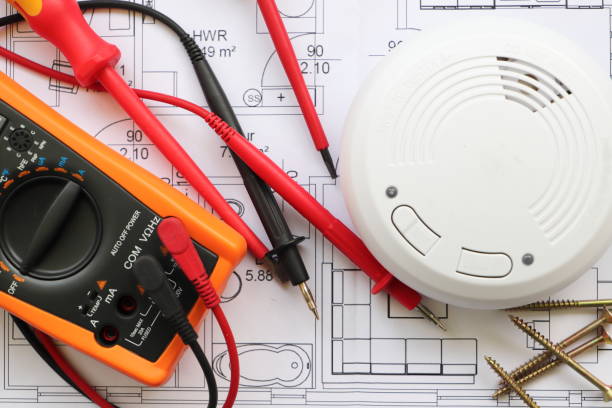
When you build a new home in Florida, safety is not optional. Smoke detector wiring plays a key role in protecting lives and property. While many homeowners focus on design and finishes, the electrical safety system deserves equal attention.
Fires can spread quickly. In many cases, people have only a few minutes to react. A properly wired smoke detection system gives early warning. That time can make the difference between a close call and a serious loss.
In new construction homes, smoke detectors are not just battery-powered devices. They are part of a hardwired system connected to the home’s electrical supply. This setup ensures consistent power and reduces the risk of failure. At the same time, a battery backup keeps the system running during outages, which are common during Florida storms.
Another important feature is interconnection. When one alarm detects smoke, every alarm in the house sounds. This is especially important in larger homes where a fire may start far from sleeping areas. With interconnected alarms, everyone hears the alert at the same time.
Florida’s climate also adds risk factors. High temperatures, electrical loads from HVAC systems, and frequent lightning storms can all increase fire hazards. Because of this, building codes in the state are strict about how smoke detectors must be installed and wired.
Here’s why proper wiring matters:
-
Reliable power source: Hardwired systems reduce dependence on batteries alone
-
Whole-home alerts: Interconnected alarms improve response time
-
Code compliance: Required for passing inspections and occupancy approval
-
Long-term safety: Fewer chances of system failure over time
In short, proper smoke detector wiring is not just about meeting code. It is about creating a safer living environment from day one.
Florida Building Code Requirements for Smoke Detector Wiring
Florida has clear rules for smoke detector installation in new homes. These rules come from a combination of state building codes and national safety standards. Understanding them helps ensure your project passes inspection and keeps occupants safe.
Overview of Florida Fire and Building Codes
In Florida, smoke detector requirements are mainly governed by two frameworks:
These codes work together to define how systems should be installed, where detectors must be placed, and how they should function. Local jurisdictions may also add minor adjustments. However, the core requirements remain consistent across the state. Builders and electricians must follow these standards during construction to receive approval.
NFPA 72 Requirements for New Construction
Most Florida regulations are based on NFPA 72, the National Fire Alarm and Signaling Code. This standard outlines how fire detection systems should be designed, installed, and tested.
For new homes, NFPA 72 focuses on:
-
Proper wiring methods
-
Alarm interconnection
-
System testing and reliability
-
Placement for effective detection
Compliance with this standard is not optional. It is a baseline requirement for new residential construction.
Hardwired and Interconnected System Requirements
In new Florida homes, smoke detectors must meet specific wiring conditions:
-
Hardwired into the electrical system
-
Equipped with battery backup
-
Interconnected, so all alarms sound together
This setup ensures that even if one unit detects smoke, the entire home is alerted. It also provides protection during power outages. Unlike older homes, where battery-only units may still be allowed, new construction must follow these stricter rules.
Placement Requirements in Florida Homes
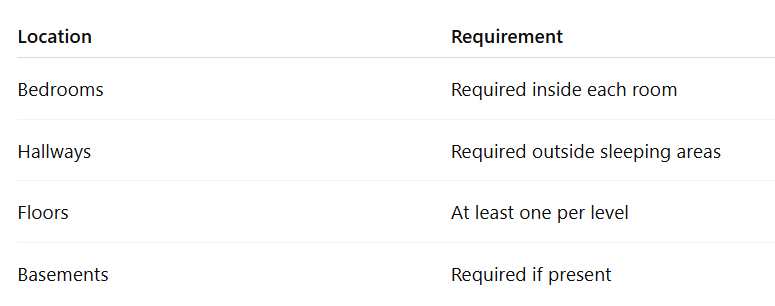
Correct placement is just as important as wiring. Florida codes require smoke detectors in the following areas:
-
Inside every bedroom
-
Outside each sleeping area (such as hallways)
-
On every level of the home, including basements
For larger homes, additional detectors may be required to ensure full coverage.
Here’s a simple breakdown:
Proper spacing and positioning also matter. Detectors should be installed on ceilings or high on walls, away from vents, fans, or areas with high humidity.
These requirements may seem detailed, but they serve a clear purpose. When wiring and placement follow the code, the system works as intended. That means faster alerts, better coverage, and improved safety for everyone inside the home.
Smoke Detector Wiring Basics Explained (For Homeowners)
If you are not an electrician, smoke detector wiring can seem complex. However, the basics are easier to understand than most people expect. Once you know how the system works, it becomes clear why proper installation matters.
How Hardwired Smoke Detectors Work
In new construction homes, smoke detectors connect directly to the home’s electrical system. This means they receive constant power from the main panel.
Unlike battery-only units, hardwired detectors do not rely on a single power source. They are designed with two layers of protection:
-
A direct electrical connection for continuous operation
-
A backup battery in case of a power failure
This setup is especially important in Florida, where storms can cause outages. Even if the power goes out, the system continues to function.
When smoke enters the sensing chamber, the detector triggers an alarm. If the system is interconnected, it also sends a signal to every other unit in the house.
Understanding the 3-Wire System
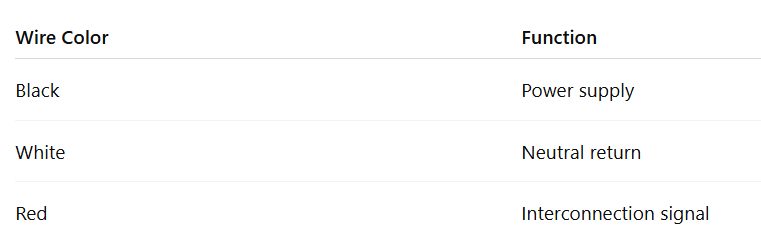
Most smoke detectors in new homes use a 3-wire configuration. Each wire has a specific role:
-
Black wire (hot): Supplies power from the electrical panel
-
White wire (neutral): Completes the electrical circuit
-
Red wire (interconnect): Links all alarms together
The interconnect wire is what makes the system more effective. It allows communication between detectors.
Here is a simple overview:
All connections must be secure. Loose wiring can lead to system failure or false alarms.
What Happens When One Alarm Goes Off
One of the most important features of modern systems is interconnection. When one detector senses smoke, it does not act alone. Instead, it sends a signal through the interconnect wire. This causes every connected alarm to sound at the same time.
This is critical for safety. For example:
-
A fire starts in the kitchen at night
-
The nearest detector activates first
-
All alarms in bedrooms and hallways sound immediately
As a result, everyone in the home is alerted without delay.
This system works best when installed correctly. Poor wiring or missing connections can break the chain, reducing effectiveness.
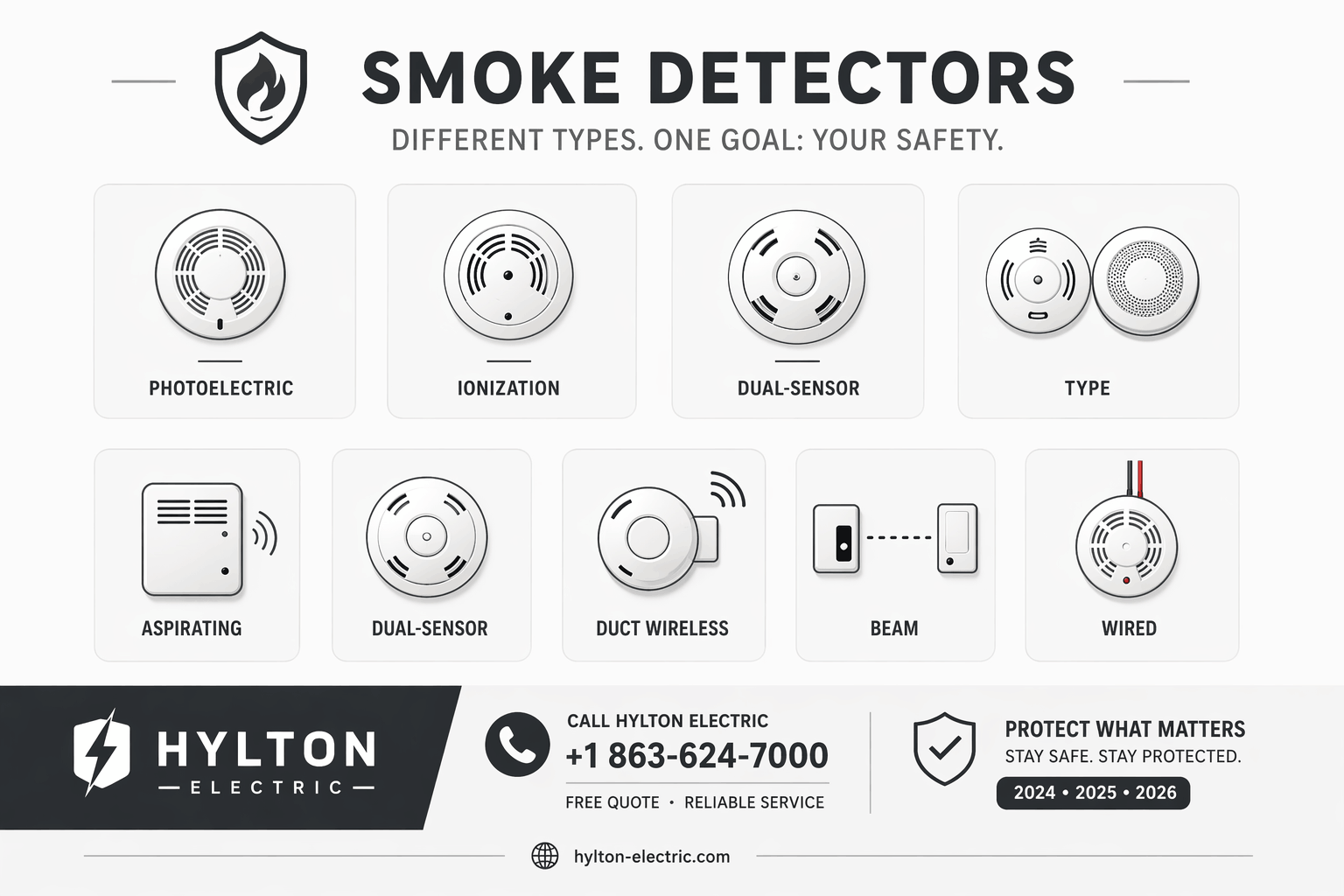
Types of Smoke Detectors Used in New Construction
Not all smoke detectors work the same way. Different technologies respond to different types of fires. In new construction homes, choosing the right type improves both safety and performance.
Ionization Smoke Detectors
Ionization detectors are designed to detect fast-burning fires. These fires produce small particles that are quickly picked up by the sensor.
They are effective for:
-
Flames from grease or paper fires
-
Rapid ignition situations
However, they can be more sensitive to cooking smoke. This may lead to occasional false alarms if placed too close to kitchens.
Photoelectric Smoke Detectors
Photoelectric detectors work better with slow, smoldering fires. These fires create larger smoke particles that scatter light inside the sensor.
They are ideal for:
-
Upholstery or wiring fires
-
Situations where smoke builds slowly
Another advantage is fewer nuisance alarms. This makes them a common choice for areas near kitchens or bathrooms.
Dual-Sensor Smoke Detectors
Dual-sensor units combine both ionization and photoelectric technologies. This allows them to respond to a wider range of fire conditions.
Benefits include:
-
Broader detection coverage
-
Improved reliability
-
Reduced risk of missed alarms
Because of this, many professionals recommend dual-sensor detectors for new homes.
Smart Smoke Detectors
Smart smoke detectors add another layer of functionality. They connect to Wi-Fi and provide alerts through mobile devices.
Key features include:
-
Real-time notifications
-
Remote monitoring
-
Integration with home automation systems
For homeowners who travel often or want added control, smart detectors offer clear advantages. However, they still need to meet Florida wiring and code requirements. Technology does not replace proper installation.
Choosing the right type of detector is just as important as wiring it correctly. When both are done properly, the system becomes more reliable and more effective in real-life situations.
Step-by-Step Smoke Detector Wiring Process in New Homes
Wiring smoke detectors in a new construction home follows a clear process. Each step builds on the last, so attention to detail is important. When done correctly, the system works reliably from day one.
Planning the Layout
Before any wiring begins, the layout must be planned. This step ensures full coverage and code compliance. Electricians review the floor plan and mark detector locations based on Florida requirements. The goal is to cover:
-
Every bedroom
-
Hallways outside sleeping areas
-
Each level of the home
Good planning also avoids problem areas such as vents or humid spaces. This reduces false alarms later.
Running Electrical Wiring
Once the layout is set, wiring begins during the rough-in phase. Cables are run through wall studs and ceiling joists before drywall is installed.
Key points during this stage:
-
Use the correct cable type (typically 14/3 or 12/3 NM cable)
-
Secure wiring properly to framing members
-
Keep wiring away from sharp edges or heat sources
Each detector location must have a continuous run that supports interconnection.
Installing Electrical Boxes
Next, electrical boxes are installed where each detector will be mounted. These boxes hold the wiring connections and provide support.
Installers must ensure:
-
Boxes are flush with the finished surface
-
Proper ceiling or wall positioning
-
Secure mounting to framing
Most smoke detectors are ceiling-mounted for better performance, though wall mounting is allowed in certain cases.
Connecting the Wires
After drywall and finishing work, the wiring connections are completed.
Each detector is connected using the three-wire system:
-
Black to black (power)
-
White to white (neutral)
-
Red to red (interconnect)
Wire connectors are used to secure the connections. The detector is then attached to the mounting bracket. Care must be taken to avoid loose connections. Even a small wiring issue can affect the entire system.
Interconnecting Multiple Detectors
All detectors in the home must be interconnected. This is usually done using a daisy-chain method, where each unit connects to the next. This creates a continuous communication loop. When one alarm activates, the signal travels through the interconnect wire to all other units. Consistency is key. If one detector is not properly connected, it can break the chain.
Testing the System
After installation, the system must be tested. This step confirms that everything works as expected.
Testing includes:
-
Pressing the test button on each unit
-
Verifying that all alarms sound together
-
Checking battery backup functionality
Inspectors will also review the system before approving the home for occupancy.
Smoke Detector Placement Best Practices in Florida Homes
Correct placement plays a major role in how well smoke detectors perform. Even the best wiring system cannot compensate for poor positioning.
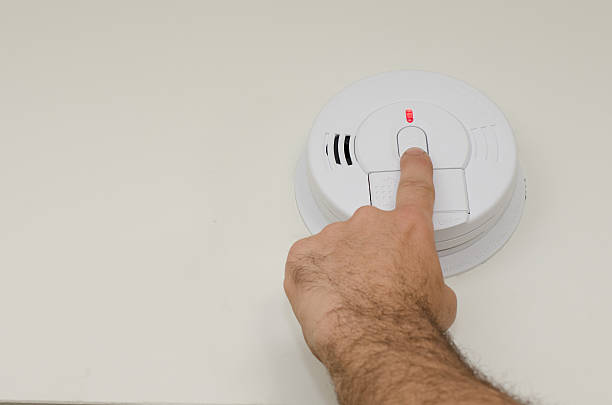
Bedrooms and Sleeping Areas
Every bedroom must have its own smoke detector. This is a strict requirement in Florida. Placing detectors inside bedrooms ensures that occupants are alerted immediately, even if doors are closed.
Hallways and Corridors
Detectors must also be installed outside sleeping areas. These are typically placed in hallways. Hallway detectors act as a second layer of protection. They detect smoke before it reaches bedrooms and provide early warning.
Kitchens and Cooking Areas
Kitchens are a common source of false alarms. For this reason, detectors should not be placed too close to cooking appliances.
Best practices include:
-
Keep detectors at least 6–10 feet away from cooking areas
-
Use photoelectric models nearby to reduce false alarms
Proper spacing helps maintain reliability without constant nuisance alerts.
Stairways and Multi-Level Homes
In multi-story homes, detectors should be installed near stairways. These areas act as pathways for smoke to travel between floors. At least one detector is required on each level. For larger homes, additional units may be needed for full coverage.
Areas to Avoid
Certain locations can interfere with detector performance. Avoid installing units:
-
Near air vents or HVAC returns
-
Close to ceiling fans
-
In bathrooms or high-humidity areas
-
Next to windows or drafty spaces
These conditions can delay detection or cause false alarms.
Proper placement, combined with correct wiring, creates a dependable system. When both elements are handled carefully, the result is a safer home that meets Florida code and performs well in real situations.
Wiring Diagram and System Configuration Options
Smoke detector systems can vary depending on the size and design of the home. While most new builds follow a standard layout, larger or custom homes may require more advanced configurations.
Standard Residential Wiring Layout
In most homes, smoke detectors are connected in a simple interlinked system. This is often called a daisy-chain configuration.
Each detector connects to the next using the same three wires:
-
Power (black)
-
Neutral (white)
-
Interconnect (red)
The wiring runs from the electrical panel to the first detector, then continues from one unit to the next.
This setup works well for:
-
Small to mid-size homes
-
Single-family residential construction
-
Standard code compliance
It ensures that when one alarm sounds, all others activate at the same time.
Large Home Configurations
Larger homes often need more planning. Long wiring runs and multiple floors can affect signal reliability if not handled properly.
In these cases, electricians may:
-
Divide the system into zones
-
Use additional interconnect paths
-
Ensure consistent signal strength across all detectors
While the system remains interconnected, the wiring layout becomes more structured. This improves performance in homes with complex layouts.
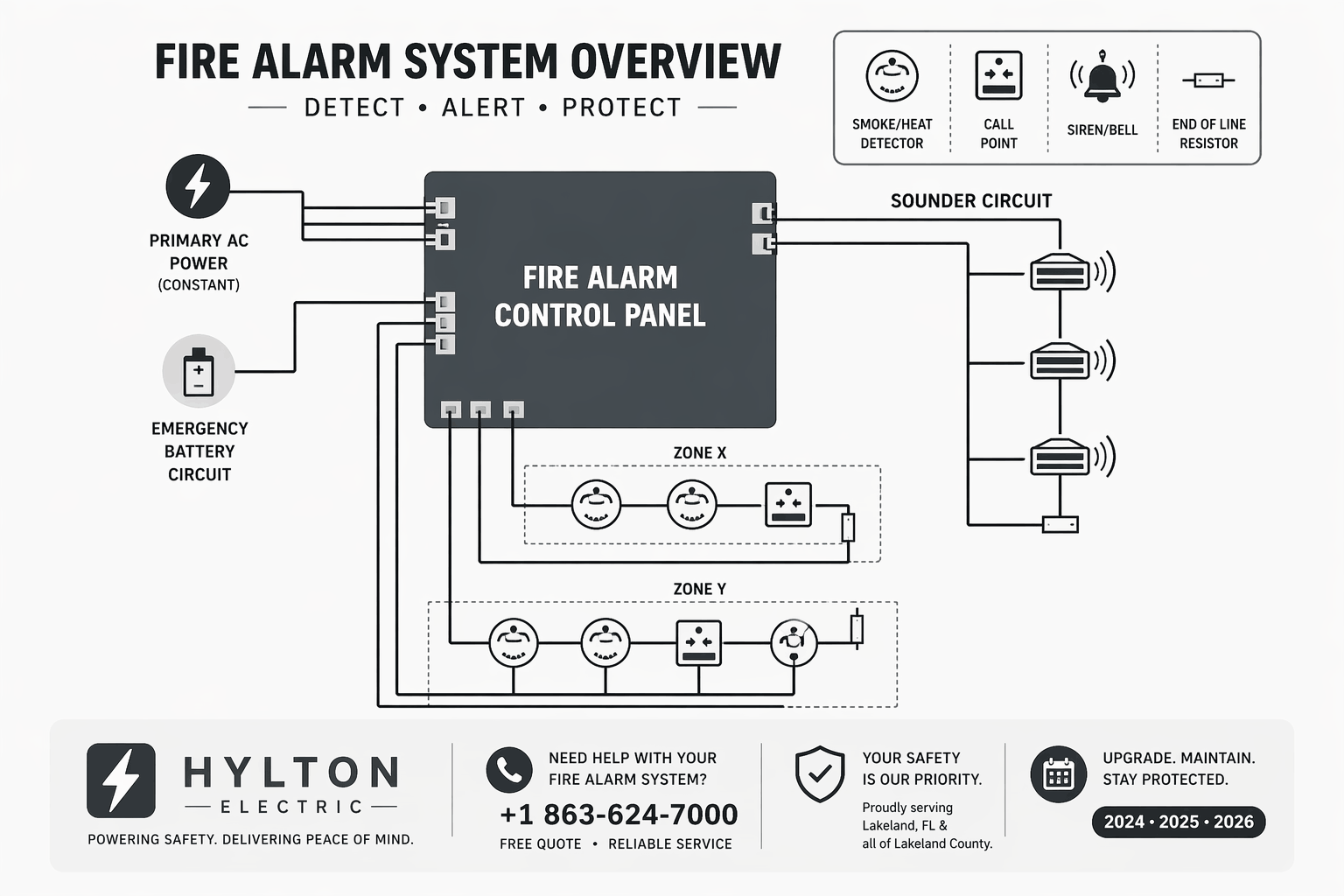
Integration with Fire Alarm Panels
In high-end or large custom homes, smoke detectors may connect to a central fire alarm panel.
This type of system offers:
-
Central monitoring of all detectors
-
Advanced alerts and diagnostics
-
Integration with security or automation systems
While not required for most residential builds, it can add another layer of control and visibility.
Common Mistakes in Smoke Detector Wiring
Even with clear codes and guidelines, mistakes can happen during installation. These errors can reduce system effectiveness or lead to failed inspections.
Incorrect Wire Connections
One of the most common issues is improper wiring.
Examples include:
-
Mixing up neutral and interconnect wires
-
Loose or poorly secured connections
-
Using incorrect wire types
These mistakes can prevent detectors from communicating or cause system malfunctions.
Skipping Interconnection
All smoke detectors in new Florida homes must be interconnected. Skipping this step is a serious issue.
Without interconnection:
-
Only one alarm sounds during a fire
-
Occupants in other areas may not hear the alert
This reduces response time and increases risk.
Poor Placement Choices
Even when wiring is correct, poor placement can limit performance.
Common placement mistakes include:
-
Installing too close to the kitchens
-
Placing near vents or fans
-
Mounting in humid areas like bathrooms
These conditions can lead to false alarms or delayed detection.
Ignoring Local Code Updates
Florida building codes are updated regularly. Relying on outdated information can create compliance issues.
Contractors must stay current with:
-
State-level code changes
-
Local jurisdiction requirements
Failing to do so may result in failed inspections or costly rework.
Cost of Smoke Detector Wiring in Florida New Construction
The cost of installing smoke detector wiring can vary based on several factors. Understanding these costs helps homeowners and builders plan more effectively.
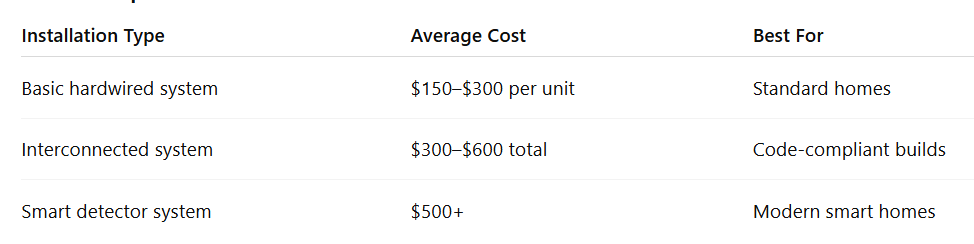
Average Installation Costs
In new construction, costs are usually lower than retrofits because wiring is installed before walls are finished.
Typical costs include:
-
Basic hardwired detector installation: $150–$300 per unit
-
Interconnected system setup: $300–$600 total (depending on size)
-
Smart detector upgrades: $500 or more
Labor costs may vary based on location and project complexity.
Factors Affecting Cost
Several elements influence the final price:
-
Home size: Larger homes require more detectors and wiring
-
Number of units: More detectors increase material and labor costs
-
System type: Smart or dual-sensor systems cost more than basic models
-
Layout complexity: Multi-story or custom designs may require additional work
Planning early in the construction process can help control costs.
Cost Comparison Table
These sections highlight both the technical and practical sides of smoke detector wiring. A well-designed system avoids common mistakes, meets code requirements, and stays within budget.
Inspection, Testing, and Compliance Requirements
Once the smoke detector system is installed, it must pass inspection before the home can be occupied. This step confirms that everything meets Florida code and functions correctly.
Electrical Inspection Process
Inspections usually happen in two stages during new construction:
-
Rough-in inspection: Conducted before drywall is installed. Inspectors check wiring routes, cable types, and box placement.
-
Final inspection: Performed after installation is complete. Inspectors verify that all detectors are properly connected and operational.
Both stages are important. If issues are found early, they can be fixed before the work is complete.
Testing Requirements
Testing ensures that the system responds as expected in real conditions.
During testing, electricians will:
-
Press the test button on each detector
-
Confirm that all interconnected alarms sound together
-
Check battery backup functionality
-
Verify consistent sound levels throughout the home
Inspectors may repeat these tests during the final walkthrough. A failed test can delay approval.
Certification and Documentation
Before occupancy approval, proper documentation may be required.
This can include:
-
Confirmation of code compliance
-
Installation records
-
Manufacturer specifications
Keeping records organized helps avoid delays and provides proof that the system meets safety standards.
Maintenance Guidelines After Installation
Once the system is installed, ongoing maintenance is essential. Even a well-installed system needs regular checks to remain reliable.
Monthly Testing
Homeowners should test smoke detectors once a month.
This involves:
-
Pressing the test button on each unit
-
Listening for a strong, clear alarm
-
Confirming that interconnected units respond
Regular testing helps catch issues early.
Battery Replacement
Even hardwired systems rely on backup batteries. These batteries must be replaced periodically.
General guidelines:
-
Replace batteries at least once a year
-
Change batteries immediately if a low-battery warning sounds
Using high-quality batteries improves reliability.
Full Replacement Timeline
Smoke detectors do not last forever. Over time, sensors lose accuracy.
Most manufacturers recommend:
-
Replacing detectors every 10 years
Some newer models include end-of-life alerts. These signals indicate when replacement is needed.
Upgrading vs Installing New Smoke Detector Systems
There is a clear difference between installing systems in new construction and upgrading older homes.
New Construction vs Retrofit Requirements
New homes in Florida must meet strict wiring standards. This includes:
-
Hardwired connections
-
Battery backup
-
Full interconnection
In older homes, retrofit rules may allow more flexibility. Battery-powered units are sometimes permitted if rewiring is not practical. However, upgrading to a hardwired system is always a safer option.
When to Upgrade Older Systems
Homeowners should consider upgrading if:
-
Detectors are more than 10 years old
-
Units are not interconnected
-
Frequent false alarms occur
-
The home has undergone major renovations
Upgrading improves safety and brings the system closer to modern standards.
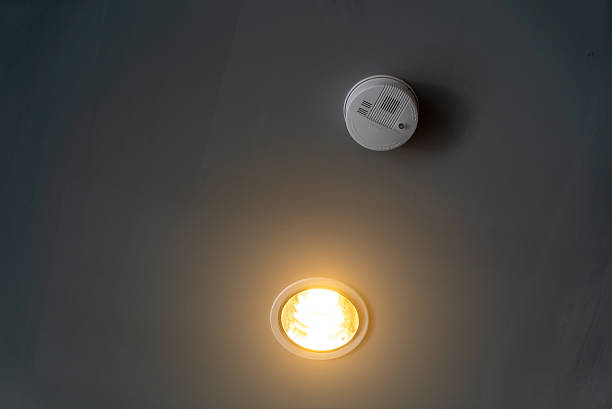
Smart Home Integration for Smoke Detectors
Modern homes often include smart technology, and smoke detectors are no exception.
Benefits of Smart Smoke Detection
Smart detectors offer features that go beyond basic alarms:
-
Real-time alerts sent to mobile devices
-
Notifications when alarms are triggered
-
Warnings for low batteries or system issues
These features are useful for homeowners who are away from home often.
Integration with Security Systems
Smart smoke detectors can connect with broader home systems.
This may include:
-
Security alarms
-
Smart lighting systems
-
Home automation platforms
For example, lights may turn on automatically when an alarm is triggered. This improves visibility during emergencies. Even with these features, smart detectors must still meet Florida wiring and placement requirements.
Hiring a Licensed Electrician in Florida
Smoke detector wiring is not a DIY task in new construction. Hiring a licensed electrician ensures the system is safe and compliant.
Why Professional Installation Matters
Professional electricians understand:
-
Florida building codes
-
Proper wiring techniques
-
Inspection requirements
This reduces the risk of errors and helps avoid costly corrections.
What to Look for in a Contractor
When choosing an electrician, consider:
-
Valid licensing and insurance
-
Experience with new construction projects
-
Knowledge of NFPA 72 standards
Working with an experienced contractor leads to better results.
Questions to Ask Before Hiring
Before starting the project, ask:
-
Have you handled similar projects in Florida?
-
Will the system meet all local code requirements?
-
Do you provide testing and inspection support?
Clear communication helps ensure expectations are met.
Safety Tips for Homeowners and Builders
A smoke detector system is only part of a complete fire safety plan.
Fire Escape Planning
Every household should have an escape plan.
Key steps include:
-
Identifying at least two exits from each room
-
Practicing evacuation drills
-
Choosing a safe meeting point outside
Preparation improves response during emergencies.
Combining Smoke and CO Detectors
For added safety, many homes use combination units that detect both smoke and carbon monoxide.
This provides:
-
Dual protection in one device
-
Fewer units to install and maintain
It is especially useful in homes with gas appliances.
Regular System Checks
Beyond monthly testing, homeowners should:
-
Keep detectors clean and free of dust
-
Replace faulty units promptly
-
Schedule periodic professional inspections if needed
Consistent care keeps the system reliable.
Final Thoughts: Building Safer Homes with Proper Wiring
Smoke detector wiring is a critical part of new home construction in Florida. It is not just about meeting code requirements. It is about protecting lives.
A well-installed system provides:
-
Early fire detection
-
Whole-home alerts
-
Reliable operation during power outages
When combined with proper placement and regular maintenance, it creates a strong safety foundation.
For builders and homeowners, working with experienced professionals ensures the job is done right. From planning to final inspection, every step matters.
FAQs About Smoke Detector Wiring in Florida
Are smoke detectors required to be hardwired in new Florida homes?
Yes, all new construction homes in Florida must have hard-wired smoke detectors. This requirement comes from the Florida Building Code and is based on national safety standards.
Hardwired systems are required because they offer better reliability than battery-only units. They also include a backup battery, which keeps the system running during power outages.
Key requirements include:
-
Connection to the home’s electrical system
-
Battery backup for emergencies
-
Interconnection between all alarms
This setup ensures that if one detector senses smoke, every alarm in the home will sound. It improves response time and increases overall safety, especially in larger homes or multi-level layouts.
What does interconnected smoke detector wiring mean?
Interconnected wiring means all smoke detectors in the home are linked together. When one alarm detects smoke, every unit sounds at the same time.
This is done using an interconnect wire, usually red, that connects each detector in the system.
Benefits include:
-
Faster alerts throughout the home
-
Better protection during nighttime fires
-
Increased safety for larger households
Without interconnection, only the nearest alarm would sound. This could delay evacuation, especially if the fire starts far from sleeping areas.
Where should smoke detectors be installed in a new home?
Proper placement is required by Florida code and is critical for effective detection.
Smoke detectors must be installed:
-
Inside every bedroom
-
Outside sleeping areas (hallways)
-
On every level of the home
Additional placement tips include:
-
Install on ceilings or high on walls
-
Keep away from vents and fans
-
Avoid humid areas like bathrooms
Correct placement ensures early detection and reduces the chance of false alarms. It also helps the system meet inspection requirements.
What type of wiring is used for smoke detectors?
Smoke detectors in new homes typically use a 3-wire system. This allows both power and communication between units.
The wiring includes:
-
Black wire for power (hot)
-
White wire for neutral
-
Red wire for interconnection
This setup allows all detectors to communicate. If one alarm is triggered, the signal travels through the interconnect wire to activate all others. Proper wiring is essential for system performance.
Do smoke detectors need a dedicated circuit?
In most cases, smoke detectors do not require a dedicated circuit. They are often connected to a general lighting circuit.
However, the circuit must be reliable and not easily switched off. Some electricians prefer dedicated circuits for added safety.
Important considerations:
-
The circuit should not be controlled by a wall switch
-
Power must remain consistent
-
Backup battery is still required
Local codes may vary slightly, so it is best to confirm with a licensed electrician.
How many smoke detectors are required in a Florida home?
The number of detectors depends on the size and layout of the home. However, the minimum requirements include:
-
One inside each bedroom
-
One outside each sleeping area
-
One on every level of the home
Larger homes may require additional units to ensure full coverage. The goal is to provide early detection in all key areas.
What is the difference between ionization and photoelectric detectors?
These two types of detectors respond to different fire conditions.
Ionization detectors:
-
Detect fast-burning fires
-
Respond quickly to flames
Photoelectric detectors:
-
Detect slow, smoldering fires
-
Produce fewer false alarms
Many professionals recommend dual-sensor detectors, which combine both technologies. This provides broader protection and improves reliability.
Can I install smoke detectors myself in a new construction home?
For new construction, installation must follow strict building and electrical codes. This work is typically done by licensed electricians.
DIY installation may lead to:
-
Code violations
-
Failed inspections
-
Improper wiring
Professional installation ensures the system is safe, compliant, and reliable.
How are smoke detectors tested after installation?
Testing is required before occupancy approval to confirm proper operation.
The process includes:
-
Pressing the test button on each unit
-
Checking that all alarms sound together
-
Verifying battery backup operation
Inspectors may also perform their own checks during the final inspection.
What happens if one smoke detector fails?
If one detector fails in an interconnected system, it can affect overall performance.
Possible issues include:
-
Break in the interconnection signal
-
Failure to alert all units
-
Reduced system reliability
Regular testing helps identify faulty units early. Replacing them quickly maintains full protection.
How often should smoke detectors be replaced?
Smoke detectors should be replaced every 10 years. Over time, sensors lose accuracy and may not detect smoke effectively.
Signs that replacement is needed include:
-
Frequent false alarms
-
Persistent chirping
-
End-of-life warning signals
Replacing detectors on schedule ensures continued safety.
Are smart smoke detectors allowed in Florida homes?
Yes, smart smoke detectors are allowed, but they must still meet Florida code requirements.
They must:
-
Be hardwired in new construction
-
Include battery backup
-
Be interconnected
Smart features such as mobile alerts add convenience but do not replace core safety requirements.
What causes false alarms in smoke detectors?
False alarms are often caused by environmental factors rather than system faults.
Common causes include:
-
Cooking smoke or steam
-
Dust buildup
-
Placement near vents or fans
Proper placement and regular cleaning help reduce nuisance alarms.
Do smoke detectors work during power outages?
Yes, hardwired smoke detectors include battery backup. This allows them to function even when power is lost.
During outages:
-
The system switches to battery power
-
All detectors remain operational
-
Interconnection still works
This ensures continuous protection.
What is the role of NFPA 72 in smoke detector wiring?
NFPA 72 is a national standard that defines how fire alarm systems should be installed and maintained.
It covers:
-
Wiring methods
-
Detector placement
-
Testing procedures
Florida codes are based on this standard, making it essential for compliance.
Can smoke detectors be installed on walls instead of ceilings?
Yes, wall installation is allowed in certain situations.
Wall-mounted detectors should be:
-
Installed high on the wall
-
Positioned close to the ceiling
Ceiling installation is generally preferred for faster detection since smoke rises.
How far should smoke detectors be from kitchens?
Smoke detectors should be placed at a safe distance from cooking areas to reduce false alarms.
Recommended distance:
-
At least 6 to 10 feet from cooking appliances
Using photoelectric detectors near kitchens can further reduce nuisance alarms.
What is a dual-sensor smoke detector?
A dual-sensor detector combines ionization and photoelectric technologies in one unit.
This allows detection of:
-
Fast-flaming fires
-
Slow-smoldering fires
It provides broader coverage and improves overall safety in modern homes.
Why do smoke detectors chirp even after replacing batteries?
Persistent chirping may indicate other issues beyond battery life.
Possible causes include:
-
End-of-life warning
-
Dust inside the unit
-
Loose wiring
If the issue continues, replacing the detector is usually the best solution.
How can homeowners maintain their smoke detector system?
Regular maintenance keeps the system reliable.
Recommended steps:
-
Test alarms monthly
-
Replace batteries annually
-
Clean detectors regularly
-
Replace units every 10 years
Consistent care ensures the system works properly when needed most.
Leave a Reply