
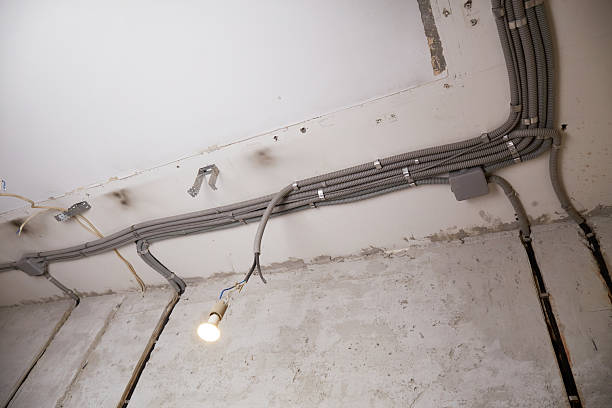
Home remodeling projects in Lakeland are becoming more common, especially when homeowners want open layouts or better room flow. Moving or removing a wall can completely change how a space feels. However, behind every wall sits an electrical system that must be handled with care.
Wall relocation wiring is not just about moving a few wires. It involves planning circuits, adjusting outlets, and making sure everything still works safely after construction. If this step is rushed or done incorrectly, it can lead to power issues, failed inspections, or even fire risks.
In Lakeland, Florida, electrical work must also meet strict code requirements. This means permits, inspections, and proper installation methods are all part of the process. Whether you are a homeowner planning a renovation or a contractor managing a project, understanding how wiring works during wall relocation will help you avoid costly mistakes.
This guide explains the process in clear, simple terms. It covers what happens to wiring, why planning matters, and how to approach the work the right way.
What Is Wall Relocation Wiring and Why It Matters
Wall relocation wiring refers to adjusting or redesigning the electrical system when a wall is moved, removed, or rebuilt. Since most walls contain wiring, outlets, or switches, any structural change affects how electricity flows through the space.
Ignoring this step can create serious problems. Circuits may become overloaded, outlets may end up in the wrong place, or wiring could become unsafe. That is why electrical work is one of the first things professionals evaluate before demolition begins.
Understanding Wall Relocation in Remodeling Projects
Wall relocation is common in both small and large renovations. Some projects involve removing a wall to open up a living room or kitchen. Others shift walls slightly to expand a bedroom or create a new space.
There are two main types of walls:
-
Load-bearing walls support the structure of the home
-
Non-load-bearing walls mainly divide the space
Even though the structural role is different, both types often contain electrical wiring. This means electrical planning is required in almost every wall relocation project.
What Happens to Electrical Wiring When Walls Move
When a wall is moved or removed, the wiring inside it cannot stay as it is. Electricians must either reroute, extend, or replace those wires.
This process may include:
-
Moving outlets to new wall locations
-
Repositioning switches for easy access
-
Extending circuits to reach new areas
-
Securing wires inside the new framing
Sometimes, wiring runs through multiple walls. In these cases, moving one wall can affect several parts of the system. That is why a full assessment is always needed before work begins.
Why Electrical Planning Is Critical Before Demolition
Planning ahead prevents problems during and after construction. Without a clear wiring plan, crews may cut into live wires or remove important connections.
Proper planning helps:
-
Identify which circuits are affected
-
Map out a new outlet and switch locations
-
Ensure enough power is available for the updated space
-
Avoid delays caused by failed inspections
It also gives homeowners a chance to improve their electrical system. For example, you can add more outlets, upgrade lighting, or prepare for future needs like smart devices or EV chargers.
Taking time to plan the wiring before demolition keeps the project smooth and safe from start to finish.
Types of Electrical Work Involved in Wall Relocation
When a wall is moved or removed, the electrical system must be adjusted to match the new layout. This work goes beyond shifting a few wires. It often includes rerouting circuits, upgrading old components, and making sure everything meets current code.
Each project is different. Some require small adjustments, while others involve major rewiring. Understanding the types of electrical work involved helps set clear expectations before the project begins.
Re-routing Existing Wiring Safely
One of the most common tasks is rerouting existing wiring. When a wall is removed, the wires inside it need a new path. Electricians may run them through the ceiling, floor, or nearby walls.
There are two main approaches:
-
Extending existing circuits when the wiring is still in good condition
-
Rewiring sections بالكامل when the system is outdated or damaged
All wiring must be secured properly and protected from physical damage. It also needs to follow code rules for spacing, support, and placement. A careful reroute ensures the system continues to function without interruptions.
Moving Outlets, Switches, and Fixtures
Walls often contain outlets, light switches, and sometimes fixtures. When the wall changes, these components must be repositioned to match the new layout.
This includes:
-
Placing outlets at proper distances along new walls
-
Moving switches to convenient entry points
-
Adjusting lighting connections for new ceiling or wall positions
Proper placement is important for both safety and usability. Poorly placed outlets or switches can make a space less functional and may not pass inspection.
Upgrading Old Wiring During Relocation
Wall relocation creates a good opportunity to upgrade older wiring. Many homes in Florida still have outdated systems that may not handle modern electrical loads.
Signs an upgrade may be needed:
-
Brittle or damaged insulation
-
Two-prong outlets without grounding
-
Frequent breaker trips
Upgrading wiring during this stage is often more cost-effective than doing it later. Since walls are already open, electricians can replace old cables and improve safety without additional demolition.
Adding New Circuits for Expanded Spaces
When a room is expanded or redesigned, the existing circuits may not be enough. Adding new circuits helps distribute power more evenly and prevents overload.
New circuits are often needed for:
-
Kitchens with added appliances
-
Home offices with multiple devices
-
Living areas with upgraded lighting
Electricians calculate the load to make sure the panel can handle the added demand. If needed, they may also recommend a panel upgrade. Adding circuits during wall relocation improves performance and prepares the home for future use.
Step-by-Step Wall Relocation Wiring Process
Wall relocation projects follow a clear sequence when electrical work is involved. Each step builds on the previous one, which helps keep the system safe and organized. Skipping steps or rushing the process can lead to costly fixes later.
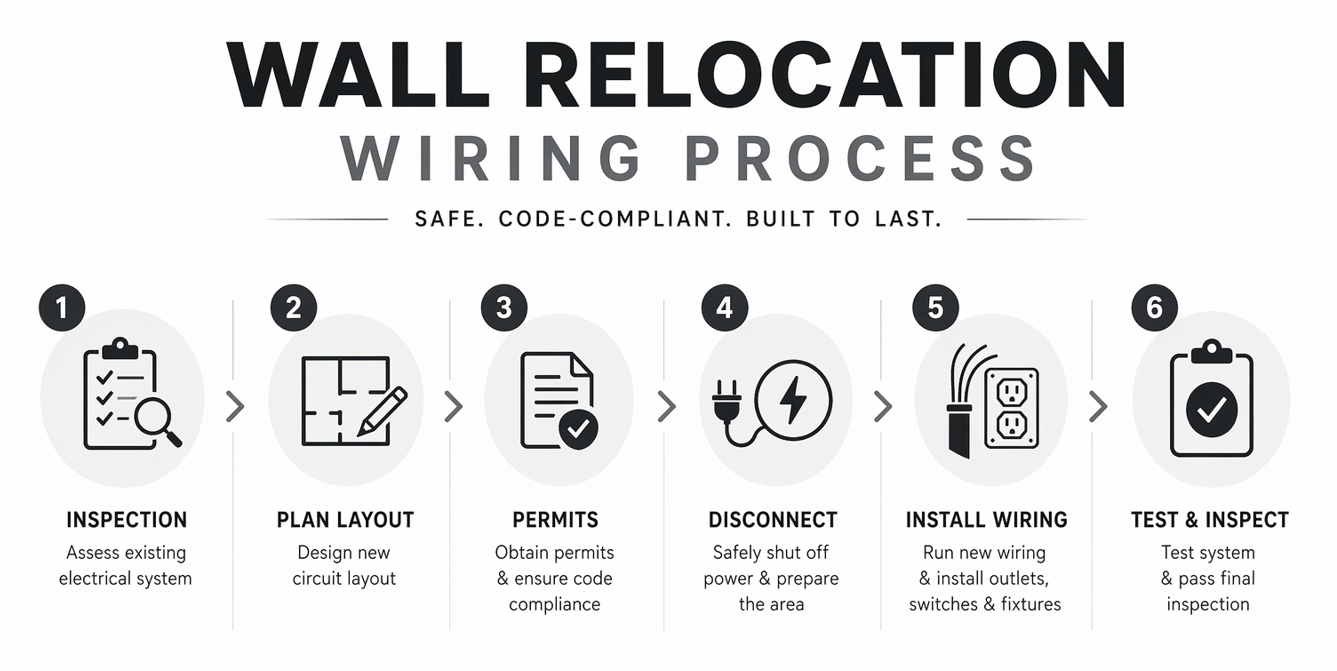
Here is how a typical wall relocation wiring project is handled in Lakeland homes.
Step 1: Inspection and Electrical Assessment
The process starts with a full inspection of the existing electrical system. Electricians check how circuits run through the walls and identify any problem areas.
They look for:
-
Existing wiring paths
-
Circuit load capacity
-
Condition of wires and connections
This step helps determine whether the current system can support the new layout or if upgrades are needed.
Step 2: Planning Layout and Circuit Design
Once the assessment is complete, the next step is planning. Electricians map out where outlets, switches, and fixtures will go after the wall is moved.
Planning includes:
-
Designing new circuit routes
-
Deciding outlet spacing and placement
-
Balancing electrical loads across circuits
A clear plan reduces confusion during installation and keeps the project on schedule.
Step 3: Permits and Code Compliance in Lakeland
Electrical work in Lakeland requires permits and must follow current code standards. Before any wiring begins, the proper approvals need to be in place.
This step ensures:
-
Work meets National Electrical Code requirements
-
Local regulations are followed
-
Inspections can be scheduled without delays
Skipping permits can result in fines or failed inspections, which may stop the project entirely.
Step 4: Safe Disconnection and Demolition Prep
Before any wall is removed, the power must be safely disconnected. Electricians shut off affected circuits and confirm there is no live current in the work area.
They also:
-
Label wires for easier reconnection
-
Protect nearby circuits from damage
-
Coordinate with the demolition team
This step prevents accidents and keeps the work area safe.
Step 5: Wiring Installation and Relocation
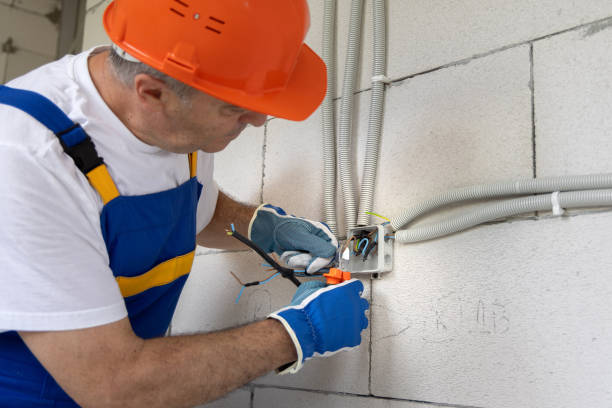
After demolition, new wiring paths are installed based on the approved plan. Electricians run cables through studs, ceilings, or floors as needed.
Key tasks include:
-
Securing wires properly within the framing
-
Installing new electrical boxes
-
Connecting outlets, switches, and fixtures
All work must follow spacing and protection rules to meet code requirements.
Step 6: Final Testing and Inspection
Once installation is complete, the system is tested before closing the walls. Electricians check that all connections are secure and working correctly.
Testing includes:
-
Verifying voltage and circuit function
-
Checking the outlet and switch operation
-
Ensuring proper grounding
After testing, a final inspection is completed to confirm the work meets all local and national standards. Once approved, the system is ready for regular use. Following this step-by-step process helps ensure the wiring is safe, reliable, and built to last.
Local Electrical Codes and Permit Requirements in Lakeland, FL
Electrical work during wall relocation must follow strict rules. These rules protect your home, ensure safe operation, and help the project pass inspection. In Lakeland, both national and local requirements apply, so it is important to understand how they work together.
Ignoring code requirements can delay your project or lead to costly corrections. With proper planning, you can avoid these issues and keep everything on track.
National Electrical Code (NEC) Basics
The National Electrical Code (NEC) sets the standard for safe electrical design and installation across the United States. It covers everything from wiring methods to outlet placement.
Some key NEC guidelines that apply to wall relocation include:
-
Proper spacing of outlets along walls
-
Safe routing and protection of wiring
-
Grounding and bonding requirements
-
Use of GFCI and AFCI protection where required
Electricians follow these rules to reduce the risk of electrical shock, fire, and system failure. Even small changes, like moving an outlet, must meet these standards.
Lakeland-Specific Electrical Requirements
In addition to national codes, Lakeland has its own permitting and inspection process. Before starting any wall relocation wiring, a permit must be obtained through the local authority.
This process ensures:
-
Work is reviewed before it begins
-
Installations are checked during and after completion
-
All systems meet safety standards before use
Inspections are usually required at different stages, such as after rough wiring and before final approval. Passing these inspections is necessary before the system can be fully energized.
Utility Coordination for Service Relocation
Some wall relocation projects affect the main electrical service or meter location. In these cases, coordination with the local utility may be required.
This can include:
-
Temporary power disconnection
-
Service line adjustments
-
Meter relocation or upgrades
These steps must be planned in advance to avoid delays. Utility work may also add to the overall project timeline, especially if scheduling is required.
Working with a licensed electrician helps ensure all permits, inspections, and utility requirements are handled correctly. This keeps the project compliant and avoids unnecessary setbacks.
Cost of Wall Relocation Wiring in Lakeland, Florida
The cost of wall relocation wiring can vary widely. It depends on how much electrical work is needed and the condition of the existing system. Some projects only require minor adjustments, while others involve full rewiring.
In Lakeland, labor rates, permit fees, and material costs all play a role. Understanding these factors helps you plan your budget and avoid surprises.
Average Cost Breakdown
Most wall relocation wiring projects include three main cost areas:
-
Labor: Electricians charge based on time and complexity. More detailed work increases labor costs.
-
Materials: This includes wires, electrical boxes, outlets, switches, and connectors.
-
Permits and inspections: Required by the city and may vary depending on the scope of work.
Small projects may stay on the lower end, while larger remodels can increase quickly due to added complexity.
Factors That Affect Pricing
Several factors influence the final cost of your project:
-
Type of wall: Load-bearing walls often require more coordination and time
-
Extent of wiring changes: Simple rerouting costs less than full rewiring
-
Age of the home: Older homes may need upgrades to meet current code
-
Accessibility: Tight spaces or complex layouts increase labor time
-
Electrical panel capacity: Adding circuits may require a panel upgrade
Each of these factors can shift the overall price, so a detailed estimate is always recommended before starting.
Cost Comparison Table
Here is a general estimate to help you understand pricing ranges:
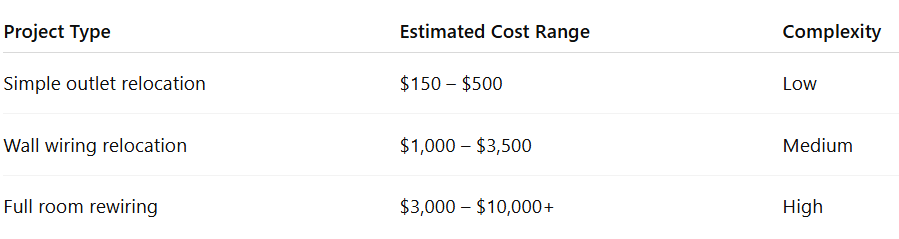
These numbers are averages and may vary based on the specific details of your home and project.
Planning ahead and working with a qualified electrician can help control costs while ensuring the work is done safely and correctly.
Common Challenges in Wall Relocation Wiring
Wall relocation projects often look simple at first. However, once the wall is opened, hidden issues can appear. These challenges can affect both cost and timeline if they are not handled properly.
Knowing what to expect helps you prepare and avoid delays during the project.
Hidden Wiring Behind Walls
Many homes have wiring paths that are not visible until demolition begins. Wires may run through unexpected areas or connect to multiple rooms.
Common issues include:
-
Wires shared between different circuits
-
Junctions hidden inside walls
-
Older modifications that were not documented
These surprises may require additional rerouting or redesign of the electrical system.
Outdated Electrical Systems
Older homes in Lakeland often have wiring that does not meet current standards. When walls are opened, these issues become more visible.
You may find:
-
Worn or brittle insulation
-
Lack of grounding
-
Circuits that cannot handle modern loads
In these cases, partial or full upgrades may be needed to bring the system up to code.
Structural Constraints
Not all spaces allow easy routing of new wiring. Structural elements such as beams, plumbing lines, or tight framing can limit available paths.
This can lead to:
-
Longer installation time
-
More complex wiring routes
-
Additional materials or adjustments
Electricians must plan carefully to work around these obstacles without compromising safety.
Code Violations and Inspection Failures
If wiring is not installed correctly, it may fail inspection. This can delay the project and require rework.
Common mistakes include:
-
Incorrect outlet spacing
-
Improper wire protection
-
Overloaded circuits
Working with a licensed electrician helps reduce these risks and ensures the installation meets all required standards.
Safety Considerations for Electrical Wall Relocation
Safety should always be a top priority during any electrical project. Wall relocation wiring involves handling live circuits, which can be dangerous if not managed correctly. Proper safety practices protect both the property and the people working on it.
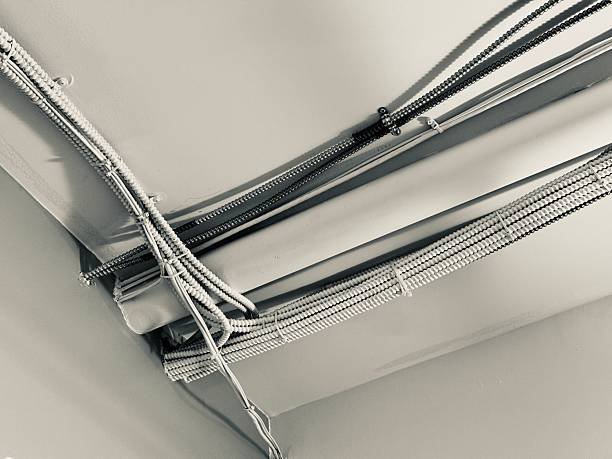
Risks of DIY Electrical Work
Handling electrical wiring without proper training can lead to serious hazards.
Some of the main risks include:
-
Electrical shock from live wires
-
Fire hazards due to poor connections
-
Damage to appliances or circuits
Even small mistakes can create long-term safety issues inside the walls.
Importance of Licensed Electricians
Licensed electricians have the training and experience to handle complex wiring safely. They understand code requirements and follow proper installation methods.
Hiring a professional ensures:
-
Work meets local and national standards
-
Permits and inspections are handled correctly
-
The system operates safely after completion
This reduces the chance of future problems and protects your investment.
Safety Upgrades to Consider
Wall relocation is a good time to improve electrical safety. Since the walls are already open, upgrades can be added with less effort.
Common safety improvements include:
-
Installing GFCI outlets in required areas
-
Adding AFCI protection for circuit safety
-
Upgrading grounding systems
-
Adding surge protection
These upgrades improve reliability and help prevent electrical hazards in the future.
Taking the right safety steps during wall relocation wiring ensures your home remains secure, efficient, and code-compliant for years to come.
Tools and Materials Used in Wall Relocation Wiring
Wall relocation wiring requires the right tools and materials to ensure safe and reliable installation. Using proper equipment helps electricians work efficiently and meet code requirements. Each tool and material serves a specific purpose during the process.
Essential Electrical Tools
Electricians rely on a set of standard tools to handle wiring work accurately.
Common tools include:
-
Wire strippers for removing insulation without damaging conductors
-
Voltage testers to confirm circuits are not live before work begins
-
Fish tape for pulling wires through walls and tight spaces
-
Drills and augers for creating pathways through studs
-
Screwdrivers and pliers for securing connections
These tools help maintain precision and reduce the risk of errors during installation.
Common Materials
Several materials are used when relocating or installing wiring.
Typical materials include:
-
Romex (NM) cables for most residential wiring
-
Electrical boxes to house outlets and switches
-
Conduit for added protection in certain areas
-
Wire connectors and staples to secure and join wires
-
Outlet and switch devices for final installation
Using quality materials ensures the system performs well over time and meets safety standards.
Modern Smart Wiring Options
Many homeowners choose to upgrade their systems during wall relocation. Adding modern features can improve convenience and energy efficiency.
Popular options include:
-
Smart switches that can be controlled remotely
-
USB outlets for direct device charging
-
Dimmable lighting systems
-
Integrated home automation wiring
Installing these features during relocation is easier since the walls are already open. It also prepares the home for future technology needs.
When to Upgrade Your Electrical System During Wall Relocation
Wall relocation is one of the best times to evaluate your entire electrical system. Since access is already available, upgrades can be completed with less disruption. This approach saves time and reduces future costs.
Signs Your System Needs an Upgrade
Certain signs indicate that your electrical system may not be adequate for modern use.
Watch for:
-
Frequent breaker trips
-
Flickering or dim lights
-
Limited number of outlets
-
Warm outlets or switches
These issues suggest the system may be overloaded or outdated.
Benefits of Panel Upgrades
If your electrical panel cannot handle additional load, an upgrade may be necessary. This is especially common in older homes.
Upgrading the panel provides:
-
Increased electrical capacity
-
Better circuit distribution
-
Improved safety features
A modern panel supports new circuits and helps prevent overload.
Future-Proofing Your Home
Planning ahead during wall relocation can make your home more adaptable. Adding extra capacity now avoids major work later.
Consider preparing for:
-
Electric vehicle charging systems
-
Home office setups with higher power demand
-
Smart home integrations
-
Advanced lighting systems
Future-proofing ensures your electrical system can handle changing needs without additional remodeling. Taking advantage of this stage allows you to improve both performance and convenience while the structure is already open.
Residential vs Commercial Wall Relocation Wiring
Wall relocation wiring differs between residential and commercial spaces. While the basic principles remain the same, the scale, complexity, and code requirements can vary. Understanding these differences helps set the right expectations for each type of project.
Key Differences in Requirements
Residential projects are usually smaller in scale. They focus on comfort, convenience, and typical household power needs. Commercial projects, on the other hand, must handle higher demand and stricter regulations.
Key differences include:
-
Load capacity: Commercial spaces require more power for equipment and systems
-
Wiring methods: Commercial buildings often use conduit systems instead of standard residential cables
-
Code requirements: Commercial codes are more detailed and strictly enforced
These differences affect both planning and execution.
Commercial Wiring Considerations
Commercial wall relocation projects involve more coordination and planning. Electrical systems must support a wide range of equipment while maintaining safety and efficiency.
Important factors include:
-
Dedicated circuits for equipment
-
Emergency lighting and exit systems
-
Compliance with commercial building codes
-
Larger panels and distribution systems
Because of this complexity, commercial projects often require more time and detailed design.
Choosing the Right Electrician in Lakeland, Florida
Selecting the right electrician is one of the most important decisions in a wall relocation project. The quality of work directly affects safety, performance, and long-term reliability.
Working with a qualified professional helps ensure the job is done correctly from start to finish.

What to Look for in a Contractor
Not all electricians have the same level of experience. It is important to choose someone familiar with remodeling and wall relocation work.
Look for:
-
Proper licensing and certification
-
Experience with similar projects
-
Knowledge of local codes and permit processes
-
Clear communication and detailed estimates
These qualities indicate a reliable and skilled contractor.
Questions to Ask Before Hiring
Before starting the project, ask a few key questions to understand the contractor’s approach.
Examples include:
-
What is the estimated timeline?
-
How will permits and inspections be handled?
-
What costs are included in the quote?
-
Is there a warranty on the work?
These questions help avoid confusion and ensure expectations are clear.
Why Local Experience Matters
Hiring a local electrician in Lakeland offers several advantages. Local professionals are familiar with city requirements and inspection procedures.
This helps:
-
Speed up permit approvals
-
Reduce the chance of code violations
-
Improve overall project efficiency
Local experience also means a better understanding of common electrical setups in the area. Choosing the right electrician ensures your wall relocation wiring is safe, compliant, and built to last.
Wall Removal vs Wall Relocation – Electrical Differences
Wall removal and wall relocation may seem similar, but they affect the electrical system in different ways. The level of work depends on whether the wall is completely removed or simply moved to a new position. Understanding these differences helps you plan the scope of electrical work more accurately.
Electrical Impact of Full Wall Removal
When a wall is completely removed, all wiring inside that wall must be rerouted. This often requires redistributing circuits across nearby walls, ceilings, or floors.
Common changes include:
-
Relocating all outlets and switches from the removed wall
-
Extending wiring to adjacent walls
-
Rebalancing circuits to avoid overload
In some cases, circuits may need to be redesigned entirely, especially if the removed wall carried multiple connections.
Partial Wall Relocation Considerations
Partial relocation involves shifting a wall rather than removing it completely. This usually requires less electrical work, but adjustments are still needed.
Typical tasks include:
-
Extending wires to reach the new wall position
-
Adjusting outlet and switch placement
-
Securing wiring within new framing
Although less complex than full removal, proper planning is still necessary to ensure safe and functional results.
Timeline for Wall Relocation Wiring Projects
The timeline for wall relocation wiring depends on the size of the project and the complexity of the electrical work. Smaller projects can be completed quickly, while larger renovations take more time.
Planning ahead helps keep the project on schedule.
Small Projects Timeline
Simple wall adjustments with minimal wiring changes can often be completed within a short time.
Typical duration:
-
1 to 2 days for minor rewiring and adjustments
These projects usually involve relocating a few outlets or extending existing circuits.
Medium Remodeling Projects
Projects that involve multiple walls or moderate electrical changes take longer. This includes adding circuits or upgrading parts of the system.
Typical duration:
-
3 to 7 days, depending on the scope
This timeline includes inspection and approval steps.
Large Renovations
Large-scale renovations require more planning, coordination, and electrical work. These projects often involve full rewiring or major system upgrades.
Typical duration:
-
1 to 3 weeks or more
Factors such as permits, inspections, and material availability can affect the overall timeline.
Mistakes to Avoid During Wall Relocation Wiring
Mistakes during electrical work can lead to safety risks and added costs. Avoiding common errors helps keep the project efficient and compliant.
Skipping Permits
Starting work without proper permits can result in fines and failed inspections. It may also require reopening walls to correct issues.
Overloading Circuits
Adding new outlets or devices without considering circuit capacity can cause breakers to trip or wiring to overheat.
Poor Planning of Outlet Placement
Incorrect outlet placement can make a space less functional. It may also violate code requirements for spacing.
Hiring Unlicensed Contractors
Unlicensed work increases the risk of poor installation and safety hazards. It can also create problems when selling the home or passing inspections.
Benefits of Professional Wall Relocation Wiring
Professional electrical work ensures your project is safe, efficient, and built to last. It also improves the overall value of your home.
Improved Home Functionality
Proper wiring placement makes daily use easier. Well-placed outlets and switches improve convenience and usability.
Increased Property Value
Quality electrical work adds value to your home. Buyers often look for updated and code-compliant systems.
Enhanced Safety and Efficiency
Professional installation reduces the risk of electrical hazards. It also ensures the system runs efficiently without unnecessary strain.
Conclusion
Wall relocation wiring is a key part of any remodeling project. It affects how your home functions, how safe it is, and whether the work meets code requirements.
From planning and permits to installation and inspection, each step plays an important role. Taking the time to handle electrical work properly helps avoid future issues and ensures long-term reliability.
If you are planning a wall relocation project in Lakeland, working with experienced professionals makes all the difference. A skilled electrician can guide you through the process, ensure compliance, and deliver results that last.
Need help with your project? Call +1 863-624-7000 or email ray@hylton-electric.com to speak with Hylton Electric and get it done right.
FAQs – Wall Relocation Wiring in Lakeland, Florida
Is electrical rewiring required when moving a wall?
Yes, in most cases rewiring is required because electrical components are usually embedded inside walls. When the structure changes, the wiring must be adjusted to maintain safe connections.
-
Outlets and switches must be repositioned
-
Wiring paths often need rerouting through ceilings or floors
-
Circuits may need extension or redesign
Even small wall changes can affect multiple circuits. A licensed electrician will assess whether existing wiring can be reused or if upgrades are needed. Proper rewiring ensures the system remains safe, functional, and compliant with code requirements.
How much does wall relocation wiring cost in Lakeland, Florida?
Costs vary depending on the complexity of the project, but most homeowners can expect a wide range based on scope.
-
Minor adjustments: $150–$500
-
Moderate wiring relocation: $1,000–$3,500
-
Full rewiring: $3,000–$10,000+
Factors that influence pricing include the age of the home, accessibility, and whether panel upgrades are required. Permits and inspections also add to the cost. A detailed estimate from a local electrician provides the most accurate pricing for your specific project.
Do I need a permit for wall relocation wiring in Lakeland?
Yes, permits are required for most electrical work related to wall relocation. Local regulations ensure that all installations meet safety standards.
-
Permits are issued before work begins
-
Inspections are required during and after installation
-
Approval is needed before the system is fully energized
Skipping permits can result in fines, delays, or failed inspections. Working with a licensed electrician helps ensure all paperwork and approvals are handled correctly.
Can I move electrical outlets myself during wall relocation?
While it may seem simple, moving outlets involves more than just shifting wires. DIY work can create serious safety risks.
-
Incorrect wiring can cause electrical shock or fire
-
Improper connections may fail inspection
-
Code requirements are often complex
Even small mistakes can lead to long-term issues hidden behind walls. Hiring a professional ensures the work is done safely and meets all local codes.
What happens to wiring when a wall is removed completely?
When a wall is removed, all wiring inside it must be rerouted to maintain connections. This process often affects multiple parts of the home.
-
Circuits are redirected through nearby walls or ceilings
-
Outlets and switches are relocated
-
Wiring may need to be extended or replaced
In some cases, circuits must be redesigned to balance electrical load. Proper planning ensures that removing a wall does not disrupt power distribution.
Can existing wiring be reused during wall relocation?
In some cases, existing wiring can be reused if it is in good condition and meets current code standards.
-
Modern wiring with proper insulation can often be extended
-
Older or damaged wiring may need replacement
-
Grounding and capacity must meet current requirements
An electrician will inspect the wiring before deciding. Reusing wiring can reduce costs, but safety and compliance always come first.
How long does wall relocation wiring take?
The timeline depends on the size and complexity of the project.
-
Small projects: 1–2 days
-
Medium renovations: 3–7 days
-
Large remodels: 1–3 weeks
Factors such as permits, inspections, and unexpected issues can affect timing. Planning ahead helps keep the project on schedule and avoids delays.
What are the biggest challenges in wall relocation wiring?
Several challenges can arise once the wall is opened and work begins.
-
Hidden wiring paths that were not visible before
-
Outdated systems that require upgrades
-
Limited space for routing new wires
These issues can increase both time and cost. A thorough inspection before starting helps reduce surprises during the project.
Will I need to upgrade my electrical panel during wall relocation?
Not always, but it depends on your current system and the added electrical load.
-
Adding new circuits may require more panel capacity
-
Older panels may not meet modern demands
-
Frequent breaker trips indicate a possible upgrade need
Upgrading the panel ensures safe distribution of electricity and supports future electrical needs.
Is wall relocation wiring different in older homes?
Yes, older homes often require more work due to outdated systems.
-
Wiring may lack grounding
-
Insulation can be worn or unsafe
-
Circuits may not handle modern appliances
These factors often lead to partial or full rewiring. Addressing these issues during wall relocation improves safety and reliability.
What safety features should be added during wall relocation?
Wall relocation is a good time to improve electrical safety.
-
Install GFCI outlets in required areas
-
Add AFCI protection for circuit safety
-
Upgrade grounding systems
These features reduce the risk of shock and fire. Adding them during construction is easier and more cost-effective.
Can I add more outlets when relocating a wall?
Yes, this is one of the main benefits of wall relocation.
-
Additional outlets improve convenience
-
Proper spacing ensures code compliance
-
Reduces the need for extension cords
Planning outlet placement during the design phase helps create a more functional space.
What is the difference between rerouting and rewiring?
Rerouting and rewiring serve different purposes in wall relocation projects.
-
Rerouting adjusts the path of existing wires
-
Rewiring replaces old or damaged wiring entirely
Rerouting is usually less expensive, while rewiring improves safety and system performance. The choice depends on the condition of the existing system.
Will wall relocation affect other parts of my electrical system?
Yes, changes in one area can impact other circuits in the home.
-
Shared circuits may need adjustment
-
Load distribution may change
-
Additional upgrades may be required
A full system evaluation helps ensure all connections remain stable after the project.
Can wiring be routed through ceilings or floors instead of walls?
Yes, electricians often use alternative paths when walls are removed.
-
Ceilings and attics provide flexible routing options
-
Floors and crawl spaces can be used when accessible
-
Conduit may be required for protection
These methods help maintain safe wiring paths when original routes are no longer available.
What type of wiring is used for wall relocation projects?
Most residential projects use modern, code-compliant materials.
-
NM (Romex) cable for standard wiring
-
Electrical boxes for outlets and switches
-
Conduit in certain areas for added protection
Using the right materials ensures durability and compliance with safety standards.
How do electricians ensure wiring meets code requirements?
Electricians follow strict guidelines during installation and testing.
-
Proper spacing and placement of outlets
-
Secure and protected wiring paths
-
Grounding and circuit protection
Can wall relocation wiring increase home value?
Yes, updated electrical systems can add value to a home.
-
Improved safety attracts buyers
-
Modern layouts increase functionality
-
Code-compliant systems reduce future concerns
Quality electrical work is often seen as a long-term investment in the property.
What should I prepare before starting a wall relocation project?
Proper preparation helps the project run smoothly.
-
Identify your layout changes
-
Set a realistic budget
-
Hire a licensed electrician
Clear planning reduces delays and ensures all aspects of the project are handled efficiently.
Why is hiring a licensed electrician important for wall relocation wiring?
Licensed electricians provide expertise and ensure safe installation.
-
They understand local and national codes
-
They handle permits and inspections
-
They reduce the risk of errors and hazards
Professional work ensures the system is reliable and built to last, giving you peace of mind throughout the project.
Leave a Reply