
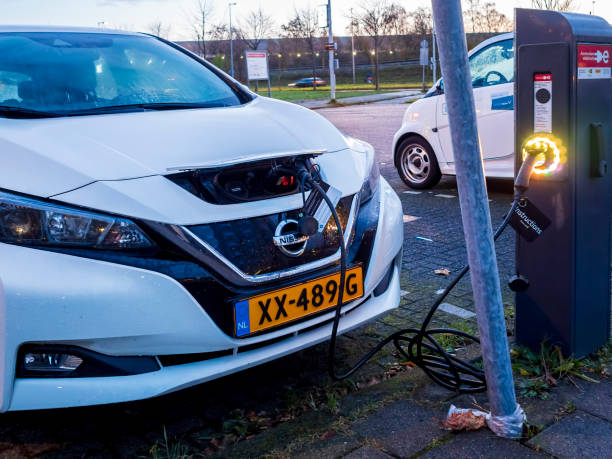
Electric vehicles are becoming more common across Florida. As more homeowners and businesses install charging stations, electrical systems are handling larger and more consistent power demands.
One issue that many EV charger owners experience is a tripping breaker. In some cases, the breaker trips once and never causes another problem. In other situations, it keeps shutting off the charger and interrupts charging sessions.
An EV charger breaker is designed to protect the electrical circuit. When it detects a dangerous condition, such as excessive current, overheating, or a fault in the system, it shuts off power before damage can occur. While this safety feature is important, frequent breaker trips often signal an underlying electrical issue that should not be ignored.
The cause may be something simple, such as a temporary overload. However, it can also point to more serious concerns, including undersized breakers, damaged wiring, faulty charging equipment, or an electrical panel that can no longer support the additional load.
Understanding why an EV charger breaker trips is the first step toward fixing the problem safely. Whether you own a home charging station or manage commercial charging equipment, identifying the cause early can help prevent equipment damage, charging interruptions, and costly repairs.
In this guide, we will explain how EV charger breakers work, the most common reasons they trip, troubleshooting steps you can take, and when it is time to contact a licensed electrician.
Key Electrical Statistics
The growing demand for EV charging has increased the importance of proper electrical design and maintenance. The following statistics highlight why electrical safety matters for both residential and commercial charging systems.
-
According to the National Fire Protection Association (NFPA), electrical failures or malfunctions contribute to tens of thousands of home fires each year.
-
The International Energy Agency reports that electric vehicle adoption continues to grow rapidly, with EVs representing a significant share of new vehicle sales worldwide.
-
The U.S. Department of Energy states that most EV charging takes place at homes, making residential electrical system capacity increasingly important.
-
Electrical Safety Foundation International identifies overloaded circuits as one of the most common electrical hazards in homes and businesses.
As EV ownership increases throughout Lakeland, Polk County, Tampa, and surrounding Florida communities, ensuring that charging equipment is installed on correctly sized circuits becomes even more important.
What Is an EV Charger Breaker?
An EV charger breaker is a circuit breaker dedicated to protecting the electrical circuit that powers an electric vehicle charging station. Like any other breaker in an electrical panel, its job is to stop electricity from flowing when unsafe conditions occur. This helps protect the charger, wiring, electrical panel, and the property itself. Without a properly functioning breaker, excessive current could overheat wires, damage equipment, or increase the risk of electrical fires.
How an EV Charger Breaker Protects Your Electrical System
Every EV charger draws a substantial amount of electricity. Level 2 chargers, which are common in homes and businesses, can operate for several hours while charging a vehicle. Because charging loads are continuous, electrical protection becomes especially important.
An EV charger breaker helps by:
-
Preventing circuit overloads
-
Protecting conductors from overheating
-
Reducing the risk of electrical fires
-
Isolating faults before major damage occurs
-
Protecting charging equipment and connected vehicles
When the breaker detects a condition outside its safe operating range, it trips and disconnects power from the charger. Although this can be frustrating, it often prevents a much larger problem.
Difference Between an EV Charger and Its Breaker
Many people assume the charger and breaker perform the same function. In reality, they serve very different purposes. The EV charger controls the charging process and delivers power to the vehicle. The breaker serves as a safety device that protects the electrical circuit supplying power to the charger.
Think of the charger as the equipment doing the work, while the breaker acts as the safety guard watching over the circuit. If either component develops a problem, charging performance can suffer. For example, a malfunctioning charger may cause charging interruptions, while a defective breaker may trip repeatedly even when the charger is operating normally. Understanding this distinction helps make troubleshooting easier when charging problems occur.
Typical Breaker Sizes for EV Chargers
The correct breaker size depends on the charger’s power requirements and the electrical code requirements for continuous loads.
Common EV charger breaker sizes include:
-
20-amp breaker
-
30-amp breaker
-
40-amp breaker
-
50-amp breaker
-
60-amp breaker
Most residential Level 2 chargers use either a 40-amp, 50-amp, or 60-amp circuit. Commercial charging stations may require significantly larger electrical infrastructure depending on the number of chargers and charging speeds involved.
Choosing the correct breaker size is critical. A breaker that is too small may trip frequently. A breaker that is too large may not provide adequate protection for the wiring.
That is why EV charger installations should always be designed according to the charger’s specifications, local electrical codes, and the capacity of the existing electrical system.
Why Does an EV Charger Breaker Keep Tripping?
A tripping EV charger breaker is one of the most common charging system complaints. While the breaker may appear to be the problem, it is usually responding to another issue within the electrical system.
The good news is that most causes can be identified with a systematic inspection. Some are simple fixes, while others require professional electrical service. Understanding the most common causes can help you narrow down the problem more quickly.
Overloaded Circuit
An overloaded circuit is one of the leading reasons an EV charger breaker trips. EV chargers draw a significant amount of power, especially Level 2 units. If other appliances or equipment share the same circuit, the total electrical demand can exceed the breaker’s rating.
For example, adding an EV charger to a circuit already serving large electrical loads can create enough demand to trip the breaker repeatedly.
Common overload situations include:
-
EV chargers sharing circuits with other equipment
-
Multiple high-power devices running simultaneously
-
Improperly designed electrical installations
-
Increased charging demand after charger upgrades
As the electrical load rises above safe limits, the breaker shuts off power to protect the wiring from overheating.
Incorrect Breaker Size
A breaker that is too small for the charger’s electrical demand will often trip during normal charging.
This issue commonly appears after:
-
Installing a new charger
-
Upgrading to a higher-capacity charger
-
Replacing equipment without reviewing circuit requirements
-
DIY installations without load calculations
Electric vehicle chargers are considered continuous loads. Because of this, electrical codes require circuits to be sized appropriately for long charging periods. If the breaker does not match the charger’s requirements, nuisance tripping can become a recurring problem.
Loose Electrical Connections
Electrical connections naturally expand and contract as temperatures change.
Over time, terminals can loosen inside:
-
Electrical panels
-
Disconnects
-
Junction boxes
-
Charging equipment
A loose connection creates resistance. Resistance creates heat. As heat builds, the breaker may detect abnormal operating conditions and trip. In severe cases, loose connections can damage wiring, terminals, and electrical components.
Faulty EV Charger
Sometimes the charger itself is causing the problem.
Internal electrical faults can develop within charging equipment due to:
-
Component failure
-
Manufacturing defects
-
Water intrusion
-
Power surges
-
Long-term wear
A defective charger may draw irregular current or create fault conditions that cause the breaker to trip.
Signs of charger-related issues include:
-
Frequent charging interruptions
-
Error messages
-
Failure to start charging
-
Inconsistent charging speeds
-
Random breaker trips
When troubleshooting, it is important to consider both the charger and the electrical circuit.
Ground Fault or Short Circuit
Ground faults and short circuits are serious electrical problems that require immediate attention. A ground fault occurs when electricity takes an unintended path to ground. A short circuit occurs when electrical conductors come into direct contact, creating excessive current flow.
Common causes include:
-
Damaged insulation
-
Moisture exposure
-
Pinched wiring
-
Internal charger failures
-
Physical damage to cables
Because these conditions can create fire and shock hazards, breakers are designed to trip quickly when they occur.
Damaged Wiring
Wiring damage can develop over time or occur during installation.
Common causes include:
-
Rodent damage
-
Physical impact
-
Excessive heat
-
Poor workmanship
-
Aging insulation
Even small areas of wire damage can create electrical faults that affect charger performance. If damaged wiring is suspected, a licensed electrician should inspect the circuit immediately.
Moisture and Weather Exposure
Outdoor charging stations face constant exposure to weather conditions. Rain, humidity, flooding, and condensation can all affect electrical equipment.
Water intrusion may lead to:
-
Corrosion
-
Ground faults
-
Short circuits
-
Equipment damage
-
Breaker trips
This issue is especially important in Florida, where humidity and storms can place additional stress on outdoor electrical systems. Regular inspections can help identify weather-related problems before they become serious.
Aging Breakers
Circuit breakers do not last forever. Like any electrical component, breakers experience wear over time.
An aging breaker may:
-
Trip more frequently
-
Fail to hold normal loads
-
Become overly sensitive
-
Show signs of overheating
Older electrical panels may contain breakers that have been operating for decades. In these situations, replacing the breaker may solve the problem if testing confirms that the charger and wiring are functioning properly.
Panel Capacity Problems
Many older homes were built before EV chargers became common. As a result, some electrical systems simply do not have enough available capacity for modern charging equipment.
Signs of panel capacity issues include:
-
Multiple breakers tripping
-
Flickering lights during charging
-
Warm electrical panels
-
Limited space for new circuits
-
Frequent overload conditions
When panel capacity becomes a problem, a panel upgrade is often the safest long-term solution.
Vehicle Charging Faults
The problem may not always originate from the charger or electrical system. Modern electric vehicles contain sophisticated charging systems that communicate with the charger during operation. If the vehicle develops a charging-related fault, it may create conditions that interrupt charging or contribute to breaker trips.
Possible causes include:
-
Vehicle charging module issues
-
Battery management system faults
-
Charging communication errors
-
Manufacturer-specific charging problems
If multiple charging stations produce the same issue with one vehicle, the vehicle itself should be evaluated.
Common Signs of EV Charger Breaker Problems
Watch for these warning signs before a complete charging failure occurs:
-
Breaker trips repeatedly
-
Charging stops unexpectedly
-
Breaker feels hot to the touch
-
Burning odors near the panel
-
Flickering lights while charging
-
Charger displays fault codes
-
Buzzing sounds from electrical equipment
-
Charging speeds become inconsistent
-
Vehicle fails to charge fully
-
The electrical panel shows signs of overheating
These symptoms often indicate a developing issue that should be addressed before it becomes more expensive or hazardous.
How to Diagnose EV Charger Breaker Problems Step by Step
Finding the exact cause of a tripping breaker requires a logical approach. Rather than replacing parts immediately, it is better to identify where the fault originates. The following process can help narrow down the problem.
Step 1: Determine When the Breaker Trips
Start by observing exactly when the breaker shuts off.
Ask questions such as:
-
Does it trip immediately?
-
Does it trip after several minutes?
-
Does it trip only during peak electrical usage?
-
Does it trip at a certain charging percentage?
The timing often provides valuable clues about the underlying cause. For example, immediate trips may indicate a fault, while delayed trips often suggest overload conditions.
Step 2: Inspect the Breaker
Look for visible signs of damage.
Check for:
-
Burn marks
-
Discoloration
-
Cracked components
-
Excessive heat
-
Loose mounting
Do not remove panel covers or touch energized components unless qualified to do so. Even a visual inspection can reveal obvious warning signs.
Step 3: Check Charger Settings
Many modern EV chargers allow users to adjust charging amperage.
Review:
-
Charging current settings
-
Scheduled charging settings
-
Load-sharing settings
-
Software updates
If the charging current is set higher than the circuit supports, breaker trips can occur. Reducing amperage temporarily may help identify whether the circuit is overloaded.
Step 4: Inspect the Charging Cable
Examine the charging cable for:
-
Cuts
-
Cracks
-
Burn marks
-
Pinched sections
-
Water damage
A damaged cable can create electrical faults that trigger breaker trips. Any visible damage should be addressed immediately.
Step 5: Review Electrical Load on the Panel
Consider what else is operating when charging occurs.
Large electrical loads may include:
-
Air conditioners
-
Electric water heaters
-
Pool equipment
-
Electric ranges
-
Dryers
If the panel is already near capacity, adding EV charging may overload the system. Load calculations can determine whether sufficient electrical capacity exists.
Step 6: Check for Error Codes
Most modern EV chargers include diagnostic features that can help identify problems. Review the charger’s display, mobile app, or manufacturer documentation for any fault messages.
Common error codes may indicate:
-
Ground faults
-
Overcurrent conditions
-
Communication failures
-
Overheating
-
Internal charger faults
-
Voltage irregularities
Record any error codes before resetting the system. These details can help a technician diagnose the issue more quickly. If the same code appears repeatedly, further investigation is usually necessary.
Step 7: Test Charging at Reduced Amperage
Many Level 2 chargers allow users to lower the charging current through the charger settings. If your charger is set to its maximum output, temporarily reducing the amperage can help determine whether the circuit is overloaded.
For example:
-
Reduce a 48-amp charging setting to 40 amps
-
Monitor charging performance
-
Watch for additional breaker trips
If charging continues normally at a lower setting, the issue may involve circuit capacity, breaker sizing, wiring conditions, or panel limitations. This is not a permanent fix, but it can provide useful troubleshooting information.
Step-by-Step Troubleshooting Process
Use the following checklist when diagnosing EV charger breaker issues:
-
Identify when the breaker trips.
-
Inspect the breaker for visible damage.
-
Review charger settings.
-
Check the charging cable.
-
Evaluate overall electrical load.
-
Review charger error codes.
-
Test charging at a lower amperage.
-
Monitor charging performance.
-
Contact a licensed electrician if problems continue.
Taking a structured approach often prevents unnecessary repairs and replacement costs.
Safe EV Charger Breaker Fixes Homeowners Can Try
Not every breaker issue requires major electrical work. In some cases, basic troubleshooting can restore normal charging operation. However, safety should always come first. If there is any sign of overheating, burning odors, damaged wiring, or electrical arcing, stop using the charger and contact a qualified electrician. The following fixes may help resolve minor issues.
Resetting the Breaker Properly
Many people attempt to reset a breaker without fully switching it off first.
To properly reset a breaker:
-
Move the breaker completely to the OFF position.
-
Wait several seconds.
-
Move it firmly back to the ON position.
-
Restart the charging session.
If the breaker trips immediately after resetting, do not continue forcing resets. Repeated trips usually indicate an underlying electrical problem. A breaker is designed to trip for a reason.
Reducing Charging Amperage
Lowering the charging current can sometimes prevent nuisance breaker trips.
This approach may be useful when:
-
The charger was recently upgraded
-
The home has a limited electrical capacity
-
Multiple large appliances operate simultaneously
-
Peak electrical demand causes overload conditions
Many smart chargers allow amperage adjustments through their mobile applications. While reducing charging speed may help temporarily, it should not replace proper electrical system upgrades when they are needed.
Removing Other Loads From the Circuit
An EV charger should normally operate on a dedicated circuit. If other devices are connected to the same circuit, excessive electrical demand can cause the breaker to trip.
Try reducing electrical load by limiting the use of:
-
Space heaters
-
Electric dryers
-
Pool pumps
-
Water heaters
-
High-power workshop equipment
If breaker trips stop after reducing load, the electrical system may require additional circuit capacity.
Updating Smart Charger Software
Modern charging stations rely heavily on software.
Manufacturers regularly release updates that may improve:
-
Charging performance
-
Communication functions
-
Fault detection systems
-
Energy management features
Check the manufacturer’s app or website for available updates. Software issues are less common than electrical faults, but they can occasionally contribute to charging interruptions.
Cleaning and Inspecting Connections
For chargers installed outdoors, dirt, dust, and debris can affect charging performance.
Inspect:
-
Charging connectors
-
Plug contacts
-
Charging ports
-
Protective covers
Look for:
-
Corrosion
-
Moisture
-
Dirt buildup
-
Physical damage
Clean only according to the manufacturer’s recommendations. Avoid using water or harsh cleaning chemicals on electrical components.
Checking Outdoor Charger Weather Protection
Florida weather can be demanding on outdoor electrical equipment.
Inspect the charging station for:
-
Damaged weather seals
-
Cracked enclosures
-
Water intrusion
-
Corrosion
-
Loose covers
Even a small amount of moisture entering electrical equipment can create faults that trigger breaker trips. Regular inspections can help identify problems before they become expensive repairs.
Need help with an EV charger breaker that keeps tripping? Hylton Electric serves Lakeland, Polk County, Tampa, and nearby Florida communities. Our team works with residential, commercial, and industrial electrical systems. Call +1 863-624-7000 or email ray@hylton-electric.com. Free quotes are available for commercial and industrial projects.
EV Charger Breaker Problems That Require a Licensed Electrician
Some electrical issues go beyond basic troubleshooting. Attempting to repair these problems without proper training can increase the risk of electrical shock, equipment damage, or fire. If you notice any of the following warning signs, professional service is recommended.
Burn Marks or Overheating
Electrical components should never show signs of excessive heat.
Watch for:
-
Burn marks on breakers
-
Melted insulation
-
Discolored wiring
-
Scorch marks around terminals
These symptoms often indicate serious electrical stress. Continued operation can damage equipment and create safety hazards.
Repeated Breaker Trips
A breaker that trips repeatedly is telling you something is wrong. Even if resetting restores power temporarily, the root cause still exists.
Frequent tripping may result from:
-
Circuit overloads
-
Faulty breakers
-
Damaged wiring
-
Ground faults
-
Charger malfunctions
A licensed electrician can perform testing to identify the actual source of the problem.
Buzzing Sounds From the Panel
Electrical panels should operate quietly.
Buzzing, humming, or crackling sounds can indicate:
-
Loose electrical connections
-
Arcing
-
Breaker failure
-
Overloaded components
These conditions should be investigated immediately. Electrical arcing can generate extreme heat and may become a fire risk.
Melting Insulation
Wire insulation protects conductors from accidental contact and short circuits. When insulation begins melting, it often means excessive heat is present.
Potential causes include:
-
Loose connections
-
Overloaded circuits
-
Incorrect breaker sizing
-
Faulty equipment
Damaged wiring should always be repaired by a qualified professional.
Electrical Burning Smells
A burning odor near an electrical panel, charger, or wiring system should never be ignored.
Possible causes include:
-
Overheated conductors
-
Damaged insulation
-
Failing breakers
-
Electrical arcing
If a burning smell is detected:
-
Stop charging immediately.
-
Turn off the power if safe to do so.
-
Contact a licensed electrician.
Prompt action can help prevent more extensive damage.
Water-Damaged Components
Water and electricity are a dangerous combination. After severe storms, flooding, or water intrusion, charging equipment should be inspected before continued use.
An electrician may need to evaluate:
-
Breakers
-
Wiring
-
Disconnects
-
Chargers
-
Electrical panels
Even if the equipment appears normal, hidden corrosion can create future problems.
Main Panel Capacity Issues
As EV ownership increases, many property owners discover their electrical systems were not designed for modern charging loads.
Signs of panel capacity limitations include:
-
Frequent breaker trips
-
Flickering lights
-
Lack of available breaker spaces
-
Warm electrical panels
-
Multiple overloaded circuits
In these situations, a panel upgrade may provide the safest and most reliable long-term solution. A professional load calculation can determine whether the existing electrical service is adequate for current and future charging needs.
How to Tell If the Breaker Is Bad or the EV Charger Is Faulty
When an EV charger breaker keeps tripping, many property owners immediately assume the breaker has failed. Sometimes that is true. However, the charger itself can also create conditions that cause the breaker to trip. Understanding the difference can help avoid unnecessary repairs and replacement costs.
Symptoms of a Bad Breaker
Circuit breakers wear out over time. Although quality breakers can last for many years, constant use, heat exposure, and electrical stress eventually affect performance.
Common signs of a failing breaker include:
-
Breaker trips under normal load
-
The breaker will not stay reset
-
Breaker feels unusually hot
-
Visible discoloration or burn marks
-
Cracking around the breaker housing
-
Breaker trips more frequently than before
In some cases, a breaker becomes overly sensitive and trips even though the circuit is operating within safe limits. Professional testing can confirm whether replacement is necessary.
Symptoms of a Faulty Charger
The charger may be the source of the problem rather than the breaker. A defective charger can create irregular electrical conditions that trigger protective devices.
Signs of charger-related problems include:
-
Charging sessions stop unexpectedly
-
Charger displays fault codes
-
Vehicle charges inconsistently
-
Charging speed fluctuates
-
Charger fails to start
-
The breaker trips only when one specific charger is used
If multiple vehicles experience problems with the same charging station, the charger becomes a likely suspect.
Professional Diagnostic Methods
Electricians use specialized testing equipment to identify the source of charging issues.
A professional evaluation may include:
-
Breaker testing
-
Load measurements
-
Voltage testing
-
Thermal imaging inspections
-
Wiring inspections
-
Charger performance testing
These tests allow electricians to identify faults accurately instead of relying on trial-and-error repairs.
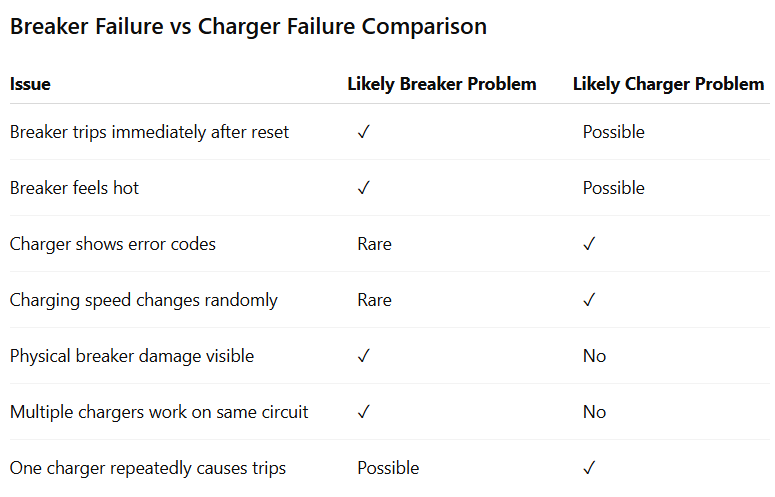
In many cases, both components should be evaluated before replacement decisions are made.
EV Charger Breaker Size Guide
Choosing the correct breaker size is one of the most important parts of a safe EV charging installation. A breaker that is too small may trip frequently. A breaker that is too large can reduce protection for the circuit wiring. Proper sizing helps improve safety, charging reliability, and equipment life.
20 Amp EV Charger Circuits
Smaller EV charging systems sometimes use 20-amp circuits. These installations are less common today because charging speeds are relatively slow.
Typical applications include:
-
Entry-level charging equipment
-
Lower-power charging systems
-
Specialty charging applications
30 Amp EV Charger Circuits
A 30-amp circuit provides moderate charging performance.
These systems may be found in:
-
Smaller residential installations
-
Older charging systems
-
Properties with limited electrical capacity
Although functional, many homeowners now choose larger circuits to support faster charging.
40 Amp EV Charger Circuits
A 40-amp breaker is one of the most common configurations for residential Level 2 charging.
Benefits include:
-
Faster charging speeds
-
Reasonable installation costs
-
Broad compatibility with modern EVs
Many homeowners find that a 40-amp circuit provides a good balance between performance and electrical demand.
50 Amp EV Charger Circuits
A 50-amp breaker is another popular choice for home charging.
These systems support:
-
Higher charging rates
-
Larger battery packs
-
Reduced charging times
Many modern EV charger installations use 50-amp circuits when sufficient electrical capacity is available.
60 Amp EV Charger Circuits
Higher-powered residential charging stations often require 60-amp breakers.
Advantages include:
-
Faster charging performance
-
Future-ready electrical capacity
-
Support for advanced charging equipment
However, not all homes can support a 60-amp charging circuit without electrical upgrades.
NEC 80 Percent Rule Explained
Electric vehicle chargers are classified as continuous electrical loads. Under National Electrical Code requirements, continuous loads should not exceed 80 percent of a circuit’s rated capacity.
For example:

This rule helps prevent overheating and improves long-term reliability. Ignoring this requirement can lead to nuisance breaker trips and increased wear on electrical components.
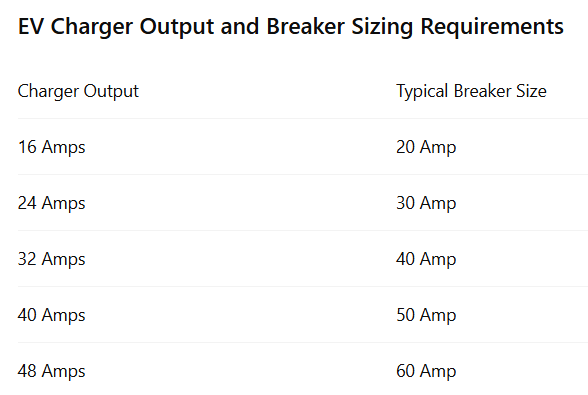
Proper breaker sizing should always follow manufacturer specifications and local electrical code requirements.
Cost to Fix EV Charger Breaker Problems in Florida
Repair costs vary depending on the cause of the problem, the condition of the electrical system, and whether additional upgrades are required. Simple repairs are generally affordable. More complex issues involving panels or wiring can increase project costs.
Breaker Replacement Cost
If testing confirms the breaker has failed, replacement is often the least expensive repair.
Typical Florida cost range:
-
Approximately $150–$500
-
Depends on breaker type and panel configuration
Wiring Repair Cost
Damaged wiring can increase both labor and material costs.
Typical Florida cost range:
-
Approximately $250–$1,500+
Factors affecting price include:
-
Wire length
-
Accessibility
-
Extent of damage
-
Permit requirements
Electrical Panel Repair Cost
Panel repairs vary widely based on the specific issue.
Typical Florida cost range:
-
Approximately $300–$2,000+
Common repairs include:
-
Bus bar repairs
-
Breaker replacements
-
Connection repairs
-
Corrosion remediation
EV Charger Repair Cost
If the charger itself is malfunctioning, repair costs depend on the equipment manufacturer and the nature of the fault.
Typical Florida cost range:
-
Approximately $200–$1,500+
In some cases, replacement may be more cost-effective than repair.
Panel Upgrade Cost
Many EV charging issues stem from insufficient electrical capacity.
Typical Florida panel upgrade costs:
-
Approximately $2,000–$6,500+
Costs depend on:
-
Service size
-
Utility requirements
-
Existing equipment
-
Permit and inspection requirements
Emergency Electrical Service Cost
Emergency service is sometimes necessary when safety concerns exist.
Examples include:
-
Burning odors
-
Arcing
-
Overheating
-
Storm-related damage
Emergency service costs are generally higher than standard scheduled appointments.
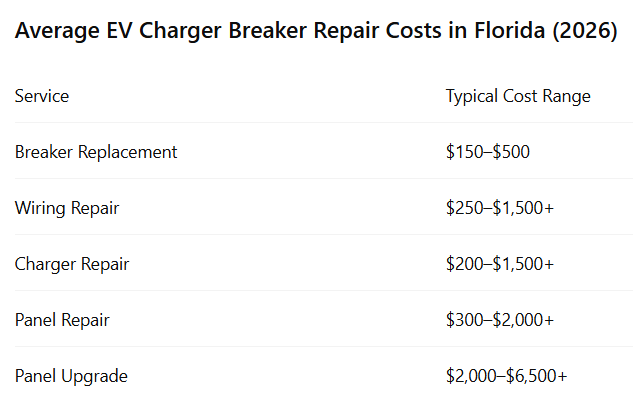
Actual costs vary based on property conditions, equipment type, accessibility, and local permitting requirements.
When an EV Charger Breaker Problem Means You Need a Panel Upgrade
Sometimes the breaker is not the real issue. Instead, the electrical panel may no longer have enough capacity to support modern power demands. This situation is becoming more common as homeowners add EV chargers, larger HVAC systems, backup generators, and other high-demand electrical equipment.
Full Panel Conditions
Many older electrical panels simply run out of space.
Signs include:
-
No available breaker slots
-
Tandem breakers added throughout the panel
-
Crowded wiring
-
Limited expansion options
When no space remains, adding new charging circuits safely becomes difficult.
Insufficient Service Capacity
A charging station adds a significant electrical load to a property.
Homes with smaller electrical services may struggle to support:
-
EV chargers
-
Air conditioning systems
-
Electric water heaters
-
Kitchen appliances
-
Pool equipment
A load calculation can determine whether the service is sufficient.
Older 100-Amp Panels
Many older Florida homes still operate on 100-amp electrical services. While these systems worked well for previous generations, modern electrical demands are often much higher.
Common upgrade indicators include:
-
Frequent breaker trips
-
Voltage fluctuations
-
Limited circuit availability
-
Planned EV charger installations
Upgrading to a 200-amp service often provides additional capacity and flexibility.
Multiple High-Power Appliances
Modern homes and commercial properties use more electricity than ever before. An EV charger may be only one part of the overall electrical demand.
Properties often experience capacity issues when several high-power appliances operate at the same time, including:
-
Central air conditioning systems
-
Electric water heaters
-
Electric dryers
-
Electric ovens and ranges
-
Pool pumps and heaters
-
Workshop equipment
-
Hot tubs and spas
Even if the EV charger circuit was installed correctly, the combined demand from multiple devices can place excessive strain on the electrical system. If breaker trips occur during periods of high electrical usage, the panel may be approaching its limits.
Future EV Expansion Plans
Many homeowners purchase a second electric vehicle within a few years of buying the first. Businesses are also expanding charging infrastructure to support employees, customers, and fleet vehicles. Planning ahead can prevent costly electrical modifications later.
A panel upgrade may make sense if you expect to add:
-
Additional EV chargers
-
Faster charging equipment
-
Solar power systems
-
Battery storage systems
-
New electrical appliances
-
Facility expansions
Investing in electrical capacity today can simplify future upgrades and improve overall system reliability.
Signs Your Electrical System Has Outgrown Its Capacity
The following warning signs often indicate the need for an electrical evaluation:
-
Frequent breaker trips
-
Dimming or flickering lights
-
Overloaded circuits
-
Warm electrical panels
-
Limited breaker space
-
Delayed charging times
-
Difficulty adding new electrical equipment
If several of these symptoms are present, a professional load calculation can determine whether a panel upgrade is the best solution.
Commercial EV Charger Breaker Issues
Commercial charging systems face challenges that are very different from residential installations. Business properties often operate multiple charging stations simultaneously. This increases electrical demand and adds complexity to system design. As EV adoption continues to grow, facility managers and business owners should understand the common causes of commercial charging problems.
Multi-Port Charging Stations
Many commercial properties install charging stations that serve several vehicles at once. These systems can place substantial demand on the electrical infrastructure.
Potential issues include:
-
Simultaneous charging peaks
-
Uneven load distribution
-
Circuit overloads
-
Equipment overheating
Proper system design is essential to prevent nuisance breaker trips.
Load Management Failures
Modern commercial charging systems often use load management software. These systems distribute available power among charging stations to avoid overloading circuits. When load management fails, charging stations may draw more power than the electrical system can safely provide.
This can lead to:
-
Breaker trips
-
Charging interruptions
-
Reduced equipment life
-
Operational downtime
Routine inspections and software updates help reduce these risks.
Shared Circuit Problems
Commercial facilities sometimes share electrical infrastructure among multiple systems.
Examples include:
-
Lighting systems
-
HVAC equipment
-
Manufacturing equipment
-
Charging stations
When circuits are not properly designed, electrical demand can exceed safe operating limits. Shared circuit issues are a common cause of recurring breaker trips in commercial environments.
Demand Load Challenges
Electric utility demand charges can influence how commercial charging systems operate.
Businesses with multiple chargers may experience:
-
High peak demand periods
-
Increased electrical stress
-
Greater load fluctuations
Careful planning helps balance charging performance with electrical system capacity.
Preventing Business Downtime
Charging interruptions can affect:
-
Employee productivity
-
Customer satisfaction
-
Fleet operations
-
Facility efficiency
Preventive maintenance is often the most effective strategy.
Recommended practices include:
-
Annual electrical inspections
-
Thermal imaging evaluations
-
Breaker testing
-
Charger performance testing
-
Load analysis reviews
Identifying problems early can prevent costly downtime and emergency repairs.
Case Example: Commercial Property Charger Troubleshooting
A commercial facility in Central Florida experienced repeated breaker trips at a newly installed EV charging station. Initial inspections suggested the charger was defective. However, a detailed electrical evaluation revealed the actual cause.
The property’s electrical panel was already operating near capacity due to HVAC equipment and lighting systems. When multiple chargers operated simultaneously, demand exceeded available capacity.
The solution included:
-
Load calculations
-
Circuit modifications
-
Load management adjustments
-
Electrical system balancing
After the improvements were completed, charging operations returned to normal, and breaker trips stopped. This example highlights why professional diagnostics are often necessary for commercial charging systems.
Preventing Future EV Charger Breaker Trips
The best way to deal with breaker problems is to prevent them before they occur. Regular maintenance and proper system design can significantly reduce charging interruptions.
Proper Circuit Sizing
Correct circuit sizing is the foundation of reliable EV charging.
Every installation should be based on:
-
Charger specifications
-
Electrical code requirements
-
Available panel capacity
-
Future charging needs
Oversized or undersized circuits can both create problems.
Routine Electrical Inspections
Electrical systems naturally experience wear over time.
Periodic inspections can identify:
-
Loose connections
-
Corrosion
-
Overheating
-
Breaker deterioration
-
Wiring damage
Addressing small issues early often prevents larger repairs later.
Smart Load Management
Smart charging technology helps distribute electrical demand more efficiently.
Benefits include:
-
Reduced overload risks
-
Better energy usage
-
Improved charging reliability
-
Lower stress on electrical equipment
Many modern commercial systems rely on load management to support multiple chargers.
Quality Equipment Selection
Not all charging equipment performs equally.
Selecting quality equipment can improve:
-
Reliability
-
Safety
-
Charging performance
-
Long-term durability
Investing in reputable equipment often reduces maintenance costs over time.
Weather Protection Strategies
Florida’s climate can be challenging for outdoor electrical equipment.
Protective measures include:
-
Weather-rated enclosures
-
Proper sealing
-
Routine inspections
-
Corrosion-resistant components
Protecting charging equipment from moisture helps reduce electrical faults.
Annual Maintenance Recommendations
Annual maintenance can help keep charging systems operating efficiently.
A typical maintenance checklist may include:
-
Breaker inspections
-
Wiring inspections
-
Connection tightening
-
Charger testing
-
Load analysis
-
Software updates
Preventive maintenance is often far less expensive than emergency repairs.
EV Charger Maintenance Checklist
Use this checklist to reduce future charging issues:
-
Inspect charging cables regularly
-
Keep connectors clean
-
Monitor charger error messages
-
Schedule annual electrical inspections
-
Address breaker trips promptly
-
Protect outdoor equipment from moisture
-
Verify software is up to date
-
Watch for overheating signs
-
Avoid circuit overloads
-
Maintain dedicated charging circuits
Common EV Charger Breaker Mistakes
Many charging problems result from avoidable installation or maintenance mistakes. Understanding these common errors can help property owners avoid future issues.
Installing the Wrong Breaker
Using an incorrectly sized breaker is one of the most common installation mistakes.
Problems may include:
-
Frequent nuisance trips
-
Reduced circuit protection
-
Overheating risks
-
Electrical code violations
Breaker sizing should always match both the charger requirements and the circuit wiring.
Using Extension Cords
Extension cords are not intended for permanent EV charging applications.
Potential risks include:
-
Voltage drop
-
Overheating
-
Equipment damage
-
Fire hazards
EV chargers should always be connected according to the manufacturer’s requirements.
Ignoring Frequent Trips
A breaker that trips repeatedly should never be ignored. Continued resetting without investigation can allow underlying issues to worsen. Early diagnosis often prevents more expensive repairs later.
DIY Electrical Repairs
Many EV charger issues involve high-voltage electrical systems.
Improper repairs can create:
-
Shock hazards
-
Fire risks
-
Equipment damage
-
Code violations
Complex electrical work should be performed by licensed electricians.
Skipping Permit Requirements
Permits and inspections help ensure charging systems are installed safely.
Skipping required approvals may result in:
-
Safety concerns
-
Insurance complications
-
Failed property inspections
-
Code compliance issues
Proper permitting protects both property owners and occupants.
Overloading Older Panels
Older electrical panels often struggle to support modern charging loads.
Adding EV chargers without evaluating panel capacity can lead to:
-
Frequent breaker trips
-
Overheating
-
Service interruptions
-
Premature equipment wear
A professional electrical assessment helps determine whether upgrades are needed before installation.
EV Charging Trends Affecting Breaker Requirements
EV charging technology continues to evolve. As charging speeds increase and more properties add charging stations, electrical systems must keep pace. Understanding these trends can help homeowners, facility managers, and business owners make better long-term decisions.
Faster Home Charging
New EV chargers can deliver more power than earlier models.
Many homeowners are choosing higher-capacity charging stations because they:
-
Reduce charging times
-
Support larger vehicle batteries
-
Improve convenience
-
Prepare homes for future EV purchases
However, faster charging also increases electrical demand. In some cases, existing circuits and panels may require upgrades before higher-powered chargers can be installed safely.
Bidirectional Charging
Some newer electric vehicles can send electricity back to a home or building.
This technology is commonly called:
-
Vehicle-to-Home (V2H)
-
Vehicle-to-Building (V2B)
-
Vehicle-to-Grid (V2G)
While these systems offer exciting possibilities, they also introduce additional electrical design considerations. Proper breaker protection becomes even more important as power flows in multiple directions.
Smart Energy Management Systems
Energy management systems are becoming more common in both residential and commercial properties.
These systems help:
-
Balance electrical loads
-
Reduce peak demand
-
Coordinate multiple chargers
-
Improve overall efficiency
As adoption grows, smart controls may reduce the need for costly electrical upgrades in some situations.
Growing Residential EV Adoption
Every year, more Florida homeowners install charging stations. As neighborhoods add additional chargers, the electrical infrastructure must support increased demand.
This trend is driving greater interest in:
-
Panel upgrades
-
Load management systems
-
Dedicated charging circuits
-
Electrical service upgrades
Properties that plan ahead often avoid future charging limitations.
Commercial Fleet Charging Growth
Commercial fleet electrification is expanding rapidly.
Businesses are adding charging infrastructure for:
-
Delivery vehicles
-
Service fleets
-
Municipal vehicles
-
Employee charging programs
These systems can place substantial demands on electrical infrastructure. Careful planning helps ensure reliable operation while minimizing breaker issues and system overloads.
Conclusion
An EV charger breaker is one of the most important safety components in any charging system. When it trips, it is usually responding to a condition that requires attention.
Sometimes the cause is simple, such as excessive electrical demand or incorrect charger settings. In other cases, the problem may involve damaged wiring, a failing breaker, electrical panel limitations, or charger defects. The key is identifying the root cause rather than repeatedly resetting the breaker. Regular inspections, proper circuit sizing, routine maintenance, and professional electrical evaluations can help prevent many common charging problems.
For homeowners, businesses, and facility managers throughout Florida, maintaining a safe and reliable charging system protects both electrical equipment and vehicle investments.
If your EV charger breaker continues to trip, or if you suspect your electrical system may not have enough capacity for EV charging, a licensed electrician can perform the testing needed to identify the problem and recommend the appropriate solution.
If your EV charger breaker keeps tripping, Hylton Electric can help identify the cause and recommend the safest solution. We serve residential, commercial, and industrial clients throughout Lakeland, Polk County, Tampa, and surrounding areas. Call +1 863-624-7000 or email ray@hylton-electric.com. Free quotes are available for commercial and industrial projects.
FAQs About EV Charger Breaker
Why does my EV charger breaker trip immediately?
If your EV charger breaker trips immediately after you start charging, there is often a fault somewhere in the system. Common causes include ground faults, short circuits, damaged charging cables, defective chargers, or wiring problems.
Immediate breaker trips usually indicate a safety issue rather than a simple overload. The breaker detects an abnormal condition and disconnects power to protect the circuit.
Before resetting the breaker repeatedly:
-
Inspect the charging cable
-
Check for visible damage
-
Look for charger error codes
-
Stop charging if burning smells or heat are present
If the problem continues, a licensed electrician should inspect the charger and circuit.
Can a bad EV charger cause a breaker to trip?
Yes. A faulty EV charger can absolutely cause a breaker to trip. Internal component failures, damaged electronics, water intrusion, overheating, or manufacturing defects can create abnormal electrical conditions. When this happens, the breaker responds by shutting off power to prevent damage.
Signs that the charger may be the issue include:
-
Frequent charging interruptions
-
Error messages on the charger
-
Inconsistent charging performance
-
The breaker trips only when using one charger
Testing the charger and electrical circuit together is usually the best way to determine the actual cause.
What size breaker does a Level 2 EV charger need?
The correct breaker size depends on the charger’s output rating.
Most residential Level 2 chargers use:
-
40-amp breakers
-
50-amp breakers
-
60-amp breakers
The National Electrical Code requires continuous loads to follow the 80 percent rule.
For example:
-
32-amp charger → 40-amp breaker
-
40-amp charger → 50-amp breaker
-
48-amp charger → 60-amp breaker
Always follow manufacturer specifications and local code requirements. Using the wrong breaker size can lead to nuisance trips or inadequate circuit protection.
Is it safe to keep resetting a tripping EV charger breaker?
No. Repeatedly resetting a breaker without finding the cause is not recommended. A breaker trips because it detects a potentially unsafe condition. Constantly resetting it can allow hidden problems to worsen.
Potential issues include:
-
Circuit overloads
-
Faulty chargers
-
Damaged wiring
-
Loose electrical connections
-
Ground faults
If the breaker trips more than once, investigate the cause before continuing to charge. Persistent tripping should be evaluated by a qualified electrician.
Can hot weather affect EV charger breakers?
Yes. High temperatures can affect charging equipment and electrical components. Florida’s climate creates additional stress on outdoor charging systems. Excessive heat can increase electrical resistance, raise operating temperatures, and contribute to breaker trips.
Hot weather may worsen existing problems, such as:
-
Loose connections
-
Undersized circuits
-
Overloaded panels
-
Aging breakers
If breaker trips occur primarily during very hot weather, a professional inspection may help identify temperature-related issues.
How much does it cost to replace an EV charger breaker?
The cost depends on the breaker type, panel configuration, accessibility, and labor requirements.
Many residential breaker replacements fall within a range of approximately:
-
$150–$500
However, costs can increase if additional repairs are required, such as:
-
Wiring repairs
-
Panel repairs
-
Corrosion cleanup
-
Electrical upgrades
A professional inspection is usually necessary to determine the exact scope of work.
Can an overloaded electrical panel trip my EV charger breaker?
Yes. An overloaded electrical panel is a common cause of charging issues. When total electrical demand exceeds available capacity, breakers may trip to protect the system.
Signs of panel overload include:
-
Frequent breaker trips
-
Flickering lights
-
Warm electrical panels
-
Reduced charging performance
-
Multiple overloaded circuits
A load calculation can determine whether the existing electrical service is sufficient for your EV charger and other electrical equipment.
Do EV chargers require dedicated circuits?
In most cases, yes. Level 2 EV chargers should be installed on dedicated circuits. A dedicated circuit means the charger is the only device using that breaker and wiring. This reduces the risk of overloads and helps ensure consistent charging performance.
Dedicated circuits provide several benefits:
-
Improved electrical safety
-
Reduced breaker trips
-
Better charging reliability
-
Compliance with electrical codes
-
Lower risk of overheating
Because EV chargers operate for long periods and draw substantial power, sharing circuits with other appliances is generally not recommended.
How long do EV charger breakers last?
A quality circuit breaker can often last 20 to 40 years under normal conditions.
However, lifespan depends on several factors, including:
-
Frequency of use
-
Electrical load levels
-
Environmental conditions
-
Installation quality
-
Exposure to heat and moisture
Breakers that experience frequent trips may wear out sooner than those operating under normal conditions.
Warning signs of a failing breaker include:
-
Frequent nuisance trips
-
Excessive heat
-
Physical damage
-
Difficulty resetting
Routine electrical inspections can help identify aging breakers before they fail completely.
Should I upgrade my panel before installing an EV charger?
Not every property requires a panel upgrade, but many do. Before installing an EV charger, an electrician should evaluate:
-
Existing panel capacity
-
Available breaker space
-
Overall electrical demand
-
Future electrical needs
A panel upgrade may be recommended if:
-
The panel is full
-
The home has a 100-amp service
-
Multiple high-demand appliances are present
-
Additional EV chargers are planned
Completing this assessment before installation helps avoid future charging problems and unnecessary costs.
Can a GFCI breaker cause charging interruptions?
Yes. In some situations, GFCI breakers can contribute to charging interruptions. Many EV chargers include built-in ground-fault protection. When multiple protection systems interact, nuisance trips may occur.
Possible causes include:
-
Equipment compatibility issues
-
Moisture intrusion
-
Ground faults
-
Wiring problems
A licensed electrician can determine whether the breaker type matches the charger’s requirements and local code standards. It is important not to replace protective devices without professional guidance.
Why does the breaker trip only at night?
A breaker that trips only at night may indicate changing electrical demand patterns.
Common reasons include:
-
Scheduled charging sessions
-
Increased household electrical usage
-
Lower nighttime temperatures affecting equipment
-
Utility demand management programs
-
Charging settings that activate after certain hours
Reviewing charger schedules and monitoring electrical loads during charging periods can help identify the cause. If the issue persists, diagnostic testing may be necessary.
Can commercial EV chargers overload electrical systems?
Yes. Commercial charging stations can place significant demands on the electrical infrastructure.
The risk increases when:
-
Multiple vehicles charge simultaneously
-
Electrical systems are undersized
-
Load management is not properly configured
-
Additional facility equipment operates during charging
Potential consequences include:
-
Breaker trips
-
Equipment overheating
-
Service interruptions
-
Reduced charging performance
Proper design, load calculations, and preventive maintenance are essential for commercial charging reliability.
Is breaker tripping covered under EV charger warranties?
It depends on the cause of the problem and the manufacturer’s warranty terms.
A warranty may cover:
-
Defective charger components
-
Manufacturing defects
-
Internal equipment failures
However, warranties typically do not cover:
-
Electrical panel problems
-
Improper installations
-
Damaged wiring
-
Utility power issues
-
Electrical overloads
Review the warranty documentation carefully and consult both the charger manufacturer and your electrician when determining coverage.
When should I call a licensed electrician for EV charger issues?
You should contact a licensed electrician whenever charging issues cannot be resolved through basic troubleshooting or when safety concerns are present.
Professional service is strongly recommended if you notice:
-
Repeated breaker trips
-
Burning odors
-
Overheating breakers
-
Buzzing sounds from the panel
-
Damaged wiring
-
Water intrusion
-
Charger error codes that persist
An electrician can safely test the charger, breaker, wiring, and panel to identify the root cause. Prompt repairs help protect your vehicle, charging equipment, and electrical system while reducing the risk of more serious problems.
Leave a Reply